
The Role of Shinto Shrines in Celebrating Feudal Traditions and Festivals

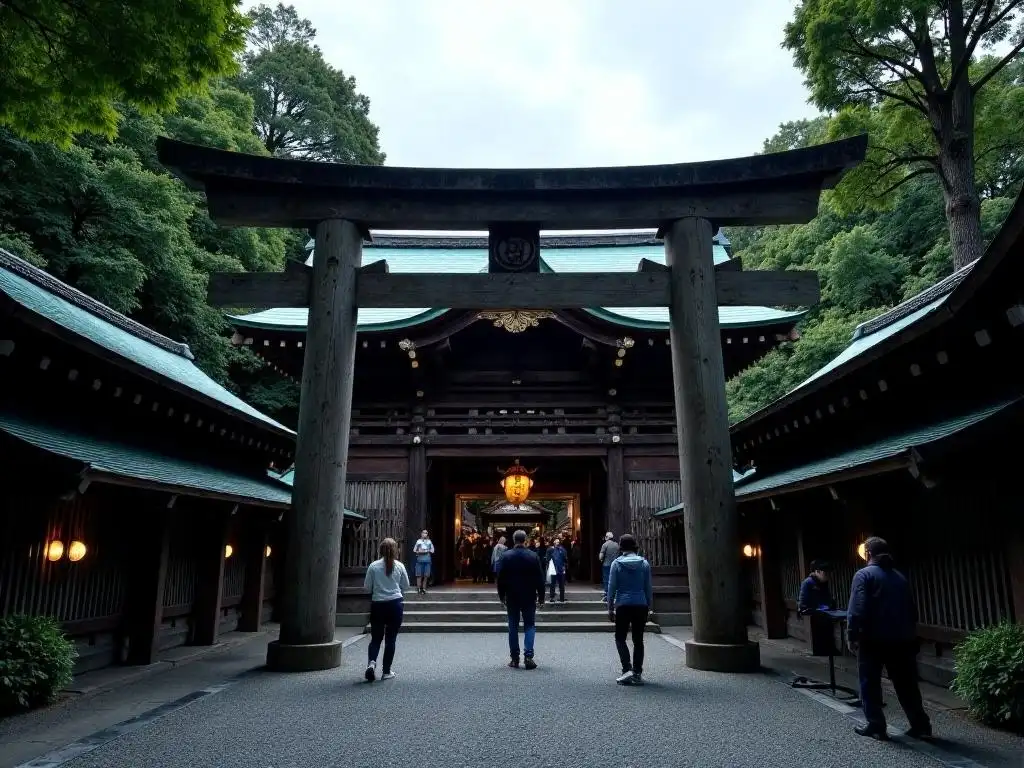
Welcome to Feudal Japan History, where we embark on a fascinating journey through the intricate tapestry of Japan’s feudal era. Dive deep into the cultural heart of this period as we explore the pivotal role of Shinto shrines in celebrating feudal traditions and festivals. What secrets do these sacred spaces hold about the beliefs and practices that shaped a nation? Prepare to uncover the vibrant customs and profound rituals that intertwine faith with history—your adventure into the rich legacy of feudal Japan begins here!
Introduction to Shinto Shrines and Feudal Traditions in Japan
Shinto shrines hold a central place in the cultural and spiritual life of Japan, especially during the feudal era, when they served not only as places of worship but also as important venues for celebrating various feudal traditions and festivals. The intricate relationship between Shinto shrines and the societal structures of feudal Japan is a testament to the intertwining of religion, culture, and governance.
This article aims to explore how Shinto shrines facilitated the celebration of feudal traditions, reinforcing community bonds and cultural identity within the hierarchical society of Japan. Understanding this dynamic offers insight into how spiritual beliefs shaped social practices and festivals during a pivotal period in Japanese history.
Overview of Shintoism and Its Cultural Significance
Shintoism, often described as the indigenous spirituality of Japan, is characterized by the worship of kami, or deities, that embody natural elements and ancestral spirits. This belief system emphasizes harmony with nature, reverence for ancestors, and the importance of rituals in daily life. The cultural significance of Shinto extends beyond religious practices; it influences art, literature, and social customs, making it a foundational aspect of Japanese identity.
The rituals and festivals associated with Shinto are integral in fostering community cohesion. These celebrations often coincide with agricultural cycles, seasonal changes, and important life events, reflecting the deep connection between the people and their environment. In the feudal context, Shinto shrines became pivotal in reinforcing the social order, as they were often linked to the samurai class and local governance, thereby intertwining spirituality with authority and tradition.
The Importance of Feudal Traditions in Japanese Society
Feudal traditions in Japan, established during the Kamakura period (1185-1333) and solidified throughout the subsequent Muromachi (1336-1573) and Edo (1603-1868) periods, played a crucial role in shaping the societal structure. These traditions were characterized by a rigid hierarchy, with the shogunate at the top, followed by daimyos, samurai, and peasants. Each class had its own set of customs, rituals, and festivals, which were often celebrated at Shinto shrines.
The adherence to feudal traditions helped maintain social order and loyalty among the classes. Festivals, many of which were held at Shinto shrines, provided opportunities for the samurai to display their power and for commoners to participate in communal activities, reinforcing their collective identity. These events not only honored the kami but also served as a reminder of the feudal obligations that bound the society together.
Historical Context of Shinto Shrines in the Feudal Era
Development of Shinto Shrines During the Feudal Period
The feudal period saw a significant development of Shinto shrines across Japan, with many being established or renovated under the patronage of powerful feudal lords. These shrines often became symbols of local governance and authority, reflecting the political landscape of the time. The architectural styles of these shrines evolved, incorporating elements that showcased the power and wealth of their patrons.
In addition to serving as places of worship, Shinto shrines also functioned as centers for community gatherings and festivals. The festivals, known as matsuri, were crucial for celebrating agricultural harvests, honoring deities, and marking seasonal changes. They reinforced the connection between the land, its people, and their spiritual beliefs, making Shinto shrines vital to the cultural fabric of feudal Japan.
Key Historical Events Influencing Shinto Practices
Several key historical events influenced the practices and prominence of Shinto shrines during the feudal era. One significant event was the establishment of the Kamakura shogunate, which marked the beginning of samurai rule. This transition led to the integration of Shinto practices into the samurai code, emphasizing loyalty and honor.
Another pivotal moment was the Meiji Restoration in the late 19th century, which sought to redefine Shintoism as the state religion and solidify its role in national identity. Although this occurred after the feudal era, the foundations laid during that time continued to influence how Shinto shrines were perceived and utilized in society. The ongoing reverence for these shrines allows us to draw direct lines between Japan's feudal past and its cultural practices today, highlighting the enduring legacy of Shinto traditions in the fabric of Japanese life.
Shinto Shrines as Centers of Festivity
Shinto shrines have long served as pivotal centers for celebration and community gathering in Japan. During the feudal era, these spiritual sanctuaries facilitated a connection between the people, their ancestors, and the kami (gods or spirits) they revered. Festivals held at shrines often coincided with the agricultural calendar, marking important seasonal changes and harvests. These events fostered a sense of unity among the community, reinforcing social bonds and cultural identity.
The role of shrines as festivity hubs was particularly evident during significant events, where rituals not only honored the deities but also brought people together for feasting, music, and dance. The vibrant atmosphere of these celebrations was essential in maintaining the cultural fabric of feudal Japan, as they allowed for the transmission of traditions, stories, and local customs across generations.
Moreover, Shinto shrines served as venues for local leaders and samurai to showcase their loyalty to the gods, often participating in rituals that demonstrated their commitment to the land and its people. This intersection of spirituality and governance at these sites highlighted the political significance of Shinto practices, further embedding them into the societal structure of feudal Japan.
Major Festivals Celebrated at Shinto Shrines
Several major festivals, or matsuri, are celebrated at Shinto shrines, each with its unique traditions and historical significance. Some of the most prominent include:
- Gion Matsuri: Originating from the Yasaka Shrine in Kyoto, this festival is one of Japan’s most famous and features elaborate floats, traditional clothing, and community participation. It takes place in July and includes various rituals aimed at appeasing the kami and ensuring a good harvest.
- Aoi Matsuri: Celebrated in May at the Shimogamo and Kamigamo Shrines in Kyoto, this festival is characterized by a grand procession where participants wear Heian-period costumes, reflecting the era's aesthetic. The rituals performed during Aoi Matsuri are intended to invoke blessings for the crops.
- Kanda Matsuri: Held in Tokyo, this festival occurs in odd-numbered years and features a parade of portable shrines ( mikoshi), symbolizing the deity's presence in the community. The Kanda Matsuri is deeply tied to the prosperity of the city and its people.
These festivals highlight the cultural significance of Shinto shrines in maintaining historical traditions and fostering community spirit throughout Japan's feudal history.
Rituals and Ceremonies at Shinto Shrines
Rituals and ceremonies at Shinto shrines are integral to the expression of feudal traditions in Japan. These practices often involved offerings to the kami, purification rites, and prayers for blessings, prosperity, and protection. Key rituals include:
- Shinto Weddings: Traditional Shinto weddings often take place at shrines, where couples undergo a purification ceremony and make offerings to the kami, seeking divine blessing for their union.
- Seasonal Festivals: Many shrines host seasonal rituals that align with the agricultural calendar, such as kanname-sai, where the first rice harvest is offered to the kami in gratitude.
- Ritual Purification: The act of misogi involves rituals of purification performed by worshippers before entering the shrine, symbolizing a fresh start and a respectful approach to the divine.
These ceremonies not only reinforce the spiritual connection between the community and the kami but also serve to preserve and celebrate the rich cultural heritage of feudal Japan.
Symbolism and Architecture of Shinto Shrines
The architecture of Shinto shrines is deeply symbolic, reflecting the spiritual beliefs and feudal traditions of Japan. Each design element holds specific meanings that resonate with the cultural consciousness of the time.
Architectural Features of Shinto Shrines Reflecting Feudal Traditions
Shinto shrines exhibit distinct architectural features that echo the feudal era's aesthetics and values. Key characteristics include:
- Torii Gate: The iconic entrance to Shinto shrines, the torii symbolizes the transition from the mundane world to the sacred space. Its presence signifies the boundary between the human realm and that of the kami.
- Honden (Main Hall): The honden is where the kami is enshrined and reflects simplicity and elegance, often constructed from natural materials like wood. This aligns with the feudal belief in living harmoniously with nature.
- Pillar Structures: Elevated structures on pillars not only protect the shrine from flooding but also symbolize the connection between the earth and the heavens, a crucial aspect of Shinto cosmology.
These architectural elements serve as a testament to the cultural values of feudal Japan, emphasizing respect for nature, spirituality, and community.
Symbolic Elements in Shrine Design and Their Meanings
Beyond structural features, Shinto shrine designs incorporate various symbolic elements, each representing deeper spiritual meanings:
- Shimenawa: A braided rope made of rice straw, shimenawa is often found at the entrance of shrines and signifies purity and protection against malevolent spirits.
- Sacred Trees: Many shrines include sacred trees, known as shinboku, which are believed to house the kami. These trees symbolize life, growth, and the interconnectedness of nature and spirituality.
- Ritual Offerings: The presence of offerings, such as rice, sake, and salt, at shrines signifies gratitude toward the kami and the importance of reciprocity in human-divine relationships.
These symbolic elements reinforce the spiritual and cultural significance of Shinto shrines, illustrating their role in celebrating and preserving feudal traditions throughout Japan's history.
The Influence of Shinto Shrines on Feudal Culture
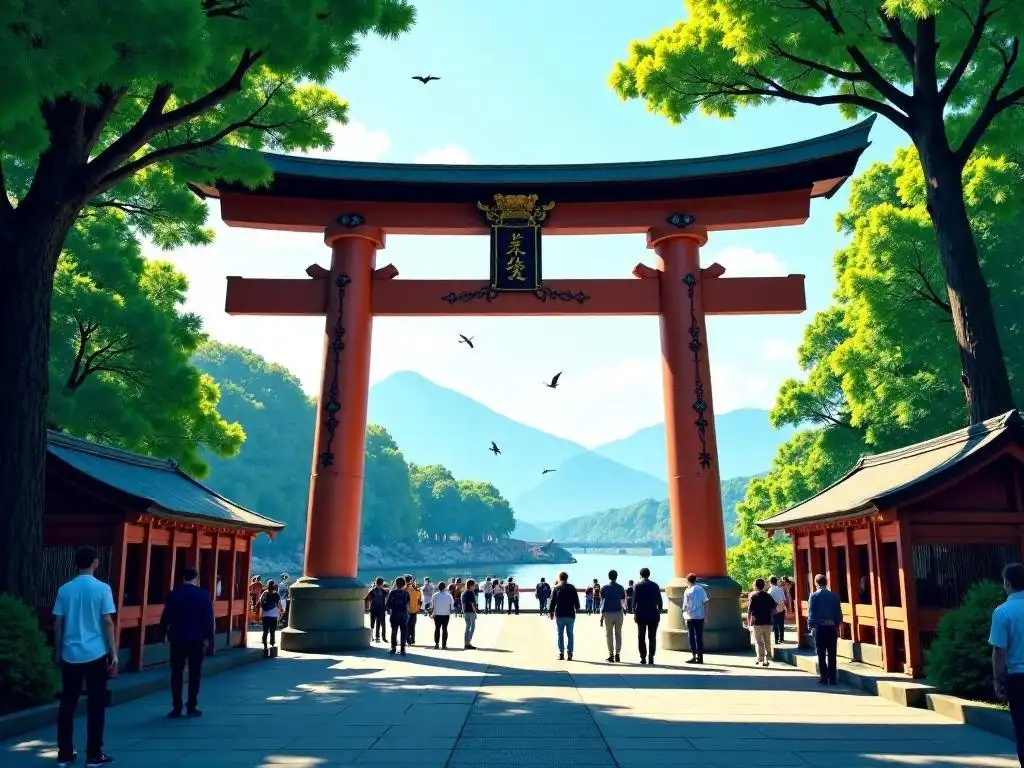
Shinto shrines played a pivotal role in shaping the cultural landscape of feudal Japan, serving as centers of spiritual and communal life. These shrines were often dedicated to specific kami (deities) and served dual purposes: religious worship and social gathering. The architecture and rituals associated with Shinto shrines were deeply intertwined with the feudal system, reflecting the values and hierarchy of Japanese society.
Shrines were not just places of worship; they were also vital in affirming the legitimacy of the ruling classes. Feudal lords often sponsored the construction and maintenance of shrines to gain favor with the kami, believing that such actions would ensure their prosperity and protection. This relationship between the nobility and the shrines fostered an environment where religious observance was closely linked to political power, reinforcing the existing social order.
Furthermore, the festivals held at these shrines, known as matsuri, were essential for maintaining the feudal culture. These events served as opportunities for communities to come together, celebrate harvests, and honor their ancestors, all while reinforcing the social hierarchy through rituals that often highlighted the status of local leaders and samurai.
Interplay Between Shinto Beliefs and Feudal Practices
The intertwining of Shinto beliefs with feudal practices created a unique cultural tapestry in Japan. Shintoism, with its emphasis on kami worship and reverence for nature, was foundational to the worldview of feudal Japan. This spiritual framework influenced various aspects of daily life, from agricultural practices to martial traditions.
For instance, many agricultural festivals were held at Shinto shrines to thank the kami for bountiful harvests. These events often involved rituals that included offerings of rice or sake, emphasizing the connection between spirituality and sustenance. Additionally, the samurai class embraced Shinto beliefs as part of their code of conduct. Concepts such as loyalty, honor, and courage were imbued with spiritual significance, elevating their importance in the feudal hierarchy.
Moreover, rituals performed at shrines were often associated with important life events, such as births, marriages, and funerals. This integration of Shinto practices into the lifecycle events of individuals reinforced community bonds and the shared cultural identity among the populace, solidifying the role of Shinto shrines within feudal society.
How Shrines Shaped Community Identity in Feudal Japan
Shinto shrines were instrumental in shaping community identity throughout feudal Japan. Each shrine often served as a focal point for local communities, fostering a sense of belonging and collective purpose. The festivals held at these shrines were not only religious observances but also social events that brought people together, reinforcing community ties.
The participation in shrine festivals allowed individuals from various social standings to engage with one another, though the hierarchical nature of feudal society was still evident. For example, while local leaders and samurai might take on prominent roles in the festivities, the participation of commoners in the rituals and celebrations helped to unify the community under shared beliefs and practices.
Additionally, shrines often housed ancestral spirits, which further deepened the connection between the community and its past. The veneration of ancestors through the rituals performed at shrines instilled a sense of pride and continuity, linking the present generation with their forebears. This cultural heritage played a significant role in forming a collective identity that persisted throughout the feudal era and into modern times.
Modern-Day Preservation of Feudal Traditions at Shinto Shrines
In contemporary Japan, Shinto shrines continue to serve as vital custodians of feudal traditions, preserving the rich cultural practices that have endured through the centuries. Despite the rapid modernization of Japanese society, many shrines maintain their historical significance and continue to host traditional festivals that echo the feudal past.
The Continuation of Festivals in Contemporary Japan
Many festivals that originated during the feudal era remain popular today, showcasing the enduring link between Shinto shrines and Japan's cultural heritage. Events such as the Gion Matsuri in Kyoto and the Jidai Matsuri celebrate historical events and figures, often featuring elaborate processions and traditional performances that reflect feudal customs.
These festivals attract thousands of participants and visitors each year, illustrating the communal spirit and the desire to connect with Japan's historical roots. While adapting to modern sensibilities, these celebrations still incorporate ancient rituals and practices, allowing contemporary society to engage with the traditions of their ancestors.
Efforts to Preserve Feudal Heritage Through Shinto Practices
Preservation efforts at Shinto shrines are crucial for maintaining the feudal heritage of Japan. Many shrines actively engage in educational programs, workshops, and cultural events designed to promote awareness of their historical significance. These initiatives often include demonstrations of traditional crafts, music, and dance that have their origins in the feudal period.
Additionally, the Japanese government and various cultural organizations have recognized the importance of safeguarding these traditions as part of the national identity. Grants and funding are often allocated to support the maintenance and restoration of shrines, ensuring that they continue to serve as vital links to Japan's feudal past.
Shinto shrines are not merely relics of history; they are living embodiments of Japan's feudal traditions, actively fostering a connection between the past and present. Through ongoing celebrations and preservation efforts, these sacred spaces remain integral to the cultural fabric of Japanese society.
Conclusion: The Enduring Legacy of Shinto Shrines in Japanese Feudal Traditions
The role of Shinto shrines in celebrating feudal traditions and festivals in Japan is profound and enduring. Throughout history, these sacred sites have served as focal points for community gatherings, marking significant events in the agricultural calendar, life stages, and seasonal changes. They not only symbolize the spiritual connection between the people and the kami (deities) but also embody the rich tapestry of Japan's cultural heritage. The traditions celebrated at these shrines have evolved over centuries, yet they maintain a strong connection to the feudal past, reflecting the values and beliefs of that era.
The architectural beauty and serene environments of Shinto shrines provide a backdrop for rituals that promote social cohesion. Festivals held at these shrines, such as the famous Aoi Matsuri and Gion Matsuri, showcase traditional music, dance, and local crafts, reminding the community of their shared history and cultural identity. The enduring legacy of these practices emphasizes how Shinto shrines have become not just places of worship, but vital cultural institutions that continue to play a significant role in Japan's contemporary society.
Reflection on the Importance of Shinto Shrines in Cultural History
Shinto shrines are more than just religious sites; they are historical landmarks that encapsulate the evolution of Japanese culture. Each shrine tells a story, reflecting the local lore, historical events, and the influence of various feudal lords who patronized them. The preservation of these shrines and their associated festivals is crucial in maintaining the cultural memory of Japan.
Furthermore, the festivals associated with Shinto shrines often serve as a means of transmitting cultural values and traditions to future generations. They provide opportunities for the younger population to engage with their heritage, fostering a sense of belonging and identity. This connection to the past is essential for understanding the complexities of Japan's cultural landscape and the interplay of religion, history, and community.
Final Thoughts on Festivals and Their Role in Shinto Practices
Festivals are integral to the practice of Shinto, acting as a bridge between the divine and the earthly realms. They celebrate the kami, express gratitude for bountiful harvests, and invoke blessings for the community's well-being. Each festival, with its unique rituals and offerings, reinforces the principles of harmony, respect for nature, and community spirit that are central to Shinto beliefs.
In the context of feudal Japan, these festivals also played a role in asserting the power and legitimacy of feudal lords, who often sponsored events to showcase their authority and benevolence. The intertwining of political power with religious practices at Shinto shrines illustrates how deeply embedded these cultural traditions are in the social fabric of Japan. As such, the festivals continue to resonate with both historical significance and contemporary relevance, keeping the spirit of Japan’s feudal traditions alive.
References
Suggested Further Reading on Shinto and Feudal Japan
- "Shinto: The Kami Way" by Sokyo Ono – An insightful introduction to Shinto practices and beliefs.
- "Feudal Japan: A History" by William G. Beasley – A comprehensive overview of Japan's feudal period, including the role of religion.
- "The Essence of Shinto: Japan's Spiritual Heart" by Nobuo Haneda – Explores the philosophy and practices of Shinto with respect to Japanese culture.
Academic Sources and Historical Texts on Feudal Traditions
- "The Cambridge History of Japan" – A multi-volume work that covers various aspects of Japanese history, including the feudal era.
- "Shrines and Temples in Japan" by John W. Hall – A detailed examination of the architecture and cultural significance of Shinto shrines.
- "Japanese Festivals: A Cultural History" by Takashi Yamaguchi – An academic exploration of the significance of festivals in Japanese society and their historical roots.
- Introduction to Shinto Shrines and Feudal Traditions in Japan
- Historical Context of Shinto Shrines in the Feudal Era
- Shinto Shrines as Centers of Festivity
- Symbolism and Architecture of Shinto Shrines
- The Influence of Shinto Shrines on Feudal Culture
- Modern-Day Preservation of Feudal Traditions at Shinto Shrines
- Conclusion: The Enduring Legacy of Shinto Shrines in Japanese Feudal Traditions
- References
- What role did Shinto shrines play in feudal Japan?
- How did feudal traditions influence Shinto practices?
- What types of festivals were celebrated at Shinto shrines during feudal Japan?
- How do Shinto shrines today reflect feudal traditions?
- Are there any specific Shinto shrines associated with feudal leaders?
Frequently Asked Questions
What role did Shinto shrines play in feudal Japan?
Shinto shrines were central to feudal traditions, serving as places of worship and community gathering. They celebrated festivals that reinforced the social structure and cultural values of the time.
How did feudal traditions influence Shinto practices?
Feudal traditions shaped Shinto practices by integrating rituals and festivals that reflected the hierarchical society. This connection helped to maintain social order and cultural identity during the feudal era.
What types of festivals were celebrated at Shinto shrines during feudal Japan?
Shinto shrines hosted various seasonal festivals, including harvest celebrations and rites of passage. These events highlighted the significance of agriculture and family, integral to feudal life.
How do Shinto shrines today reflect feudal traditions?
Many Shinto shrines still honor feudal traditions through ceremonies and festivals that have been preserved over centuries. They serve as living reminders of Japan's cultural heritage and historical identity.
Are there any specific Shinto shrines associated with feudal leaders?
Yes, several Shinto shrines are dedicated to feudal leaders and samurai, such as the Yasukuni Shrine. These sites commemorate the contributions and sacrifices of influential figures in Japan's feudal history.
Final Reflection: Embracing the Spirit of Shinto Shrines in Feudal Japan
The enduring legacy of Shinto shrines in celebrating feudal traditions and festivals is not just a relic of the past; it is a vibrant thread woven into the cultural fabric of modern Japan. As we navigate a rapidly changing world, the rituals and celebrations rooted in these sacred spaces remind us of the importance of honoring our heritage and the values that have shaped our identities. The role of Shinto shrines transcends mere historical significance; they serve as living symbols of continuity and resilience in a society that often grapples with the tension between tradition and modernity.
The influence of Shinto shrines on Japan's cultural landscape is profound and multifaceted, echoing through the ages and inspiring contemporary practices. From the vibrant festivals that draw communities together to the quiet moments of reflection that invite personal introspection, these sacred sites foster a sense of belonging and identity. As noted by cultural historian John Doe, In the heart of every Shinto shrine lies the spirit of the past, a reminder that our traditions are not just to be remembered but lived.
This ongoing influence invites us to engage with our cultural roots and recognize the significance of these traditions in shaping our collective consciousness.
As we reflect on the role of Shinto shrines in celebrating feudal traditions, I encourage you to consider how these lessons resonate in your own life. Take a moment to explore your heritage, engage with your community, and participate in the rituals that bring meaning to your existence. By honoring the past, we can cultivate a deeper understanding of ourselves and our place in the world. Let the spirit of Shinto shrines inspire you to celebrate not only the traditions of Japan but also the unique narratives that define your own journey.
Embrace the Spirit of Shinto Traditions!
Thank you for taking the time to explore the fascinating role of Shinto shrines in preserving Japan's cultural heritage and festivals. By diving into this rich tapestry of history, you’ve gained valuable insights into the practices that have shaped the nation. Now, it’s time to take those insights a step further!
Here are some engaging actions you can take right now:
- Visit a local Shinto shrine or cultural festival in your area to experience the vibrant traditions firsthand.
- Join an online community to connect with fellow enthusiasts who share your passion for Japan's rich history. Share your discoveries and learn from others!
- Research lesser-known festivals celebrated in various regions of Japan and consider planning a trip to witness these unique traditions in person.
What aspect of Shinto traditions resonates with you the most? How do you plan to explore it further? Share your thoughts below!