
The Arrival of the Dutch: The Unique Role of the Netherlands in Japan’s History

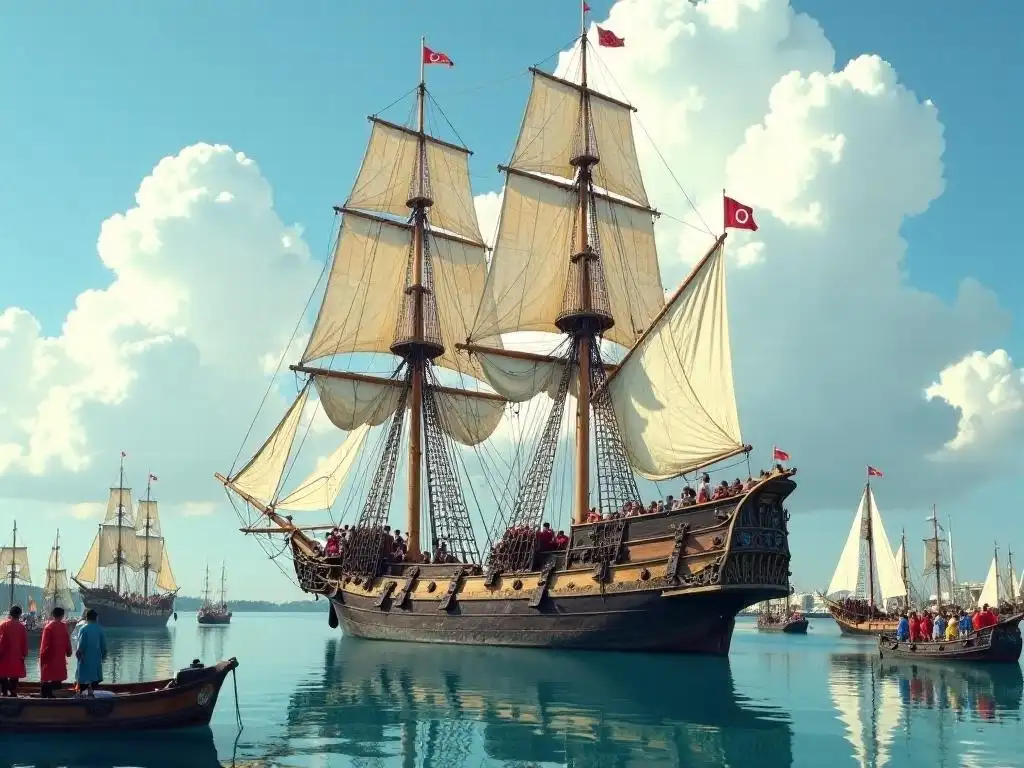
Welcome to Feudal Japan History, where we embark on a fascinating journey through the vibrant tapestry of Japan’s feudal era. In our latest article, "The Arrival of the Dutch: The Unique Role of the Netherlands in Japan’s History," we delve into the intriguing dynamics of foreign relations that shaped this remarkable period. Discover how the Dutch influence transformed trade, culture, and diplomacy in Japan, and uncover the layers of interaction that defined a pivotal chapter in history. Are you ready to unlock the secrets of this unique partnership? Dive deeper with us and explore the compelling narrative!
Introduction to Dutch Influence in Japan's Feudal Era
The arrival of the Dutch in Japan during the early 17th century marked a pivotal moment in the history of Japan's feudal era. As the nation was transitioning through various political and social changes, the unique relationship that developed between the Dutch and the Japanese would leave a lasting impact on Japan's foreign relations, trade practices, and cultural exchanges.
Understanding the Dutch influence in Japan's feudal era provides insights into how this European nation navigated the complexities of Japanese society and the broader implications of their interactions. This article delves into the multifaceted role of the Netherlands during this time, exploring not only the economic benefits but also the cultural exchanges that shaped both Dutch and Japanese histories.
Overview of the Dutch Arrival in Japan
The Dutch first arrived in Japan in 1600, led by the ship De Liefde, captained by William Adams, an Englishman who became a pivotal figure in establishing Dutch-Japanese relations. Unlike other European powers that sought to impose their influence through religious conversion, the Dutch approached Japan primarily as traders, which allowed them to establish a foothold in the region. By 1609, the Dutch were granted permission to trade in Hirado, marking the beginning of a long-standing commercial relationship.
- Key Points of Dutch Arrival:
- First contact in 1600 with the ship De Liefde.
- Established trading rights in Hirado by 1609.
- Focused on trade rather than religious conversion.
Significance of Dutch Trade in the Feudal Era
The significance of Dutch trade in Japan's feudal era cannot be overstated. The Dutch became the only European power permitted to trade with Japan during the isolationist policies of the Edo period (1603-1868). This exclusivity allowed them to serve as a crucial conduit for foreign goods, knowledge, and technology.
- Impact of Dutch Trade:
- Introduction of Western technologies and ideas, including advancements in navigation and cartography.
- Access to a variety of goods such as textiles, spices, and precious metals.
- Facilitated the exchange of information, leading to the birth of Rangaku, or "Dutch Learning," which influenced Japanese science and medicine.
Historical Context of Japan's Feudal Era
To fully appreciate the Dutch influence during this period, it is essential to understand the broader historical context of Japan's feudal era. This era was characterized by a strict social hierarchy, the dominance of samurai culture, and a complex political landscape defined by the rule of shoguns.
The Feudal System in Japan
Japan's feudal system was structured around a hierarchy that placed the emperor at the top, followed by shoguns, daimyos (feudal lords), samurai, and peasants. This social structure dictated the relationships and responsibilities among different classes, creating a stable yet rigid society.
- Key Features of the Feudal System:
- Shogunate: The military government led by the shogun wielded significant power over the daimyos.
- Daimyos: Feudal lords managed their own domains and had a direct relationship with the samurai.
- Samurai: The warrior class adhered to the code of bushido, emphasizing loyalty, honor, and martial skill.
Key Historical Events Leading to Dutch Contact
Several key historical events set the stage for the Dutch to make contact with Japan. The unification of Japan under the Tokugawa shogunate in the early 1600s created a centralized government that sought to control foreign influences while still recognizing the value of trade.
- Notable Events:
- The unification of Japan under Tokugawa Ieyasu in 1603.
- The suppression of Christianity and expulsion of other European powers, such as the Spanish and Portuguese.
- The establishment of Nagasaki as a trade port, which became the center of Dutch-Japanese trade relations.
Through these historical and cultural lenses, we can better understand the unique role that the Netherlands played in shaping Japan's feudal era, influencing everything from trade and technology to cultural exchanges that resonate to this day.
The Initial Dutch Encounters with Japan
The arrival of the Dutch in Japan marked a significant turning point in the country's foreign relations during the feudal era. The initial encounters were characterized by curiosity and caution, setting the stage for a complex relationship that would influence various aspects of Japanese society.
The First Dutch Ships: Year and Circumstances
The first recorded Dutch ship to arrive in Japan was the De Liefde, which docked at the port of Hirado in 1600. This voyage was led by the captain, William Adams, an Englishman who had sailed under the Dutch flag. The circumstances of this arrival were unique, as Japan was in the midst of a period of isolation from most foreign powers. The Dutch were seeking new trade routes to Asia, and their arrival coincided with Japan's interest in establishing foreign trade relationships, despite its restrictive Sakoku (closed country) policy.
The Role of the Dutch East India Company in Japan
The Dutch East India Company (VOC), established in 1602, played a pivotal role in facilitating trade between the Netherlands and Japan. Unlike other European powers, the VOC was granted exclusive trading rights by the Tokugawa shogunate, which allowed them to establish a trading post in Nagasaki in 1624.
This strategic position enabled the Dutch to act as a crucial intermediary between Japan and the broader world, importing goods such as textiles, spices, and silver, while exporting Japanese products like silk and porcelain. The VOC’s presence not only bolstered the Dutch influence in Japan but also helped stabilize the Japanese economy through trade.
Initial Reactions from Japanese Authorities
The initial reactions from Japanese authorities towards the Dutch were mixed. While the shogunate was wary of foreign influence, the economic benefits of trade were undeniable. The Dutch were seen as less threatening than the Portuguese, largely due to their Protestant faith compared to the Catholic Portuguese missionaries. As a result, the Tokugawa shogunate adopted a pragmatic approach, allowing the Dutch to continue their trade activities while imposing strict regulations to limit their influence on Japanese society and culture.
The Nature of Dutch Influence in Japan
The Dutch influence in Japan during the feudal era was multifaceted, extending beyond mere trade to encompass cultural and intellectual exchanges that left a lasting impact on Japanese society.
Economic Impact of Dutch Trade on Japan
The economic impact of Dutch trade on Japan was profound. The VOC facilitated a steady influx of foreign goods, which stimulated local economies and introduced new products to the Japanese market. This exchange led to the emergence of a merchant class and contributed to the development of urban centers. The Dutch also introduced advanced technologies, including shipbuilding and navigation techniques, which enhanced Japan’s maritime capabilities. This economic interaction laid the groundwork for Japan's eventual modernization in the Meiji era.
Cultural Exchange Between the Dutch and Japanese
Cultural exchange between the Dutch and Japanese was particularly noteworthy, as it was primarily through the Dutch that Japan gained access to Western knowledge and science. The Dutch brought books, maps, and artworks that introduced new ideas in various fields, including medicine, astronomy, and cartography. The establishment of the Dutch learning system, known as Rangaku, allowed Japanese scholars to study Western sciences and technologies, significantly enriching Japan's intellectual landscape.
The Role of Dutch Knowledge in Japanese Development
The role of Dutch knowledge in Japanese development cannot be overstated. As the only European nation permitted to trade with Japan during the Edo period, the Dutch became the primary source of Western knowledge. Japanese scholars often traveled to Nagasaki to learn from Dutch traders and physicians, leading to advancements in medicine, engineering, and science. This exchange of knowledge not only influenced Japan’s development during the feudal era but also laid the foundation for the country's rapid modernization in the 19th century, as Japan began to engage more broadly with the world.
The Unique Position of the Dutch in Japan
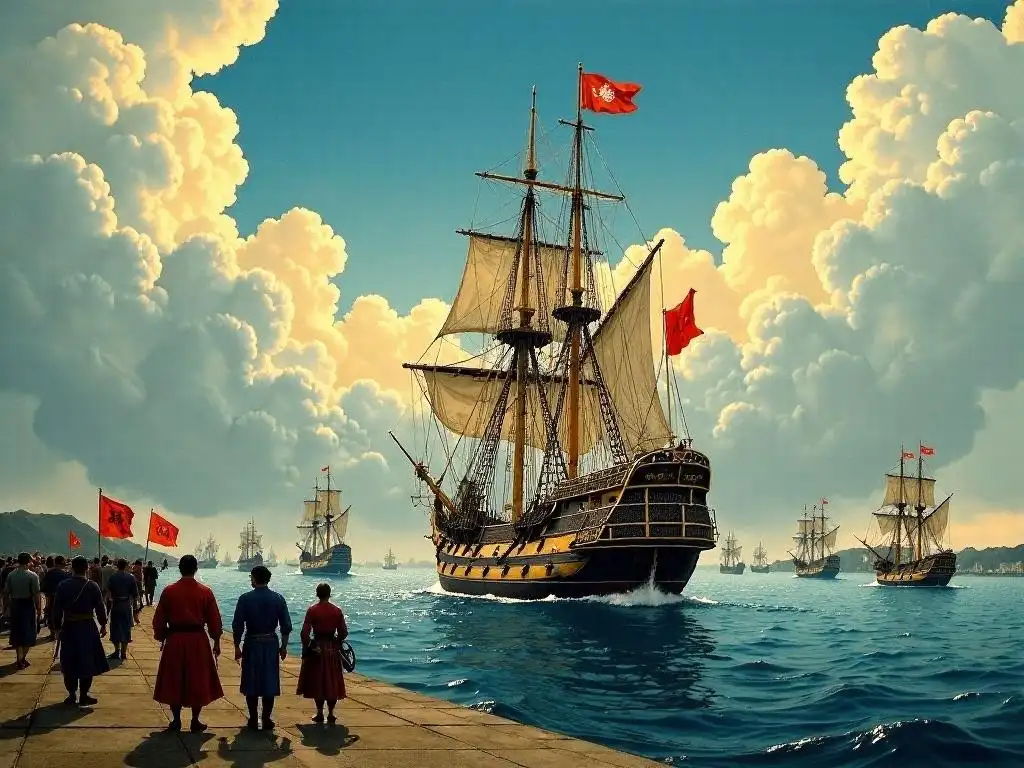
The Dutch held a distinctive place in Japan during the feudal era, particularly during the Edo period (1603-1868). Unlike other European powers, the Dutch managed to establish a significant and enduring trading relationship with Japan, primarily through their trading post on Dejima, a small artificial island in Nagasaki Bay. This unique position arose from their ability to navigate the complex socio-political landscape of Japan, which was characterized by strict isolationist policies known as sakoku.
The Dutch were the only Europeans permitted to engage in trade with Japan during this period, as they maintained a pragmatic approach that eschewed missionary activity, which was often viewed with suspicion by the Japanese authorities. Instead of seeking to convert the Japanese to Christianity, the Dutch focused on commerce, offering valuable goods such as textiles, precious metals, and scientific instruments. This strategy not only secured their position in Japan but also allowed them to become the primary conduit for Western knowledge and technology.
Comparison with Other European Powers in Japan
In contrast to the Dutch, other European powers—primarily the Portuguese and later the British and French—struggled to maintain a foothold in Japan. The Portuguese were the first Europeans to establish trade relations with Japan in the mid-16th century, introducing firearms and Christianity. However, the influx of missionaries alarmed the Japanese authorities, leading to the expulsion of many foreigners and the eventual ban on Christianity.
The British and French, seeking to enter the Japanese market in the 17th and 18th centuries, found themselves largely excluded due to the established dominance of the Dutch. While they attempted to negotiate trade agreements, their efforts were met with resistance, as Japan’s isolationist policies continued to tighten. Thus, the Dutch emerged as the sole European power permitted to engage in trade with Japan, which allowed them to thrive economically and culturally in a landscape dominated by suspicion and exclusion.
The Advantages of Dutch Trade Relations
Dutch trade relations with Japan provided numerous advantages that significantly shaped the socio-economic landscape of the era. Firstly, the Dutch facilitated the introduction of Western technology and knowledge to Japan. They brought scientific instruments, maps, and books that contributed to Japan's understanding of the world beyond its shores. This exchange of knowledge, known as Rangaku or "Dutch Learning," played a crucial role in Japan's modernization efforts during the late Edo period.
Moreover, the Dutch established a reliable supply chain for goods that were in high demand in Japan, such as silk, spices, and textiles. The trade was characterized by a system of mutual benefit; while the Dutch exported Japanese products like silver and copper, they also provided the Japanese with rare European goods, fostering a sense of cultural exchange. This relationship contributed to economic growth and the enrichment of Japanese society.
The Decline of Dutch Influence in Japan
The decline of Dutch influence in Japan can be attributed to several interconnected factors that unfolded over the course of the 19th century. As Japan began to open up to the world following the arrival of Commodore Matthew Perry in 1853, the once-exclusive trade relationship between the Dutch and Japan faced challenges that would ultimately lead to its diminishment.
Factors Contributing to the Decline
One of the primary factors contributing to the decline of Dutch influence was the lifting of Japan's isolationist policies. The arrival of Western powers and the subsequent treaties forced Japan to engage with multiple countries. This increased exposure to other nations, especially the British and Americans, diluted the Dutch monopoly on trade and information.
Additionally, internal changes within Japan played a role in diminishing Dutch influence. The Meiji Restoration of 1868 marked a significant turning point as Japan sought to modernize rapidly. The government began to favor relationships with nations that could provide more advanced technology and military support, leading to a decline in reliance on Dutch expertise and goods.
The Shift in Japanese Foreign Relations
With Japan's transformation into a modern state, its foreign relations shifted dramatically. The country sought to establish its own identity on the global stage, leading to diplomatic relations with a broader array of countries. As Japan engaged with the West, it began to adopt Western practices and technologies more directly from countries like the United States and Great Britain, further sidelining the Dutch.
Moreover, the Dutch trading post at Dejima became increasingly irrelevant as Japan opened up to international trade. By the late 19th century, the Dutch presence in Japan was reduced to a mere footnote in the burgeoning narrative of Japan's modernization and internationalization.
Lasting Effects of Dutch Influence on Japan
Despite the decline of their influence, the Dutch left an indelible mark on Japan that can still be observed today. The introduction of Western scientific knowledge, particularly in fields such as medicine, astronomy, and cartography, laid the groundwork for Japan's subsequent modernization efforts. The Dutch also influenced Japanese art and culture, as seen in the popularity of Dutch-style painting and the incorporation of European techniques in various artistic domains.
Furthermore, the concept of Rangaku persisted even after the Dutch influence waned. Japan continued to engage with Western knowledge and technology, integrating it into its own cultural and educational frameworks. This legacy of exchange and adaptation highlights the importance of the Dutch role in shaping Japan's trajectory during its feudal era, ultimately contributing to its emergence as a modern nation.
Conclusion: The Legacy of Dutch Influence in Japan's Feudal Era
The Dutch influence in Japan's feudal era is a fascinating testament to the complexities of cultural exchange and economic interaction during a period characterized by isolation and strict foreign policy. While the Tokugawa shogunate sought to limit foreign influence, the Dutch established a unique position as the sole European nation allowed to trade with Japan. This relationship not only facilitated the exchange of goods but also enabled the introduction of Western knowledge and technology, impacting various aspects of Japanese society.
The legacy of this interaction can be seen in the gradual opening of Japan to the West in the 19th century. The Dutch acted as intermediaries, providing the Japanese with insights into European science, medicine, and even art, which would later help shape the modernization efforts during the Meiji Restoration. Thus, the Dutch not only contributed to Japan's economic landscape but also played a crucial role in laying the groundwork for Japan's eventual transformation into a modern state.
Summary of Key Points
- Unique Position: The Dutch were the only Europeans permitted to trade with Japan during the Tokugawa period, establishing a monopoly on foreign commerce.
- Cultural Exchange: Through their interactions, the Dutch introduced Western knowledge in fields such as medicine, navigation, and military technology, which had lasting effects on Japanese society.
- Economic Contributions: The Dutch trade brought new goods and stimulated economic activity in Japan, influencing local markets and artisans.
- Precursor to Modernization: The relationship with the Dutch set the stage for Japan’s later openness to Western ideas and practices, particularly during the Meiji Restoration.
The Long-term Impact of Dutch Relations on Japan
The long-term impact of Dutch relations with Japan is evident in several areas. Economically, the influx of European goods and ideas helped diversify Japan's trade practices and opened up new markets. Culturally, the introduction of Western scientific methodologies and artistic styles sparked curiosity and innovation among Japanese thinkers and artists.
Moreover, the translation of Dutch texts into Japanese led to a new intellectual movement known as "Rangaku" or "Dutch Learning," which significantly influenced Japanese education and the sciences. This movement contributed to Japan's ability to adapt and modernize in response to global changes, ultimately leading to Japan's emergence as a powerful nation on the world stage by the late 19th century.
References and Further Reading on Dutch Influence in Japan's Feudal Era
Suggested Books and Articles
- "Dutch-Japanese Relations: The Role of the Dutch in Japan's Modernization": by [Author's Name]
- "The Dutch East India Company and Japan: Trade and Cultural Exchange": by [Author's Name]
- "Rangaku: The Dutch Learning and Its Impact on Japan": by [Author's Name]
- "The History of the Dutch in Japan" by [Author's Name]
Online Resources for Further Exploration
- Japan's National Museum of Nature and Science: Offers insights into the scientific exchanges between the Dutch and Japanese.
- The Dutch East India Company Archives: A rich resource for primary documents related to Dutch trade in Japan.
- The Japan Society: Provides articles and resources on Japan-West interactions, including the Dutch influence.
- Online Encyclopedias: Websites like Britannica and JSTOR can provide scholarly articles and comprehensive overviews of the Dutch role in Japan's history.
- Introduction to Dutch Influence in Japan's Feudal Era
- Historical Context of Japan's Feudal Era
- The Initial Dutch Encounters with Japan
- The Nature of Dutch Influence in Japan
- The Unique Position of the Dutch in Japan
- The Decline of Dutch Influence in Japan
- Conclusion: The Legacy of Dutch Influence in Japan's Feudal Era
- References and Further Reading on Dutch Influence in Japan's Feudal Era
- What was the significance of the Dutch influence in Japan's feudal era?
- How did the Dutch establish trade relations with Japan?
- What were the main goods exchanged between the Dutch and Japanese?
- How did the Dutch influence Japanese culture during the feudal era?
- What lasting impact did the Dutch have on Japan after the feudal era?
Frequently Asked Questions
What was the significance of the Dutch influence in Japan's feudal era?
The Dutch influence was significant as it introduced Western trade and ideas to Japan during a period of isolation. They served as a cultural bridge, providing insights into European advancements.
How did the Dutch establish trade relations with Japan?
The Dutch established trade relations in 1609, becoming the only European nation allowed to trade with Japan. This was due to their non-missionary stance, which was more acceptable to the Tokugawa shogunate.
What were the main goods exchanged between the Dutch and Japanese?
The primary goods exchanged included silk, spices, and silver from Japan, while the Dutch imported cotton, wool, and various technological innovations to Japan, enriching both economies.
How did the Dutch influence Japanese culture during the feudal era?
The Dutch introduced Western scientific knowledge and artistic styles, which contributed to an exchange of ideas. This influence was evident in art, medicine, and navigation, shaping some aspects of Japanese culture.
What lasting impact did the Dutch have on Japan after the feudal era?
The Dutch left a lasting impact by laying the groundwork for modernization and Westernization in Japan, influencing later interactions with the West and contributing to Japan's rapid development in the 19th century.
Final Reflection: The Lasting Legacy of Dutch Influence in Japan's Feudal Era
The intricate relationship between the Netherlands and Japan during the feudal era serves as a powerful reminder of how cultural exchange can shape nations. The Dutch influence in Japan's feudal era was not merely a chapter in history; it was a pivotal moment that bridged two worlds, fostering mutual understanding and innovation. Today, as globalization continues to intertwine cultures, the lessons from this unique interaction resonate more than ever, reminding us of the importance of openness and collaboration.
The Dutch presence in Japan was a catalyst for change, introducing new ideas, technologies, and perspectives that would leave an indelible mark on Japanese society. This historical connection highlights how one nation's influence can ripple through time, affecting cultural and social landscapes far beyond its borders. As historian John W. Dower once noted, The past is never dead. It's not even past.
This sentiment underscores the ongoing relevance of the Dutch influence in Japan, as it continues to inspire dialogue about cultural exchange and the value of diversity in our increasingly interconnected world.
As we reflect on the lessons from the Dutch influence in Japan's feudal era, let us embrace the spirit of curiosity and openness that characterized this unique relationship. I invite you to consider how you can foster connections in your own life, whether through learning about different cultures, engaging in meaningful conversations, or seeking collaborative opportunities. By doing so, we honor the legacy of those who came before us and contribute to a future where understanding and cooperation prevail over division.
Unveil the Secrets of Dutch-Japanese Relations!
Thank you for exploring the fascinating interplay between the Netherlands and Japan! By delving into their unique historical relationship, you've gained insights that enrich your understanding of Japan's past and the dynamics of global trade. Now, let's take that curiosity a step further!
Here's how you can continue your journey:
- Dive Deeper: Discover more about the impact of Dutch culture on Japanese society by checking out related articles on our website.
- Join the Conversation: We encourage you to share your thoughts and questions in the comments below — we’d love to hear how this article has reshaped your perspective on history!
- Spread the Knowledge: Consider sharing this article with friends or on social media to spark a discussion about the intriguing connections between these two cultures.
What new insights have you gained about the Dutch influence on Japan, and how might this enhance our understanding of historical globalization?