
Historical Chronicles: How Japanese Literature Shaped National Identity

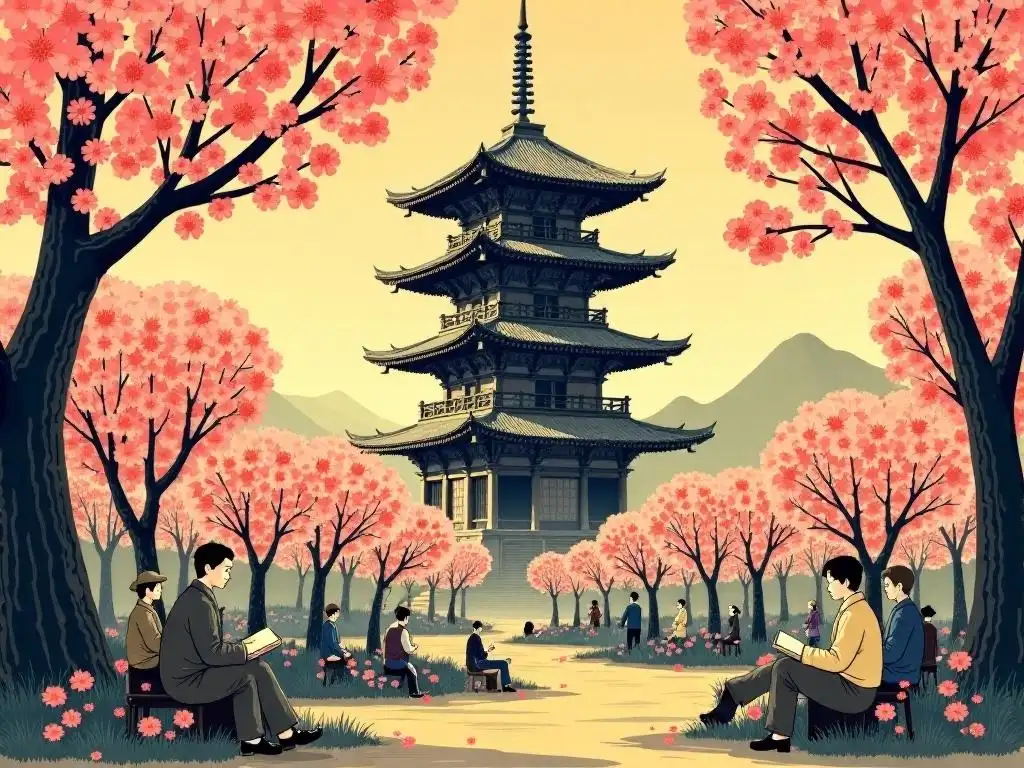
Welcome to Feudal Japan History, where we invite you to embark on a captivating journey through the layers of Japan's feudal era. Here, we delve into the intricate tapestry of Japanese literature and national identity, exploring how words have woven the very fabric of a nation’s soul. What stories lie hidden within the pages of history, waiting to reveal their secrets?
As you navigate our expert-driven articles, prepare to uncover the profound impact of literature on cultural identity—an exploration that promises to deepen your understanding of Japan's rich heritage. Dive in and discover how the echoes of the past continue to shape the present.
Introduction to Japanese Literature and National Identity
Japanese literature has played a pivotal role in shaping the national identity of Japan throughout its storied history, particularly during the feudal era. As a rich tapestry woven with intricate narratives, poetic forms, and cultural reflections, this body of work not only chronicles the lives and values of its people but also acts as a mirror reflecting the evolution of Japan's social fabric and collective consciousness.
The interplay between literature and national identity reveals how written works have influenced perceptions of self, community, and nationhood, ultimately fostering a unique Japanese ethos that persists to this day. In this exploration, we will delve into the significant periods and themes of Japanese literature, illuminating its profound impact on the shaping of national identity.
The Origins of Japanese Literature
Overview of Japanese Literature in the Feudal Era
The feudal era of Japan, spanning from the late 12th century to the mid-19th century, is marked by a flourishing of literature that encapsulated the complexities of samurai culture, political intrigue, and the everyday lives of common people. Key literary forms during this period include narrative tales, poetry, and drama, which often drew upon themes of honor, loyalty, and the transient nature of life—concepts that resonate deeply within the Japanese identity.
Prominent works such as The Tale of Genji and The Pillow Book not only entertained but also provided insight into the values and societal structures of the time, reinforcing a sense of belonging and national pride among readers.
Importance of National Identity in Japan's Historical Context
The concept of national identity in Japan has evolved significantly, particularly in relation to historical events and cultural movements. During the feudal era, literature acted as a unifying force, fostering a collective identity amidst the fragmentation of regional powers.
The rise of the samurai class and the establishment of shogunates brought about a sense of loyalty to one's lord, which was mirrored in the literature of the time. As these narratives spread, they cultivated a shared cultural heritage that transcended local allegiances, contributing to the formation of a more cohesive Japanese identity that would withstand the tests of time and foreign influence.
The Origins of Japanese Literature
Early Literary Forms and Their Cultural Significance
The origins of Japanese literature can be traced back to ancient times, with early forms such as kaishi (poetic texts) and gaki (narrative poems) laying the groundwork for future literary expression. These forms were not merely artistic endeavors; they served as vehicles for preserving history, mythology, and cultural values.
The Manyōshū, an anthology of poems compiled in the 8th century, exemplifies the early articulation of Japanese identity through themes of nature, love, and the impermanence of life. As these literary traditions evolved, they began to reflect the complexities of feudal society, providing a profound commentary on the human experience within the context of Japan's evolving national identity.
Influence of Chinese Literature on Japanese Texts
The impact of Chinese literature on Japanese texts cannot be overstated. Chinese literary forms, philosophies, and aesthetics were instrumental in shaping the early development of Japanese literature. The introduction of kanji (Chinese characters) allowed Japanese writers to adopt and adapt Chinese poetic structures and narrative styles, leading to the emergence of distinct Japanese literary forms.
This cultural exchange enriched the Japanese literary landscape, infusing it with new themes and ideas that resonated with the Japanese populace. As such, the synthesis of Chinese and Japanese literary traditions played a crucial role in articulating the nuances of Japanese national identity, reflecting both the adoption of foreign influences and the assertion of a unique cultural voice.
Key Literary Works that Shaped National Identity
Japanese literature has played a pivotal role in shaping the national identity throughout history, particularly during the feudal era. The narratives, themes, and characters in these literary works not only reflect the values and beliefs of the time but also help to form a collective consciousness among the Japanese people. From courtly tales to samurai epics, these texts have defined cultural norms and inspired generations, influencing how the Japanese perceive themselves and their society.
"The Tale of Genji" and Its Reflection of Aristocratic Values
Considered the world's first novel, "The Tale of Genji," written by Murasaki Shikibu in the early 11th century, offers a deep insight into the aesthetic and moral values of the Heian aristocracy. The protagonist, Hikaru Genji, embodies the ideal nobleman, navigating the complexities of love, politics, and social status.
The narrative’s rich portrayal of courtly life not only showcases the elegance and sophistication of the Heian period but also highlights the importance of emotional depth and aesthetic appreciation in aristocratic society. Through Genji's experiences, readers gain an understanding of the values of loyalty, beauty, and the ephemeral nature of life—elements that resonated deeply with the aristocracy and influenced the Japanese perception of their cultural identity.
"The Pillow Book" as a Window into Heian Court Life
Written by Sei Shonagon, "The Pillow Book" serves as a unique companion to "The Tale of Genji," providing a more personal and observational perspective of the Heian court. This collection of essays, lists, and anecdotes reflects the daily life, customs, and aesthetics of the time, revealing the intricate social dynamics among the courtiers.
Shonagon’s work emphasizes the importance of beauty, wit, and a keen sense of observation, illustrating how these traits were valued in Japanese culture. The book’s vivid descriptions of seasonal changes, court activities, and personal reflections allow readers to immerse themselves in the Heian era's culture, contributing to a nuanced understanding of national identity that celebrates intellectual and artistic pursuits.
"The Tale of the Heike" and Its Role in Samurai Culture
"The Tale of the Heike" is an epic narrative that chronicles the rise and fall of the Taira and Minamoto clans during the late Heian period. This work is crucial in understanding the samurai ethos, as it encapsulates the ideals of bravery, honor, and loyalty that defined the warrior class.
The tale does not merely recount historical events; it also serves as a meditation on the transient nature of power and life, reflecting the Buddhist notion of impermanence. The characters, often faced with moral dilemmas and profound loss, embody the samurai spirit, influencing how subsequent generations view honor and loyalty as foundational to Japanese identity. This literary work cemented the samurai's role in shaping a collective narrative that resonates with the values of bravery and sacrifice.
Themes in Japanese Literature That Contributed to National Identity

Japanese literature is rich with recurring themes that have contributed significantly to the nation’s identity. These themes not only reveal the cultural values of various periods but also provide insight into the Japanese worldview, emphasizing the relationship between humanity and nature, the importance of emotions, and the ideals of heroism.
Nature and the Japanese Aesthetic in Literature
Nature has always been a central theme in Japanese literature, reflecting the country's intimate relationship with its environment. The aesthetic appreciation of nature is evident in many literary works, where landscapes, seasons, and natural phenomena are intricately described and deeply revered.
This connection to nature is not only about beauty but also reflects a broader philosophical understanding of the world. It emphasizes harmony, simplicity, and the transient nature of existence, which are core aspects of Japanese aesthetics. This theme fosters a sense of belonging and identity among the Japanese people, grounding them in their cultural heritage and environmental context.
The Concept of "Mono no Aware" and Its Cultural Implications
"Mono no aware," often translated as "the pathos of things," is a crucial concept in Japanese literature that encapsulates the sensitivity to the ephemeral beauty of life. This theme highlights the emotional responses elicited by the recognition of impermanence, creating a deep appreciation for fleeting moments.
Literary works that explore "mono no aware" encourage readers to find beauty in the transient, influencing cultural practices and artistic expressions. This sensitivity shapes Japanese identity by fostering a worldview that embraces change and cherishes moments of beauty, reflecting a profound connection to the human experience.
The Role of Heroism and Honor in Samurai Literature
Heroism and honor are prevalent themes in samurai literature, often depicted through tales of valor, loyalty, and sacrifice. Works like "The Tale of the Heike" and various Noh plays illustrate the samurai's commitment to these ideals, portraying them as essential virtues that define the warrior class.
These narratives not only celebrate individual heroics but also serve to reinforce societal values, emphasizing the importance of duty to one’s lord and family. This theme has significantly contributed to the national identity, as it fosters a collective understanding of honor that resonates deeply within Japanese society, shaping notions of loyalty and courage that persist to this day.
The Evolution of Literary Forms During the Feudal Era
The feudal era of Japan, spanning from the 12th to the 19th centuries, witnessed significant transformations in literary forms, driven by the socio-political landscape and cultural shifts of the time. This period saw a transition from the court-centered literary traditions of the Heian period to more diverse and accessible forms of expression that resonated with the broader populace.
Literature began to reflect not only the experiences of the aristocracy but also those of the emerging merchant and peasant classes. The influence of Buddhism and Shintoism, alongside the rise of popular culture, played a crucial role in shaping new genres. As literacy spread among the common people, literature became a vital medium for storytelling, education, and social commentary.
With the establishment of the samurai class and the subsequent political stability under shogunates, the themes explored in literature evolved. Writers began to emphasize realism, portraying everyday life, moral dilemmas, and the struggles of ordinary people, thereby fostering a more inclusive literary landscape. This evolution not only enriched the literary canon but also contributed to the formation of a unique Japanese national identity.
The Shift from Classical to Popular Literature
The transition from classical to popular literature during the feudal era marked a pivotal change in how stories were told and received. Classical literature, epitomized by works such as The Tale of Genji, was characterized by its complex language and themes centered around courtly life and aristocratic values. However, as Japan entered the Kamakura period and later the Muromachi period, the rise of the warrior class and the urban merchant class shifted the focus towards more relatable and accessible narratives.
Popular literature emerged in various forms, including ukiyo-zōshi (floating world tales), which depicted the lives of townsfolk, love stories, and sensationalized adventures. This genre resonated with the broader audience, providing entertainment while reflecting the realities of urban life. The use of simpler language and engaging plots made literature more approachable, fostering a culture of reading among the masses.
Moreover, the advent of the print culture in the Edo period facilitated the distribution of literature, further democratizing access to stories and knowledge. As a result, popular literature played a crucial role in shaping public perceptions and contributing to a collective Japanese identity that was informed by shared experiences and cultural narratives.
The Emergence of Noh and Kabuki Theatre
The emergence of Noh and Kabuki theatre during the feudal era represents a significant development in Japanese literature and performing arts. Noh, with its origins in the 14th century, is a form of classical Japanese theatre that combines music, drama, and dance. It often draws upon themes from Japanese mythology, history, and literature, serving as a medium for philosophical exploration and introspection. The minimalist staging and stylized performances of Noh reflect a deep cultural appreciation for subtlety and aesthetics.
In contrast, Kabuki theatre, which gained popularity in the early 17th century, is known for its vibrant performances and elaborate staging. Unlike Noh, Kabuki was accessible to the masses, featuring exaggerated characters, lively music, and dynamic storytelling. It often satirized social norms and commented on contemporary issues, making it a powerful tool for reflecting societal changes and the complexities of Japanese identity.
Both forms of theatre not only entertained but also educated audiences, weaving narratives that highlighted moral values, social hierarchies, and cultural traditions. As these theatrical forms developed, they contributed significantly to the national identity, fostering a sense of unity among diverse social classes through shared cultural experiences.
The Impact of Literature on Japanese Society and Identity
The impact of literature during the feudal era extended far beyond entertainment; it played a crucial role in shaping Japanese society and collective identity. Literature served as a mirror reflecting the complexities of social structures, cultural values, and historical narratives, thereby influencing how individuals perceived their roles within society.
Literature as a Reflection of Social Hierarchies
During the feudal era, literature often mirrored the rigid social hierarchies that defined Japanese society. Works of literature depicted the lives and struggles of various classes, from the samurai and merchants to peasants and outcasts. This representation was not merely observational; it often served to reinforce or critique social norms and expectations.
For instance, the Tale of the Heike illustrated the rise and fall of the Taira clan, emphasizing the transient nature of power and the inevitability of change. Such narratives provided a framework for understanding the societal structure and the moral implications of ambition, loyalty, and betrayal. Through literature, readers could engage with their own social realities, fostering a sense of identity that was intricately linked to their status and experiences within the feudal hierarchy.
The Role of Literature in Shaping Collective Memory
Literature played a vital role in shaping collective memory during the feudal era, serving as a repository of cultural heritage and shared experiences. The storytelling traditions of Japan encapsulated historical events, moral lessons, and cultural values, allowing subsequent generations to connect with their past.
Epic narratives, poetry, and folklore preserved the identities of various regions and communities, ensuring that local customs and histories were not forgotten. This preservation of collective memory fostered a sense of belonging and continuity, reinforcing the idea of a shared Japanese identity.
Moreover, literature often functioned as a vehicle for resistance and resilience. It provided a means for individuals to articulate their struggles and aspirations, contributing to a broader narrative of cultural identity that transcended social divisions. Through the lens of literature, the people of feudal Japan could explore their collective consciousness, shaping a national identity that was rich, diverse, and deeply rooted in historical context.
Japanese Literature and National Identity in the Modern Era

Japanese literature has evolved significantly from the rich narratives of the feudal era to contemporary works, yet its foundational themes continue to resonate within the national identity of Japan. The transition from the Heian period's poetry and prose to modern novels and manga reflects an ongoing dialogue between past and present. This connection is essential for understanding how historical texts inform contemporary Japanese values, culture, and identity.
In modern Japan, literature serves not only as a means of artistic expression but also as a vehicle for exploring complex national themes such as war, peace, and cultural identity. Authors like Haruki Murakami and Banana Yoshimoto draw inspiration from traditional narratives while infusing them with modern existential concerns, thus bridging the gap between historical and contemporary literature. This continuity signifies a collective memory that shapes how the Japanese perceive themselves and their cultural heritage.
How Feudal Literature Influences Contemporary Japanese Identity
Feudal literature, characterized by its distinct genres such as monogatari (tales), haiku (poetry), and narrative histories, has left an indelible mark on the identity of modern Japan. The themes of loyalty, honor, and the transient nature of life found in works like The Tale of Genji and The Tale of the Heike continue to resonate in contemporary narratives. These themes are often revisited in modern literature, reflecting the struggle of individuals within the context of a collective society.
Furthermore, the aesthetics of feudal literature, including the concept of mono no aware (the beauty of transient things), have permeated various facets of modern Japanese culture, from literature to visual arts and even cinema. This influence fosters a sense of continuity and connection to the past, reinforcing the values and emotional landscapes that shape Japanese identity today.
The Legacy of Feudal Literature in Modern Japanese Narratives
The legacy of feudal literature is palpable in modern Japanese narratives, where traditional storytelling techniques and motifs are frequently employed. The structure and style of feudal texts often inform the narrative framework of contemporary novels, with authors experimenting with non-linear timelines and multiple perspectives, reminiscent of the polyphony found in classic tales.
Moreover, elements such as character archetypes, moral dilemmas, and social hierarchies rooted in feudal society continue to be explored in modern fiction. Works that address the complexities of modern life—such as the pressures of urbanization, familial expectations, and the search for individual identity—are often reflective of the same societal tensions that were prominent in feudal literature. This alignment underscores how deeply entrenched the narratives of the past remain in shaping the modern Japanese ethos.
Conclusion: The Enduring Connection Between Japanese Literature and National Identity
The intricate relationship between Japanese literature and national identity is a testament to the enduring power of storytelling in shaping cultural consciousness. From the poetic expressions of the Heian court to the existential explorations of contemporary authors, literature serves as both a mirror and a mold for Japanese identity. This ongoing interplay between the past and present is crucial for understanding how literature continues to influence perceptions of self and society in Japan.
Summary of Key Points on Literature's Role in Shaping Identity
- Cultural Continuity: The themes and narratives of feudal literature persist in contemporary works, shaping modern Japanese identity.
- Exploration of Values: Literary explorations of loyalty, honor, and the ephemeral nature of life continue to resonate with contemporary societal values.
- Narrative Techniques: Modern authors employ traditional storytelling methods, reflecting the legacy of feudal literature in their works.
- Societal Reflection: Literature remains a vital tool for exploring current social issues, connecting modern Japanese experiences with historical narratives.
Final Thoughts on the Importance of Literary Heritage in Japan
The literary heritage of Japan is not merely a relic of the past; it is a living, breathing entity that informs and enriches the national identity. As Japan navigates the complexities of globalization, the enduring influence of its literary traditions offers a sense of grounding and continuity. Recognizing and valuing this heritage is vital for future generations, ensuring that the stories that shaped the nation remain a source of inspiration and identity in an ever-evolving cultural landscape.
References and Further Reading on Japanese Literature and National Identity
Exploring the intricate relationship between Japanese literature and national identity requires a multifaceted approach, encompassing various texts, scholarly articles, and online resources. This section provides a curated selection of recommended readings and digital platforms that delve into the themes, evolution, and impact of literature on Japan's cultural identity throughout its feudal era and beyond.
Recommended Books and Academic Articles
-
"The Tale of Genji" by Murasaki Shikibu
Often hailed as the world's first novel, this classic work not only reflects the aesthetics of Heian society but also offers profound insights into the cultural identity of Japan during the feudal period.
-
"Japanese Literature: A Very Short Introduction" by Christopher Harding
This concise overview provides a contextual understanding of Japanese literature's evolution, highlighting its influence on national identity from ancient times to the modern era.
-
"The Japanese Novel of the Meiji Period and the Ideal of Nationalism" by John W. Dower
This scholarly work examines the transformation of Japanese literature during the Meiji era, linking literary developments to the burgeoning sense of nationalism in Japan.
-
"Literature and National Identity in Japan" by Richard Bowring
Bowring's analysis focuses on how literature has been used as a tool for expressing and shaping national consciousness, especially during the tumultuous times of the 19th and 20th centuries.
-
"The Cultural Politics of Emotion in Japanese Literature" by Yoko Sato
This book explores the emotional landscapes of Japanese literature, illustrating how these narratives contributed to the collective identity of the nation.
-
Academic Journals
- Japan Review
- Journal of Japanese Studies
- The Journal of Asian Studies
These journals often feature articles exploring the intersections of literature and identity, providing a scholarly foundation for further research.
Online Resources for Exploring Japanese Literary History
-
The Japanese Literature Publishing Project (JLPP)
This platform offers translations and insights into notable works of Japanese literature, making it accessible to a global audience.
-
Tokyo University of Foreign Studies – Japan's Literary Tradition
An educational resource that provides access to a wealth of information about Japanese literature, including timelines, key authors, and thematic studies.
-
The National Diet Library of Japan
This repository offers a digital archive of historical texts, including notable literary works that have shaped Japan's national identity.
-
The Japan Times
A newspaper that frequently publishes articles and essays on contemporary Japanese literature, exploring its implications for national identity in modern Japan.
-
Project Gutenberg
A digital library that provides free access to a vast collection of Japanese literature, including classic texts that have influenced the cultural narrative of Japan.
These resources serve as essential tools for anyone interested in understanding the profound connection between Japanese literature and national identity, offering both foundational texts and contemporary analyses.
- Introduction to Japanese Literature and National Identity
- The Origins of Japanese Literature
- The Origins of Japanese Literature
- Key Literary Works that Shaped National Identity
- Themes in Japanese Literature That Contributed to National Identity
- The Evolution of Literary Forms During the Feudal Era
- The Impact of Literature on Japanese Society and Identity
- Japanese Literature and National Identity in the Modern Era
- Conclusion: The Enduring Connection Between Japanese Literature and National Identity
- References and Further Reading on Japanese Literature and National Identity
- What role did Japanese literature play in shaping national identity during the feudal era?
- How did historical events impact the themes found in Japanese literature?
- Are there specific literary works that are pivotal in the context of Japanese national identity?
- How did the samurai culture influence literature during the feudal period?
- In what ways does modern Japanese literature continue to reflect its feudal roots?
Frequently Asked Questions
What role did Japanese literature play in shaping national identity during the feudal era?
Japanese literature served as a crucial medium for expressing cultural values and ideals, thus significantly influencing the development of a shared national identity among its people.
How did historical events impact the themes found in Japanese literature?
Historical events, such as wars and political changes, often inspired writers to reflect on themes of honor, loyalty, and cultural pride, which in turn helped to consolidate a sense of national identity.
Are there specific literary works that are pivotal in the context of Japanese national identity?
Yes, works like The Tale of Genji and The Pillow Book not only showcase the literary brilliance of the era but also reinforce cultural values that resonate with Japanese national identity.
How did the samurai culture influence literature during the feudal period?
The samurai culture instilled themes of bushido, loyalty, and sacrifice in literature, which became integral to the narrative of Japanese national identity, reflecting the ideals of the time.
In what ways does modern Japanese literature continue to reflect its feudal roots?
Modern Japanese literature often revisits and reinterprets feudal themes, exploring how historical experiences shape contemporary national identity and cultural consciousness among the Japanese people.
Final Reflection: The Enduring Legacy of Japanese Literature in Shaping National Identity
Japanese literature has been a cornerstone in the evolution of national identity, weaving together history, culture, and collective memory. Today, as we navigate an increasingly globalized world, the narratives crafted by Japanese authors continue to resonate, reminding us of the power of storytelling in forging a sense of belonging and cultural pride. The intricate tapestry of Japan's literary heritage not only reflects the nation's past but also serves as a lens through which we can understand contemporary societal values and aspirations.
Cultural narratives have the remarkable ability to transcend time and space, influencing generations and shaping societal norms. The themes explored in Japanese literature—such as honor, resilience, and the connection to nature—remain relevant as they echo in the hearts of people both within Japan and around the world. Literature is the most agreeable way of ignoring life.
This quote by Fernando Pessoa encapsulates the dual role of literature: it allows us to escape while simultaneously confronting the realities of our existence. As we delve into the works of authors like Natsume Sōseki and Yukio Mishima, we uncover the layers of identity that continue to inform Japan's cultural landscape today.
As you reflect on the profound impact of Japanese literature on national identity, consider how these narratives can inspire your own understanding of culture and belonging. Embrace the stories that shape your identity and seek out literature that challenges your perspectives. By engaging with diverse narratives, you not only enrich your own life but also contribute to a broader dialogue about identity in our interconnected world. Let the lessons of the past guide you as you forge your own path, recognizing that literature is not just a reflection of society but a powerful tool for change and understanding.
Embrace the Legacy: Shape Your Understanding of Japanese Literature!
Thank you for diving into the rich tapestry of Japanese literature and its profound impact on national identity. Your interest is the first step toward appreciating the beauty and depth of this cultural heritage. Now, let's take that next exciting step together!
- Explore a classic work of Japanese literature—pick up a copy of "The Tale of Genji" or "Snow Country" and immerse yourself in the narrative.
- Join a community of literature lovers! Share your thoughts on social media or our discussion forum—your insights could spark fascinating conversations.
- Discover more: Visit local libraries or bookstores and look for manga or poetry that resonates with your interests; you never know what powerful stories await!
What aspect of Japanese literature do you find most intriguing, and how do you think it can influence modern identity today? Share your thoughts below!