
The Spice Trade in Tokugawa Japan: A Hidden Economic Gem

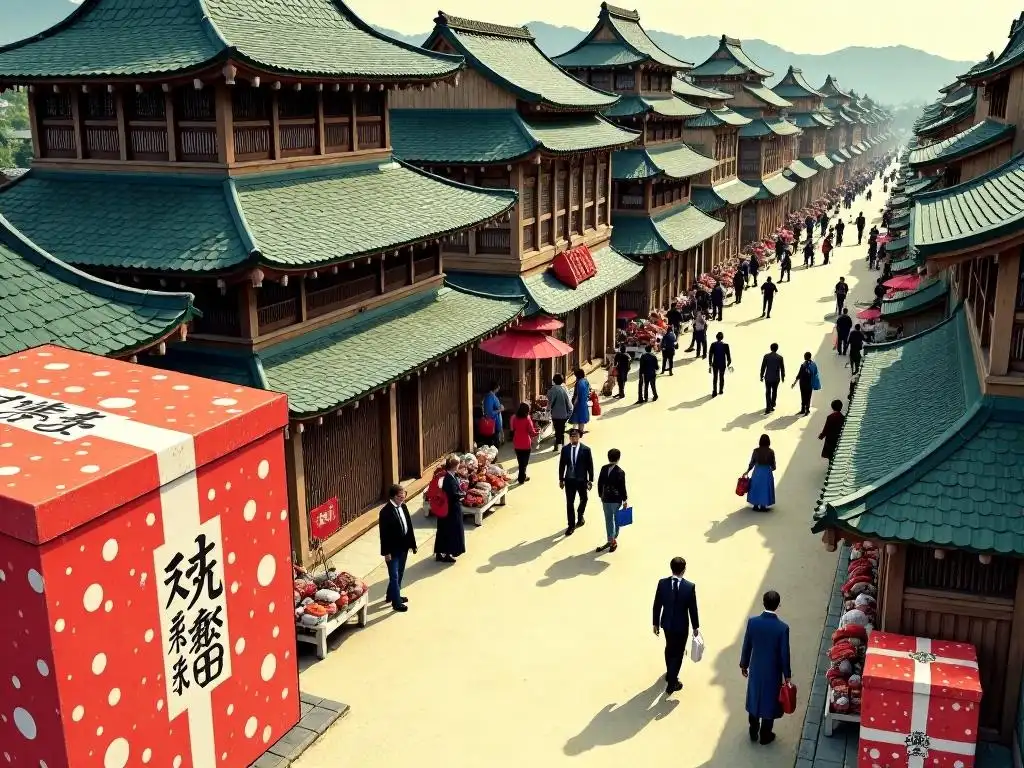
Welcome to Feudal Japan History, where the intricate tapestry of Japan’s feudal era unfolds before you. Here, we delve into the rich historical, cultural, and societal nuances that shaped this fascinating period. Our featured article, "The Spice Trade in Tokugawa Japan: A Hidden Economic Gem," invites you to uncover the secrets of an often-overlooked chapter in economic history.
What drove the flourishing spice trade, and how did it impact the very fabric of Tokugawa society? Join us as we explore the layers of this vibrant era and ignite your curiosity about a world where spices were more than just flavor—they were a catalyst for change. Dive in and let the adventure begin!
Introduction to the Spice Trade in Tokugawa Japan
The spice trade in Tokugawa Japan represents a significant yet often overlooked facet of the country's economic history during the Edo period (1603-1868). While the era is commonly recognized for its strict social hierarchy and cultural developments, the intricate web of trade networks that flourished during this time played a pivotal role in shaping Japan's economy and society. The Tokugawa shogunate, established by Tokugawa Ieyasu, not only unified Japan but also implemented policies that allowed for the growth of various trade routes, including those involving spices.
Spices, valued for their ability to enhance flavors and preserve food, were not just commodities; they were symbols of wealth and status. As Japan sought to engage with foreign powers, particularly the Portuguese and Dutch, the spice trade became a channel for cultural exchange and economic prosperity. This article delves into the complexities of the spice trade, examining its implications on Tokugawa Japan's economic policies and the broader economic landscape during this era.
Importance of Spice Trade in Economic Policies
The spice trade was integral to the economic policies enacted by the Tokugawa shogunate. With the establishment of a stable government, the shogunate aimed to control trade and foster economic growth while maintaining order. Key aspects include:
- Regulation of Trade: The Tokugawa shogunate implemented strict regulations on foreign trade, limiting it primarily to designated ports such as Nagasaki. This control allowed the government to monitor and tax the lucrative spice trade effectively.
- Monopoly of Imports: By granting specific trading rights to the Dutch and the Portuguese, the shogunate ensured a steady influx of valuable spices like cloves, nutmeg, and cinnamon, which were highly sought after in Japanese markets. This created a monopoly that benefited the shogunate economically.
- Cultural Exchange: The spice trade facilitated cultural exchange, introducing new culinary practices and ingredients to Japan. This not only diversified the Japanese diet but also influenced local customs and traditions.
Overall, the spice trade was not merely an economic activity; it was a strategic element in the Tokugawa shogunate's broader policies aimed at consolidating power and fostering a prosperous society.
Overview of Tokugawa Japan's Economic Landscape
The economic landscape of Tokugawa Japan was characterized by a unique blend of agrarian society and burgeoning trade networks. Key features of this landscape include:
- Agricultural Foundations: The economy was predominantly agrarian, with rice as the staple currency. Land cultivation was crucial, and the Tokugawa policies encouraged agricultural productivity, which in turn supported the urban population.
- Urbanization and Commerce: As trade routes expanded and cities like Edo (modern-day Tokyo) flourished, a merchant class emerged. This class played a vital role in the spice trade, acting as intermediaries between foreign traders and local consumers.
- Integration of Foreign Goods: The influx of spices and other foreign goods led to the rise of a consumer culture in Japan, where luxury items became more accessible to the upper classes and wealthy merchants.
- Economic Disparities: Despite the growth of commerce, the rigid class structure of Tokugawa society meant that economic benefits were not evenly distributed. The samurai class often found themselves in financial difficulties, while merchants thrived.
The spice trade in Tokugawa Japan was a hidden economic gem that contributed significantly to the nation's economic policies and landscape. Understanding its complexities provides a deeper insight into the intricate dynamics of feudal Japan and the lasting implications on its historical trajectory.
- Introduction to the Spice Trade in Tokugawa Japan
- Importance of Spice Trade in Economic Policies
- Overview of Tokugawa Japan's Economic Landscape
- What was the significance of the spice trade in Tokugawa Japan?
- How did the Tokugawa shogunate regulate the spice trade?
- Which countries were primarily involved in the spice trade during this era?
- How did spices influence Japanese cuisine during the Tokugawa period?
- What were the broader impacts of the spice trade on Japanese society?
Historical Context of the Spice Trade
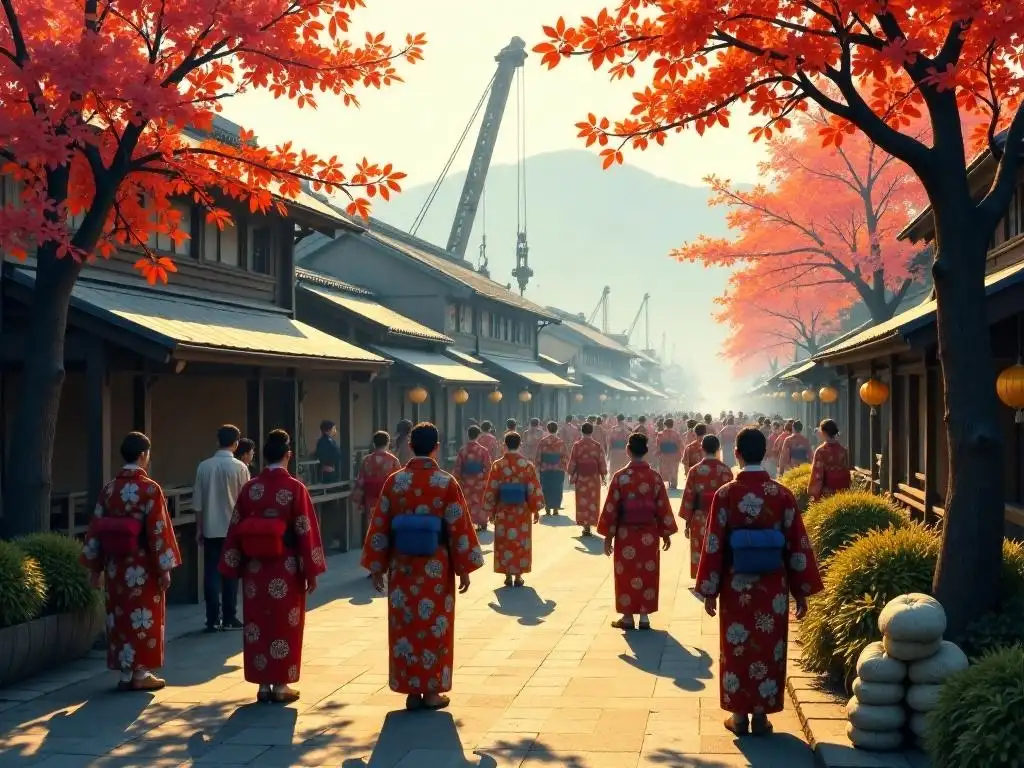
The spice trade in Tokugawa Japan (1603-1868) represents a fascinating intersection of global commerce and local economy, revealing Japan's role in the broader network of international trade. During this period, Japan, largely isolated from foreign influence due to the sakoku (closed country) policy, nevertheless engaged in limited trade with specific nations, notably the Dutch and the Chinese. This historical context is essential to understanding how spices became a crucial economic commodity.
The Origins of Spice Trade in Japan
The origins of the spice trade in Japan can be traced back to the early interactions with Portuguese traders in the late 16th century. Initially, these European traders introduced various spices, including pepper, cinnamon, and cloves, to Japanese markets. The allure of spices was not just in their flavor but also in their use for preserving food and their medicinal properties.
- Cultural Significance: Spices quickly gained cultural importance in Japan, as they were incorporated into local cuisine and medicinal practices. For instance, the use of pepper and ginger became commonplace in many traditional dishes, enhancing flavors and adding health benefits.
- Trade Routes: The spices that reached Japan were often sourced from distant lands, such as Southeast Asia and India. Major trade routes, including the maritime Silk Road, facilitated the movement of these commodities. Japanese merchants would engage in trade, exchanging local goods for exotic spices, which were seen as luxury items.
- Regulatory Framework: The Tokugawa shogunate established a regulatory framework to manage foreign trade, allowing only select ports to engage in international commerce. This control helped the shogunate maintain a degree of economic stability and avoid the influx of foreign influence that had characterized earlier periods.
Key Players in the Spice Trade during the Tokugawa Era
The Tokugawa era saw several key players in the spice trade, each contributing to the intricacies of this economic landscape. Understanding these players provides insight into the dynamics of the spice trade in Tokugawa Japan.
- Dutch East India Company (VOC):
- The Dutch East India Company emerged as the dominant force in the spice trade during the Tokugawa period. They established a trading post in Nagasaki, which became the sole point of contact for Western trade.
- The VOC specialized in the importation of spices, particularly from the Spice Islands (modern-day Indonesia), and played a pivotal role in supplying Japan with these valuable commodities.
- Chinese Merchants:
- Chinese merchants were also significant players in the spice trade. They imported spices from Southeast Asia and acted as intermediaries between Japanese buyers and foreign suppliers.
- The Chinese influence extended beyond spices to include other goods, further enriching the trade network.
- Local Japanese Merchants:
- Japanese merchants, particularly those in coastal cities, facilitated the distribution of spices within Japan. They would acquire spices from foreign traders and sell them in local markets, making them accessible to the Japanese populace.
- These merchants often formed guilds to regulate prices and maintain quality, thus ensuring the sustainability of the spice trade within the Tokugawa economy.
The spice trade in Tokugawa Japan was not merely an economic activity; it was a complex web of cultural exchanges and interactions that shaped the culinary and medicinal landscape of the time. The interplay between foreign traders and local merchants created an environment where spices flourished as a treasured commodity, enriching the Tokugawa economy and leaving a lasting impact on Japanese culture.
Mechanisms of Spice Trade in Tokugawa Japan
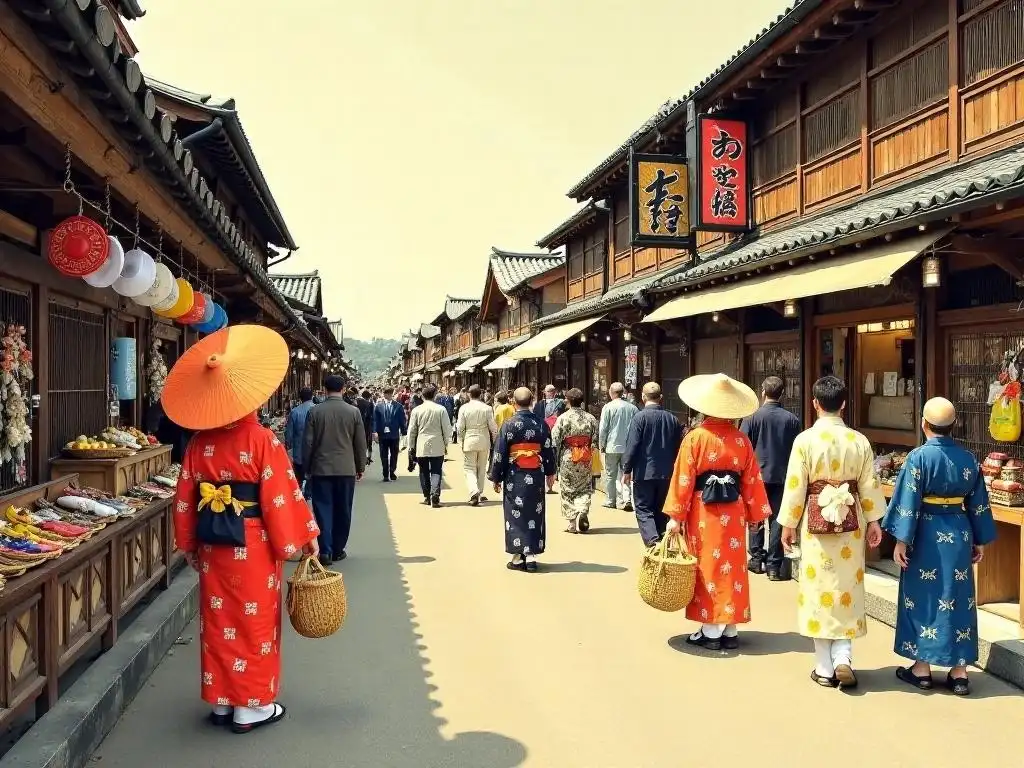
Trade Routes and Networks for Spice Distribution
The spice trade in Tokugawa Japan was facilitated through intricate trade routes and networks that connected Japan to various regions across Asia and beyond. Primarily, these routes were established to facilitate the importation of spices such as pepper, cinnamon, and cloves, which were highly sought after for culinary and medicinal purposes.
- Land Routes:
- Silk Road: While primarily known for silk, this historic network also carried spices from Southeast Asia through Central Asia into Japan.
- Overland Trade: Merchants utilized existing overland routes to transport spices from ports on the coast of China and Korea, gradually making their way to Japanese markets.
- Maritime Routes:
- Southeast Asian Channels: Spice-producing regions such as the Moluccas (Spice Islands) and the Malay Peninsula were pivotal in the maritime spice trade. Ships would navigate through the South China Sea to reach Japanese ports.
- Direct Trading Ports: Nagasaki emerged as a key trading port during the Tokugawa shogunate, functioning as the primary entry point for foreign traders. The Dutch and Portuguese were prominent in these routes, ensuring a steady supply of spices.
- Regional Distribution Networks:
- Local Markets: Once spices arrived in Nagasaki, they were distributed across Japan via local merchants. Major cities like Edo and Osaka became important hubs for spice trade, where spices were sold in bustling markets.
- Subsequent Trade Exchanges: The spice trade was often part of larger trade exchanges, involving not only spices but also silk, porcelain, and other luxury goods, creating a robust economic ecosystem.
Role of Dutch and Portuguese Traders in Japan
The involvement of Dutch and Portuguese traders was crucial to the success and expansion of the spice trade in Tokugawa Japan. Their distinct approaches and strategies shaped the market dynamics of this period.
- Portuguese Traders:
- Early Arrivals: The Portuguese were among the first Europeans to establish trade relations with Japan in the 16th century. They introduced a variety of spices from their colonies, including those from the Moluccas.
- Cultural Exchange: Their presence also facilitated the exchange of knowledge and culture, including culinary practices that integrated spices into Japanese cuisine.
- Decline in Influence: However, by the early 17th century, their influence waned as the Tokugawa shogunate implemented stricter trade regulations.
- Dutch Traders:
- VOC (Dutch East India Company): The Dutch East India Company played a significant role by monopolizing the spice trade after displacing the Portuguese. They established a trading post in Nagasaki, which became the sole port open to foreign trade during the sakoku period.
- Adaptation to Policies: The Dutch adapted to the isolationist policies of the Tokugawa shogunate by emphasizing their role as traders rather than missionaries, which allowed them to maintain their trading privileges.
- Focus on Spices: They maintained a consistent supply of spices, thus reinforcing Japan's access to these valuable commodities. The Dutch were instrumental in introducing new spices to the Japanese market, influencing culinary trends and commercial practices.
The Impact of Sakoku (Seclusion Policy) on Spice Trade
The sakoku or "seclusion policy," enacted in the early 17th century, had profound implications for the spice trade in Tokugawa Japan. This policy significantly restricted foreign influence while simultaneously shaping Japan's economic landscape.
- Isolationism:
- Restrictions on Foreign Trade: The sakoku policy limited foreign interaction to a select few, notably the Dutch and Chinese. This created a controlled environment for trade, where only specific goods, such as spices, were allowed entry.
- Impact on Variety: The limited number of trading partners meant that the variety of spices available in Japan was constrained, leading to a greater appreciation for those that were imported.
- Economic Regulation:
- State Control: The Tokugawa shogunate exercised tight control over the trade mechanisms, including the pricing and distribution of spices. This helped stabilize the economy but also limited the free market dynamics.
- Taxation and Revenue: Spices contributed to the state’s revenue through taxation, as the government profited from both the importation and sale of these goods.
- Cultural Transformations:
- Integration into Japanese Society: The spice trade helped integrate foreign spices into Japanese culture, leading to a gradual evolution in culinary practices. Spices that were once exotic became staples in local diets, highlighting the lasting impact of this trade even as the country became increasingly isolated.
- Legacy in Modern Japan: The adaptations made during this era laid the groundwork for Japan's later culinary identity, where spices continue to play an essential role.
The mechanisms of the spice trade in Tokugawa Japan reveal a complex interplay of trade routes, foreign traders' roles, and the overarching influence of the sakoku policy, all of which contributed to making the spice trade a hidden economic gem in Japan's history.
Economic Impact of the Spice Trade
The spice trade during the Tokugawa period (1603-1868) significantly influenced Japan's economy, intertwining with various political and social elements of the time. As Japan isolated itself from the outside world through the sakoku policy, the spice trade became a crucial, albeit clandestine, economic activity that contributed to the domestic economy and influenced foreign relations.
Contribution of Spice Trade to Tokugawa Economy
The spice trade played a vital role in the overall economy of Tokugawa Japan, particularly in enhancing trade relations with foreign countries, such as the Dutch and Chinese. The trade in spices like pepper, cloves, and nutmeg brought considerable wealth to the merchants who participated in the trade, creating a ripple effect throughout the economy.
Key Economic Contributions:
- Revenue Generation: The influx of spices led to increased tax revenues for the Tokugawa shogunate, which utilized these funds to maintain peace and stability throughout the country.
- Merchant Class Growth: As demand for spices grew, a new class of merchants emerged, leading to the rise of a vibrant merchant economy. This class became influential in urban areas like Edo (modern Tokyo), facilitating economic diversification.
- Cultural Exchange: The spice trade fostered cultural exchanges, introducing new culinary practices and ingredients that enriched Japanese cuisine and food culture.
The incorporation of spices into the Japanese diet and medicinal practices also led to a greater appreciation for these commodities, further embedding them into the economic fabric of Tokugawa society.
The Spice Trade's Influence on Domestic Markets
The influence of the spice trade extended beyond direct economic contributions; it also significantly affected domestic markets. The introduction of spices altered consumption patterns and market dynamics within Japan.
Influential Factors on Domestic Markets:
- Price Fluctuations: The availability of spices impacted prices, creating a market where certain spices became luxury items. For instance, black pepper became a highly sought-after commodity, leading to inflation in its price.
- Urbanization and Consumer Demand: As urban centers grew, so did the demand for exotic spices, which were often used to enhance the flavor of local dishes. This created a robust market for spices in cities, driving competition and innovation among merchants.
- Culinary Trends: The use of spices led to a culinary renaissance in Japan, as chefs and households experimented with new flavors. This shift in gastronomy not only increased the demand for spices but also enhanced the overall culinary identity of Japan.
The interplay between the spice trade and domestic markets illustrates how external influences shaped internal economic and cultural landscapes during the Tokugawa era.
Comparison with Other Trade Commodities in Tokugawa Japan
When comparing the spice trade to other commodities traded during the Tokugawa period, it becomes clear that spices held a unique position in the economic hierarchy.
Key Comparisons:
| Commodity | Economic Impact | Cultural Influence |
|---|---|---|
| Spices | High, due to demand and rarity | Significant, enhanced culinary practices |
| Silk | Major export, stable demand | Essential in luxury fashion |
| Rice | Staple food, foundational economy | Central to agrarian society |
| Tea | Growing popularity, cultural symbol | Integral to social rituals |
While rice served as the staple food and silk was a major export, spices were unique in their ability to command high prices and influence culinary trends. The limited availability of spices compared to more common goods like rice and tea added to their allure and economic significance.
The spice trade in Tokugawa Japan served as a hidden economic gem, contributing to the overall economy, influencing domestic markets, and standing out among other traded commodities. Its impact resonates through the era's economic policies and cultural developments, highlighting its importance in shaping Japan’s historical narrative.
Cultural Significance of Spices in Tokugawa Society
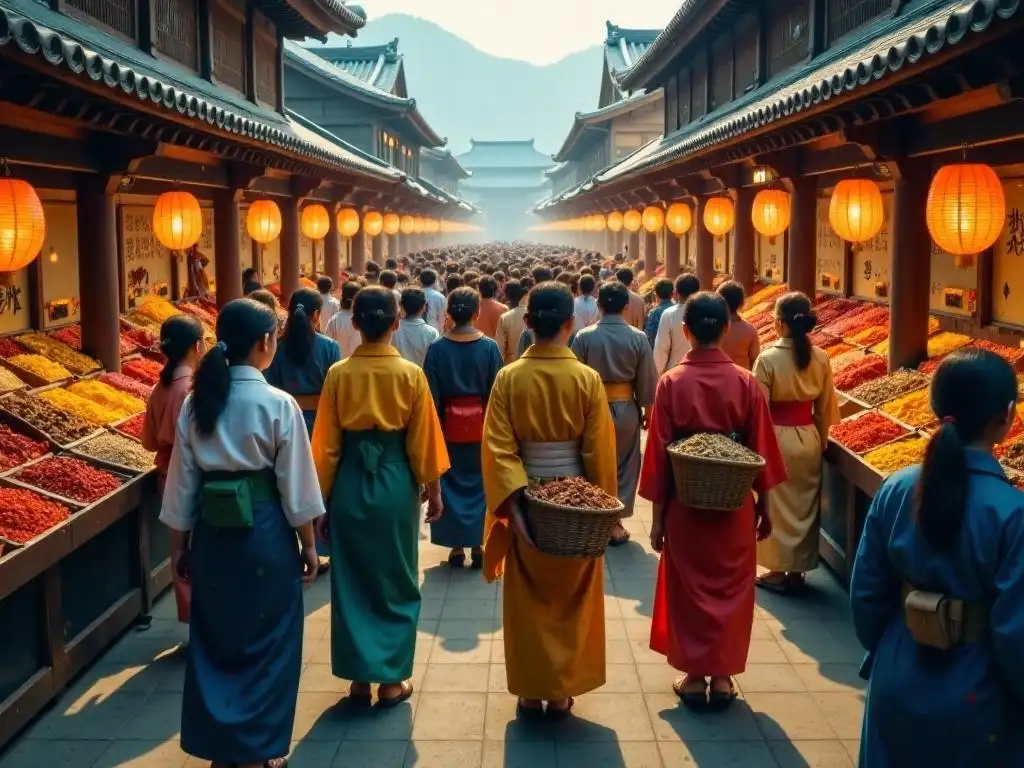
Spices in Tokugawa Cuisine: A Culinary Revolution
The Tokugawa period, lasting from 1603 to 1868, marked a significant transformation in Japanese cuisine, heavily influenced by the spice trade in Tokugawa Japan. During this time, the introduction of various spices not only enriched the flavor of traditional dishes but also helped in the evolution of culinary practices across the country.
Key Spices Introduced
- Cinnamon: Imported from Southeast Asia, cinnamon became a favorite in both sweet and savory dishes. Its warm flavor was often used in festive meals.
- Cloves: These aromatic buds were utilized to enhance the flavors of rice and meat dishes, and were believed to have medicinal properties.
- Black Pepper: Once considered a luxury, black pepper found its way into the kitchens of the samurai elite, adding a spicy kick to traditional meals.
Culinary Techniques
The spice trade in Tokugawa Japan not only introduced new flavors but also prompted the development of innovative cooking techniques. For instance, the method of pickling emerged as a way to preserve vegetables and seafood, enhanced by the use of spices like ginger and chili. This culinary revolution contributed to the diversity of dishes that characterized the period, leading to a more vibrant and varied Japanese cuisine.
The Role of Spices in Rituals and Traditions
Spices held a profound cultural significance in Tokugawa society, often intertwined with rituals and traditions. Their use extended beyond mere flavor enhancement; they were also integral to various ceremonies and practices.
Spiritual and Religious Context
- Shinto Rituals: Certain spices were utilized in Shinto rituals, believed to purify spaces and offerings. For example, sake infused with spices like yuzu and ginger was offered to deities during festivals.
- Tea Ceremonies: The incorporation of spices in matcha tea ceremonies became popular during this era, with flavors like cinnamon and cardamom being added to enhance the sensory experience.
Symbolism in Celebrations
Spices also played a critical role during celebrations, symbolizing prosperity and health. During the New Year festivities, special dishes known as osechi ryori were prepared, often featuring spices that represented good fortune, such as black sesame and sweet soy sauce. This practice not only showcased the importance of spices in culinary traditions but also highlighted their role in conveying cultural values and aspirations for the future.
The spice trade in Tokugawa Japan was not merely an economic activity; it was a catalyst for cultural change. The integration of spices into cuisine and rituals reflects the broader societal transformations of the period, making it a fascinating aspect of Japan's feudal history.
Challenges Faced by the Spice Trade
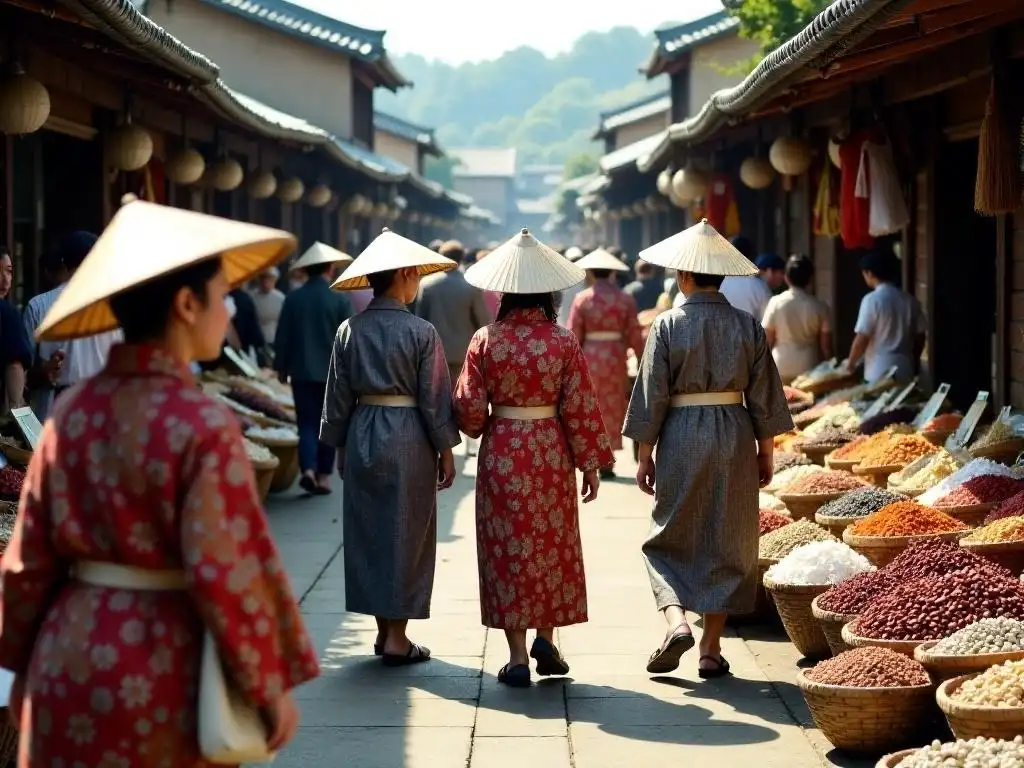
The spice trade during the Tokugawa period was not without its challenges. Despite the burgeoning interest in spices, various obstacles hindered the trade's growth and profitability. This section will delve into the significant challenges faced by merchants and traders involved in the spice trade in Tokugawa Japan, particularly focusing on restrictions and regulations as well as competition from domestic products and other markets.
Restrictions and Regulations Affecting Spice Trade
The Tokugawa shogunate implemented various restrictions and regulations that significantly impacted the spice trade. These measures were primarily aimed at controlling foreign influence and maintaining a stable internal economy.
- Sakoku Policy:
- The Sakoku (closed country) policy, which was enforced from the 1630s, severely limited foreign trade and interaction. Only a few designated ports, such as Nagasaki, were open to foreign merchants, primarily the Dutch and Chinese. This restriction made it challenging for spice traders to access a wider variety of spices from different regions.
- Trade Monopolies:
- The shogunate granted trade monopolies to specific merchant groups, such as the Dutch East India Company, which controlled the import of spices. This monopoly restricted competition and often resulted in higher prices for consumers.
- Taxes and Tariffs:
- Spice traders were subject to numerous taxes and tariffs imposed by local daimyos and the central government. These financial burdens further complicated the profitability of importing spices, as traders had to navigate a complex web of fees that could diminish their margins.
- Censorship and Surveillance:
- The Tokugawa regime maintained strict control over information and commerce. Traders were often monitored, and any activity deemed suspicious could lead to severe penalties. This environment of surveillance created a climate of fear that stifled innovation and deterred many potential traders from entering the spice market.
Competition from Domestic Products and Other Markets
In addition to regulatory challenges, the spice trade in Tokugawa Japan faced stiff competition from domestic products and alternative markets.
- Local Alternatives:
- Japan had a rich culinary tradition that relied heavily on local ingredients, such as soy sauce, miso, and various indigenous spices. Many consumers preferred these domestic products over imported spices, leading to a decline in demand for foreign spices.
- Emergence of New Markets:
- The increasing availability of spices from other regions, such as Southeast Asia and Europe, heightened competition. Countries like the Philippines and Indonesia began exporting their spices more aggressively, often at lower prices than those available through Tokugawa channels, thus enticing Japanese buyers to consider these alternative sources.
- Cultural Preferences:
- The cultural context of Japan during the Tokugawa period also played a role in shaping consumer preferences. Traditional Japanese cuisine emphasized subtle flavors, and many Japanese people regarded strong foreign spices as less desirable. This cultural inclination further limited the market for imported spices.
- Economic Shifts:
- As Japan transitioned into a more stable economic environment during the latter part of the Tokugawa period, the focus shifted towards domestic production and self-sufficiency. This shift diminished the reliance on foreign products, including spices, as the population began to prioritize local goods over imports.
The spice trade in Tokugawa Japan was undoubtedly a hidden economic gem, yet it faced numerous challenges that complicated its development. Understanding these obstacles provides valuable insight into the historical context of trade during this fascinating period in Japan's economic history.
Conclusion: The Legacy of Spice Trade in Tokugawa Japan
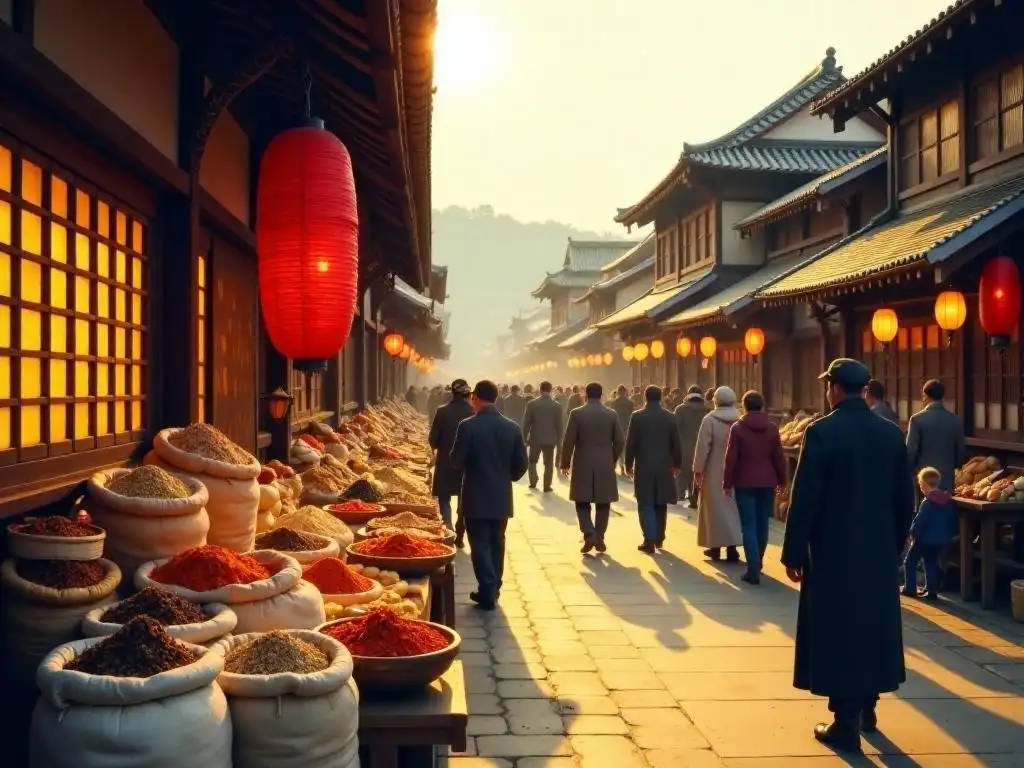
The spice trade in Tokugawa Japan left a profound legacy that shaped not only the economy of the period but also the cultural and social fabric of the nation. As Japan entered into the Tokugawa shogunate (1603-1868), the controlled trade environments fostered by the government allowed for the flourishing of various economic activities, including the spice trade. This era marked a significant shift in Japan's interactions with the outside world, ultimately leading to a unique synthesis of foreign and domestic influences.
Lasting Effects on Japan’s Economic Policies
The impact of the spice trade in Tokugawa Japan is evident in the economic policies that emerged during this period. The shogunate implemented strict regulations on trade, which included limitations on foreign goods and the establishment of trading posts in designated ports. This control enabled the Tokugawa government to:
- Enhance Tax Revenue: The spice trade generated substantial tax income for the shogunate, which was crucial for funding military and administrative expenses.
- Regulate Market Prices: By controlling the importation of spices, the government could stabilize market prices, ensuring that local producers remained competitive.
- Encourage Domestic Production: The influx of foreign spices stimulated local agricultural practices, leading to innovations in agriculture and the cultivation of new crops that catered to the tastes developed during this era.
These policies created a framework that allowed for the sustainable management of resources while promoting economic growth. The legacy of these policies can still be seen in contemporary Japan, where regulation and market control remain pivotal in various sectors.
Reflection on the Historical Importance of Spice Trade
The historical importance of the spice trade in Tokugawa Japan cannot be overstated. It served as a catalyst for cultural exchange and economic development during a time of relative isolation from the rest of the world. The introduction of spices not only diversified the Japanese diet but also influenced culinary practices and aesthetics. Notable effects include:
- Culinary Innovations: The incorporation of spices into traditional Japanese cuisine led to new flavor profiles and the popularization of dishes that remain staples today.
- Cultural Exchange: The spice trade facilitated interaction with foreign traders, which helped to introduce Western ideas and technologies into Japanese society.
- Increased Global Awareness: As Japan engaged with global markets, it developed a more sophisticated understanding of international trade dynamics, setting the stage for future interactions with the world.
The spice trade during the Tokugawa period was a fundamental aspect of Japan's economic and cultural evolution. Its legacy continues to resonate, reminding us of the intricate connections between trade, culture, and policy that have shaped Japan's history. The spice trade was indeed a hidden economic gem that contributed significantly to the development of Tokugawa Japan's identity on the global stage.
Further Reading and Resources
Suggested Literature on Tokugawa Economic History
To gain a deeper understanding of the economic dynamics during the Tokugawa period, the following literature is highly recommended:
-
"The Economic History of Japan: 1600-1990" by Takafusa Nakamura
This comprehensive work delves into the economic development throughout Japan's history, with particular emphasis on the Tokugawa era. Nakamura presents a detailed analysis of trade, agriculture, and industry.
-
"Tokugawa Japan: The Social and Economic History" by John W. Hall
Hall's book provides an insightful exploration of Tokugawa society, focusing on the socioeconomic structures that influenced the spice trade and other economic activities.
-
"Japan's Early Modern Economy: Growth and Economic Relations" by Richard von Glahn
This text examines the critical aspects of early modern Japan's economy, including trade networks and the role of foreign goods, such as spices, in the local market.
-
"The Merchant and the Samurai: The Legacy of the Tokugawa Period" by J. Mark Ramseyer
Focusing on the relationship between merchants and samurai, this book illustrates the economic strategies employed during the Tokugawa era and their impact on trade, including the spice market.
-
"Feudal Japan: The History and Legacy of the Tokugawa Shogunate" by Charles River Editors
A concise yet informative overview of the Tokugawa period, this book covers various aspects, including economic policies and trade practices, making it a good resource for understanding the context of spice trade.
Online Archives and Databases for Research on Spice Trade in Japan
For researchers interested in the spice trade in Tokugawa Japan, the following online archives and databases provide valuable primary sources and documentation:
-
National Diet Library Digital Collections
This extensive resource features a variety of historical documents, including trade records, merchant letters, and government decrees relevant to the spice trade during the Tokugawa period.
-
The Digital Public Library of America (DPLA)
DPLA offers access to a myriad of digital resources, including historical texts, maps, and images that shed light on the economic activities in Tokugawa Japan, particularly concerning the spice trade.
-
The Japan National Archives
A rich repository of historical documents, the Japan National Archives houses records from the Tokugawa shogunate, including trade lists and correspondence that can provide insights into the spice trade networks.
-
The Toyo Bunko (Oriental Library)
This library specializes in Asian studies and has a significant collection of materials related to Japan's trade history. Researchers can access manuscripts, rare books, and periodicals focusing on the spice trade's role in Tokugawa Japan.
-
HeinOnline
An excellent database for legal and historical documents, HeinOnline includes journals and articles that discuss the regulatory aspects of trade during the Tokugawa period, offering a unique perspective on the spice trade.
By utilizing these resources, scholars and enthusiasts alike can gain a comprehensive understanding of the spice trade in Tokugawa Japan and its significance within the broader context of economic history.
Frequently Asked Questions
What was the significance of the spice trade in Tokugawa Japan?
The spice trade played a crucial role in Tokugawa Japan's economy, fostering international relations and enhancing cultural exchange during the period of isolation.
How did the Tokugawa shogunate regulate the spice trade?
The Tokugawa shogunate implemented strict regulations, controlling foreign trade through monopolies and limiting interactions with Europeans, thus maintaining a balance between trade and national security.
Which countries were primarily involved in the spice trade during this era?
European nations such as the Dutch and Portuguese were the primary players, bringing spices like pepper and cinnamon to Japan, which were highly valued in the local market.
How did spices influence Japanese cuisine during the Tokugawa period?
The introduction of spices enriched Japanese cuisine, leading to the development of new flavors and cooking techniques, making spices an integral part of the culinary landscape.
What were the broader impacts of the spice trade on Japanese society?
The spice trade not only boosted the economy but also spurred cultural exchanges, influencing arts, literature, and lifestyle, ultimately reshaping Japanese society during the Tokugawa era.
Final Reflection: The Enduring Legacy of the Spice Trade in Tokugawa Japan
The spice trade in Tokugawa Japan was not merely a historical economic phenomenon; it was a catalyst for cultural exchange and innovation that resonates with us today. As we navigate a globalized world, the intricate networks established during this period remind us of the power of trade to shape societies and foster connections across borders. The lessons learned from this vibrant exchange are more relevant than ever, highlighting the importance of understanding our past to inform our present and future.
The influence of the spice trade in Tokugawa Japan extends far beyond the realm of economics; it has woven itself into the very fabric of Japanese culture and identity. The intricate relationships formed through trade not only enriched the economy but also facilitated the exchange of ideas, art, and culinary practices that continue to inspire us.
As historian John W. Hall aptly stated, "> The spice trade was a gateway to a world of possibilities, transforming not just markets but minds." This profound impact underscores the significance of the spice trade as a cultural touchstone that continues to shape our understanding of Japan's historical narrative.
As we reflect on the lessons of the spice trade, I invite you to consider how the principles of connection, exchange, and innovation can be applied in your own life. Embrace the idea that every interaction, whether personal or professional, has the potential to enrich your understanding and broaden your horizons. Let the legacy of the spice trade in Tokugawa Japan inspire you to seek out new experiences, foster meaningful relationships, and contribute to a world that values diversity and collaboration. The past holds valuable insights; it is up to us to carry them forward into the future.
Unveil the Secrets of Japan's Spice Trade!
Thank you for diving into the fascinating world of the spice trade during **Tokugawa Japan**! You’ve uncovered the rich tapestry of economic history that shaped the nation. Now, it’s time to take the next step and further enhance your understanding and engagement with this captivating topic.
Here are some simple yet effective actions you can take:
- Explore local history museums or online archives that feature exhibits on **Tokugawa Japan** and its trade routes.
- Share your newfound insights with friends or family— start a discussion about the impact of spices on culture and the economy!
- Consider joining online forums or social media groups dedicated to historical discussions— connect with fellow enthusiasts and exchange ideas!
What hidden stories or surprising facts about Japan’s spice trade do you believe are still waiting to be discovered?