
The Culinary Influence of the Kamakura and Muromachi Periods

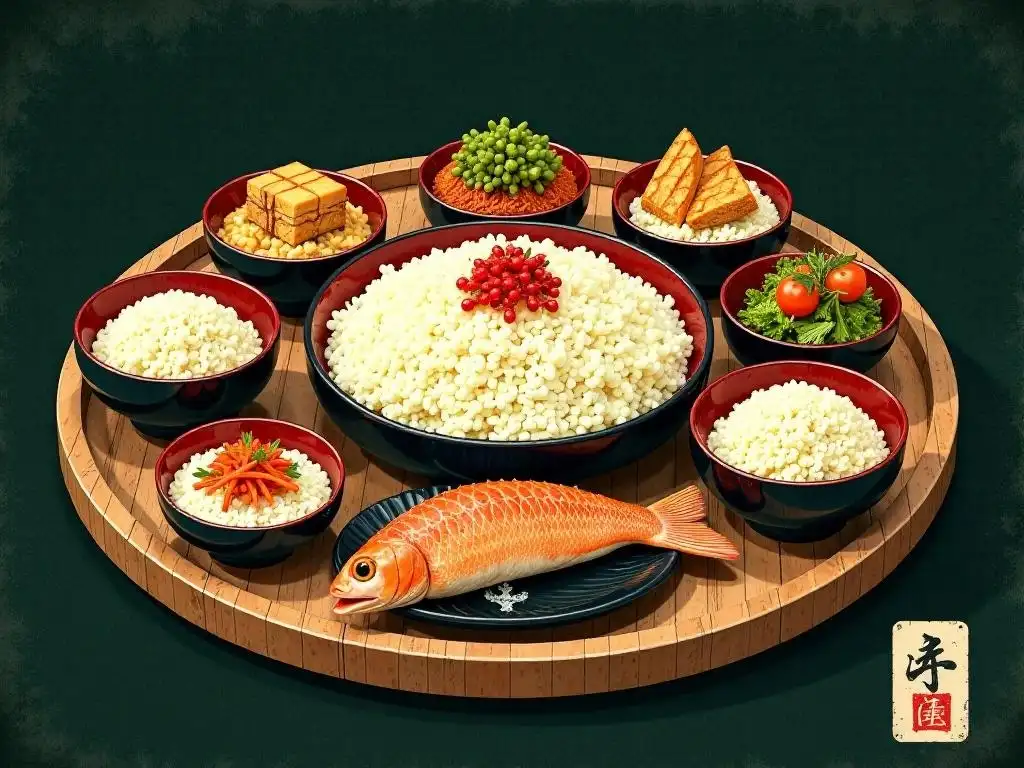
Welcome to Feudal Japan History, where we take you on an enthralling journey through the rich tapestry of Japan’s feudal era. Immerse yourself in the captivating culinary traditions of the Kamakura and Muromachi periods, a delectable exploration that reveals how food intertwined with culture and society during these transformative times. What secrets do these historical recipes hold, and how did they shape daily life? Prepare to be intrigued as you delve deeper into the savory past and uncover the flavors that defined an era. Your adventure into the heart of feudal Japanese society begins here!
- Introduction to Kamakura and Muromachi Culinary Traditions
- Historical Context of Kamakura Muromachi Culinary Traditions
- Ingredients and Food Preparation in Kamakura and Muromachi Periods
- Dining Customs and Practices in Feudal Japan
- Regional Variations in Kamakura Muromachi Culinary Traditions
- Notable Dishes from the Kamakura and Muromachi Periods
- Conclusion: The Enduring Influence of Kamakura Muromachi Culinary Traditions
-
Frequently Asked Questions
- What were the main culinary influences during the Kamakura and Muromachi periods?
- How did Zen Buddhism affect culinary practices in feudal Japan?
- What role did the samurai class play in the culinary traditions of this era?
- Were there any significant cooking techniques that emerged during these periods?
- How did trade impact the culinary landscape of the Kamakura and Muromachi periods?
- Final Reflection: The Enduring Legacy of Kamakura and Muromachi Culinary Traditions
- Savor the Flavors of History!
Introduction to Kamakura and Muromachi Culinary Traditions
The Kamakura (1185-1333) and Muromachi (1336-1573) periods mark a transformative era in Japan's history, characterized by significant political, social, and cultural shifts. During these times, feudalism took root, and with it came a distinctive evolution in culinary practices that reflected the changing dynamics of society. The Kamakura Muromachi culinary traditions not only highlight the foods consumed but also embody the cultural exchanges and agricultural advancements that shaped the Japanese diet. This article delves into the rich tapestry of culinary influences from these periods, examining how historical events and societal structures intertwined to create a unique gastronomic heritage.
Overview of the Kamakura and Muromachi Periods
The Kamakura period introduced a new governance system with the rise of the samurai class and the establishment of the Kamakura shogunate. This shift brought about changes in land ownership and agricultural practices, which directly influenced food production and consumption. As the samurai gained prominence, their dietary habits began to reflect their status, paving the way for more elaborate culinary traditions.
In contrast, the Muromachi period witnessed the flourishing of arts and culture, alongside the expansion of trade and commerce. The growing influence of Zen Buddhism also played a crucial role in shaping culinary practices, introducing concepts of simplicity and mindfulness into food preparation and consumption. This period saw the emergence of new ingredients and cooking techniques, enhancing the diversity of Japanese cuisine.
Importance of Culinary Traditions in Feudal Japan
Culinary traditions during the Kamakura and Muromachi periods were not merely about sustenance; they were intricately linked to the social fabric and cultural identity of the Japanese people. Food served as a medium for expressing social status, religious beliefs, and regional identities.
- Social Status: The samurai class, with their unique dietary customs, illustrated their wealth and power through the presentation and variety of their meals.
- Religious Influences: Festivals and rituals often involved specific foods, which were believed to bring blessings and good fortune, thus intertwining culinary practices with spiritual beliefs.
- Regional Variations: The diverse geography of Japan contributed to the regionalization of ingredients and cooking styles, leading to a rich culinary landscape that celebrated local flavors and traditions.
Key Themes of the Article
This article will explore several key themes related to the Kamakura Muromachi culinary traditions:
- The Role of Agriculture: How advancements in farming techniques and crop cultivation during these periods influenced food availability and diversity.
- Culinary Techniques and Innovations: An examination of the cooking methods that emerged, including the impact of Zen Buddhism on food presentation and consumption.
- Cultural Exchange: The influence of trade routes and interactions with other cultures on Japanese culinary practices.
- Social Hierarchies and Food: Understanding how food reflected social structures and the differences in dietary practices among various classes.
By diving into these themes, we aim to offer an insightful perspective on how the culinary traditions of the Kamakura and Muromachi periods continue to influence modern Japanese cuisine and cultural identity.
Historical Context of Kamakura Muromachi Culinary Traditions
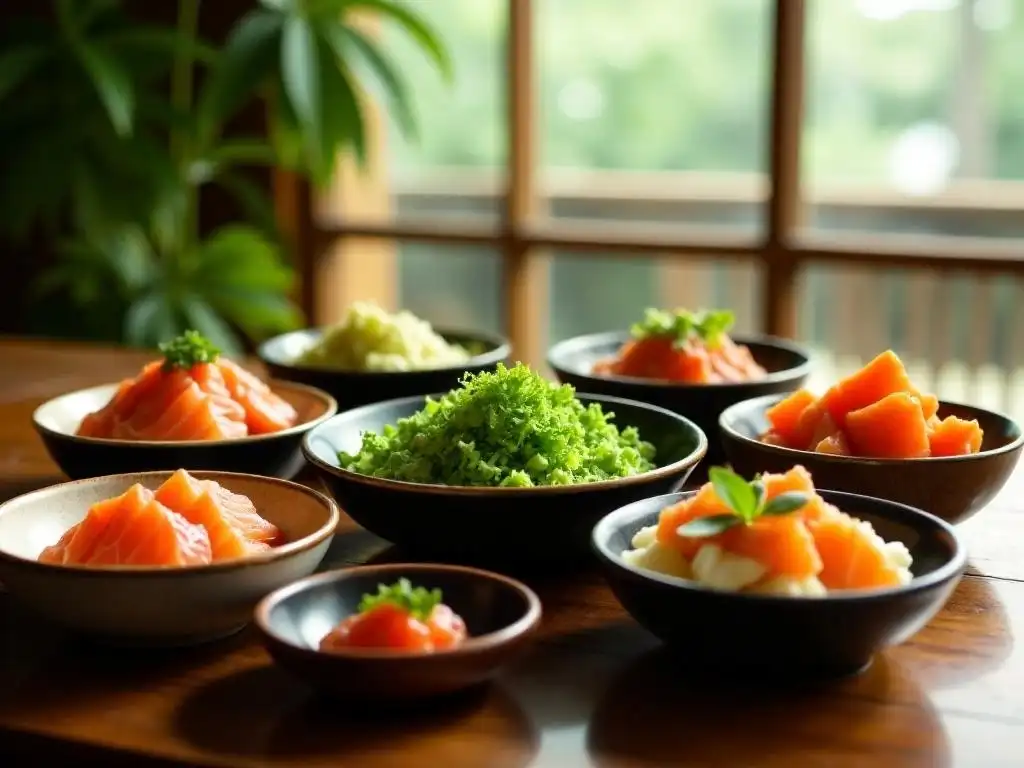
The Kamakura (1185–1333) and Muromachi (1336–1573) periods of Japan were pivotal in shaping the culinary landscape of the nation. These eras not only saw the rise of the samurai class but also significant social, political, and cultural transformations that influenced food practices and culinary traditions.
The Rise of the Kamakura Shogunate
The establishment of the Kamakura Shogunate marked a shift in power dynamics in Japan. With the samurai assuming control, a new social order emerged, impacting food production and consumption. The samurai class emphasized simplicity and practicality in their diets, often favoring dishes that could sustain them through their rigorous lifestyles.
- Agricultural Advances: During this era, agricultural practices improved significantly. Innovations such as irrigation systems allowed for increased rice production, which became a staple in the samurai diet.
- Urbanization: The growth of towns around military forts led to the development of new markets and food distribution channels. This facilitated access to diverse ingredients, enriching the culinary repertoire.
In addition, the Kamakura period saw the introduction of new cooking techniques and the refinement of existing ones, which were influenced by the interactions with the regional clans and their culinary practices.
The Muromachi period was characterized by further social stratification and the rise of the merchant class. This era witnessed a flourishing of arts and culture, which had a direct impact on culinary traditions.
- Culinary Arts and Aesthetics: The influence of Zen Buddhism led to an appreciation for simplicity and beauty in food presentation. This aesthetic approach is evident in the development of kaiseki ryori, a multi-course dining experience that emphasizes seasonal ingredients and artistic plating.
- Increased Trade: The expansion of trade routes allowed for the introduction of foreign ingredients and spices, such as sugar and citrus fruits. These ingredients were incorporated into local dishes, leading to a more diverse culinary landscape.
The dynamics of the Muromachi period also allowed for greater experimentation in cooking. Common people began to adopt some of the culinary practices of the samurai, leading to a gradual democratization of food culture.
Influence of Buddhism on Food Practices
Buddhism played a significant role in shaping the culinary traditions during both the Kamakura and Muromachi periods. The religion's emphasis on moderation, mindfulness, and the sanctity of life influenced dietary habits across different social classes.
- Vegetarianism: Many Buddhist monks practiced vegetarianism, which encouraged the development of plant-based dishes. The use of ingredients such as tofu, vegetables, and grains became prevalent, laying the groundwork for modern Japanese vegetarian cuisine.
- Ritual and Ceremony: Food practices were often intertwined with religious rituals. Offerings made at temples included rice and seasonal vegetables, reinforcing the connection between spirituality and nourishment.
Buddhism also introduced the concept of sustainability in food consumption, advocating for a diet that respected nature and minimized waste. This philosophy remains a significant aspect of Japanese culinary traditions today.
The Kamakura Muromachi culinary traditions were deeply influenced by the socio-political changes of the times, the rise of the samurai, the impact of trade, and the teachings of Buddhism. These factors collectively contributed to a rich and evolving culinary heritage that would shape Japan's future food culture.
Ingredients and Food Preparation in Kamakura and Muromachi Periods
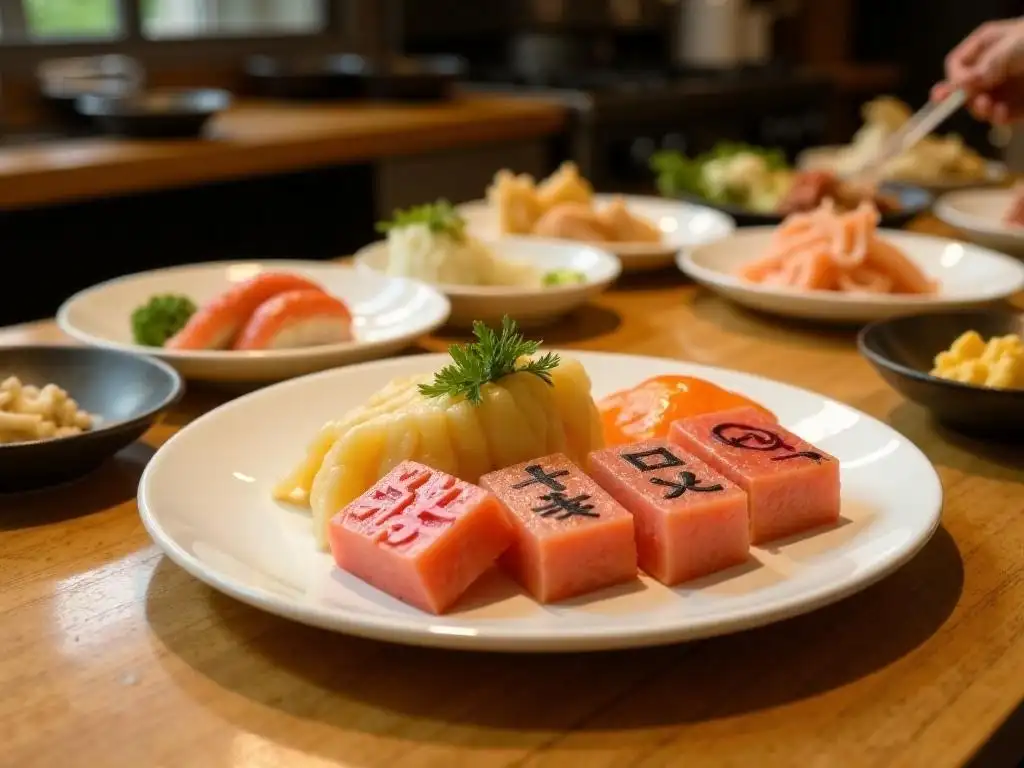
Common Ingredients Used in Kamakura Muromachi Cuisine
The culinary landscape of the Kamakura and Muromachi periods (1185-1573) was heavily influenced by the socio-political changes of the time, including the rise of the samurai class and the establishment of Zen Buddhism. These shifts brought about a transformation in dietary habits and food preferences, leading to the incorporation of various local and foreign ingredients into everyday cuisine.
Staple Ingredients:
- Rice: As the cornerstone of Japanese cuisine, rice was the primary staple during this era. Varieties like koshihikari became popular, reflecting regional preferences.
- Noodles: Buckwheat noodles, known as soba, gained prominence, particularly in the Kamakura period, while wheat noodles, or udon, became more common in the Muromachi period.
- Soy Products: Tofu and miso became essential protein sources, often used in various dishes and soups.
- Fish and Seafood: Given Japan's geographical location, a wide variety of fish, including mackerel and sardines, were staples, often prepared through methods like drying or grilling.
- Vegetables: Seasonal vegetables such as daikon radish, bamboo shoots, and various greens were essential for both their flavor and nutritional value.
Exotic Influences:
- Spices and Seasonings: The Kamakura period saw the introduction of new seasonings due to trade, including shōyu (soy sauce) and mirin (sweet rice wine), which became integral to flavoring dishes.
- Fruits and Nuts: Persimmons, chestnuts, and other local fruits contributed to the diverse palate, often used in desserts or as accompaniments.
The combination of these ingredients not only reflects the local agricultural practices but also the cultural exchanges that occurred through trade and contact with other regions, enriching the Kamakura Muromachi culinary traditions.
Traditional Cooking Techniques and Methods
The cooking techniques that evolved during the Kamakura and Muromachi periods were as diverse as the ingredients themselves. These methods often emphasized simplicity and the natural flavors of the ingredients, aligning with the Zen Buddhist principles that were gaining traction during this time.
Key Cooking Techniques:
- Grilling (Yaki): Grilling fish and meats over an open flame was commonplace, imparting a smoky flavor that enhanced the taste of the ingredients.
- Boiling (Niru): Vegetables and grains were often boiled, preserving their natural flavors and nutrients. Soups were a staple, made by simmering ingredients together, often leading to a harmonious blend of tastes.
- Steaming (Mushi): Steaming was a favored method for preparing rice and dumplings, allowing for moisture retention and a delicate texture.
- Pickling (Tsukemono): The art of pickling vegetables became popular, not only for preservation but also for adding tangy flavors to meals. Common pickling methods included using salt and rice bran.
Presentation:
The aesthetic presentation of food also took root during this time. Meals were often served in lacquerware, emphasizing visual appeal and balance, reflecting the Zen influence on Japanese aesthetics. The careful arrangement of food on plates was seen as an expression of artistry and respect for the meal.
The culinary techniques from the Kamakura and Muromachi periods laid the groundwork for modern Japanese cooking, highlighting the importance of technique, presentation, and the harmony of flavors.
Seasonal Foods and Their Significance
The concept of seasonality is deeply embedded in Japanese culinary traditions, and this was particularly true during the Kamakura and Muromachi periods. The emphasis on seasonal foods not only ensured freshness but also celebrated the natural cycle of life, which was profoundly respected in Japanese culture.
Seasonal Ingredients:
- Spring: Foods such as sakura (cherry blossoms), wild greens, and fresh bamboo shoots heralded the arrival of spring. Dishes often featured these ingredients to celebrate the season's beauty.
- Summer: As temperatures rose, lighter fare became popular. Ingredients like cucumbers, eggplants, and tomatoes were common, often served in refreshing salads or as tempura.
- Autumn: This season brought a bounty of harvest, with chestnuts, persimmons, and mushrooms taking center stage in many dishes. Matsutake mushrooms, in particular, were highly prized.
- Winter: Hearty dishes became essential, with ingredients such as daikon, root vegetables, and preserved foods being used in stews and hot pots, providing warmth during the colder months.
Cultural Significance:
The importance of seasonal foods was not merely culinary; it was tied to cultural practices and festivals. For instance, the use of mochi (rice cakes) during the New Year celebrations symbolized good fortune and prosperity. Similarly, the appreciation of seasonal changes was reflected in poetry and art, reinforcing the connection between food and nature.
The Kamakura Muromachi culinary traditions fostered a profound respect for seasonal ingredients, shaping not only the cuisine of the time but also the cultural identity of Japan. This celebration of seasonality continues to influence Japanese cooking today, emphasizing the values of freshness, sustainability, and aesthetic appreciation.
Dining Customs and Practices in Feudal Japan
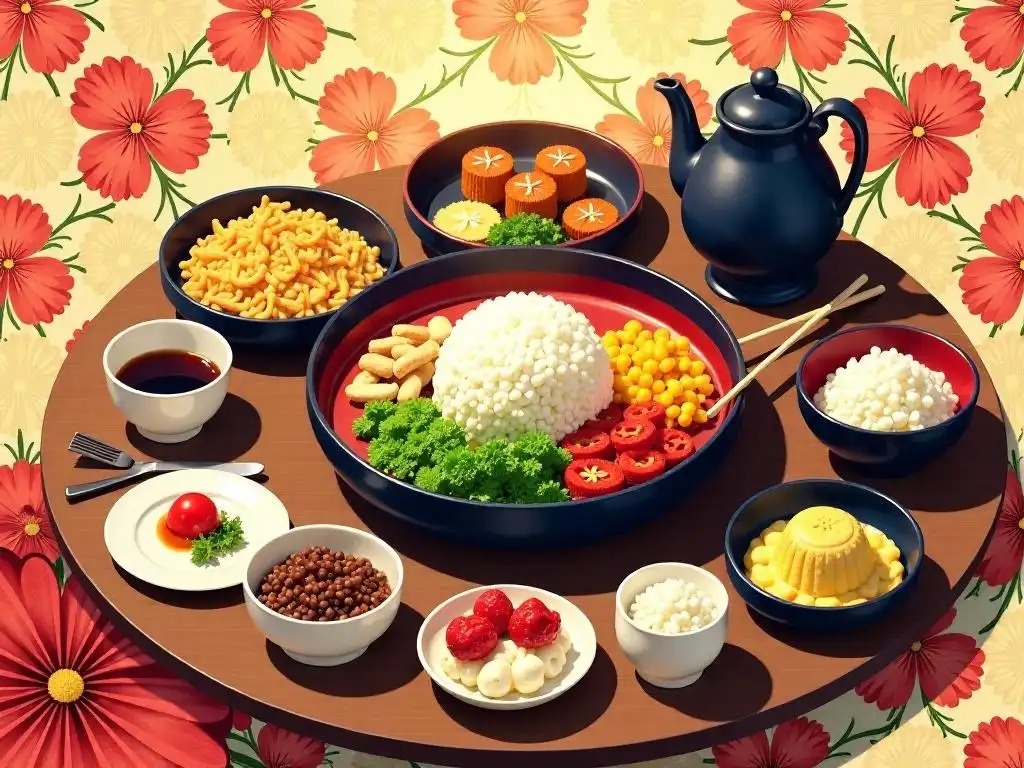
The Evolution of Dining Etiquette
During the Kamakura (1185-1333) and Muromachi (1336-1573) periods, dining etiquette underwent significant transformations that reflected broader societal shifts. The rise of the samurai class and the establishment of a more structured society influenced how meals were consumed and the rituals surrounding them.
- Seating Arrangements: The seating at feasts was often hierarchical, with the most esteemed guests placed furthest from the entrance, signifying their status. Lower-ranked individuals would sit closer to the door, emphasizing the importance of rank and social order in dining settings.
- Serving Methods: Food was typically served in lacquerware, with each dish presented separately, allowing guests to appreciate the aesthetics of the meal. This practice of singular presentation not only enhanced the visual appeal but also underscored the importance of seasonal ingredients and culinary art.
- Chopstick Etiquette: The use of chopsticks became more refined during this era. Specific rules dictated their usage, such as not leaving chopsticks upright in rice, which was seen as a funeral custom. Proper handling of chopsticks became an essential skill, reflecting one's upbringing and social standing.
The evolution of dining etiquette during the Kamakura and Muromachi periods laid the groundwork for future Japanese dining customs, emphasizing respect, aesthetics, and the cultural significance of food.
Role of the Tea Ceremony in Culinary Traditions
The tea ceremony, or chanoyu, emerged as a crucial aspect of culinary traditions during the Kamakura and Muromachi periods, intertwining philosophy, aesthetics, and social interaction. This ritual was not merely about drinking tea; it embodied a broader cultural practice that influenced various aspects of daily life.
- Culinary Integration: The tea ceremony incorporated a variety of seasonal snacks, known as wagashi, which were meticulously crafted to reflect the changing seasons. This practice highlighted the importance of presentation and the use of local ingredients, mirroring the broader Kamakura Muromachi culinary traditions.
- Spiritual Significance: The tea ceremony promoted mindfulness and tranquility, transforming the act of consuming food into a meditative experience. As participants engaged in the careful preparation and presentation of tea, they cultivated a deep appreciation for simplicity and harmony with nature.
- Social Dynamics: The tea ceremony served as a platform for social interaction among the samurai and merchant classes, fostering relationships and diplomacy. Through these gatherings, participants not only shared food but also engaged in discussions that often influenced political and cultural landscapes of the time.
The tea ceremony's role in culinary traditions during this era exemplifies the intricate connection between food, culture, and philosophy in feudal Japan.
Festivals and Celebrations: Food as Cultural Expression
Festivals and celebrations during the Kamakura and Muromachi periods were vibrant occasions that showcased the rich culinary traditions of the time. Food played a central role in these events, serving as both sustenance and a means of cultural expression.
- Seasonal Festivals: Events such as hanami (cherry blossom viewing) and mochi (rice cake) festivals were celebrated with specific dishes that celebrated the bounty of nature. Seasonal ingredients were highlighted, fostering a connection between the community and the cycles of the earth.
- Ritual Foods: Certain dishes were specifically prepared for festivals, often imbued with symbolic meanings. For instance, mochi, made from glutinous rice, was thought to bring good fortune and was central to many celebrations. The preparation and sharing of these foods reinforced community bonds and cultural identity.
- Ceremonial Offerings: Festivals often included offerings to deities, with food presented as a sign of respect and gratitude. This practice underscored the spiritual dimensions of culinary traditions, linking the act of eating with reverence for nature and the divine.
Festivals and celebrations during the Kamakura and Muromachi periods reflected the cultural significance of food, demonstrating how culinary practices were interwoven with societal values, beliefs, and communal identity.
Regional Variations in Kamakura Muromachi Culinary Traditions
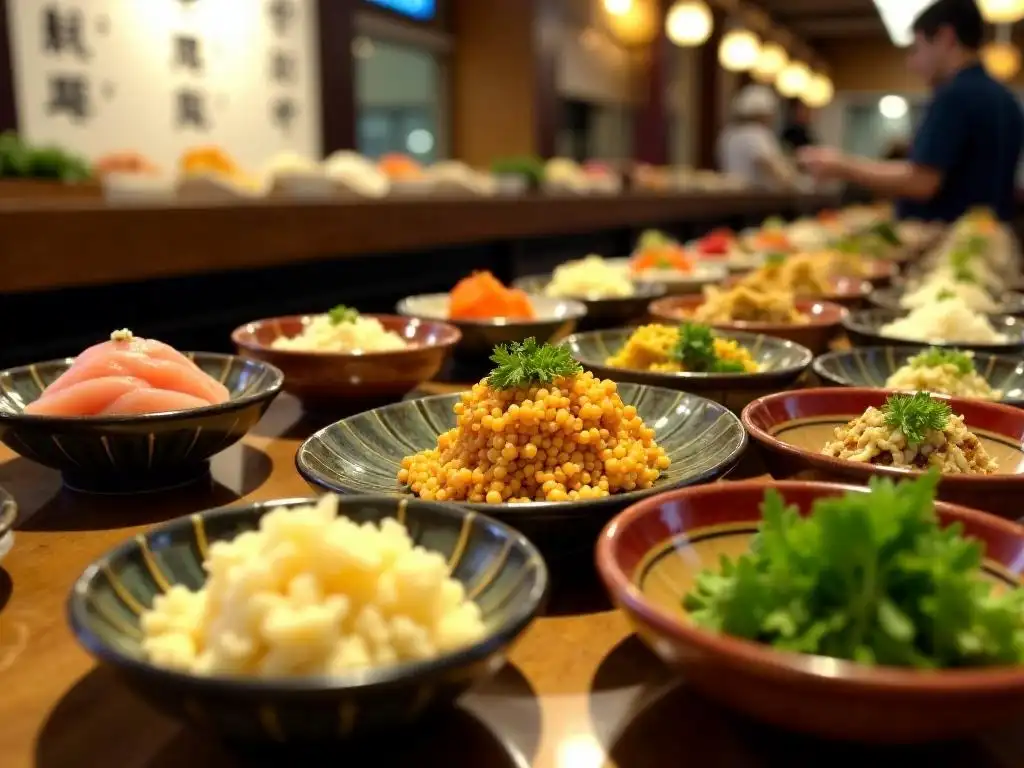
The Kamakura and Muromachi periods (1185-1573) represent significant phases in Japanese history, especially regarding culinary traditions. This era witnessed the evolution of regional cuisines shaped by local ingredients, cultural exchanges, and the prevailing political landscape. Understanding these regional variations provides insight into how the Kamakura Muromachi culinary traditions were formed, reflecting the distinct identities of different areas in Japan.
Differences Between Kamakura and Muromachi Cuisines
The culinary landscape of the Kamakura period (1185-1333) was characterized by the emergence of the samurai class and the establishment of a more structured society, which influenced dietary practices. The Kamakura cuisine was relatively simple, focusing on staple foods like rice, barley, and millet. It embraced seasonal ingredients and was heavily reliant on fish and seafood due to the proximity of water sources. Common dishes included:
- Narezushi: Fermented fish with rice, a precursor to modern sushi.
- Soba noodles: Made from buckwheat, they were popular among the samurai for their nutritional value.
- Temari: Rice balls that were often used in festivals or celebrations.
In contrast, the Muromachi cuisine (1336-1573) evolved as Japan entered a period of increased trade and cultural exchange. The rise of the merchant class introduced more diverse ingredients and complex cooking techniques. Key features of Muromachi cuisine included:
- Increased use of seasonings: Soy sauce, mirin, and miso gained popularity, leading to richer flavors in dishes.
- Influence from Zen Buddhism: This period saw the introduction of vegetarian dishes, particularly in temple cuisine (shojin ryori).
- Dishes like Kaiseki: A multi-course meal that emphasized seasonal ingredients and artistic presentation.
These differences highlight the transition from a more utilitarian Kamakura cuisine to the elaborate and refined culinary practices of the Muromachi period.
Local Ingredients and Their Impact on Regional Dishes
The Kamakura Muromachi periods were marked by a strong connection between local agriculture and culinary practices. Each region's unique climate, geography, and soil composition influenced the types of ingredients that could be cultivated, leading to distinct regional dishes.
- Kanto Region: Known for its rice production, Kanto cuisine often featured dishes like unagi (grilled eel), which utilized the abundant freshwater resources of the region.
- Kansai Region: The fertile plains allowed for a variety of vegetables and grains, leading to dishes like yudofu (tofu hot pot), which showcased local produce and the influence of Zen dietary practices.
- Kyushu Region: The southernmost region, rich in seafood and spices, contributed to the popularity of dishes like tonkotsu ramen and sashimi, utilizing the fresh catch from surrounding waters.
The use of local ingredients not only fostered regional identity but also encouraged culinary innovation as communities adapted to their available resources. This adaptation was crucial in establishing the diverse culinary landscape of Japan that can still be seen today.
Influence of Geography on Culinary Practices
Geography played a pivotal role in shaping the culinary traditions of the Kamakura and Muromachi periods. The interplay between landforms, climate, and water sources significantly impacted food production and preparation methods.
- Coastal Regions: Areas like Shikoku and Kyushu thrived on fishing and seafood, leading to a rich tradition of preparing fresh fish and shellfish. Techniques such as smoking and pickling were developed to preserve fish, which was essential for long journeys and trade.
- Mountainous Areas: Regions like Nagano and Gifu relied heavily on agriculture, growing rice and various vegetables. The colder climate allowed for the cultivation of unique ingredients such as wild mushrooms and mountain vegetables, which appeared prominently in local dishes.
- Urban Centers: Cities like Kyoto became culinary hubs, where diverse influences converged. The proximity to various regions allowed for a fusion of flavors and techniques, giving rise to elaborate dishes that became celebrated throughout Japan.
The geography of Japan during the Kamakura and Muromachi periods was instrumental in defining its culinary practices, leading to a rich tapestry of regional cuisines that reflect the land's bounty and cultural nuances. Through this lens, the Kamakura Muromachi culinary traditions can be appreciated not just as food, but as a reflection of the history and society of the time.
Notable Dishes from the Kamakura and Muromachi Periods
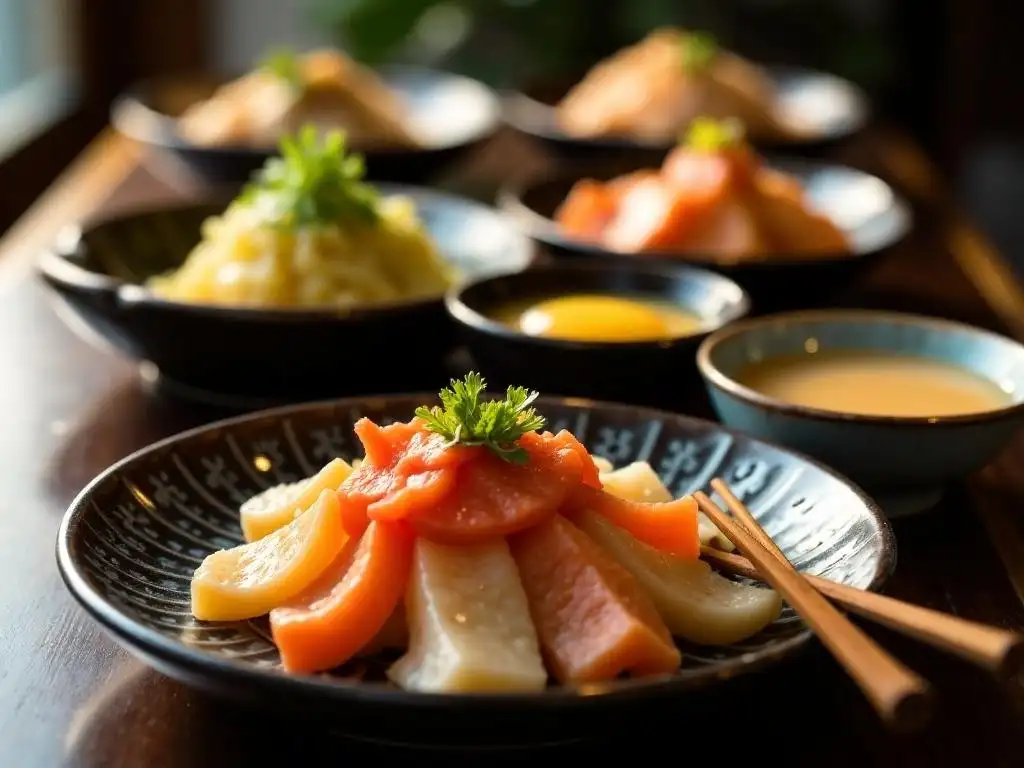
During the Kamakura (1185-1333) and Muromachi (1336-1573) periods, Japan witnessed significant transformations, not only in its political and social frameworks but also in its culinary landscape. The dishes from these eras reflect both the changing tastes of the populace and the influence of various cultural exchanges, particularly with the introduction of Zen Buddhism and the rise of the samurai class. This section delves into the notable dishes that emerged during these pivotal historical periods.
Signature Dishes of the Kamakura Era
The Kamakura period is characterized by the emergence of distinctive culinary practices, often influenced by the samurai and the adoption of Zen Buddhist principles.
- Soba Noodles: One of the most iconic dishes to emerge during this time is soba, made from buckwheat flour. It became popular due to its nutritional value and ease of preparation. Soba was often served cold with dipping sauce, or hot in soups, symbolizing the simplicity and elegance favored by the samurai.
- Kaiseki Ryori: The roots of the elaborate kaiseki meal can be traced back to the Kamakura period. Initially serving as a simple meal accompanying tea, it evolved into a multi-course dining experience showcasing seasonal ingredients and aesthetic presentation. The kaiseki meal laid the foundation for Japan's contemporary haute cuisine.
- Grilled Fish: With the rise of the warrior class, grilled fish, especially mackerel and sea bream, became a staple. These fish were often seasoned with salt and grilled over charcoal, highlighting the natural flavors and simplicity of the ingredients.
Influential Recipes from the Muromachi Period
As Japan transitioned into the Muromachi period, culinary practices continued to evolve, influenced by trade and cultural exchanges with neighboring countries.
- Tempura: Although its exact origins are debated, tempura is believed to have been influenced by Portuguese frying techniques introduced during the late Muromachi period. This dish features seafood and vegetables lightly battered and deep-fried, which quickly gained popularity among the Japanese elite.
- Miso Soup: The consumption of miso soup became more widespread during this era. Made from fermented soybean paste, miso soup was often paired with rice and vegetables, offering a hearty and nutritious meal that supported the growing samurai class.
- Sushi: Early forms of sushi began to appear in the Muromachi period, particularly in the form of narezushi, where fish was fermented with rice. This technique laid the groundwork for the sushi we recognize today, evolving as preservation methods improved and tastes changed.
The Legacy of Kamakura Muromachi Cuisine in Modern Japan
The culinary traditions developed during the Kamakura and Muromachi periods have left an indelible mark on contemporary Japanese cuisine.
- Culinary Techniques: Many cooking techniques and presentation styles established during these periods continue to influence modern Japanese cooking, emphasizing seasonal ingredients and aesthetic balance.
- Cultural Significance: The foods popularized during these times reflect the values and philosophies of the Japanese people, particularly the importance of harmony with nature, simplicity, and mindfulness in eating.
- Continued Popularity: Dishes such as soba, tempura, and miso soup are not only staples in modern Japanese cuisine but also serve as a reminder of the rich culinary heritage that has shaped contemporary food culture in Japan.
The Kamakura and Muromachi periods were instrumental in shaping Japan's culinary identity, fostering a blend of simplicity and sophistication that continues to resonate in today's culinary practices. The exploration of these eras provides a deeper understanding of how historical contexts influence food traditions and societal norms.
Conclusion: The Enduring Influence of Kamakura Muromachi Culinary Traditions
Summary of Key Points
The Kamakura and Muromachi periods (1185–1573) were pivotal in shaping Japan’s culinary landscape. Several key aspects emerged during this time:
- Introduction of New Ingredients: The trade routes expanded during these periods, introducing a variety of new ingredients such as:
- Rice: Became a staple food, emphasizing its significance in daily life.
- Seafood: The proximity to the ocean allowed for diverse seafood offerings.
- Vegetables and Legumes: Cultivation of various local vegetables flourished, contributing to healthier diets.
- Culinary Techniques: Innovations in cooking methods were notable, such as:
- Grilling and Steaming: Techniques that enhanced flavor while preserving nutritional value.
- Fermentation: The use of fermentation to create miso and soy sauce, which are still vital in Japanese cuisine today.
- Cultural Influences: The merging of different cultural practices led to:
- Zen Buddhism: Influenced the simplicity and presentation of food, highlighting aesthetics.
- Tea Ceremony: Established a ritual around food and drink, emphasizing mindfulness and appreciation.
The culinary traditions established during the Kamakura and Muromachi periods set the stage for modern Japanese cuisine, intertwining with cultural practices and social structures that persist today.
The Relevance of Historical Culinary Practices Today
Understanding the Kamakura Muromachi culinary traditions offers valuable insights into contemporary Japanese cuisine. Many practices from these periods continue to influence modern cooking:
- Simplicity and Seasonal Ingredients: The emphasis on using fresh, seasonal ingredients can be traced back to these periods, with chefs today focusing on quality over quantity.
- Culinary Aesthetics: The presentation of food, influenced by Zen philosophies, remains a cornerstone in modern Japanese dining, where visual appeal is as important as taste.
- Fermented Foods: Traditional fermentation methods are not only retained but have also gained global recognition for their health benefits, leading to a resurgence in interest in foods like miso, soy sauce, and pickled vegetables.
This historical context enriches our appreciation for the dishes that are staples in Japanese cuisine today, highlighting a legacy of culinary practices that have stood the test of time.
Final Thoughts on the Cultural Impact of Feudal Japan’s Cuisine
The culinary traditions of the Kamakura and Muromachi periods are more than just historical footnotes; they are a testament to the evolution of Japanese culture. The food practices established during these times reflect broader societal changes and philosophical shifts, showcasing:
- Culinary Exchange: The openness to foreign influences facilitated the integration of diverse culinary elements, enriching the Japanese palate and fostering a unique culinary identity.
- Cultural Identity: Food serves as a vehicle for cultural expression, with traditional dishes symbolizing regional identities and communal values.
- Legacy of Traditions: The enduring nature of these culinary practices serves as a reminder of the importance of heritage in shaping contemporary society.
The culinary influence of the Kamakura and Muromachi periods is a rich tapestry that continues to resonate within Japan’s cultural fabric. The lessons learned from these historical culinary traditions not only inform modern cuisine but also deepen our understanding of Japan’s societal evolution, emphasizing the profound connection between food and culture.
Frequently Asked Questions
What were the main culinary influences during the Kamakura and Muromachi periods?
The Kamakura and Muromachi periods saw an influx of cultural exchanges that introduced new ingredients and cooking techniques, significantly shaping Japanese cuisine.
How did Zen Buddhism affect culinary practices in feudal Japan?
Zen Buddhism emphasized simplicity and mindfulness, which influenced the culinary traditions to focus on seasonal ingredients and aesthetically pleasing presentations in meals.
What role did the samurai class play in the culinary traditions of this era?
The samurai class not only consumed food but also set culinary standards, promoting sophisticated dining practices and influencing the development of haute cuisine in Japan.
Were there any significant cooking techniques that emerged during these periods?
Yes, techniques such as grilling and simmering became prominent, alongside the introduction of rice cultivation, which laid the foundation for many traditional Japanese dishes.
How did trade impact the culinary landscape of the Kamakura and Muromachi periods?
Trade with neighboring countries brought new spices, ingredients, and cooking styles, enriching the culinary traditions and making them more diverse in flavors and techniques.
Final Reflection: The Enduring Legacy of Kamakura and Muromachi Culinary Traditions
The culinary traditions of the Kamakura and Muromachi periods continue to resonate in today's gastronomic landscape, showcasing the profound impact of historical practices on contemporary cuisine. As we navigate a world increasingly characterized by globalization and fusion, the essence of these periods reminds us that our culinary identities are deeply rooted in history, culture, and tradition. The flavors, techniques, and philosophies that emerged during these times are not just relics of the past; they are living expressions of cultural heritage that enrich our dining experiences today.
Culinary practices from the Kamakura and Muromachi periods have shaped not only Japanese cuisine but also the broader cultural narrative of food appreciation and preparation. The meticulous attention to detail, seasonal ingredients, and the aesthetic presentation that became hallmarks of these eras continue to influence chefs and home cooks alike. As we embrace these traditions, we find ourselves part of a lineage that values the connection between food, community, and the environment. Food is not just what we eat; it is a reflection of who we are and where we come from.
As you reflect on the culinary influence of the Kamakura and Muromachi periods, consider how these traditions can inspire your own cooking and dining experiences. Take a moment to explore the flavors of these historical eras in your kitchen, and let the stories behind each dish guide your culinary journey. By honoring these rich traditions, you not only celebrate the past but also contribute to the ongoing narrative of food culture, ensuring that the legacy of these remarkable periods continues to thrive for generations to come.
Savor the Flavors of History!
Thank you for diving into the rich culinary legacy of the Kamakura and Muromachi periods! Your interest in this unique aspect of history enhances your understanding of how food shaped society in feudal Japan. Now, let’s take the next step together!
Here are some ways you can immerse yourself even deeper into this fascinating culinary journey:
- Try recreating a traditional dish from the Kamakura or Muromachi periods in your own kitchen. Explore authentic recipes and let the flavors transport you back in time!
- Share your newfound knowledge with friends or family by hosting a themed dinner night. Discuss the historical significance of the dishes and enjoy a meal together.
- Join a discussion group or online forum focused on feudal Japan. Connect with fellow enthusiasts to explore culinary topics and share insights.
What dish do you think best represents the spirit of the Kamakura and Muromachi periods? How would you describe its historical significance? Let’s spark a conversation!