
The Impact of Christianity on Japanese Society during the Feudal Era


Welcome to Feudal Japan History, where we take you on a captivating journey through the intricate tapestry of Japan’s feudal era. In this exploration, we delve into the profound and often surprising influence of Christianity in Japan's feudal era. How did this foreign faith weave its way into the fabric of Japanese society, and what ripple effects did it create in the realms of culture and diplomacy? Prepare to uncover the layers of history that shaped a nation, as we invite you to read on and discover the remarkable stories behind this transformative period.
Introduction to Christianity in Japan's Feudal Era
The intersection of Christianity and Japanese society during the feudal era presents a fascinating narrative woven with cultural exchanges, conflicts, and transformations. This period, characterized by the rise of samurai rule and the establishment of a strict social hierarchy, saw Japan embrace foreign influences, notably from the West. Among these influences, Christianity emerged as a significant religious and cultural force, shaping various aspects of life in Japan. Understanding the impact of Christianity in Japan's feudal era is crucial for grasping the complexities of Japan-West interactions and the broader implications for Japanese society and culture during this transformative time.
Overview of the Feudal Era in Japan
The feudal era in Japan, spanning from the late 12th century to the mid-19th century, was marked by a decentralized political structure where power was held by regional lords, known as daimyōs, and their vassals, the samurai. This period was characterized by:
- Stratified Society: The rigid class system, with the emperor at the top, followed by the shogun, daimyōs, samurai, farmers, artisans, and merchants.
- Military Governance: The shogunate established military rule, which prioritized the samurai class and their loyalty to their lords.
- Cultural Flourishing: Despite the political turmoil, this era saw significant developments in arts, literature, and philosophy, often influenced by both native traditions and foreign ideas.
Introduction of Christianity in Japan
Christianity was first introduced to Japan in the 16th century through European traders and missionaries. The arrival of the Portuguese in the mid-1500s marked a pivotal moment in Japan's engagement with the West. Key events include:
- 1549: The arrival of the Jesuit missionary Francis Xavier, who is credited with establishing the first Christian mission in Japan.
- Rapid Spread: The religion gained traction, particularly among the merchant classes and some feudal lords who saw potential in aligning with Western powers.
The initial openness to Christianity was largely driven by trade interests and the desire for new alliances, which would later evolve into a complex relationship marked by both acceptance and resistance.
Importance of Studying Christianity's Impact
Exploring the impact of Christianity on Japanese society during the feudal era is essential for several reasons:
- Cultural Exchange: The introduction of Christian ideas influenced Japanese art, literature, and philosophy, leading to unique syncretisms.
- Societal Changes: The spread of Christianity brought about social reforms, particularly concerning education and social welfare.
- Political Ramifications: The relationship between Japanese authorities and Christian missionaries ultimately affected Japan's foreign relations and internal governance.
Historical Context of Christianity in Japan
Understanding the historical context surrounding Christianity's introduction to Japan is vital for appreciating its profound influence during the feudal era. This section delves into the early encounters and the key players involved.
Early Encounters: Portuguese Missionaries and Trade
The arrival of Portuguese traders in Japan opened the door for the introduction of Christianity. These early encounters were characterized by:
- Trade Relations: The Portuguese established lucrative trade routes, bringing not only goods but also new ideas and beliefs.
- Initial Acceptance: Many Japanese were intrigued by the foreign religion, viewing it as a potential source of knowledge and power.
The Role of Jesuit Missionaries in Japan
Jesuit missionaries played a crucial role in the spread of Christianity during the feudal era. Their contributions included:
- Education and Translation: Jesuits established schools and translated Christian texts into Japanese, facilitating the understanding of Christian doctrines.
- Cultural Adaptation: They adapted their methods to align with Japanese customs, often using local art and language to communicate their messages effectively.
Key Figures in Christianity's Introduction to Japan
Several key figures were instrumental in the introduction and spread of Christianity in Japan, including:
- Francis Xavier: The first Jesuit missionary to arrive, whose efforts laid the groundwork for future missions.
- Alessandro Valignano: A prominent Jesuit who expanded missionary efforts and emphasized cultural adaptation.
- Other Missionaries: Various other missionaries contributed to the establishment of Christian communities, each bringing unique perspectives and approaches.
The impact of Christianity on Japanese society during the feudal era is a multi-faceted topic that reveals much about the interplay between foreign and local influences in shaping Japan's historical trajectory.
The Spread of Christianity in Feudal Japan
The introduction of Christianity to Japan occurred in the mid-16th century, primarily through the efforts of Jesuit missionaries like Francis Xavier. Their arrival marked a significant shift in Japan's religious landscape, as they brought not only spiritual teachings but also Western knowledge and culture. By establishing missions, schools, and churches, these missionaries aimed to convert the Japanese people and spread the Christian faith. The initial reception of Christianity was relatively positive, with many Japanese embracing the new religion, intrigued by its teachings and the benefits associated with Western trade and technology.
The spread of Christianity was facilitated by the burgeoning trade networks between Japan and European powers, particularly Portugal and Spain. These interactions allowed for a cultural exchange that introduced new ideas, practices, and goods into Japanese society. However, the growth of Christianity also prompted backlash from traditionalists and Buddhist institutions, leading to a complex interplay of acceptance and resistance that shaped the trajectory of the religion in Japan.
Regions Most Affected by Christianity
Christianity had the most profound impact in regions such as Kyushu, where the first missionaries landed. The island's openness to foreign influences due to its proximity to the Asian mainland made it a fertile ground for Christian teachings. Cities like Nagasaki emerged as centers of Christian activity, where significant numbers of conversions took place.
In contrast, regions such as Kanto and the northern areas were slower to adopt Christianity, often due to the established dominance of Buddhism and local Shinto practices. The diverse responses to Christianity across different locales illustrate the varying degrees of acceptance and resistance within Japanese society. This regional disparity in the spread of Christianity laid the groundwork for future conflicts and the eventual persecution of Christians.
Conversion of Japanese Nobility and Influential Figures
The conversion of influential figures and members of the Japanese nobility was pivotal in the spread of Christianity. Some daimyos, or feudal lords, saw the potential benefits of aligning with the European powers that Christianity represented. Notable conversions included figures like Matsukura Takanobu, who converted to Christianity and invited missionaries to his domain, thus fostering an environment conducive to the faith's growth.
These conversions often came with political motivations, as the daimyos sought to enhance their power and trade opportunities with European nations. However, this alliance between Christianity and the samurai class also sparked tensions with rival factions and traditionalists who viewed the new faith as a threat to their authority and cultural identity.
Growth of Christian Communities in Japan
As conversions increased, so did the establishment of organized Christian communities. These communities were often centered around churches, which served as places of worship and social gathering. The Jesuits played a crucial role in nurturing these communities, providing education and support to both converts and their families.
Christianity's growth also led to the development of a unique Japanese Christian identity, as converts began to blend Christian practices with local customs. This syncretism resulted in a distinct form of Christianity that resonated with the Japanese people, although it often faced scrutiny from both the government and traditional religious institutions.
Cultural Impacts of Christianity on Japanese Society
The introduction of Christianity had profound cultural implications for Japanese society. It brought new ideas, values, and aesthetic influences that began to permeate various aspects of life, from art and literature to social structures.
Influence on Japanese Art and Literature
Christian themes and symbolism began to appear in Japanese art and literature during the feudal era. Artists and writers started to incorporate Christian motifs into traditional forms, creating a unique fusion that reflected their experiences with the new faith. For instance, the depiction of biblical scenes in ukiyo-e woodblock prints showcased a blend of Western artistic techniques and Japanese aesthetics.
Moreover, literature from this period often explored the moral and philosophical questions raised by Christianity, leading to a richer tapestry of storytelling that engaged with both local and foreign narratives. This artistic exchange not only influenced Japanese culture but also showcased Japan's ability to adapt and integrate outside influences.
Changes in Social Structures and Class Systems
Christianity also had a noticeable impact on Japan's social structures. The egalitarian principles espoused by the faith challenged the rigid class hierarchies that dominated feudal society. The idea that all individuals were equal in the eyes of God resonated with lower classes and marginalized groups, providing them with a sense of dignity and worth.
As a result, some Christian communities became spaces of social mobility, where individuals from various backgrounds could come together, transcending traditional class boundaries. This shift began to unsettle established power dynamics, prompting a reaction from the ruling elite who sought to maintain control over the social order.
Integration of Christian Values into Japanese Culture
The integration of Christian values into Japanese culture was a gradual process that occurred through the interactions between missionaries and local populations. Concepts such as compassion, charity, and the importance of community began to resonate within Japanese society, influencing social norms and behaviors.
While some aspects of Christian doctrine were adopted, the Japanese interpretation often reflected local customs and beliefs, leading to a unique synthesis of ideas. This blending of values contributed to the evolution of Japanese culture, demonstrating the lasting impact of Christianity during the feudal era and its role in shaping modern Japanese identity.
Political Implications of Christianity in the Feudal Era
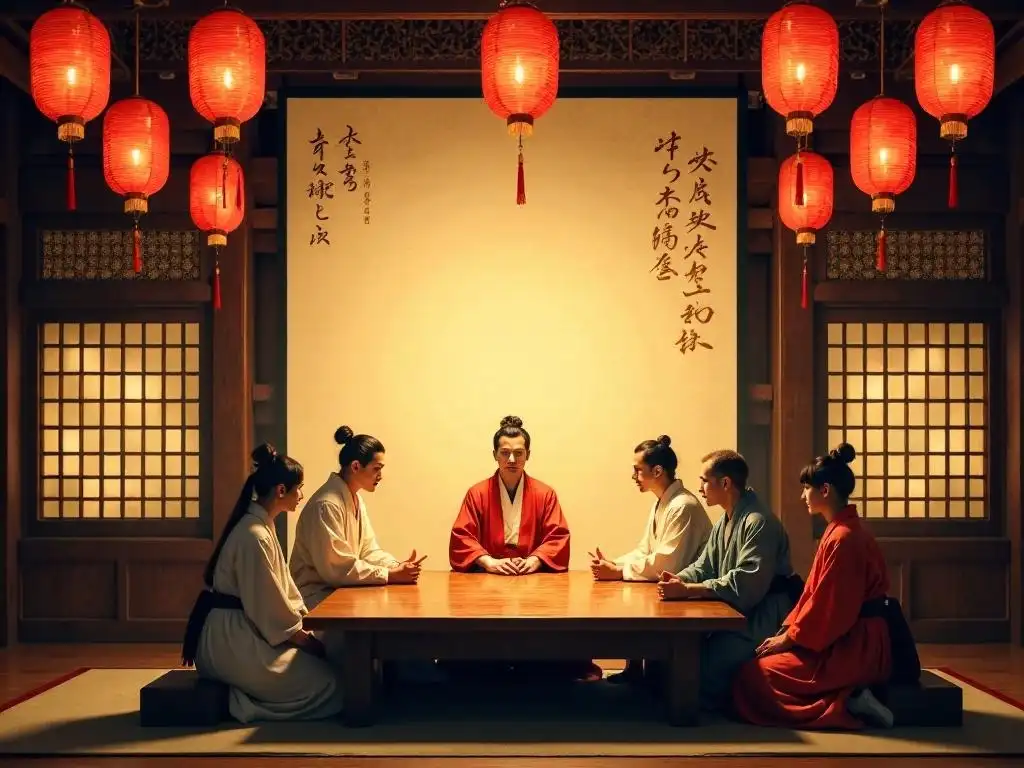
The introduction of Christianity to Japan during the feudal era had significant political implications, influencing the dynamics of power and governance. Initially, the arrival of Jesuit missionaries in the mid-16th century coincided with a period of unification under powerful daimyōs. The new religion attracted the interest of various feudal lords, who saw it as a potential tool to strengthen their rule and expand their influence.
Christianity offered a centralized religious authority that contrasted with the fragmented nature of traditional Japanese beliefs. The association of Christianity with Western powers, particularly Spain and Portugal, brought a unique dimension to Japan's foreign relations. Some daimyōs converted to Christianity to forge alliances with European nations, seeking military and technological advantages. This shift not only altered the religious landscape but also prompted traditional power structures to reassess their positions in light of the changing dynamics.
However, the political implications of Christianity were dual-faceted. While it initially provided leverage for certain rulers, it also posed a threat to the existing order. The growing number of converts and the allegiance of Christian samurai led to fears among some leaders that Christianity could undermine the traditional loyalty to the emperor and the shogunate. This tension ultimately contributed to a complex relationship between the ruling elite and Christian converts, culminating in significant repercussions for both sides.
Christianity and the Samurai Class
The samurai class, known for its adherence to bushidō and loyalty to their lords, found itself at a crossroads with the introduction of Christianity. Many samurai were drawn to the religion due to its emphasis on moral integrity and discipline, principles that resonated with their own code of conduct. Prominent figures, such as the daimyōs of Kyushu, adopted Christianity, which allowed them to gain favor with European traders and missionaries, creating a unique blend of feudal loyalty and new religious identity.
However, the conversion of samurai also sparked internal conflicts within clans. Traditional beliefs, deeply rooted in Shinto and Buddhism, often clashed with Christian teachings. Some samurai struggled to reconcile their faith with the expectations of loyalty to their lord and the ancestral spirits. This tension sometimes resulted in divisions within clans, as some members embraced Christianity while others remained staunchly traditional, leading to a fracturing of the samurai identity during this transformative period.
Conflicts Between Christian and Traditional Japanese Beliefs
The arrival of Christianity in Japan led to significant conflicts with traditional beliefs and practices. Shintoism, with its focus on kami (spirits) and ancestor worship, clashed with the monotheistic nature of Christianity. Japanese society, which valued harmony and the status quo, found the exclusivity of Christian doctrine challenging.
Moreover, the missionary efforts often involved denouncing practices such as ancestor veneration and Shinto rituals, which were integral to Japanese culture. This confrontation not only provoked resistance among the populace but also led to accusations that Christians were undermining the very fabric of Japanese society. As the number of converts grew, so did the resentment among traditionalists, resulting in increased tensions that would ultimately culminate in violent persecution and suppression of Christianity.
The Role of Christianity in Feudal Politics
Christianity played a complex role in feudal politics, acting both as a unifying force and a source of division. Initially, it facilitated alliances between European powers and certain daimyōs, providing military and economic support that bolstered their political ambitions. These alliances were characterized by mutual benefit, with daimyōs seeking European technology and military strategies, while missionaries sought converts and stability for their religious mission.
However, as Christianity grew in influence, it also became a point of contention among feudal lords. The shogunate began to perceive it as a threat to their authority, particularly as conversions increased and Christian samurai began to wield significant power. This fear led to the eventual crackdown on Christian practices and the establishment of policies aimed at eradicating the faith, demonstrating how a foreign religion could disrupt the delicate balance of power in a feudal society.
The Decline of Christianity in Japan
The decline of Christianity in Japan can be traced through a series of political and social upheavals that unfolded during the late 16th and early 17th centuries. After a period of relative acceptance, the shogunate, particularly under Tokugawa Ieyasu, began to view Christianity as a destabilizing force. The political landscape shifted dramatically, leading to a systematic suppression of the faith.
Persecution of Christians during the Edo Period
During the Edo period (1603-1868), Christianity faced severe persecution. Following the Shimabara Rebellion in 1637, which was partly fueled by discontent among Christian peasants, the Tokugawa shogunate intensified its efforts to root out Christianity. This included the infamous "fumie" tests, where suspected Christians were forced to step on images of Christ to prove their loyalty to the state. Those who refused faced imprisonment, torture, or execution.
The shogunate's persecution was not just a response to rebellion but also a broader effort to reassert control over religious practices and maintain the status quo. The crackdown on Christianity led to a significant decline in the number of adherents, as many Christians went underground, practicing their faith in secrecy to avoid detection and punishment.
The Sakoku Policy and Its Effects on Christianity
The Sakoku policy, instituted in the early 17th century, further isolated Japan from the outside world and severely restricted foreign influence, including Christianity. Under this policy, all foreign missionaries were expelled, and Japan was effectively closed to most foreign contact. This isolationist approach aimed to preserve Japanese culture and authority by eliminating external threats, particularly from Western powers.
The effects of the Sakoku policy on Christianity were profound. With limited contact with the outside world, the Christian community dwindled, and many believers were forced to abandon their faith or practice it clandestinely. This isolation resulted in the emergence of "Hidden Christians," who maintained their beliefs in secret for generations, often blending elements of traditional Japanese spirituality with Christian teachings to preserve their identity.
Lasting Effects of Suppression on Christian Communities
The suppression of Christianity during the Edo period left lasting effects on Christian communities in Japan. The brutal persecution and forced secrecy led to a loss of formal organization, weakening the community's structure and limiting its ability to engage with broader societal issues. As the nation opened up again in the mid-19th century, Christianity struggled to regain its foothold amid the resurgence of traditional beliefs and the growing influence of Western ideologies.
The legacy of this suppression can still be felt today, as historical mistrust toward Christianity persists among some segments of Japanese society. Despite this, the resilience of the Hidden Christians has allowed for a continued presence of Christianity in Japan, albeit as a minority religion, influencing various aspects of culture, education, and social movements in modern Japan.
Legacy of Christianity in Japan's Feudal Era
The legacy of Christianity in Japan's feudal era is multifaceted, encompassing religious, cultural, and political dimensions. Introduced by Portuguese missionaries in the 16th century, Christianity initially flourished in certain regions, particularly in Kyushu. The positive reception among some Japanese, who saw in Christianity a means to counteract the rigidities of traditional beliefs, led to the establishment of a vibrant Christian community. However, this was short-lived as the Tokugawa shogunate, wary of foreign influence and potential destabilization, enacted policies that severely restricted Christianity, culminating in the persecution of Christians during the early 17th century.
Despite its suppression, the influence of Christianity did not completely vanish. The religious practices, ethical teachings, and cultural exchanges initiated during this period left an indelible mark on Japanese society. Some aspects of Christianity were absorbed into local customs, leading to a unique syncretism that persisted even after the official ban. The legacy is thus characterized by both the initial enthusiasm for new ideas and the subsequent resistance to foreign influence, shaping Japan's trajectory in the centuries to follow.
Long-term Effects on Japanese Society
The long-term effects of Christianity on Japanese society are evident in various aspects of cultural and social development. One significant impact was the introduction of Western education and scientific thought, which laid the groundwork for Japan's modernization in the Meiji era. Missionaries often established schools and hospitals, contributing to the spread of literacy and healthcare. This educational foundation influenced Japan's approach to Western learning and technology.
Moreover, the ethical principles rooted in Christianity, such as the emphasis on compassion and social justice, subtly permeated Japanese societal values. These principles found expression in various reform movements that emerged in the late 19th and early 20th centuries, reflecting a blend of traditional Japanese values and Western ideals.
The complex relationship between Christianity and Japanese culture also fostered a degree of religious pluralism, as various Buddhist sects and Shinto practices began to coexist with Christian beliefs, creating a more diverse spiritual landscape. This blending of traditions has been a significant feature of Japanese identity and continues to influence contemporary society.
The Resurgence of Christianity in Modern Japan
In the post-World War II era, Japan witnessed a resurgence of Christianity, as the country opened up to the West and embraced democratic ideals. This revival was marked by an increased interest in Christian teachings, which resonated with many Japanese seeking meaning in the rapidly changing social landscape.
Today, Christianity is represented by numerous denominations, including Catholicism and various Protestant sects, with a growing number of adherents. While Christians still make up a small percentage of the population, their influence can be seen in areas such as social activism, education, and community service.
Modern Japanese Christians often emphasize a contextualized approach to their faith, integrating traditional Japanese values with Christian teachings. This adaptation has allowed Christianity to find a place within the broader tapestry of Japanese culture, fostering dialogues between religious traditions and contributing to Japan’s ongoing exploration of its identity in a global context.
Lessons Learned from the Feudal Era's Interaction with Christianity
The interaction between Christianity and Japanese society during the feudal era offers several lessons relevant to contemporary discussions on cultural exchange and religious tolerance. One primary lesson is the importance of understanding and respecting cultural differences. The initial enthusiasm for Christianity was overshadowed by a lack of cultural sensitivity from some missionaries, which ultimately led to conflict and resistance.
Additionally, the feudal era demonstrates how external influences can provoke significant societal changes, both positive and negative. While Christianity brought new ideas and practices that enriched Japanese life, the backlash against foreign influence highlights the delicate balance between embracing innovation and preserving cultural integrity.
Finally, the historical experience of persecution faced by Japanese Christians underscores the need for dialogue and understanding in fostering harmonious coexistence among diverse belief systems. The feudal era's legacy encourages modern society to learn from past mistakes and strive for a more inclusive approach to cultural and religious interactions.
Conclusion: Reflecting on Christianity's Impact
The impact of Christianity on Japanese society during the feudal era is a complex narrative that intertwines themes of cultural exchange, conflict, and adaptation. From its initial introduction to its eventual suppression, Christianity's presence in Japan has shaped the nation's trajectory in profound ways.
Summary of Key Points
- Christianity was introduced to Japan in the 16th century, leading to the establishment of a vibrant community.
- The Tokugawa shogunate's policies led to persecution and suppression of Christianity.
- Long-term effects included the introduction of Western education and ethical principles that influenced Japanese society.
- A resurgence of Christianity in modern Japan reflects a blending of traditional and Western values.
The Significance of Christianity in Japan's Historical Narrative
Christianity's significance in Japan's historical narrative lies in its role as a catalyst for change. The interactions between Japanese society and Christian missionaries not only introduced new ideas but also prompted critical reflections on identity, culture, and spirituality. The narrative of Christianity in Japan serves as a reminder of the complexities involved in cultural exchange and the enduring influence of history on contemporary society.
Future Research Directions on Christianity in Japan's Feudal Era
Future research on Christianity in Japan's feudal era could explore several avenues, including:
- Local Responses: Investigating how different regions in Japan uniquely responded to Christianity and how these responses shaped local identities.
- Comparative Studies: Analyzing the interactions between Christianity and other foreign religions during the same period, such as Islam or Dutch Reformed traditions.
- Cultural Syncretism: Examining specific instances of syncretism between Christian and traditional Japanese beliefs, particularly in art, literature, and rituals.
- Influence on Modern Movements: Assessing the impact of feudal-era Christianity on contemporary social and political movements in Japan.
By delving into these areas, researchers can further illuminate the nuanced legacy of Christianity in shaping Japan's historical and cultural landscape.
- Introduction to Christianity in Japan's Feudal Era
- Historical Context of Christianity in Japan
- The Spread of Christianity in Feudal Japan
- Cultural Impacts of Christianity on Japanese Society
- Political Implications of Christianity in the Feudal Era
- The Decline of Christianity in Japan
- Legacy of Christianity in Japan's Feudal Era
- Conclusion: Reflecting on Christianity's Impact
Frequently Asked Questions
What was the role of Christianity in Japan's feudal era?
Christianity introduced new beliefs and values that contrasted with existing Shinto and Buddhist practices, influencing aspects of social structure and cultural exchange.
How did the Japanese feudal lords respond to Christianity?
Many feudal lords initially welcomed Christianity for its potential to foster trade relations and political alliances, although attitudes shifted over time due to concerns about foreign influence.
What impact did Christian missionaries have on Japanese society?
Christian missionaries played a crucial role in spreading Western education and technological advancements, alongside efforts to establish communities that blended Japanese traditions with Christian teachings.
Why was Christianity persecuted in Japan's feudal era?
The persecution of Christians arose from fears of foreign domination and the desire to maintain Japanese sovereignty, leading to the ban of Christianity and the suppression of converts.
What legacy did Christianity leave on modern Japanese society?
Despite its decline during the feudal era, Christianity laid the groundwork for modern religious diversity in Japan and contributed to the cultural exchange with the West.
Final Reflection: The Enduring Legacy of Christianity in Japan's Feudal Era
The exploration of Christianity in Japan's feudal era reveals a complex tapestry of cultural exchange and conflict that resonates profoundly in today’s globalized world. The historical interplay between faith and society during this period not only shaped Japan’s spiritual landscape but also laid the groundwork for ongoing dialogues about identity, belief, and coexistence. As we navigate an increasingly interconnected society, understanding these historical nuances becomes essential to appreciating the diverse influences that shape contemporary Japan.
Clearly, the impact of Christianity during the feudal era has left an indelible mark on Japan's cultural and social fabric. The initial encounters between Japanese society and Christian missionaries sparked a series of transformations that challenged traditional norms and introduced new ideas. This dynamic exchange continues to influence modern Japan, where the legacy of these early interactions can be seen in various aspects of culture, art, and even politics. History is not a burden on the memory but an illumination of the soul.
This quote encapsulates the importance of reflecting on our past to understand our present and future.
As we conclude this exploration, I invite you to reflect on the lessons drawn from the intersection of Christianity and Japanese society during the feudal era. Consider how the themes of resilience, adaptation, and dialogue can inspire your own journey. Embrace the opportunity to learn from history, recognizing that the past informs our present choices and shapes our future interactions. Let us carry forward the spirit of understanding and respect for diverse beliefs, fostering a world where cultural exchanges enrich our lives and communities.
Thank you for taking the time to explore how Christianity influenced Japanese society during the feudal era. Understanding this dynamic intersection enhances our appreciation of both historical cultures and their ongoing legacies. Now, it’s time to deepen your journey further!
Here’s how you can engage with this intriguing topic:
- Dive deeper: Read a book or watch a documentary on the spread of Christianity in Japan to gain diverse perspectives.
- Share your insights: Discuss this article with friends or join a community forum to explore the role of religion in shaping cultures today.
- Reflect and connect: Consider how the historical blend of beliefs impacts modern Japanese society— do you notice similarities with the cultural exchanges in your own region?
What aspects of the relationship between faith and culture do you find most thought-provoking? Let's spark a great discussion!