
The Edo Period Economy: How the Shogunate Shaped Trade and Commerce


Welcome to Feudal Japan History, where we embark on a captivating journey through the intricate tapestry of Japan’s feudal era. Dive deep into our latest article, "The Edo Period Economy: How the Shogunate Shaped Trade and Commerce," and uncover the fascinating dynamics of Edo period trade and commerce. How did the shogunate influence economic practices and societal growth during this pivotal time? As we unravel these historical threads, prepare to be intrigued by the profound impact of commerce on Japan's cultural landscape. Join us as we explore the rich narratives that shaped a nation!
Introduction to the Edo Period Economy
The Edo period, spanning from 1603 to 1868, marks a significant chapter in Japan's history, characterized by the rule of the Tokugawa Shogunate. This era is often recognized not only for its political stability but also for the profound transformations in trade and commerce that took place. As Japan embraced a unique blend of isolationism and economic growth, the shogunate implemented policies that significantly shaped the landscape of Edo period trade and commerce. Understanding how these economic strategies influenced the daily lives of people during this time provides invaluable insights into the complexities of feudal Japan's society.
Overview of the Edo Period (1603-1868)
The Edo period, named after the capital city of Edo (modern-day Tokyo), was established when Tokugawa Ieyasu became the first shogun of the Tokugawa Shogunate. This era is characterized by a strict social hierarchy, peace, and cultural flourishing. The shogunate's centralized governance allowed for a consolidation of power that effectively ended the age of warring states, leading to a prolonged period of stability known as the Pax Tokugawa.
During this time, the economy underwent a remarkable transformation. Agricultural productivity increased due to improved farming techniques and the introduction of new crops. This agricultural surplus fueled urban growth, leading to the rise of merchant classes in cities like Edo, Osaka, and Kyoto. As a result, the Edo period became a time of both economic expansion and cultural development, setting the stage for a unique commercial environment.
Significance of Trade and Commerce in Feudal Japan
Trade and commerce during the Edo period were not merely economic activities; they were vital components that shaped the social and cultural fabric of Japan. The growth of a merchant class, known as chōnin, played a crucial role in this evolution. These merchants became increasingly influential, challenging the traditional samurai-dominated hierarchy.
The importance of trade can be summarized as follows:
- Economic Growth: The expansion of trade routes and commerce contributed to the overall prosperity of the nation.
- Cultural Exchange: The movement of goods facilitated cultural exchanges that enriched Japanese art, cuisine, and philosophy.
- Urbanization: As trade flourished, urban centers developed, leading to the growth of cities and a burgeoning middle class.
The Tokugawa Shogunate and its Economic Policies
The Tokugawa Shogunate's economic policies were instrumental in shaping the dynamics of trade and commerce throughout the Edo period. These policies not only regulated but also stimulated economic activities within Japan’s feudal structure.
Centralized Control of Trade
Under the Tokugawa Shogunate, the government exercised centralized control over trade. This control was essential in maintaining order and stability in a country that had just emerged from a long period of conflict. The shogunate established regulations that dictated which goods could be traded and how trade should be conducted.
Key features of this centralized control included:
- Licensing Systems: Merchants were required to obtain licenses to conduct trade, which allowed the shogunate to monitor economic activities.
- Market Regulations: Prices and trade practices were often regulated to prevent monopolies and ensure fair competition.
- Standardization of Currency: The shogunate implemented a standardized currency system that facilitated trade across different regions.
Implementation of the Sakoku Policy
One of the most notable aspects of the Tokugawa Shogunate's economic policies was the Sakoku policy, or "closed country" policy. This policy was enacted in the early 17th century and restricted foreign interactions, allowing only limited trade with select nations, such as the Dutch and the Chinese.
The implications of the Sakoku policy were profound:
- Control Over Foreign Influence: By restricting foreign trade, the shogunate aimed to maintain cultural and political control over Japan.
- Development of Domestic Markets: The isolation encouraged the growth of domestic industries and markets, fostering self-sufficiency.
- Cultural Preservation: The limited foreign influence helped preserve Japanese traditions and culture during the period of isolation.
Regulation of Merchant Activities
The shogunate also closely regulated merchant activities to ensure that trade aligned with its political and economic objectives.
Some important regulations included:
- Guild Systems: Merchants were often organized into guilds, which were responsible for regulating prices, quality, and trade practices within specific industries.
- Taxation Policies: The shogunate imposed taxes on trade activities, which provided revenue for the government while also controlling the profitability of various goods.
- Quality Control Measures: To maintain standards, the shogunate enforced quality control measures on products, influencing consumer trust and market stability.
Through these economic policies, the Tokugawa Shogunate was able to shape the nature of trade and commerce in Japan, laying the groundwork for a complex economic landscape that would eventually lead to significant societal changes.
Key Features of Edo Period Trade and Commerce
The Edo period, spanning from 1603 to 1868, was marked by considerable economic growth and the establishment of a structured trade system under the Tokugawa Shogunate. Several key features defined the period's trade and commerce landscape.
- Centralized Control: The Shogunate implemented strict regulations governing trade practices, ensuring that commerce remained under control. This allowed for consistency and stability in the economy, minimizing disruptions from external influences.
- Market Regulation: The introduction of market regulations, including fixed prices and trade licenses, helped promote fair competition among merchants. This framework encouraged local production and consumption, fostering a sense of community and economic interdependence.
- Expansion of Goods: The Edo period saw a diversification of goods traded, including not only staple foods like rice but also textiles, ceramics, and luxury items. The rise of consumer culture led to increased demand for a variety of products, stimulating local industries.
- Regional Specialization: Different regions began to specialize in specific goods, such as sake from the Nada region or textiles from the Kanto area. This specialization fostered inter-regional trade, as areas exchanged their unique products to meet consumer needs.
- Increased Use of Currency: The Edo period marked a transition from a barter system to a more sophisticated monetary economy. The introduction of standardized currency facilitated easier transactions, spurring both local and long-distance trade.
Rise of Urban Centers
The Edo period witnessed the emergence of prominent urban centers, most notably Edo (modern-day Tokyo), Osaka, and Kyoto. These cities became vital hubs for commerce and culture, significantly influencing the economy.
- Edo: As the seat of the Tokugawa Shogunate, Edo grew into one of the largest cities in the world, with a population exceeding one million by the late 18th century. Its bustling markets and public spaces became focal points for trade activity.
- Osaka: Often referred to as the "nation's kitchen," Osaka was a major center for the rice trade. The city hosted the Dojima Rice Exchange, which played a crucial role in price setting and financial speculation, reflecting the burgeoning sophistication of Edo-period commerce.
- Kyoto: As the imperial capital, Kyoto was not only a cultural epicenter but also a significant trading city. Its artisans produced high-quality goods, attracting merchants from across the country.
These urban centers facilitated the flow of goods and ideas, creating a vibrant commercial environment that supported economic growth throughout the Edo period.
Development of Transportation Networks
The development and expansion of transportation networks were pivotal in enhancing trade during the Edo period. The Tokugawa Shogunate invested heavily in infrastructure, which included roads, waterways, and communication systems.
- Tokaido Road: The most famous route connecting Edo to Kyoto, the Tokaido Road, became a vital artery for trade and travel. It facilitated the movement of goods, people, and information across the nation, contributing to economic integration.
- River Transport: Rivers served as essential routes for transporting goods. The use of flat-bottomed boats allowed for efficient movement of bulk commodities, particularly in regions like the Kanto and Kansai areas, where rivers were abundant.
- Post Stations: The establishment of post stations along major routes provided resting points for travelers and merchants alike. These stations enabled the exchange of goods and information, further enhancing the interconnectedness of the Edo economy.
This comprehensive transportation network not only boosted trade volumes but also promoted cultural exchange, as ideas and innovations traveled alongside goods.
The Role of Merchants in Edo Period Economy
Merchants played a crucial role in the Edo period economy, navigating the complexities of trade and commerce while often facing societal restrictions based on their class status.
The Class System and Merchant Status
The Edo period's rigid class system placed merchants in a lower social status compared to samurai and farmers. Despite their wealth and influence, merchants were often viewed with suspicion by the ruling classes.
- Class Hierarchy: The Tokugawa regime established a four-tier social structure: samurai, farmers, artisans, and merchants. Merchants were positioned at the bottom, despite their crucial economic role.
- Social Limitations: Merchants faced restrictions in land ownership and political participation. These limitations often led to a dichotomy where, although economically powerful, they lacked social standing and political influence.
- Cultural Shifts: Over time, as the merchant class grew in wealth, they began to assert their influence through patronage of the arts and culture, contributing significantly to the development of Edo period literature, theater, and fashion.
Influence of the Merchant Class on Trade Practices
Despite their low social status, merchants significantly influenced trade practices during the Edo period. Their operational strategies and adaptations to market demands shaped the economic landscape.
- Innovative Practices: Merchants developed new business practices, such as credit systems and partnerships, to manage risks and expand their operations. These innovations laid the groundwork for modern business methods.
- Market Dynamics: The merchant class played a key role in establishing market norms, including pricing and quality standards. Their competition spurred improvements in goods and services, benefiting consumers.
- Cultural Exchange: As merchants traveled for trade, they fostered cultural exchange, introducing new ideas and practices. This exchange enriched Japanese culture and contributed to the overall dynamism of the economy.
Notable Merchant Families and Their Contributions
Several merchant families emerged as key players in the Edo period economy, leaving a lasting legacy through their contributions to trade and culture.
- Mitsui Family: One of the most famous merchant families, the Mitsuis began as a kimono retailer and expanded into various sectors, including banking, which played a crucial role in financing trade.
- Sumitomo Family: Known for their involvement in mining and metal production, the Sumitomo family significantly contributed to Japan's industrial development during the Edo period, setting the stage for future economic growth.
- Yasuda Family: The Yasuda family became prominent in finance, establishing a network of banks that facilitated trade and commerce across the nation, demonstrating the evolving nature of merchant influence.
These families not only shaped the economic landscape of the Edo period but also contributed to the cultural fabric of Japan, highlighting the complex interplay between commerce and society during this transformative era.
Commodities and Trade Goods of the Edo Period
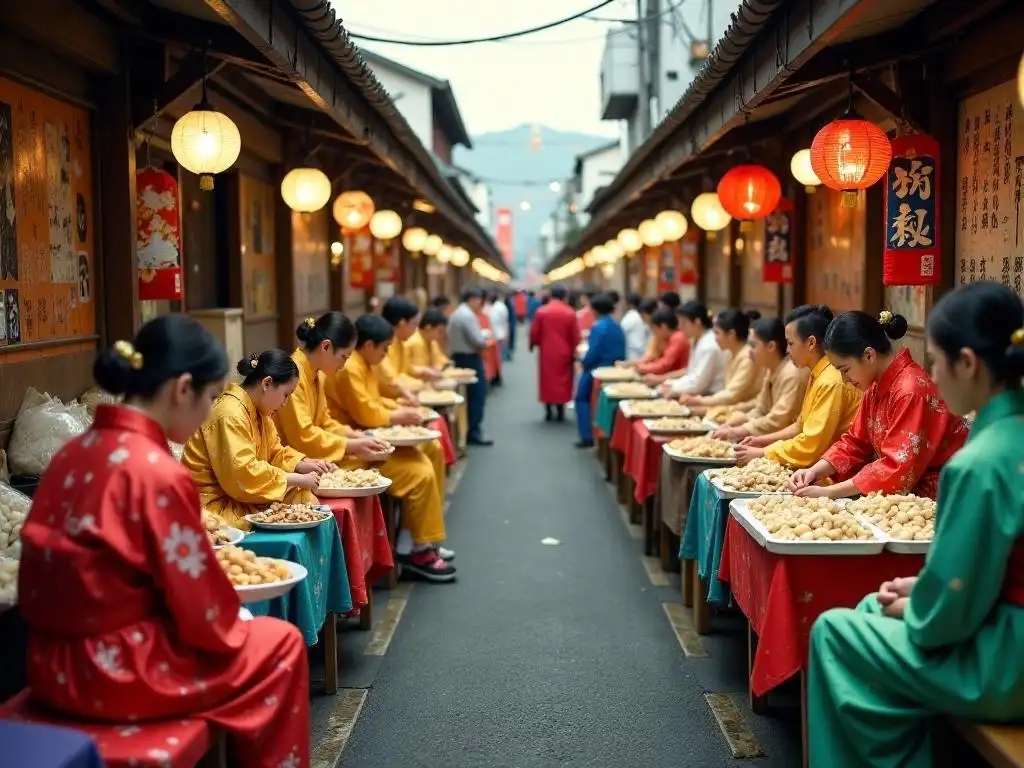
During the Edo period (1603-1868), Japan experienced a significant transformation in its economy, characterized by the flourishing of trade and commerce. The shogunate implemented policies that facilitated the movement of various commodities across the country and even beyond its shores. This era saw a diverse range of goods being exchanged, which not only supported the economy but also influenced cultural practices and societal norms.
Key Commodities:
- Rice: The staple food of Japan, rice was not just an essential agricultural product but also a form of currency. The amount of rice produced in a region was often used to assess its wealth and economic stability.
- Textiles: Cotton, silk, and indigo-dyed fabrics were highly sought after, leading to the establishment of vibrant textile markets. The production of kimonos became a significant part of local economies.
- Metals and Minerals: Copper, iron, and silver mining thrived, with these metals being crucial for various industries, including weapon manufacturing and coinage.
- Ceramics and Pottery: Japan's rich tradition of ceramics saw the production of high-quality pottery, which became popular both domestically and abroad.
Agricultural Products and Their Impact on Trade
Agriculture played a vital role in the Edo period economy, serving as the backbone of trade and commerce. The shogunate's policies encouraged agricultural production, leading to increased yields and surpluses that could be traded.
- Rice Cultivation: As the primary agricultural product, rice production was crucial not only for sustenance but also for trade. Regions that excelled in rice farming became economically prosperous, leading to a network of trade routes focused on transporting this valuable commodity.
- Vegetable and Grain Trade: Beyond rice, the cultivation of various vegetables, beans, and grains contributed to local markets. These items were exchanged in urban centers, supporting the burgeoning population.
- Impact on Urbanization: The increase in agricultural output allowed for the growth of cities, as surplus food supported a larger, urban populace. This urbanization further stimulated trade, creating demand for a variety of goods and services.
Luxury Goods and the Demand for Crafts
As the Edo period progressed, a distinct class of consumers emerged, creating a growing demand for luxury goods and artisan crafts. The peace and stability brought about by the Tokugawa Shogunate allowed for the flourishing of culture and arts.
- Craftsmanship: Artisans began producing high-quality goods, such as lacquerware, textiles, and ceramics. These items were often beautifully crafted and decorated, reflecting the sophistication of Edo-period aesthetics.
- Cultural Significance: Luxury goods often held cultural importance, with certain items becoming symbols of status and wealth. Families would invest in fine household items, books, and artworks, leading to a thriving market for these crafts.
- Global Influence: The demand for luxury goods extended beyond Japan, with some items being exported to China and other countries. This exchange not only enriched the local economy but also introduced new materials and styles to Japanese artisans.
The Emergence of a Consumer Culture
The Edo period marked the rise of a consumer culture in Japan, characterized by the increasing availability of goods and the growing influence of urban centers.
- Urban Centers and Shopping Districts: As cities like Edo (modern Tokyo), Osaka, and Kyoto developed, shopping districts emerged that catered to the desires of a burgeoning middle class. These areas became hubs for commerce, offering everything from everyday goods to luxury items.
- Cultural Influence on Consumption: The aesthetic and cultural preferences of the time heavily influenced what people bought. The desire for art, fashion, and imported goods fueled a vibrant marketplace, leading to the establishment of various festivals and events centered around commerce.
- Role of Merchants: Merchants gained prominence, and their economic power grew. They began to influence not just trade but also cultural trends, contributing to the overall consumer culture of the period.
Challenges and Limitations in Edo Period Commerce

Despite the economic prosperity of the Edo period, various challenges and limitations affected trade and commerce.
Economic Restrictions Imposed by the Shogunate
The Tokugawa Shogunate implemented strict regulations that controlled trade and commerce. These restrictions were aimed at maintaining social order and limiting foreign influence.
- Closed Country Policy: Known as Sakoku, this policy restricted foreign trade to a few designated ports and severely limited the presence of foreign merchants. While it protected the economy from outside influences, it also stifled innovation and competition.
- Merchant Class Limitations: The shogunate imposed social hierarchies that prevented merchants from rising to the same status as samurai or nobility. This limitation hindered their ability to expand their businesses freely.
Natural Disasters and Their Effects on Trade
Natural disasters, including earthquakes, floods, and famines, posed significant challenges to the Edo period economy.
- Impact of Disasters: Major events, such as the 1855 Ansei Earthquake, devastated infrastructure and disrupted trade routes. These disasters led to food shortages, economic instability, and increased prices for goods.
- Resilience of Merchants: Merchants had to adapt to these challenges by diversifying their trade routes and finding new sources of goods to maintain their businesses.
Responses to Economic Challenges by Merchants
In response to the various economic challenges of the Edo period, merchants employed several strategies to navigate the complexities of trade.
- Innovation in Trade Practices: Merchants developed innovative shipping methods and established networks that allowed for more efficient trade. This included the use of credit systems and partnerships to mitigate risks.
- Adaptation to Supply and Demand: By closely monitoring market trends and consumer preferences, merchants adapted their offerings to align with changing demands, ensuring their continued relevance in the marketplace.
- Community Support Systems: Merchants often banded together to support one another during crises, creating informal networks that provided assistance in times of need. This solidarity strengthened their collective bargaining power in the face of economic adversity.
The Legacy of Edo Period Trade and Commerce
The Edo period, spanning from 1603 to 1868, is a pivotal era in Japanese history characterized by relative peace, stability, and economic growth under the Tokugawa shogunate. One of the most significant legacies of this period is its profound impact on trade and commerce, which laid the groundwork for modern economic practices in Japan. The shogunate established a centralized control over trade, promoting domestic markets while also regulating foreign interactions. This control facilitated the development of a merchant class, known as the chōnin, which became influential in both economic and cultural spheres.
During the Edo period, the rise of urban centers, particularly Edo (modern-day Tokyo), Osaka, and Kyoto, fostered a vibrant marketplace where goods were exchanged, leading to the flourishing of trade networks across the country. The shogunate's policies, such as the Sankin-kōtai system requiring feudal lords to alternate their residence between their domains and Edo, stimulated local economies by increasing the flow of goods and services.
Moreover, the establishment of a currency system, alongside the adoption of new agricultural practices, significantly boosted production and consumption. This period witnessed the birth of unique Japanese products, ranging from textiles to ceramics, which played essential roles in both domestic and international trade. The legacy of Edo period trade and commerce is thus not merely historical; it serves as a foundation for contemporary Japan's economic structure and trade practices.
Influence on Modern Japanese Economy
The economic transformations that took place during the Edo period have had lasting effects on Japan's modern economy. The establishment of trade routes and urban centers during this time created a foundation for Japan's later industrialization. The merchant class that emerged during the Edo period contributed to the development of financial institutions and practices that would evolve into the banking and financial systems observed today.
The Edo period also saw innovations in logistics and distribution, crucial for the efficient movement of goods. The development of roads and transportation networks enabled merchants to transport products more effectively, a practice that continues to influence modern supply chain logistics. Furthermore, the emphasis on quality and craftsmanship established during this time laid the groundwork for Japan's reputation for high-quality manufacturing in various sectors.
In addition, the cultural practices surrounding trade, such as the refinement of customer service and the concept of branding, have permeated modern Japanese business culture. The practices of building relationships and trust with customers can be traced back to the merchant dealings of the Edo period, illustrating a continuity in economic philosophy that remains relevant today.
Historical Significance of Edo Period Trade Practices
The trade practices during the Edo period were marked by a unique blend of regulation and innovation that shaped Japan's historical trajectory. The shogunate's control over trade not only allowed for the flourishing of internal commerce but also dictated foreign trade relations, particularly with the Dutch and Chinese. This regulation ensured that Japan could maintain a degree of self-sufficiency while simultaneously benefiting from external influences and goods.
One of the notable features of Edo trade was the establishment of a market economy where supply and demand began to dictate prices, a significant shift from the previous feudal economy. The development of various market towns became integral to regional economies, allowing for the decentralization of trade and fostering competition among merchants.
The Tokugawa shogunate also implemented policies such as the Eda system, which categorized towns based on their economic activities, promoting specialization. This not only enhanced efficiency but also encouraged innovation in production techniques and marketing strategies. The historical significance of these practices is evident in their influence on modern economic models and market structures.
Lessons Learned from Edo Period Economic Strategies
The Edo period presents several valuable lessons regarding economic strategies that can be applied to contemporary challenges. Firstly, the balance between regulation and freedom in trade is crucial. The Tokugawa shogunate demonstrated that while regulation can foster stability, allowing flexibility and room for innovation leads to sustainable growth.
Secondly, the importance of building trust and relationships in commerce is a lesson that transcends time. The practices of merchants during the Edo period emphasized the value of customer loyalty and quality service, which are essential components of modern business success.
Additionally, the focus on regional specialization can inform current economic policies. By encouraging local products and industries, governments can stimulate growth and foster resilience within their economies. The Edo period's emphasis on craftsmanship and quality also highlights the need for a competitive edge in global markets, reinforcing the idea that cultural and historical identity can be a powerful economic asset.
Conclusion
Summary of the Shogunate's Impact on Trade and Commerce
The Tokugawa shogunate's influence on trade and commerce during the Edo period was transformative. The shogunate's policies fostered an environment conducive to economic growth, established a merchant class, and laid the groundwork for modern economic practices. Through controlled yet progressive trade practices, the Edo period allowed Japan to develop a unique economic identity that would carry through to contemporary times.
Reflection on the Edo Period's Economic Contributions to Japan’s History
Reflecting on the economic contributions of the Edo period, it is clear that this era was not merely a time of isolation but one of significant internal development and exchange. The shogunate's strategic management of trade and commerce created a legacy that continues to influence Japan's economic landscape today. By understanding the intricacies of Edo period trade, we gain valuable insights into the historical context of Japan's economic evolution and the enduring impact of its past on the present. The lessons learned from this period remain relevant, guiding current and future economic policies in Japan and beyond.
- Introduction to the Edo Period Economy
- The Tokugawa Shogunate and its Economic Policies
- Key Features of Edo Period Trade and Commerce
- The Role of Merchants in Edo Period Economy
- Commodities and Trade Goods of the Edo Period
- Agricultural Products and Their Impact on Trade
- Luxury Goods and the Demand for Crafts
- The Emergence of a Consumer Culture
- Challenges and Limitations in Edo Period Commerce
- The Legacy of Edo Period Trade and Commerce
- Conclusion
Frequently Asked Questions
What was the Edo period known for in terms of trade and commerce?
The Edo period (1603-1868) was characterized by a flourishing economy, marked by the rise of merchant classes and extensive internal trade networks established under the Tokugawa shogunate.
How did the Tokugawa shogunate influence trade?
The Tokugawa shogunate implemented policies that encouraged economic stability and regulated trade, fostering safe conditions for commercial activities throughout Japan.
What role did markets play during the Edo period?
Markets became vital centers for local commerce, where goods such as rice, textiles, and crafts were exchanged, helping to stimulate the Edo period economy significantly.
What were the primary goods traded during the Edo period?
During the Edo period, key goods included rice, which served as currency, as well as silk, ceramics, and paper, reflecting the diverse economic activities of the time.
How did international trade evolve during the Edo period?
While the Edo period focused on internal trade, limited international trade occurred primarily with the Dutch and Chinese, leading to a unique blend of cultural exchanges and economic influences.
Final Reflection: The Enduring Legacy of Edo Period Trade and Commerce
The Edo period's intricate web of trade and commerce continues to resonate in today's global economy, showcasing how historical practices can shape modern systems. The Shogunate's innovative approaches to trade not only facilitated economic growth during its time but also laid the groundwork for contemporary commerce in Japan and beyond. As we navigate an increasingly interconnected world, understanding the roots of our economic systems becomes essential, reminding us that the past is never truly behind us.
Cultural and social landscapes have been profoundly influenced by the trade practices established during the Edo period. The emphasis on local markets and the flourishing of merchant classes fostered a unique cultural identity that still influences Japanese society today. As one historian aptly noted, The Edo period was not just a time of peace and stability; it was a crucible for economic innovation and cultural exchange.
This enduring legacy invites us to reflect on how historical trade practices can inform our current economic interactions and cultural exchanges.
As we contemplate the lessons of the Edo period, I encourage you to consider how the principles of trade and commerce from that era can be applied to your own life. Reflect on the importance of building connections, fostering innovation, and embracing cultural diversity in your personal and professional endeavors. By understanding and appreciating the historical context of our economic systems, we can contribute to a more harmonious and prosperous future, echoing the spirit of collaboration that characterized the Edo period.
Unleash Your Understanding of the Edo Period Economy!
Thank you for taking the time to explore the fascinating world of the Edo Period's economy with us! By delving into how the Shogunate shaped trade and commerce, you’ve equipped yourself with valuable insights into a pivotal era in Japan's history. Now, it's time to put that knowledge into action!
Here are some steps you can take to deepen your understanding and engage with the topic further:
- Join an online discussion group focused on Japanese history or trade economics to share your insights and learn from others.
- Visit a local museum or exhibit that showcases artifacts and trade practices from the Edo Period, giving you a tangible connection to the realities of commerce during this time.
- Share this article with friends or on social media to spark conversations about how historical economies influence modern trade dynamics.
What aspect of the Edo Period’s economy intrigues you the most, and how do you think its lessons can be applied to today's economic practices?