
Clothing as a Reflection of Social Change: The Transition from Feudalism to Modernization

Welcome to Feudal Japan History, where we dive deep into the rich tapestry of Japan's feudal era, unraveling the intricate threads of its historical, cultural, and societal aspects. In our featured article, “Clothing as a Reflection of Social Change: The Transition from Feudalism to Modernization,” we explore the fascinating evolution of Japan feudal clothing changes and what they reveal about the shifts in social structure and identity.
Prepare to be captivated as you discover how garments not only adorned the body but also mirrored the profound transformations of a society on the brink of modernity. Your journey into the heart of feudal Japan begins now—read on and uncover the stories woven into every stitch!
- Introduction to Japan's Feudal Clothing Changes
- The Evolution of Clothing in Feudal Japan
- The Impact of Social Hierarchies on Clothing
- Transition from Feudalism to Modernization
- Clothing as a Reflection of Social Change
- Case Studies: Notable Examples of Clothing Changes
- Conclusion: The Legacy of Feudal Clothing Changes in Modern Japan
- References and Further Reading on Japan Feudal Clothing Changes
-
Frequently Asked Questions
- What were the key features of feudal clothing in Japan?
- How did Japan feudal clothing changes reflect social status?
- What factors contributed to the transition in clothing styles from feudalism to modernization?
- How did the introduction of Western clothing impact traditional Japanese attire?
- What role did craftsmanship play in the evolution of Japanese clothing?
- Final Reflection: Clothing as a Mirror of Social Evolution
- Embrace the Change: Express Yourself Through Fashion!
Introduction to Japan's Feudal Clothing Changes
Japan's feudal era, spanning from the late 12th century to the mid-19th century, was a period marked by significant social, political, and cultural transformations. The clothing of this time serves as a fascinating lens through which we can explore the broader societal changes that occurred during the transition from feudalism to modernization.
In this article, we will examine how Japan's feudal clothing evolved in tandem with shifting societal norms, values, and structures, revealing insights into the lives of the people who lived during this tumultuous period. By understanding these clothing changes, we can gain a deeper appreciation for the cultural heritage and historical context that shaped modern Japan.
Overview of Feudal Japan and Its Societal Structure
Feudal Japan was characterized by a hierarchical structure that defined the relationships between different classes of society, including the emperor, shogun, samurai, farmers, artisans, and merchants. At the top of this hierarchy was the emperor, who held a symbolic position with little political power. The shogun, a military leader, wielded significant control over the country, while the samurai class served as the warrior elite, upholding the values of loyalty, honor, and discipline.
The societal structure was rigidly defined, with each class having its own distinct role and responsibilities. For instance:
- Samurai: The warrior class, responsible for military service and governance.
- Farmers: The backbone of the economy, providing food and resources for society.
- Artisans: Skilled craftsmen producing goods that catered to the needs of the samurai and nobility.
- Merchants: Often viewed with suspicion, they played a vital role in trade but held lower social status.
This hierarchical system influenced not only the social dynamics of the time but also the clothing worn by each class. Garments were symbolic of one's status and role within society, with specific styles, materials, and colors reserved for particular classes.
Clothing in feudal Japan was more than just a means of protection against the elements; it was a powerful symbol of identity, status, and societal change. As Japan transitioned from a feudal society to a more modern state in the late 19th century, significant shifts in clothing styles mirrored the broader cultural transformations taking place.
- Status Symbols: Different fabrics and styles were used to denote social hierarchy. For example, the samurai wore elaborate, layered garments (uchikake) adorned with family crests, while commoners typically wore simpler clothing made from less expensive materials.
- Cultural Exchange: As Japan opened its borders to the West during the Meiji Restoration, foreign influences began to permeate Japanese clothing styles. This period saw the introduction of Western garments, leading to a blending of traditional and modern aesthetics.
- Symbol of Modernization: With the decline of feudalism, clothing became a reflection of individual identity rather than strict adherence to social class. The rise of the merchant class and the democratization of fashion allowed for greater personal expression.
Understanding the shifts in clothing during these times provides invaluable insights into the societal transformations that shaped modern Japan. The evolution of garments not only illustrates changing tastes but also highlights the interplay between tradition and modernization, making clothing a compelling indicator of Japan's historical journey.
The Evolution of Clothing in Feudal Japan
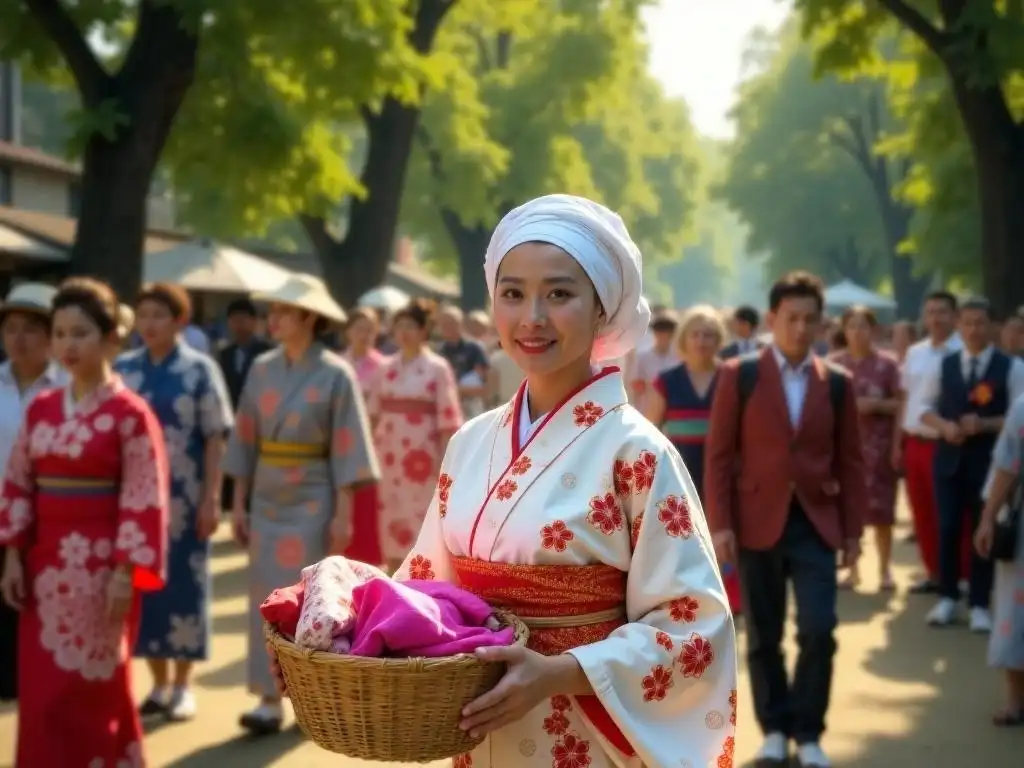
The evolution of clothing in Feudal Japan is a fascinating reflection of the societal and cultural changes that occurred during this period. From the Kamakura period (1185-1333) through the Edo period (1603-1868), clothing styles were influenced by various factors including social class, regional variations, and interactions with foreign cultures. As Japan transitioned from a feudal system to a more modern society, these clothing changes not only displayed individual status but also signified broader cultural shifts.
Early Feudal Clothing Styles and Materials
In the early feudal era, clothing styles were primarily dictated by function and necessity. The kimono, a traditional garment, became the standard attire for both men and women. Early kimonos were made from simple fabrics such as cotton and hemp, often dyed using natural pigments. The design was typically straightforward, focusing on practicality for daily activities.
As the feudal system developed, clothing began to reflect social hierarchy. The upper classes, including samurai, wore luxurious fabrics such as silk. The use of silk not only indicated wealth but also demonstrated the wearer’s status within the rigid social structure.
- Common Fabrics Used:
- Cotton: Affordable and widely used among the peasantry.
- Hemp: Durable and easy to cultivate, common for work clothes.
- Silk: A luxury fabric reserved for the elite classes.
The layering of garments also became a notable feature of early feudal clothing. The Jinbaori, a sleeveless coat worn over armor, exemplifies this practice, providing both protection and style. Each region of Japan developed its own variations, incorporating local materials and techniques, which contributed to a rich tapestry of clothing styles.
The Influence of Class and Status on Clothing Choices
Class distinctions were vividly displayed through clothing choices in feudal Japan. The samurai class adhered to strict dress codes that signified their rank and responsibilities. The kamishimo, a formal outfit for samurai, typically consisted of a nagabakama (trousers) and a kataginu (jacket), made from high-quality materials and often embellished with family crests.
In contrast, the clothing of the peasantry was functional and unadorned. Their garments, while practical, lacked the vibrancy and intricacy seen in the clothing of the upper classes. This disparity in clothing served as a visible reminder of the rigid social hierarchy.
- Class-Based Clothing Examples:
- Samurai: Kamishimo, often featuring elaborate designs and colors.
- Farmers: Simple cotton garments, usually in dull colors, designed for labor.
- Merchants: More colorful than farmers, but still less ornate than samurai attire.
The Meiji Restoration in the late 19th century marked a turning point in clothing styles, as Western influences began to permeate Japanese fashion. This shift led to a gradual decline in the traditional clothing of the feudal era, as modernization took hold and class distinctions became less pronounced.
Key Fabrics and Techniques in Feudal Clothing Design
The fabrics and techniques used in feudal clothing design were crucial in determining the quality and appearance of garments. The production of silk became a key industry during this period, allowing for elaborate patterns and vibrant colors that were unattainable with other materials.
Key Techniques:
-
Yuzen Dyeing: A sophisticated method that involved hand-painting designs onto fabric, allowing for intricate patterns, particularly in kimono making.
-
Kasuri Weaving: A technique that created blurred patterns through a resist-dyeing method, often seen in farmer's garments.
-
Key Fabrics:
Fabric Type Description Social Class Silk Luxurious, soft, and often dyed in vibrant colors Samurai, Nobility Cotton Practical, affordable, and durable Peasants, Commoners Hemp Strong and coarse, used primarily for work clothes Peasants, Laborers
The craftsmanship involved in feudal clothing design was highly regarded, with artisans dedicating their lives to mastering techniques that produced beautiful and functional garments. As Japan moved towards modernization, these traditional techniques began to blend with Western styles, leading to a fascinating evolution in clothing that continued to reflect the society's values and status.
The changes in Japan feudal clothing illustrate not only the aesthetic preferences of the time but also the profound societal transformations occurring as the nation moved from a feudal system towards modernity. Each garment and fabric tells a story of the people who wore them, encapsulating the essence of their daily lives and societal roles.
The clothing worn during Japan's feudal era was intricately tied to the social hierarchies that defined the society of the time. These hierarchies dictated not only who could wear what but also how clothing served as a symbol of status, power, and identity. The transition from feudalism to modernization brought significant changes to clothing styles, reflecting broader societal transformations.
Clothing of the Samurai Class: Symbolism and Function
The samurai class, as the ruling military elite of feudal Japan, showcased their status through their distinctive attire. Samurai clothing included a variety of elements that symbolized their warrior status and adherence to bushido, the way of the warrior. Key aspects of samurai clothing included:
- Kimono: The kimono, often made from luxurious fabrics like silk, was the primary garment worn by samurai. The colors and patterns of the kimono could indicate rank and clan affiliation.
- Hakama: This pleated, skirt-like garment was worn over the kimono and was indicative of a samurai's status. The hakama's color and fabric type varied based on the occasion and rank.
- Katana: The sword was not merely a weapon; it was an integral part of a samurai's attire. The way a samurai wore his katana was a reflection of his social status and fighting capability.
The samurai’s clothing was not only functional but also served as a canvas for expressing their identity and lineage. As the Meiji Restoration began dismantling the feudal system, the rigid codes surrounding samurai clothing started to relax, paving the way for more modern influences.
Peasantry Attire: Practicality and Cultural Significance
In stark contrast to the ornate garments of the samurai, the clothing of the peasantry was rooted in practicality and the realities of agrarian life. Peasants primarily wore simple, durable fabrics that catered to their daily labor needs. Key characteristics of peasant attire included:
- Tatou: This basic kimono-like garment was often made from hemp or cotton, emphasizing utility over style. The colors were typically subdued, consisting of indigo blues and earthy tones.
- Waraji: Straw sandals that were easy to make and suitable for rural life. These were essential for working in the fields and provided durability.
- Layering: Peasants often layered their clothing to adapt to the changing seasons and harsh weather conditions.
Culturally, peasant clothing also held significance. Patterns and colors could convey community ties, and special garments were sometimes worn during festivals or rituals, reflecting a strong connection to local customs. With the decline of feudalism, the peasantry began to experience a shift in their clothing as they adopted elements of samurai and urban styles.
Women's Clothing: Roles, Expectations, and Styles
Women’s clothing in feudal Japan was deeply influenced by societal roles and expectations. The attire of women varied significantly across different classes, with distinct styles emerging. The following points highlight the evolution of women’s clothing:
- Court Nobility: Women of the court wore elaborate kimonos, often layered with multiple garments. The use of rich fabrics and intricate designs symbolized their high status. The obijime, a decorative cord, was also a key accessory that added elegance.
- Farmers and Craftswomen: In contrast, women from peasant backgrounds wore simpler garments suited for labor. The naga-juban, a long undergarment, served as a base layer beneath a more practical kimono.
- Changing Roles: The transition to modernization saw women beginning to adopt Western styles, challenging traditional expectations. The introduction of Western dresses in the late 19th century marked a significant departure from historical norms, signifying broader changes in gender roles and societal expectations.
The clothing worn by women during the feudal era reflects not only their social status but also the evolving nature of their roles within society. As Japan moved towards modernization, women’s fashion began to incorporate elements from both traditional and Western styles, illustrating the dynamic interplay between culture and clothing.
Transition from Feudalism to Modernization
Major Historical Events Influencing Clothing Changes
The transition from feudalism to modernization in Japan was marked by various significant historical events that directly influenced clothing changes throughout the country. These events shaped not only the political landscape but also the cultural fabric of society, leading to distinct shifts in clothing styles and societal norms.
- The Sengoku Period (1467-1603): This era of constant military conflict saw the rise of samurai culture, which heavily influenced clothing styles. The samurai class wore armor and distinctive garments that signified their status. However, as peace was restored, there was a gradual shift towards more elaborate and colorful clothing, reflecting the stability of the Edo period.
- The Edo Period (1603-1868): Under the Tokugawa shogunate, Japan experienced a long period of peace and cultural development. The clothing of this time was characterized by the use of luxurious fabrics, intricate patterns, and vibrant colors. The rise of merchant classes introduced new styles, as clothing became a symbol of wealth and status, leading to the emergence of the kimono as the national garment.
- The Arrival of Commodore Perry (1853): The arrival of American naval officer Commodore Matthew Perry marked the beginning of Japan's opening to the West. This encounter initiated a series of events that led to significant cultural exchanges, including fashion. As Western influences began to permeate Japanese society, traditional clothing styles began to evolve.
- The Boshin War (1868-1869): This civil war between the Tokugawa shogunate and imperial loyalists was pivotal in Japan's transition towards modernization. The conflict underscored the need for a unified national identity, which influenced the evolution of clothing as a reflection of allegiance and social change.
- The Meiji Restoration (1868): Marking the official end of feudalism, the Meiji Restoration led to the establishment of a centralized government and the adoption of Western ideologies. This period saw a dramatic shift in clothing as the government encouraged the adoption of Western styles, signifying a break from the past and a move towards modernization.
The Role of the Meiji Restoration in Transforming Fashion
The Meiji Restoration was a crucial turning point in the evolution of Japan's clothing landscape. It not only marked the end of feudalism but also initiated significant changes in fashion that reflected broader societal transformations.
- Government Policies on Clothing: The new Meiji government implemented policies that encouraged the adoption of Western clothing, promoting it as a sign of progress and modernization. This included the establishment of a national military uniform modeled after Western styles, which further popularized Western garments among the populace.
- Cultural Exchange and Adaptation: The Meiji era was characterized by increased interaction with Western nations, leading to a cultural exchange that influenced Japanese fashion. Tailors began to incorporate Western techniques and styles into their designs, leading to a unique blend of traditional and modern aesthetics.
- Education and Fashion: As education became more widespread during the Meiji period, the population became increasingly aware of global trends in fashion. Schools began to adopt Western uniforms, which not only modernized clothing but also instilled a sense of unity and belonging among students.
- Women's Fashion Revolution: The Meiji Restoration also brought about significant changes in women's fashion. Traditional garments like the kimono were often combined with Western elements, leading to new styles. Women began to wear Western dresses, which were initially met with resistance but gradually gained acceptance as symbols of modernity and empowerment.
Introduction of Western Clothing Styles in Japan
The introduction of Western clothing styles in Japan marked a significant cultural shift that reflected the broader changes in society during the transition from feudalism to modernization. These styles not only influenced fashion but also played a role in reshaping social norms and identities.
- Adoption of Western Garments: The acceptance of Western clothing was initially slow, with traditional garments dominating the landscape. However, as Western influence grew, garments such as suits, dresses, and overcoats became increasingly popular, especially among the elite and urban populations.
- Fashion as a Status Symbol: The choice to wear Western clothing became a status symbol, with many viewing it as a representation of modernity and progress. This shift was particularly evident in urban centers where the wealthy adopted Western styles to distinguish themselves from traditional rural populations.
- Impact on Traditional Attire: The rise of Western clothing did not completely erase traditional Japanese attire. Instead, it led to a hybridization of styles, where traditional garments were often worn with Western accessories or modified to incorporate Western elements. For instance, women's kimonos began to feature Western fabrics and designs.
- Fashion Industry Development: The demand for Western clothing spurred the growth of a fashion industry in Japan, with tailors and designers creating unique interpretations of Western styles. This development not only transformed clothing but also stimulated the economy and contributed to Japan's burgeoning identity on the global stage.
- Societal Reflection: The embrace of Western clothing styles also mirrored broader societal changes, including shifts in gender roles, increased urbanization, and a growing sense of national identity. As Japan navigated its modernization, clothing became a powerful medium for expressing these evolving social dynamics.
The transition from feudalism to modernization in Japan was profoundly reflected in clothing changes, driven by historical events, the influence of the Meiji Restoration, and the introduction of Western styles. These transformations not only altered what people wore but also how they identified themselves within a rapidly changing society.
How Clothing Signified Shifts in Power and Class Structures
In feudal Japan, clothing was a vital indicator of one's social status and position in the rigid class hierarchy. The samurai, at the top of this hierarchy, distinguished themselves through elaborate garments made from fine materials such as silk and brocade. Their clothing was not merely functional; it was a powerful symbol of their authority and martial prowess. The intricacy of their attire, often adorned with family crests, signified their noble lineage and military rank.
As the Tokugawa shogunate solidified its control in the early 17th century, clothing became even more stratified. The Sumptuary Laws enforced by the shogunate dictated what each class could wear, aiming to maintain social order. For instance, while the samurai could wear elaborate kimonos with vibrant colors, peasants were restricted to simple garments made from humble fabrics.
| Class | Allowed Fabrics | Color Restrictions |
|---|---|---|
| Samurai | Silk, brocade | Bright colors, patterns |
| Farmers | Cotton, hemp | Earth tones, muted colors |
| Artisans | Mixed fabrics | Limited bright colors |
| Merchants | Varied fabrics | Simple patterns |
The Meiji Restoration in 1868 marked a pivotal transition as Japan sought to modernize and engage with the Western world. Clothing began to reflect these shifts in power and class structures. The samurai class, stripped of their privileges, started adopting Western-style clothing, signifying their diminishing power. This transition was not merely about the clothing itself but represented a profound change in societal roles and the decline of feudal traditions.
The Role of Fashion in Cultural Identity During Transition
As Japan transitioned from feudalism to modernization, fashion played a crucial role in shaping cultural identity. The introduction of Western clothing styles was both embraced and resisted. Many Japanese people viewed Western attire as a symbol of progress and modernization, while others saw it as a threat to traditional values and heritage.
During this era, the kimono began to coexist with Western clothing, leading to hybrid styles that reflected a blend of cultures. For instance, women began to adopt Western dresses while still incorporating traditional elements, such as obi sashes. This fusion not only demonstrated adaptability but also illustrated a broader cultural identity that was evolving in response to external influences.
Fashion became a medium of expression for the growing middle class in urban areas, who sought to showcase their newfound social mobility. The rise of department stores and fashion magazines in the late 19th century facilitated the spread of new styles, allowing individuals to curate their identities through clothing. Thus, fashion became a reflection of personal aspirations and cultural identity during a time of significant change.
Symbolic Changes in Clothing: From Tradition to Modernity
The transition from feudalism to modernization in Japan brought about profound symbolic changes in clothing. The kimono, emblematic of Japanese culture, began to evolve in style, fabric, and usage. While it remained a staple in formal settings, its everyday use diminished as Western clothing gained popularity. Kimonos transformed from symbols of social status to garments worn on special occasions, such as weddings and festivals.
The move towards Western-style clothing also signified a shift in gender roles and expectations. Men started wearing suits, which symbolized professionalism and modernity. For women, the introduction of Western fashion offered new ways to express individuality and freedom, albeit within the constraints of societal norms. The contrast between traditional and modern clothing highlighted the tension between preserving heritage and embracing change.
As Japan navigated the complexities of modernization, clothing served as a powerful symbol of societal transformation. The Japan feudal clothing changes not only reflected shifts in power dynamics but also illustrated the evolving cultural identity of a nation in transition. This interplay between tradition and modernity continues to influence Japanese fashion today, reminding us of the historical significance embedded in clothing choices.
Case Studies: Notable Examples of Clothing Changes
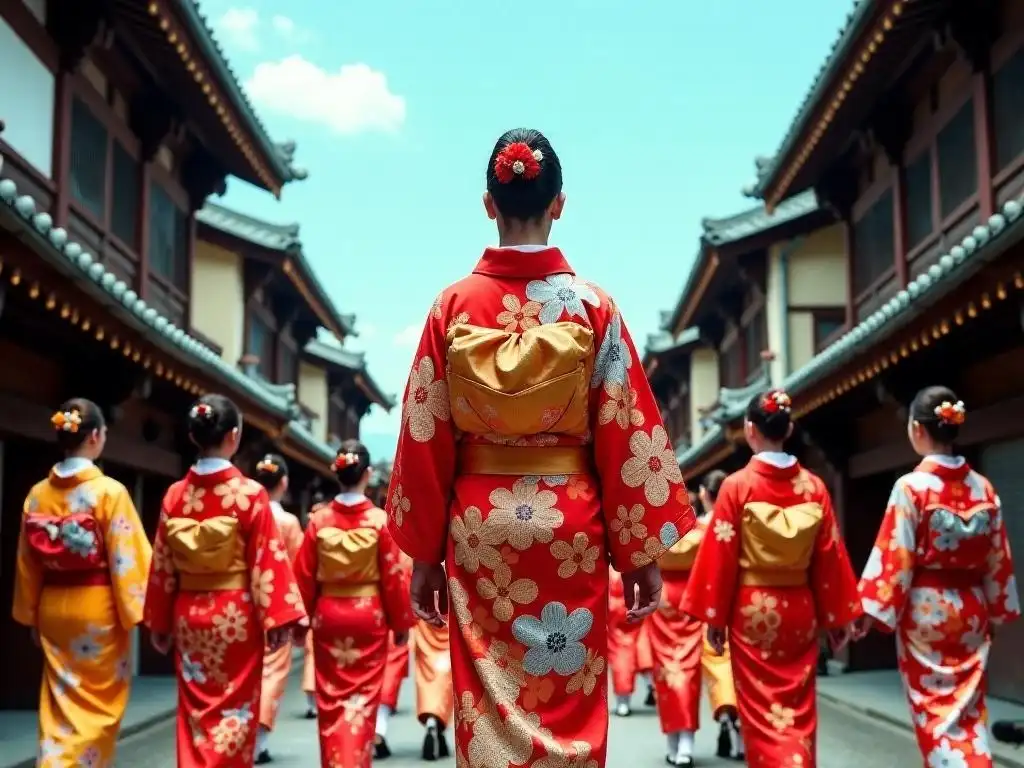
The transition from feudalism to modernization in Japan was marked not only by political and social upheaval but also by significant transformations in clothing styles across different classes. These changes provide a fascinating lens through which to examine the broader societal shifts occurring during this period. Below, we explore specific examples of clothing from various social classes during feudal Japan and conduct a comparative analysis of clothing before and after modernization.
Specific Examples of Clothing from Different Classes During Feudal Japan
Feudal Japan was characterized by a strict social hierarchy that influenced the clothing worn by different classes. Each class had distinct styles and materials that signified their status and roles within society.
- Samurai Class:
- Kimono: The samurai wore elaborate kimonos made from high-quality silk, often adorned with family crests. The colors and patterns of their clothing reflected their clan's status and achievements.
- Hakama: This pleated skirt-like garment was worn over the kimono and was often made from heavy fabrics to signify authority. The hakama's style could indicate the samurai's rank and position in society.
- Peasant Class:
- Jinbei: Farmers typically wore simple garments like the jinbei, made from coarse cotton. This attire was practical and suited for labor-intensive work in the fields.
- Tatuki: A type of work kimono, the tatuki was designed for durability and ease of movement. It was usually dyed with natural pigments, reflecting the earth tones of rural life.
- Merchant Class:
- Hifu: Merchants often wore the hifu, a sleeveless coat worn over a kimono. This style was practical for moving about busy markets and was often made from more affordable materials compared to the samurai's silk garments.
- Umanori: This informal garment was designed for business and trade, showcasing the merchant's wealth through its fabric and decorative elements, such as embroidery or patterns.
- Noble Class:
- Shōzoku: Nobles wore the shōzoku, ceremonial garments that were often richly embroidered and made of luxurious fabrics. These outfits were used during formal occasions and were indicative of their elevated status.
- Karaori: A type of kimono decorated with intricate designs, the karaori represented the refined aesthetics of the noble class and their connection to cultural traditions.
Comparative Analysis of Clothing Pre- and Post-Modernization
The Meiji Restoration (1868) marked a significant turning point in Japan, leading to a wave of modernization that transformed many aspects of daily life, including clothing.
| Aspect | Pre-Modernization (Feudal Era) | Post-Modernization (Meiji Era) |
|---|---|---|
| Materials | Primarily natural fibers like silk and cotton | Introduction of Western materials such as wool and synthetic fibers |
| Styles | Traditional kimonos, hakama, and work garments | Adoption of Western-style suits, dresses, and uniforms |
| Functionality | Clothing was designed for specific roles and status | Increased emphasis on practicality and comfort in everyday wear |
| Social Significance | Clothing was a clear indicator of social hierarchy | Gradual blending of styles diminished strict class distinctions |
The shift from traditional clothing to Western styles reflected broader societal changes. The introduction of Western fashion indicated not just a change in aesthetics but also a shift in values towards individualism and modernity.
The evolution of clothing from the feudal era to the modern period in Japan illustrates the profound social changes that accompanied the end of feudalism. By examining the clothing of different classes and the transition in styles, we can better understand how these changes mirror the larger historical narrative of Japan's modernization.
Conclusion: The Legacy of Feudal Clothing Changes in Modern Japan
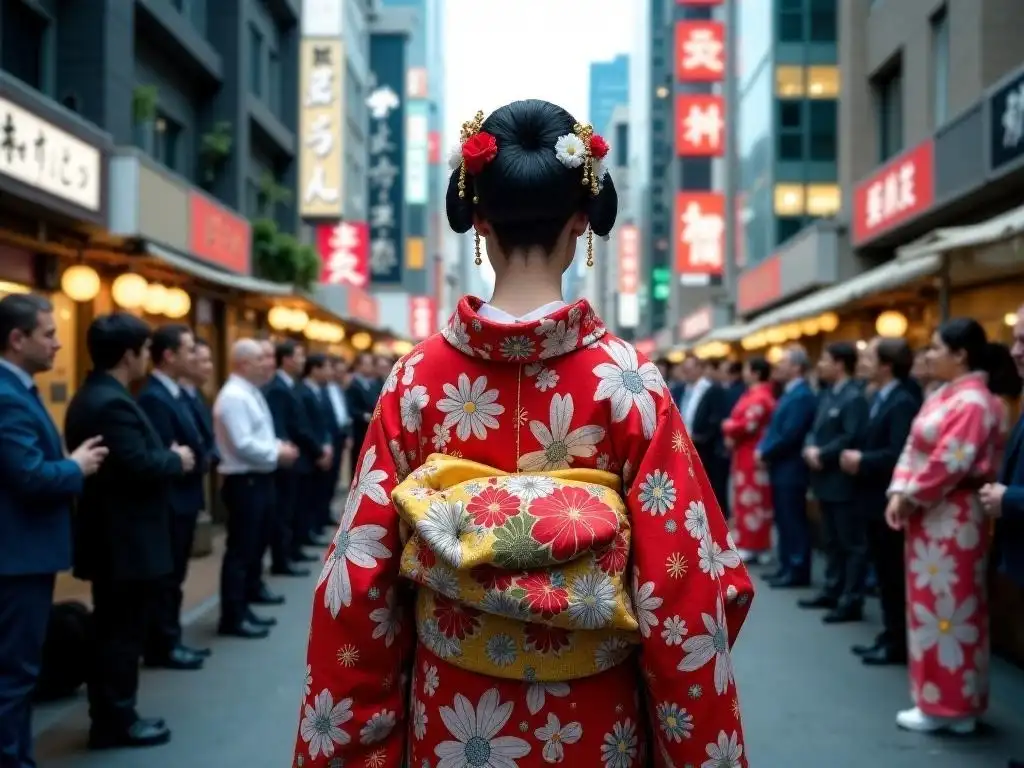
The transition from feudalism to modernization in Japan has left a profound impact on the nation's clothing and fashion. The evolution of clothing styles during this period reflects broader societal changes, including shifts in social hierarchy, cultural influences, and economic developments. Understanding the legacy of feudal clothing changes is crucial for appreciating how contemporary Japanese fashion embodies both tradition and modernity.
Lasting Influences of Feudal Fashion on Contemporary Japanese Culture
Feudal Japan's clothing styles, characterized by intricate designs and symbolism, have significantly influenced modern Japanese fashion. The kimono, a traditional garment, has persisted as an emblem of Japanese identity, often worn during cultural ceremonies and festivals.
- Symbolism in Design: The patterns and colors of kimonos often symbolize familial heritage, seasonal changes, or significant life events. This tradition remains evident today, as contemporary designers incorporate historical motifs into modern attire, creating a dialogue between past and present.
- Fusion of Styles: Many modern clothing brands in Japan blend traditional elements with Western styles. For instance, the hakama (a type of pleated skirt) is sometimes worn over trousers, merging traditional elegance with contemporary practicality.
- Fashion Statements: The resurgence of vintage and retro styles in recent years has sparked renewed interest in feudal clothing. Young designers are experimenting with fabrics, cuts, and patterns reminiscent of the Edo period, fostering a unique fusion that appeals to both local and international audiences.
The influence of feudal fashion extends beyond garments; it also affects social practices, where attire plays a crucial role in conveying status and identity. The awareness and appreciation of traditional clothing among younger generations signify the ongoing relevance of feudal fashion in contemporary culture.
Reflection on the Ongoing Evolution of Clothing in Japanese Society
The evolution of clothing in Japanese society is a testament to the dynamic interplay between tradition and modernity. As Japan continues to embrace globalization and technological advancements, clothing styles are becoming increasingly diverse.
- Global Influences: Western fashion trends have permeated Japanese society, leading to the rise of street fashion cultures, such as Harajuku. This neighborhood is renowned for its eclectic styles that often juxtapose traditional garments with avant-garde designs, showcasing the adaptability of Japanese fashion.
- Sustainability and Innovation: The modern clothing landscape is also focused on sustainability, with many designers prioritizing eco-friendly materials and practices. This movement echoes feudal Japan's resourceful use of natural dyes and textiles, demonstrating a return to mindful consumption.
- Cultural Exchange: As Japan engages more deeply with global fashion markets, the exchange of ideas fosters innovation. Designers are increasingly incorporating multicultural influences, resulting in a vibrant tapestry of styles that reflect Japan's rich heritage while embracing the future.
The transition from feudalism to modernization has profoundly shaped Japan's clothing landscape. The legacy of feudal clothing changes continues to influence contemporary fashion, serving as a bridge between tradition and modernity while adapting to the evolving societal landscape. The ongoing evolution of clothing in Japanese society not only preserves cultural heritage but also celebrates the dynamic nature of fashion as a reflection of identity and change.
References and Further Reading on Japan Feudal Clothing Changes
Suggested Literature and Resources for In-Depth Exploration
To truly grasp the intricate relationship between clothing and societal changes during the transition from feudalism to modernization in Japan, the following literature and resources serve as essential readings:
-
"The World of the Shining Prince: Court Life in Ancient Japan" by Ivan Morris
This book provides a vivid depiction of court life and the fashion trends that shaped the era, offering insights into how clothing reflected social hierarchies.
-
"Fashioning Japanese Subcultures" by Yuniya Kawamura
Kawamura explores the evolution of Japanese fashion, highlighting the shifts in clothing styles and their sociocultural implications throughout history.
-
"Kimono: Fashioning Culture" edited by Jennifer S. W. Lee and John W. D. D. P. D. G. Roberts
This anthology dives into the significance of the kimono as a cultural symbol, examining its transformation through various historical phases, including the feudal era.
-
"Japanese Clothing: A Cultural History" by Noriko T. Reider
Reider's work discusses the development of traditional clothing in Japan, focusing on how fabric choice and garment style reflect the values and social dynamics of different periods.
-
Online Resources: The National Museum of Japanese History
The museum's website offers a wealth of digital archives and articles detailing clothing artifacts from the feudal era, providing visual context to the textual narratives.
Exploring academic journals can provide deeper insights into the specific clothing changes during Japan's transition from feudalism to modernization. Here are some key articles:
-
"The Evolution of Japanese Dress: From Feudal to Modern Times"
This article analyzes how clothing styles transitioned throughout the feudal period and into the Meiji Restoration, focusing on cultural exchanges and societal influences.
-
"Clothing and Identity in Japan: A Historical Perspective"
This scholarly piece examines the relationship between clothing choices and personal identity, analyzing how social status and class influenced fashion trends over time.
-
"Material Culture in Japan: The Role of Dress in Social Change"
This journal article discusses the implications of clothing as a material culture element, emphasizing how changes in dress reflect broader social transformations in Japanese history.
-
"Textiles and Society in Japan: A Historical Overview"
This comprehensive study provides an overview of textiles used in Japanese clothing, highlighting their significance in understanding social hierarchies and cultural practices throughout history.
By engaging with these resources, readers can obtain a nuanced understanding of Japan's feudal clothing changes and their reflection of the broader social changes occurring during this transformative period.
Frequently Asked Questions
What were the key features of feudal clothing in Japan?
Feudal clothing in Japan was characterized by its layered garments, use of natural materials, and distinctions based on social status. The clothing of samurai, for instance, often included intricate designs and armor, while commoners wore simpler fabrics.
The changes in clothing during the feudal era were closely linked to social hierarchy. Different classes, such as samurai, farmers, and merchants, had specific clothing styles that indicated their rank and profession, showcasing the rigid social structure of the time.
What factors contributed to the transition in clothing styles from feudalism to modernization?
The transition to modern clothing styles was influenced by Westernization, economic shifts, and the Meiji Restoration. These changes led to a blending of traditional garments with Western fashion, altering the perception of identity and status.
How did the introduction of Western clothing impact traditional Japanese attire?
The introduction of Western clothing created conflict and adaptation within Japanese society. Traditional garments began to coexist with Western styles, leading to a hybrid fashion that reflected both modern influences and cultural heritage.
What role did craftsmanship play in the evolution of Japanese clothing?
Craftsmanship was crucial in the evolution of Japanese clothing, with skilled artisans producing high-quality materials and intricate designs. As societal norms changed, so did the focus on craftsmanship, which became a symbol of cultural identity during the transition to modernization.
In examining the intricate relationship between clothing and societal transformation, we uncover how Japan's feudal clothing changes serve as a powerful lens through which we can understand broader social dynamics. The evolution of attire from the rigid structures of feudalism to the fluidity of modern fashion not only reflects shifts in power and class but also highlights the ongoing dialogue between tradition and progress. As we navigate our contemporary world, it becomes increasingly clear that the garments we choose to wear are not mere fabric; they are statements of identity, culture, and change.
The impact of these clothing transitions extends far beyond mere aesthetics; they resonate deeply within our cultural and social landscapes. The way we dress today continues to be influenced by historical shifts, embodying the struggles and triumphs of those who came before us. As we don the styles of our time, we participate in a legacy that speaks to resilience and adaptation. Fashion is the armor to survive the reality of everyday life.
– Bill Cunningham. This quote encapsulates the essence of how clothing not only protects us but also empowers us to express our individuality amidst societal expectations.
As we reflect on the lessons drawn from Japan's journey through feudalism to modernization, I invite you to consider your own relationship with clothing. How do your choices reflect your values, beliefs, and the social changes occurring around you? Embrace the opportunity to use fashion as a means of self-expression and a tool for social commentary. Let us honor the past while boldly stepping into the future, recognizing that every piece of clothing we wear carries a story and a purpose in the ongoing narrative of our lives.
Embrace the Change: Express Yourself Through Fashion!
Thank you for diving into the fascinating exploration of how clothing mirrors the social transformations from feudalism to modernization! As you reflect on this evolution, it’s clear that our choice of attire is more than just a personal statement—it’s a way to connect with history and culture. Now, let’s take those insights and turn them into action.
Here’s how you can engage with this theme:
- Explore your wardrobe and identify pieces that represent your personal journey or social identity. Consider the stories they tell about your experiences and values.
- Share your insights on social media! Post a photo of an outfit that reflects your beliefs, and use the hashtag #FashionAsExpression to join the conversation.
- Join a local or online discussion group focused on the history of fashion. Connect with others who share your passion for the relationship between clothing and societal change.
How do you think modern fashion continues to shape our societal values today? We invite you to share your thoughts below!