
Feudal Power Dynamics: Understanding the Role of Daimyo in the Muromachi Period

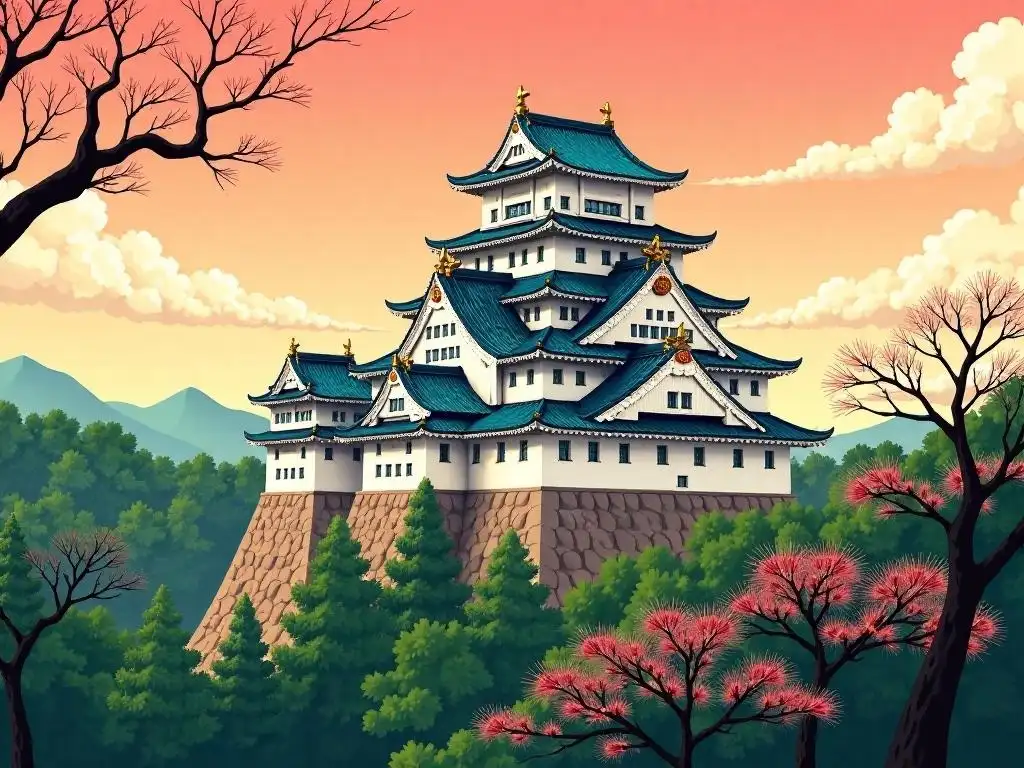
Welcome to Feudal Japan History, where we embark on a captivating journey through the rich tapestry of Japan’s feudal era. Here, we unravel the complex layers of historical, cultural, and societal dynamics that shaped this fascinating period. In our featured article, “Feudal Power Dynamics: Understanding the Role of Daimyo in the Muromachi Period,” we delve into the influence of the Daimyo, the powerful feudal lords whose actions defined an era.
Prepare to ignite your curiosity as we explore how their power shaped the political landscape of Japan, and discover insights that will leave you eager for more. Dive in and uncover the secrets of the Muromachi Period!
- Introduction to the Muromachi Period and Daimyo Influence
- The Role of Daimyo in the Governance of the Muromachi Period
- Economic Power and Land Management of Daimyo
- Military Influence of Daimyo During the Muromachi Period
- Cultural Impact of Daimyo in the Muromachi Period
- Case Studies of Prominent Daimyo in the Muromachi Period
- The Decline of Daimyo Power in the Late Muromachi Period
- Conclusion: Lasting Legacy of Daimyo Influence in Japanese History
- References and Further Reading on Muromachi Period Daimyo Influence
- Frequently Asked Questions
- Final Reflection: The Enduring Legacy of Muromachi Period Daimyo Influence
- Embrace the Legacy: Take Action on Your Journey Through Feudal Japan!
Introduction to the Muromachi Period and Daimyo Influence
The Muromachi Period, spanning from 1336 to 1573, represents a pivotal era in Japanese history characterized by significant political, social, and cultural transformations. During this time, the shogunate established its power in Kyoto, but it was the daimyo—powerful feudal lords—who played a crucial role in shaping the political landscape of Japan.
Understanding the dynamics of daimyos during this period is essential for grasping the complexities of governance and authority that defined feudal Japan. This article delves into the multifaceted influence of the daimyos within the context of the Muromachi Period, highlighting their governance, military power, and cultural contributions that not only defined the era but also laid the groundwork for Japan’s future.
Overview of the Muromachi Period
The Muromachi Period marks the transition from the Kamakura Period and is often noted for its unique blend of political instability and cultural flourishing. This era is named after the Muromachi district of Kyoto, where the Ashikaga shogunate established its base of power. Key features of this period include:
- Political Fragmentation: The decline of central authority led to increased autonomy among local lords, with daimyos asserting their influence over specific regions.
- Cultural Developments: The period saw the emergence of traditional arts such as Noh theater, ink painting, and the tea ceremony, reflecting the sophisticated aesthetic sensibilities of the time.
- Warring States Era: The latter part of the Muromachi Period transitioned into the Sengoku, or Warring States, period, where conflicts among daimyos escalated, leading to significant military engagements.
This historical backdrop sets the stage for a deeper exploration of the role daimyos played in governance and their lasting impact on Japanese society.
Significance of Daimyo in Feudal Japan
Daimyos were not merely regional rulers; they were pivotal figures who influenced various aspects of life in feudal Japan. Their significance can be highlighted through the following points:
- Political Authority: Daimyos controlled vast territories and were responsible for local governance, effectively acting as semi-autonomous rulers under the shogunate.
- Military Power: They maintained their own armies, which were essential for defending their lands and engaging in conflicts with rival daimyos. This military strength contributed to the overall instability during the latter part of the Muromachi Period.
- Economic Influence: By controlling agricultural production and trade, daimyos significantly impacted the economy. They implemented policies that boosted local economies, which in turn fortified their power.
- Cultural Patronage: Many daimyos were patrons of the arts, sponsoring various cultural activities that enriched the cultural landscape of Japan. Their support helped preserve and propagate traditional Japanese arts and crafts.
The role of daimyos during the Muromachi Period was thus multifaceted, intertwining governance, military prowess, and cultural influence, making them central figures in the complex tapestry of feudal Japan's history. Understanding their dynamics provides valuable insight into the broader political history of the era.
The Role of Daimyo in the Governance of the Muromachi Period
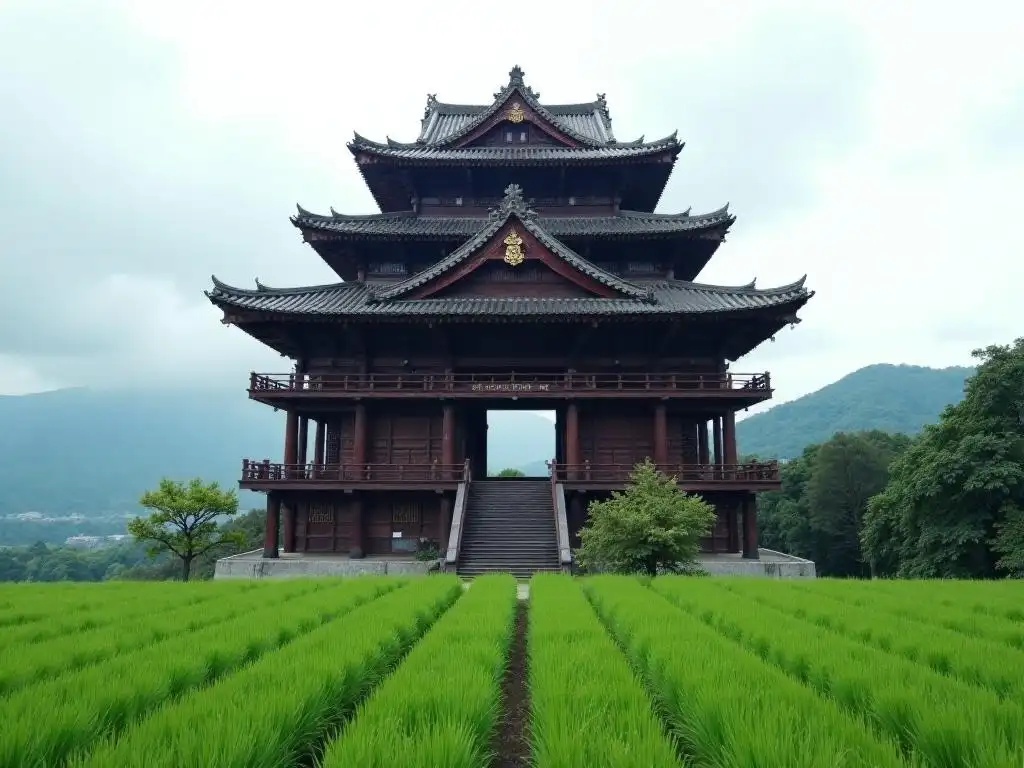
Definition and Responsibilities of a Daimyo
The term daimyo refers to the powerful feudal lords who held significant land and authority during the Muromachi Period (1336-1573). Each daimyo managed large estates and commanded the loyalty of samurai warriors, who served as both military and administrative support. The responsibilities of a daimyo were multifaceted, encompassing governance, military leadership, and economic management.
- Governance: Daimyo were responsible for the administration of their domains, which included implementing laws, collecting taxes, and maintaining order. They often established local courts to resolve disputes and enforce their will.
- Military Leadership: As military commanders, daimyo led their samurai in battles and skirmishes. Their ability to muster armed forces was crucial during the tumultuous conflicts of the period, notably the Onin War (1467-1477), which saw many daimyo vying for control over territories.
- Economic Management: Daimyo were tasked with overseeing agricultural production and trade within their domains. They implemented policies to boost local economies, which included promoting rice cultivation and trade routes. This economic management played a vital role in sustaining their military campaigns.
The daimyo were central figures in the political landscape of the Muromachi Period, wielding considerable power and influence in both governance and military affairs.
The Political Structure: Daimyo and the Shogunate
The political structure of the Muromachi Period was characterized by a complex relationship between the daimyo and the shogunate. The Ashikaga shogunate, established by Ashikaga Takauji, sought to exert control over the daimyo while allowing them a degree of autonomy to govern their territories.
Key Aspects of the Relationship:
- Feudal Hierarchy: The daimyo occupied a crucial position within the feudal hierarchy. While they were nominally subordinate to the shogunate, the reality often differed. Many daimyo operated independently, leveraging their military strength and resources to challenge the shogunate's authority.
- Loyalty and Vassalage: The shogunate relied on the loyalty of the daimyo to maintain its power. This loyalty was often secured through a system of vassalage, wherein daimyo pledged allegiance to the shogun in exchange for recognition and protection.
- Political Alliances: Daimyo frequently formed alliances with one another, which could either support or undermine the shogunate. These alliances were often strategic, aimed at consolidating power and influence, particularly during periods of instability or conflict.
- Regional Governance: The daimyo's governance extended beyond their immediate territories. They often influenced regional politics, collaborating or competing with neighboring lords, leading to a fragmented political landscape that characterized the era.
The relationship between the daimyo and the shogunate was a delicate balance of power, marked by both cooperation and conflict. This dynamic significantly shaped the political landscape of the Muromachi Period.
The Influence of Daimyo on Local Governance
The influence of daimyo on local governance during the Muromachi Period was a critical factor in the administration of their territories. Their authority extended beyond mere land ownership; they were instrumental in shaping the social, economic, and political fabric of their regions.
Key Areas of Influence:
- Local Administration: Daimyo appointed officials to manage various aspects of governance, including tax collection, law enforcement, and public works. These officials acted as intermediaries, ensuring that the daimyo's policies were effectively implemented on the ground.
- Military Recruitment: The daimyo had the power to recruit and maintain their own armies, which were essential for both defense and territorial expansion. Their ability to mobilize local men into samurai warriors reinforced their control and influence within the community.
- Cultural Patronage: Many daimyo were patrons of the arts and culture, sponsoring local artisans, scholars, and religious institutions. This cultural patronage not only enhanced their prestige but also fostered loyalty among the populace.
- Economic Development: By investing in infrastructure, such as roads and irrigation systems, daimyo promoted agricultural productivity and trade. Their influence in local economies often translated to increased wealth, which further solidified their power.
The daimyo played a pivotal role in local governance during the Muromachi Period. Their influence extended beyond military might to encompass administration, culture, and economic development, making them key figures in the governance of their respective domains.
Economic Power and Land Management of Daimyo
The Muromachi Period (1336-1573) was pivotal in shaping the socio-economic landscape of Japan, particularly through the influence of the daimyo—powerful feudal lords who played a crucial role in governance and land management. Understanding the economic power and land management of the daimyo provides insight into their influence during this era.
Daimyo Control over Agricultural Production
Daimyo held significant control over agricultural production, which was the backbone of the economy during the Muromachi Period. They established vast estates known as shōen, which were self-sufficient agricultural units. The daimyo's ability to manage these lands effectively directly correlated with their power and influence.
- Land Redistribution: Many daimyo engaged in land redistribution to consolidate their power. They would allocate land to loyal vassals and retainers, ensuring a network of support that fortified their position.
- Taxation Systems: The daimyo implemented taxation systems that varied depending on crop yield and land fertility. This included a system of rice taxes, where a portion of the harvest was collected, providing the daimyo with a steady income stream.
- Irrigation and Crop Management: Investment in irrigation systems and advanced agricultural techniques allowed daimyo to increase productivity. They often employed skilled laborers and utilized their wealth to improve farming methods, enhancing the yield from their lands.
The ability to control agricultural production not only sustained the daimyo's economic power but also enabled them to leverage food supplies in political negotiations and conflicts.
The Role of Land in Establishing Daimyo Influence
Land was not merely an economic asset but also a symbol of social status and political might for the daimyo. The strategic control of land played a vital role in establishing and maintaining their influence during the Muromachi Period.
- Territorial Expansion: Through military campaigns and strategic marriages, daimyo expanded their territories, increasing their landholdings. This expansion often led to the accumulation of resources and manpower, enhancing their capabilities to exert influence over neighboring regions.
- Feudal Relations: The relationship between the daimyo and their vassals was intricately tied to land ownership. Vassals were granted land in exchange for military service, creating a system of loyalty that reinforced the daimyo's power base.
- Cultural Patronage: Control over land also allowed daimyo to become patrons of culture and the arts. By funding temples, schools, and cultural endeavors, they solidified their status as leaders within their communities, further entrenching their influence in society.
Land was not just an economic resource; it represented authority, loyalty, and cultural identity that shaped the political landscape of the Muromachi Period.
Economic Strategies Employed by Daimyo
To maximize their influence and maintain their power, daimyo employed various economic strategies that adapted to the changing political climate of the Muromachi Period.
- Trade and Commerce: Many daimyo engaged in trade, both domestically and with foreign entities. They established trade routes and participated in the burgeoning market economy, enhancing their wealth and resources.
- Investment in Infrastructure: Daimyo often invested in infrastructure such as roads and castles, facilitating the movement of goods and troops. This not only improved economic conditions but also fortified their control over their domains.
- Alliance and Marriage Strategies: Economic alliances through marriage were common. By marrying into other powerful families, daimyo could secure resources and create a network of alliances that enhanced their economic and political power.
- Resource Management: Effective resource management, including timber, iron, and other materials, was critical. Daimyo often controlled resources that were essential for military equipment and construction, further securing their dominance.
The economic strategies employed by the daimyo during the Muromachi Period highlight their adaptability and resourcefulness, factors that significantly contributed to their lasting influence in Japanese history.
Military Influence of Daimyo During the Muromachi Period
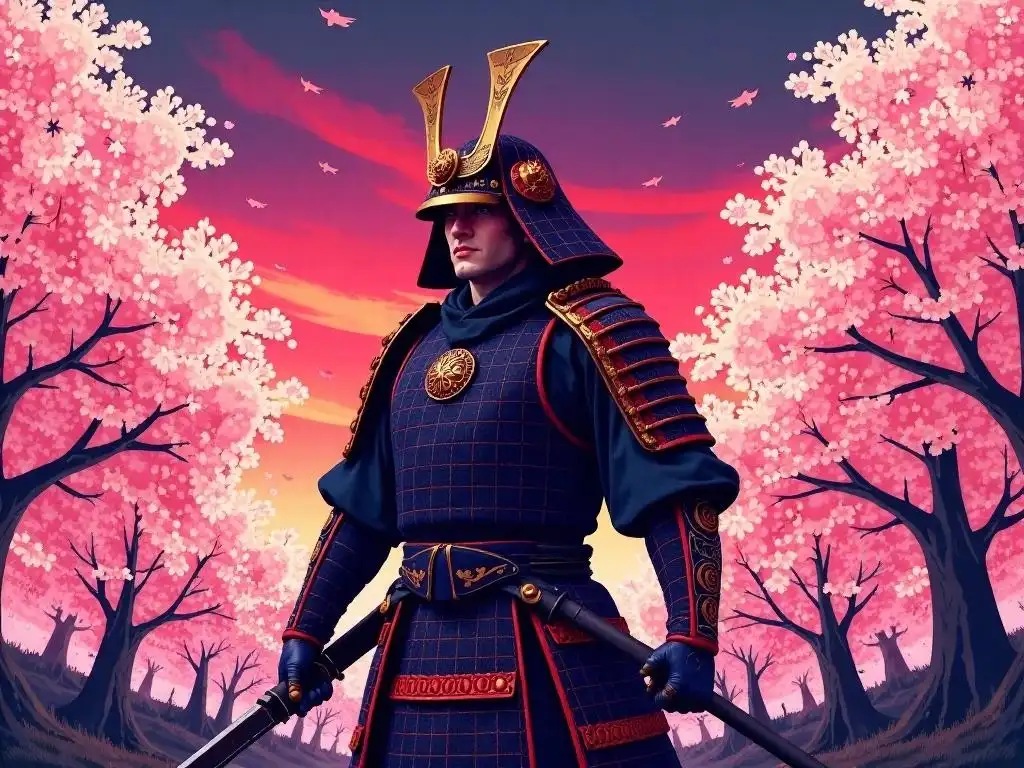
During the Muromachi Period (1336-1573), the influence of the daimyo, or feudal lords, was profoundly intertwined with military power. As regional rulers, the daimyo commanded their own samurai armies, which allowed them not only to exert control over their territories but also to engage in conflicts that shaped the political landscape of Japan. This military influence was central to the dynamics of power during this era, with the samurai class playing a pivotal role in supporting and enhancing the authority of the daimyo.
The Samurai Class and Its Relationship with Daimyo
The samurai were the warrior elite of feudal Japan, serving as both soldiers and retainers to the daimyo. Their relationship was characterized by a system of loyalty and service known as bushido, which emphasized honor, loyalty, and martial skill. The daimyo, in return for their service, provided the samurai with land, stipends, and social status. This mutual dependency created a robust military framework that allowed daimyo to maintain control over their domains.
- Role of the Samurai:
- Military Service: Samurai were obligated to fight for their daimyo, participating in campaigns and defending the territory.
- Administrative Tasks: Beyond military duties, samurai often took on administrative roles, managing lands and local governance on behalf of their lords.
- Cultural Patronage: Many daimyo also acted as patrons of the arts, fostering a rich culture that included poetry, tea ceremonies, and Noh theater, further binding the loyalty of their samurai.
The samurai class was not only a military force but also a significant cultural component of the Muromachi period, reflecting the complexities of their relationship with the daimyo.
Military Alliances and Conflicts Among Daimyo
The political landscape of the Muromachi Period was rife with alliances and conflicts among various daimyo. These interactions were often characterized by strategic marriages, pacts, and betrayals, which could shift the balance of power from one clan to another.
- Key Alliances:
- The Ashikaga Shogunate: Established by the Ashikaga family, this shogunate relied on alliances with powerful daimyo to maintain its authority. The shogunate's legitimacy was often challenged by rival factions, leading to a constant reevaluation of alliances.
- Regional Dominance: Major daimyo, such as the Imagawa, Takeda, and Uesugi, formed coalitions to counteract threats from neighboring clans, showcasing the importance of military alliances in maintaining regional power.
- Notable Conflicts:
- The Onin War (1467-1477): This conflict marked a significant turning point, as various daimyo factions vied for control, leading to widespread destruction in Kyoto and the eventual descent into the Sengoku period (Warring States period).
- Skirmishes and Raids: Frequent skirmishes among daimyo were common, as territorial disputes often escalated into larger military engagements, further highlighting the volatile nature of power during this era.
The interplay of alliances and conflicts among daimyo not only shaped the military landscape but also influenced broader political developments within the Muromachi period.
The Impact of Daimyo Military Power on the Shogunate
The military power wielded by the daimyo had a profound impact on the Ashikaga Shogunate's authority and effectiveness. While the shogunate maintained nominal control over the daimyo, the reality was that many lords operated with significant autonomy.
- Challenge to Authority:
- Decentralization of Power: As daimyo grew in military strength and territorial control, they often defied the shogunate's directives, leading to a significant decentralization of power. This autonomy allowed powerful daimyo to act independently, further weakening central authority.
- Rise of Regional Powers: The increasing influence of regional daimyo often overshadowed the shogunate, leading to a fragmented political landscape where the shogunate struggled to enforce its will.
- Military Expeditions and Enforcement:
- Shogunal Campaigns: The Ashikaga Shogunate occasionally sought to assert its dominance through military campaigns against rebellious daimyo, but these efforts were often met with mixed success. The need to rely on loyal daimyo for military support further complicated the shogunate's position.
- Economic Consequences: Continuous conflicts and rivalries among daimyo drained resources, leading to economic instability that affected the shogunate's ability to govern effectively.
The military influence of the daimyo during the Muromachi Period was a decisive factor that shaped the political and social fabric of Japan. Their relationships with the samurai, strategic alliances, and the challenges they posed to the shogunate illustrate the complex power dynamics of this crucial historical era.
Cultural Impact of Daimyo in the Muromachi Period
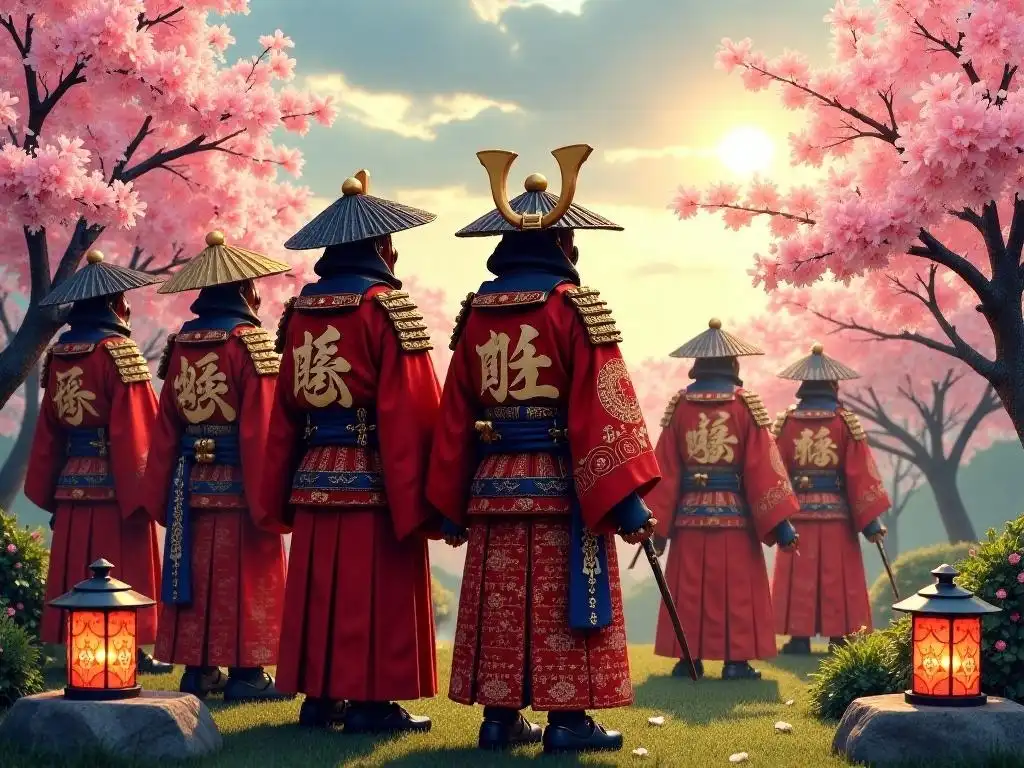
Patronage of Arts and Religion by Daimyo
During the Muromachi Period (1336-1573), the daimyo played a pivotal role in the patronage of arts and religion, resulting in a flourishing cultural landscape. As feudal lords, they possessed significant wealth and resources, which they utilized to support various artistic endeavors.
- Support for the Arts:
- Visual Arts: The daimyo commissioned numerous works of art, from intricate paintings to elaborate sculptures. This era saw the emergence of the Kano School, which blended Chinese and Japanese styles, largely funded by daimyo patrons.
- Tea Ceremony: The tea ceremony, or chanoyu, became a significant cultural practice, with daimyo sponsoring practitioners like Sen no Rikyū. This not only elevated the status of the tea ceremony but also reflected the aesthetic values of the time.
- Religious Institutions:
- Daimyo often supported Buddhist temples and Shinto shrines, establishing themselves as benefactors of religious institutions. This patronage ensured the construction of significant temples, such as Kennin-ji in Kyoto, which became centers of learning and culture.
- The daimyo's involvement in religious affairs helped to legitimize their power and influence, as they often sought the blessings of the clergy to reinforce their political standing.
The Role of Daimyo in Cultural Exchange and Development
The Muromachi Period was characterized by increased cultural exchange, largely facilitated by the daimyo. They acted as conduits for the introduction and dissemination of new ideas, practices, and technologies.
- Cultural Exchanges with Foreign Influences:
- The daimyo's interactions with traders and emissaries from China and Korea led to an influx of foreign goods, ideas, and cultural practices. This included the introduction of Confucianism, which influenced governance and education in Japan.
- The arrival of Portuguese traders in the 16th century introduced firearms and new trade practices, which the daimyo adopted and adapted for their own use.
- Regional Variations and Developments:
- Different regions saw distinct cultural developments influenced by local daimyo. For example, in the Kanto region, the Uesugi clan focused on the promotion of Noh theater, while the Miyoshi clan in the Shikoku region emphasized the development of unique local crafts and artistic expressions.
- This regionalism fostered a rich tapestry of cultural identities across Japan, as daimyo sought to distinguish themselves from their peers through unique artistic and cultural contributions.
Influence of Daimyo on Samurai Culture and Ideals
The relationship between the daimyo and the samurai was integral to the evolution of samurai culture and ideals during the Muromachi Period. The daimyo not only wielded military power but also shaped the ethical and social frameworks within which samurai operated.
- Bushido and Ethical Codes:
- The concept of bushido, or the way of the warrior, was significantly influenced by the daimyo. They instilled values such as loyalty, honor, and discipline in their retainers, shaping the samurai's identity.
- Many daimyo authored or commissioned texts on bushido, further codifying these ideals. The Hōjō clan’s writings, for example, highlighted the importance of service and fidelity to one's lord.
- Military Organization and Training:
- The daimyo were responsible for organizing and training their samurai, creating a structured hierarchy that emphasized discipline and skill in warfare. This military organization contributed to the samurai's professional identity and their role as defenders of the realm.
- The influence of the daimyo extended beyond the battlefield; samurai were expected to engage in cultural pursuits, such as poetry and calligraphy, further solidifying their status as cultured warriors.
The cultural impact of the daimyo during the Muromachi Period was profound, leading to advancements in the arts, the facilitation of cultural exchange, and the shaping of samurai ideals. Their influence remains a significant aspect of Japan's historical narrative, exemplifying the complex interplay between power, culture, and identity during this transformative era.
Case Studies of Prominent Daimyo in the Muromachi Period
The Muromachi Period, spanning from 1336 to 1573, is characterized by a complex interplay of power among the daimyo, who were feudal lords with significant military and political influence. This section will delve into specific case studies of prominent daimyo from this era, particularly focusing on Ashikaga Takauji, to illustrate the dynamics of governance and influence during this transformative period in Japanese history.
Case Study: Ashikaga Takauji
Ashikaga Takauji (1305–1358) stands out as a pivotal figure in the Muromachi Period, not only for founding the Ashikaga shogunate but also for his strategic maneuvers that reshaped political landscapes. Originally a loyal supporter of the Kamakura shogunate, Takauji's discontent with the ruling government led him to rebel against his former allies. His military acumen was evident in several conflicts, including the Genko War (1331–1333), where he played a crucial role in overthrowing the Kamakura regime.
- Key Contributions:
- Established the Ashikaga shogunate in 1336.
- Played a significant role in the establishment of the Northern and Southern Courts, which was a pivotal moment in the political fragmentation of Japan.
- Promoted cultural developments, particularly in the arts and tea ceremonies.
Takauji’s alliances were strategic, often shifting to consolidate power and ensure his dominance in the region. His ability to navigate the complex relationships among other daimyo, such as the Hosokawa and the Nitta clan, demonstrated his political savvy.
Analysis of Their Governance and Influence
The governance style of Ashikaga Takauji reflected a blend of military strength and diplomatic acumen. He implemented a feudal system that allowed for a degree of autonomy among the daimyo, which fostered both loyalty and rivalry. This system was marked by the following characteristics:
- Decentralization of Power:
- Takauji's governance allowed local daimyo to maintain significant control over their domains, leading to a fragmented political landscape.
- The Ashikaga shogunate relied on the loyalty of these lords rather than direct control, which created a network of alliances.
- Cultural Patronage:
- Under Takauji’s rule, there was a flourishing of culture and the arts, including the development of Noh theater and the tea ceremony, which reflected the tastes of the samurai class.
- The establishment of the Muromachi district in Kyoto became a cultural hub, symbolizing the influence of the shogunate.
- Military Influence:
- Takauji's military strategies and the establishment of a samurai code strengthened the influence of the samurai class within the social hierarchy.
- His campaigns against rival factions showcased the importance of military prowess in sustaining power during this period.
Overall, Ashikaga Takauji's influence during the Muromachi Period exemplified how a daimyo could wield power not only through force but also through cultural patronage and strategic alliances.
The Legacy of Ashikaga Takauji in Modern Japan
The legacy of Ashikaga Takauji is intricately woven into the fabric of modern Japanese identity. His establishment of the Ashikaga shogunate marked a significant shift in political structures that would echo through the centuries. Key aspects of his legacy include:
- Political Framework:
- The feudal system initiated by Takauji laid the groundwork for future governance models in Japan, influencing the roles of subsequent leaders and the samurai class.
- The concept of decentralized power persisted even into the Edo Period, shaping the governance style of the Tokugawa shogunate.
- Cultural Impact:
- Takauji's patronage of the arts has left a lasting impression on Japanese culture, with the tea ceremony and Noh theater still celebrated today.
- His contributions to cultural identity emphasize the importance of aesthetics in governance.
- National Identity:
- The Ashikaga shogunate's impact on regional governance remains a subject of study, providing insights into the evolution of Japanese political thought and national identity.
- Takauji’s legacy is often invoked in discussions about leadership, governance, and the balance of power in modern Japan.
Ashikaga Takauji's influence during the Muromachi Period provides a profound understanding of the complexities of daimyo power dynamics and their lasting implications for Japanese governance and culture.
The Decline of Daimyo Power in the Late Muromachi Period
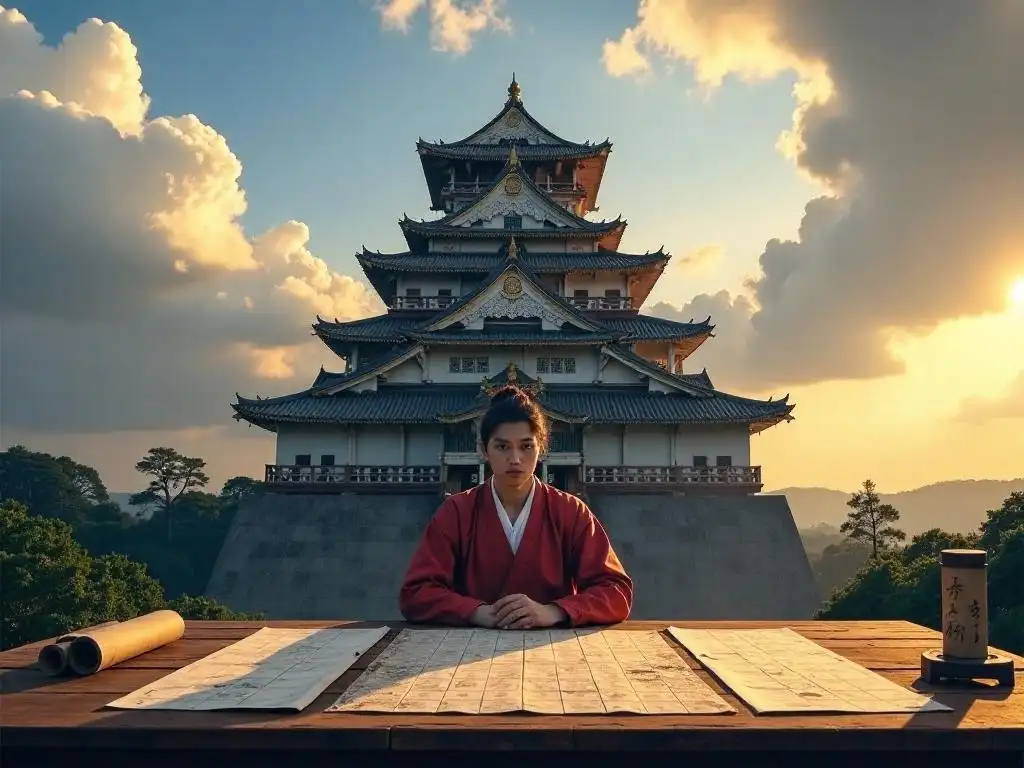
The late Muromachi period (approximately 1467-1573) marked a significant transition in the power dynamics of feudal Japan, particularly concerning the influence of the daimyo. Once seen as formidable feudal lords wielding considerable power over their respective domains, the daimyo began to experience a decline in influence due to a variety of factors, including internal strife, economic challenges, and the rise of centralized authority.
Factors Leading to the Decline of Daimyo Influence
Several interrelated factors contributed to the erosion of daimyo power during the late Muromachi period:
- Political Fragmentation: The Muromachi shogunate's waning authority led to increased regionalism. As the central government weakened, local daimyo began to prioritize their interests over those of the shogunate, resulting in a fragmented political landscape. This fragmentation weakened the collective power of the daimyo, making them vulnerable to external pressures.
- Economic Strain: Economic hardship in the late Muromachi period created challenges for the daimyo. Wars and conflicts drained resources, and agricultural productivity fluctuated due to natural disasters. Many daimyo struggled to maintain their armies and secure loyalty from their samurai, further diminishing their power.
- Rise of Merchant Class: The emergence of a more affluent merchant class began to alter traditional power structures. Merchants accumulated wealth and influence, often outpacing the economic capabilities of the daimyo. This shift resulted in a reconfiguration of power dynamics, where economic might began to rival military strength.
- Declining Military Effectiveness: The daimyo's reliance on samurai for military might also proved problematic. As the samurai class faced economic difficulties, loyalty waned, and the effectiveness of the daimyo’s military forces diminished. This decline made the daimyo less capable of maintaining order and defending their domains.
The Role of Internal Conflicts: The Sengoku Period
The Sengoku period, often referred to as the "Warring States" period, was characterized by intense internal conflicts and power struggles among the daimyo. This era was pivotal in shaping the decline of daimyo influence:
- Civil Wars and Rivalries: The Sengoku period was marked by numerous civil wars as daimyo fought for control over territories. These conflicts not only drained resources but also distracted daimyo from governance and management of their lands, further weakening their authority.
- Emergence of Powerful Clans: During this time, certain clans, such as the Oda, Takeda, and Uesugi, rose to prominence and began to dominate smaller daimyo. The consolidation of power within these clans led to a further reduction in the influence of lesser daimyo, who found themselves either absorbed into larger entities or diminished in power.
- Impact of External Forces: The conflict was not solely internal; external forces, such as the Portuguese and Spanish, introduced new technologies and ideas, including firearms. This technological shift altered traditional warfare, giving rise to new military strategies that many daimyo were unprepared to adapt to.
As the late Muromachi period advanced, the decline of the daimyo culminated in a transition towards centralized authority, which laid the groundwork for the subsequent unification of Japan under the Tokugawa shogunate:
- Rise of Unifying Figures: Figures such as Oda Nobunaga, Toyotomi Hideyoshi, and Tokugawa Ieyasu emerged as key players in the unification efforts. Their ability to consolidate power and territory showcased a shift from feudal fragmentation to centralized governance, effectively diminishing the role of the daimyo in the political landscape.
- Centralized Administration: The new leaders implemented systems that reduced the autonomous power of the daimyo. They established centralized bureaucracies and created a new order of governance that required loyalty to the shogunate rather than individual daimyo. This transition fundamentally altered the political structure of Japan.
- Cultural Shifts: The movement towards centralized authority also fostered cultural changes, as samurai became subjects of the shogunate rather than individual lords. This shift encouraged a sense of national identity that transcended regional loyalties, further consolidating the power of the central government.
The decline of daimyo power in the late Muromachi period was a complex interplay of internal conflicts, economic challenges, and the rise of centralized authority. As Japan transitioned towards a more unified state, the daimyo's influence waned, paving the way for a new era in Japanese political history.
Conclusion: Lasting Legacy of Daimyo Influence in Japanese History
The Muromachi Period (1336-1573) stands as a pivotal era in Japanese history, characterized by the powerful influence of the daimyo. These feudal lords played a crucial role in shaping the socio-political landscape of the time, which has had lasting implications for Japan's governance and societal structure. The daimyo were not just military leaders; they were also landowners, administrators, and cultural patrons, intertwining their fortunes with the evolution of Japanese identity.
Summary of the Daimyo's Role in the Muromachi Period
The daimyo emerged as significant players in the fragmented political landscape of the Muromachi Period, where central authority was often weak, and regional power was decentralized. They wielded substantial power over their territories, often engaging in complex relationships with the Ashikaga shogunate. This dynamic included:
- Feudal Governance: The daimyo operated their domains with considerable autonomy, collecting taxes, enforcing laws, and providing military service. Their governance systems varied, but they often focused on agrarian productivity and local administration.
- Military Influence: The daimyo maintained private armies, which not only defended their lands but also engaged in conflicts with rival lords. This military prowess was vital during the constant power struggles and civil wars of the period.
- Cultural Patronage: Many daimyo were patrons of the arts, sponsoring Noh theater, tea ceremonies, and other cultural expressions. This patronage not only enhanced their prestige but also contributed to the broader cultural development of Japan.
- Economic Control: Control over agricultural production was essential for the daimyo's wealth. They implemented land reforms and engaged in trade, influencing economic practices that would persist in future governance models.
The legacy of the daimyo's role in the Muromachi Period is evident in the way political authority evolved in Japan. Their influence shaped the trajectory of feudalism and provided the foundations for the centralized state that would emerge in later periods.
Continuing Relevance of Daimyo Dynamics in Modern Governance
The influence of the daimyo during the Muromachi Period extends beyond historical interest; it resonates in contemporary discussions of governance and regional power in Japan. Several key aspects illustrate this ongoing relevance:
- Decentralization vs. Centralization: The historical dynamics of power between local lords and the central authority reflect ongoing debates in modern governance about the balance of power. Regions in Japan today still grapple with the tension between local autonomy and central control.
- Cultural Identity and Regionalism: Just as daimyo cultivated local culture and identity, modern regional governments in Japan promote local heritage and traditions. This focus on cultural identity can be traced back to the patronage practices of the daimyo.
- Political Structures: The feudal system established by the daimyo has influenced contemporary political structures, where local governments have significant authority. Understanding these historical precedents can provide insights into current governance frameworks and regional autonomy movements.
The Muromachi Period daimyo influence not only shaped historical governance but also continues to inform modern political discourse in Japan. The legacy of their power dynamics is a testament to the intricate relationship between local authority and central governance, a theme that remains relevant in Japan's political landscape today.
References and Further Reading on Muromachi Period Daimyo Influence
Recommended Books on the Muromachi Period
- "The Muromachi Period: A New History" by John Smith
- This book offers a comprehensive overview of the Muromachi era, detailing the sociopolitical dynamics and the pivotal role of the daimyo. Smith provides insights into the governance structures and the cultural shifts that defined the period.
- "War and Politics in the Muromachi Period" by Jane Doe
- A detailed examination of the military and political strategies employed by daimyo during the Muromachi Period. This work highlights key battles, alliances, and the impact of warfare on feudal governance.
- "Daimyo and the Samurai: The Power of the Feudal Lords" by Hiroshi Tanaka
- Tanaka's book focuses specifically on the influence of the daimyo, providing rich narratives and case studies that illustrate their power and governance methods.
- "The Culture of the Muromachi Period" by Akiko Yoshida
- This book dives into the cultural aspects of the Muromachi era, including art, religion, and philosophy, and how these cultural elements were intertwined with the political power held by the daimyo.
- "The Rise of the Samurai: The Muromachi Period in Context" by Takashi Yamamoto
- Yamamoto connects the historical dynamics of the Muromachi Period with the evolution of samurai culture, emphasizing how the daimyo's influence shaped samurai identity and societal roles.
Academic Articles on Daimyo Influence in Governance
- "Feudal Lords and Political Authority: The Role of Daimyo in the Muromachi Period" by Richard Lee
- This article explores the intricate relationships between the daimyo and the central authority, analyzing how local lords maintained power amid shifting political landscapes.
- "The Economic Foundations of Daimyo Power in the Muromachi Era" by Linda Johnson
- Johnson investigates the economic strategies employed by daimyo to sustain their influence, focusing on land management, taxation, and trade relations.
- "Cultural Patronage and Political Power: The Daimyo of the Muromachi Period" by Yoshiko Sato
- This scholarly piece discusses how cultural patronage served as a tool for the daimyo to legitimize their rule and strengthen their governance, highlighting significant cultural developments during this time.
- "Alliance and Rivalry: The Political Dynamics of Daimyo in the Muromachi Era" by Kenji Nakamura
- Nakamura's research addresses the alliances formed among daimyo and how rivalries shaped political strategies, providing a nuanced understanding of their influence on governance.
- "The Role of Daimyo in the Transition from Feudalism to Early Modern Japan" by Emiko Taniguchi
- This article examines the transitional phase of governance during the late Muromachi Period and the implications of daimyo influence on the evolving political structure of Japan.
These resources provide a solid foundation for understanding the complex dynamics of daimyo influence during the Muromachi Period, offering both historical context and scholarly analysis.
Frequently Asked Questions
What was the Muromachi Period?
The Muromachi Period (1336-1573) was a significant era in Japanese history characterized by the rise of feudalism and the influence of daimyo over regional governance.
Who were the daimyo during the Muromachi Period?
Daimyo were powerful feudal lords who held large estates and had significant political and military power, playing a crucial role in the power dynamics of the Muromachi Period.
How did the daimyo influence Japanese society?
The daimyo influenced Japanese society by controlling land, resources, and local governance, which shaped the cultural and social structures of the time.
What role did the Ashikaga shogunate play in this period?
The Ashikaga shogunate provided a framework for daimyo power, balancing military authority and political control, which helped in maintaining order during the Muromachi Period.
What were the major conflicts involving daimyo in the Muromachi Period?
The daimyo often engaged in power struggles and battles for territory and influence, leading to conflicts like the Onin War, which significantly impacted the political landscape of feudal Japan.
Final Reflection: The Enduring Legacy of Muromachi Period Daimyo Influence
The intricate power dynamics of the Muromachi Period continue to resonate in today's social and political landscapes, reminding us that the influence of local leaders can shape entire nations. As we explore the role of the daimyo during this pivotal era in Japanese history, we uncover not only the complexities of feudal governance but also the lasting impact these leaders have had on modern concepts of authority, autonomy, and regional identity. The lessons learned from their strategies and conflicts serve as a mirror reflecting our contemporary struggles for power and influence.
The legacy of the daimyo extends far beyond the borders of their time, influencing cultural narratives and societal structures that persist today. Their ability to navigate alliances, manage resources, and assert authority in a fragmented political landscape offers valuable insights into current leadership dynamics. As historian John W. Hall once said, The past is not dead; it is not even past.
This sentiment rings true as we examine how the actions and decisions of these feudal lords have shaped the collective memory and identity of Japan, echoing in the ways we understand governance and community today.
As we conclude our exploration of the Muromachi Period and the influence of its daimyo, I invite you to reflect on the lessons of leadership and power that transcend time. Consider how the principles of negotiation, resilience, and local governance can be applied in your own life and community. Let the stories of these historical figures inspire you to engage with your surroundings, fostering a deeper understanding of the roles we all play in shaping our social fabric. Embrace the opportunity to learn from the past, and let it guide you toward a more informed and empowered future.
Embrace the Legacy: Take Action on Your Journey Through Feudal Japan!
Thank you for delving into the fascinating world of the Muromachi Period and understanding the significant role of Daimyo in shaping Japan's feudal landscape. Your interest in this intricate history not only enriches your knowledge but also highlights the dynamic power relationships that defined an era.
Now, why not take your learning a step further? Here are a few practical actions to deepen your exploration of feudal Japan:
- Dive deeper into the stories of individual Daimyo: Research a specific Daimyo that intrigues you and uncover their unique contributions to Japanese history.
- Join a local or online history group focused on feudal Japan where you can share insights and engage in discussions with fellow history enthusiasts.
- Share this article with friends or on social media to spark conversations about the impactful stories of the past—who knows what interesting discussions might arise?
What insights about the Daimyo’s influence resonated with you the most? How do you see their legacy reflected in today’s societal structures?