
The Tokugawa Shogunate and the Rise of the Merchant Class: A New Power Dynamic


Welcome to Feudal Japan History, where we delve into the intricate tapestry of Japan’s feudal era. In this exploration, we unravel the Tokugawa Shogunate merchant class dynamics, a pivotal chapter that transformed the socio-political landscape of the time. How did merchants, often seen as mere tradespeople, rise to a position of newfound influence?
Join us as we uncover the fascinating interplay of power, culture, and economics that shaped this remarkable period. Prepare to be intrigued, as the story of the merchant class is not just about trade—it's a compelling narrative of ambition, resilience, and change. Dive deeper into the article that awaits you and discover the layers of history that still resonate today.
The Tokugawa Shogunate, which ruled Japan from 1603 to 1868, represents a pivotal epoch in Japanese history characterized by a complex interplay of power, culture, and economic transformation. This era not only solidified the authority of the shogunate but also witnessed a remarkable rise in the influence of the merchant class, fundamentally altering the traditional social hierarchy.
As Japan transitioned into a more centralized feudal state, the dynamics between the ruling samurai class and the burgeoning merchant class began to shift dramatically. This article delves into the intricate relationship between the Tokugawa Shogunate and the merchant class, exploring how this new power dynamic reshaped society and contributed to the eventual modernization of Japan.
Historical Context of the Tokugawa Shogunate
The Tokugawa Shogunate was established by Tokugawa Ieyasu after his victory in the Battle of Sekigahara in 1600. This marked the beginning of a long period of peace and stability known as the Edo period. The shogunate implemented a strict caste system that placed the samurai at the top, followed by farmers, artisans, and merchants. However, this rigid structure was soon challenged by the economic and social developments of the time.
Emergence of the Merchant Class
As Japan experienced relative peace, commerce flourished. Cities grew in size and importance, and the merchant class began to accumulate wealth. This rise was facilitated by various factors, including:
- Increased trade: The establishment of trade routes and markets allowed merchants to thrive.
- Urbanization: The growth of cities provided merchants with larger customer bases.
- Cultural exchange: Interaction with foreign countries and internal cultural developments expanded the merchants' influence.
Shifts in Power Dynamics
The growing wealth of merchants led to significant shifts in power dynamics within Japanese society. Traditionally, the samurai held military and political power, but as merchants gained economic influence, they began to play a more prominent role in local and national affairs. Some key points include:
- Economic power: Wealthy merchants often became patrons of the arts and culture, influencing social norms.
- Political involvement: Merchants started to engage in politics, sometimes allying with the samurai class to increase their influence.
- Social mobility: The rigid caste system began to show signs of flexibility, allowing some merchants to attain higher social status.
Conclusion
The Tokugawa Shogunate’s era was marked by a significant transformation in Japan's socio-political landscape. As the merchant class rose to prominence, they not only challenged the traditional hierarchies but also played a crucial role in shaping the economy and culture of Edo-period Japan. This interaction between the ruling powers and the emerging economic class set the stage for Japan's eventual modernization and the decline of the feudal system. The following sections will explore these dynamics in greater detail, shedding light on the implications of this remarkable historical transformation.
- Historical Context of the Tokugawa Shogunate
- Emergence of the Merchant Class
- Shifts in Power Dynamics
- Conclusion
Introduction to the Tokugawa Shogunate

The Tokugawa Shogunate, lasting from 1603 to 1868, marked a pivotal era in Japanese history, characterized by significant political, social, and economic changes. Established by Tokugawa Ieyasu after his victory at the Battle of Sekigahara, this shogunate ushered in a time of relative peace known as the Edo period. During this time, Japan experienced a unique power dynamic that not only solidified the feudal structure but also set the stage for the emergence of a prosperous merchant class.
Overview of the Tokugawa Shogunate Period
The Tokugawa Shogunate was characterized by a centralized feudal system where the shogun held supreme military power while the emperor remained a symbolic figurehead. The governance was marked by strict social hierarchies and the enforcement of the Sankin-kōtai system, which required feudal lords (daimyōs) to alternate their residence between their domains and Edo (modern-day Tokyo). This system not only secured loyalty but also helped stimulate economic activities in urban centers.
Key Features of the Tokugawa Shogunate:
- Political Centralization: The shogunate consolidated power, reducing the influence of the daimyōs and samurai class.
- Isolationist Policies: The Sakoku policy limited foreign trade and interactions, allowing Japan to develop its economy independently.
- Cultural Flourishing: The era witnessed the growth of arts, literature, and the rise of popular culture, notably through kabuki and ukiyo-e.
The Tokugawa period is often viewed as a time of stability, yet it laid the groundwork for the transformation of Japan's social structure, particularly with the rise of the merchant class, which would challenge the traditional power dynamics established by the samurai.
Significance of the Tokugawa Era in Japanese History
The Tokugawa era is critical in understanding the evolution of modern Japan. It was during this period that Japan transitioned from a fragmented feudal society to a more cohesive national identity. The shogunate's policies fostered economic growth, urbanization, and the rise of a new class of wealthy merchants, which significantly altered the societal landscape.
Major Impacts of the Tokugawa Shogunate:
- Economic Transformation: The growth of commerce and trade led to the development of a vibrant market economy. Cities like Edo, Osaka, and Kyoto became economic hubs.
- Cultural Development: This period saw the emergence of unique Japanese cultural practices, including the tea ceremony and flower arranging, contributing to Japan's rich cultural heritage.
- Social Mobility: Although the society was still hierarchical, the rising wealth of the merchant class began to challenge the traditional dominance of the samurai, leading to shifts in social dynamics.
The Tokugawa Shogunate's emphasis on stability and order fundamentally shaped Japan's trajectory, setting the stage for the eventual modernization and industrialization of the nation in the late 19th century.
In contrast to previous eras dominated by the samurai class, the Tokugawa period marked the rise of a new social structure, particularly with the emergence of the merchant class, known as chōnin. This class not only gained wealth but also began to wield significant influence in society and politics, challenging the established social order.
Factors Contributing to the Rise of the Merchant Class:
- Economic Growth: The flourishing of trade and the establishment of a network of roads facilitated commerce, leading to increased wealth among merchants.
- Urbanization: As cities grew, the demand for goods and services expanded, allowing merchants to thrive and accumulate capital.
- Cultural Influence: Wealthy merchants became patrons of the arts, contributing to cultural developments and influencing societal norms.
Social Structure of Tokugawa Japan:
- Samurai: The warrior class, initially at the top of the social hierarchy, faced pressure as merchants gained wealth.
- Farmers: Considered essential for food production, their status was often superior to that of merchants, although their economic conditions varied.
- Merchants (Chōnin): Their rise in wealth allowed them to gain social influence, leading to the questioning of the traditional samurai dominance.
The dynamics between these classes during the Tokugawa Shogunate laid the groundwork for the eventual societal transformations that would occur in the Meiji Restoration, as the merchant class increasingly sought political power and influence, reshaping Japan's future.
The Merchant Class in Feudal Japan

Definition and Role of the Merchant Class
The merchant class in feudal Japan, particularly during the Tokugawa Shogunate (1603-1868), played a pivotal role in the economic landscape of the era. Unlike the samurai, who were warriors bound by a strict code of honor and loyalty, or the peasantry, who were primarily farmers, merchants were primarily focused on trade and commerce.
Key Characteristics of the Merchant Class:
- Economic Function: Merchants facilitated the exchange of goods, both locally and internationally, contributing to the growth of cities and urban culture.
- Social Status: Despite their economic power, merchants were often looked down upon by the samurai class, which viewed them as socially inferior. This resulted in a complex dynamic where wealth did not always translate to social power.
- Community Role: Merchants played essential roles in their communities, not only as providers of goods but also as lenders and investors, thereby influencing local economies.
The merchant class began to gain prominence during the Edo period, as the Tokugawa Shogunate implemented policies that favored economic stability and growth. This shift allowed merchants to accumulate significant wealth and power, thereby altering the traditional social hierarchy.
Comparison of the Merchant Class with Samurai and Peasantry
In feudal Japan, the social structure was typically characterized by a strict hierarchy, often summarized in the phrase "shi-no-ko-sho," which translates to "warriors, farmers, artisans, and merchants."
Social Hierarchy:
- Samurai (Shi): At the top of the social ladder, samurai were the ruling military class, serving the shogunate and maintaining order. Their income was derived from land ownership and stipends from their lords.
- Peasantry (No): Farmers occupied the next tier, responsible for agricultural production. They were essential for sustaining the population but were heavily taxed and often impoverished.
- Artisans (Ko): Skilled laborers who produced goods and crafts, artisans were respected for their craft but had limited influence compared to the samurai and merchants.
- Merchants (Sho): Although merchants were at the bottom of the traditional hierarchy, their wealth grew significantly during the Tokugawa period, leading to a shift in power dynamics.
| Class | Role | Social Status | Economic Power |
|---|---|---|---|
| Samurai | Military and governance | High | Moderate |
| Peasantry | Agriculture | Low | Limited |
| Artisans | Craftsmanship | Moderate | Moderate |
| Merchants | Trade and commerce | Low but rising | High |
The rise of the merchant class challenged the traditional social order, as wealth began to dictate power rather than birthright. This created tension between the samurai and merchants, particularly as merchants began to finance samurai through loans and trade partnerships.
The Rise of Commerce and Trade in Tokugawa Japan
The Tokugawa Shogunate introduced policies that significantly boosted commerce and trade, leading to the flourishing of the merchant class.
Factors Contributing to the Rise of Commerce:
- Peace and Stability: The long period of peace known as the Pax Tokugawa allowed for economic growth, as banditry and warfare decreased.
- Infrastructure Development: The Tokugawa government invested in infrastructure, such as roads and waterways, improving transportation and communication between regions.
- Urbanization: Cities like Edo (now Tokyo), Osaka, and Kyoto became commercial hubs, attracting merchants and artisans, and fostering a vibrant urban culture.
- Market Regulation: The shogunate implemented regulations that controlled trade practices, leading to the emergence of merchant guilds. These guilds helped standardize practices and protect the interests of merchants.
As a result of these factors, the merchant class not only expanded its economic influence but also began to shape cultural trends, with the rise of consumerism and the popularization of arts and entertainment, such as ukiyo-e (woodblock prints) and kabuki theater. This transformation marked a significant shift in the power dynamics of feudal Japan, as the merchant class began to assert its influence in society and politics.
The Tokugawa Shogunate merchant class dynamics illustrate a complex interplay between economic power and social status, leading to profound changes in Japan's feudal society.
Economic Transformations Under the Tokugawa Shogunate
The Tokugawa Shogunate, which ruled Japan from 1603 to 1868, was a period marked by significant economic transformations that laid the groundwork for the rise of the merchant class. This era witnessed a shift from a primarily agrarian economy to one that increasingly valued commerce and trade. The changes initiated during this time not only altered the socio-economic landscape of Japan but also contributed to a new power dynamic where merchants began to gain influence and status.
Agricultural Developments and Their Impact on Society
Agriculture during the Tokugawa period underwent notable advancements, primarily due to improved farming techniques and the introduction of new crops. The adoption of crop rotation and the use of fertilizers increased rice production, which was the backbone of the feudal economy. Additionally, the cultivation of cash crops such as cotton and indigo became more prevalent, enhancing local economies.
- Increased Productivity: The introduction of new farming tools and methods, such as the use of the kankō plow, led to higher yields. This surplus not only provided food security but allowed for the exchange of goods in burgeoning markets.
- Land Ownership Changes: The feudal system began to shift as land was increasingly concentrated in the hands of wealthier farmers, known as daimyo. This shift fostered a class of wealthy landowners who began to invest in commercial activities, linking agriculture with the merchant class.
The improved agricultural output had a ripple effect on society. With more food available, the population began to grow, leading to increased labor forces in urban areas. The rise of prosperous villages contributed to the emergence of a market-oriented economy, where the merchant class could thrive.
Growth of Urban Centers and Marketplaces
The Tokugawa era saw a dramatic increase in urbanization, with major cities like Edo (modern-day Tokyo), Osaka, and Kyoto becoming vibrant centers of trade and commerce. This urban growth was fueled by several key factors:
- Infrastructure Development: The Tokugawa government invested in roads and waterways to facilitate trade. The construction of the Tokaido Road connected major cities and improved the movement of goods, allowing merchants to establish networks.
- Marketplaces: Towns began to develop marketplaces where goods could be exchanged. These markets were not only places for commerce but also cultural hubs where ideas and innovations flowed.
The rise of urban centers created a new social dynamic. As cities grew, the merchant class began to wield significant economic power. They became essential players in local economies, providing goods and services that supported the burgeoning urban populations. This shift in population dynamics and economic power was instrumental in changing the traditional feudal hierarchies.
Influence of the Edo Period on Merchant Activities
The Edo period was crucial in shaping the merchant class's activities and status in Japanese society. Several factors contributed to this evolution:
- Cultural Flourishing: The era was characterized by a cultural renaissance, which included the development of arts such as kabuki and ukiyo-e. Merchants, who often financed these cultural pursuits, gained prestige through their patronage.
- Formation of Guilds: The emergence of merchant guilds facilitated organized trade practices. These guilds regulated prices, ensured quality control, and provided a support system for merchants, allowing them to operate effectively in a competitive market.
Despite the Tokugawa Shogunate's initial efforts to suppress the power of merchants, the economic realities of the time led to a re-evaluation of their role in society. By the end of the Tokugawa period, the merchant class had transformed from a marginalized group into a significant socio-economic force, influencing politics and culture.
The Tokugawa Shogunate was a pivotal period that facilitated economic transformations, highlighting the dynamics between agriculture and commerce. The rise of the merchant class during this time not only altered the economic landscape of Japan but also redefined social hierarchies, paving the way for future changes in Japanese society.
Political Implications of Merchant Class Dynamics

Changing Power Structures in Tokugawa Society
During the Tokugawa Shogunate (1603-1868), Japan experienced a significant transformation in its social and political landscape. The rigid class system, dominated by the samurai, was challenged by the rise of a burgeoning merchant class. This new power dynamic not only altered the traditional hierarchies but also introduced complex interactions between different societal groups.
The merchant class, often viewed with disdain by the samurai, began to accumulate wealth and influence through trade and commerce. With the establishment of stable internal peace (the Pax Tokugawa), trade flourished, particularly in urban centers such as Edo (modern-day Tokyo), Osaka, and Kyoto. The prosperity of these cities allowed merchants to gain financial power, which in turn began to translate into social and political influence.
In response to this shift, the Tokugawa regime had to navigate a delicate balance. While they relied on merchants for economic stability, they were also wary of their growing influence, fearing that a powerful merchant class could undermine samurai authority. As a result, the government implemented various policies to regulate commerce and maintain control over the economy, such as the Shinkoku system, which limited the movement of goods and set prices.
This tension led to a gradual reconfiguration of power dynamics in Tokugawa society. Merchants were able to leverage their wealth to gain status and influence, challenging the traditional samurai dominance, which had previously been unassailable.
The Merchant Class's Influence on the Shogunate
The merchant class became increasingly integral to the economic fabric of Tokugawa Japan, impacting not only the economy but also the political sphere. Their ability to finance projects, invest in land, and even provide loans to samurai families allowed them to exert considerable influence over various sectors, including agriculture and infrastructure.
One notable example of merchant influence was the rise of the daimyo (feudal lords) who depended on merchant capital for their military and administrative needs. Merchants would often extend credit to these lords, enabling them to fund their samurai armies and maintain their domains. This financial dependency created a complex web of relationships where merchants could negotiate favorable terms in exchange for their support.
Moreover, the merchant class began to participate in governance through local councils and trade associations, known as za. These organizations provided a platform for merchants to voice their concerns and influence local policies, thereby embedding themselves within the political framework of Tokugawa Japan.
The increasing prominence of merchants in the political arena is evidenced by the emergence of a new social identity—the chōnin—which represented the wealthy urban merchant class. This group not only contributed to the economy but also shaped cultural trends, influencing art, literature, and theater during this era.
Tensions Between Samurai and Merchants
The rise of the merchant class inevitably led to tensions with the samurai, who viewed these developments as a threat to their traditional status and power. The samurai were bound by a code of honor and military duty, while the merchants were primarily motivated by profit. This fundamental difference in values created friction between the two classes.
As merchants amassed wealth, they began to engage in practices that were seen as undignified by samurai standards, such as ostentatious displays of wealth, which included lavish spending on clothing, entertainment, and fine goods. This behavior was viewed as a direct affront to the samurai's sense of honor and virtue, leading to social discord.
Additionally, the samurai's reliance on merchant loans created a paradox where their financial stability was contingent upon the very class they held in contempt. This dependency highlighted the shifting power dynamics within Tokugawa society, as the samurai had to navigate their diminishing authority in the face of growing merchant influence.
In response to these tensions, the Tokugawa government sought to reinforce the class structure through various measures. They implemented strict laws regarding social conduct, attempting to limit the influence of merchants and uphold samurai honor. Nevertheless, the economic realities of the time increasingly favored the merchants, setting the stage for further changes in Japan's social and political landscape.
The dynamics between the Tokugawa Shogunate and the merchant class illustrate a pivotal moment in Japanese history, where economic power began to reshape traditional hierarchies and challenge long-held social norms.
Cultural Shifts and the Merchant Class
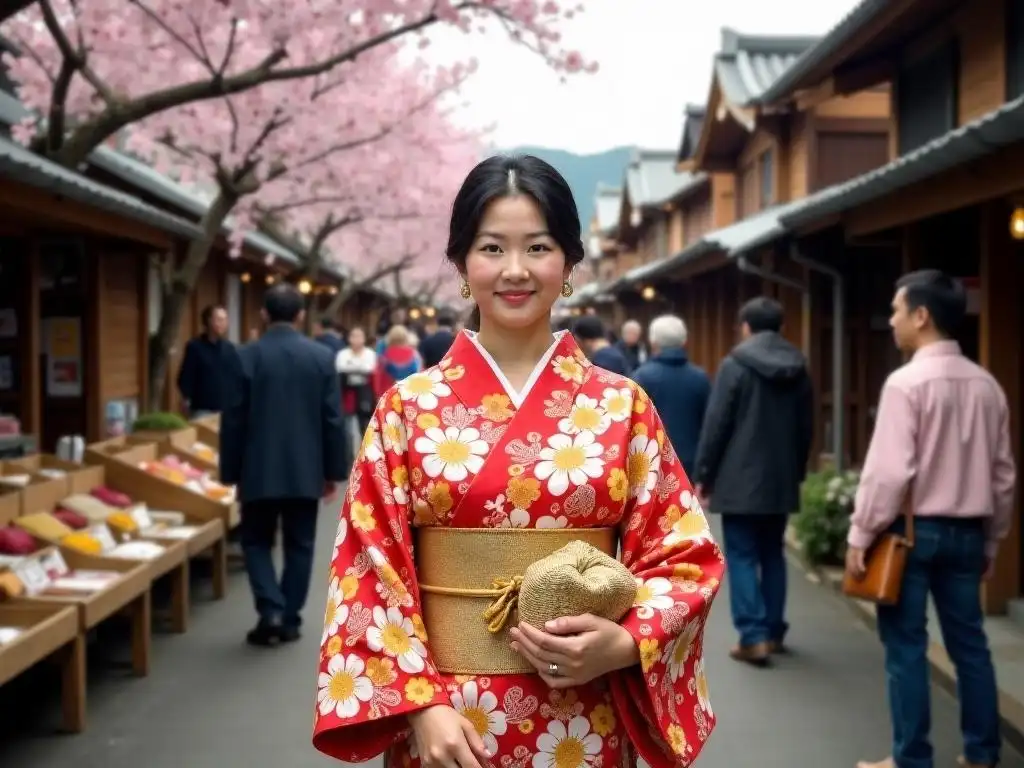
The Tokugawa Shogunate, which lasted from 1603 to 1868, was a period of profound cultural transformation in Japan. During this time, the merchant class emerged as a significant socio-economic force, contributing to cultural shifts that redefined Japan's societal structure. As the merchant class gained wealth and influence, they played a pivotal role in shaping cultural practices, artistic endeavors, and consumer behaviors that would leave a lasting legacy on Japanese society.
The Role of Merchants in Cultural Exchange
Merchants during the Tokugawa period were not merely facilitators of trade; they were vital players in the cultural exchange between different regions of Japan and beyond. Their networks allowed for the dissemination of ideas, technologies, and cultural practices that enriched the fabric of Edo society.
- Urban Centers: Major cities like Edo (modern-day Tokyo), Osaka, and Kyoto became hubs of cultural exchange due to the presence of wealthy merchants. These urban centers fostered an environment where new ideas could flourish.
- Art and Literature: Merchants sponsored artists and writers, leading to the development of unique art forms such as ukiyo-e (woodblock prints) and kabuki theatre. These art forms often reflected the lives and aspirations of the merchant class, showcasing their tastes and lifestyles.
- International Trade: The limited foreign trade allowed by the Tokugawa Shogunate, primarily through the Dutch at Dejima, introduced new goods and ideas. Merchants were instrumental in incorporating these foreign influences into Japanese culture, further enhancing their status as cultural curators.
Influence of Merchant Wealth on Arts and Entertainment
The economic prosperity of the merchant class during the Tokugawa era had a profound impact on the arts and entertainment industry. As merchants accumulated wealth, they became patrons of various artistic ventures, leading to a flourishing of cultural expressions.
- Patronage of the Arts: Wealthy merchants commissioned artworks, sponsored performances, and funded literary works. This patronage system allowed artists to explore new themes and techniques, contributing to a vibrant cultural scene.
- Kabuki Theatre: The rise of kabuki, a popular form of theatre, was significantly influenced by the merchant class. Merchants were not only the audience but also the financial backers of kabuki troupes, which often depicted stories related to their lives and aspirations.
- Literature and Print Culture: The merchant class's demand for literature and illustrated books led to the growth of print culture. Works that catered to their interests, such as guides on business practices and stories reflecting their lifestyles, gained immense popularity.
The Development of a Consumer Culture in Edo Japan
The Tokugawa period witnessed the emergence of a consumer culture, driven largely by the burgeoning merchant class. This new cultural dynamic transformed societal norms and established consumerism as a fundamental aspect of Edo life.
- Increased Availability of Goods: The expansion of trade networks made a wide variety of goods accessible to the urban populace. From textiles to ceramics, the merchant class played a crucial role in the distribution of these products, which were often seen as status symbols.
- Leisure and Consumption: As disposable income grew among the merchant class, so did their interest in leisure activities. The rise of tea houses, entertainment districts, and shopping areas reflected a shift towards a more consumer-oriented society.
- Cultural Festivals: Merchants also sponsored cultural festivals and public celebrations, which contributed to the sense of community and cultural identity. These events often included performances, parades, and displays of wealth, solidifying the merchant class's role as a cultural influencer.
The dynamics between the Tokugawa Shogunate and the merchant class profoundly reshaped Japanese society, leading to cultural innovations and a rise in consumer culture that would resonate for generations. Through their economic influence and cultural patronage, merchants not only altered the socio-economic landscape but also contributed significantly to the rich tapestry of Edo Japan's cultural heritage.
Case Studies of Prominent Merchant Families
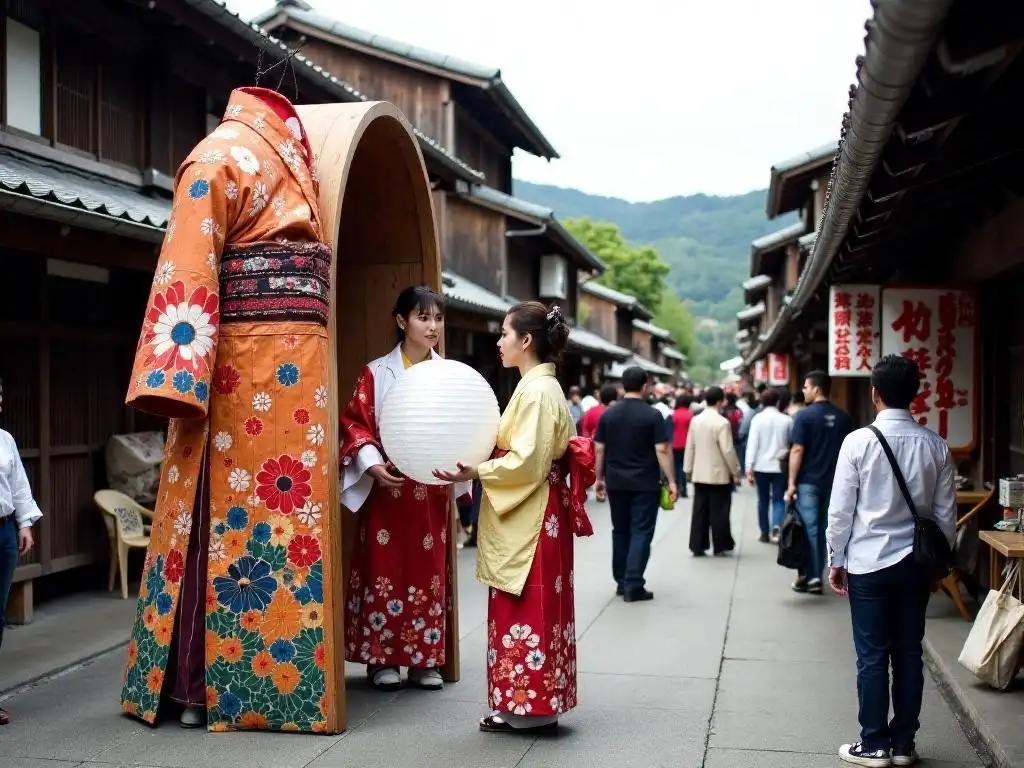
Overview of Notable Merchant Families in Tokugawa Japan
During the Tokugawa Shogunate (1603-1868), Japan witnessed the emergence of a powerful merchant class that played a crucial role in the country's economic and political landscape. Several notable merchant families rose to prominence, each contributing uniquely to this new power dynamic.
-
Mitsui Family
Founded by Mitsui Takatoshi in the 17th century, the Mitsui family became one of the most influential merchant families in Edo-period Japan. Initially starting as a kimono retailer, they expanded into various sectors, including banking and real estate. The Mitsui family's financial acumen and connections allowed them to become key players in the evolution of the Japanese economy.
-
Sumitomo Family
Originally a copper mining family, the Sumitomo family diversified into various industries, establishing themselves as a major force in Japan's economic development. Their enterprise laid the foundation for what would become the Sumitomo Group, one of Japan's largest conglomerates today.
-
Fujita Family
The Fujita family, known for their shipbuilding and trading operations, became significant contributors to Japan's maritime economy. Their ventures not only bolstered the merchant class but also facilitated international trade during a time when Japan was largely isolated from the rest of the world.
These families thrived during the Tokugawa period, capitalizing on the growing demand for goods and services as the urban population expanded. Their influence extended beyond commerce, as they engaged with the samurai class and played pivotal roles in various political and cultural developments.
Contributions of Merchants to Economic and Political Changes
The rise of the merchant class during the Tokugawa Shogunate brought about significant economic and political changes in Japan. Merchants were not only responsible for trade and commerce but also influenced the broader societal structures of the time.
-
Economic Growth
The merchant class stimulated economic growth through the establishment of markets and trade networks. They introduced new goods, including Western imports, which transformed consumer habits and expanded the economy. The rise of the merchant class also led to the development of various financial institutions, including the "hansatsu" (a form of paper currency), allowing for easier transactions and commerce.
-
Political Influence
As their wealth grew, merchants began to gain political influence, challenging the traditional power dynamics dominated by the samurai class. Some merchants employed strategies such as patronage and alliances with the ruling samurai to secure their interests. This shift in power dynamics is evident in the creation of the "daimyo" (feudal lords) and merchant partnerships, which allowed merchants to participate in governance and local affairs.
-
Cultural Impact
The merchant class also contributed to cultural developments, supporting the arts and education. They played a vital role in the dissemination of knowledge, funding schools and academies that nurtured various art forms, including theater, literature, and painting. This cultural investment helped shape a new Japanese identity that transcended traditional samurai values.
Legacy of Merchant Families in Modern Japan
The legacy of the merchant families from the Tokugawa Shogunate continues to resonate in modern Japan. Their contributions to the economy and society have paved the way for contemporary business practices and cultural developments.
-
Economic Foundations
Many of the prominent corporations in Japan today trace their roots back to the merchant families of the Tokugawa era. Companies such as Mitsui and Sumitomo have evolved into multinational corporations, maintaining their influence in various sectors, including finance, manufacturing, and technology.
-
Cultural Heritage
The cultural impact of these merchant families is evident in Japan's modern art, literature, and education systems. The investment in arts and education during the Tokugawa period laid the groundwork for a society that values creativity and knowledge, which remains a cornerstone of Japanese culture today.
-
Social Dynamics
The transformation of the power dynamics during the Tokugawa Shogunate set a precedent for the modern class structure in Japan. The rise of the merchant class highlighted the importance of economic power in shaping social status, a concept that persists in contemporary Japanese society.
The merchant families of the Tokugawa Shogunate played a pivotal role in shaping Japan's economic, political, and cultural landscapes. Their legacy is still felt today, as modern Japan continues to navigate its historical roots while embracing innovation and growth.
Conclusion: The Legacy of the Tokugawa Shogunate Merchant Class Dynamics
The Tokugawa Shogunate, which ruled Japan from 1603 to 1868, marked a significant shift in the power dynamics of Japanese society. One of the most notable transformations during this period was the rise of the merchant class, which fundamentally altered economic and social structures. Understanding this legacy is crucial for comprehending the intricate tapestry of Japan's history and its evolution into a modern nation.
Summary of Key Points on Merchant Class Evolution
The evolution of the merchant class during the Tokugawa Shogunate can be summarized through several key points:
- Social Hierarchies: Initially regarded as lowly and untrustworthy, merchants gradually gained influence and respect. This shift was partly due to their critical role in the economy, as they facilitated trade and commerce across regions.
- Wealth Accumulation: The peace established by the Tokugawa regime allowed merchants to prosper. Cities like Edo (modern-day Tokyo) became bustling centers of trade, leading to the emergence of wealthy merchant families who could rival samurai in status and influence.
- Cultural Influence: As the merchant class grew in wealth, they also became patrons of the arts and culture. This era saw the flourishing of ukiyo-e (woodblock prints), kabuki theater, and other cultural phenomena, reflecting the tastes and values of urban merchants.
- Political Engagement: Although merchants were officially excluded from political power, they found ways to influence policy through economic means, such as funding samurai and engaging in mercantile alliances that shifted local power dynamics.
The Long-term Impact on Japanese Society and Economy
The rise of the merchant class during the Tokugawa Shogunate had profound long-term effects on both Japanese society and its economy:
- Economic Transformation: The merchant class laid the groundwork for Japan's modern economy by introducing practices such as banking, credit, and investment. Their involvement in trade networks connected Japan to global markets, influencing economic policies well into the Meiji Restoration.
- Social Mobility: The newfound wealth of merchants allowed for greater social mobility, challenging the rigid class structure that had defined Japan for centuries. This shift contributed to the gradual erosion of the feudal system and paved the way for a more meritocratic society.
- Cultural Syncretism: The interactions between merchants and other social classes fostered a rich cultural exchange, blending traditional Japanese customs with foreign influences. This syncretism laid the foundation for Japan's unique blend of cultural practices in the modern era.
- Political Repercussions: The economic power of the merchant class eventually contributed to the decline of the samurai's political dominance, leading to significant changes in governance structures that would emerge during the Meiji Restoration.
Future Research Directions on Tokugawa Shogunate Dynamics
As we continue to explore the Tokugawa Shogunate and its impact on Japanese history, several areas warrant further research:
- Comparative Studies: Analyzing the merchant class dynamics within the Tokugawa Shogunate in relation to other feudal systems worldwide could yield insights into how economic power shifts affect social structures.
- Economic Policies: Investigating specific economic policies implemented by the Tokugawa Shogunate that facilitated the rise of the merchant class can provide a deeper understanding of their strategies for maintaining control while adapting to changing circumstances.
- Cultural Contributions: Further studies on the cultural contributions of the merchant class can illuminate how their patronage shaped Japanese art, literature, and philosophy during the Edo period.
- Gender Roles: Exploring the roles and influence of women within the merchant class may uncover additional layers of complexity in the social dynamics of the Tokugawa era.
The merchant class dynamics during the Tokugawa Shogunate not only reshaped the economic landscape of Japan but also had lasting implications for its social structure and cultural identity. This legacy continues to influence contemporary Japanese society and offers rich avenues for ongoing research and exploration.
Frequently Asked Questions
What was the Tokugawa Shogunate?
The Tokugawa Shogunate was a feudal regime in Japan that lasted from 1603 to 1868, characterized by a strict social hierarchy and political stability, which allowed for economic growth.
How did the merchant class emerge during the Tokugawa period?
During the Tokugawa period, the merchant class rose to prominence due to increased trade and urbanization, leading to a shift in economic power from the samurai to the merchants.
What role did merchants play in Tokugawa society?
Merchants became vital to the economy, facilitating trade and commerce. Although they were at the bottom of the social hierarchy, their wealth enabled them to wield significant influence.
How did the rise of the merchant class affect the samurai?
The rise of the merchant class weakened the samurai's economic power as merchants accumulated wealth and began to challenge traditional social structures, leading to tensions within society.
What are the lasting impacts of the Tokugawa merchant dynamics?
The dynamics of the merchant class during the Tokugawa Shogunate laid the groundwork for Japan's modern economy, influencing later social and economic changes in the Meiji Restoration and beyond.
Final Reflection: The Enduring Legacy of Tokugawa Shogunate Merchant Class Dynamics
The dynamics of the Tokugawa Shogunate and the rise of the merchant class remain profoundly relevant today, as they illustrate the intricate relationship between power, economy, and social structure. In an era where economic influence often translates to political power, understanding how the merchant class navigated and reshaped the societal landscape during the Tokugawa period offers invaluable insights into contemporary dynamics. The historical interplay between these classes serves as a reminder that shifts in power can emerge from unexpected quarters, challenging traditional hierarchies and norms.
The evolution of the merchant class during the Tokugawa Shogunate not only transformed Japan's economy but also laid the groundwork for modern capitalism and social mobility. This period marked a significant cultural shift, where commerce began to gain respect and influence, fundamentally altering the societal fabric. As noted by historian William Wayne Farris, The rise of the merchant class was a pivotal moment that redefined social status and economic power in Japan.
This observation underscores the ongoing relevance of these dynamics, as we continue to witness similar patterns in our own societies, where economic power often redefines social structures and influences cultural narratives.
As we reflect on the lessons from the Tokugawa Shogunate and its merchant class dynamics, let us consider how we can apply these insights to our own lives and communities. Embrace the idea that power can shift and that every individual has the potential to influence change, regardless of their starting point.
Take a moment to reflect on your own role in the economic and social landscape—how can you contribute to a more equitable and dynamic society? By recognizing the importance of adaptability and the potential for growth, we can all play a part in shaping a future that honors the lessons of the past while paving the way for new possibilities.
Embrace the Power of History: Take Your Next Steps!
Thank you for diving into the fascinating world of the Tokugawa Shogunate and the rise of the merchant class! Your interest in this transformative period has surely expanded your understanding of socio-economic power dynamics in feudal Japan. Now, it's time to leverage this knowledge into actionable steps that can enhance your learning journey.
Here’s how you can further explore this captivating history:
- Join a discussion group or forum dedicated to feudal Japan to connect with fellow enthusiasts and share insights.
- Visit a local library or online archive to discover rare texts and documents about the Tokugawa era—there's a wealth of information waiting for you!
- Share your thoughts on social media or in the comments below about how the rise of the merchant class has influenced contemporary economies.
What intrigues you most about the shift in power dynamics during the Tokugawa Shogunate, and how do you perceive its impact in today’s world?