
The Role of Festivals and Celebrations in Cultural Education

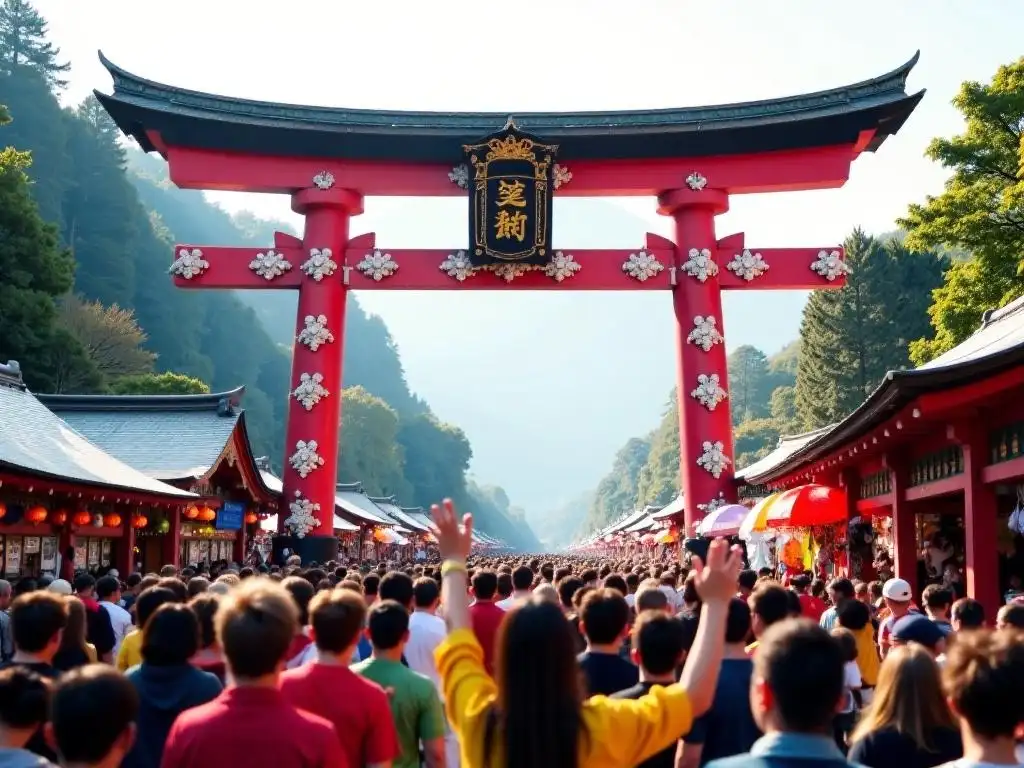
Welcome to Feudal Japan History, where we invite you to embark on a fascinating journey through the rich tapestry of Japan’s feudal era. Here, we delve deep into the cultural significance of Japanese festivals, uncovering how these vibrant celebrations played a pivotal role in shaping society and educating communities. As you explore our expert-driven articles, prepare to be intrigued by the stories and traditions that have endured through centuries.
Join us as we illuminate the colorful threads of daily life and society in feudal Japan, and discover how these festivals continue to resonate in modern culture. Your adventure starts now—what hidden treasures will you uncover?
Festivals and celebrations have long been integral to the cultural fabric of Japan, serving not only as occasions for communal joy but also as vital instruments of cultural education. In a society where tradition and heritage are deeply revered, Japanese festivals play a crucial role in transmitting values, beliefs, and historical narratives from one generation to the next.
This article delves into the profound cultural significance of these festivals, exploring their historical roots, societal roles, and how they contribute to the education of both young and old alike about Japan's rich heritage. By examining the intricate connections between festivals and cultural education, we aim to illuminate how these celebrations foster a sense of identity and continuity within the ever-evolving landscape of Japanese society.
Introduction to Japanese Festivals and Their Cultural Significance
Understanding Cultural Significance in Japan
In Japan, festivals, or matsuri, represent more than mere entertainment; they embody the essence of community and the collective memory of the people. These celebrations often reflect:
- Spiritual Beliefs: Many festivals are rooted in Shinto and Buddhist practices, honoring deities or commemorating significant events.
- Cultural Identity: Festivals showcase regional traditions, highlighting differences and similarities across Japan’s diverse culture.
- Social Cohesion: Gathering for festivals strengthens community bonds, fostering a sense of belonging and shared history among participants.
The cultural significance of these festivals extends beyond the immediate festivities; they serve as a framework for educating individuals about their cultural heritage and instilling values such as respect, gratitude, and communal harmony.
Overview of Festivals in Japanese Society
Japanese festivals are characterized by their vibrant displays, traditional performances, and elaborate rituals. They can be categorized into several types, including:
- Seasonal Festivals: Celebrating the changing seasons and agricultural cycles, like the Hanami (cherry blossom viewing) in spring.
- Religious Festivals: Such as Obon, which honors ancestral spirits and emphasizes the importance of family.
- Local Festivals: Unique to specific regions, often featuring parades, traditional music, and dance, exemplified by the Gion Matsuri in Kyoto.
Each festival offers a unique window into the cultural values and historical narratives that shape Japanese society, making them essential components of cultural education.
Historical Context of Festivals in Japan
Origins of Japanese Festivals
The origins of Japanese festivals can be traced back to ancient Shinto rituals aimed at appeasing the gods and ensuring bountiful harvests. Over time, these ceremonies evolved into more elaborate celebrations, incorporating elements of Buddhism and local customs. Key characteristics of early festivals included:
- Ritual Offerings: Food and sake were often presented to deities to invoke blessings.
- Performative Arts: Early festivals featured dances and music as a form of worship and celebration.
Understanding these origins provides insight into the significance of festivals as a means of cultural transmission and education.
Evolution of Celebrations Through the Feudal Era
During Japan's feudal era, festivals underwent significant transformation, influenced by the political and social dynamics of the time. Notable changes included:
- Institutionalization: Many festivals became state-sanctioned events, reinforcing the power of the ruling samurai class and the influence of Shinto and Buddhism.
- Incorporation of Warrior Culture: Festivals began to reflect the values of the samurai, emphasizing honor, loyalty, and martial prowess through parades and displays of strength.
This evolution highlights how festivals served not only as cultural expressions but also as reflections of the broader societal changes occurring in Japan.
Key Historical Festivals from the Feudal Period
Several festivals from the feudal period stand out due to their enduring cultural significance and educational impact:
- Gion Matsuri: Originating in the 9th century, this festival was initially a purification ritual and has transformed into a month-long celebration featuring parades and traditional floats.
- Aoi Matsuri: Celebrated in Kyoto, it dates back to the Heian period and showcases imperial traditions, emphasizing the connection between the past and present.
- Tenjin Matsuri: Honoring the deity of scholarship, this festival emphasizes the importance of education and learning within Japanese culture.
These festivals not only provide a glimpse into Japan's historical narrative but also serve as platforms for cultural education, allowing participants to engage with their heritage actively.
Japanese festivals are a quintessential aspect of cultural education, intertwining historical significance, societal values, and communal identity, making them invaluable to understanding Japan's rich and diverse cultural landscape.
Types of Japanese Festivals
Japan boasts a rich tapestry of festivals, each reflecting the country's diverse history, culture, and community values. These festivals, known as "matsuri," are celebrated throughout the year and can be categorized into various types, primarily seasonal, religious, and local community festivals. Each type serves a unique purpose and plays a crucial role in the cultural education of the Japanese people.
Seasonal Festivals and Their Cultural Importance
Seasonal festivals in Japan are often linked to the agricultural calendar, showcasing the country’s deep-rooted connection to nature and the changing seasons. One notable example is Hanami, which celebrates the blooming of cherry blossoms in spring. This festival symbolizes the transient beauty of life and encourages people to appreciate the fleeting moments.
In summer, the Obon festival honors deceased ancestors, emphasizing the importance of family and remembrance. The autumn harvest festivals, such as Shichi-Go-San, celebrate the growth and well-being of children, highlighting the cultural values of gratitude and respect for life. Each seasonal festival serves not only as a time for celebration but also as an opportunity to educate communities about agricultural practices, seasonal changes, and the appreciation of nature.
Religious Festivals: Shinto and Buddhist Influences
Religious festivals in Japan are deeply intertwined with Shinto and Buddhism, the two predominant religions in the country. Shinto festivals often involve rituals to appease gods and spirits, such as the Gion Matsuri in Kyoto, which venerates the deities of the Yasaka Shrine. This festival features elaborate processions and traditional performances, offering insights into Shinto beliefs and practices.
Buddhist festivals like Higan and Obon focus on honoring ancestors and reflecting on the cycle of life and death. These festivals educate participants about Buddhist teachings and the significance of compassion and respect for the deceased. By attending these religious festivals, individuals learn about the spiritual heritage of Japan, fostering a deeper understanding of the cultural significance of these practices.
Local Festivals and Community Celebrations
Local festivals are often celebrated within specific communities and serve to strengthen social bonds among residents. These festivals, such as the Kanto Matsuri in Akita, feature traditional dances, music, and vibrant parades, showcasing regional culture and heritage. Local festivals provide a platform for community members to engage with their history and traditions, promoting cultural pride and continuity.
Additionally, local festivals often incorporate unique customs and practices that reflect the area’s history, such as the use of specific costumes or food items. Participating in these celebrations allows individuals to immerse themselves in their community’s culture, enhancing their understanding of local history and social dynamics.
The Educational Value of Festivals
Festivals in Japan serve as a potent educational tool, providing opportunities for cultural transmission and hands-on learning. They are not only a means of celebration but also venues for teaching younger generations about their heritage and identity.
Festivals as a Tool for Cultural Transmission
Cultural transmission through festivals occurs in various forms, such as rituals, performances, and traditional crafts. Elders often share stories and knowledge with younger generations, teaching them about the historical and cultural contexts of the celebrations. This intergenerational exchange fosters a sense of belonging and pride in one’s heritage.
Moreover, festivals often incorporate traditional arts, such as calligraphy, dance, and music, allowing participants to learn these skills firsthand. By engaging in these activities, individuals develop a deeper appreciation for their cultural heritage and the significance of maintaining these traditions.
Learning Through Participation: Hands-On Cultural Education
Participation in festivals provides a unique hands-on educational experience that transcends traditional learning methods. For example, children may learn to perform traditional dances or create festival decorations, fostering teamwork and creativity. This experiential learning approach helps solidify cultural knowledge in a memorable and impactful way.
Additionally, festivals often involve community service, such as preparing food or setting up decorations, teaching participants the value of collaboration and shared responsibility. These experiences not only enhance cultural understanding but also instill essential life skills that extend beyond the festival itself.
The Role of Storytelling in Festivals
Storytelling plays a vital role in the educational aspect of Japanese festivals. Many festivals are accompanied by narratives that explain their origins, significance, and related customs. For example, at the Aoi Matsuri in Kyoto, participants recount the historical tale of Emperor Kammu’s journey, connecting the celebration to its rich historical background.
These stories serve to educate audiences about historical events, mythological tales, and moral lessons, reinforcing cultural values and community identity. Through storytelling, participants and spectators alike gain insight into the significance of the festival and its relevance to their cultural heritage, ensuring that these narratives are preserved for future generations.
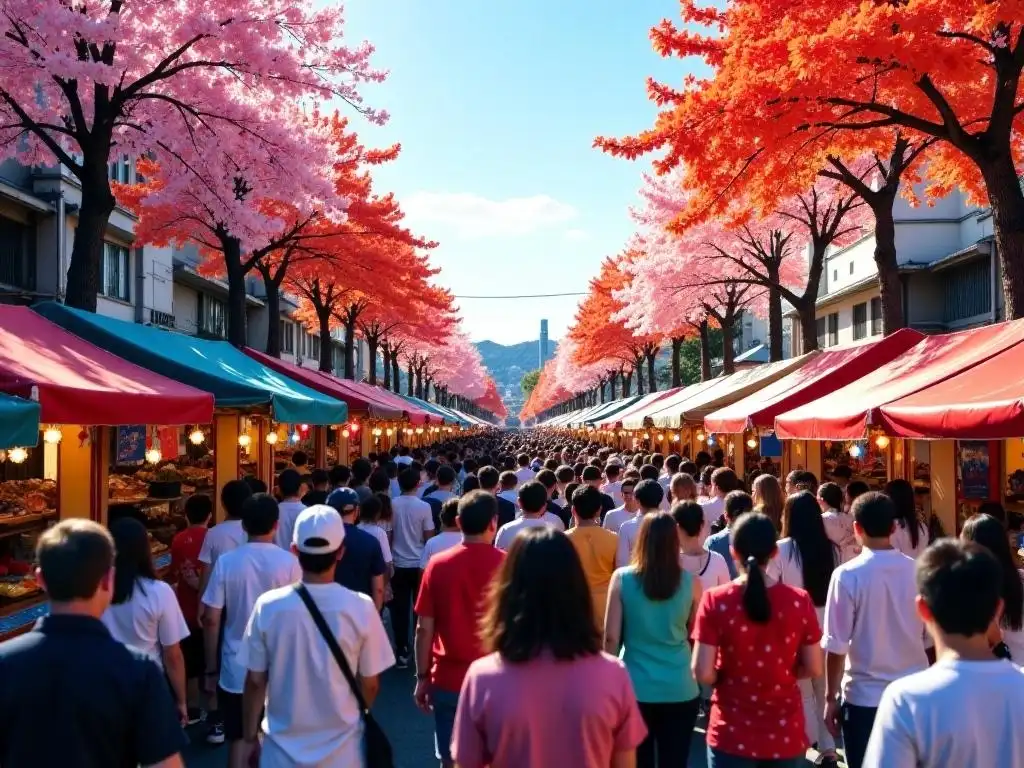
Festivals in Japan serve as vital instruments for enhancing social cohesion within communities. These events bring people together, fostering a sense of belonging and collective identity. The communal spirit is evident in various festivals, such as the Gion Matsuri in Kyoto, where local residents actively participate in organizing and celebrating the event. This shared responsibility cultivates camaraderie and strengthens community bonds, encouraging individuals to engage with one another beyond the festival period.
Moreover, festivals often incorporate traditional customs, rituals, and practices that are passed down through generations. This not only reinforces community identity but also instills a sense of pride among participants. The vibrant displays of regional culture, such as unique dances, music, and food, further enhance the collective experience, promoting unity among diverse community members.
Building Community Identity Through Celebrations
Celebrations like the Nebuta Matsuri in Aomori exemplify how festivals can solidify community identity. Each year, local groups collaborate to create elaborate floats that reflect their history, myths, and values. This collaborative effort helps residents forge a common identity, as they work together to uphold traditions while also adapting to contemporary influences.
Through these events, communities can express their unique characteristics and histories, distinguishing themselves from neighboring regions. This sense of identity is crucial, particularly in a nation where regional differences are significant. By celebrating their distinctiveness during festivals, communities reinforce their cultural heritage and contribute to the broader tapestry of Japanese culture.
Intergenerational Knowledge Transfer During Festivals
Festivals serve as crucial platforms for intergenerational knowledge transfer. Elders in the community often play a pivotal role in imparting traditional skills, stories, and practices to younger generations during these celebrations. For instance, during the Tanabata Festival, families gather to write wishes on colorful strips of paper and hang them on bamboo branches. This simple act encapsulates deeper cultural meanings related to hope and aspiration, which are shared through storytelling.
This knowledge transfer is not limited to customs and rituals; it also encompasses culinary traditions, artistic expressions, and local history. Through participation in festivals, younger individuals learn the significance of their cultural practices, ensuring that these traditions are preserved and adapted for future generations.
Festivals as a Means of Fostering Inclusivity
Japanese festivals often embrace inclusivity, allowing diverse groups to participate and share in the celebrations. Events like the Sanja Matsuri in Tokyo attract not only local residents but also visitors from different backgrounds, creating a rich tapestry of cultural exchange. This blending of cultures encourages understanding and appreciation among diverse populations.
In recent years, many festivals have made concerted efforts to include marginalized communities. For instance, some events now feature performances from indigenous Ainu artists, showcasing their rich heritage and fostering dialogue about cultural diversity. By promoting inclusivity, festivals contribute to a more cohesive society where all voices are acknowledged and valued.
The Impact of Festivals on Modern Japanese Culture
Festivals are not merely relics of the past; they continue to significantly impact modern Japanese culture. They act as a bridge between historical traditions and contemporary society, adapting to the needs and values of today's citizens. As such, they serve as dynamic expressions of identity, resilience, and community spirit.
Contemporary Relevance of Traditional Festivals
Many traditional festivals have evolved to remain relevant in contemporary society. For example, the Kanda Matsuri in Tokyo has become a vibrant celebration that attracts thousands of participants and spectators, blending ancient rituals with modern entertainment. The inclusion of contemporary elements, such as music performances from popular artists, helps to engage younger audiences and ensure that these events resonate with future generations.
Furthermore, festivals often serve as opportunities for local economies to thrive. By attracting tourists and promoting local businesses, festivals contribute to the economic sustainability of communities, reinforcing their importance in modern Japan.
Festivals in the Context of Globalization
In an increasingly globalized world, Japanese festivals are also influenced by international trends. While many festivals maintain their traditional roots, they often incorporate global practices, leading to unique hybrid celebrations. The emergence of events like the Tokyo Rainbow Pride Festival illustrates how traditional Japanese festivals can adapt to contemporary social movements, promoting inclusivity and acceptance.
Additionally, globalization has facilitated cultural exchange, with international visitors often participating in Japanese festivals. This interaction not only enhances the cultural significance of these events but also allows for the sharing of ideas and practices, enriching both Japanese culture and those of the visiting participants.
How Modern Japanese Festivals Preserve Cultural Heritage
Modern Japanese festivals play a crucial role in preserving cultural heritage. By maintaining traditional practices while adapting to contemporary contexts, they ensure that valuable cultural elements are not lost. Events like the Jidai Matsuri in Kyoto highlight historical periods through reenactments, allowing participants and audiences to engage with their heritage actively.
Moreover, many festivals today place a strong emphasis on environmental sustainability, reflecting modern values while honoring traditional practices. For instance, the Natsu Matsuri often includes eco-friendly initiatives, such as using local materials for decorations and promoting sustainable food options. This approach not only preserves cultural heritage but also aligns with contemporary societal values, ensuring that festivals continue to resonate with future generations.
Conclusion: The Lasting Influence of Festivals on Cultural Education
Festivals in Japan serve as crucial conduits for cultural education, enriching the collective memory and identity of communities. They encapsulate historical narratives, belief systems, and social values that have been passed down through generations. The immersive experiences offered by these celebrations allow participants and observers to engage directly with their heritage, fostering a sense of belonging and continuity. As such, festivals are not merely events to mark a calendar but are integral to the educational fabric of Japanese society, promoting understanding and appreciation of culture among all age groups.
In a world increasingly influenced by globalization, the preservation and adaptation of these festivals remain vital. They not only reflect traditional values but also adapt to contemporary societal changes, ensuring their relevance for future generations. As educational tools, festivals can bridge the gap between past and present, offering insights into the evolving identity of Japanese society. The lessons learned through participation in these vibrant celebrations can instill respect for traditions while encouraging innovation and creativity.
Summary of Key Points on Cultural Significance
- Cultural Heritage Preservation: Festivals are instrumental in preserving Japan's rich cultural heritage, showcasing traditional arts, crafts, and performances that might otherwise fade into obscurity.
- Community Engagement: They foster community bonds by bringing people together, promoting cooperation, and enhancing social cohesion.
- Education Through Experience: Participants gain hands-on experience with cultural practices, deepening their understanding of historical and contemporary societal values.
- Intergenerational Learning: Festivals facilitate the sharing of knowledge and traditions between generations, ensuring that younger members of society can learn from their elders.
- Cultural Exchange: Many festivals invite participation from international visitors, fostering cross-cultural understanding and appreciation, thereby enriching Japan's cultural landscape.
The Future of Japanese Festivals in Cultural Education
As we look to the future, Japanese festivals must evolve to remain relevant in a rapidly changing world. The integration of modern technology, such as virtual reality and social media, can enhance the experience of these celebrations, making them accessible to a broader audience. Educational institutions can play a pivotal role by incorporating festival activities into their curricula, thus emphasizing the importance of cultural heritage.
Moreover, with the increasing focus on sustainability, future festivals can adopt eco-friendly practices, aligning with global efforts to protect the environment. By promoting awareness of sustainable cultural practices, festivals can educate attendees on the importance of preserving not only their cultural heritage but also the natural world.
The enduring significance of Japanese festivals in cultural education lies in their ability to adapt and thrive amidst societal changes. By embracing innovation while honoring tradition, these celebrations will continue to play a vital role in cultivating cultural awareness and appreciation for future generations.
- Introduction to Japanese Festivals and Their Cultural Significance
- Historical Context of Festivals in Japan
- Types of Japanese Festivals
- The Educational Value of Festivals
- Festivals and Social Cohesion
- The Impact of Festivals on Modern Japanese Culture
- Conclusion: The Lasting Influence of Festivals on Cultural Education
- What are the key Japanese festivals celebrated during the feudal era?
- How do festivals contribute to cultural education in Japan?
- What is the cultural significance of Japanese festivals today?
- How do festivals reflect the societal values of feudal Japan?
- Can you provide examples of how Japanese festivals promote cultural exchange?
Frequently Asked Questions
What are the key Japanese festivals celebrated during the feudal era?
Many Japanese festivals, such as Gion Matsuri and Tanabata, played significant roles in local communities, celebrating seasonal changes and honoring deities.
How do festivals contribute to cultural education in Japan?
Festivals serve as a medium for passing down traditions, rituals, and values, allowing younger generations to learn about their cultural heritage.
What is the cultural significance of Japanese festivals today?
Today, Japanese festivals maintain their cultural significance by fostering community bonds, promoting local traditions, and attracting tourism, thus sustaining economic and social vitality.
How do festivals reflect the societal values of feudal Japan?
Festivals in feudal Japan often emphasized hierarchical structures, communal cooperation, and respect for nature, showcasing the societal values of the time.
Can you provide examples of how Japanese festivals promote cultural exchange?
Japanese festivals invite participation from various regions and cultures, facilitating cultural exchange through food, art, and performances, enriching the overall cultural experience.
Final Reflection: Embracing Cultural Significance Through Festivals
The role of festivals and celebrations in cultural education is more relevant today than ever, as they serve as vital conduits for understanding and appreciating diverse traditions. In a world increasingly defined by globalization, these vibrant expressions of culture remind us of our shared humanity and the unique stories that shape our identities. Festivals, particularly Japanese festivals, encapsulate centuries of history, values, and communal bonds, urging us to engage with the richness of our cultural heritage.
Cultural festivals are not merely events; they are living classrooms that foster connection and understanding. The ongoing influence of these celebrations can be seen in how they bring communities together, bridging generational gaps and promoting intercultural dialogue. As we immerse ourselves in the sights, sounds, and flavors of these festivities, we cultivate a deeper appreciation for the narratives they embody. Festivals are the heartbeat of culture, reminding us of who we are and where we come from.
As you reflect on the significance of festivals in your own life, consider how you can engage with and celebrate the cultural traditions around you. Take the time to participate in local events, learn about their histories, and share these experiences with others. By doing so, you not only enrich your own understanding but also contribute to the preservation and appreciation of cultural diversity. Let us embrace the lessons of cultural education through festivals, ensuring that these vibrant expressions of identity continue to thrive for generations to come.
Embrace Cultural Wonders: Join the Festivities!
Thank you for diving into the vibrant world of festivals and celebrations in cultural education! Your interest reveals the beauty and significance of these traditions. Now, it’s time to take action and enrich your understanding even further.
- Discover a local festival or cultural event in your area and immerse yourself in the experience. Engage with the community and learn firsthand about the customs and practices!
- Share your newfound knowledge with friends by planning a cultural-themed gathering. Exchange stories or dishes that highlight various celebrations!
- Explore books or documentaries focused on the rich tapestry of global festivals. Dive into resources that you may not have considered and unveil fascinating aspects of cultural history!
How have you experienced cultural celebrations in your own life, and what impact did they have on your perspective? Share your stories, and let's spark a meaningful discussion!