
The Samurai Code in Battle: How Bushido Shaped Feudal Warfare

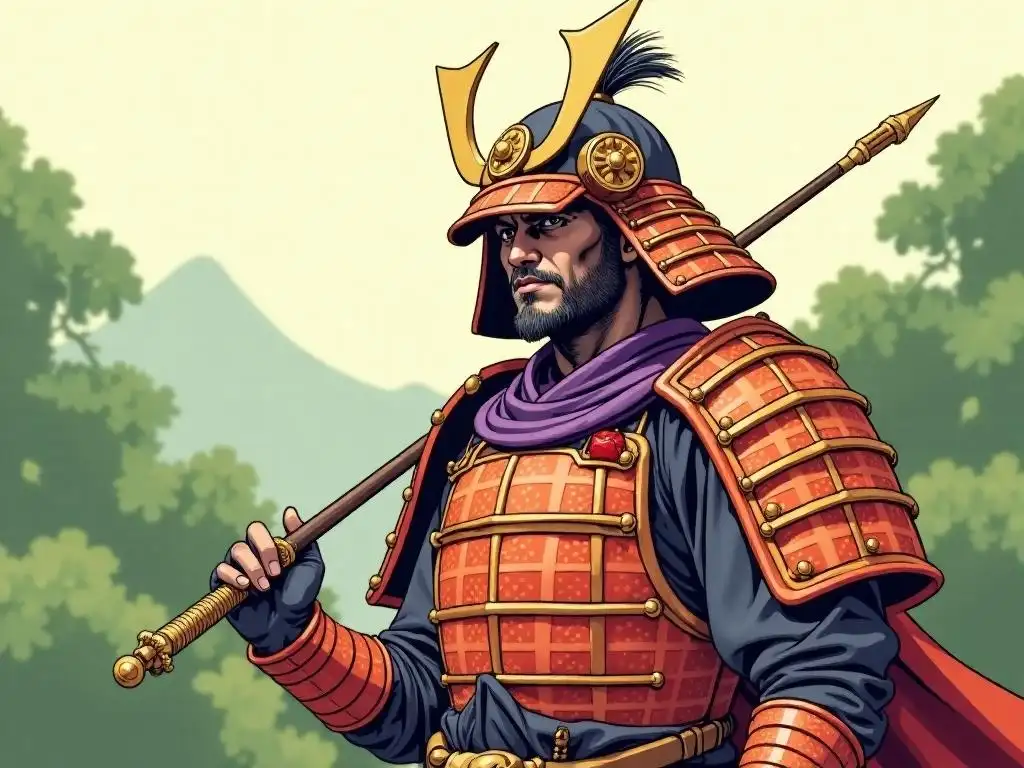
Welcome to Feudal Japan History! Dive into the captivating world of Japan’s feudal era, where honor, loyalty, and martial prowess shaped the very fabric of society. In our featured article, "The Samurai Code in Battle: How Bushido Shaped Feudal Warfare," we unravel the intricate principles of the Bushido samurai code and its profound impact on warfare during this fascinating period. What drove these warriors to greatness, and how did their unwavering values influence the outcomes of battles? Join us on this journey through time, and discover the secrets behind the legendary samurai and their enduring legacy!
The feudal era of Japan, a time marked by intricate social hierarchies, intense conflicts, and a cultural renaissance, was profoundly influenced by the principles of Bushido, the samurai code of conduct. This code encompassed not just the art of warfare, but also the moral and ethical framework governing the lives of the samurai. As we delve into the complexities of feudal warfare, it becomes clear that Bushido shaped not only the strategies and tactics of battle but also the very essence of what it meant to be a warrior in this turbulent period.
Understanding the impact of Bushido on warfare provides valuable insights into the samurai's role in Japanese society and the lasting legacy of their martial values. This exploration will illuminate the interplay between the samurai's ethical commitments and their martial prowess, revealing how these elements coalesced in the heat of battle.
The Origins of Bushido
Bushido, often translated as "the way of the warrior," evolved during the Heian period (794-1185) and was solidified during the Kamakura period (1185-1333). Its roots can be traced back to various influences, including:
- Confucianism: Emphasizing loyalty and filial piety, which were crucial for samurai loyalty to their lords.
- Zen Buddhism: Fostering a mindset of discipline, meditation, and acceptance of death, which helped samurai remain calm in the chaos of battle.
- Shinto Beliefs: Integrating spirituality and the reverence for nature into the samurai ethos.
By synthesizing these elements, Bushido became a comprehensive philosophy that dictated not only how to fight but also how to live honorably.
Key Principles of Bushido
The fundamental principles of Bushido played a vital role in shaping the conduct of samurai on and off the battlefield. These principles included:
- Loyalty (Chūgi): The unwavering allegiance to one's lord, which often superseded personal interests.
- Courage (Yū): The bravery to face danger without hesitation, embodying the warrior spirit.
- Benevolence (Jin): The compassion towards others, even enemies, reflecting a sense of humanity.
- Respect (Rei): The importance of etiquette and respect in interactions, reinforcing social harmony.
- Honesty (Makoto): The commitment to truthfulness, which was crucial for maintaining trust among warriors.
These principles not only guided samurai behavior in battle but also influenced their interactions within the broader societal context.
Bushido in Action: Warfare Tactics and Strategies
Bushido significantly impacted the tactics and strategies deployed by samurai during battles. This code influenced:
- Formation and Discipline: Samurai maintained tight formations, reflecting their commitment to loyalty and respect for their comrades.
- Ethical Combat: Engaging in honorable warfare, where victory was sought through skill rather than deceit or overwhelming force.
- Suicide and Honor: The concept of seppuku (ritual suicide) as a means to restore honor after defeat, illustrating the high stakes of samurai identity.
These aspects of Bushido not only shaped individual battles but also left a lasting imprint on the military culture of feudal Japan.
The Legacy of Bushido in Modern Warfare

The influence of Bushido extends beyond the feudal era, continuing to resonate in modern Japanese culture and military practices. Key aspects of this legacy include:
- Cultural Reverence: The ongoing respect for samurai values in contemporary Japanese society.
- Military Ethics: Incorporation of Bushido-inspired principles in the Japanese Self-Defense Forces and their code of conduct.
- Global Influence: The romanticized image of the samurai and Bushido affecting perceptions of warfare and honor worldwide.
In examining these dimensions, it becomes evident that the samurai code has transcended time, continuing to shape perceptions of honor and martial duty.
Conclusion
Understanding the intricate relationship between the samurai code of Bushido and the dynamics of feudal warfare unveils a profound narrative of honor, duty, and martial excellence. As we explore the key battles of this era, we will see how the principles of Bushido not only defined the samurai as warriors but also shaped the very fabric of Japanese society. Join us as we delve deeper into the battles that exemplified these ideals and their enduring legacy in the annals of military history.
- The Origins of Bushido
- Key Principles of Bushido
- Bushido in Action: Warfare Tactics and Strategies
- The Legacy of Bushido in Modern Warfare
- Conclusion
Introduction to Bushido and Feudal Warfare
The concept of Bushido, or the "Way of the Warrior," is integral to understanding the dynamics of feudal warfare in Japan. This code not only dictated the conduct of samurai in battle but also shaped the broader societal norms of the era. As we delve into the intricate relationship between Bushido and feudal warfare, we can better appreciate how this ethical framework influenced military strategies, the honor of warriors, and the overall fabric of Japanese society during the feudal period.
Definition of Bushido: The Samurai Code
Bushido is a complex ethical code that emphasizes values such as honor, loyalty, courage, and self-discipline. This code served as a guiding principle for samurai, the warrior class of feudal Japan. The origins of Bushido can be traced back to earlier influences such as Zen Buddhism and Confucianism, which preached moral integrity and the importance of personal responsibility.
Key tenets of Bushido include:
- Honor (Meiyo): Maintaining one's honor was paramount, and failure in this regard often resulted in ritual suicide (seppuku) to restore personal dignity.
- Loyalty (Chūgi): Samurai were expected to demonstrate unwavering loyalty to their lords (daimyō), often placing their lord's interests above their own.
- Courage (Yū): The samurai were taught to confront fear and embrace courage, both in battle and in personal conduct.
- Compassion (Jin): Despite their martial prowess, samurai were encouraged to show kindness and mercy towards those less fortunate.
- Rectitude (Gi): This principle emphasized righteousness and moral integrity in all actions.
Bushido, therefore, was not merely a set of rules for combat; it was a holistic way of life that influenced various aspects of samurai existence, extending into art, literature, and governance.
Overview of Feudal Warfare in Japan
Feudal warfare in Japan was characterized by a series of conflicts among rival clans, each vying for power and territory. The Gempei War (1180-1185) and the Warring States Period (Sengoku Jidai, 1467-1603) are notable examples of this tumultuous landscape.
Key features of feudal warfare included:
- Clan-based Conflicts: Warfare was often driven by the ambitions of powerful clans, with battles fought over land and influence.
- Sieges and Open Battles: Strategies included both direct confrontations and prolonged sieges, with samurai employing tactics that reflected their training in Bushido.
- Use of Cavalry and Archery: Samurai were skilled horsemen, utilizing cavalry charges and archery to gain an advantage in battles.
- The Role of Fortifications: Castles (shiro) served as strategic strongholds, heavily influencing the outcomes of many conflicts.
The samurai's adherence to Bushido shaped their approach to warfare, fostering a culture where honor in battle was just as critical as victory. This ethos often led to chivalric encounters, where samurai would engage in duels to prove their valor, reflecting the deep intertwining of Bushido with the mechanics of war.
Importance of the Samurai in Feudal Society
The samurai were not merely soldiers but pivotal figures in the feudal hierarchy of Japan. Their status was defined by a blend of martial prowess and adherence to the principles of Bushido, which elevated them above other social classes.
Key aspects of the samurai's importance include:
- Political Influence: As the military arm of the daimyō, samurai played crucial roles in governance and local administration. Their loyalty was essential for maintaining order and enforcing the daimyō's will.
- Cultural Patrons: Samurai patronized the arts, supporting the development of traditional Japanese culture, including tea ceremonies, poetry, and painting. Their influence helped cultivate a rich cultural heritage during the feudal era.
- Social Structure: Samurai embodied the ideals of the warrior class, serving as role models for the peasantry and influencing social norms. Their code of conduct was often seen as a moral compass within feudal society.
- Legacy: The samurai's impact extends beyond the feudal era, influencing modern Japanese culture and values. The principles of Bushido continue to resonate, symbolizing the tenacity and honor of the samurai spirit.
The samurai's role in feudal society was multifaceted, intertwining military, political, and cultural threads that have left a lasting legacy in Japan's history. Understanding this significance deepens our appreciation of how Bushido shaped both warfare and the societal structure of feudal Japan.
Historical Context of Bushido
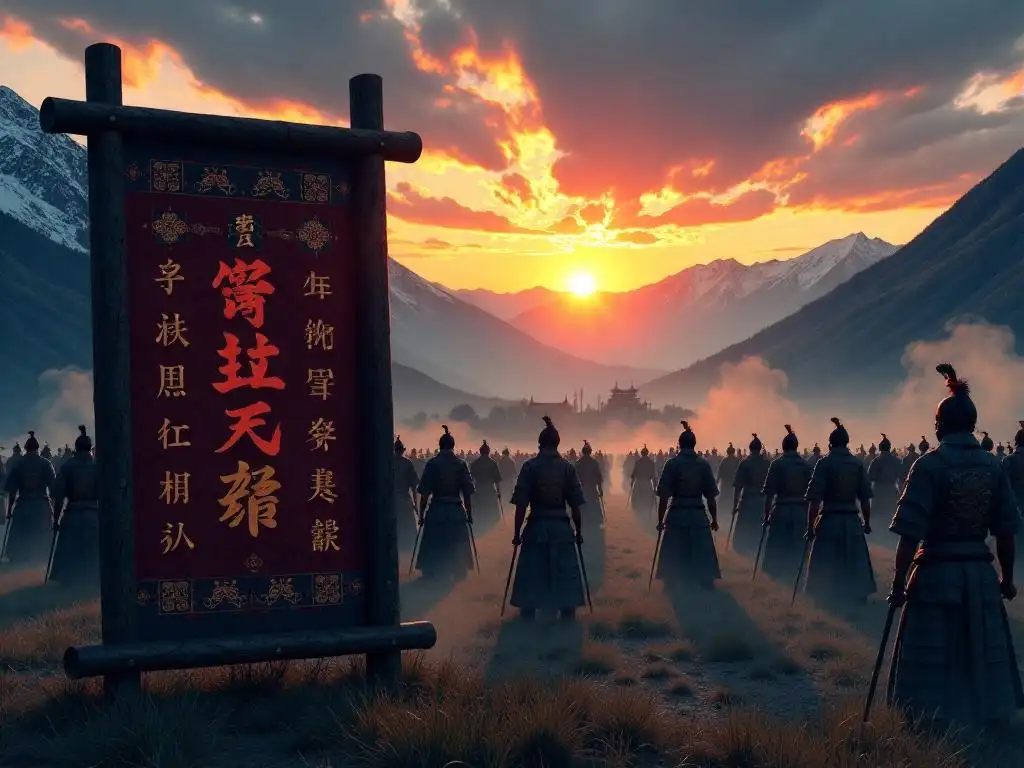
The historical context of Bushido is essential to understanding how this samurai code influenced warfare in feudal Japan. Bushido, which translates to "the way of the warrior," was not merely a set of rules but a comprehensive ethical system that dictated the behavior and mindset of the samurai. This code emerged during a time of significant social and political upheaval, where loyalty, honor, and martial prowess became paramount in a society characterized by constant conflict.
Origins of the Samurai Code
The roots of Bushido can be traced back to the Heian period (794-1185), when the samurai class began to solidify its role in Japanese society. Initially serving as provincial warriors, the samurai were primarily tasked with protecting landowners and managing agricultural estates. As feudal lords (daimyō) rose to power, the samurai's role evolved, leading to the establishment of a warrior elite.
Key elements of the early samurai code included:
- Loyalty: The samurai were expected to serve their lords with unwavering loyalty, often prioritizing this allegiance above all else, even family.
- Honor: Honor was a central tenet of Bushido; a samurai's reputation could be enhanced or destroyed based on their actions in battle and social interactions.
- Courage: In the face of danger, a samurai was expected to display exceptional bravery, often leading to the acceptance of death as a noble outcome.
Evolution of Bushido Through the Ages
As feudal Japan progressed, the samurai code underwent significant transformations, reflecting the changing socio-political landscape. The Kamakura period (1185-1333) saw the rise of the shogunate, which formalized the samurai's role in governance and warfare. During this time, the samurai code became more structured, incorporating elements of Zen Buddhism and Confucianism.
Key developments in the evolution of Bushido include:
- Integration with Zen Buddhism: The influence of Zen introduced concepts such as mindfulness and meditation, emphasizing mental discipline alongside physical prowess.
- Confucian Values: The adoption of Confucian ideals reinforced the importance of hierarchy, loyalty, and filial piety, shaping samurai relationships with their lords and families.
- The Sengoku Period (1467-1603): This era of civil war saw Bushido further adapt, as the need for strategic warfare and tactical flexibility became crucial in battle. Samurai were no longer just warriors; they became leaders and strategists.
Key Influences on Bushido Philosophy
Several philosophical and cultural influences shaped the development of Bushido, deeply intertwining it with Japanese identity. The following factors played a pivotal role:
- Shintoism: The indigenous belief system of Japan, Shintoism, emphasized the spiritual connection between the samurai and the land, instilling a sense of duty to protect one's homeland.
- Literature and Poetry: Works such as "The Tale of the Heike" and the writings of Miyamoto Musashi highlighted the philosophical underpinnings of Bushido, showcasing the blend of martial skills and artistic expression.
- Historical Figures: Influential samurai, such as Takeda Shingen and Oda Nobunaga, exemplified the ideals of Bushido in their leadership and battlefield strategies, further embedding the code into the fabric of Japanese culture.
Through these influences, Bushido evolved into a complex ethical framework that not only guided samurai in warfare but also shaped the broader societal values of feudal Japan, leaving a lasting legacy that persists in modern Japanese culture.
Core Principles of Bushido and Their Impact on Warfare
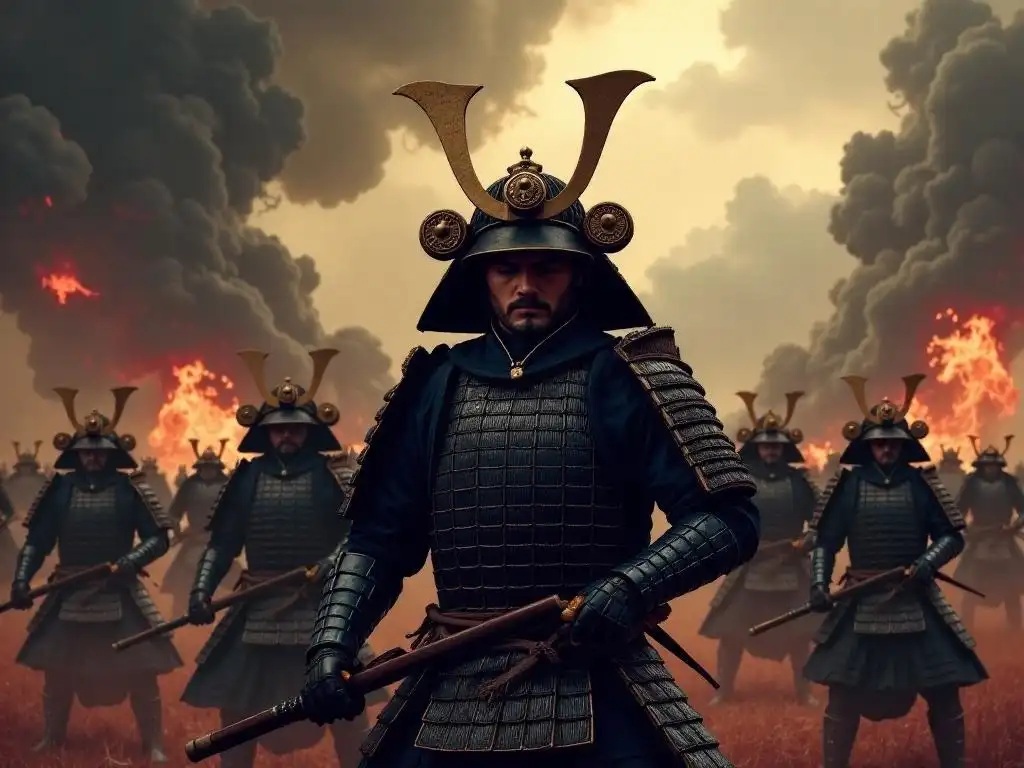
Bushido, the revered samurai code of conduct, is a complex framework that guided the actions and values of the samurai class during Japan's feudal era. This code not only dictated personal behavior but also had significant implications for warfare. The core principles of Bushido—honor, courage, and respect—shaped the conduct of samurai in battle, influencing both the strategies employed and the outcomes of key conflicts. Understanding these principles provides insight into the samurai's martial ethos and its lasting impact on Japanese military history.
Honor and Loyalty: The Heart of the Samurai Code
Honor and loyalty are the twin pillars of Bushido that defined the samurai's identity and purpose. These concepts were not merely abstract ideals; they were deeply ingrained in the samurai's way of life and their approach to warfare.
- Honor: The samurai were expected to maintain their honor at all costs. This drove them to engage in battle not just for victory but to uphold their reputation and that of their lords. A samurai's honor was closely tied to their family's name and lineage, and anything that tarnished this honor could lead to severe repercussions, including ritual suicide (seppuku) to restore it.
- Loyalty: Loyalty to one's lord (daimyō) was paramount. The samurai viewed their service as a sacred duty, often prioritizing their lord's interests over their own lives. This loyalty fostered strong bonds among samurai, leading to unified efforts in warfare. For instance, during the Genpei War (1180-1185), the loyalty of samurai to their respective clans played a crucial role in the conflict's dynamics, ultimately determining the emergence of the Kamakura shogunate.
The emphasis on honor and loyalty not only shaped personal conduct but also influenced military strategies. Samurai were known to make calculated decisions in battle, weighing the potential for dishonor against the strategic advantages of their actions.
Courage in Battle: Embracing Fear and Death
Courage, as articulated in Bushido, is the ability to confront fear and accept the inevitability of death. This principle had profound implications for the samurai's approach to warfare:
- Fearlessness: Samurai were trained to face their fears head-on. The acceptance of death in battle was not seen as an end but as a noble pursuit. This mental conditioning allowed samurai to fight with unwavering resolve, often leading to fierce and determined combat. For example, during the Battle of Okehazama (1560), Oda Nobunaga’s small force achieved a surprising victory against a much larger army, in part due to the fearless commitment of his samurai.
- Death as Honor: The samurai believed that dying in battle was one of the highest forms of honor. This belief drove many to seek out combat, viewing it as a way to achieve glory and secure their place in history. The concept of "shinjū," or the double suicide, often emerged in battle scenarios, where samurai would choose to die alongside their comrades rather than face defeat.
The cultivation of courage through Bushido not only affected individual samurai but also influenced the collective morale of samurai forces during key battles. Their willingness to confront death often instilled fear in their opponents and inspired loyalty among their ranks.
Respect and Benevolence: The Role of Compassion in Warfare
While Bushido emphasizes martial prowess, it also includes the principles of respect and benevolence, which played a crucial role in shaping the samurai's conduct during warfare:
- Respect for Enemies: Samurai were taught to respect their adversaries, a concept that often manifested in honorable combat. This respect was evident during battles, where samurai would often engage in duels to settle disputes rather than resorting to indiscriminate violence. This practice not only upheld the samurai's honor but also fostered a sense of fairness in warfare.
- Benevolence Towards the Weak: Benevolence, or "jin," was a crucial aspect of Bushido. Samurai were expected to protect the weak and act with compassion, even during warfare. This principle was exemplified during the Sengoku period, where victorious samurai leaders would often implement policies to care for the civilian population in conquered territories, thus ensuring stability and loyalty.
The integration of respect and benevolence into the samurai code had significant implications for the conduct of warfare. It distinguished the samurai from mere mercenaries, emphasizing a moral dimension to their actions that resonated throughout Japanese culture.
The principles of Bushido—honor and loyalty, courage in battle, and respect and benevolence—were not just ideals but practical guidelines that shaped the samurai's approach to warfare. These principles influenced not only individual samurai but also the broader strategies and outcomes of significant battles in Japan's feudal history. Understanding these core tenets of the samurai code provides valuable insight into the nature of feudal warfare and the legacy of the samurai in shaping Japan's military history.
Self-Discipline and Mastery: Training the Samurai Warrior
Self-discipline and mastery are foundational principles of Bushido, the samurai code, which directly influenced the training and conduct of samurai warriors in battle. From a young age, samurai were immersed in rigorous training regimes that not only honed their martial skills but also cultivated a strong sense of discipline and mental fortitude. This commitment to self-discipline was seen as essential for achieving mastery in various combat techniques and forms of weaponry.
Training typically began in childhood, where young samurai underwent physical conditioning and learned the basics of combat. They practiced with wooden swords or bokken, enabling them to develop precision and strength without the risks associated with live blades. This phase of training instilled a sense of routine and perseverance, encouraging them to push their limits continually. The discipline learned through these early years formed the backbone of their character, making them resilient in the face of adversity during battles.
Moreover, self-discipline was not limited to physical training. Samurai were also educated in the arts, philosophy, and strategic thinking. This holistic approach to education ensured that samurai were not only skilled warriors but also wise leaders. They practiced meditation and mindfulness, which helped them develop mental clarity and emotional control—qualities crucial for making split-second decisions in the heat of battle. The samurai’s ability to maintain composure and focus often determined the outcome of conflicts.
As the samurai matured, they engaged in more advanced training techniques, including sparring and battlefield simulations. These exercises were designed to replicate the chaos of actual combat, requiring samurai to apply their skills under pressure. The discipline involved in these simulations reinforced their ability to remain calm and effective during real conflicts, embodying the Bushido tenet of ‘Yamato-damashii’—the spirit of the Japanese people, which emphasizes bravery and tenacity.
The principles of self-discipline and mastery within the framework of Bushido were vital for the training of samurai warriors. This rigorous regimen not only prepared them for the physical demands of warfare but also shaped their mentality, enabling them to approach battle with confidence and discipline. The legacy of this training continues to influence martial arts and warrior cultures today, underscoring the lasting impact of Bushido on warfare.
Major Battles Influenced by Bushido
The Battle of Dan-no-ura (1185)
Overview and Significance
The Battle of Dan-no-ura, fought in 1185, marked a pivotal moment in Japanese history, concluding the Genpei War between the Taira and Minamoto clans. This naval engagement took place in the straits of Shimonoseki, and its outcome led to the establishment of the Kamakura shogunate. The Taira clan, known for their power and influence, were ultimately defeated by the Minamoto forces, an event that significantly shifted the balance of power in feudal Japan.
The battle is significant not only for its military implications but also for its cultural resonance. It symbolized the decline of the Taira clan, which had dominated Japanese politics and culture for decades, and the rise of Minamoto no Yoritomo, who would become the first shogun of Japan. The legacy of Dan-no-ura is marked by the heroism of the samurai and the embodiment of the Bushido code, which dictated honor, loyalty, and bravery in battle.
Bushido Principles in Action
The principles of Bushido were vividly illustrated during the Battle of Dan-no-ura. The samurai warriors adhered to a strict code that emphasized loyalty and honor above all else. As the battle raged, Taira warriors, realizing the impending defeat, chose to fight to the death rather than surrender, demonstrating their commitment to the Bushido ideals of courage and loyalty to their clan.
One notable incident involved the young Taira prince, who, rather than surrendering, chose to drown himself in the sea, embodying the Bushido principle of seppuku (ritual suicide) to preserve his honor. This act not only illustrates the extreme lengths to which samurai would go to uphold their code but also highlights the emotional and psychological aspects of warfare in feudal Japan.
The Battle of Nagashino (1575)
Tactical Innovations and Bushido
The Battle of Nagashino represents a significant evolution in warfare during Japan's feudal era. Fought between the forces of Tokugawa Ieyasu and the Takeda clan, this battle is particularly notable for its innovative use of firearms by the Tokugawa forces, which dramatically changed the dynamics of samurai warfare.
The Tokugawa utilized a strategy that combined traditional samurai tactics with the new technology of the arquebus. They formed a defensive position behind wooden palisades, allowing them to effectively use gunfire against the advancing Takeda cavalry. This marked a departure from the conventional samurai-on-samurai combat, showcasing how Bushido principles could adapt to new forms of warfare while still emphasizing the importance of strategy and valor.
The Role of Samurai Warriors
During the Battle of Nagashino, samurai warriors played a crucial role in executing the tactical innovations that defined the engagement. While the introduction of firearms shifted the battlefield landscape, the samurai remained the backbone of the Tokugawa forces. Their training and discipline allowed for the effective coordination of gunfire, illustrating how the Bushido code continued to shape their actions even in a rapidly changing military environment.
The bravery exhibited by the samurai, particularly in the face of overwhelming odds, was emblematic of the Bushido ethos. Many samurai fought valiantly alongside their arquebus-wielding comrades, demonstrating that honor and skill in combat remained paramount, even as the nature of warfare evolved. The Battle of Nagashino exemplifies how the samurai code not only influenced individual warriors but also shaped the strategies and outcomes of significant military engagements in feudal Japan.
The Battle of Sekigahara (1600)
The Battle of Sekigahara, fought on October 21, 1600, is often regarded as one of the most significant battles in Japanese history. This pivotal conflict marked the end of the Sengoku period and set the stage for the Tokugawa shogunate, which would govern Japan for over 250 years. The clash involved a coalition of samurai loyal to Tokugawa Ieyasu and his opponents, led by Ishida Mitsunari. The outcome of this battle not only determined the political landscape of Japan but also highlighted the profound influence of the Bushido code on samurai conduct and strategy.
Strategic Importance in the Context of Bushido
The strategic importance of the Battle of Sekigahara cannot be overstated, as it represented a culmination of the samurai's adherence to the Bushido code. The code emphasized loyalty, honor, and bravery, which were pivotal in shaping the strategies employed by the commanders and their troops during the battle. Tokugawa Ieyasu's forces, numbering approximately 80,000, faced off against Ishida Mitsunari's coalition of 120,000 troops.
Key strategies influenced by Bushido included:
- Loyalty to Leadership: Many samurai were motivated by their loyalty to their lords, a core tenet of Bushido, which influenced their willingness to fight valiantly despite numerical disadvantages.
- Honor in Combat: Bushido emphasized the importance of honor, leading samurai to engage in direct combat rather than resorting to stealth or ambush tactics, which were often deemed dishonorable.
- Camaraderie and Brotherhood: The bond among samurai warriors fostered a sense of unity and collective purpose, enabling them to face adversities together, embodying the spirit of Bushido.
Ultimately, the strategic decisions made during the battle were steeped in these principles, with both sides attempting to demonstrate their valor and commitment to their respective causes.
The Final Showdown of Samurai Ethics
The Battle of Sekigahara also served as a critical moment in the expression of samurai ethics, as the conflict ultimately became a test of the Bushido code in practice. The aftermath of the battle revealed the complex interplay between personal honor and the broader political objectives of the samurai class.
- Sacrifice and Valor: Many samurai chose to fight to the death rather than surrender, exemplifying the Bushido principle of self-sacrifice. This unwavering commitment to their lord and the samurai code often led to heroic last stands that have been immortalized in Japanese folklore.
- The Dichotomy of Loyalty and Betrayal: The battle also exposed the darker side of samurai ethics, as some samurai switched allegiances for personal gain. This treachery underscored the tension between individual ambition and loyalty to one's lord, illustrating how Bushido could be interpreted in varying ways depending on circumstances.
- Legacy of Honor: Following the battle, those who fought bravely were honored in history, while those who betrayed their lords or fled the battlefield were marked with shame. This legacy continues to influence the perception of honor and valor within Japanese culture to this day.
In essence, the Battle of Sekigahara was not just a military confrontation but a defining moment that showcased the complexities and nuances of the Bushido samurai code within the context of warfare. The principles of loyalty, honor, and ethical conduct served as guiding lights for the samurai, shaping their actions and decisions on the battlefield and beyond.
Bushido's Legacy in Modern Warfare
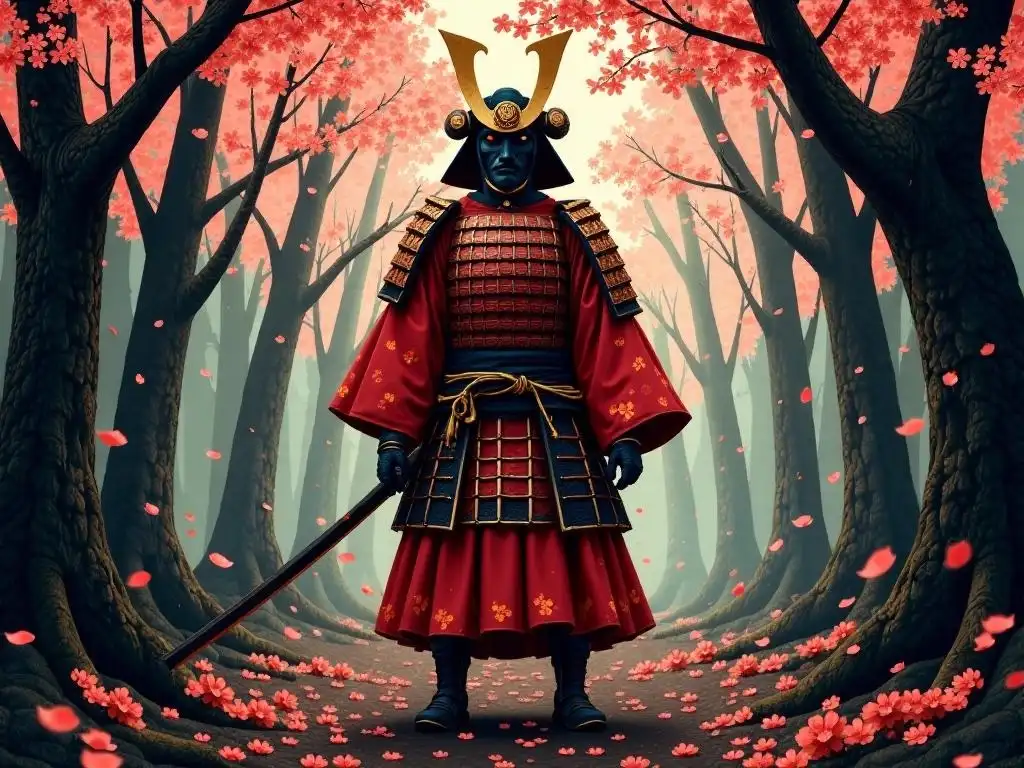
Bushido, the samurai code of conduct, has left an indelible mark on modern military ethics and leadership. Its principles continue to resonate within the frameworks of contemporary armed forces, influencing both the mindset and operational strategies of military personnel. The essence of Bushido emphasizes honor, loyalty, and discipline—values that are integral to modern military organizations worldwide.
Influence on Military Ethics and Leadership
Bushido's impact on military ethics can be observed through its emphasis on moral integrity and self-discipline. These tenets serve as guiding principles for leaders who are tasked with making critical decisions in high-stress environments. For example, contemporary military leaders often draw from Bushido's emphasis on seppuku (ritual suicide) as a form of taking responsibility for one's actions, which translates into a modern understanding of accountability and ethical conduct within military ranks.
Moreover, the concept of giri (duty) in Bushido reinforces the importance of loyalty—not only to one's superiors but also to fellow soldiers and the mission at hand. This sense of duty fosters a cohesive unit, where trust and camaraderie are paramount. Modern military organizations leverage these values in training programs, emphasizing the need for integrity and loyalty among troops.
| Bushido Principle | Modern Military Concept |
|---|---|
| Honor | Ethical conduct and accountability |
| Loyalty | Team cohesion and trust |
| Discipline | Rigorous training and self-control |
The Adaptation of Samurai Principles in Contemporary Contexts
The principles of Bushido have been adapted to fit contemporary military contexts beyond Japan. For instance, the U.S. military incorporates aspects of Bushido in its leadership training, promoting ideas of resilience and honorable conduct under pressure. The ability to remain steadfast in the face of adversity, a core tenet of the samurai ethos, is crucial for modern soldiers deployed in conflict zones.
Furthermore, the principles of Bushido have found their way into military strategic studies. The emphasis on flexibility and adaptability—central to the samurai’s approach to warfare—has influenced modern military tactics. Commanders are encouraged to think critically and respond to evolving battlefield conditions, echoing the fluid combat strategies employed by samurai warriors.
- Resilience: The capacity to recover quickly from difficulties.
- Adaptability: The ability to adjust strategies based on situational demands.
These adaptations illustrate how Bushido principles continue to be relevant in shaping the character and effectiveness of modern military forces, highlighting a legacy that transcends time.
Bushido in Popular Culture: Myths vs. Realities
The portrayal of Bushido in popular culture often romanticizes the samurai, leading to a blend of myth and reality that can distort historical understanding. Films, literature, and video games frequently depict samurai as noble warriors adhering rigidly to the code, which can overlook the complexities and nuances of actual samurai behavior and the historical context in which they operated.
In reality, while many samurai did embody the principles of Bushido, it was not a uniform code strictly followed by all. Differences in interpretation and practice existed based on regional and individual variations. For instance, the samurai class itself was not monolithic; some members engaged in less honorable behavior, prioritizing personal gain or political ambition over the ideals of honor and loyalty.
Moreover, the dramatization of Bushido in media often highlights the romantic aspects of samurai life—such as duels and honor-bound conflicts—while downplaying the brutal realities of feudal warfare. The portrayal of katana (swords) as symbols of honor can overshadow the strategic and tactical aspects of samurai warfare.
The truth about the samurai is often more complex than the legends suggest.
In sum, while Bushido undeniably shaped the samurai's identity and approach to warfare, its representation in popular culture tends to simplify and idealize a multifaceted historical reality. Understanding this distinction is crucial for appreciating the true legacy of Bushido within both historical and modern military contexts.
Conclusion: The Enduring Influence of Bushido on Warfare
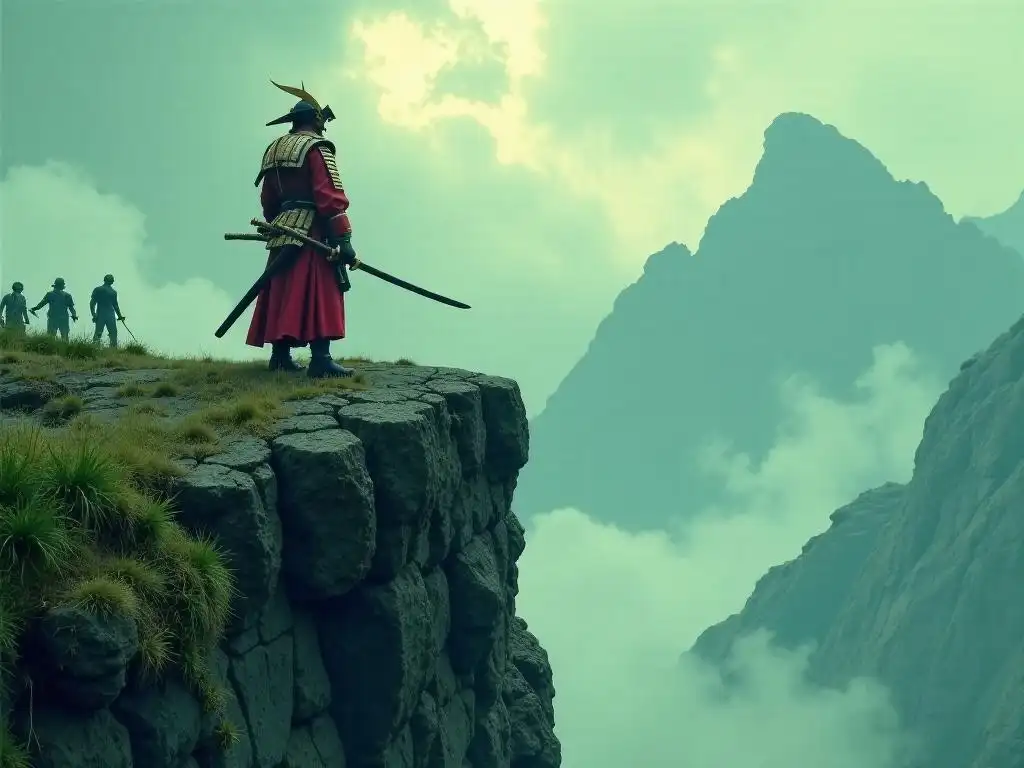
The legacy of the Bushido samurai code extends far beyond the battlefields of feudal Japan, shaping not only the conduct of warriors but also influencing broader societal values and principles. As we conclude our exploration of how Bushido manifested in warfare, it becomes clear that this code was not merely a set of guidelines for combat; it encapsulated a philosophy that permeated every aspect of a samurai's life.
Reflection on the Samurai Code and Its Relevance Today
The principles of Bushido— loyalty, honor, courage, and self-discipline—remain significant today, resonating within various fields, including business, sports, and personal development. The emphasis on integrity and ethical behavior is particularly relevant in modern corporate environments, where leaders draw on these principles to foster a culture of trust and respect.
Moreover, the concept of seppuku (ritual suicide) exemplifies the ultimate commitment to honor, a practice that, while no longer prevalent, invites reflection on the lengths to which individuals might go to uphold their values. In contemporary society, discussions around personal sacrifice for the greater good often echo the sentiments of Bushido, illustrating its lasting impact.
Final Thoughts on the Interplay Between Bushido and Feudal Warfare
The relationship between Bushido and feudal warfare is intricate and multifaceted. The samurai's adherence to the code not only dictated individual conduct in battle but also influenced military strategy and group dynamics within samurai clans. The psychological aspect of Bushido—instilling courage and a sense of duty—contributed significantly to the samurai's effectiveness as warriors.
In examining key battles throughout Japan's feudal era, it is evident that Bushido shaped the very nature of warfare. The samurai's commitment to honor and loyalty often resulted in fierce and unyielding combat, as warriors fought not just for victory but to uphold their name and clan. This interplay between code and combat exemplifies a unique aspect of military history, where ideals and ethics shaped the outcomes of conflicts.
The Bushido samurai code warfare exemplifies a rich historical tapestry that continues to influence modern thought and practice. Understanding its implications not only deepens our knowledge of feudal Japan but also invites us to consider the enduring values that transcend time and culture.
References and Further Reading on Bushido and Feudal Warfare
Recommended Books and Articles
-
"Bushido: The Soul of Japan" by Inazo Nitobe
This seminal work provides a deep insight into the philosophy of Bushido, elucidating its principles and how they influenced the conduct of samurai in battle. Nitobe's exploration of the ethical and moral dimensions of the samurai code is essential for understanding its application in feudal warfare.
-
"Samurai Warfare" by Stephen Turnbull
Turnbull's comprehensive analysis of samurai tactics and strategies offers a vivid picture of how Bushido shaped the battlefield. The book includes illustrations and accounts from various battles, making it a valuable resource for those interested in military history.
-
"The Book of Five Rings" by Miyamoto Musashi
Written by one of Japan’s most famous swordsmen, this text delves into the philosophy of combat and strategy, reflecting on how Bushido informed Musashi's approach to warfare. It is a crucial read for understanding the mindset of samurai during conflicts.
-
"The Samurai: A Military History" by John F. Guilmartin Jr.
This detailed account examines the evolution of the samurai as a military class and their role in shaping Japan's feudal warfare. It provides context to the influence of Bushido on military tactics and societal structure.
-
"Bushido: The Samurai Code of Honor" by Thomas Cleary
Cleary's interpretation brings modern readers closer to the historical context of Bushido. The book discusses the code's implications not only in warfare but also in the broader social fabric of feudal Japan.
Documentaries and Media Resources
-
"Samurai: Behind the Blade" (Documentary)
This documentary explores the lives of samurai warriors, focusing on their training, battles, and the philosophical underpinnings of Bushido. Interviews with historians and reenactments provide a vivid portrayal of feudal warfare.
-
"The Last Samurai" (Film)
While a dramatization, this film captures the essence of the samurai's honor, loyalty, and the challenges of maintaining the Bushido code during the transition to modernity. It offers insights into the cultural significance of the samurai in warfare.
-
"Secrets of the Samurai Sword" (Documentary)
This documentary delves into the craftsmanship of the katana and its significance in samurai culture and warfare. It highlights how the sword represents the samurai's honor and adherence to Bushido.
-
"The Samurai Code" (Podcast)
This podcast series discusses various aspects of the samurai, including their code of conduct and its implications in warfare. Each episode features experts who analyze historical events through the lens of Bushido.
-
"Shogun" (Miniseries)
Based on James Clavell's novel, this miniseries provides a dramatized view of feudal Japan, illustrating the conflicts and the samurai code's influence on warfare and politics during the period.
These resources will deepen your understanding of how the Bushido samurai code shaped not only individual warriors but also the broader context of feudal warfare in Japan.
Frequently Asked Questions
What is the Bushido samurai code?
The Bushido samurai code is a set of ethical principles and values that guided the behavior and actions of samurai warriors in feudal Japan. It emphasized virtues such as honor, loyalty, and courage.
How did Bushido influence feudal warfare?
Bushido shaped feudal warfare by instilling a sense of discipline and commitment among samurai. This code encouraged warriors to uphold their honor in battle, often prioritizing personal valor over mere victory.
What role did honor play in the samurai code?
Honor was a central tenet of the Bushido code. Samurai believed that maintaining their reputation and integrity was paramount, often leading them to fight bravely or choose death over dishonor.
How did Bushido affect samurai relationships with their lords?
The Bushido code fostered a strong bond of loyalty between samurai and their lords. Samurai were expected to serve their lords with unwavering dedication, often risking their lives to protect their master.
What are some key principles of the Bushido samurai code?
Key principles of the Bushido samurai code include courage, integrity, benevolence, respect, honesty, and self-control. These values not only guided samurai in battle but also influenced their conduct in daily life.
Final Reflection: The Enduring Legacy of Bushido in Warfare
The principles of the Bushido samurai code continue to resonate in today's world, reminding us that honor, loyalty, and discipline are not just relics of the past but essential values that shape our interactions and decisions. In an era where the chaos of modern life often overshadows these ideals, the lessons from feudal warfare remind us of the profound impact that a strong moral compass can have on both individuals and societies.
The influence of Bushido extends far beyond the battlefield, permeating various aspects of culture, ethics, and leadership. As we navigate our own challenges, the samurai's unwavering commitment to their code serves as a powerful reminder of the importance of integrity and respect in our daily lives. The ultimate aim of the martial arts is not having to use them,
reflects the essence of Bushido, emphasizing that true strength lies in restraint and wisdom.
As you reflect on the themes of this article, consider how the values of Bushido can inspire your own journey. Embrace the spirit of the samurai in your actions and decisions, fostering a sense of honor and responsibility in all that you do. Let the lessons of the past guide you toward a future where courage and integrity are at the forefront of your endeavors, shaping not only your personal path but also the world around you.
Embrace Your Inner Warrior: Apply the Samurai Spirit Today!
Thank you for diving into the fascinating world of Bushido and the samurai's unwavering code in battle. You've uncovered the essence of honor, loyalty, and discipline that shaped feudal warfare. Now, it’s time to take those timeless principles beyond history and into your daily life!
Here are a few actionable steps you can take to embody the spirit of the samurai:
- Practice Discipline: Set a daily goal that challenges you—whether it’s learning a new skill, meditating, or exercising. Embrace the commitment of a samurai in your journey!
- Share the Wisdom: Discuss the insights from the Samurai Code with friends or family. Create a dialogue that inspires others to reflect on values of honor and integrity!
- Explore Further: Dive deeper into topics like mindfulness or Japanese culture. Consider reading a book on Zen philosophy or practicing a martial art! Expand your understanding and experience!
What challenges are you willing to conquer today that reflect the samurai spirit? Let's inspire each other in the comments below!