
The Samurai's Relationship with Peasants: Allies or Oppressors?

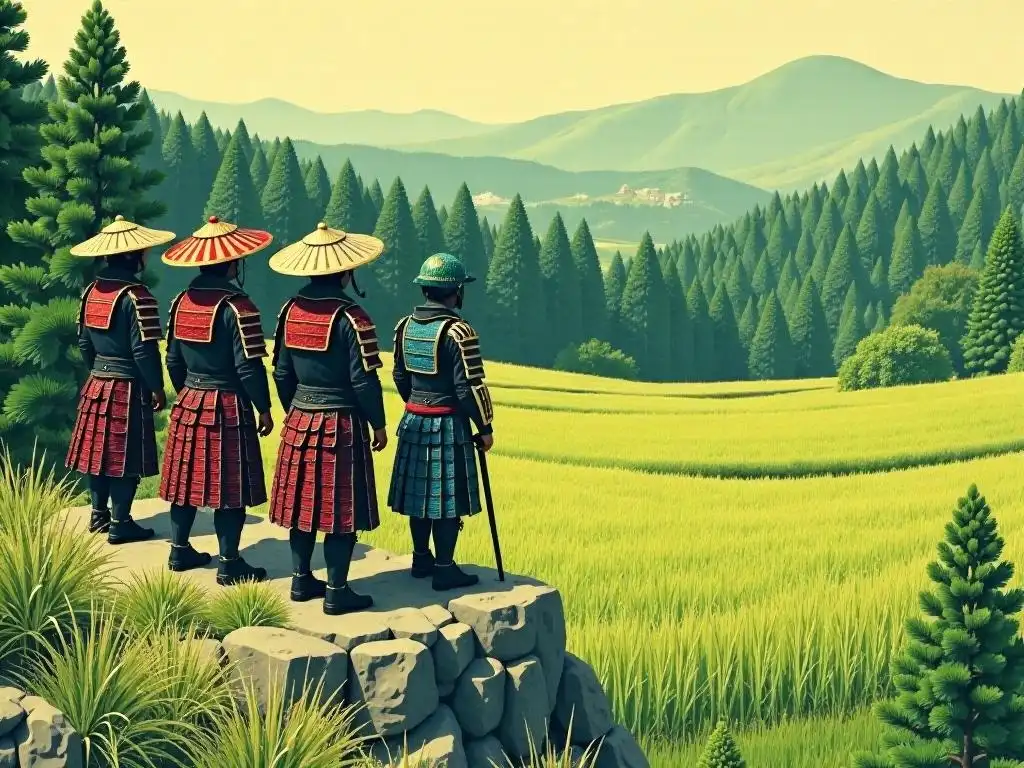
Welcome to Feudal Japan History, where we invite you to journey through the intricate tapestry of Japan’s feudal era. Here, you will uncover the fascinating dynamics that shaped society, culture, and politics during this transformative period. In our featured article, “The Samurai's Relationship with Peasants: Allies or Oppressors?”, we delve deep into the complexities of samurai and peasant relations, exploring whether these formidable warriors were protectors or oppressors of the rural populace. Prepare to challenge your perceptions and uncover the truths hidden within this captivating narrative. Join us as we unravel the past, one story at a time!
Introduction to Samurai and Peasant Relations
The relationship between samurai and peasants in feudal Japan is a complex and multifaceted topic that reveals much about the social, political, and economic dynamics of the era. Understanding whether the samurai served as allies or oppressors to the peasant class is crucial for comprehending the broader landscape of Japanese feudal society.
This exploration delves into the nuances of this relationship, examining both the supportive roles that samurai sometimes played and the oppressive mechanisms they often employed. The following sections will provide a comprehensive analysis of the historical context, societal structures, and key events that shaped the interactions between these two pivotal classes during Japan's feudal era.
Overview of Feudal Japan
Feudal Japan, spanning from the late 12th century until the 19th century, was characterized by a decentralized political structure where power was distributed among various samurai clans. This era witnessed the establishment of a hierarchical society with a rigid class system. At the top were the shoguns, followed by the samurai, and at the base were the peasants, who formed the backbone of the agrarian economy.
- Key Features of Feudal Japan:
- Decentralized Governance: Power was fragmented among local lords (daimyos) who ruled over their territories.
- Agricultural Economy: The economy relied heavily on agriculture, with rice being the primary crop.
- Cultural Developments: This period also marked significant cultural advancements, including the rise of Zen Buddhism and the flourishing of arts such as Noh theater and ink painting.
Importance of Samurai in Japanese Society
The samurai were not merely warriors; they embodied the values and ethics of bushido, the way of the warrior. This code dictated their conduct, emphasizing loyalty, honor, and discipline.
- Roles of Samurai:
- Military Leaders: Samurai were essential in maintaining order and protecting their lords' territories.
- Landholders: Many samurai were also landowners, receiving land in exchange for military service.
- Cultural Influencers: They played a crucial role in promoting arts and education, often patronizing artists and scholars.
The Role of Peasants in the Feudal System
Peasants, often referred to as "hyakusho," were the backbone of feudal Japan's agrarian economy. They were responsible for cultivating the land and producing the food that sustained the population.
- Peasant Life:
- Agricultural Labor: Most peasants were farmers who worked tirelessly on the land, often bound by contracts to their samurai lords.
- Taxation and Obligations: Peasants were required to pay taxes in the form of rice, which was a significant burden, especially during poor harvests.
- Social Status: Despite their essential role, peasants were often viewed as lower class and had limited rights within the feudal hierarchy.
Historical Context of Samurai and Peasant Dynamics
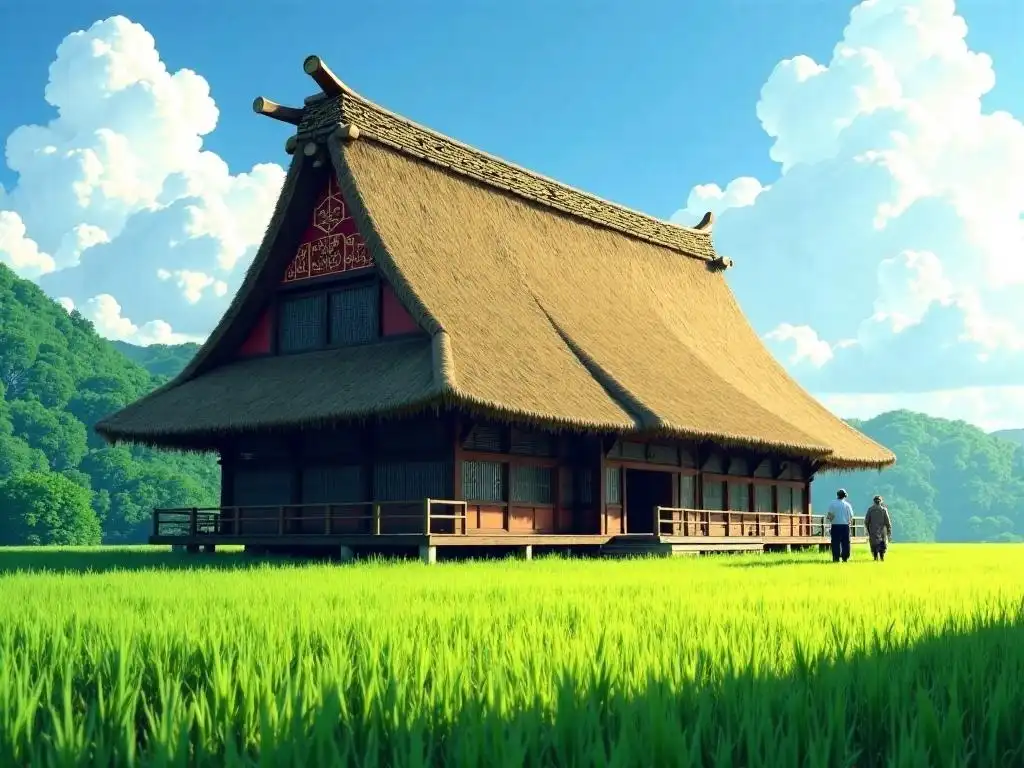
To understand the intricate dynamics between samurai and peasants, it is essential to explore the historical context that shaped their interactions.
The Rise of the Samurai Class
The samurai class emerged during the late Heian period (794-1185) as a response to the need for military protection amid increasing social unrest and political fragmentation. They gained prominence as local warriors, eventually establishing themselves as a distinct class with significant power by the Kamakura period (1185-1333).
- Key Factors in Their Rise:
- Warfare and Military Expansion: Constant conflict among clans necessitated a class of skilled warriors.
- Land Grants: In exchange for military service, samurai were granted land, reinforcing their status and power.
Peasant Life in Feudal Japan
Peasant life was marked by hardship and a relentless cycle of labor. The vast majority of the population were farmers, who faced numerous challenges that shaped their relationship with the samurai.
- Daily Life:
- Labor Conditions: Peasants typically worked from sunrise to sunset, often facing harsh weather conditions.
- Community Structure: Villages operated as tight-knit communities, with mutual support systems among families.
Key Historical Events Influencing Relations
Several pivotal events influenced the dynamics between samurai and peasants, shaping their interactions and the socio-political landscape of feudal Japan.
- The Onin War (1467-1477): This civil war led to a breakdown of central authority and increased power struggles among daimyos, resulting in escalated violence and oppression of peasants.
- The Sengoku Period (1467-1603): A time of constant warfare among rival clans, which often led to peasants being caught in the crossfire or forced into conscription.
This exploration of the samurai-peasant relationship reveals a complex tapestry of cooperation, conflict, and societal structure that defined the feudal era in Japan. Understanding these dynamics not only enriches our knowledge of Japanese history but also sheds light on the broader implications of class relations in historical contexts.
Allies: The Supportive Role of Samurai
The relationship between samurai and peasants during Japan's feudal era was complex, often characterized by a dual nature of both cooperation and conflict. In many instances, samurai acted as protectors of the peasant class, offering them security in exchange for loyalty and agricultural productivity. This alliance was primarily forged out of necessity, as samurai required a steady supply of food and resources to maintain their status and fulfill their military obligations.
Protection of Peasants by Samurai
One of the primary roles of samurai was to safeguard the villages and their inhabitants from external threats, including bandit raids and rival clans. By providing military protection, samurai established a social contract with the peasants, who, in return, offered their service and labor.
Notably, during periods of instability, such as the 15th and 16th centuries when civil wars were prevalent, many samurai would rally to defend their domains, ensuring the safety of their agrarian subjects. This protective role was not merely transactional; it fostered a sense of community and loyalty that was essential for maintaining order in a tumultuous era.
Economic Dependencies: Samurai and Peasant Interactions
The economic interdependence between samurai and peasants was a defining characteristic of feudal Japan. Samurai relied on the agricultural surplus produced by peasants to sustain their households and fulfill their warrior roles. In turn, peasants depended on the samurai for protection and governance. This relationship often manifested in systems where samurai would collect taxes from the peasants, which were typically a portion of their harvests. While this arrangement ensured the survival of both classes, it also created a delicate balance where economic exploitation could lead to tension and unrest.
Cultural Exchange: Art and Traditions between Classes
Despite the hierarchical nature of feudal society, cultural exchanges between samurai and peasants flourished. Samurai were often patrons of the arts, supporting the development of literature, theater, and crafts that included peasant influences. Traditional Japanese art forms, such as ukiyo-e (woodblock prints), frequently depicted peasant life and activities, showcasing the intermingling of cultural expressions. Additionally, festivals and agricultural rituals often included samurai participation, highlighting a shared cultural heritage that transcended class boundaries. This exchange contributed to the rich tapestry of Japanese culture, fostering a mutual respect that, at times, blurred the lines of social stratification.
Oppressors: The Exploitative Aspects of Samurai Rule
While there were instances of supportive relationships, the samurai class also had a darker side that manifested in the exploitation and oppression of peasants. As the ruling elite, samurai often exercised their power in ways that heavily burdened the lower classes, leading to significant disparities in wealth and social standing.
The Burden of Taxes and Labor on Peasants
Peasants were subjected to heavy taxation, which significantly impacted their livelihoods. Samurai, as landholders, imposed taxes that could reach as high as 40% of a peasant's harvest. This excessive taxation left many farmers in dire straits, struggling to provide for their families while meeting their obligations to their samurai lords. Furthermore, the expectation for peasants to perform unpaid labor on samurai lands, known as "corvée," further exacerbated their plight, often forcing them into a cycle of debt and servitude.
Samurai Violence and Repression of Peasant Revolts
The samurai class also maintained their dominance through violence and repression. When peasants revolted against oppressive conditions, samurai were quick to respond with brutal force. Instances of peasant uprisings, such as the famous "Shinano Revolt" in 1584, were met with swift and merciless retaliation. Samurai utilized their military training to quash these rebellions, often resulting in significant loss of life and further entrenching the power dynamics within feudal society. This use of violence not only served to maintain order but also instilled fear among the peasant population, discouraging future dissent.
Case Studies: Notable Instances of Oppression
Several notable instances throughout Japan’s feudal history exemplify the oppressive nature of samurai rule. The "Peasant Revolt of 1837" in the Osaka region is a poignant example where the samurai's harsh taxation and labor demands led to widespread unrest. The revolt was ultimately crushed by samurai forces, demonstrating the lengths to which the samurai would go to protect their interests.
Another significant case is the "Nakamura Rebellion" of 1884, where peasants protested against land dispossession by samurai landowners, resulting in violent clashes. These events underline the often exploitative nature of the samurai's governance and the harsh realities faced by the peasant class, revealing a side of the samurai era marked by oppression alongside moments of alliance and support.
While the samurai could serve as protectors and allies to the peasant class, they also wielded their power in ways that oppressed and exploited their agrarian counterparts, creating a complex and often contradictory relationship that defined the feudal era of Japan.
Comparative Perspectives: Allies vs. Oppressors
The relationship between samurai and peasants during Japan's feudal era is complex and multifaceted, characterized by both alliance and oppression. On one hand, samurai were tasked with protecting the peasants and their lands, often acting as local leaders and enforcers of law and order. This protective role fostered a sense of loyalty and mutual reliance, where peasants contributed their agricultural produce in exchange for security and protection from external threats.
Conversely, this relationship could also be marked by exploitation. Samurai often imposed heavy taxes and labor demands on peasants, viewing them as a source of wealth and sustenance for their own status and military endeavors. The duality of these relationships highlights a significant social dynamic, where the samurai could be seen as both guardians and oppressors, depending on the context and individual circumstances.
Analyzing the Dual Nature of Samurai Roles
The samurai's role as both ally and oppressor can be traced back to their foundational purpose in Japanese society. Originally, samurai were warriors serving the interests of their lords, and their primary duty was to ensure the stability and safety of their domains. In many cases, this meant providing protection to the peasants, allowing them to cultivate their fields without fear of invasion or banditry.
However, as feudalism solidified, the samurai's role evolved, leading to an increasing reliance on the agrarian economy. Samurai began to assert their authority, demanding tribute and enforcing their will through violence if necessary. This shift transformed them into figures of oppression for many peasants, who often bore the brunt of their demands. The conflict between these roles illustrates the inherent tension within the samurai class, caught between their obligations to their lords and their impact on the peasant class.
Regional Variations in Samurai-Peasant Relations
The nature of samurai-peasant relations varied significantly across different regions of Japan, influenced by local customs, economic conditions, and the political landscape. In regions where samurai were primarily engaged in warfare, such as during the Sengoku period, the relationship could be particularly exploitative. Here, peasants faced heavy taxation to fund their lords' military campaigns, leading to widespread resentment and uprisings.
Conversely, in more stable regions, such as those governed by benevolent daimyos, samurai might work closely with peasants to improve agricultural practices and infrastructure. This cooperation could lead to mutual benefits, including improved yields and stability, fostering a sense of community rather than animosity. These regional disparities underscore the complexity of samurai-peasant dynamics, emphasizing that broad generalizations may overlook significant variations in experiences and relationships.
Long-term Effects on Japanese Society
The legacy of samurai-peasant relations has had lasting impacts on Japanese society, shaping social hierarchies and cultural attitudes. The deeply ingrained notions of loyalty and duty, forged in the interactions between samurai and peasants, influenced the development of Japan's collective identity. The samurai ethos of honor and loyalty permeated not only the warrior class but also the peasantry, fostering a culture where collective responsibility was paramount.
Additionally, the exploitation experienced by peasants led to significant social unrest, including uprisings such as the Ikko-Ikki from the 15th to 17th centuries. These movements highlighted the tensions underlying feudal relationships, ultimately contributing to the decline of the samurai class as Japan transitioned into the modern era. The repercussions of these historical dynamics continue to resonate in contemporary Japanese society, where class structures and social responsibilities remain topics of discussion.
The Legacy of Samurai and Peasant Relations

The relationship between samurai and peasants is a crucial aspect of Japan's historical narrative, providing insights into the evolving social fabric of the nation. Understanding this legacy allows for a deeper appreciation of the complexities of feudal society and its lasting influences on modern Japan.
Impact on Modern Japanese Culture and Society
The historical dynamics between samurai and peasants have shaped various elements of modern Japanese culture, including literature, film, and social norms. Themes of honor, loyalty, and the struggles of the common man against authority are prevalent in contemporary narratives, reflecting the enduring influence of these historical relationships. The samurai are often romanticized in popular culture, serving as symbols of discipline and moral integrity, while the peasantry is frequently depicted as resilient and resourceful.
Moreover, modern Japanese society continues to grapple with issues of class and authority, echoing the historical tensions between samurai and peasants. The lessons learned from this dynamic can inform contemporary discussions about social equity and the responsibilities of those in power.
Lessons from History: Understanding Class Relations
The complex interactions between samurai and peasants offer valuable lessons about class relations that remain relevant today. The duality of their relationship serves as a reminder of the potential for both cooperation and conflict within hierarchical structures. It emphasizes the importance of understanding the perspectives of all classes involved, as well as the dynamics of power and exploitation.
By examining the historical context of these relationships, modern societies can better appreciate the importance of equitable governance and the need for dialogue between different social strata. This understanding fosters an environment where social justice and mutual respect can thrive, helping to prevent the pitfalls of oppression and social unrest that characterized feudal Japan.
Continued Relevance in Historical Discourse
The exploration of samurai and peasant relations remains a vital area of study within Japanese history, with ongoing discussions about its implications for contemporary society. Scholars continue to analyze these relationships through various lenses, including sociology, economics, and cultural studies, to understand the intricate dynamics at play.
This historical discourse not only enriches our understanding of Japan's past but also informs contemporary debates about class, power, and social responsibility. By recognizing the complexities of samurai-peasant relationships, we can cultivate a more nuanced perspective on the evolution of Japanese society and its enduring legacy.
Conclusion: A Complex Relationship
The relationship between samurai and peasants during Japan's feudal era is intricate and multifaceted. While samurai were often perceived as oppressors due to their militaristic and authoritative roles, they also played a protective and stabilizing function within the agricultural society. This duality highlights the complexities of their interactions, revealing a dynamic that encompassed both conflict and cooperation.
Peasants were the backbone of the feudal economy, providing food and resources that sustained samurai and their clans. In return, samurai offered protection from external threats and maintained order within their domains. However, the system was far from equitable, as samurai often imposed heavy taxes and labor requirements on peasants, leading to resentment and uprisings. Thus, the relationship can be seen as one of both alliance and subjugation, reflecting the broader social hierarchies and power dynamics of feudal Japan.
Summary of Key Points
- Interdependence: Samurai relied on peasants for sustenance, while peasants depended on samurai for protection.
- Economic Structure: The feudal economy was heavily reliant on agricultural output, which was managed by peasants under the samurai's oversight.
- Conflict and Cooperation: Instances of rebellion highlight the tensions that existed, but many samurai also took on roles as local leaders, fostering community ties.
- Cultural Exchange: The samurai class influenced peasant culture through military practices and governance, while peasant traditions also permeated samurai life, creating a rich tapestry of cultural interaction.
Final Thoughts on Samurai and Peasant Dynamics
The relationship between samurai and peasants was not strictly one of oppression but rather a complex interplay of mutual needs and societal pressures. Understanding this dynamic is crucial for grasping the broader context of feudal Japan. As we explore this historical era, it becomes clear that the narratives of both classes are interwoven, each shaping the society in significant ways. The legacy of their interactions continues to influence modern interpretations of Japanese history, emphasizing the importance of viewing historical relationships through a nuanced lens.
References and Suggested Further Reading
To gain a deeper understanding of the dynamics between samurai and peasants, the following resources are recommended:
Recommended Books on Samurai and Peasant Relations
-
"Samurai, Warfare and the State in Early Medieval Japan" by Karl F. Friday
This book explores the military and social roles of samurai, providing an in-depth analysis of their interactions with peasants.
-
"Peasants and Warriors: The Origins of the Samurai" by Michael K. Bourdaghs
A compelling narrative that examines the cultural and economic ties between the samurai and peasant classes.
-
"The Samurai: A Military History" by Anthony J. Bryant
This comprehensive history covers the evolution of the samurai class and their societal impacts, including relationships with the peasantry.
Online Resources for Feudal Japan History
- The Samurai Archives: An extensive online resource dedicated to the history of samurai, featuring articles, forums, and primary source documents.
- The Japan Times: Offers articles and essays on the historical and cultural aspects of feudal Japan, including the samurai and peasant relations.
- National Diet Library of Japan: Provides access to historical documents and research papers that delve into the lives of samurai and peasants during the feudal era.
These resources will enhance your understanding of the intricate tapestry that is the history of samurai and peasant relations in feudal Japan.
- Introduction to Samurai and Peasant Relations
- Overview of Feudal Japan
- Importance of Samurai in Japanese Society
- The Role of Peasants in the Feudal System
- Historical Context of Samurai and Peasant Dynamics
- Allies: The Supportive Role of Samurai
- Oppressors: The Exploitative Aspects of Samurai Rule
- Comparative Perspectives: Allies vs. Oppressors
- The Legacy of Samurai and Peasant Relations
- Conclusion: A Complex Relationship
- References and Suggested Further Reading
Frequently Asked Questions
What was the role of samurai in feudal Japan?
The samurai were the warrior class of feudal Japan, serving as military nobility and often acting as landholders. Their primary duty was to protect their lords and maintain order within their territories.
How did peasants fit into the feudal system?
Peasants were the backbone of feudal society, primarily engaged in agriculture and providing the food supply for samurai and their families. They were often bound to the land they worked, serving under the samurai.
Were samurai and peasants allies or oppressors?
The relationship between samurai and peasants was complex, often marked by mutual dependence yet also exploitation. While samurai relied on peasants for resources, they could also impose heavy taxes and labor demands.
The social hierarchy in feudal Japan placed samurai above peasants, leading to an imbalance of power. This often resulted in oppressive practices, but also occasional alliances against common threats.
What were the consequences of the samurai-peasant relationship on Japanese society?
The dynamics between samurai and peasants shaped Japan's social structure and cultural norms, influencing everything from agricultural practices to political stability. These relations ultimately contributed to the legacy of feudal Japan.
Final Reflection: The Complex Ties Between Samurai and Peasants
The intricate relationship between samurai and peasants remains profoundly relevant today, as it reflects the ongoing struggles between power and vulnerability in society. The historical dynamics of these two groups serve as a lens through which we can examine contemporary issues of class, authority, and mutual dependence. As we navigate a world where social hierarchies continue to shape our interactions, understanding the nuances of these relationships can illuminate paths toward empathy and collaboration.
Culture is often a tapestry woven from the threads of various social interactions, and the relationship between samurai and peasants is a testament to this complexity. The samurai, often viewed as the elite warriors of feudal Japan, relied on the agricultural labor of peasants for sustenance and economic stability. This interdependence, while fraught with tension, underscores the importance of recognizing the humanity in every role within a society. As the historian John W. Hall noted, The samurai and the peasant were not merely adversaries; they were bound together in a web of mutual necessity.
This observation invites us to reflect on how our own societal roles are interconnected, urging us to consider the implications of our actions on those around us.
As we conclude this exploration of samurai and peasant relations, I invite you to reflect on your own relationships and the power dynamics present in your life. Consider how you can foster alliances rather than perpetuate oppression, recognizing the value of every individual’s contribution. By embracing the lessons learned from history, we can strive to create a more equitable and understanding society, where collaboration triumphs over conflict. Let us carry forward the spirit of unity that transcends class and status, forging connections that honor the dignity of all.
Thank you for diving into the intricate dynamics between samurai and peasants! Your curiosity sheds light on a fascinating chapter of feudal Japanese history. With this understanding, why not take the next steps to deepen your engagement and share this knowledge with others?
- Join a local history group or online forum to discuss the complexities of samurai and peasant relationships—your insights can spark meaningful conversations!
- Explore additional resources such as historical books or documentaries to uncover more about their intertwined lives and their significant impact on Japanese society.
- Share this article with friends or on social media to invite others into this captivating conversation about Japan's rich history.
What surprising connections between samurai and peasants will you discover next? Let's keep the conversation going!