
The Economic Implications of Commodore Perry's Arrival in Japan

Welcome to Feudal Japan History, where we embark on a captivating journey through the intricate tapestry of Japan's feudal era. Here, we delve deep into the historical, cultural, and societal nuances that shaped an extraordinary period. In this article, we shine a spotlight on the economic impact of Commodore Perry's arrival in Japan—a pivotal moment that altered the course of the nation's foreign relations and economic landscape. What were the ripple effects of this encounter? Join us as we uncover the layers of significance behind this historic event and its lasting implications on Japan. Your exploration begins now!
The arrival of Commodore Matthew Perry in Japan during the mid-19th century marked a pivotal moment in the nation's history, initiating a profound transformation that would alter its economic landscape forever. In 1853, Perry's expedition, characterized by the deployment of naval power and a strong desire to establish trade relations, effectively ended over two centuries of Japan's self-imposed isolation known as Sakoku.
This article delves into the multifaceted economic implications of Perry's arrival, examining how this encounter set the stage for Japan's integration into the global economy. By exploring the historical context, the subsequent shifts in trade and policies, and the impact of the Treaty of Kanagawa, we aim to provide a comprehensive understanding of how Commodore Perry's mission reshaped Japan's economic trajectory and laid the groundwork for its modernization.
Introduction to Commodore Perry's Arrival in Japan
Overview of Commodore Perry's Mission
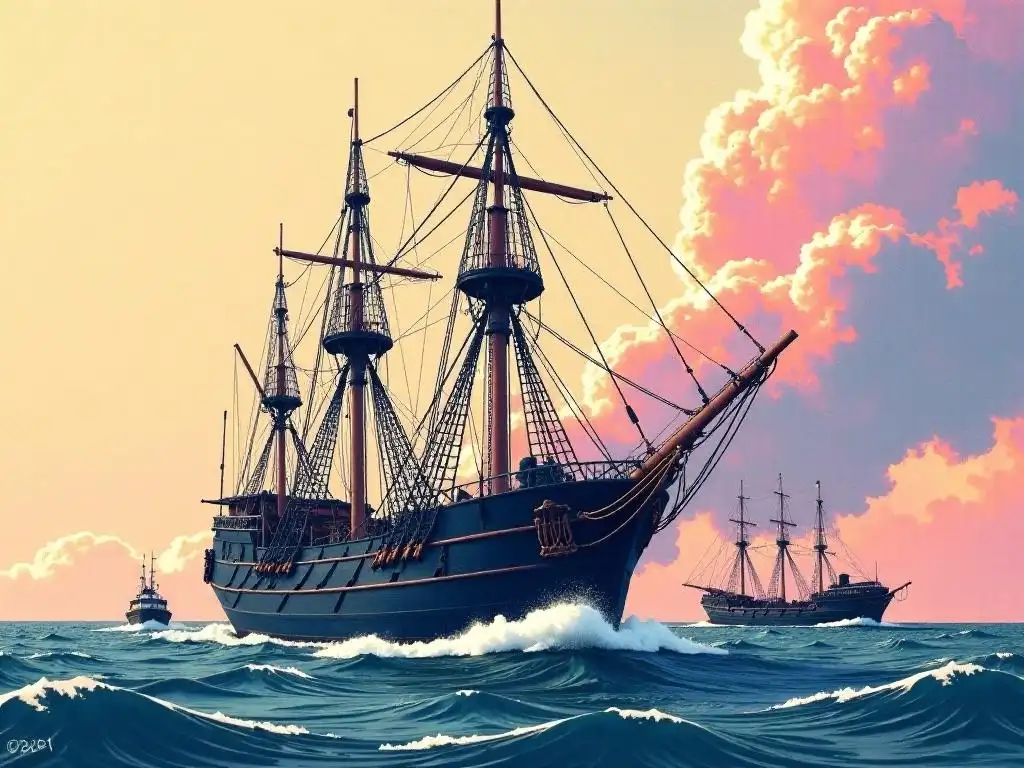
Commodore Perry's mission to Japan was driven by the United States' desire to establish commercial relations in the Asia-Pacific region. The expedition was not merely a diplomatic endeavor; it was underscored by military strategy, as Perry aimed to showcase the might of American naval power. His arrival in Edo Bay (now Tokyo Bay) on July 8, 1853, with a fleet of "Black Ships," served as a wake-up call to the isolated nation, compelling it to reconsider its foreign policy and trade practices.
Historical Context of Japan's Isolation
For over two hundred years, Japan had maintained a strict isolationist policy under the Tokugawa shogunate, which limited foreign influence and trade primarily to the Dutch and Chinese. This period of isolation, or Sakoku, was initially intended to protect Japanese culture and political stability from external threats. However, by the mid-19th century, geopolitical dynamics were shifting, with Western powers looking to expand their influence in Asia. Perry's arrival signified the beginning of the end for this isolation, as Japan faced the reality of a rapidly evolving world.
The Economic Impact of Commodore Perry on Japan
Commodore Perry's Economic Influence on Trade
Perry's arrival had immediate and far-reaching implications for Japan's trade policies. The show of military strength effectively forced Japan to open its ports to American ships, leading to an influx of foreign goods and ideas. This initial opening laid the groundwork for future trade agreements with other Western nations, fundamentally altering Japan's economic landscape. Japan transitioned from an isolated economy to one that engaged actively with global markets, significantly impacting domestic industries and trade practices.
Shifts in Japan's Economic Policies Post-1853
Following Perry's expedition, Japan experienced a significant shift in its economic policies. The urgency to modernize became apparent, as leaders recognized the need to adapt to the new global economic environment. This led to the adoption of new technologies and practices in various sectors, including agriculture and manufacturing. The subsequent Meiji Restoration in 1868 further accelerated these reforms, as Japan sought to strengthen its economy and military in response to Western pressures.
The Role of the Treaty of Kanagawa in Japan's Economic Transformation
The Treaty of Kanagawa, signed in 1854, was a direct outcome of Perry's mission and marked a crucial turning point in Japan's economic history. This treaty established formal trade relations between the United States and Japan, allowing American ships to access Japanese ports and leading to the establishment of consulates. The economic implications of this treaty were profound, as it opened the door for additional treaties with other Western powers, significantly increasing Japan's participation in international trade and facilitating its transition into a modern economic entity.
Commodore Perry's arrival in Japan was not just a diplomatic incident; it was a catalyst for economic transformation that reshaped Japan's engagement with the world and set the stage for its rapid modernization in the years to follow.
Changes in Japan's Domestic Economy
The arrival of Commodore Perry in 1853 marked a significant turning point in Japan's domestic economy. Prior to this encounter, Japan had maintained a largely self-sufficient economy rooted in agrarian practices and traditional crafts, with limited external trade. The opening of Japanese ports to foreign trade initiated a wave of economic transformation that would redefine the nation's economic landscape. This section explores the intricate changes that took place within Japan's domestic economy as a direct result of Perry's expedition.
Introduction of Western Goods and Technologies
The introduction of Western goods and technologies had a profound impact on Japan's economy. Commodore Perry's arrival facilitated access to a variety of imported products, including textiles, machinery, and consumer goods. The influx of these items not only diversified the market but also stimulated demand for local innovations.
- Textile Industry: The introduction of Western textiles led to increased competition for traditional Japanese fabric makers. This prompted local artisans to adapt by incorporating Western styles and techniques, ultimately leading to a fusion of aesthetics that enriched Japan's textile industry.
- Agricultural Tools: Western farming equipment and techniques introduced through trade enhanced agricultural productivity. The adoption of new technologies, such as plows and irrigation systems, allowed Japanese farmers to increase yields and improve efficiency.
The blend of traditional Japanese methods with Western innovations created a more dynamic and competitive domestic economy, spurring growth and modernization.
Impact on Japanese Industries and Crafts
The economic implications of Perry's arrival extended deeply into various Japanese industries and crafts. Previously insulated from global market forces, Japan's artisans and manufacturers found themselves navigating a new economic reality.
- Traditional Crafts: Many traditional crafts faced challenges from cheaper and more readily available Western goods. However, this competition also served as a catalyst for innovation. Craftsmen began to adapt their products to meet changing consumer preferences, leading to a revival of certain industries that found niche markets both domestically and abroad.
- Manufacturing Growth: In response to increased competition, the Japanese government began investing in industrialization. This led to the establishment of factories and the development of a manufacturing sector that could produce goods at scale, further integrating Japan into the global economy.
The impact on industries and crafts was thus twofold: while some traditional sectors struggled, others adapted and thrived, ultimately contributing to Japan's rapid modernization.
The Rise of the Merchant Class in Japan
Perry's arrival also catalyzed the rise of a new merchant class in Japan. As trade expanded, so did the opportunities for individuals to engage in commerce. The traditional samurai class, which had dominated the social hierarchy, began to see the emergence of a prosperous merchant class that challenged the existing order.
- Economic Power Shift: Merchants gained significant economic power and influence, often surpassing the wealth of samurai. This shift altered the social dynamics of Japan, as economic status began to play a more critical role in societal hierarchy than hereditary privilege.
- Cultural Exchange: The rise of the merchant class facilitated cultural exchange, as increased trade brought foreign ideas, customs, and goods into everyday life. This led to a burgeoning consumer culture, with merchants introducing Western products and lifestyles to Japanese society.
The emergence and empowerment of the merchant class marked a critical evolution in Japanese society, laying the groundwork for future economic developments.
The Broader Economic Consequences of Perry's Arrival
The broader economic consequences of Commodore Perry's arrival extended beyond immediate changes in domestic markets. The impact reverberated through various sectors of the economy, influencing agricultural practices, foreign investment, and Japan's overall integration into the global economic system.
Effects on Japan's Agricultural Sector
Japan's agricultural sector experienced significant changes following Perry's arrival and the subsequent opening of trade.
- Increased Production: Farmers began to adopt new agricultural practices and tools introduced through Western influence, leading to increased production levels. This rise in productivity helped to stabilize food supplies and supported population growth.
- Market Orientation: The shift towards a market-oriented agricultural system became apparent as farmers produced goods not only for subsistence but also for sale in expanding markets. This change encouraged specialization in certain crops, allowing Japan to increase its agricultural exports.
The transformation of the agricultural sector laid the foundation for a more interconnected economy, fostering both domestic and international trade.
Commodore Perry's Influence on Foreign Investment in Japan
Perry's expedition was pivotal in attracting foreign investment to Japan. The newfound openness to international trade encouraged foreign businesses to explore opportunities within Japan's markets.
- Infrastructure Development: With increased foreign investment came the necessity for improved infrastructure. Railways, ports, and telegraph systems were developed to facilitate trade, contributing significantly to Japan's modernization.
- Joint Ventures: Foreign entities began to establish joint ventures with Japanese businesses, introducing capital and expertise that further propelled economic growth. These partnerships enabled Japan to access international markets more effectively.
The influx of foreign investment transformed Japan's economic landscape, integrating it more deeply into the global economy.
Comparison with Other Nations' Economic Interactions with Japan
The economic interactions that followed Perry's arrival can be contrasted with Japan's earlier encounters with other nations, such as the Dutch and the Portuguese.
- Limited Trade vs. Open Ports: Prior to Perry, Japan's trade was limited and tightly controlled, primarily involving the Dutch at Nagasaki. Commodore Perry's arrival shifted this paradigm to a more open and competitive market environment, encouraging a broader range of international interactions.
- Impact on Policy: The economic implications of these interactions differed significantly. While earlier contact resulted in minimal cultural exchange and economic engagement, Perry's opening of Japan catalyzed a comprehensive transformation of trade policies that would influence Japan's economic trajectory for decades.
The economic implications of Commodore Perry's arrival in Japan were profound and multifaceted, leading to critical changes in domestic markets, agricultural practices, and foreign investment, while also setting the stage for Japan's modernization and integration into the global economy.
Societal Changes Linked to Economic Transformation
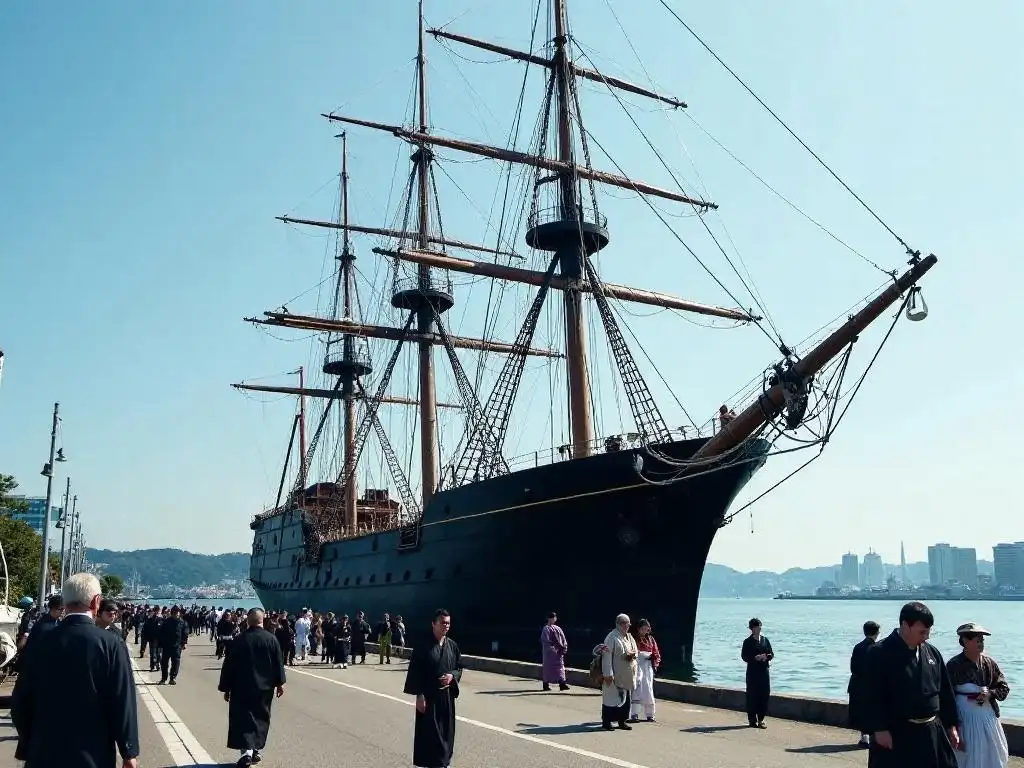
The arrival of Commodore Perry in 1853 marked a pivotal moment in Japan's history, leading to significant societal changes driven by economic transformation. The forced opening of Japan to Western trade initiated a shift from a largely agrarian economy to one that embraced industrialization and modernization. This transition was not merely economic; it also influenced social structures, class dynamics, and everyday life for the Japanese people.
As Japan began to engage with foreign markets, new economic opportunities emerged, particularly in cities like Yokohama and Osaka. These urban centers became bustling hubs of commerce, attracting individuals from rural areas seeking employment and a better quality of life. Consequently, the movement of people towards cities led to the growth of a new social class: the urban merchant and industrial worker, which began to challenge the traditional samurai class's status.
The Impact of Economic Growth on Japanese Society
The economic growth spurred by Perry's arrival had profound implications for Japanese society. With increased trade, Japan experienced an influx of foreign goods, ideas, and technologies that transformed daily life. The introduction of Western textiles, machinery, and agricultural techniques contributed to improved living standards and diversified economic activities.
Moreover, the burgeoning economy fostered a new sense of national identity. As the Japanese people began to engage more with the outside world, they developed a stronger sense of pride in their culture and heritage. The government recognized the need to modernize and compete on the global stage, leading to the Meiji Restoration in 1868, which further aligned economic growth with societal reform.
Shift in Cultural Perceptions Due to Economic Change
The economic changes brought about by Commodore Perry's arrival also led to a shift in cultural perceptions within Japan. As commerce expanded, the traditional view of the samurai class as the pinnacle of society was challenged. The rise of the merchant class began to redefine social hierarchies, as wealth became more accessible through trade and entrepreneurship rather than solely through hereditary status.
Culturally, the exposure to Western ideas and practices resulted in a fusion of Eastern and Western influences. This blending can be seen in various aspects of Japanese life, from art to fashion to cuisine. The opening of Japan to foreign influence led to a reevaluation of cultural norms, pushing society toward a more modern outlook while still retaining essential elements of its rich heritage.
Long-term Economic Implications of Perry's Arrival
The long-term economic implications of Commodore Perry's arrival in Japan are vast and multifaceted. By dismantling the isolationist policies of the Tokugawa shogunate, Perry's expedition laid the groundwork for Japan's transformation into a major economic power in Asia. The consequences of this shift can still be observed in Japan's economy today.
Legacy of Commodore Perry in Japan's Economic Development
Commodore Perry's legacy in Japan is characterized by a series of economic reforms that have had lasting effects. The Treaty of Kanagawa in 1854 not only opened Japanese ports to American trade but also set a precedent for similar agreements with other Western nations. This influx of foreign trade and investment propelled Japan into a period of rapid industrialization.
The subsequent Meiji Restoration allowed Japan to adopt Western technologies and practices, leading to the establishment of a modern banking system, transportation networks, and manufacturing industries. The economic policies initiated during this period laid the foundation for Japan's emergence as an industrialized nation by the late 19th and early 20th centuries.
How Perry's Arrival Set the Stage for Modernization
Perry's arrival was instrumental in setting the stage for Japan's modernization. The stark contrast between Japan's feudal system and the industrialized West prompted Japanese leaders to adopt a proactive approach to reform. The government implemented policies aimed at modernizing various sectors, including education, military, and infrastructure.
This modernization effort was not only driven by the need to compete economically but also by a desire to preserve Japan's sovereignty in the face of Western imperialism. The transformation that began with Perry's expedition ultimately led to Japan becoming a significant player on the global stage, influencing international relations and trade patterns in the years to come.
Conclusion
The arrival of Commodore Matthew Perry in Japan in 1853 marked a pivotal moment in the nation's history, catalyzing profound economic transformations that would reshape its society and global standing. His expedition, driven by the United States' desire to establish trade relations, effectively ended Japan's long-standing period of isolation under the Sakoku policy. The consequences of this encounter were far-reaching, influencing not just the immediate economic landscape but also the trajectory of Japan's modernization and integration into the global economy.
Summary of Commodore Perry's Economic Impact on Japan
Commodore Perry's arrival prompted Japan to reassess its economic strategies and policies. The immediate economic impact can be summarized as follows:
- Opening of Trade: The Treaty of Kanagawa, signed in 1854, opened Japanese ports to American ships, marking the beginning of international trade in Japan. This led to increased foreign influence and the introduction of Western goods and technologies.
- Economic Modernization: The influx of foreign trade necessitated significant economic reforms. Japan invested in modernizing its infrastructure, including transportation and communication systems, which laid the groundwork for future industrialization.
- Shift in Economic Power: As Japan opened its markets, it began to transition from a feudal economy based on agriculture to a more diversified economy that included industries such as textiles and manufacturing. This shift also altered the social structure, leading to the decline of the samurai class’s economic dominance.
- Increased Foreign Investment: The newfound openness attracted foreign investment, which helped to boost various sectors, including banking and shipping, thereby further embedding Japan into the global economy.
Reflection on the Lasting Effects on Japan's Economic Landscape
The economic implications of Perry's arrival extended well beyond the immediate aftermath of the treaties. The following are some lasting effects on Japan's economic landscape:
- Industrial Revolution: The initial steps taken post-Perry's arrival laid the foundation for the Meiji Restoration (1868), during which Japan underwent a rapid industrial revolution. This transformation allowed Japan to emerge as a major industrial power by the early 20th century.
- Global Economic Integration: Japan's integration into the global economy changed its trade patterns and economic relationships. It established trade relations with various nations, which eventually contributed to its role as a significant player in international trade.
- Cultural Exchange and Innovation: The economic interactions with Western nations also led to cultural exchanges that spurred innovation. The introduction of Western education, science, and technology significantly enhanced Japan’s capabilities, further enriching its economy.
- Long-term Economic Strategies: The experiences and challenges faced during this era influenced Japan's long-term economic strategies, including the focus on technological advancement and innovation that continued well into the 20th and 21st centuries.
In reflection, Commodore Perry's arrival served as a critical juncture in Japan's economic history, setting in motion a series of changes that would ultimately lead to its emergence as a modern nation-state. The economic impact of this encounter remains evident in Japan's ongoing development and its position within the global economy today.
- Introduction to Commodore Perry's Arrival in Japan
- The Economic Impact of Commodore Perry on Japan
- Changes in Japan's Domestic Economy
- The Broader Economic Consequences of Perry's Arrival
- Societal Changes Linked to Economic Transformation
- Long-term Economic Implications of Perry's Arrival
- Conclusion
- What was the significance of Commodore Perry's arrival in Japan?
- How did Perry's actions affect Japan's economy?
- What were the immediate economic impacts of the treaties signed after Perry's visit?
- How did Commodore Perry influence Japan's modernization efforts?
- What long-term effects did Perry's arrival have on Japan's society?
Frequently Asked Questions
What was the significance of Commodore Perry's arrival in Japan?
Commodore Perry's arrival in 1853 marked a turning point, ending Japan's isolationist policies and opening the country to trade with the West. This led to profound economic changes in Japan.
How did Perry's actions affect Japan's economy?
Perry's expedition initiated a series of unequal treaties, which forced Japan to engage in international trade and led to rapid industrialization, altering its economic landscape significantly.
What were the immediate economic impacts of the treaties signed after Perry's visit?
The treaties allowed foreign goods to flood the Japanese market, disrupting local industries. This created both opportunities for new businesses and challenges for traditional craftspeople.
How did Commodore Perry influence Japan's modernization efforts?
Perry's arrival catalyzed Japan's Meiji Restoration in 1868, which aimed to modernize the economy, military, and society, leading to Japan becoming a major world power by the early 20th century.
What long-term effects did Perry's arrival have on Japan's society?
The economic changes initiated by Perry's actions led to significant social transformations, including shifts in class structures and the emergence of a new middle class, shaping modern Japanese society.
Final Reflection: The Lasting Economic Impact of Commodore Perry's Arrival in Japan
The arrival of Commodore Perry in Japan marked a pivotal moment in history, highlighting the profound economic implications that reshaped not only Japan but also the global landscape. As we reflect on this transformative event, it becomes clear that the opening of Japan to international trade catalyzed a series of economic changes that continue to resonate today. The interplay between isolation and engagement has led to Japan's emergence as a significant economic power, illustrating how a single event can alter the course of a nation’s economic trajectory.
The influence of Commodore Perry's expedition extends beyond mere trade agreements; it has woven itself into the very fabric of Japan's cultural and economic identity. The initial shock of Western engagement prompted Japan to modernize rapidly, leading to the Meiji Restoration and the eventual establishment of a robust industrial economy. This historical shift serves as a reminder of the delicate balance between tradition and progress. As historian John Dower aptly stated, Japan's response to the West was not merely a matter of adopting foreign technology but also a profound rethinking of its own identity and future.
As we consider the lessons of Commodore Perry's arrival, let us reflect on our own interactions with the world around us. How can we embrace change while honoring our roots? The economic impact of this historical moment urges us to be open to new ideas and opportunities while remaining grounded in our values.
I invite you to explore the ways in which you can foster growth in your own life, drawing inspiration from the past to navigate the complexities of the present and future. Let us carry forward the spirit of adaptation and resilience, ensuring that we, too, can thrive in an ever-evolving global landscape.
Unveil the Impact: Take Action Today!
Thank you for exploring the intriguing economic implications of Commodore Perry's arrival in Japan. Your curiosity is essential for understanding this pivotal moment in history! Now that you have a grasp on how these events shaped Japan's economy, it's time to take the next steps and deepen your engagement.
Here are a few ways you can explore further:
- Delve Deeper: Read more articles on the history of Feudal Japan to uncover the broader context of the nation’s transformation.
- Join the Discussion: Share your thoughts or questions about this topic in the comments below—your insights could spark fascinating conversations!
- Spread the Knowledge: Share this article with a friend who enjoys history and start a dialogue about how global interactions shape economies.
What aspect of Commodore Perry's journey do you find most fascinating, and how do you think it continues to influence international relations today?