
The Decline of the Tokugawa: How Western Influences Changed Japan Forever

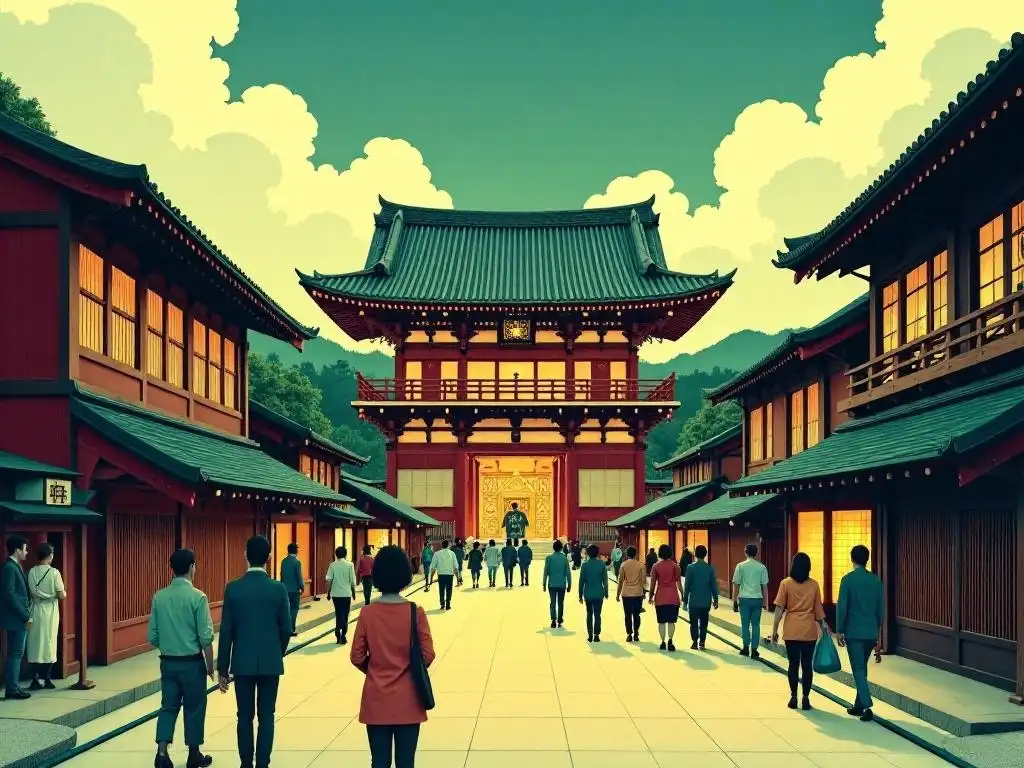
Welcome to Feudal Japan History, where we invite you to embark on a fascinating journey through the intricate tapestry of Japan’s feudal era. In our featured article, “The Decline of the Tokugawa: How Western Influences Changed Japan Forever,” we delve into the profound shifts that occurred as Western ideas began to permeate the isolated world of Tokugawa Japan. What were the forces at play that catalyzed such a monumental transformation?
Join us as we unravel the layers of political intrigue and cultural exchange that shaped a nation, sparking curiosity and igniting your passion for history. Prepare to explore the echoes of the past that continue to resonate in modern Japan!
The decline of the Tokugawa Shogunate marks a pivotal moment in Japan's history, serving as a bridge between the isolationist policies of the past and the modernizing forces of the West. This period, which encompasses the late 19th century, witnessed significant transformations that reshaped Japanese society, culture, and politics.
Understanding the Western influence on Tokugawa Japan requires delving into the intricate interplay between Japan's established traditions and the unprecedented changes brought about by foreign interactions. In this article, we will explore how these external forces led to the eventual downfall of the Tokugawa regime and set Japan on a path toward modernization.
Introduction to the Tokugawa Shogunate
Overview of the Tokugawa Era
The Tokugawa Shogunate, established in 1603, was a feudal regime that ruled Japan for over 250 years. This era is characterized by a strict class hierarchy and a unique blend of traditional Japanese culture with elements of foreign influence. The shogunate was founded by Tokugawa Ieyasu, who unified Japan after a period of intense civil strife known as the Sengoku period. Under Tokugawa rule, Japan experienced relative peace and stability, often referred to as the "Edo Period," named after the shogunate's capital, Edo (modern-day Tokyo).
During this time, Japan developed a distinct cultural identity, with advancements in arts, literature, and philosophy. However, the isolationist policies, particularly the sakoku (closed country) policy, limited foreign interactions, allowing the Tokugawa regime to maintain control over the populace and prevent external influences. This isolation, while initially beneficial, would later become a significant factor in the regime's decline.
Key Features of Tokugawa Japan
Tokugawa Japan was marked by several key features that defined its political and social landscape:
- Class Structure: Society was organized into rigid classes, with the samurai at the top, followed by farmers, artisans, and merchants. This hierarchy dictated social interactions and economic opportunities.
- Cultural Flourishing: The period saw a flourishing of culture, with the rise of ukiyo-e (woodblock prints), kabuki theatre, and the tea ceremony, reflecting the unique Japanese aesthetic and values.
- Economic Stability: The Tokugawa period fostered economic growth, with increased agricultural production and the development of a merchant class, though the wealth was often concentrated in the hands of a few.
- Isolationist Policies: The sakoku policy effectively banned foreign travel and restricted trade to a few Dutch and Chinese merchants, limiting the influx of Western technology and ideas.
The Historical Context of Western Influence on Tokugawa Japan
The Opening of Japan to the West
The mid-19th century heralded a dramatic shift in Japan's foreign relations, primarily driven by Western powers' increasing interest in trade and diplomacy. The arrival of Commodore Matthew Perry's Black Ships in 1853 catalyzed a series of events that would dismantle the Tokugawa isolationist policies. Perry's expedition, which aimed to establish trade relations, revealed Japan's vulnerability and the technological superiority of Western nations.
In response to these pressures, Japan signed the Treaty of Kanagawa in 1854, which effectively opened the country to foreign trade and marked the beginning of the end for the Tokugawa Shogunate. This treaty, along with subsequent agreements, exposed Japan to Western ideas, technology, and political concepts, which would profoundly impact its future trajectory.
Early Encounters with Western Powers
The early encounters between Japan and Western powers were not merely transactional; they also ignited cultural exchanges that would challenge traditional Japanese norms. As Western merchants and diplomats arrived, they brought with them new technologies, customs, and philosophies that intrigued and alarmed the Japanese elite.
- Cultural Exchange: The introduction of Western literature, science, and art began to influence Japanese intellectual thought, leading to the emergence of new ideologies that questioned the status quo.
- Technological Advancements: The Japanese were exposed to modern military technology and industrial practices, which would later play a crucial role in Japan's rapid modernization during the Meiji Restoration.
- Diplomatic Relations: The establishment of diplomatic relations with Western nations forced the Tokugawa Shogunate to navigate complex international dynamics, ultimately revealing its inability to adapt to the changing world.
Through examining these early encounters, we can better understand how Western influence on Tokugawa Japan set the stage for a transformative period in Japanese history, ultimately leading to the end of the Tokugawa regime and the rise of a modern nation-state.
The Economic Impact of Western Influence on Tokugawa Japan
The economic landscape of Tokugawa Japan experienced significant transformation due to Western influence during the 19th century. This period marked a crucial juncture where traditional Japanese economic practices faced both challenges and adaptations in response to the burgeoning influence of Western nations. The interactions with the West prompted a reevaluation of trade, economic policies, and ultimately led to both benefits and hardships that reshaped Japan's economic framework.
Trade Relations with Western Nations
The arrival of Commodore Matthew Perry in 1853 and his subsequent demand for Japan to open its ports to American trade marked the beginning of a new era in Tokugawa Japan. Initially, Japan had a strictly regulated trade system, focusing mainly on limited exchanges with the Dutch and Chinese. However, the pressure from Western nations led to the signing of several unequal treaties, which forced Japan to open its markets to foreign goods and influence.
These treaties allowed Western nations to establish trade relations that were heavily skewed in their favor. For example, the Treaty of Kanagawa in 1854 not only opened two ports to American ships but also led to the establishment of extraterritorial rights for foreigners, undermining Japanese sovereignty. This influx of Western goods altered the traditional Japanese economy, introducing new products such as textiles and machinery that began to compete with local artisans.
As trade relations expanded, the Tokugawa government found itself in a precarious position. While increased trade brought some economic growth, it also caused inflation and destabilized local economies. The traditional rice-based economy began to shift as new industries emerged, leading to a gradual decline in the established feudal order.
Economic Challenges Faced by the Tokugawa Government
The Tokugawa shogunate faced mounting economic challenges as Western influence permeated various aspects of society. One significant challenge was the growing discontent among the samurai class, whose stipends were often paid in rice. As the economy began to shift towards cash transactions, many samurai found themselves struggling financially, leading to a decline in their social status.
Moreover, the influx of foreign goods created competition that threatened local industries. Traditional artisans and merchants struggled to adapt to the new market dynamics, leading to widespread economic distress. The government attempted to mitigate these challenges through various reforms, such as the introduction of new taxation systems and encouragement of modernization efforts. However, these measures often fell short, leading to increased dissatisfaction among the populace.
The economic strain was compounded by natural disasters and crop failures, which destabilized the already fragile economy. The discontent stemming from these economic hardships played a significant role in the eventual downfall of the Tokugawa shogunate, as various factions sought to restore order and assert their influence in a rapidly changing society.
The Cultural Shifts Induced by Western Influence
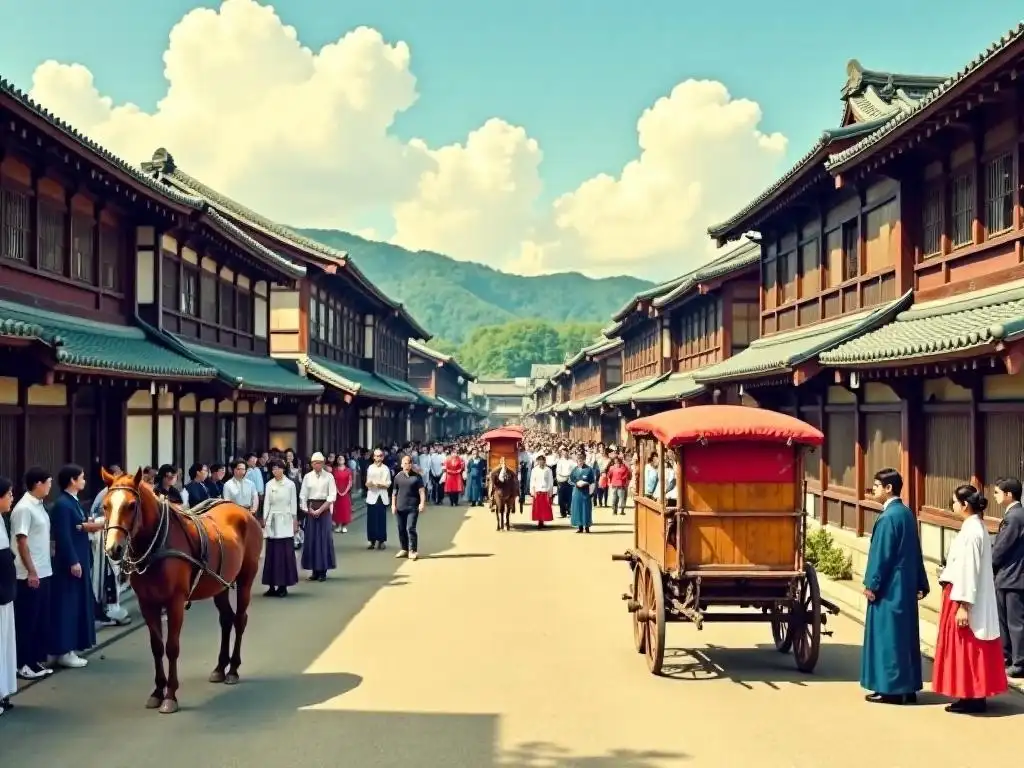
The arrival of Western powers and their ideas had a profound impact on Japanese culture during the late Tokugawa period. As foreign concepts and practices infiltrated Japanese society, they sparked a wave of cultural shifts that transformed traditional norms and artistic expressions. This cultural exchange not only influenced Japanese identity but also laid the groundwork for modern Japan.
Introduction of Western Education and Ideas
With the increased interaction with Western nations, Japan began to adopt new educational practices and philosophical ideas. The introduction of Western-style education systems marked a significant departure from the traditional Confucian-based learning that had dominated Japan for centuries. Schools began to incorporate subjects such as science, mathematics, and languages, emphasizing critical thinking and empirical observation.
Western literature and philosophical texts also found their way into Japanese society, inspiring intellectuals and reformers. The Meiji Restoration, which followed the decline of the Tokugawa, was heavily influenced by these new ideas, leading to a national push for modernization and reform. This shift in educational focus not only fostered a new generation of thinkers but also encouraged the development of a more informed citizenry capable of engaging with the complexities of a rapidly changing world.
Changes in Art and Literature in Response to the West
The influence of Western culture extended to the realms of art and literature, profoundly altering traditional Japanese aesthetics. Artists began to incorporate Western techniques such as perspective, oil painting, and realistic representation, leading to a fusion of styles that characterized the late Edo and early Meiji periods. This cultural exchange produced notable artists like Takahashi Yuichi and Yokoyama Taikan, who blended Western and Japanese elements in their work.
Literature also experienced a transformation as Western themes and narrative structures were introduced. The emergence of new literary genres, such as the novel, reflected the changing societal values and the influence of Western storytelling techniques. Writers like Natsume Sōseki and Mori Ōgai adapted Western literary styles while infusing them with Japanese sensibilities, creating a unique literary landscape that resonated with contemporary issues.
This cultural shift towards Western ideals not only reflected Japan's desire to modernize but also led to a reexamination of traditional values and identities. The interplay between Western influence and Japanese culture ultimately contributed to the rich tapestry of Japan's modern identity, marking a departure from the feudal past and paving the way for a new era of cultural development.
The Political Consequences of Western Influence on the Tokugawa Shogunate
The Tokugawa Shogunate, which ruled Japan from 1603 to 1868, faced significant political challenges as Western influence began to permeate its borders. The arrival of Western powers, particularly during the mid-19th century, forced the Shogunate to confront its isolationist policies and the implications of modernization. This period saw a series of political consequences that ultimately led to the decline of shogunal authority and the transformation of Japan's governance.
The Decline of the Shogunal Authority
As Western nations sought to establish trade relations and exert influence in the region, the authority of the Tokugawa regime began to wane. The signing of unequal treaties, such as the Treaty of Kanagawa in 1854 with the United States, marked a significant turning point. These treaties undermined the Shogunate's sovereignty and demonstrated its inability to protect Japan's interests.
The growing discontent among samurai and the rising merchant class fueled resistance against the Tokugawa leadership. Many criticized the Shogunate for its failure to effectively respond to Western encroachments, leading to a loss of legitimacy. The once-powerful shogunal authority was increasingly seen as weak and ineffectual, prompting calls for reform and ultimately contributing to the regime's downfall.
The Role of Western Diplomacy in Japanese Politics
Western diplomacy played a crucial role in shaping Japanese politics during the decline of the Tokugawa Shogunate. The pressure exerted by foreign powers to open Japan to trade and diplomatic relations forced the Shogunate to engage in negotiations that often favored the West. This diplomatic engagement revealed the disparities between Japan's traditional governance and the modern diplomatic practices of Western nations.
The Shogunate's reliance on Western diplomacy created factions within Japanese society. Some leaders advocated for a more assertive response to Western demands, while others pushed for modernization and adaptation of Western practices. This internal strife weakened the Shogunate's political cohesion and further eroded its authority, as competing visions for Japan's future emerged.
The Meiji Restoration: A Response to Western Influence
In response to the pressures and challenges posed by Western influence, Japan underwent a profound transformation known as the Meiji Restoration, which began in 1868. This movement aimed to restore imperial rule and modernize Japan, fundamentally altering its political landscape. The Meiji Restoration marked a decisive shift from feudal governance to a more centralized and modern state.
Transition from Tokugawa to Meiji
The transition from the Tokugawa Shogunate to the Meiji government was marked by significant political upheaval. The fall of the Shogunate was catalyzed by the dissatisfaction of various factions, including disillusioned samurai, merchants, and intellectuals. This coalition sought to overthrow the Shogunate and restore power to the emperor, leading to the Boshin War (1868-1869).
With the victory of the imperial forces, the Meiji government emerged, prioritizing modernization and industrialization. The new regime dismantled the feudal system, implemented a constitution, and established a parliamentary system. This transition not only signified a political shift but also represented Japan's commitment to adapting to Western influences while maintaining its cultural identity.
Key Figures in the Meiji Restoration
The Meiji Restoration was propelled by several key figures who played pivotal roles in shaping Japan's new political landscape. Notable among them were:
- Emperor Meiji: The figurehead of the restoration who symbolized the new era of imperial rule. Under his leadership, Japan sought to modernize its institutions and military.
- Saigo Takamori: A prominent samurai and military leader who initially supported the Meiji restoration but later became a key figure in the Satsuma Rebellion, opposing the central government’s policies.
- Kido Takayoshi: A leading statesman and advocate for modernization, Kido was instrumental in shaping the new government and promoting educational reforms.
- Ito Hirobumi: One of the architects of the Meiji Constitution, Ito traveled extensively to study Western political systems, influencing the establishment of Japan's political framework.
These figures, among others, helped to navigate the tumultuous transition from the Tokugawa era to the Meiji period, ensuring that Japan emerged as a modern nation-state capable of engaging with the world on its own terms.
Lasting Effects of Western Influence on Japan
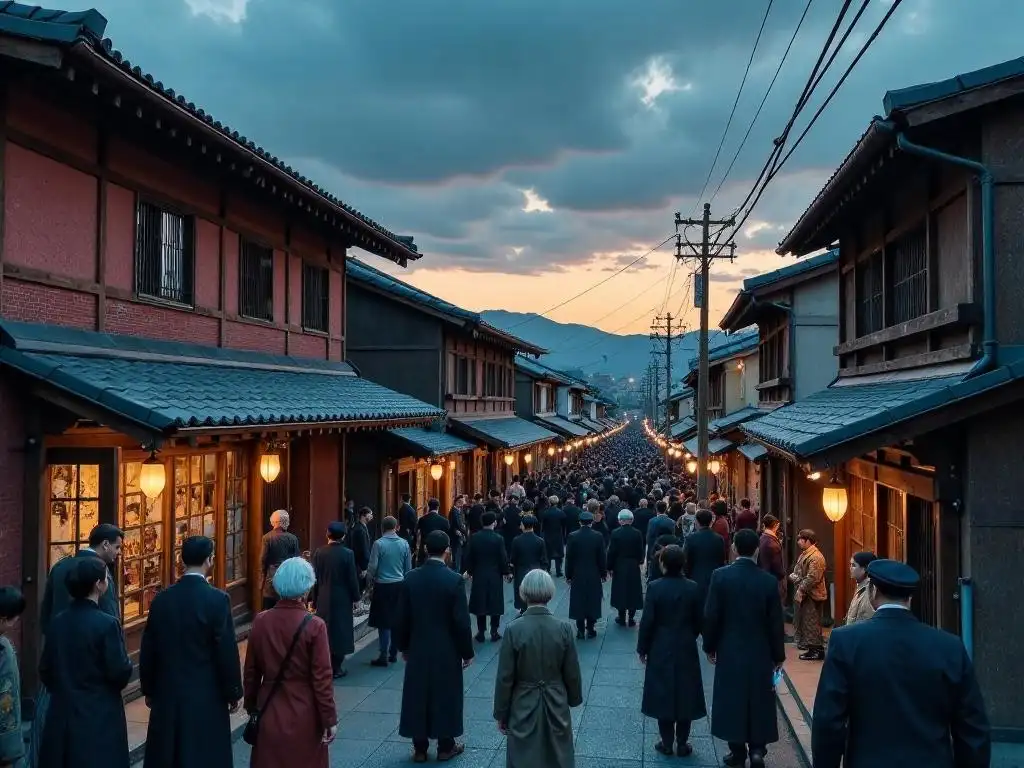
The Western influence on Tokugawa Japan initiated profound changes that extended far beyond the end of the Tokugawa shogunate in 1868. These effects reshaped various facets of Japanese life, including social structures, political frameworks, and cultural practices. As Japan began to open its doors to the West, it encountered new ideas, technologies, and philosophies that challenged its longstanding traditions. The infusion of Western knowledge and practices led to a rethinking of Japan's place in the world and ultimately laid the groundwork for modernization and industrialization.
Among the most notable lasting effects were advancements in technology and education, which were vital in transitioning Japan from a feudal society to a modern nation-state. The adoption of Western scientific methods and industrial practices transformed agriculture, manufacturing, and military capabilities. This modernization process was not merely about adopting Western aesthetics but involved a fundamental shift in how Japan approached governance, economics, and international relations.
Transformation of Japanese Society
The transformation of Japanese society during and after the Tokugawa period was marked by significant shifts in social class dynamics and cultural practices. The rigid caste system that had characterized feudal Japan began to dissolve as Western ideas of equality and meritocracy gained traction. The samurai class, once the ruling elite, faced diminished power and relevance, leading to social unrest and calls for reform.
Education became a focal point during this transformation. The introduction of Western educational models led to the establishment of modern schools, where students learned subjects like mathematics, science, and foreign languages. This new wave of education not only created a more informed populace but also instilled a sense of nationalism and identity that had been less pronounced during the Tokugawa era. The rise of a literate middle class contributed to cultural movements that embraced both traditional Japanese arts and Western styles, resulting in a unique blend that defined modern Japanese culture.
Furthermore, the influence of Western values prompted shifts in social norms, particularly regarding women's roles in society. With the advent of new educational opportunities and the push for gender equality, women began to experience greater freedoms and participation in public life, setting the stage for future movements advocating for women's rights in Japan.
Long-term Political Changes in Post-Tokugawa Japan
The political landscape of Japan underwent significant changes as a direct result of Western influence on Tokugawa society. The pressure to modernize and compete with Western powers led to the dismantling of the feudal system and the establishment of a centralized government. The Meiji Restoration in 1868 marked a pivotal point, as the emperor was restored to power, and the shogunate's authority was abolished.
This transformation was characterized by the adoption of Western political ideologies, including constitutionalism and the rule of law. Japan's new leaders sought to create a political structure that mirrored Western nations, leading to the establishment of a parliamentary system and the promulgation of the Meiji Constitution in 1889. These changes not only altered governance within Japan but also influenced its foreign policy, as Japan emerged as a formidable power on the international stage.
Moreover, Japan's desire to avoid the colonial fate experienced by many Asian nations led to an aggressive foreign policy, resulting in conflicts such as the First Sino-Japanese War (1894-1895) and the Russo-Japanese War (1904-1905). These victories solidified Japan's standing as a modern state and showcased its ability to assert itself against Western powers, fundamentally altering the dynamics of regional politics in East Asia.
Conclusion: The Legacy of Western Influence on Tokugawa Japan
The legacy of Western influence on Tokugawa Japan is multifaceted, encompassing profound changes that reshaped the very fabric of Japanese society and governance. The embrace of Western ideas and technologies catalyzed a transformation that propelled Japan into the modern era, forever altering its trajectory.
Summary of Key Changes
The key changes brought about by Western influence during the decline of the Tokugawa shogunate included:
- Social Transformation: The erosion of the rigid caste system and the rise of a literate middle class.
- Cultural Integration: A blending of traditional Japanese culture with Western ideas, leading to new artistic and literary movements.
- Political Modernization: The establishment of a centralized government and the adoption of Western political structures and ideologies.
- Military Advancements: The modernization of the military, enabling Japan to compete with Western powers effectively.
These shifts laid the groundwork for Japan's emergence as a global power in the 20th century, influencing not only its domestic policies but also its interactions with other nations.
Reflections on the End of the Tokugawa Shogunate
Reflecting on the end of the Tokugawa shogunate, it is evident that Western influences were pivotal in accelerating the decline of a system that had dominated Japan for over two centuries. The clash between tradition and modernity led to significant social unrest and ultimately facilitated the rise of new political ideologies. The end of the shogunate marked not just the end of feudal governance but also the beginning of a new era where Japan would redefine itself in the context of an increasingly interconnected world.
As Japan navigated the complexities of modernization, the lessons learned from the Western experience became integral to its development. The resulting transformation positioned Japan not only as a formidable nation in Asia but also as a unique case study in the broader context of global history, illustrating the profound impacts of cross-cultural exchanges.
References and Further Reading
Exploring the decline of the Tokugawa Shogunate and the profound effects of Western influence on Japan necessitates a deep dive into various scholarly resources. Below are some recommended books, articles, and journals that provide invaluable insights into this pivotal period in Japanese history.
Suggested Books and Articles on Tokugawa Japan
-
"The Making of Modern Japan" by John D. Murray
This comprehensive text outlines the transition from the Tokugawa Shogunate to modern Japan, focusing on how Western influences played a crucial role in this transformation. Murray's exploration of political, social, and economic changes during the period provides a thorough understanding of the era's complexities.
-
"Japan: A Modern History" by James L. McClain
McClain offers an engaging narrative that covers Japan from the Tokugawa period through to the 20th century. The book highlights the interactions between Japan and the Western world, detailing how these exchanges shaped Japanese society and politics.
-
"Tokugawa Japan: The Social and Economic History of the Edo Period" by Takafusa Nakamura
This work delves into the social and economic structures of Tokugawa Japan, analyzing how these systems were influenced and altered by Western contact. Nakamura's analysis provides essential context for understanding the eventual decline of the Tokugawa regime.
-
"The Last Samurai: The Life and Battles of Saigo Takamori" by Mark Ravina
Focusing on one of the last figures of the Tokugawa period, this biography discusses the impact of Western military and cultural influences. Ravina's narrative highlights the resistance to change and the eventual shift towards modernization.
-
"Western Impact on Japan" by Thomas R. H. Havens
In this article, Havens examines the various ways Western ideologies and practices infiltrated Japanese culture and politics during the late Tokugawa period. It is a critical resource for understanding the challenges faced by the Tokugawa Shogunate as it confronted new ideas.
Notable Academic Journals on Western Influence in Japan
-
The Journal of Asian Studies
This peer-reviewed journal frequently publishes articles on Japan's historical interactions with the West, focusing on the Tokugawa period's significance. It provides insights from various scholars on the implications of Western contact.
-
Modern Japan Studies
A journal dedicated to the study of modern Japan, it includes analyses of Western influence during the Tokugawa era. Articles often explore the socio-political ramifications of Western interactions.
-
The Journal of Japanese Studies
This journal covers a broad range of topics related to Japan, including the Tokugawa period. Articles often focus on cultural exchanges and the consequences of Western influences on Japanese society.
-
Japan Forum
This interdisciplinary journal publishes research on contemporary and historical aspects of Japan, including the effects of Westernization during the Tokugawa Shogunate. It is a valuable resource for understanding ongoing debates in the field.
-
Asian Historical Studies
This journal provides a platform for in-depth research on Asian history, featuring studies on the Tokugawa Shogunate's decline in relation to Western impact. The journal encourages discussions that connect historical events with broader global contexts.
These resources collectively enrich the understanding of the Tokugawa Shogunate's decline and the transformative role of Western influences in shaping modern Japan.
- Introduction to the Tokugawa Shogunate
- The Historical Context of Western Influence on Tokugawa Japan
- The Economic Impact of Western Influence on Tokugawa Japan
- The Cultural Shifts Induced by Western Influence
- The Political Consequences of Western Influence on the Tokugawa Shogunate
- The Meiji Restoration: A Response to Western Influence
- Lasting Effects of Western Influence on Japan
- Conclusion: The Legacy of Western Influence on Tokugawa Japan
- References and Further Reading
- What were the main factors that led to the decline of the Tokugawa shogunate?
- How did Western influence specifically affect Tokugawa Japan?
- What role did foreign powers play in the changes during the Tokugawa era?
- How did the Japanese society respond to Western influences during this period?
- What were the long-term impacts of Western influence on Japan after the Tokugawa period?
Frequently Asked Questions
What were the main factors that led to the decline of the Tokugawa shogunate?
The decline of the Tokugawa shogunate was primarily due to internal strife, economic hardships, and external pressures, particularly from Western influences.
How did Western influence specifically affect Tokugawa Japan?
Western influence introduced new ideas, technologies, and trade practices that disrupted traditional Japanese society and governance, ultimately leading to political changes and modernization.
What role did foreign powers play in the changes during the Tokugawa era?
Foreign powers, especially the United States and European nations, pressured Japan to open its ports and engage in trade, which contributed to the end of isolation and shifted Japan towards modernization.
How did the Japanese society respond to Western influences during this period?
Japanese society experienced a mixed response to Western influences, with some embracing change and others resisting it, leading to significant cultural shifts and the eventual Meiji Restoration.
What were the long-term impacts of Western influence on Japan after the Tokugawa period?
The long-term impacts included the rapid industrialization of Japan, the establishment of a modern state, and the emergence of Japan as a significant player on the global stage, reshaping its national identity.
Final Reflection: The Enduring Legacy of Western Influence on Tokugawa Japan
The decline of the Tokugawa shogunate serves as a profound reminder of how Western influences reshaped Japan’s identity and trajectory. In an era marked by isolation, the sudden influx of foreign ideas and technologies catalyzed a transformation that not only dismantled centuries of tradition but also paved the way for Japan's emergence as a modern nation. This historical shift underscores the significance of cultural exchange and adaptation in the face of global change.
The impact of Western influence on Tokugawa Japan continues to resonate in today’s cultural and social landscape. The lessons learned during this tumultuous period remind us of the delicate balance between tradition and progress. As Japan navigated the complexities of modernization, it laid the groundwork for a unique synthesis of Eastern and Western values that still defines its society. In the midst of chaos, there is also opportunity.
– Sun Tzu. This quote encapsulates the essence of Japan's journey, illustrating how adversity can lead to innovation and growth.
As we reflect on the lessons of the Tokugawa period, I invite you to consider your own relationship with change and influence. How can you embrace the lessons of the past to navigate the complexities of the present? By acknowledging the transformative power of external influences, we can cultivate a mindset that values adaptability and resilience. Let us carry forward the spirit of inquiry and openness that characterized Japan’s response to Western influence, allowing it to inspire our own journeys in an ever-evolving world.
Unveil the Impact of Western Influences on Japan!
Thank you for taking the time to explore the fascinating decline of the Tokugawa shogunate and its transformation through Western influences. Your interest in this pivotal moment in history highlights your curiosity about the dynamics that have shaped modern Japan. Now, it's time to take action and dive deeper into this intriguing subject!
- Explore further: Read more about the cultural exchanges that occurred during this period. Investigate additional resources on feudal Japan to enhance your understanding of these significant changes.
- Share your insights: Engage with others by sharing this article on your social media platforms. Let's spark discussions about how history continues to influence contemporary society!
- Join a discussion group: Participate in or start a community forum or online group focused on exploring Japanese history, where you can exchange ideas and perspectives with fellow enthusiasts.
As you reflect on these suggestions, consider this: In what ways do you think the blend of Eastern and Western cultures continues to shape Japan today? We invite you to share your thoughts below!