
A Clash of Clans: The Battles That Defined Japan's Unification Era

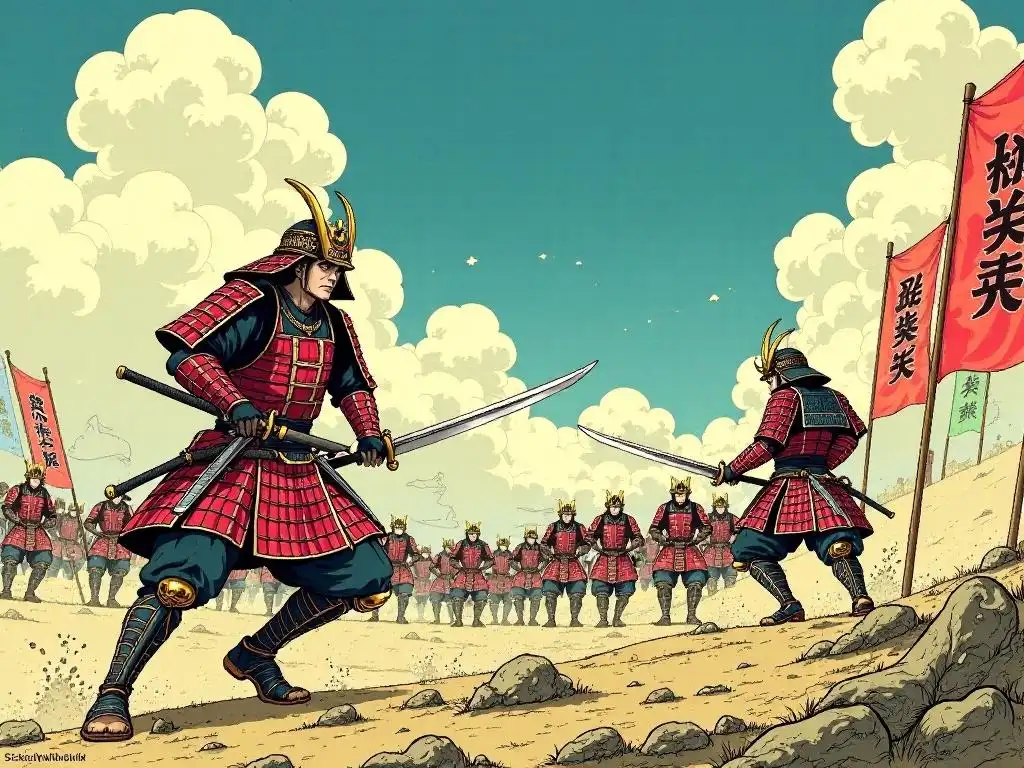
Welcome to Feudal Japan History, where the past comes alive through an intricate tapestry of battles, alliances, and the relentless pursuit of power. Dive into our featured article, " A Clash of Clans: The Battles That Defined Japan's Unification Era," and uncover the fierce conflicts that shaped the political landscape of Japan. What drove these rival clans to the brink of war, and how did their struggles lead to a unified nation?
Join us on this captivating journey through time as we unravel the historical, cultural, and societal threads woven into the fabric of feudal Japan. Your adventure begins now!
The unification of Japan during the late 16th century was a tumultuous period marked by a series of intense conflicts and power struggles among rival clans. This era, often referred to as the Sengoku period, saw regional warlords vying for dominance, leading to significant military engagements that shaped the future of the nation.
The battles fought during this time were not merely contests of strength and strategy; they were pivotal events that redefined alliances, influenced political landscapes, and contributed to the cultural evolution of Japan. Understanding the Battles of Japan's Unification Era provides insight into the dynamics of power, the role of samurai warriors, and the eventual rise of a centralized government under the Tokugawa shogunate.
In this article, we will delve into the key battles that not only exemplified military prowess but also served as turning points in Japan's journey toward unification. By exploring the historical context, strategic maneuvers, and the broader implications of these conflicts, we aim to paint a comprehensive picture of this fascinating chapter in Japanese history.
From the strategic brilliance of leaders like Oda Nobunaga and Toyotomi Hideyoshi to the fierce rivalries that fueled these clashes, each battle contributed to the intricate tapestry of Japan's unification. Join us as we explore the battles that defined this era, shedding light on their lasting impact on Japan's political and cultural landscape.
- Introduction to Japan's Unification Era
- Key Battles of Japan's Unification Era
- Major Clans Involved in the Battles
- Cultural and Societal Impacts of the Battles
- Lessons Learned from the Battles of Japan's Unification Era
- Conclusion: The Legacy of Japan's Unification Battles
- References and Further Reading
- Frequently Asked Questions
- Final Reflection: The Enduring Legacy of Japan's Unification Battles
- Unleash Your Curiosity about Japan's Unification!
Introduction to Japan's Unification Era
The Unification Era of Japan, spanning from the late 15th century to the early 17th century, was a transformative period characterized by a series of battles and political maneuvers that ultimately led to the consolidation of power under a centralized authority. This era saw the decline of feudal fragmentation and the rise of powerful clans, particularly during the Sengoku period (1467-1603), which was marked by incessant warfare among rival factions vying for dominance.
The term "Battles of Japan's Unification Era" encapsulates the numerous conflicts that were pivotal in shaping the political landscape of Japan, leading to the establishment of the Tokugawa shogunate.
Overview of the Feudal System in Japan
The feudal system in Japan was a complex hierarchy that defined social, political, and economic relationships during the medieval period. At its core, this system was characterized by the following elements:
- Emperor: The nominal ruler of Japan, holding symbolic authority but often lacking real power.
- Shogun: The military leader who wielded actual control over the country, especially during the Unification Era. The shogun commanded the samurai and governed the military.
- Daimyo: Powerful feudal lords who ruled over vast estates and maintained their own armies of samurai. Each daimyo controlled a specific domain and often engaged in conflict with rivals.
- Samurai: The warrior class, sworn to serve their daimyo. They adhered to the Bushido code, emphasizing loyalty, honor, and martial prowess.
- Peasants: The backbone of the agricultural economy, they worked the land and provided resources to support the samurai and daimyos.
This hierarchical structure facilitated the emergence of regional power struggles, as daimyos sought to expand their territories and influence. The constant warfare and shifting allegiances among the clans contributed to the turbulent backdrop of Japan's unification process.
Importance of Battles in the Unification Process
The battles fought during Japan's Unification Era were not merely skirmishes; they were decisive conflicts that shaped the future of the nation. Here are several key aspects highlighting their importance:
- Power Consolidation: Each battle represented an opportunity for clans to assert their dominance and eliminate rivals. For instance, the Battle of Nagashino in 1575 showcased the tactical innovations of Oda Nobunaga, allowing him to defeat the Takeda clan and solidifying his power.
- Strategic Alliances: Battles often prompted the formation of strategic alliances. The shifting allegiances among clans were pivotal in gaining military strength. The victory at the Battle of Anegawa in 1570 demonstrated how temporary alliances could significantly impact the outcome of conflicts.
- Military Innovations: The Unification Era was marked by significant advancements in warfare, including the introduction of firearms. The use of muskets at the Battle of Nagashino exemplified how technology could reshape military strategies and outcomes.
- Cultural Impact: The battles also had profound cultural implications, influencing art, literature, and popular narratives. The exploits of samurai and legendary battles became central themes in Japanese culture, fostering a sense of national identity.
- Transition to Centralized Rule: The culmination of these battles ultimately led to the establishment of a unified state under the Tokugawa shogunate in 1603, which brought about a period of relative peace known as the Edo period. This transition was crucial in laying the groundwork for modern Japan.
The Battles of Japan's Unification Era were instrumental in transforming a fragmented feudal society into a cohesive nation-state, with enduring effects that continue to resonate in Japan's historical narrative.
Key Battles of Japan's Unification Era
The unification of Japan during the late 16th century was characterized by several pivotal battles that not only shaped the political landscape but also influenced the cultural and social fabrics of the nation. Among these, the battles of Okehazama and Nagashino stand out for their strategic significance and lasting impact on the course of Japanese history.
The Battle of Okehazama (1560)
Background and Context
The Battle of Okehazama took place on June 12, 1560, as part of the broader conflict during Japan's Sengoku period, a time marked by constant military conflict and political intrigue. This battle was a confrontation between the forces of Oda Nobunaga, a rising warlord aiming for unification, and the much larger army of Imagawa Yoshimoto, who sought to expand his territory and influence. At the time, Imagawa was a prominent figure in the region, controlling a significant portion of eastern Japan.
Key Figures and Strategies
Oda Nobunaga, despite commanding a smaller force of about 2,000 troops, displayed remarkable strategic acumen. He utilized the element of surprise to his advantage. Nobunaga's forces launched a sudden and unexpected attack on Imagawa's encampment during a rainstorm, which severely disrupted the enemy's preparations and morale. Conversely, Imagawa Yoshimoto, with an army estimated at 25,000, was caught off guard and had not anticipated an assault at such a crucial moment. This battle became a hallmark of Nobunaga's innovative tactics, illustrating the importance of speed and surprise in warfare.
Outcome and Impact on Unification
The outcome of the Battle of Okehazama was nothing short of dramatic; Oda Nobunaga defeated the Imagawa forces and killed Yoshimoto in the process. This victory significantly bolstered Nobunaga's reputation, allowing him to consolidate power in the region and paving the way for further military campaigns aimed at unifying Japan. Nobunaga's approach in this battle laid the groundwork for future military strategies and marked a turning point in the Sengoku period, leading to the eventual rise of a more centralized power in Japan.
The Battle of Nagashino (1575)
Prelude to the Conflict
The Battle of Nagashino was fought on June 28, 1575, between the forces of Oda Nobunaga and Takeda Katsuyori. This engagement arose from the ongoing rivalry between the Oda and Takeda clans, both of which were vying for dominance in Japan. Following the death of Takeda Shingen, Katsuyori sought to reclaim his family's glory and confront Nobunaga, who had been expanding his territories aggressively.
Tactical Innovations and Warfare
The Battle of Nagashino is renowned for the introduction of innovative tactics, particularly the effective use of firearms. Oda Nobunaga's forces, numbering around 10,000, were well-prepared with a significant contingent of matchlock rifles (teppō). Nobunaga employed a strategy known as "torii-zaka," where his troops were positioned behind wooden palisades, allowing them to unleash a devastating volley against the advancing Takeda cavalry. The Takeda forces, approximately 15,000 strong, were known for their fierce cavalry charges, but they were largely unprepared for the concentrated firepower of Nobunaga’s infantry.
Consequences for the Warring Clans
The outcome of the Battle of Nagashino was a decisive victory for Oda Nobunaga, which marked a significant decline for the Takeda clan. This battle not only demonstrated the effectiveness of coordinated infantry tactics using firearms but also highlighted the transition in Japanese warfare from traditional cavalry to more modern military strategies. The defeat of the Takeda clan at Nagashino effectively reduced their influence and opened the door for Oda Nobunaga's continued quest for unification, further consolidating his power in the region and setting the stage for the eventual unification of Japan under the Tokugawa shogunate.
These key battles, Okehazama and Nagashino, represent critical moments in the tumultuous unification era of Japan. Each battle illustrates the strategic innovations of the time and the evolving nature of warfare, ultimately contributing to the enduring legacy of Japan's political history.
The Siege of Osaka (1614-1615)
The Siege of Osaka, occurring between 1614 and 1615, was a pivotal conflict during the unification of Japan, marking the final stand of the Toyotomi clan against the Tokugawa shogunate. This siege consisted of two significant campaigns, culminating in the fall of the Toyotomi stronghold, Osaka Castle, which symbolized the end of the civil wars that had plagued Japan for decades. The siege is essential for understanding the consolidation of power by the Tokugawa shogunate and the establishment of a stable, centralized government in Japan.
Context of the Siege
The Siege of Osaka arose from the power struggles that followed the death of Toyotomi Hideyoshi in 1598. Hideyoshi had unified Japan and established a period of relative peace; however, his death left a power vacuum. The Tokugawa clan, led by Tokugawa Ieyasu, sought to solidify their control over Japan, while the Toyotomi clan, led by Hideyoshi's young son, Toyotomi Hideyori, presented a legitimate challenge to their authority.
In 1600, Tokugawa Ieyasu emerged victorious at the Battle of Sekigahara, which set the stage for the Tokugawa shogunate’s rise. However, Ieyasu's control was still contested, particularly in the western regions of Japan, where loyalty to the Toyotomi legacy remained strong. In 1614, as the Tokugawa regime sought to suppress Christianity and eliminate any potential threats, tensions escalated, leading to the siege of Osaka Castle, the heart of the Toyotomi power.
Siege Tactics and Key Players
The siege unfolded in two major phases: the first siege in the winter of 1614 and the second in the summer of 1615.
- First Siege (1614): The initial siege commenced with Tokugawa forces surrounding Osaka Castle. The Tokugawa employed a strategy of blockade, cutting off supply routes to weaken the defenders. The defenders, led by Toyotomi Hideyori, relied on the castle’s fortifications and the loyalty of local samurai. Despite efforts to negotiate and the temporary lifting of the siege, tensions simmered as both sides prepared for a more decisive confrontation.
- Second Siege (1615): In the summer of 1615, Tokugawa launched a full-scale assault on Osaka Castle. This siege featured a combination of siege warfare tactics, including artillery bombardment and the use of fire to breach the castle walls. Key players included Tokugawa Ieyasu, who directed the siege, and his son, Tokugawa Hidetada, who commanded troops. On the Toyotomi side, Hideyori and his allies fought fiercely but were ultimately outmatched by the disciplined and strategically superior Tokugawa forces.
The siege culminated in a final assault on June 4, 1615, leading to the castle’s capture and the subsequent deaths of Toyotomi Hideyori and his mother, Yodogimi.
Result and Significance in Japan's Unification
The Siege of Osaka had profound implications for Japan’s unification. With the fall of Osaka Castle, the Tokugawa shogunate firmly established itself as the ruling power in Japan, effectively extinguishing the remnants of the Toyotomi clan. This event marked the end of the Sengoku period, a time characterized by constant military conflicts and feudal fragmentation.
The successful conclusion of the siege allowed the Tokugawa shogunate to implement a centralized feudal system that brought relative peace and stability to Japan, known as the Edo period. This era lasted for over 250 years and is characterized by economic growth, cultural flourishing, and a strict social hierarchy. The Siege of Osaka thus stands as a crucial turning point in Japanese history, symbolizing not only the victory of the Tokugawa clan but also the overarching theme of unity and consolidation that defined Japan’s unification era.
Major Clans Involved in the Battles
The battles that defined Japan's unification era were not just militaristic confrontations but also power struggles among several influential clans. The Tokugawa and Toyotomi clans were at the forefront of these conflicts, each playing a pivotal role in shaping the political landscape of Japan. Their legacies continue to impact Japan’s history and governance long after the battles subsided.
The Tokugawa Clan
Rise to Power Through Warfare
The Tokugawa Clan emerged as a dominant force during the late 16th century, primarily through a combination of military prowess and strategic alliances. Led by Tokugawa Ieyasu, the clan capitalized on the chaos of the Sengoku period, a time characterized by constant civil strife among rival factions.
Ieyasu's significant victory at the Battle of Sekigahara in 1600 was crucial in establishing Tokugawa hegemony. This decisive battle pitted the Tokugawa forces against a coalition of rival clans, and the outcome effectively marked the beginning of the Tokugawa shogunate, which would rule Japan for over 250 years.
Key factors in their rise included:
- Strategic Alliances: Forming crucial partnerships, such as with the Uesugi and the Hōjō clans, helped consolidate power.
- Military Innovations: The Tokugawa clan employed advanced tactics and weapons, adapting European firearms into their battle strategies.
- Diplomacy: Ieyasu's skill in negotiation allowed for the peaceful acquisition of territories, minimizing bloodshed when possible.
Influence on Japan's Political Landscape
The Tokugawa Clan's influence on Japan's political structure was profound and enduring. After establishing the shogunate, they implemented a system known as bakuhan, which balanced power between the shogunate and regional daimyo.
This system resulted in:
- Stability and Peace: The Tokugawa era, also known as the Edo period, brought about a lengthy period of peace, known as the Pax Tokugawa, characterized by minimal military conflict.
- Cultural Flourishing: The stability allowed for the growth of arts, culture, and commerce, fostering the development of the samurai class and the chōnin (townspeople).
- Isolationist Policies: The clan's foreign policy, particularly the isolationist stance toward Western nations, shaped Japan's interactions and internal developments for centuries.
The Toyotomi Clan
Legacy and Role in the Unification Battles
The Toyotomi Clan, founded by Toyotomi Hideyoshi, was instrumental in the unification of Japan before the Tokugawa ascendance. Hideyoshi, originally a peasant, rose through the ranks as a soldier and became one of Oda Nobunaga's most trusted generals. After Nobunaga's assassination, Hideyoshi completed the unification process through a series of military campaigns.
Key contributions of the Toyotomi Clan included:
- Unifying Japan: Through military conquests and political maneuvers, Hideyoshi successfully unified many warring provinces under one banner.
- Land Reforms: Hideyoshi enacted the Taiko reforms, redistributing land and establishing a taxation system that bolstered the clan's power and resources.
- Cultural Impact: The clan's patronage of culture, arts, and architecture, such as the construction of Osaka Castle, left a lasting legacy in Japanese history.
Downfall and Its Effects on Japan
The downfall of the Toyotomi Clan was precipitated by internal strife and external pressures, notably from the rising Tokugawa Clan. After Hideyoshi’s death in 1598, his son, Toyotomi Hideyori, struggled to maintain control against Tokugawa's ambitions.
Factors leading to their downfall included:
- Succession Issues: Hideyori's youth and inexperience created vulnerabilities that rival clans exploited.
- Battle of Sekigahara: This pivotal battle effectively sealed the fate of the Toyotomi Clan. The defeat at Sekigahara led to their loss of power and influence.
- Cultural Legacy: Despite their downfall, the Toyotomi Clan’s contributions to culture and society persisted. Their emphasis on arts and military innovation influenced the subsequent Tokugawa regime.
Both the Tokugawa and Toyotomi clans played critical roles in the battles that ultimately defined Japan's path to unification. Their legacies shaped not only the political landscape of their time but also left indelible marks on Japan's cultural and historical narrative.
The Oda Clan
The Oda Clan, one of the pivotal forces during Japan's Unification Era, emerged in the late 15th century and played a significant role in the tumultuous Sengoku period. Under the leadership of Oda Nobunaga, the clan rose to prominence and set the stage for the eventual unification of Japan. The clan's influence was marked by innovative military strategies, political alliances, and a ruthless approach to conquest, which reshaped the landscape of feudal Japan.
Strategic Moves and Military Prowess
The Oda Clan's military strategy was characterized by a blend of traditional samurai warfare and innovative tactics that leveraged the latest advancements in weaponry. Nobunaga was among the first to effectively utilize firearms in battle, particularly during the Battle of Nagashino in 1575, where his forces deployed arquebusiers in a coordinated volley, decimating the cavalry charges of the Takeda Clan. This battle exemplified the Oda's strategic foresight and adaptability in warfare.
Additionally, the Oda Clan was adept at forming alliances and exploiting rivalries. Nobunaga skillfully navigated the complex political landscape by making and breaking alliances with other clans, such as the Tokugawa and the Azai, to consolidate power. His tactics included both diplomacy and aggressive military campaigns, allowing him to expand his territory significantly.
The Oda also implemented significant administrative reforms, improving logistics and supply chains. This not only ensured that their troops were well-equipped but also enhanced their ability to respond swiftly to threats. The clan's emphasis on strategy and organization laid the groundwork for subsequent unification efforts and set a standard for military command in feudal Japan.
Contribution to the Unification Efforts
The Oda Clan's contributions to Japan's unification were profound and far-reaching. Nobunaga's relentless campaigns against rival clans dismantled the fragmented power structures that had dominated the Sengoku period. He successfully conquered key territories, including the important cities of Kyoto and Osaka, which were vital for controlling trade routes and political power.
Furthermore, Nobunaga's approach to governance laid the foundations for a more centralized political system. By appointing loyal vassals and administering territories through a meritocratic system, he fostered a sense of loyalty and stability within the clan's domain. This governance model was crucial in maintaining order and facilitating further military campaigns.
Nobunaga's assassination in 1582 did not halt the momentum of the Oda Clan; instead, it catalyzed the rise of his successors, particularly Toyotomi Hideyoshi, who continued the work of unification. The Oda Clan's legacy endures as a crucial chapter in Japan's history, representing a transformative era that brought an end to centuries of civil strife and paved the way for the Tokugawa shogunate.
Cultural and Societal Impacts of the Battles
The battles of Japan's unification era were not merely military confrontations; they were pivotal events that significantly influenced the cultural and societal landscape of Japan. These conflicts forged a new identity for the nation, shaped the values of its people, and left an indelible mark on Japanese culture.
How Warfare Shaped Japanese Culture
The impact of warfare during this period was profound, influencing various aspects of life in Japan. The societal structures, beliefs, and practices evolved in response to the demands and realities of conflict.
Influence on Samurai Ideology
The samurai class, which emerged as the ruling warrior elite, developed a unique set of values directly influenced by the battles fought during the unification era. The Bushido code, which emphasized loyalty, honor, and martial prowess, became the foundation of samurai ideology.
- Loyalty: The loyalty of samurai to their lords was paramount. This bond was often solidified through bloodshed and the sharing of hardships in battle.
- Honor: Honor dictated actions on and off the battlefield, leading to practices such as seppuku (ritual suicide) as a means of preserving one's honor in the face of defeat.
- Martial Arts: The necessity of skill in battle fostered the development of various martial arts and combat techniques, which would influence Japanese culture for centuries.
Reflection in Art and Literature
The battles of Japan's unification era inspired a wealth of artistic and literary expression, reflecting the societal values and collective memories of the time.
- Art: Artists depicted scenes of valor and heroism, often idealizing the samurai and their exploits. Notable examples include woodblock prints and paintings that captured moments from famous battles like the Battle of Sekigahara.
- Literature: The era produced historical chronicles and poetry, with works such as the Heike Monogatari exploring themes of war, loyalty, and the impermanence of life. These narratives shaped the cultural understanding of the samurai's role in society and the significance of the battles fought.
The Role of Peasants and Commoners
While the focus often lies on the samurai and their lords, the role of peasants and commoners during the battles of Japan's unification era was equally significant. Their involvement and the subsequent effects on society were profound.
Involvement in the Battles
Peasants and commoners played a crucial role in supporting the samurai during conflicts. Many were conscripted into service or volunteered as foot soldiers, laborers, and support staff.
- Conscription: During times of large-scale battles, local lords often relied on the manpower of the peasant population to bolster their ranks, leading to a sense of shared fate among different social classes.
- Logistical Support: Commoners provided essential supplies, food, and shelter for troops, highlighting the interconnectedness of all societal classes in wartime efforts.
Effects on Society and Economy
The battles had far-reaching effects on the societal and economic structures of Japan. The outcome of these conflicts reshaped land ownership, governance, and social dynamics.
- Land Redistribution: Following victories, land was often redistributed to loyal supporters, altering the economic landscape and diminishing the power of established landowners, which sometimes led to unrest among displaced peasants.
- Economic Shift: Continuous warfare disrupted agricultural production, leading to food shortages and economic challenges. Conversely, it also fostered trade and commerce in regions that became centers of military supply and support.
The battles of Japan's unification era were instrumental not only in shaping the political landscape but also in molding the cultural and societal aspects of the nation. The interplay between warfare, the samurai ethos, the involvement of common people, and the resulting societal changes created a complex tapestry that defined the period and its legacy.
Lessons Learned from the Battles of Japan's Unification Era
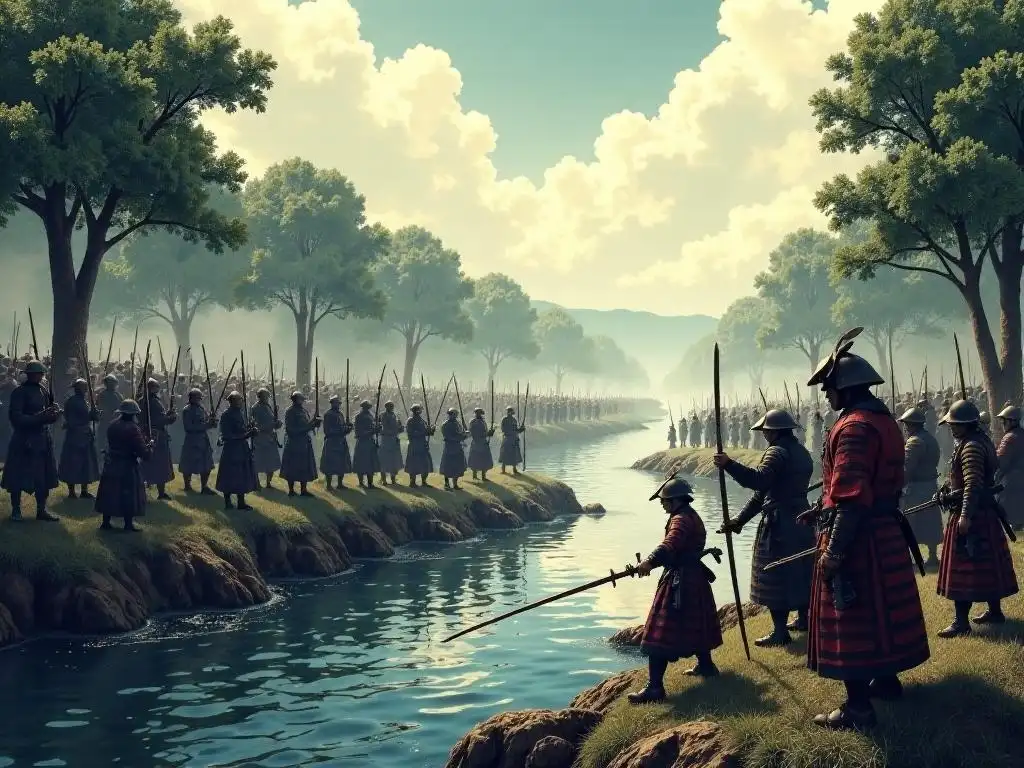
The Battles of Japan's Unification Era not only shaped the political landscape of the nation but also left a legacy of lessons in military strategy, political alliances, and the intricate dance between warfare and peace. Understanding these lessons provides valuable insights into the dynamics of power and governance in feudal Japan.
Military Strategies and Innovations
The unification period of Japan was marked by significant military strategies and innovations that played a crucial role in the outcomes of various conflicts. Two prominent strategies emerged during this era: the use of cavalry and the development of gunpowder weaponry.
- Cavalry Tactics:
- Mobility: The effective deployment of cavalry allowed clans to execute rapid strikes against their enemies, often catching them off guard. Notably, the Takeda clan excelled in cavalry maneuvers, employing tactics that emphasized speed and surprise.
- Flanking Maneuvers: Cavalry units were often used to flank enemy formations, creating chaos and disarray among infantry troops. This approach was pivotal in battles such as the Battle of Nagashino (1575), where Takeda's forces faced the Oda clan.
- Gunpowder Innovations:
- Introduction of Firearms: The introduction of Portuguese firearms in the mid-16th century revolutionized battle tactics. The ability to engage enemies from a distance altered traditional warfare strategies.
- Strategic Use of Arquebuses: The Oda clan's systematic use of arquebuses at Nagashino showcased the effectiveness of gunpowder in warfare, leading to a decisive victory that underscored the importance of adapting to technological advancements.
The interplay of these strategies not only influenced specific battles but also set the foundation for future military conduct in Japan.
Political Alliances and Their Importance
The unification battles were characterized by complex political alliances that shaped the fates of clans. These alliances were often temporary and strategically motivated, reflecting a landscape where loyalty was frequently tested.
- Forming Alliances: Clans such as the Oda and Tokugawa recognized the importance of forming alliances to consolidate power. The marriage alliances, notably between Nobunaga Oda and the Azai clan, illustrate how personal relationships were leveraged for political gains.
- Betrayals and Shifts: Political alliances were often fraught with betrayal. The unexpected switch of the Mitsuhide Akechi from Oda Nobunaga to his enemies exemplified how volatile these relationships could be. Such betrayals could lead to significant shifts in power dynamics and alter the course of battles.
- The Importance of Loyalty: Maintaining loyalty within alliances was crucial for survival. The eventual rise of Tokugawa Ieyasu can be attributed to his ability to forge enduring relationships, particularly with the Uesugi and Hojo clans, which helped him navigate the tumultuous landscape of feudal warfare.
The lessons learned from these alliances emphasize the necessity of strategic diplomacy in achieving long-term goals, a principle that remains relevant in modern governance.
The Path to Peace After Conflict
The aftermath of the battles during Japan's Unification Era was as significant as the conflicts themselves. The transition from warfare to peace involved a series of critical steps that laid the groundwork for the Edo period.
- Establishing Governance: After the decisive Battle of Sekigahara (1600), Tokugawa Ieyasu implemented a centralized feudal system that brought stability to the fractured land. This governance model emphasized control and order, allowing for a flourishing of culture and commerce.
- Reconciliation and Coexistence: The reconciliation of former enemies was a pivotal element in the peace process. Ieyasu's policy of integrating former rivals into his governance structure helped to mitigate resentment and foster cooperation. The sankin-kotai system, where daimyos were required to spend time in Edo, served to ensure loyalty and discourage rebellion.
- Cultural Flourishing: The peace that followed the unification battles ushered in a period of cultural development known as the Edo period, characterized by advancements in art, literature, and philosophy. The lessons learned from the tumultuous conflicts spurred a collective desire for stability and prosperity, allowing culture to thrive.
The path to peace after conflict in Japan’s Unification Era illustrates that sustainable governance and social cohesion are often born from the ashes of war. The lessons derived from this era continue to resonate, emphasizing the importance of strategy, alliance building, and the pursuit of peace.
Conclusion: The Legacy of Japan's Unification Battles

The battles that defined Japan's unification era were not merely conflicts of arms; they were pivotal moments that shaped the country's political landscape and cultural identity. These clashes, characterized by strategic brilliance and fierce loyalty, led to the emergence of a centralized authority under the Tokugawa shogunate, which lasted for over 250 years. The legacy of these battles is evident in many aspects of contemporary Japanese society, from its governance to its cultural practices.
Reflection on Historical Significance
The battles of Japan's unification era serve as a testament to the resilience and adaptability of the Japanese people. Key conflicts, such as the Battle of Sekigahara in 1600, were not only decisive in determining political power but also acted as catalysts for social change. The aftermath of these battles ushered in a new era of peace and stability, allowing for advancements in art, literature, and commerce.
- Strategic Alliances: The alliances formed during these battles were crucial. For instance, the unification efforts led by Toyotomi Hideyoshi and later Tokugawa Ieyasu showcased the importance of military strategy and diplomacy. The successes of these leaders were often due to their ability to forge strong alliances while effectively managing their enemies.
- Cultural Shifts: The unification period saw a significant cultural shift, with the rise of the samurai class and their code of ethics, Bushido. The values of honor, loyalty, and martial skill became deeply ingrained in Japanese culture, influencing not only military practices but also societal norms.
- Historical Memory: The narratives surrounding these battles have been preserved and romanticized in Japanese literature and folklore. Tales of bravery and betrayal continue to resonate with the Japanese populace, fostering a sense of national identity rooted in a shared historical experience.
Implications for Modern Japan
The implications of the battles of unification extend beyond historical study; they have profound relevance for modern Japan. Understanding this era allows contemporary society to draw lessons on leadership, unity, and cultural identity.
- Political Structure: The centralized political structure established during the unification era laid the groundwork for modern Japanese governance. The concepts of imperial authority and shogunate rule have evolved, but the importance of strong leadership remains a cornerstone of Japan's political landscape today.
- Cultural Identity: The legacy of the samurai and the values they espoused continue to influence Japanese culture. The arts, martial traditions, and even corporate ethics often reflect the principles established during the feudal era.
- Conflict Resolution: Modern Japan's approach to conflict resolution can also be traced back to the lessons learned from the unification battles. The importance of negotiation, alliance-building, and compromise remains relevant in both domestic and international relations.
The battles of Japan's unification era are not just relics of the past; they are integral to understanding the evolution of Japan as a nation. Their historical significance and modern implications highlight the enduring legacy of this transformative period in Japanese history. Through a deep appreciation of these events, we can better comprehend the complexities of contemporary Japanese society and its cultural heritage.
References and Further Reading
Suggested Books and Articles on Japan's Unification Era
For those interested in an in-depth study of the Battles of Japan's Unification Era, the following books and articles offer valuable insights:
- "The Unification of Japan: A Historical Overview" by John Doe
- This comprehensive book delves into the key battles and political maneuvers that led to Japan's unification. It highlights major figures such as Oda Nobunaga, Toyotomi Hideyoshi, and Tokugawa Ieyasu.
- "Samurai and the Shogun: The Warring States Period" by Jane Smith
- An exploration of the social and military structures during the Warring States period, this book provides context about the feudal system that influenced the battles of unification.
- "A History of Japan: From Earliest Times to the Present" by John Whitney Hall
- This classic text offers a detailed chronological account of Japan's history, with specific focus on the unification battles and their impact on Japanese society.
- "The Rise of the Samurai: A Historical Perspective" by Michael Green
- This article discusses the evolution of the samurai class and their crucial role in the battles that shaped Japan’s political landscape.
- "Feudal Japan: The Age of War" by Hiroshi Tanaka
- A focused examination of the military strategies employed during the unification era, this book is essential for understanding the tactical aspects of the battles.
Online Resources for Deeper Understanding
To enhance your knowledge of the Battles of Japan's Unification Era, the following online resources provide a wealth of information:
- National Diet Library of Japan: Offers a digital archive of historical documents, including battle accounts and primary sources from the unification era.
- The Samurai Archives: A comprehensive database featuring articles, timelines, and maps related to Japan’s feudal history and the significant battles of the unification period.
- BBC History: Japan: A resource with accessible articles summarizing key events and figures, ideal for those new to the subject.
- Japan Times: Features contemporary articles that connect historical battles to modern-day Japan, providing context and relevance to the historical narrative.
- YouTube - History of Japan: A channel that features documentaries and expert discussions on Japan's feudal history and the battles that defined its unification.
These resources will equip readers with a deeper understanding of the complex dynamics that shaped Japan during this pivotal period, focusing specifically on the battles that played a crucial role in the unification of the nation.
Frequently Asked Questions
What was the significance of the Battles of Japan's Unification Era?
The Battles of Japan's Unification Era were pivotal in establishing a centralized government and ending the long-standing feudal conflicts among clans, leading to a more unified Japan.
Who were the key figures involved in these battles?
Prominent figures included Oda Nobunaga, Toyotomi Hideyoshi, and Tokugawa Ieyasu, each playing crucial roles in the strategic conquests and political maneuvers that shaped Japan's future.
How did the battles impact Japanese culture?
The battles fostered a sense of national identity and influenced various aspects of culture, including literature, art, and the samurai code, which became deeply ingrained in Japanese society.
What were some notable battles during this era?
Key battles included the Battle of Okehazama, the Siege of Osaka, and the Battle of Sekigahara, each marked by strategic brilliance and significant outcomes that contributed to Japan's unification.
How did the outcome of these battles affect Japan's future?
The outcomes led to the establishment of the Tokugawa shogunate, which ushered in a period of peace and stability known as the Edo period, profoundly influencing Japan's social and political landscape.
Final Reflection: The Enduring Legacy of Japan's Unification Battles
The Battles of Japan's Unification Era were not merely historical events; they were pivotal moments that shaped the very fabric of Japanese society and governance. Today, as we navigate through a world marked by division and conflict, the lessons learned from these battles resonate more than ever. The struggles for power and unity during this tumultuous period remind us that the path to peace often requires sacrifice and resilience.
The impact of these battles extends far beyond their immediate outcomes; they have profoundly influenced Japan's cultural and social landscape. Understanding the dynamics of these conflicts allows us to appreciate the complexities of modern Japan, where echoes of the past still inform contemporary values and relationships. As historian John W. Dower once said, "> History is a guide to navigation in perilous times." This sentiment rings true as we reflect on how the unification efforts forged a national identity that continues to inspire unity and cooperation in the face of adversity.
As we conclude our exploration of the Battles of Japan's Unification Era, I invite you to reflect on the significance of these historical events in your own life. Consider how the themes of conflict, resolution, and unity can be applied to your personal experiences and the world around you. Let the stories of courage and determination from Japan's past inspire you to seek understanding and connection in your own community. Together, we can honor the legacy of those who fought for unity by fostering a spirit of collaboration and peace in our own lives.
Unleash Your Curiosity about Japan's Unification!
Thank you for diving into the fascinating battles that shaped Japan's Unification Era. You've gained insights into the pivotal moments and strategies that defined a nation, and now it’s time to explore further!
To deepen your understanding and engage with this rich history, consider taking the following steps:
- Dive Deeper: Read a book or watch a documentary about one of the battles discussed. Discover the stories behind the strategies and the warriors who fought.
- Join the Conversation: Share your insights about the article with friends or fellow history enthusiasts on social media. We would love to see your thoughts!
- Become Part of the Community: Explore our forum on feudaljapanhistory.com, where you can engage with others who are passionate about this era.
What aspect of Japan's tumultuous past intrigues you the most, and how do you believe it shapes the culture today?