
The Influence of Zen Buddhism on the Aesthetics of Tea Ceremonies

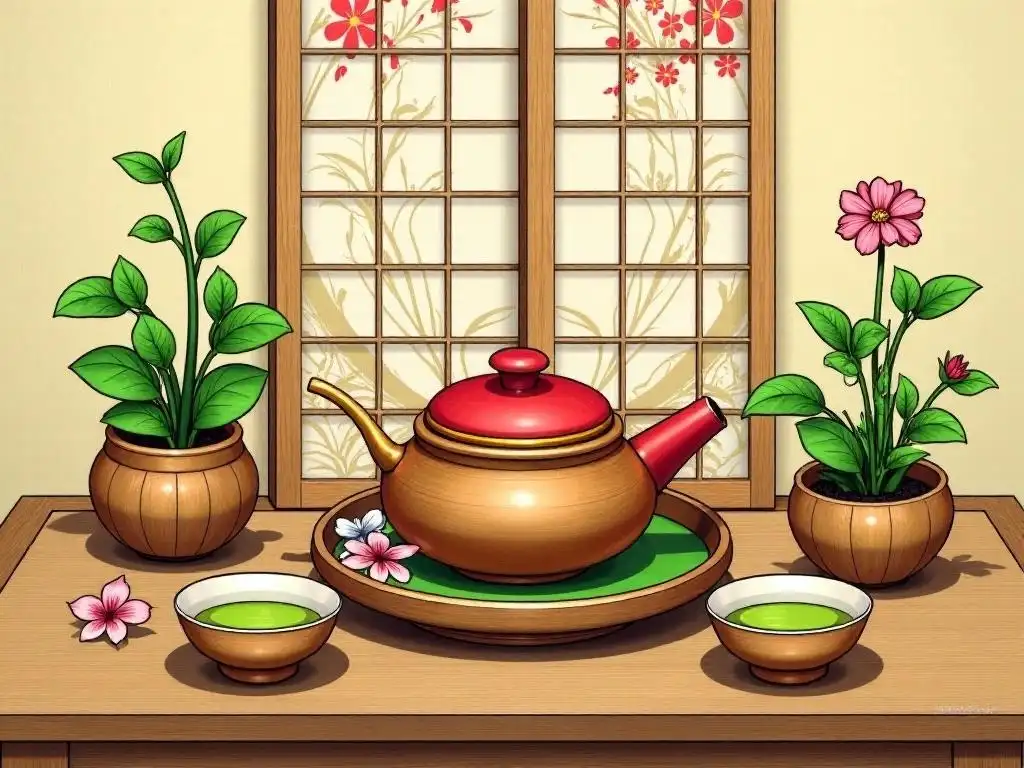
Welcome to Feudal Japan History, where we embark on a captivating journey through the rich tapestry of Japan’s feudal era. Here, you will uncover the profound connections between culture, society, and historical evolution. In our featured article, "The Influence of Zen Buddhism on the Aesthetics of Tea Ceremonies," we delve into the serene world of Zen Buddhism tea ceremony aesthetics, exploring how these philosophies shaped not only a ritual but an entire way of life.
Are you ready to sip from the cup of knowledge and discover the delicate interplay of art and spirituality? Join us as we unravel the layers of history waiting to be explored!
The tea ceremony, or chanoyu, is a profound cultural tradition in Japan that encapsulates the essence of Zen Buddhism, reflecting its philosophical principles through aesthetic expression. This article delves into the intricate relationship between Zen Buddhism and the aesthetics of tea ceremonies, revealing how this spiritual practice has shaped the visual and sensory elements that define this ritual.
By exploring the historical context, core principles of Zen, and the interplay between philosophy and aesthetics, we will uncover the depth of meaning and beauty that resonates within each cup of tea served. Understanding this relationship not only enhances our appreciation of the tea ceremony but also provides insight into the broader cultural tapestry of feudal Japan, where spirituality and artistry coalesce.
Introduction to Zen Buddhism and Tea Ceremonies
Overview of Zen Buddhism in Japan
Zen Buddhism, which emphasizes meditation and direct experience over theoretical knowledge, found a fertile ground in Japan during the Kamakura period (1185-1333). This school of thought focuses on achieving enlightenment through disciplined practice and a deep appreciation of the present moment. As Zen philosophy permeated various aspects of Japanese culture, it profoundly influenced the arts, including the aesthetics of the tea ceremony.
Zen teachings advocate for simplicity, tranquility, and mindfulness—principles that are vividly reflected in the tea ceremony. The ritualistic preparation and consumption of tea become a meditative practice, allowing participants to engage fully with the moment and find beauty in simplicity and imperfection. This connection between Zen and the tea ceremony creates a unique aesthetic that is both serene and profound.
Historical Context of Tea Ceremonies in Feudal Japan
The origins of the tea ceremony can be traced back to the introduction of tea from China during the Tang dynasty. However, it was in the Muromachi period (1336-1573) that tea drinking evolved into a formalized ritual influenced by the aesthetics and philosophy of Zen Buddhism. Notably, figures such as Sen no Rikyū in the 16th century codified the tea ceremony, emphasizing the ideals of wabi-sabi—an appreciation for the beauty in imperfection and transience.
In feudal Japan, the tea ceremony served not only as a social gathering but also as a means to cultivate harmony, respect, purity, and tranquility among participants. This cultural practice became a reflection of the societal values of the time, intertwining with the lives of samurai, aristocrats, and commoners alike. The aesthetics of the tea ceremony were thus shaped by both historical context and the spiritual underpinnings of Zen Buddhism, making it a rich subject for exploration.
The Philosophical Underpinnings of Zen Buddhism
Core Principles of Zen Buddhism
At the heart of Zen Buddhism lie several core principles that influence its aesthetics, particularly in the context of the tea ceremony:
- Mindfulness: The practice of being fully present in each moment enhances the sensory experience of the tea ceremony.
- Simplicity: Zen aesthetics prioritize minimalism, where unnecessary elements are stripped away to focus on the essence of beauty.
- Impermanence: The awareness of transience informs the appreciation of fleeting moments, making each tea gathering unique.
These principles not only guide the practice of Zen but also manifest in the visual and sensory elements of the tea ceremony, cultivating an environment of tranquility and reflection.
The Interplay Between Zen Philosophy and Aesthetic Values
The aesthetics of the tea ceremony are deeply intertwined with Zen philosophy, creating a harmonious relationship that elevates both the ritual and the art form. This interplay is evident in various aspects:
- Tea Utensils: The choice of utensils, often handmade and imperfect, reflects the Zen appreciation for natural beauty and simplicity.
- Setting: The tea room, or chashitsu, is designed to create a serene atmosphere that encourages mindfulness and contemplation.
- Ceremonial Movements: The deliberate and slow movements performed during the ceremony embody Zen principles, transforming the act of serving tea into a meditative practice.
Through these elements, the aesthetics of the tea ceremony embody the essence of Zen Buddhism, inviting participants to engage in a profound experience of beauty, simplicity, and serenity.
Zen Buddhism and the Development of Tea Ceremony Aesthetics
Zen Buddhism has profoundly influenced the aesthetics of the Japanese tea ceremony, known as chanoyu. Emerging in the 12th century, Zen philosophy emphasizes simplicity, mindfulness, and the appreciation of the present moment, which directly resonates with the principles that govern tea ceremonies. The integration of Zen into these ceremonies transformed them into spiritual practice rather than mere social gatherings, promoting a deeper connection between the participants, the tea, and the environment.
This influence is particularly evident in the way tea ceremonies are designed to foster tranquility and reflection. Zen monks played a crucial role in formalizing the tea ceremony, using it as a medium to cultivate mindfulness and facilitate meditation. The rituals involved, from the preparation of the tea to the serving process, embody Zen teachings, encouraging participants to engage fully in the experience and appreciate the subtleties of each moment.
The aesthetics of the tea ceremony reflect Zen ideals through minimalism and the thoughtful arrangement of elements. As the tea ceremony evolved, it became a canvas for expressing the beauty of imperfection and transience, aligning with the Zen concept of wabi-sabi. This philosophy celebrates the beauty found in the natural cycle of growth and decay, contributing to the serene and contemplative atmosphere that characterizes tea ceremonies.
Key Aesthetic Principles Influenced by Zen Buddhism
The aesthetics of the tea ceremony are largely governed by several key principles derived from Zen Buddhism. These principles include simplicity, tranquility, and impermanence, which collectively create an environment conducive to mindfulness and reflection.
- Simplicity: The design of tea rooms and the arrangement of tea utensils are intentionally minimalistic. This simplicity allows participants to focus on the act of tea drinking without distraction, fostering a deeper appreciation for the moment.
- Tranquility: The atmosphere of a tea ceremony is carefully curated to evoke a sense of calm. Soft lighting, muted colors, and gentle sounds contribute to a peaceful environment, enabling participants to immerse themselves in a meditative state.
- Impermanence: Reflecting the Zen belief in the transient nature of life, the aesthetics of the tea ceremony embrace the fleeting moments of beauty. Each tea gathering is unique, and the experience is meant to be savored in the present, rather than as a means to an end.
- Mindfulness: Every action in the tea ceremony, from the preparation of the tea to the serving, is performed with deliberate attention. This focus on mindfulness emphasizes the importance of the present moment, allowing participants to cultivate an awareness that extends beyond the ceremony itself.
The Role of Simplicity in Zen Aesthetics
Simplicity is a cornerstone of Zen aesthetics and plays an integral role in shaping the tea ceremony. This principle manifests in various aspects, from the design of the tea utensils to the layout of the tea room. The absence of unnecessary decorations and overly ornate elements invites a sense of clarity and calm, encouraging participants to engage with the essence of the experience.
The simplicity of the tea ceremony also extends to the preparation and serving of tea. Each step is executed with precision and care, highlighting the importance of the process rather than the final product. This focus on simplicity fosters a deeper connection between the participants and the tea, allowing them to appreciate the flavors and aromas fully.
Moreover, simplicity in Zen aesthetics encourages a sense of humility and respect for nature. This is reflected in the choice of materials and the overall design, which often emphasizes organic forms and natural textures. By stripping away excess, the tea ceremony invites participants to find beauty in the ordinary, underscoring the Zen belief that true beauty lies in simplicity.
Elements of Zen Aesthetics in Tea Ceremonies
The influence of Zen aesthetics is palpable in various elements of the tea ceremony, each contributing to the overall experience of mindfulness and tranquility. These elements work together to create an environment that is both serene and reflective, allowing participants to engage deeply with the ritual.
The Importance of Space and Environment
The space in which a tea ceremony is held is of utmost importance, as it sets the tone for the entire experience. Traditional tea rooms, known as chashitsu, are designed with simplicity in mind, often featuring tatami mats, sliding doors, and minimal furnishings. The layout is intentional, promoting a sense of harmony and balance.
In Zen philosophy, the environment is considered a reflection of one's inner state. Consequently, the tea room is often devoid of distractions and clutter, allowing participants to focus entirely on the ceremony. The use of natural light and ventilation further enhances the connection to nature, fostering a calming atmosphere that encourages introspection.
Moreover, the journey to the tea room itself is often designed to be a contemplative experience. Pathways lined with gravel and surrounded by greenery lead guests to the entrance, inviting them to leave behind the chaos of the outside world and prepare for a moment of serenity.
Natural Materials and Their Symbolism
Natural materials play a significant role in the aesthetics of tea ceremonies, reinforcing the Zen emphasis on harmony with nature. Common materials include wood, stone, and clay, each selected for their organic qualities and ability to evoke a sense of tranquility.
- Wood: The use of untreated wood in tea utensils and furniture symbolizes simplicity and authenticity. Each piece carries the unique characteristics of the tree it came from, reminding participants of the beauty of nature's imperfections.
- Stone: Stones are often incorporated into the tea room's design and serve as a reminder of the enduring qualities of nature. Their solidity and permanence contrast with the fleeting moments of the tea ceremony, emphasizing the theme of transience.
- Clay: Tea bowls, crafted from clay, embody the concept of wabi-sabi, celebrating the beauty of imperfection. The unique textures and colors of each bowl invite participants to appreciate the individuality of the tea experience.
Through the use of these natural materials, tea ceremonies create a sensory connection to the environment, encouraging participants to be mindful of their surroundings and the natural world.
Color Palette and Its Significance in Zen Aesthetics
The color palette used in tea ceremonies is thoughtfully chosen to align with Zen aesthetics, emphasizing harmony, balance, and tranquility. Earthy tones dominate the visual landscape, reflecting the natural elements that are central to the experience.
- Muted Earth Tones: Shades of brown, green, and beige create a calming atmosphere that encourages relaxation and introspection. These colors evoke a sense of grounding and connection to nature, aligning with the Zen philosophy of living in harmony with the environment.
- Subtle Textures: The interplay of colors and textures plays a vital role in enhancing the sensory experience of the tea ceremony. The roughness of clay bowls, the smoothness of wooden surfaces, and the soft fabric of the tea garments all contribute to a rich tapestry of tactile experiences.
- Seasonal Variations: The color palette often changes with the seasons, reflecting the natural cycle of life. In spring, soft pastels may be emphasized, while autumn might bring deeper, richer hues. This connection to the seasons reinforces the concept of impermanence and the beauty found in change.
The color palette in tea ceremonies is not just a visual choice; it is a deliberate reflection of Zen aesthetics that enhances the overall experience, inviting participants to engage with the ritual on a deeper level.
The Ritual of the Tea Ceremony: A Zen Perspective
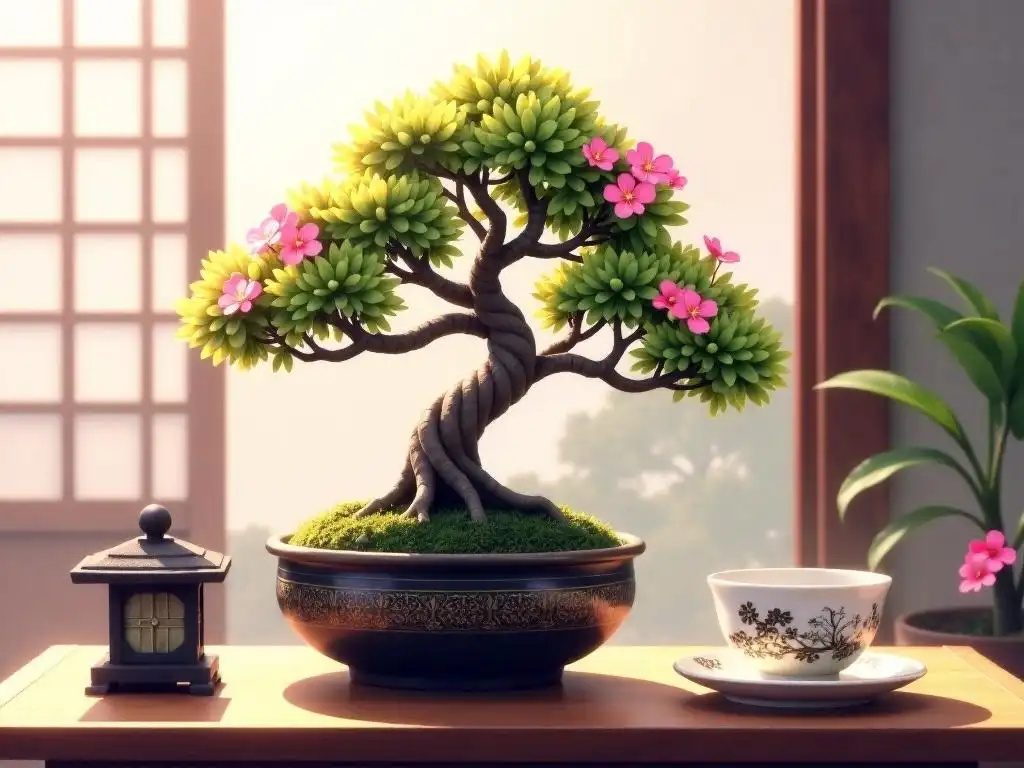
The tea ceremony, known as "chanoyu" in Japanese, is much more than a simple act of preparing and serving tea; it embodies a deep cultural significance rooted in Zen Buddhism. This ritual is a meditative practice that emphasizes simplicity, tranquility, and a connection to nature. The Zen perspective influences every aspect of the ceremony, from the selection of utensils to the arrangement of the tea room, creating a serene environment that encourages mindfulness.
In a Zen-inspired tea ceremony, each activity is performed with intention and grace. The participants engage in a series of meticulously choreographed movements, underscoring the importance of presence and awareness. The aesthetic choices—such as the use of natural materials, muted colors, and minimalistic decor—reflect Zen principles of wabi-sabi, which celebrates imperfection and transience. This harmony between the physical act of serving tea and the spiritual journey of self-discovery is what sets the Zen tea ceremony apart from other forms.
Step-by-Step Process of a Zen Tea Ceremony
The Zen tea ceremony follows a structured yet fluid process, where each step contributes to the overall experience of mindfulness and appreciation. Here’s a breakdown of the typical procedure:
- Preparation of the Space: The tea room is prepared with attention to detail, ensuring that it is clean and free of distractions. Natural elements like flowers or stones may be included to enhance the connection with nature.
- Gathering of Guests: Guests are welcomed with respect, and their presence is acknowledged. This moment sets the tone for the ceremony, creating an atmosphere of harmony.
- Tea Preparation: The host prepares the matcha (powdered green tea) with precision. The act of whisking the tea is performed with rhythmic movements, reflecting both skill and mindfulness.
- Serving the Tea: Each guest is served tea in a specific order, allowing them to appreciate the aesthetics of the tea bowl. Guests are encouraged to savor the aroma and flavor, engaging their senses fully.
- Appreciation: After drinking, guests express gratitude for the tea and the host's efforts. This moment of reflection strengthens the bond between participants and the shared experience.
- Closing the Ceremony: The ceremony concludes with a final bow, acknowledging the transient beauty of the moment and the connections formed.
Mindfulness and Presence in the Ceremony
Mindfulness is at the heart of the Zen tea ceremony. Participants are encouraged to immerse themselves in the present moment, setting aside distractions and concerns. The deliberate pace of the ceremony fosters a sense of calm, allowing both the host and guests to engage in a meditative state.
Every element, from the sound of the water boiling to the subtle aroma of tea, serves to ground participants in the here and now. The focus on sensory experiences aids in cultivating awareness, reminding everyone of the beauty in simplicity and the importance of appreciating fleeting moments. This practice of mindfulness not only enhances the tea ceremony but also extends into everyday life, promoting a deeper understanding of one's surroundings and interactions.
Comparing Traditional and Zen-Inspired Tea Ceremonies
While the traditional Japanese tea ceremony shares similarities with Zen-inspired practices, there are distinct differences that highlight the unique influences of Zen Buddhism on aesthetics and philosophy.
Contrasts in Aesthetic Approaches
Traditional tea ceremonies often incorporate a wider range of decorative elements, including ornate utensils and elaborate settings. In contrast, Zen-inspired ceremonies favor simplicity and minimalism. Aesthetic choices in a Zen setting prioritize natural materials, earthy tones, and an uncluttered environment that evokes tranquility.
In this stripped-down approach, every item, from the tea bowl to the tatami mat, serves a purpose and is selected for its inherent beauty rather than embellishment. This minimalist aesthetic embodies the Zen philosophy of finding beauty in imperfection and transience, setting a stark contrast to the more elaborate traditional settings.
Similarities in Philosophical Foundations
Despite their aesthetic differences, both traditional and Zen-inspired tea ceremonies share foundational principles rooted in respect, harmony, and tranquility. Both forms emphasize the importance of the host-guest relationship, where mutual respect is paramount.
Additionally, both ceremonies seek to create an environment conducive to reflection and appreciation. While the Zen tea ceremony may streamline the aesthetic components, it upholds the same philosophical depth that permeates traditional practices. Ultimately, both forms celebrate the art of tea as a means of fostering connection, contemplation, and cultural appreciation.
The Impact of Zen Aesthetics on Modern Tea Ceremonies
The influence of Zen Buddhism on the aesthetics of tea ceremonies continues to resonate profoundly in contemporary practices. Modern tea ceremonies often incorporate the core principles of Zen, such as simplicity, tranquility, and natural beauty. This minimalist approach emphasizes the importance of the moment, allowing participants to immerse themselves fully in the experience. The aesthetic choices made in modern tea ceremonies, from the selection of utensils to the arrangement of the tea room, reflect these Zen principles, creating an environment that fosters peace and mindfulness.
In many contemporary settings, tea ceremonies are adapted to suit a variety of cultural contexts while maintaining their Zen roots. This adaptability has allowed the tea ceremony to evolve, inviting a broader audience to appreciate its underlying philosophies. The visual and sensory aspects of the ceremony, such as the careful presentation of tea and the serene ambiance, continue to be influenced by Zen aesthetics. This results in a practice that not only honors tradition but also appeals to modern sensibilities.
Contemporary Interpretations of Zen Buddhism in Tea
In recent years, there has been a resurgence of interest in Zen Buddhism and its application in various aspects of life, including tea ceremonies. Contemporary interpretations emphasize the importance of mindfulness and presence, encouraging practitioners to engage with the ritual in a deeply personal way. This approach often involves a more flexible interpretation of traditional practices, allowing individuals to bring their own influences into the ceremony while still respecting the foundational Zen principles.
Many modern tea practitioners integrate elements from their own cultural backgrounds or personal philosophies into the tea ceremony, creating a rich tapestry of interpretations that still honor Zen's core values. Workshops and retreats focused on Zen tea practices have become popular, providing spaces for individuals to explore their understanding of Zen while engaging in the meditative act of tea preparation and consumption. This modern interpretation emphasizes connection, both to oneself and to others, making tea ceremonies relevant and meaningful in today's fast-paced world.
How Zen Influences Modern Aesthetic Practices in Tea Culture
The influence of Zen Buddhism on modern aesthetic practices within tea culture is evident in various elements, including the design of tea spaces and the choice of materials. Modern tea rooms often embody the Zen ideals of simplicity and harmony, featuring natural materials like wood and stone, which create a calming environment. The decor is typically minimalist, avoiding clutter and emphasizing open spaces that promote a sense of tranquility.
Additionally, the utensils used in tea ceremonies have evolved to reflect Zen aesthetics. Contemporary tea ware often showcases natural imperfections, celebrating the beauty of asymmetry and the uniqueness of each piece. This aesthetic choice aligns with the Zen philosophy of wabi-sabi, which finds beauty in the transient and imperfect nature of life. As a result, modern tea ceremonies not only serve as a means of beverage preparation but also as an expression of art and philosophy, embodying the Zen principles that continue to inspire practitioners today.
Conclusion: The Enduring Legacy of Zen Buddhism on Tea Ceremony Aesthetics
The legacy of Zen Buddhism on the aesthetics of tea ceremonies is profound and enduring. It has shaped not only how tea is prepared and consumed but also how individuals engage with the ritual on a personal level. This connection to Zen philosophy fosters a deeper appreciation of the moment, encouraging participants to find beauty in simplicity and tranquility. As the tea ceremony continues to adapt and evolve, the core Zen principles remain as relevant today as they were centuries ago.
Reflection on the Cultural Significance of the Zen Tea Ceremony
The Zen tea ceremony serves as a powerful cultural symbol that transcends mere beverage preparation. It embodies a way of life grounded in mindfulness, respect, and harmony with nature. The cultural significance of the Zen tea ceremony lies in its ability to foster connection—both to oneself and to others—while promoting an appreciation for the quiet beauty of everyday moments. Through this lens, the tea ceremony becomes a practice of gratitude and reflection, allowing participants to cultivate a sense of peace in a chaotic world.
Future Directions for Zen Aesthetic Practices in Tea Ceremonies
Looking ahead, the future of Zen aesthetic practices in tea ceremonies appears promising. As global interest in mindfulness and wellness continues to grow, the tea ceremony stands to benefit from increased recognition as a meditative practice. Future developments may include the integration of technology, such as virtual tea ceremonies, that allow broader participation while still honoring traditional aesthetics.
Moreover, the ongoing dialogue between tradition and modernity will likely inspire new forms of artistic expression within the tea ceremony. Practitioners may explore innovative ways to interpret Zen principles, ensuring that the essence of the tea ceremony evolves while remaining rooted in its rich heritage. As these practices continue to develop, they promise to maintain the profound connection to Zen Buddhism that has defined tea aesthetics for centuries.
- Introduction to Zen Buddhism and Tea Ceremonies
- The Philosophical Underpinnings of Zen Buddhism
- Zen Buddhism and the Development of Tea Ceremony Aesthetics
- Elements of Zen Aesthetics in Tea Ceremonies
- The Ritual of the Tea Ceremony: A Zen Perspective
- Comparing Traditional and Zen-Inspired Tea Ceremonies
- The Impact of Zen Aesthetics on Modern Tea Ceremonies
- Conclusion: The Enduring Legacy of Zen Buddhism on Tea Ceremony Aesthetics
- What is the connection between Zen Buddhism and tea ceremonies in Japan?
- How does the aesthetic of tea ceremonies reflect Zen principles?
- What role does mindfulness play in the tea ceremony influenced by Zen Buddhism?
- How did Zen Buddhism shape the design of tea ceremony utensils?
- Can you explain the significance of the setting in a Zen-influenced tea ceremony?
Frequently Asked Questions
What is the connection between Zen Buddhism and tea ceremonies in Japan?
Zen Buddhism has significantly influenced the aesthetics of tea ceremonies, emphasizing simplicity, mindfulness, and the appreciation of natural beauty in both the tea and the environment.
How does the aesthetic of tea ceremonies reflect Zen principles?
The aesthetics of tea ceremonies embody Zen principles through elements like minimalism, tranquility, and the use of natural materials, fostering a deep sense of presence and appreciation for the moment.
What role does mindfulness play in the tea ceremony influenced by Zen Buddhism?
Mindfulness is central to the tea ceremony, encouraging participants to engage fully with the process, appreciate the flavors, and cultivate a sense of calm amidst the ritual's simplicity and elegance.
How did Zen Buddhism shape the design of tea ceremony utensils?
Zen Buddhism led to the creation of aesthetic tea utensils that are not only functional but also embody a sense of beauty and harmony, often utilizing natural materials and simple forms to reflect Zen values.
Can you explain the significance of the setting in a Zen-influenced tea ceremony?
The setting of a Zen-influenced tea ceremony is crucial, as it is designed to create a serene atmosphere, often featuring nature and minimalist decor that enhances the overall experience and aligns with Zen ideals of simplicity and beauty.
Final Reflection: Embracing Serenity Through Zen Buddhism and Tea Ceremony Aesthetics
The profound connection between Zen Buddhism and the aesthetics of tea ceremonies remains remarkably relevant today, as we navigate a world filled with chaos and distraction. The simplicity and mindfulness inherent in these practices offer a sanctuary for the modern individual, reminding us that beauty can be found in the most ordinary moments. In a society that often prioritizes speed and efficiency, the tea ceremony stands as a powerful testament to the art of slowing down and appreciating the present.
Cultural landscapes continue to be shaped by the principles of Zen, influencing not only traditional practices but also contemporary art, design, and mindfulness movements. The aesthetics of the tea ceremony, with its emphasis on harmony, balance, and natural beauty, resonate deeply with those seeking solace in their daily lives. As the renowned Zen master Thich Nhat Hanh once said, The present moment is filled with joy and happiness. If you are attentive, you will see it.
This ongoing influence serves as a reminder of the importance of being present and finding beauty in simplicity, which is essential in our fast-paced world.
As we reflect on the teachings of Zen Buddhism and their impact on tea ceremony aesthetics, I invite you to consider how you can incorporate these principles into your own life. Take a moment to pause, breathe, and appreciate the beauty around you. Whether it’s through a mindful cup of tea or simply observing the world with fresh eyes, let the serenity of these practices inspire you to cultivate a deeper connection with yourself and your surroundings. Embrace the art of mindfulness, and allow the aesthetics of Zen to enrich your everyday experiences.
Embrace Serenity: Elevate Your Tea Experience!
Thank you for exploring the profound connection between Zen Buddhism and the aesthetics of tea ceremonies. You’ve uncovered insights that can enrich your daily rituals and enhance your appreciation for mindfulness. Now, let’s transform this knowledge into action!
Here are some ways you can incorporate the spirit of Zen into your tea experience:
- Practice a mindful tea ceremony: Set aside a dedicated time for yourself to prepare and savor tea in silence. Focus on each step, from boiling the water to savoring the first sip, embracing the tranquility of the moment.
- Introduce Zen-inspired decor: Transform your tea space by incorporating simple, natural elements such as bamboo, stones, or a small bonsai tree. These additions can create a calming atmosphere that reflects Zen principles.
- Share with others: Invite a friend or family member to join you for a tea ceremony. Discuss the meanings and symbols involved, fostering a deeper connection and appreciation for this beautiful tradition.
What resonates most with you about integrating Zen Buddhism into your tea rituals? Share your thoughts and inspire others in the comments!