
Festivals of Edo: Celebrating Life Through Vibrant Cultural Events

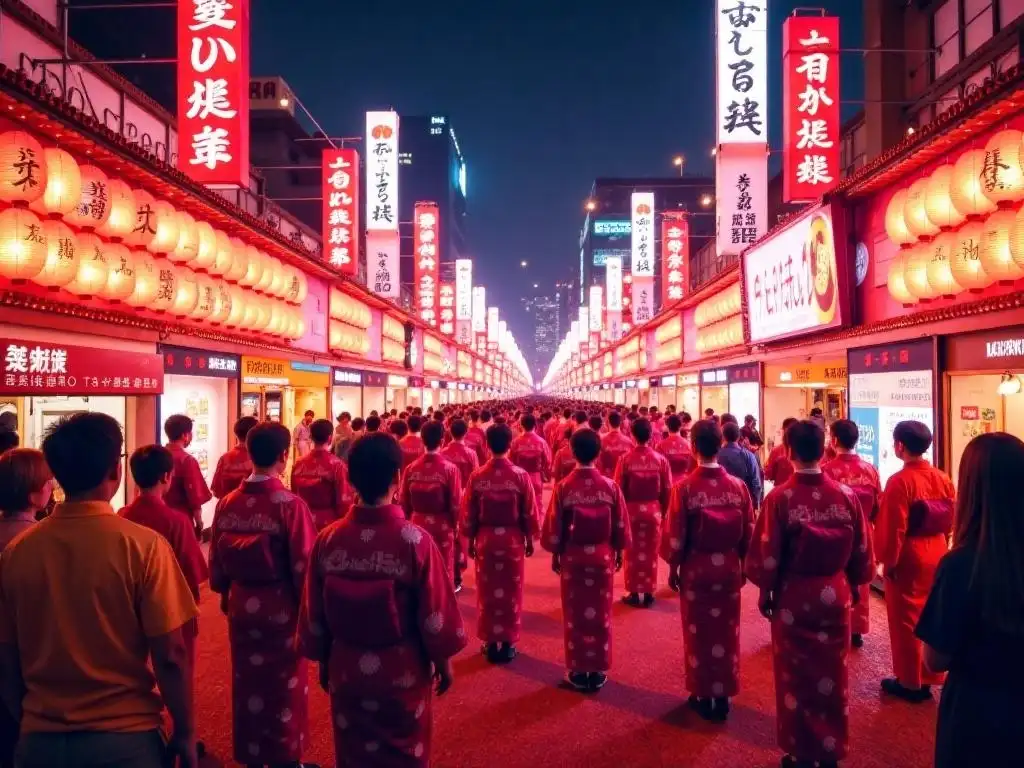
Welcome to Feudal Japan History, where we invite you to embark on a fascinating journey through the intricate tapestry of Japan’s feudal era. Here, we delve into the vibrant world of Edo period festivals in Japan, where tradition and celebration intertwine to showcase the rich cultural heritage of this historical epoch. What secrets do these lively events hold?
Discover how these festivals not only celebrate life but also reflect the societal dynamics of their time. Join us as we explore the colorful traditions that shaped a nation and continue to resonate today. Your adventure into the heart of Edo's festivities awaits!
Introduction to Edo Period Festivals in Japan
The Edo period, spanning from 1603 to 1868, represents a fascinating epoch in Japan's history, marked by profound cultural evolution and societal transformation. During this era, the Japanese archipelago experienced a unique blend of peace and stability under the Tokugawa shogunate, which allowed arts, commerce, and local traditions to flourish. Among the most vibrant expressions of this cultural richness were the festivals, which not only showcased the artistic talents of the time but also served as vital social gatherings for communities across the nation.
Edo period festivals in Japan are emblematic of the era's spirit, reflecting the values, beliefs, and everyday life of its people. These events were not mere celebrations; they were intricate tapestries woven with various historical, religious, and cultural threads that continue to resonate in contemporary Japanese society. This article delves into the significance of these festivals, exploring their roles in community life and their enduring impact on Japan's cultural landscape.
Overview of the Edo Period (1603-1868)
The Edo period, with its relatively long duration of over 250 years, is characterized by a remarkable level of urbanization and a burgeoning merchant class. Under the Tokugawa shogunate, Japan enjoyed a period of relative peace following centuries of civil strife. This stability led to increased agricultural productivity, the growth of cities, and the rise of a vibrant urban culture centered in Edo (modern-day Tokyo).
During this time, festivals, known as matsuri, became a critical aspect of urban life, serving as a means for people to express their cultural identity and celebrate seasonal changes. Each festival was often tied to local shrines and religious observances, highlighting the deep interconnection between spirituality and communal life. The festivals also provided an opportunity for the lower classes to engage in cultural activities that were traditionally associated with the samurai elite.
Significance of Festivals in Edo Culture
Festivals during the Edo period were not only important for entertainment; they played a crucial role in shaping the cultural fabric of society. They provided a platform for various forms of artistic expression, including music, dance, and traditional crafts. The elaborate floats, known as hanagasa, adorned with vibrant decorations, became symbols of local pride and cultural heritage.
Moreover, these events fostered a sense of unity among the participants, as people from various walks of life came together to celebrate shared traditions. The rituals and performances often conveyed moral lessons or historical narratives, reinforcing communal bonds and cultural values. Thus, festivals served as a vital means of preserving and transmitting culture across generations.
The Role of Festivals in Edo Society
Community Engagement and Social Cohesion
Edo period festivals were pivotal in enhancing community engagement and fostering social cohesion. They provided an opportunity for people to step away from their daily routines and come together in celebration. The festivals often featured parades, street performances, and communal feasts, all designed to encourage participation from the community.
Benefits of Community Engagement in Festivals:
- Fostering Relationships: Festivals allowed individuals to build friendships and strengthen ties within their neighborhoods.
- Economic Boost: Local merchants benefited from increased sales during festivals, contributing to the overall economic vitality of the community.
- Cultural Exchange: Different neighborhoods and regions showcased their unique traditions, promoting cultural exchange and understanding among diverse groups.
Religious and Spiritual Aspects of Edo Festivals
Religious beliefs were deeply embedded in the fabric of Edo period festivals, with many events centered around Shinto shrines or Buddhist temples. These festivals often celebrated deities, seasonal changes, or historical events, imbued with rituals that expressed gratitude and reverence.
Key Religious Aspects:
- Processions and Rituals: Many festivals included processions where participants carried portable shrines, known as mikoshi, to honor local deities.
- Prayers and Offerings: Devotees would offer prayers and food to the gods, seeking blessings for a bountiful harvest or protection from misfortune.
- Cleansing and Renewal: Festivals often represented a time for purification and renewal, allowing participants to reflect on their lives and seek spiritual rejuvenation.
In summary, Edo period festivals in Japan were more than mere celebrations; they were vital expressions of community, culture, and spirituality that played significant roles in shaping the social landscape of the time. The legacy of these festivals continues to influence modern Japanese cultural practices, reminding us of the rich history and vibrant traditions that define Japan today.
Major Edo Period Festivals in Japan
The Edo period (1603-1868) was a vibrant time for cultural development in Japan, particularly marked by its rich tapestry of festivals. These festivals were not merely celebratory events; they encapsulated the spiritual, agricultural, and social life of the Edo populace. Each festival had its unique characteristics, drawing on local traditions and religious beliefs, and they often featured elaborate parades, performances, and communal feasting. Here are some of the most significant festivals that flourished during this era:
Gion Matsuri: The Festival of Yasaka
Gion Matsuri, celebrated in Kyoto during July, is one of the most famous festivals in Japan, with roots tracing back to the 9th century. Originally a purification ritual to appease the gods during a plague, it has evolved into a month-long celebration. The festival's highlight is the grand procession of yamaboko, beautifully decorated floats that showcase exquisite craftsmanship and artistry. Each float represents different neighborhoods and is paraded through the streets of Kyoto, accompanied by traditional music and performances.
The festival also features various rituals, such as the Yasaka Shrine's ceremonial offerings, and community events that engage locals and visitors alike. The vibrant atmosphere, combined with the intricate designs of the floats and the participation of the community, makes Gion Matsuri a quintessential representation of Edo period festivals.
Sanja Matsuri: Celebrating the Three Deities
Held annually in mid-May at Asakusa Shrine in Tokyo, the Sanja Matsuri is dedicated to the three founders of Senso-ji Temple. This festival is characterized by its lively processions and the carrying of mikoshi (portable shrines), which symbolize the deities being honored. Participants don traditional attire and parade through the streets, creating a festive atmosphere filled with music, dance, and shouts of "Wasshoi!" as they lift the mikoshi.
The Sanja Matsuri reflects the Edo period's spiritual fervor and community spirit, with local residents coming together to celebrate their heritage. The festival's energy peaks during the parade, where the streets of Asakusa become a vibrant canvas of culture and tradition.
Kanda Matsuri: Honoring the Kanda Shrine
Kanda Matsuri, celebrated in May and October in Tokyo, is one of the major Shinto festivals dedicated to Kanda Myojin Shrine. Known for its grand parades occurring every two years, Kanda Matsuri features a procession of mikoshi, floats, and performers that travel through the Kanda area, showcasing the festival's rich history and cultural significance.
The festival is notable for its emphasis on the prosperity of merchants and the community, reflecting the Edo period's economic growth. Participants dress in elaborate costumes, and the atmosphere is filled with the sounds of traditional music and the sights of vibrant decorations. Kanda Matsuri signifies a deep connection to the community's roots, celebrating both the spiritual and social fabric of Edo Japan.
Aoi Matsuri: The Royal Procession of the Heian Era
Aoi Matsuri, held on May 15 in Kyoto, is one of the oldest festivals in Japan, tracing back to the Heian period (794-1185). This festival features a royal procession that mimics the styles of the Heian court, where participants dressed in jūnihitoe (twelve-layered ceremonial robes) recreate the historical significance of the era.
The festival's name is derived from the hollyhock leaves (aoi) that adorn the participants and the parade. The procession travels from the Imperial Palace to the Kamo Shrines, accompanied by traditional music and rituals that highlight the festival's historical roots. Aoi Matsuri reflects the elegance and grace of Japan's imperial past, serving as a reminder of the cultural continuity from the Heian period through the Edo period.
Unique Characteristics of Edo Period Festivals
The festivals of the Edo period were marked by unique characteristics that distinguished them from other cultural events. These festivals were rich in tradition and deeply intertwined with the social fabric of the time, showcasing the artistic and culinary diversity of Japan.
Traditional Costumes and Attire
Costumes played a significant role in Edo period festivals, with participants donning traditional garments that represented their community and status. The use of kimono and other ceremonial attire not only highlighted the aesthetics of the period but also held cultural meanings. Each festival had its specific style of dress, often adorned with intricate patterns and colors that conveyed the spirit of the event. The visual spectacle offered by these costumes was a critical aspect, adding to the overall vibrancy and allure of the festivals.
Music and Dance: The Heartbeat of Festivals
Music and dance were integral components of Edo period festivals, serving as a means of expression and celebration. Traditional instruments, such as taiko drums, shamisen (three-stringed lute), and flutes, accompanied various performances. Each festival featured unique musical compositions that resonated with the local culture, enhancing the festive atmosphere. Dance performances, often depicting historical stories or spiritual themes, engaged the community and provided entertainment, making music and dance the heartbeat of the celebrations.
Food and Drink: Culinary Delights at Edo Festivals
Culinary offerings were another highlight of Edo period festivals, showcasing the region's local delicacies and seasonal ingredients. Street vendors would set up stalls, providing a variety of traditional foods such as yakitori (grilled chicken skewers), dango (rice dumplings), and seasonal sweets. The communal aspect of dining during festivals fostered a sense of camaraderie among attendees, as people gathered to enjoy delicious food and drinks together. The culinary experiences during these festivals not only satisfied appetites but also reflected the local culture and traditions, adding another layer of richness to the celebrations.
The Impact of Edo Festivals on Cultural Heritage
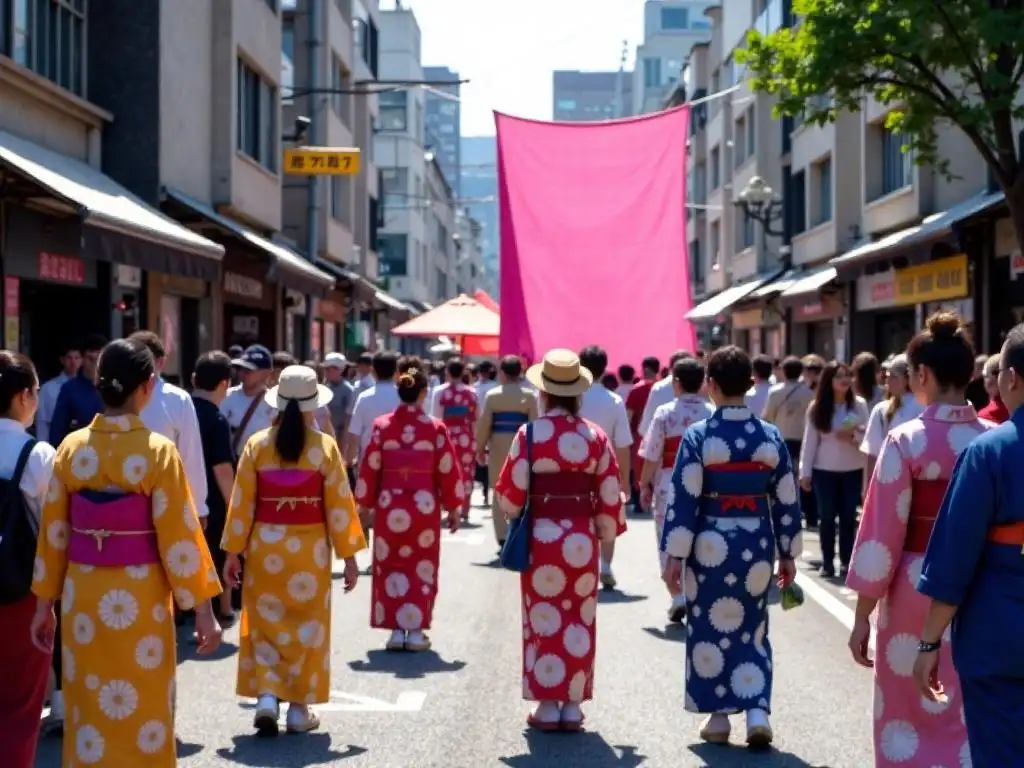
The Edo period, which spanned from 1603 to 1868, was a transformative era in Japan characterized by a flourishing of arts, culture, and societal structures. Festivals during this time played a crucial role in shaping the cultural heritage of Japan. They not only served as a means of community celebration but also acted as vessels for preserving traditions, rituals, and local customs. These vibrant events were often tied to agricultural cycles, religious practices, and historical commemorations, reflecting the interconnectedness of daily life and spirituality in Edo society.
Edo festivals were significant in fostering community spirit and identity. They encouraged participation among various social classes, breaking down barriers and uniting people through shared experiences. As a result, the legacy of these festivals has endured, enriching Japan's cultural landscape and influencing contemporary practices. The intricate rituals, performances, and crafts associated with these celebrations have been passed down through generations, ensuring that the essence of Edo culture remains alive in modern Japan.
Preservation of Edo Traditions
The preservation of Edo traditions through festivals is evident in the continued practice of various cultural events. Many festivals, such as the Sanja Matsuri and Gion Matsuri, have their roots in the Edo period and embody the customs and beliefs of that time. These festivals often feature traditional music, dance, and art forms, showcasing the skills of local artisans and performers.
Moreover, the festivals serve as a living museum of Edo culture, where participants don traditional attire, engage in ancient rituals, and recreate historical events. This immersive experience allows both locals and tourists to connect with the past, fostering a sense of pride and appreciation for Japan's rich cultural heritage. The efforts to maintain these traditions highlight the importance of cultural continuity and the role of festivals in community identity.
Influence on Modern Festivals in Japan
Edo period festivals have significantly influenced modern festivals in Japan, shaping the way contemporary celebrations are organized and experienced. Many current festivals draw inspiration from their Edo predecessors, incorporating traditional elements such as floats, processions, and rituals. For instance, the use of colorful mikoshi (portable shrines) in festivals today can be traced back to Edo practices, where these shrines were central to the celebrations.
Additionally, the organization and structure of modern festivals often reflect the communal spirit fostered during the Edo period. Local governments and community groups actively participate in planning and executing festivals, ensuring that they remain relevant and engaging for newer generations. This blend of tradition and innovation has allowed festivals to evolve while still honoring their historical roots, making them a vital part of Japan's ongoing cultural narrative.
Challenges and Changes in Edo Period Festivals
Despite their rich history and cultural significance, Edo period festivals faced numerous challenges and changes throughout their existence. These challenges were often influenced by historical events, societal shifts, and external pressures that affected how festivals were celebrated.
Historical Events Affecting Festival Celebrations
The impact of historical events on festival celebrations during the Edo period was profound. Natural disasters, such as earthquakes and fires, often disrupted festivities, leading to changes in how events were conducted or even resulting in the cancellation of certain celebrations. For example, the Great Ansei Earthquake in 1855 forced communities to rethink their festival practices to better prepare for potential emergencies.
Additionally, political changes, including the rise of the Meiji Restoration in the late 19th century, prompted a reevaluation of traditional customs. Many festivals were either modified or abandoned as Japan transitioned towards modernization. This shift often created a tension between preserving cultural identity and adapting to new societal norms.
Transition from Edo to Modern Japan: A Cultural Shift
The transition from the Edo period to modern Japan marked a significant cultural shift that profoundly impacted festival celebrations. With the Meiji Restoration in 1868, Japan underwent rapid industrialization and Westernization, leading to the transformation of many traditional practices. During this period, some festivals were reinterpreted to align with the new national identity that was being forged.
This cultural shift resulted in the emergence of new festivals that celebrated modern achievements and ideologies, often overshadowing traditional Edo festivals. However, many communities worked diligently to revive and adapt their historical celebrations, preserving the essence of the Edo period even as they incorporated contemporary elements.
Today, the festivals of Edo continue to be celebrated, albeit with adaptations that reflect modern values and lifestyles. This dynamic interplay between tradition and change underscores the resilience of cultural practices in Japan, demonstrating how the legacy of the Edo period festivals continues to shape the cultural landscape of the country.
Conclusion: The Legacy of Edo Period Festivals in Japan
The festivals of the Edo period, which spanned from 1603 to 1868, played a crucial role in shaping the cultural landscape of Japan. These vibrant events were more than mere celebrations; they acted as vital expressions of community identity, social cohesion, and artistic expression. Each festival offered a unique opportunity for people to gather, share stories, and celebrate their traditions, ultimately weaving the rich tapestry of Japanese culture that continues to be appreciated today. The legacy of these festivals is evident in their enduring popularity, as many Edo period celebrations have been preserved and adapted over the centuries.
The impact of the Edo period festivals extends beyond their historical significance. They serve as a bridge connecting past cultural practices to contemporary society, allowing modern Japanese people to engage with their heritage in meaningful ways. As communities continue to host these events, they not only honor their ancestors but also foster a sense of pride and belonging among participants. This cultural continuity ensures that the essence of the Edo period lives on, resonating with new generations.
Continuing the Celebration of Life and Culture
Today, the spirit of Edo period festivals is alive and well, with numerous events taking place across Japan. Modern celebrations often blend traditional practices with contemporary elements, showcasing the dynamic nature of Japanese culture. Festivals such as the Sanja Matsuri, which celebrates the three founders of Asakusa's Senso-ji Temple, attract millions of visitors each year, highlighting the enduring appeal of Edo traditions.
These festivals continue to function as a platform for artistic expression, with elaborate floats, traditional performances, and seasonal foods that reflect the rich cultural heritage of the Edo period. Moreover, they serve as an opportunity for local artisans and craftsmen to showcase their skills, ensuring that traditional crafts are preserved and appreciated. By participating in these vibrant celebrations, people not only honor their historical roots but also contribute to the ongoing evolution of Japanese culture.
The Importance of Edo Festivals in Contemporary Society
In contemporary society, Edo period festivals hold significant importance as they foster community engagement and promote cultural tourism. These events attract both locals and international visitors, generating economic benefits for the regions that host them. The influx of tourists stimulates local economies, providing opportunities for small businesses and creating jobs within the community.
Moreover, Edo festivals serve as a vital means of cultural education. They provide younger generations with firsthand experiences of their heritage, instilling a sense of pride and responsibility to preserve these traditions. Schools and community organizations often participate in festival preparations, ensuring that the knowledge of these vibrant cultural events is passed down.
In an increasingly globalized world, the preservation of unique cultural identities is crucial. Edo period festivals not only celebrate Japan’s rich history but also reinforce the values of community, creativity, and resilience. As these events continue to thrive, they remind us of the importance of honoring our past while embracing the future. Through the lens of these festivals, the legacy of the Edo period remains a vibrant and essential part of Japan's cultural narrative.
- Introduction to Edo Period Festivals in Japan
- The Role of Festivals in Edo Society
- Major Edo Period Festivals in Japan
- Unique Characteristics of Edo Period Festivals
- The Impact of Edo Festivals on Cultural Heritage
- Challenges and Changes in Edo Period Festivals
- Conclusion: The Legacy of Edo Period Festivals in Japan
Frequently Asked Questions
What were the main festivals during the Edo period in Japan?
The Edo period saw numerous festivals, such as the Gion Matsuri and Kanda Matsuri, which celebrated religious traditions, seasonal changes, and local deities, reflecting the vibrant culture of the time.
How did Edo period festivals contribute to society?
Festivals served as a means to strengthen community bonds, promote local culture, and provide entertainment for the masses, fostering a sense of identity among the people of Edo.
What role did religion play in Edo period festivals?
Religion was central to many festivals, often involving Shinto and Buddhist rituals to honor gods and ancestors, which helped reinforce spiritual beliefs and community values during the Edo period.
How have Edo period festivals influenced modern Japanese culture?
Many contemporary Japanese festivals draw inspiration from Edo traditions, maintaining cultural heritage through parades, traditional costumes, and performances that celebrate historical and cultural significance.
Are there any notable Edo period festivals still celebrated today?
Yes, festivals like the Gion Matsuri and Kanda Matsuri continue to thrive, showcasing traditional practices and community participation, thus preserving the rich cultural legacy of the Edo period.
Final Reflection: Celebrating the Vibrancy of Edo Period Festivals
The festivals of the Edo period are not just relics of the past; they are vibrant celebrations that continue to resonate with the cultural identity of Japan today. As we navigate through an increasingly globalized world, the essence of these festivals reminds us of the importance of community, tradition, and the joy of shared experiences. The lively parades, colorful costumes, and spirited performances that characterized these events have left an indelible mark on Japanese culture, serving as a bridge between history and the present.
The influence of Edo period festivals extends far beyond their historical context, shaping social interactions and cultural expressions in contemporary Japan. These celebrations foster a sense of belonging and continuity, allowing individuals to connect with their heritage while inviting others to partake in the joy of cultural exchange. As noted by cultural historian Yoshiko Matsumoto, Festivals are the heartbeat of a community, echoing the past while inspiring the future.
This sentiment captures the essence of how these events not only preserve traditions but also adapt and thrive in modern society, enriching the cultural landscape for generations to come.
As you reflect on the significance of the Edo period festivals, consider how you can incorporate the spirit of celebration and community into your own life. Embrace the lessons of joy, unity, and cultural appreciation that these festivals embody. Whether it's participating in local events, learning about different cultures, or simply celebrating the moments that bring people together, let the vibrant legacy of Edo period festivals inspire you to create your own celebrations of life.
Embrace the Spirit of Edo Festivals Today!
Thank you for journeying through the rich tapestry of Edo culture with us! Your interest not only highlights the beauty of Japan's vibrant traditions but also the importance of celebrating life through community and festivity. Now, let's take that inspiration and make it actionable!
- Dive deeper into the festivals: Research two specific Edo festivals that resonate with you, exploring their unique traditions and stories.
- Share a festival experience: Discuss what you learned with friends or family and encourage them to join you in exploring these cultural events.
- Join a local celebration: Find a festival or cultural event in your area and participate to experience the joy and connection firsthand!
How do you plan to integrate the spirit of Edo festivals into your life or community? **We would love to hear your thoughts! **