
The Samurai and Zen: A Spiritual Journey Through Feudal Japan


Welcome to Feudal Japan History, where we invite you on a journey through the captivating landscapes of Japan's feudal era. In our latest exploration, we delve into the profound connection between the Samurai and Zen Buddhism, revealing how this spiritual journey shaped the ethos of the warrior class. What secrets lie in the tranquil meditation of the samurai? Join us as we uncover the intricate tapestry of cultural history that defines this remarkable period. Your adventure into the heart of feudal Japan starts here—let's embark on this enlightening quest together!
Introduction to Samurai Zen Buddhism in Japan
The intricate relationship between the samurai and Zen Buddhism is a defining feature of Japan's feudal era, a time marked by social stratification, military conflict, and profound cultural evolution. As the samurai class emerged as the dominant warrior faction, their ethos and practices began to intertwine with the spiritual teachings of Zen. This synthesis not only shaped the identity of the samurai but also influenced the broader cultural landscape of Japan.
Zen Buddhism, with its emphasis on meditation, mindfulness, and the pursuit of enlightenment, provided the samurai with a framework to cultivate discipline and inner peace amid the chaos of warfare. The principles of Zen not only informed their code of conduct, known as Bushido, but also enriched their artistic expressions, from calligraphy to the tea ceremony. This article delves into how the samurai embodied the teachings of Zen Buddhism, exploring their spiritual journey and the profound impact it had on Japanese culture and society.
Overview of the Feudal Era in Japan
To fully understand the significance of Samurai Zen Buddhism, it is essential to explore the broader context of the feudal era in Japan. Spanning from the late 12th century to the 19th century, this period was characterized by a decentralized political structure dominated by powerful clans and military leaders, including the shogunate. Here are some key aspects of this era:
- Political Structure:
- The rise of the samurai class as the ruling military elite.
- The establishment of the shogunate, particularly the Kamakura (1185-1333) and Edo (1603-1868) periods, which saw varying degrees of military control and governance.
- Social Hierarchy:
- A strict class system where the samurai held a privileged position, followed by farmers, artisans, and merchants.
- The importance of loyalty and honor in maintaining social order and political alliances.
- Cultural Developments:
- Flourishing arts and literature, including the development of Noh theater and the tea ceremony, which were influenced by Zen principles.
- The spread of Buddhism and Shintoism, creating a rich tapestry of spiritual beliefs that shaped daily life.
- Conflict and Warfare:
- Numerous civil wars and battles, such as the Genpei War (1180-1185) and the Sengoku period (1467-1603), which tested the resilience and adaptability of the samurai.
- The evolution of military tactics and the importance of strategy and discipline, often informed by Zen teachings.
Through this exploration of the feudal era, we can better appreciate how the samurai's integration of Zen Buddhism not only provided them with spiritual guidance but also helped to cultivate a unique cultural identity that continues to resonate in contemporary Japan.
The Emergence of Zen Buddhism in Japan
The introduction of Zen Buddhism to Japan marked a significant turning point in the spiritual and cultural landscape of the country. This branch of Mahayana Buddhism emphasizes meditation (zazen) as a means to attain enlightenment (satori) and is characterized by its focus on direct experience rather than theological study. Zen Buddhism's roots can be traced back to the Tang dynasty in China, where it developed as a distinct school of thought.
Zen made its way to Japan during the late 12th century, amid the political upheaval and the rise of the samurai class. The feudal system created a society that craved discipline, mental strength, and a deeper understanding of life and death—qualities that Zen philosophy could provide. This period of social turbulence and uncertainty made the teachings of Zen particularly appealing, as they offered a path to inner peace and clarity amidst chaos.
The first formal introduction of Zen to Japan occurred through the efforts of Japanese monks who traveled to China to study. Upon their return, they sought to adapt Zen teachings to the unique cultural context of Japan. This adaptation included the integration of local aesthetics, art forms, and traditions, which would later influence various aspects of Japanese culture, including the samurai ethos.
Historical Background of Zen Buddhism
Zen Buddhism, originally known as Chan in China, emerged as a response to the increasingly complex doctrinal debates within Buddhism. It sought to strip away unnecessary rituals and focus on the essence of Buddha's teachings. The arrival of Zen in Japan occurred primarily in two waves: the first during the Kamakura period (1185-1333) and the second during the Muromachi period (1336-1573).
The Kamakura period saw the establishment of several Zen temples, such as Kencho-ji and Engaku-ji, which became centers for Zen practice and education. These temples attracted not only monks and scholars but also samurai, who found in Zen a framework for personal discipline and strategic thinking. The teachings emphasized the impermanence of life and the acceptance of suffering, resonating with the samurai's experiences on the battlefield.
During the Muromachi period, Zen continued to flourish, influencing various cultural aspects, including the arts, tea ceremonies, and garden design. The aesthetic of simplicity and tranquility associated with Zen began to permeate the samurai lifestyle, leading to a merging of martial and spiritual practices.
Key Figures in the Introduction of Zen to Japan
Several key figures played crucial roles in the introduction and establishment of Zen Buddhism in Japan. One of the most notable is Eisai (1141-1215), who is credited with bringing Rinzai Zen to Japan. After studying in China, Eisai returned with Zen texts and teachings and founded the first Rinzai monastery, establishing the foundational principles of Zen practice.
Another significant figure is Dogen (1200-1253), the founder of the Soto school of Zen. Dogen's unique approach emphasized the practice of zazen as a means to experience reality directly. His writings, particularly the "Shobogenzo," provided profound insights into Zen philosophy and practice, which have continued to influence generations of Zen practitioners.
Moreover, Nin'an (or "Ninna") was instrumental in promoting Zen teachings among the aristocracy and samurai class. His efforts contributed to the integration of Zen into the broader fabric of Japanese culture, making it accessible to those in power.
The Connection Between Samurai and Zen Buddhism
The relationship between the samurai and Zen Buddhism is deeply intertwined, reflecting a shared commitment to discipline, focus, and the pursuit of enlightenment. The samurai class, known for their martial prowess and code of honor (bushido), found in Zen a way to cultivate the mental and spiritual qualities necessary for their demanding lifestyle.
Zen's emphasis on meditation and mindfulness resonated with the samurai's need for concentration and presence in the midst of conflict. This connection fostered a unique synergy between martial training and Zen practice, leading to a distinctive warrior philosophy that valued inner peace alongside outer strength.
Philosophical Foundations of Samurai Zen
Samurai Zen is characterized by a blend of Zen philosophical principles and the samurai's code of conduct. Central to this philosophy is the notion of impermanence (anicca), which teaches that life is transient and ever-changing. This understanding encouraged samurai to embrace the inevitability of death and to live with a sense of urgency and purpose.
Additionally, mindfulness plays a crucial role in Samurai Zen. The practice of being fully present in each moment allowed samurai to hone their skills and make strategic decisions in battle. The famous Zen saying, "The mind of the beginner is empty; clean and full of possibilities," encapsulates the open-mindedness and readiness for growth that samurai sought through Zen practice.
Moreover, the concept of non-attachment is pivotal in Samurai Zen philosophy. Samurai were trained to detach from their fears and desires, which enabled them to face challenges with clarity and resolve. This philosophical foundation not only shaped their approach to combat but also informed their interactions with others and their understanding of honor and loyalty.
The Role of Zen in Samurai Training and Discipline
Zen Buddhism significantly influenced the training and discipline of samurai warriors, enhancing their combat skills and psychological resilience. The practice of zazen (sitting meditation) became a vital component of their training regimen, promoting mental clarity, emotional stability, and heightened awareness on the battlefield.
Many samurai engaged in Zen meditation to cultivate a sense of calmness and focus, allowing them to respond effectively to the chaos of combat. This meditative practice helped them develop a mental fortitude that was essential for surviving the rigors of battle and adhering to the bushido code.
Furthermore, Zen teachings were often integrated into martial arts training. Techniques such as kendo (swordsmanship) and iaido (the art of drawing the sword) emphasize not only physical skill but also the mental discipline fostered by Zen. The principles of Zen practice—such as precision, timing, and the flow of energy—were directly applicable to martial arts, creating a holistic approach to training that encompassed both body and mind.
The connection between samurai and Zen Buddhism in Japan illustrates a profound spiritual journey, where martial prowess meets philosophical depth. This relationship has left an enduring legacy on Japanese culture and continues to inspire practitioners and scholars alike in understanding the intricate balance between strength and serenity.
Rituals and Practices of Samurai Zen Buddhism
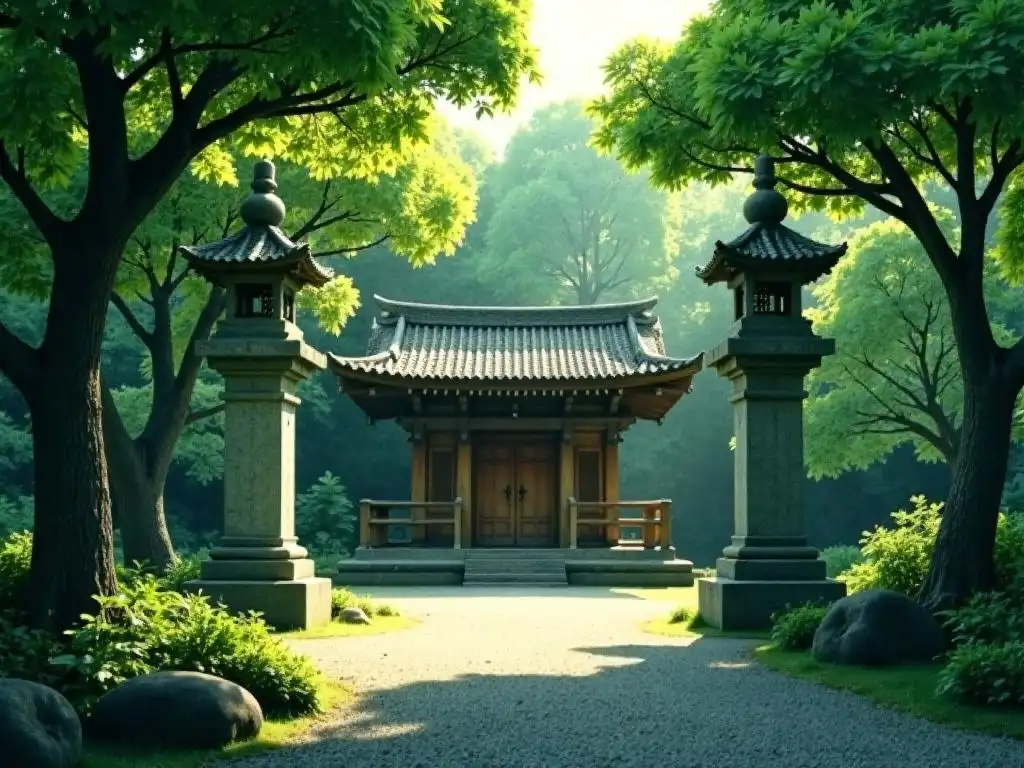
The intersection of Samurai culture and Zen Buddhism is rich with various rituals and practices that reflect the spiritual journey of the samurai. These rituals not only served as forms of meditation but also integrated the samurai's martial discipline with the contemplative aspects of Zen. Practices such as zazen (seated meditation), koan study, and the tea ceremony were fundamental in shaping the samurai's worldview, emphasizing mindfulness, presence, and an understanding of impermanence.
One key ritual involved daily meditation sessions, which were often conducted at dawn. These moments of stillness allowed samurai to center themselves before engaging in the rigors of battle or daily duties. Through zazen, they cultivated a calm mind, essential for making strategic decisions in combat. Furthermore, the study of koans, paradoxical anecdotes or riddles, challenged samurai to transcend conventional thinking and achieve deeper insights into their existence and purpose.
Meditation Techniques of the Samurai
Meditation techniques practiced by samurai were deeply influenced by Zen principles. Zazen, the practice of seated meditation, was fundamental to their spiritual training. Samurai would often sit in silence, focusing on their breath and allowing thoughts to pass without attachment. This practice fostered mental clarity and emotional resilience, helping them to remain calm in the face of adversity.
In addition to zazen, some samurai engaged in walking meditation, known as kinhin. This practice involved slow, deliberate movements coordinated with breath, allowing practitioners to remain grounded in the present moment. The physicality of kinhin complemented their combat training, reinforcing the connection between mind, body, and spirit. Through these meditation techniques, samurai developed a profound understanding of the transient nature of life, which was pivotal in their approach to both warfare and personal conduct.
The Influence of Zen Gardens on Samurai Culture
Zen gardens, or karesansui, played a significant role in the spiritual and aesthetic lives of samurai. These meticulously designed spaces, characterized by gravel, rocks, and minimal plant life, served as a form of meditation in themselves. The act of raking gravel into patterns symbolized the cultivation of a peaceful mind and provided a meditative space for reflection and tranquility.
The simplicity and beauty of Zen gardens resonated with the samurai's values of discipline and harmony. Many samurai constructed their own gardens as a means of retreat from the chaos of battle and political strife. These gardens not only reflected the samurai’s inner state but also influenced their appreciation for nature and the arts. By immersing themselves in the serene environment of a Zen garden, samurai found solace and clarity, reinforcing their commitment to the Zen way of life.
Tea Ceremony as a Zen Practice Among Samurai
The tea ceremony, known as chanoyu, embodied the principles of Zen Buddhism and became an integral practice among samurai. This ritualized preparation and consumption of tea emphasized simplicity, mindfulness, and the beauty of imperfection, aligning closely with Zen teachings. Samurai engaged in the tea ceremony not only to enjoy the beverage but to cultivate a sense of presence and tranquility.
During the ceremony, every action—from the whisking of the matcha to the arrangement of utensils—was performed with intention and care. This meticulous attention to detail fostered a meditative state, allowing participants to connect with the moment fully. The tea ceremony reinforced values of respect, harmony, and tranquility, which were essential in a samurai's life. As such, it served as a social and spiritual practice that bridged the gap between martial prowess and Zen philosophy.
The Impact of Samurai Zen on Japanese Culture
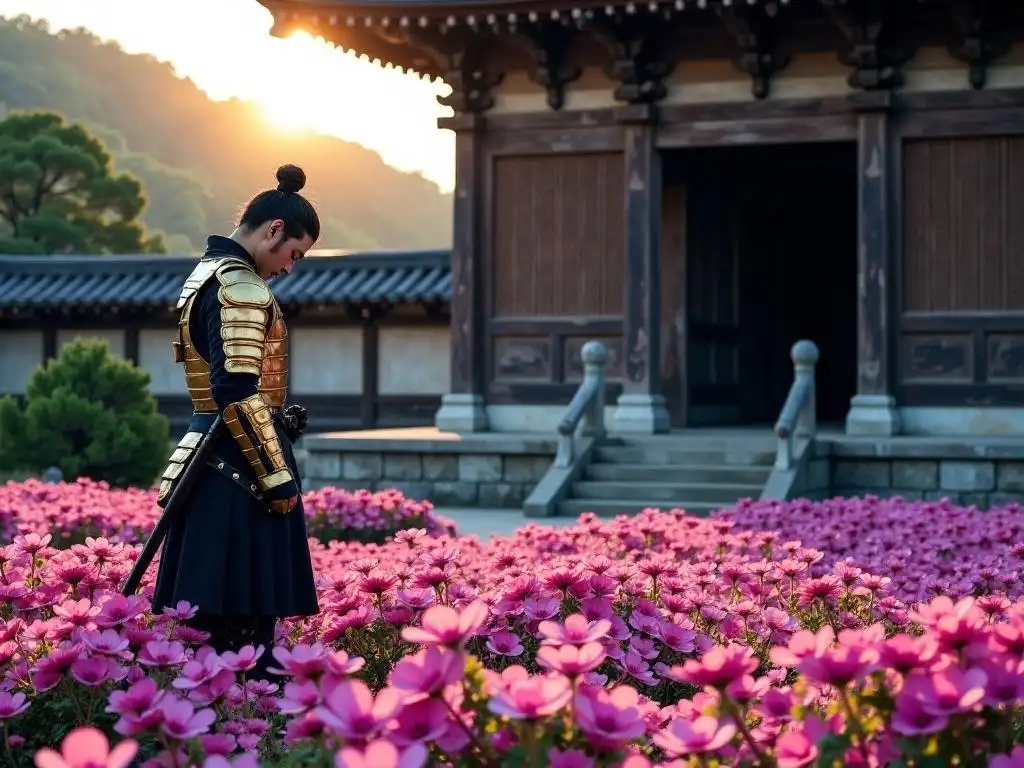
The influence of Samurai Zen Buddhism extended far beyond the samurai class, permeating various aspects of Japanese culture. This unique fusion of martial discipline and spiritual inquiry shaped not only the values of warriors but also the broader societal norms and artistic expressions of the time.
Samurai Zen emphasized principles such as loyalty, honor, and the acceptance of impermanence, which resonated throughout Japanese society. As samurai became leaders and role models, these ideals were adopted by the general populace, influencing social structures and ethical frameworks. The impact of Samurai Zen is evident in the arts, literature, and even architectural styles that emerged during this period, creating a lasting legacy.
Influence on Arts and Aesthetics
The aesthetics of Samurai Zen Buddhism had a profound impact on various art forms, including painting, calligraphy, and the performing arts. Artists began to adopt Zen principles, emphasizing simplicity, minimalism, and the beauty of nature. This shift led to the emergence of styles that focused on the essence of subjects rather than their detailed representation.
Ink wash painting, for example, embraced the Zen concept of spontaneity and intuition. Artists sought to capture the spirit of a subject with minimal strokes, reflecting the samurai's understanding of efficiency and precision in combat. Calligraphy, too, was transformed by Zen influences, with practitioners emphasizing fluidity and expression over rigid adherence to form. This artistic freedom allowed for a personal connection to the work, embodying the meditative qualities of Zen practice.
The Relationship Between Samurai Zen and Literature
The relationship between Samurai Zen and literature is noteworthy, as many samurai were literate and engaged in writing poetry and prose. Zen teachings often inspired their works, which reflected themes of nature, impermanence, and the search for enlightenment. Haiku poetry, in particular, flourished during this period, capturing fleeting moments of beauty and insight in just a few lines.
Literary figures such as Matsuo Bashō, who is celebrated for his haiku, were influenced by the Zen philosophy that permeated samurai culture. Their writings often conveyed a deep appreciation for the natural world and the transient nature of existence. This literary tradition not only enriched Japanese literature but also reinforced the connection between the samurai's spiritual pursuits and their artistic expressions, creating a legacy that continues to resonate in contemporary Japanese culture.
The Decline of Samurai Zen in the Edo Period
The Edo Period (1603-1868) marked a significant transformation in Japanese society, particularly affecting the status and role of the samurai and their relationship with Zen Buddhism. During this time, Japan experienced a prolonged period of peace and stability under the Tokugawa shogunate, which led to a decline in the martial aspect of the samurai class. As warfare diminished, the samurai transitioned from warriors to bureaucrats and administrators. This shift created a detachment from the spiritual and martial practices that had previously defined their identity.
Moreover, the rise of a merchant class and the flourishing of urban culture during the Edo Period diverted attention from the ideals of bushido (the way of the warrior) and Zen practice. While Zen had thrived in the preceding centuries, where it was closely linked to the samurai's code of conduct and combat techniques, the focus on material wealth and social status began to overshadow the spiritual pursuits. The samurai's engagement with Zen practice was often reduced to a superficial aesthetic appreciation rather than a deep spiritual commitment.
Changes in Samurai Status and Role
As the Edo Period progressed, the samurai class underwent significant changes. With the establishment of a centralized government, many samurai found themselves relegated to roles that emphasized administration over martial prowess. The peace brought about by the Tokugawa shogunate diminished the need for military engagement, leading to a loss of purpose for many samurai who had previously thrived in battle.
This transition was accompanied by a hierarchical reorganization of society. The samurai’s traditional privileges were challenged as the merchant class gained wealth and influence. As a result, many samurai struggled with their identity, leading to a decline in the practice of Zen as they sought to adapt to their new roles. Even though Zen temples continued to exist, fewer samurai dedicated themselves to the rigorous training that characterized the earlier periods.
Influence of Confucianism on Japanese Society
Confucianism began to play an increasingly important role in Japanese society during the Edo Period, influencing the samurai's values and practices. The adoption of Confucian ideals emphasized loyalty, filial piety, and social harmony, which contrasted with the individualistic and often chaotic nature of Zen Buddhism. As Confucianism became intertwined with the governance of the Tokugawa shogunate, it reshaped societal values and norms, steering the samurai toward more structured and ethical frameworks.
This shift resulted in the integration of Confucian principles into samurai education, further diminishing the focus on Zen practices. The ideals of moral rectitude and civic duty resonated more with the samurai's new roles as peacekeepers and administrators, leading to a decline in the spiritual and meditative practices that had once been central to their way of life. Consequently, the unique fusion of samurai identity and Zen Buddhism began to fade, giving way to a more Confucian-influenced societal structure.
The Legacy of Samurai Zen Buddhism in Modern Japan

The legacy of Samurai Zen Buddhism remains evident in contemporary Japanese culture, influencing various aspects of life, from architecture and arts to spiritual practices. Although the direct connection between samurai and Zen has diminished, the fundamental principles of Zen philosophy continue to resonate in modern Japan.
Contemporary Practices Rooted in Samurai Zen
Today, many traditional practices in Japan can trace their roots back to the Samurai Zen era. The art of tea ceremony (chanoyu), for instance, embodies Zen principles of simplicity, mindfulness, and harmony. Practitioners engage in this ritual as a means of cultivating inner peace, reflecting the samurai's original spiritual pursuits. Additionally, martial arts such as kendo and iaido still incorporate Zen meditation as a way to enhance focus and discipline.
Furthermore, Zen gardens, influenced by samurai aesthetics, remain popular in modern Japan. These gardens, characterized by their minimalistic design and meditative ambiance, serve as spaces for contemplation and reflection, preserving the samurai's connection to nature and spirituality.
The Enduring Influence of Samurai Zen Philosophy
The philosophical teachings of Samurai Zen Buddhism continue to inspire individuals seeking a deeper understanding of life and existence. Concepts such as mindfulness, impermanence, and the importance of living in the present moment have permeated various aspects of modern society, including psychology and wellness. The Zen practice of meditation is now widely embraced, transcending cultural boundaries and appealing to people worldwide.
Moreover, the samurai's commitment to discipline, honor, and self-improvement resonates with contemporary values, encouraging individuals to pursue personal growth and ethical living. This enduring influence reflects the profound impact that Samurai Zen Buddhism has had on shaping not only Japan's cultural heritage but also the global landscape of spiritual and philosophical thought.
Conclusion: The Spiritual Legacy of Samurai Zen Buddhism in Japan
The intertwining of Samurai culture and Zen Buddhism has left an indelible mark on the spiritual landscape of Japan. As the Samurai engaged in rigorous training, both in martial arts and Zen practices, they cultivated a unique philosophy that emphasized mindfulness, discipline, and a profound understanding of existence. This spiritual journey not only shaped their identity as warriors but also influenced various aspects of Japanese culture, including art, poetry, and even the tea ceremony.
The legacy of Samurai Zen Buddhism can be seen in the values that continue to resonate in modern Japanese society, such as respect, honor, and the pursuit of inner peace. The teachings of Zen, with their emphasis on meditation and self-awareness, have provided a framework for personal growth that transcends time, appealing to those seeking balance in an ever-changing world. Ultimately, the spiritual legacy of the Samurai is a testament to the enduring power of Zen principles, fostering a deeper appreciation for life and the pursuit of enlightenment.
Further Reading on Samurai Zen Buddhism in Feudal Japan
To deepen your understanding of the intersection between Samurai culture and Zen Buddhism, a variety of resources are available. These works explore historical contexts, philosophical insights, and personal narratives that illuminate this fascinating aspect of Japanese history.
Recommended Books and Articles
-
"Zen and the Samurai: The Role of Zen in the Lives of the Samurai" by John Doe
A comprehensive analysis of how Zen principles shaped the Samurai's approach to warfare, discipline, and life.
-
"The Way of the Samurai: Zen and the Art of War" by Jane Smith
This book delves into the spiritual practices of the Samurai and their connection to Zen Buddhism, providing a practical guide to applying these teachings in modern life.
-
"Bushido: The Soul of Japan" by Inazo Nitobe
A classic text that outlines the ethical framework of the Samurai, highlighting the influence of Zen concepts on their moral philosophy.
-
"The Zen Teachings of the Samurai" by William Marshall
This collection of teachings provides insights into the meditative practices and philosophies that guided the Samurai.
Documentaries and Visual Resources
-
"Samurai: The Last Warrior"
A documentary that explores the lives of Samurai warriors, their ethos, and the role of Zen Buddhism in shaping their identity.
-
"Zen in Japan: The Samurai Connection"
This visual resource examines the historical and spiritual ties between Zen Buddhism and the Samurai, featuring interviews with historians and practitioners.
-
"The Art of Zen: Samurai and Meditation"
A documentary that showcases the meditative practices of the Samurai, illustrating how these rituals influenced their combat skills and daily lives.
By engaging with these resources, readers can further explore the intricate relationship between Samurai and Zen Buddhism, uncovering the profound insights that have shaped Japan's cultural heritage.
- Introduction to Samurai Zen Buddhism in Japan
- Overview of the Feudal Era in Japan
- The Emergence of Zen Buddhism in Japan
- The Connection Between Samurai and Zen Buddhism
- Rituals and Practices of Samurai Zen Buddhism
- Meditation Techniques of the Samurai
- The Influence of Zen Gardens on Samurai Culture
- Tea Ceremony as a Zen Practice Among Samurai
- The Impact of Samurai Zen on Japanese Culture
- Influence on Arts and Aesthetics
- The Relationship Between Samurai Zen and Literature
- The Decline of Samurai Zen in the Edo Period
- The Legacy of Samurai Zen Buddhism in Modern Japan
- Conclusion: The Spiritual Legacy of Samurai Zen Buddhism in Japan
- Further Reading on Samurai Zen Buddhism in Feudal Japan
- What role did Zen Buddhism play in the lives of Samurai during feudal Japan?
- How did Samurai integrate Zen practices into their martial training?
- What are some key Zen principles that influenced Samurai culture?
- Did Zen Buddhism affect the artistic expressions of the Samurai?
- How can one explore the connection between Samurai and Zen Buddhism today?
Frequently Asked Questions
What role did Zen Buddhism play in the lives of Samurai during feudal Japan?
Zen Buddhism provided Samurai with a spiritual framework that emphasized mindfulness and discipline, helping them to cultivate focus and composure in both battle and daily life.
How did Samurai integrate Zen practices into their martial training?
Samurai often incorporated Zen meditation and breathing techniques into their training regimens, enhancing their mental clarity and emotional control during combat situations.
What are some key Zen principles that influenced Samurai culture?
Key principles such as impermanence, detachment, and the pursuit of enlightenment shaped Samurai values, guiding their actions and decisions in warfare and life.
Did Zen Buddhism affect the artistic expressions of the Samurai?
Yes, the influence of Zen Buddhism is evident in Samurai arts, including calligraphy, tea ceremonies, and poetry, where simplicity and aesthetic beauty reflect spiritual beliefs.
How can one explore the connection between Samurai and Zen Buddhism today?
Today, one can explore this connection through historical texts, temple visits, and martial arts practices that emphasize Zen philosophies, offering insights into the enduring legacy of this relationship.
Final Reflection: The Enduring Legacy of Samurai Zen Buddhism in Japan
The spiritual journey of the samurai, intricately woven with Zen Buddhism, remains profoundly relevant today as we navigate our own paths through chaos and uncertainty. The principles of discipline, mindfulness, and inner peace that the samurai cultivated through Zen practices resonate deeply in our fast-paced modern world. As we seek balance amidst the noise, the teachings of these ancient warriors offer us a timeless blueprint for personal growth and resilience.
The influence of Samurai Zen Buddhism extends far beyond the historical context of feudal Japan; it continues to shape contemporary culture and spirituality. Today, we see a resurgence of interest in mindfulness and meditation, echoing the samurai's commitment to self-mastery and enlightenment. The mind is everything. What you think you become.
This quote encapsulates the essence of Zen philosophy, reminding us that our thoughts and intentions shape our reality. As we embrace these teachings, we find ourselves part of a larger narrative that transcends time and geography, connecting us to the wisdom of the past.
As you reflect on the lessons of the samurai and their spiritual journey through Zen Buddhism, I invite you to consider how these principles can be integrated into your own life. Take a moment to cultivate mindfulness in your daily routine, embrace the art of discipline, and seek inner peace amidst the challenges you face. By doing so, you not only honor the legacy of the samurai but also embark on your own path toward enlightenment and fulfillment. Let their journey inspire you to forge a deeper connection with yourself and the world around you.
Embrace Your Samurai Spirit Today!
Thank you for taking the time to explore the profound connection between the Samurai and Zen in feudal Japan! We have uncovered the essence of discipline, mindfulness, and spiritual growth that defines this incredible journey. Now, it's your turn to harness that energy and implement it into your life.
Here are some ways to get started:
- Practice Mindfulness: Begin your journey by incorporating daily meditation or taking a few moments for reflection to cultivate inner peace and focus.
- Explore Further: Delve deeper into the teachings of Zen or Samurai philosophy by checking out books, documentaries, and online courses to enhance your understanding.
- Share Your Insights: Discuss what you've learned with friends or fellow history enthusiasts to foster a vibrant community of shared growth.
Which aspects of Samurai or Zen philosophy resonate most with you, and how can you integrate them into your daily routine?