
The Spiritual Significance of New Year Celebrations in Feudal Japan

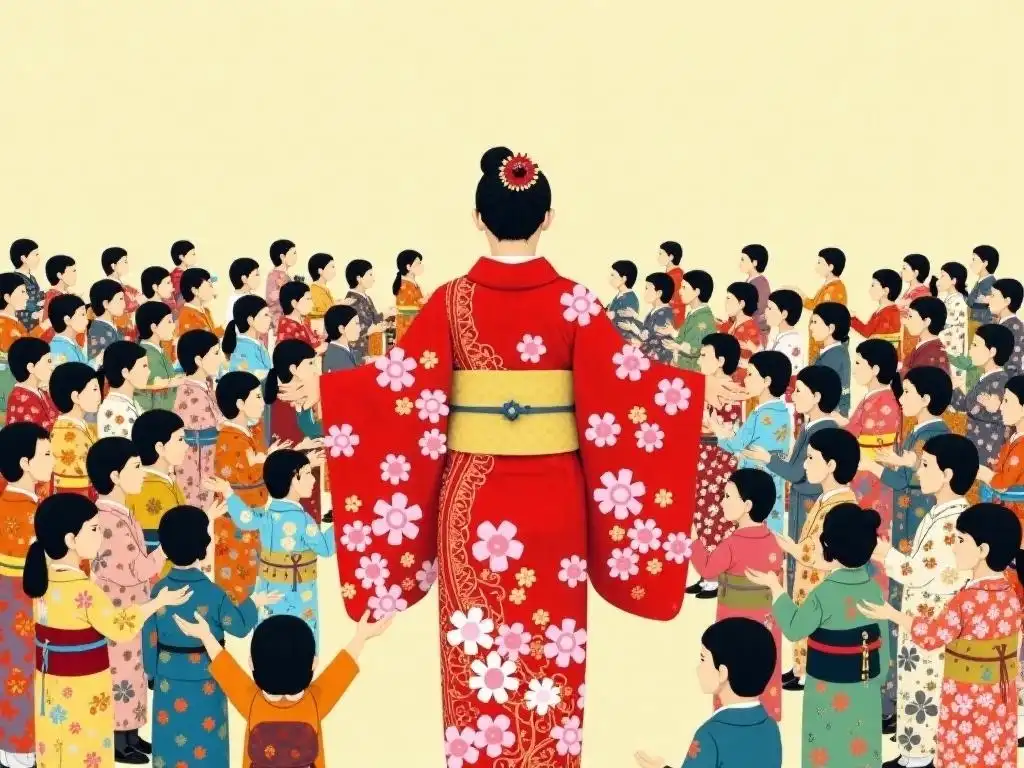
Welcome to Feudal Japan History, where we embark on a fascinating journey through the rich tapestry of Japan's feudal era. In this exploration, we delve into the spiritual significance of New Year celebrations in Feudal Japan, revealing how these ancient traditions shaped the cultural landscape and societal norms of the time. As you uncover the deep-rooted customs and rituals that define this pivotal period, prepare to be captivated by the interplay of history and culture.
Join us as we unravel these intriguing narratives and discover the profound connections that still resonate today. Your adventure into the heart of feudal Japan starts here!
Introduction to New Year Celebrations in Feudal Japan
The New Year celebrations in Feudal Japan were not merely festive occasions marked by merriment and feasting; they held profound spiritual significance deeply rooted in the agricultural and seasonal rhythms of the nation. As the year turned, it was a time for reflection, renewal, and reverence toward the deities and ancestors who governed the cycles of life. This period was imbued with rituals and traditions that intertwined the spiritual and the social fabric of Japanese society, demonstrating the intricate relationship between culture and spirituality during this historical era.
Overview of Feudal Japan's Cultural Landscape
Feudal Japan, spanning from the 12th to the 19th century, was characterized by a complex hierarchy of social classes and a rich tapestry of cultural practices. The samurai class, with its strict codes of honor, coexisted with farmers, artisans, and merchants, each contributing to a vibrant cultural milieu. The influence of Buddhism and Shintoism permeated everyday life, fostering a unique blend of beliefs that shaped the nation’s festivals, including the New Year celebrations.
- Cultural Influences: The fusion of Shinto and Buddhist practices provided a spiritual framework for New Year rituals. Shintoism emphasized the worship of kami (spirits), while Buddhism introduced concepts of renewal and enlightenment.
- Social Dynamics: The social stratification of Feudal Japan meant that New Year celebrations varied widely among classes, from grand feasts in samurai households to simpler observances among farmers.
Importance of New Year in Japanese Tradition
The New Year, or "Shōgatsu," is one of the most significant celebrations in Japanese culture. It symbolizes not only the arrival of a new calendar year but also the opportunity for individuals and families to cleanse themselves of the past and welcome new beginnings. Traditional practices during this time reflect a deep spiritual connection to nature and the ancestors.
- Rituals and Offerings: Families would prepare special foods, such as "Osechi," and offer them to the kami, seeking blessings for prosperity and health in the coming year.
- Family Unity: The New Year served as a pivotal time for families to gather, reinforcing bonds and honoring shared ancestry, which was crucial in a society where lineage was of utmost importance.
Historical Context of New Year Celebrations
Understanding the spiritual significance of New Year celebrations in Feudal Japan necessitates a look into their historical evolution. The roots of these traditions can be traced back to ancient agricultural practices, which laid the groundwork for the rituals observed during the New Year.
Origins of New Year Celebrations in Japan
The origins of New Year celebrations in Japan can be linked to agrarian societies that relied heavily on the lunar calendar. The arrival of spring marked a time of renewal and was celebrated with various rituals aimed at ensuring a bountiful harvest.
- Early Celebrations: Initial observances were closely tied to agricultural cycles, with ceremonies held to pray for a successful planting and harvest season.
- Influence of Chinese Customs: The introduction of the Chinese lunar calendar also played a significant role in shaping New Year celebrations, merging indigenous practices with new influences.
Evolution of Celebrations During the Feudal Era
As Japan transitioned through various periods of feudalism, the New Year celebrations evolved, reflecting the changing socio-political landscape. From the Kamakura period to the Edo period, these transformations showcased the adaptability of cultural practices in response to societal changes.
- Samurai Influence: The samurai class adopted and modified New Year traditions, incorporating their own values of honor and loyalty into the celebrations.
- Popularization of Customs: With the rise of the merchant class during the Edo period, New Year festivities became more accessible to the broader population, leading to a fusion of aristocratic and popular customs.
The New Year celebrations in Feudal Japan were a rich tapestry of spiritual significance and cultural heritage, reflecting the intricate relationship between societal values and religious beliefs. Through this exploration, we can appreciate the profound impact these traditions had on the identity and continuity of Japanese culture.
Spiritual Practices Associated with New Year Celebrations
The New Year celebrations in Feudal Japan were deeply intertwined with spiritual practices that reflected the country's religious beliefs and cultural values. These celebrations were not merely festive occasions, but significant spiritual events that served to cleanse the past year and invite blessings for the new one. Various rituals and customs were observed to honor the gods, ancestors, and the natural world, creating a harmonious relationship with the spiritual realm.
One of the primary spiritual practices during this time was the act of purification, known as misogi. This involved ritual washing, which was believed to cleanse individuals of impurities and misfortunes from the previous year. Additionally, offerings were made to deities, including food, sake, and symbolic items like rice cakes, which were thought to attract positive energy and auspiciousness for the coming year.
Shinto Rituals and Their Role in New Year Celebrations
Shinto, the indigenous spirituality of Japan, played a pivotal role in the New Year celebrations. The Hatsumode, or the first shrine visit of the year, was a significant ritual where individuals and families would visit Shinto shrines to pray for health, happiness, and prosperity. This practice showed reverence to the kami (gods or spirits) and sought their blessings for the year ahead.
At shrines, various rituals were performed, including the ringing of bells, the offering of omikuji (fortune slips), and the presentation of rice and other offerings. The shimenawa, a sacred straw rope, was often hung at entrances to homes and shrines to ward off evil spirits and invite good fortune. The symbolism of renewal and purification was central to these rituals, emphasizing a fresh start and a connection to the divine.
Buddhist Influences on New Year Spirituality
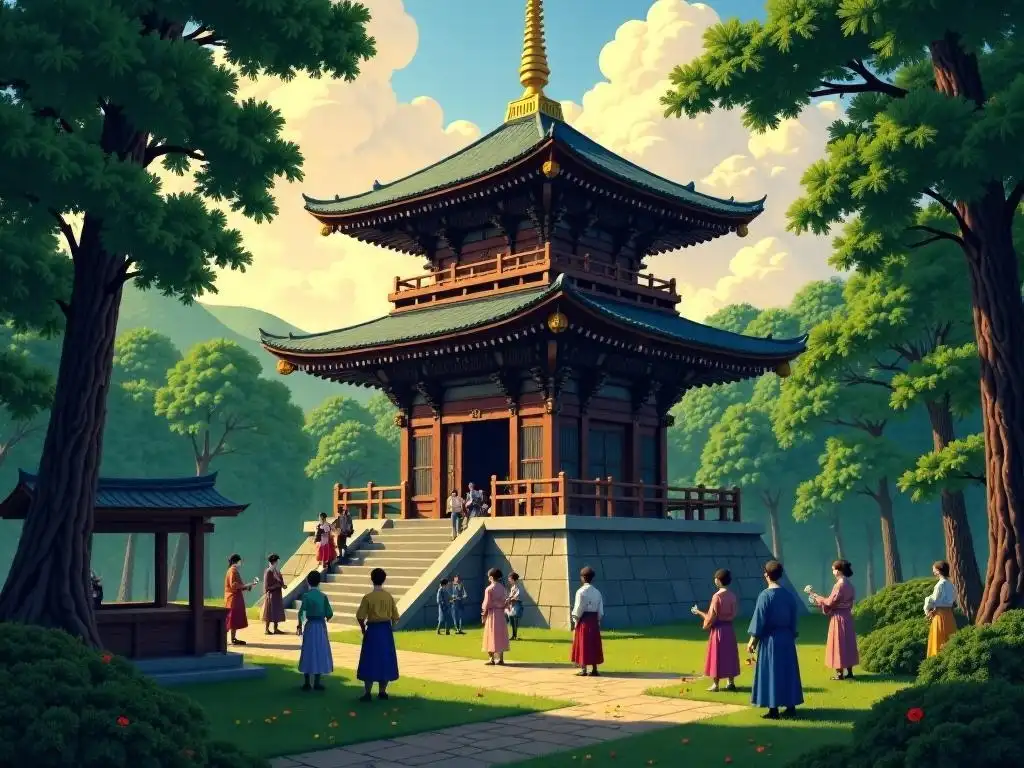
Buddhism also significantly influenced New Year celebrations in Feudal Japan, particularly through the concept of nenbutsu, a practice of chanting the name of Buddha to seek enlightenment and peace. The melding of Shinto and Buddhist practices created a unique spiritual landscape during the New Year.
Temples often held special services and ceremonies to mark the occasion. Monks would conduct rituals to honor the deceased and pray for the well-being of the living. The practice of Joya no Kane, or the ringing of temple bells at midnight on New Year’s Eve, symbolized the purification of 108 worldly desires, allowing participants to enter the new year with a cleansed spirit and renewed focus on spiritual growth.
Key Elements of New Year Celebrations in Feudal Japan
The New Year celebrations in Feudal Japan were rich with customs and traditions that reflected the spiritual and cultural values of the time. These elements were designed not only to celebrate the new year but also to foster a sense of community and familial bonds.
Traditional Customs and Ceremonies
Customs such as preparing special foods, decorating homes with auspicious symbols, and engaging in games and entertainment were prevalent. The preparation of osechi ryori, a traditional New Year’s meal, was a crucial aspect of the celebrations, where each dish carried symbolic meanings related to health, prosperity, and longevity.
Ceremonies, including Kagamimochi (the offering of rice cakes), were performed to honor the deities and to invite fortune into the household. Families participated in various games and performances, which served to strengthen family ties and create joyful memories during this auspicious time.
Family and Community Gatherings
Family gatherings were central to New Year celebrations, emphasizing the importance of togetherness and familial bonds. Families would come together to share meals, exchange gifts, and partake in rituals that honored ancestry and unity. The act of visiting relatives and friends during the New Year was also a way to strengthen community ties and ensure that blessings were shared among loved ones.
Community festivities often included public celebrations at shrines and temples, where people would congregate to engage in prayers, traditional performances, and communal meals. These gatherings fostered a sense of belonging and collective hope for a prosperous year ahead, encapsulating the spirit of unity that characterized New Year celebrations in Feudal Japan.
The Role of Samurai and Nobility in New Year Celebrations
In feudal Japan, New Year celebrations held profound spiritual significance, especially among the samurai and the nobility. These social classes viewed the New Year as an opportunity to reflect on the past year and to set intentions for the year ahead. The customs and rituals they practiced were steeped in the Shinto belief system, emphasizing purification, renewal, and the appeasement of deities to ensure a prosperous year.
The samurai, as both warriors and members of the ruling class, engaged in specific rituals that demonstrated their loyalty to their lords and the samurai code of honor, known as Bushido. During the New Year, samurai would often participate in ceremonies that involved offerings to their ancestors and deities, seeking blessings for strength and success in battle for the upcoming year. These practices reinforced their commitment to their family and their duty to protect their domain.
Nobility, on the other hand, played a crucial role in shaping New Year customs that permeated the wider society. They hosted elaborate celebrations that included feasting, traditional games, and performances. Their influence extended to the samurai class and commoners, as the customs established by the nobility often trickled down, creating a unified cultural identity around New Year celebrations throughout feudal Japan.
Specific Practices Among Samurai Families
Samurai families had distinct practices during New Year celebrations that reflected their values and social standing. One of the primary rituals involved the Shinto purification rites, known as misogi, which were performed to cleanse both the body and spirit. This purification was essential to start the year afresh, free from the impurities of the past.
Additionally, samurai families would prepare a special meal called osechi ryori, consisting of various symbolic foods that represented good fortune, health, and longevity. Each dish had a specific meaning, such as black soybeans for health and herring roe for fertility. These meals were often beautifully arranged in lacquered boxes, showcasing the family's status and attention to detail.
Moreover, samurai would partake in a ritual known as hatsuhi, where they would visit shrines to offer prayers and make resolutions for the year. This act not only reinforced their belief in the divine but also served as a public declaration of their intentions, aligning their personal goals with the greater good of their clan and community.
Nobility's Influence on New Year Customs
The nobility in feudal Japan significantly influenced New Year celebrations through their extravagant customs and rituals. As cultural trendsetters, they established various practices that were adopted by samurai and common people alike. For instance, the tradition of kagamimochi, a decorative rice cake, originated in noble households. This offering to the deities was intended to attract good fortune and blessings for the household.
Additionally, the nobility often organized cultural performances, such as Noh theater and traditional music, during New Year festivities. These performances not only served as entertainment but also carried spiritual significance, as they were believed to honor the kami (spirits) and ancestors. The presence of such performances in New Year celebrations helped to elevate the cultural status of these traditions, making them more widespread.
Furthermore, the custom of sending New Year’s greetings, known as nengajo, was formalized by the nobility. These beautifully crafted cards conveyed blessings and good wishes, reinforcing social connections and hierarchies. The practice became a means of maintaining relationships and demonstrating respect, influencing how communities engaged in New Year celebrations even beyond the noble class.
Regional Variations in New Year Celebrations
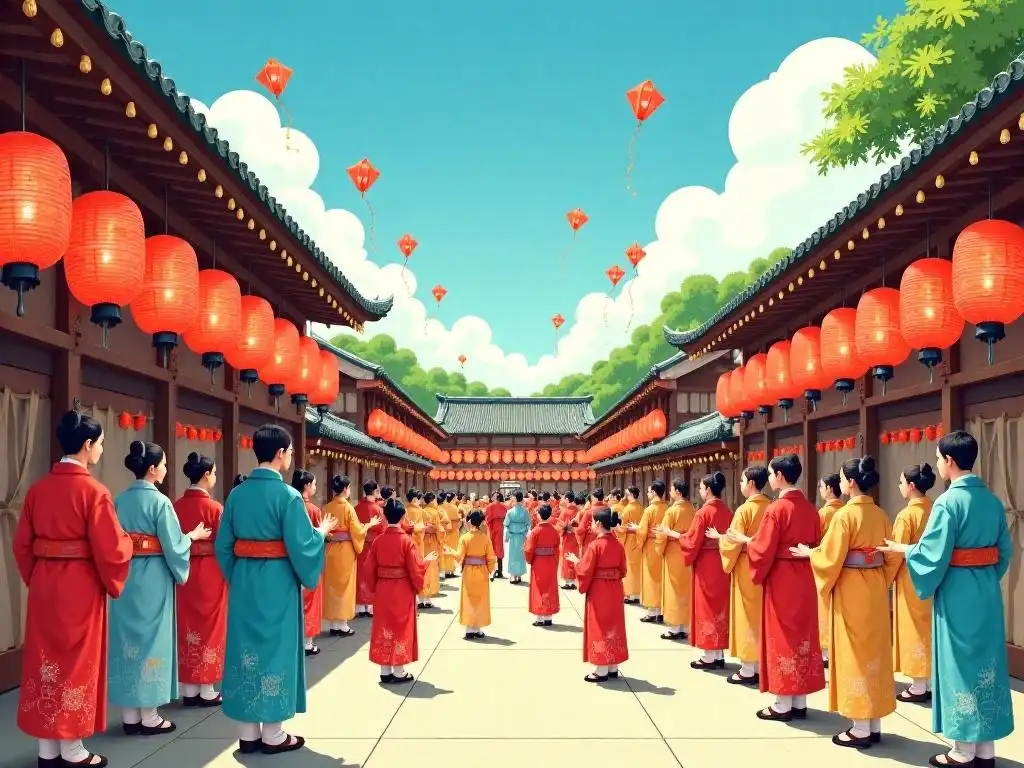
The New Year celebrations in feudal Japan were not uniform; they exhibited a rich tapestry of regional variations influenced by local customs, resources, and geography. Each area of Japan developed its own unique practices, leading to a diverse cultural landscape during this festive period.
Differences in Celebratory Practices Across Japan
In the northern regions of Japan, such as Ezo (Hokkaido), where the climate was harsher, New Year celebrations often included specific rituals aimed at ensuring a good harvest and a bountiful catch. The indigenous Ainu people, for example, celebrated through rituals that honored the spirits of nature, reflecting their deep connection to the land.
Conversely, in the more temperate areas such as Kyoto, the celebrations were marked by a greater emphasis on sophistication and aesthetics. The nobility would host elaborate tea ceremonies and engage in poetry recitations, showcasing cultural refinement. The rich history and artistic heritage of Kyoto were often highlighted through traditional music and dance performances during the New Year festivities.
In coastal regions, such as Osaka, there was a strong focus on food and community gatherings. Festivals would include special markets where families could purchase ingredients for their New Year meals, emphasizing the communal aspect of the celebrations.
How Geography Influenced New Year Traditions
Geography played a vital role in shaping New Year traditions across feudal Japan. The availability of local resources significantly influenced the foods prepared and the rituals practiced. For instance, in mountainous regions, ingredients like wild game and mountain vegetables were commonly incorporated into New Year meals, while in coastal areas, seafood became a staple.
The seasonal climate also dictated the timing and nature of celebrations. In regions with heavy snowfall, such as Nagano, families would often gather indoors, focusing on intimate family rituals rather than large public festivities. This created a distinct atmosphere where family bonds were reinforced through shared customs.
Moreover, the local landscape influenced the types of shrines and deities worshipped during New Year celebrations. In rural areas, people often paid homage to nature spirits associated with the land, leading to unique rituals that differed from those practiced in urban centers where Shinto shrines and Buddhist temples were more prevalent.
Through these regional variations, the New Year celebrations in feudal Japan reflected the diverse cultural identity of the nation, underscoring the interplay between geography, tradition, and spirituality.
Conclusion: The Lasting Impact of New Year Celebrations
The New Year celebrations in Feudal Japan were not merely festive occasions; they were deeply intertwined with the nation's spiritual and cultural identity. The rituals associated with the New Year, from the purification practices to the veneration of deities, emphasized the importance of renewal and reflection. These celebrations instilled a sense of community and continuity, reinforcing social bonds and cultural heritage that have endured through the centuries. The significance of these traditions can still be observed in contemporary Japanese society, where the essence of New Year festivities retains elements that originated in the feudal period.
The lasting impact of these celebrations can also be seen in the ways that modern Japanese people honor their ancestors and the spirit of renewal each January. By participating in rituals such as visiting shrines and offering prayers for the coming year, they maintain a connection to their history. This continuity reflects both a respect for the past and a commitment to cultural identity, illustrating how the spiritual significance of New Year celebrations has transcended time.
Reflection on the Spiritual Legacy of New Year in Feudal Japan
The spiritual legacy of New Year celebrations in Feudal Japan is rooted in Shinto beliefs that emphasize purification, renewal, and reverence for the divine. These celebrations were imbued with rituals designed to cleanse the spirit and invite good fortune, marking a transition from the old year to the new. The practice of “Oni wa soto, Fuku wa uchi” (Demons out, Luck in) during these celebrations encapsulated the hope of dispelling negativity and welcoming positive energies for the year ahead.
Moreover, the ceremonies held during New Year provided an opportunity for individuals to reflect on their actions and intentions. The act of visiting shrines, making offerings, and engaging in communal celebrations fostered a collective spiritual environment. This reflection helped reinforce moral values and communal harmony, ensuring that the spiritual essence of New Year celebrations remained relevant to the societal fabric of the time.
Modern-Day Celebrations and Their Roots in Feudal Practices
Today, the New Year celebrations in Japan, known as "Shogatsu," continue to echo the practices of Feudal Japan, albeit with adaptations influenced by contemporary society. Many customs, such as preparing special foods like “osechi,” visiting shrines, and sending New Year cards, have their origins in feudal traditions. The symbolic meanings behind these practices, which stress purification, gratitude, and renewal, remain fundamentally unchanged.
Additionally, the celebration of New Year in modern Japan often incorporates elements from various eras, blending Shinto rituals with Buddhist influences and even Western customs. Despite these changes, the core values of familial bonding, respect for ancestors, and spiritual reflection that characterized feudal New Year celebrations persist today, illustrating the enduring nature of these traditions.
Further Reading and Exploration
Suggested Books and Resources on Feudal Japan's Cultural History
For those interested in delving deeper into the cultural history of Feudal Japan, several books and resources provide valuable insights:
- "The Cambridge History of Japan" - This multi-volume series offers comprehensive coverage of Japan's history, including the feudal era, with a focus on cultural practices.
- "Feudal Japan: The Age of the Samurai": by John Doe - A detailed exploration of the samurai culture and its relationship with traditions such as New Year celebrations.
- "Shinto: The Kami Way": by Sokyo Ono - An enlightening text on Shinto beliefs that underpin many traditional celebrations in Japan, including New Year.
These resources will enrich your understanding of the historical and cultural contexts surrounding the New Year celebrations in Feudal Japan.
Related Articles on Festivals and Traditions in Feudal Japan
To further explore the rich tapestry of festivals and traditions in Feudal Japan, consider the following articles:
- "The Role of Festivals in Feudal Japanese Society" - An analysis of various festivals and their societal significance during the feudal era.
- "Rituals and Customs of the Japanese New Year" - A detailed examination of specific rituals associated with New Year celebrations and their evolution over time.
- "The Influence of Buddhism on Japanese Cultural Practices" - A look at how Buddhist traditions have shaped various celebrations, including their integration into New Year festivities.
These articles provide a broader context for understanding the spiritual significance of New Year celebrations and the cultural heritage of Feudal Japan.
- Introduction to New Year Celebrations in Feudal Japan
- Historical Context of New Year Celebrations
- Spiritual Practices Associated with New Year Celebrations
- Shinto Rituals and Their Role in New Year Celebrations
- Buddhist Influences on New Year Spirituality
- Key Elements of New Year Celebrations in Feudal Japan
- The Role of Samurai and Nobility in New Year Celebrations
- Regional Variations in New Year Celebrations
- Conclusion: The Lasting Impact of New Year Celebrations
- Further Reading and Exploration
- What was the significance of New Year Celebrations in Feudal Japan?
- How did the samurai participate in New Year Celebrations?
- What rituals were commonly performed during New Year Celebrations?
- How did New Year Celebrations influence feudal society?
- What lasting impacts did New Year Celebrations have on modern Japan?
Frequently Asked Questions
What was the significance of New Year Celebrations in Feudal Japan?
The New Year Celebrations held profound spiritual significance, symbolizing renewal and the hope for prosperity in the coming year. It was a time for purification and rituals to honor deities.
How did the samurai participate in New Year Celebrations?
The samurai engaged in ceremonial practices, showcasing their loyalty to their lords and participating in rituals that emphasized honor and respect towards the spiritual aspects of the New Year.
What rituals were commonly performed during New Year Celebrations?
Common rituals included purification rites, offerings to deities, and the setting up of altars. Families also engaged in special meals and games that reflected their cultural heritage.
How did New Year Celebrations influence feudal society?
These celebrations fostered a sense of community and cultural identity among the people, reinforcing social hierarchies and traditions that were crucial to the feudal system in Japan.
What lasting impacts did New Year Celebrations have on modern Japan?
The New Year Celebrations have evolved but continue to reflect the spiritual and cultural heritage of Japan, influencing contemporary festivities and traditions that celebrate renewal and family unity.
Final Reflection: Embracing the Spiritual Legacy of New Year Celebrations in Feudal Japan
The spiritual significance of New Year celebrations in Feudal Japan resonates deeply with our contemporary quest for meaning and renewal. As we navigate the complexities of modern life, the rituals and traditions that once marked the passage of time in Japan serve as a powerful reminder of the importance of reflection, gratitude, and hope. These celebrations were not merely festivities; they were profound expressions of cultural identity and spiritual connection that continue to inspire us today.
Celebrations like the New Year were pivotal in shaping the social fabric of Feudal Japan, fostering a sense of community and shared purpose. The echoes of these ancient practices can still be felt in our modern celebrations, where the essence of renewal and reflection remains vital. Tradition is not the worship of ashes, but the preservation of fire.
This quote encapsulates the enduring impact of these rituals, urging us to honor the past while igniting the flame of our own spiritual journeys.
As you reflect on the themes explored in this article, I invite you to consider how you can incorporate the spirit of these ancient New Year celebrations into your own life. Take a moment to pause, reflect, and set intentions for the year ahead. Embrace the opportunity to connect with your roots, honor your traditions, and cultivate a sense of renewal that transcends time. In doing so, you not only celebrate your own journey but also contribute to the rich tapestry of human experience that binds us all together.
Embrace the Spirit of Renewal This New Year!
Thank you for taking the time to explore the spiritual significance of New Year celebrations in Feudal Japan. Your curiosity is the first step towards a deeper understanding of culture and tradition! Now, let’s take what you've learned and actively apply it to your own celebrations and experiences.
Here are a few actionable steps to honor this beautiful tradition:
- Reflect on your past year: Set aside some quiet time for introspection. Consider journaling your thoughts and identifying areas for growth as you embrace this new beginning.
- Incorporate traditional rituals: Engage in a Japanese New Year custom, such as writing down a wish on a piece of paper and displaying it prominently to help manifest your goals.
- Share the wisdom: Discuss these fascinating traditions with friends or family. You might even inspire them to create a new tradition that blends elements from various cultures!
As you reflect on the essence of renewal, consider this: What personal traditions can you establish that honor your journey while embracing a fresh start in the New Year?