
The Role of Festivals in Promoting Trade and Cultural Exchange

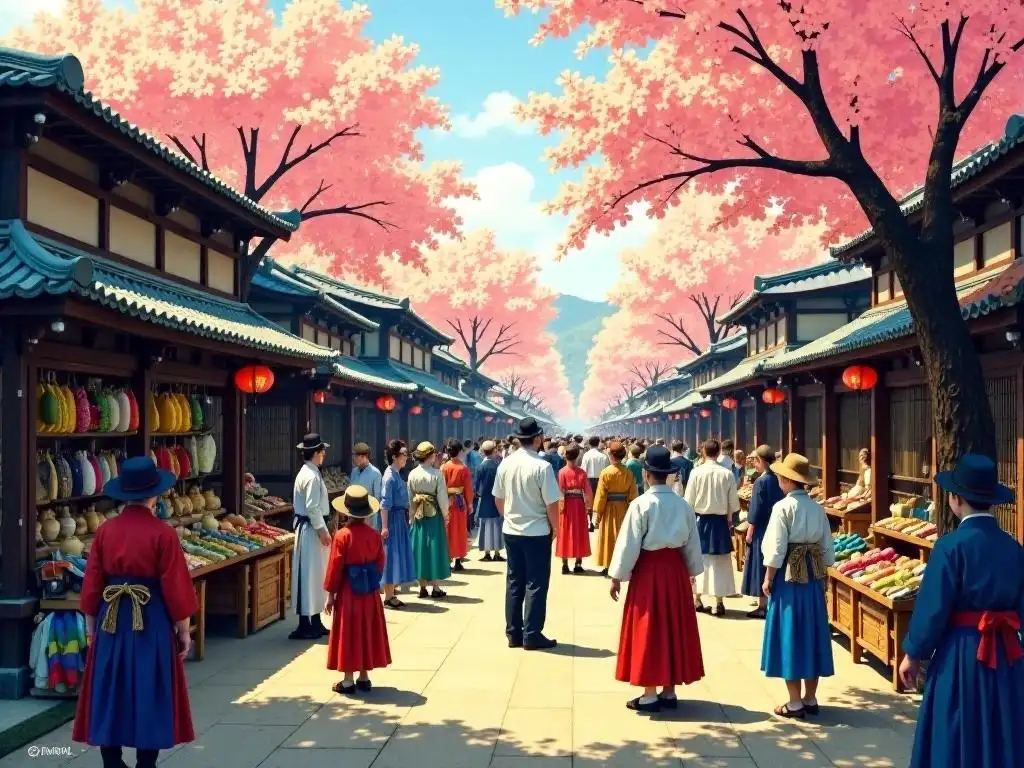
Welcome to Feudal Japan History, where we embark on a captivating journey through the intricate tapestry of Japan’s feudal era. Here, we delve into the rich cultural, historical, and societal aspects that shaped this fascinating period. In our featured article, “The Role of Festivals in Promoting Trade and Cultural Exchange,” we uncover how vibrant festivals not only celebrated community spirit but also catalyzed economic connections and cultural dialogues. What secrets do these festivities hold about the trade networks of yesteryears? Join us as we explore the profound impact of these celebrations on Japan’s feudal economy and beyond!
-
The Role of Festivals in Promoting Trade and Cultural Exchange in the Japan Feudal Era
- Introduction to Festivals in the Japan Feudal Era
- The Influence of Festivals on Trade Activities
- Cultural Exchange through Festivals
- Festivals and Their Economic Impact
- Challenges and Changes in Festival Practices
- Preservation of Traditions Amidst Modernization
- Conclusion: The Lasting Legacy of Festivals in Trade and Cultural Exchange
-
Frequently Asked Questions
- What role did festivals play in the Japan feudal era?
- How did trade influence the types of festivals celebrated?
- Were there specific festivals that highlighted the trade relationships between regions?
- How did cultural exchange occur during festivals in the Japan feudal era?
- What impact did festivals have on the economy during the Japan feudal era?
- Final Reflection: Celebrating Connection Through Festivals
- Embrace the Spirit of Festivals: Ignite Connection and Trade!
The Role of Festivals in Promoting Trade and Cultural Exchange in the Japan Feudal Era
Festivals in the Japan feudal era were more than mere celebrations; they served as pivotal events that interwove the threads of commerce, culture, and community. During a time when the social structure was heavily stratified and regions were often isolated, these festivals emerged as crucial platforms for trade and cultural exchange.
They facilitated not only the movement of goods but also the sharing of ideas, customs, and innovations among diverse groups of people. By examining the significance of these festivals, we can gain deeper insights into how they contributed to the economic landscape of feudal Japan and fostered connections across different societal segments.
Introduction to Festivals in the Japan Feudal Era
Definition and Significance of Festivals
Festivals, known as matsuri in Japanese, were religious or seasonal celebrations that often involved rituals, performances, and communal activities. They held profound significance in society, acting as a means to honor deities, celebrate harvests, and reinforce community bonds. Beyond their spiritual aspects, festivals were vital for promoting trade, as they attracted merchants and artisans from various regions, creating a vibrant marketplace where goods could be exchanged.
Overview of the Feudal System in Japan
The feudal system in Japan, which flourished from the 12th to the 19th century, was characterized by a hierarchy of lords (daimyōs), samurai warriors, and peasants. This structure dictated social roles and economic activities, with local economies often operating independently. Festivals provided a unique opportunity for these isolated communities to engage in trade, allowing for the movement of not just goods but also cultural practices that transcended regional barriers.
The Influence of Festivals on Trade Activities
How Festivals Boosted Local Economies
Festivals played a crucial role in stimulating local economies by drawing large crowds, both locals and visitors. During these events, merchants set up stalls to sell goods ranging from food to textiles, leading to increased commerce. The influx of visitors also meant a surge in demand for services such as lodging and food, further boosting local businesses.
The Role of Festivals in Market Expansion
As festivals attracted diverse participants, they became melting pots for trade. Merchants from different regions showcased their products, leading to the introduction of new goods and ideas. This not only enriched the local market but also encouraged the establishment of trade routes, as merchants sought to capitalize on the opportunities presented during these gatherings.
Case Studies of Notable Trade Festivals in Feudal Japan
Several notable festivals stand out in the annals of Japan’s feudal history for their significant impact on trade:
- Gion Matsuri: Celebrated in Kyoto, this festival is renowned for its grand processions and vibrant atmosphere. It also served as a major trade fair, with merchants displaying their finest goods.
- Tenjin Matsuri: Held in Osaka, this festival not only honored the deity of learning but also became a hub for traders, enabling the exchange of educational materials and scholarly goods.
- Kanda Matsuri: Taking place in Edo (modern-day Tokyo), this festival attracted thousands, making it a key event for trade and cultural exchange in the capital.
These festivals were instrumental in shaping the economic landscape of feudal Japan, intertwining community celebration with the vital exchange of goods and ideas.
Cultural Exchange through Festivals
Festivals during the Japan feudal era served not only as occasions for celebration but also as vital platforms for cultural exchange. These events attracted participants from diverse backgrounds, including different regions of Japan and even foreign traders and visitors. This interaction fostered a unique blending of traditions, beliefs, and practices that enriched the cultural tapestry of the time. Festivals often featured performances, rituals, and artistic expressions that reflected both local customs and influences from abroad, creating a dynamic environment for cultural dialogue.
Festivals as a Platform for Cultural Interaction
Festivals provided an essential meeting point where people from various social strata and regions could come together. For instance, agricultural festivals coincided with the harvest season and drew farmers, artisans, and traders alike. These gatherings allowed for the sharing of stories, skills, and artistic traditions. The participation of samurai, merchants, and common folk facilitated a multifaceted cultural exchange, as they showcased their unique practices and engaged in discussions about their respective ways of life.
Moreover, festivals often featured performances such as traditional music and dance, which were influenced by regional styles and foreign elements. This amalgamation of cultural expressions not only enriched the local community but also encouraged a broader appreciation for Japan's diverse heritage.
The Impact of Foreign Influences on Japanese Festivals
Foreign influences played a significant role in shaping Japanese festivals during the feudal era. Contact with traders from the Asian continent, particularly from China and Korea, introduced new ideas, goods, and customs. For example, the arrival of Buddhist traditions from Korea in the 6th century brought forth new religious festivals that integrated local Shinto practices.
Additionally, the trade routes established during the feudal period allowed for the exchange of not just goods but also cultural practices. Festivals began to incorporate elements from foreign cultures, such as food, clothing, and music, which expanded their appeal and significance. The inclusion of Chinese lanterns and Korean dances in local festivals is a testament to this cultural infusion, demonstrating how festivals became a melting pot of traditions.
Examples of Cultural Celebrations During the Feudal Era
Numerous festivals exemplified the cultural richness of the feudal era. One notable example is the Gion Matsuri in Kyoto, which originally began as a purification ritual to appease the gods during an epidemic. Over time, it evolved into a grand celebration featuring elaborate floats, traditional costumes, and performances, attracting participants from across Japan and beyond.
Another significant festival was the Tenjin Matsuri in Osaka, dedicated to the deity of learning. This festival drew students and scholars, fostering a spirit of intellectual exchange and collaboration. Such festivals not only highlighted local traditions but also created opportunities for cultural interactions that ultimately contributed to the evolution of Japanese society.
Festivals and Their Economic Impact
The economic impact of festivals during the Japan feudal era cannot be overstated. These events played a crucial role in stimulating trade, supporting local economies, and fostering relationships among different regions. Festivals attracted large crowds, which in turn generated substantial economic activity through the sale of goods, food, and crafts.
The Relationship Between Festivals and Artisan Crafts
Festivals provided artisans with a platform to showcase their crafts, promoting local talent and stimulating demand for handmade goods. Artisans often created special items for festivals, such as decorative floats, ceremonial garments, and seasonal foods. This practice not only highlighted the skill and artistry of local craftsmen but also encouraged innovation and creativity within the community.
Furthermore, the exchange of ideas and techniques among artisans during festivals led to the development of new styles and products, enhancing the overall quality of crafts available in the market. As a result, festivals became a vital avenue for artisans to expand their networks and increase their economic viability.
Festivals as Opportunities for Merchants and Traders
Merchants and traders capitalized on the influx of visitors during festivals, turning these events into lucrative opportunities. The presence of large crowds created a vibrant marketplace where vendors could sell everything from food and beverages to textiles and pottery. This not only boosted the income of local merchants but also facilitated the exchange of goods between regions.
Moreover, the variety of products available during festivals encouraged consumers to explore new items, thus broadening their purchasing habits. This phenomenon promoted trade not just locally but across wider geographical areas, further integrating the economic landscape of feudal Japan.
Economic Sustainability of Festivals: A Historical Perspective
From a historical perspective, the economic sustainability of festivals during the feudal era can be seen as a reflection of their significance in society. Many festivals were rooted in agricultural cycles, ensuring their relevance to the local economy. As communities gathered to celebrate harvests, they simultaneously reinforced the economic importance of agriculture and local produce.
However, the sustainability of these festivals also depended on the support from local lords and governments, which recognized the potential economic benefits. By investing in public infrastructure and security during festivals, feudal authorities could stimulate trade and reinforce their status as benefactors. This symbiotic relationship between festivals and economic growth illustrates how cultural celebrations were essential components of the broader economic system during Japan's feudal era.
Challenges and Changes in Festival Practices
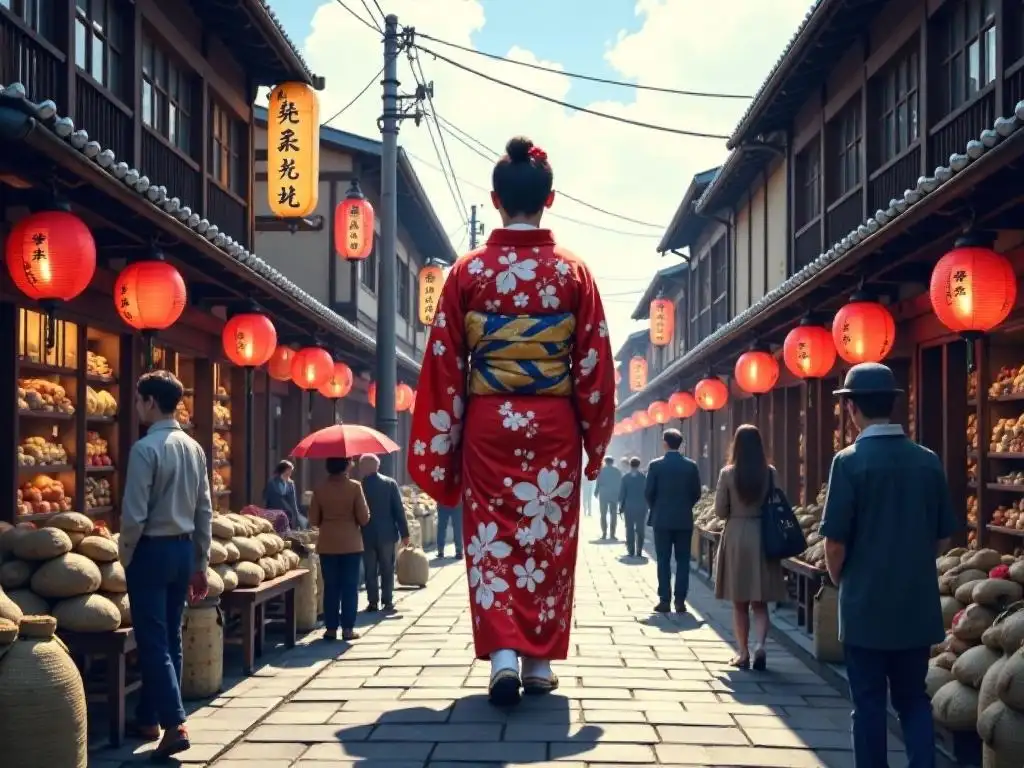
The festivals of the Japan feudal era were not just mere celebrations; they were intricate events that intertwined with the social, political, and economic fabric of the time. However, these festivals faced numerous challenges and underwent significant changes throughout the periods of feudal rule. Various factors, such as political upheaval, economic transformation, and social shifts, played critical roles in reshaping these cultural practices.
One primary challenge was the impact of warfare on festival celebrations. During periods of conflict, such as the Sengoku period (1467-1603), many local and regional festivals were either canceled or significantly scaled back due to the need for military resources and the displacement of populations. This not only disrupted traditional rituals but also affected the local economies that depended on the influx of visitors and traders during these events.
Another challenge was the centralization of power under different shogunates, which often imposed regulations on festivals to consolidate control. The Tokugawa shogunate, for instance, established strict guidelines regarding public gatherings, including festivals. While they sought to promote stability and order, such regulations sometimes stifled local traditions and led to a homogenization of festival practices across the country.
The Effects of Political Changes on Festivals
Political changes significantly influenced the nature and execution of festivals in feudal Japan. The rise and fall of different ruling families and clans brought about shifts in power dynamics that directly affected how festivals were celebrated. For example, during the establishment of the Tokugawa shogunate, a greater emphasis was placed on Confucian ideals, which promoted social harmony and order. This shift led to the restructuring of many festivals to align with these values, often diminishing their original religious or cultural significance.
Moreover, with the unification of Japan under the Tokugawa regime, there was a concerted effort to standardize festivals, often to the detriment of regional uniqueness. While this created a sense of national identity, it also resulted in the loss of local customs and traditions that had been practiced for centuries. Political leaders often used festivals as a means to project their power and legitimacy, altering their themes and purposes to suit the prevailing political climate.
Adaptation of Festivals to Economic Shifts
As the economic landscape of feudal Japan evolved, so too did the festivals that reflected these changes. The growth of trade during the Edo period led to an increase in economic activities, which were often celebrated through festivals. Merchants and traders began to play a more prominent role in these events, using them as platforms to showcase their goods and foster economic relationships.
Festivals began to adapt to the burgeoning market economy, with more emphasis placed on commerce and trade-related activities. For instance, local festivals became venues for the exchange of not only cultural practices but also goods, thereby facilitating trade. The incorporation of market stalls and commercial vendors into festivals transformed them into significant economic events, allowing for the mingling of various social classes and the establishment of trade networks.
Preservation of Traditions Amidst Modernization
Despite the numerous challenges and adaptations, many festivals in the Japan feudal era managed to preserve their core traditions amidst the waves of modernization. Communities often rallied around their local festivals as a means of maintaining cultural identity and continuity. This preservation was crucial, especially as newer influences began to emerge from contact with the West during the later stages of the feudal period.
Local leaders and community members actively worked to ensure that traditional practices were upheld, even as external pressures mounted. This resilience is evident in the continued observance of ancient rituals and customs, many of which have survived to the present day. The blending of old and new practices often resulted in vibrant festivals that celebrated both heritage and innovation, showcasing the adaptability of Japanese culture.
Conclusion: The Lasting Legacy of Festivals in Trade and Cultural Exchange
The festivals of feudal Japan played a pivotal role in promoting trade and cultural exchange, leaving a lasting legacy that shaped the country’s economic history. These events served as critical intersections where commerce, culture, and community converged, fostering relationships that transcended regional boundaries.
Reflections on the Role of Festivals in Shaping Japan’s Economic History
Reflecting on the role of festivals, it is clear that they were not merely celebrations but integral components of the economic framework of feudal Japan. They facilitated trade, encouraged social cohesion, and reinforced cultural identity. The interactions that occurred during these festivals contributed significantly to the development of local economies and trade networks, illustrating how cultural practices were intertwined with economic realities.
Future Implications for Understanding Feudal Japan’s Cultural Dynamics
As scholars continue to explore the cultural dynamics of feudal Japan, the study of festivals offers valuable insights into the interplay between culture and commerce. Understanding how these festivals evolved in response to economic and political changes will enhance our comprehension of Japan's historical narrative. Moreover, recognizing the adaptability of these traditions can inform contemporary discussions on cultural preservation and the implications of globalization on local customs. Festivals remain a testament to Japan’s rich cultural heritage, serving as a reminder of the enduring power of tradition in a rapidly changing world.
Frequently Asked Questions
What role did festivals play in the Japan feudal era?
Festivals were crucial in the Japan feudal era as they served as venues for cultural exchange and trade, allowing communities to showcase their goods and traditions.
How did trade influence the types of festivals celebrated?
Trade significantly influenced festivals by introducing new customs, foods, and practices from different regions, leading to a more diverse and vibrant celebration landscape.
Were there specific festivals that highlighted the trade relationships between regions?
Yes, certain festivals were specifically designed to celebrate and promote trade relationships, often featuring merchants showcasing their products and attracting visitors from various areas.
How did cultural exchange occur during festivals in the Japan feudal era?
During festivals, interactions among different social classes and regions facilitated cultural exchange, allowing for the sharing of art, music, and other traditions.
What impact did festivals have on the economy during the Japan feudal era?
Festivals boosted the economy by attracting visitors, increasing demand for local products, and providing opportunities for merchants to expand their customer base.
Final Reflection: Celebrating Connection Through Festivals
The role of festivals in promoting trade and cultural exchange remains profoundly relevant today, as they serve as vibrant platforms for communities to unite and share their heritage. In a world increasingly defined by globalization, the essence of local traditions and the spirit of commerce intertwine, reminding us that festivals are not just celebrations but also vital conduits for economic and cultural vitality. The historical context of Japan's feudal era festivals illustrates how these events have long been instrumental in fostering relationships and facilitating trade, a legacy that continues to resonate in contemporary society.
Cultural festivals, such as those originating from Japan's feudal era, have shaped our social landscape by creating opportunities for dialogue and understanding across diverse communities. These gatherings not only celebrate local customs but also invite visitors to experience the richness of different cultures, fostering a sense of global citizenship.
As the renowned anthropologist Victor Turner once said, "> Festivals are a time when the ordinary is transformed into the extraordinary, allowing individuals to transcend their daily lives and connect with something greater." This transformation is crucial in our increasingly interconnected world, where understanding and appreciation of cultural diversity can lead to stronger, more resilient societies.
As we reflect on the significance of festivals in our lives, I invite you to consider how you can engage with and support local traditions in your community. Take the time to participate in or attend a festival, not only to enjoy the festivities but to immerse yourself in the stories and exchanges that define our shared humanity. By doing so, you contribute to the ongoing narrative of cultural exchange and trade, ensuring that the spirit of connection and celebration continues to thrive for generations to come.
Embrace the Spirit of Festivals: Ignite Connection and Trade!
Thank you for exploring the rich tapestry of festivals and their pivotal role in promoting trade and cultural exchange. Your interest in this topic not only deepens your understanding but also empowers you to be part of this vibrant legacy. Now, let’s take those insights and turn them into action!
- Join a local cultural festival: Immerse yourself in the festivities in your area to experience first-hand the beauty of cultural exchange and support local artisans and traders.
- Share your newfound knowledge: Discuss what you’ve learned with friends or share this article on your social media to spark conversations about the importance of cultural festivals.
- Explore lesser-known festivals around the world: Research and plan to visit a festival that intrigues you, and discover unique traditions and products that may surprise you!
What festival experience has shaped your perspective on trade and culture? We would love to hear your stories!