
Japan and the United States: A Complex Relationship from the Start

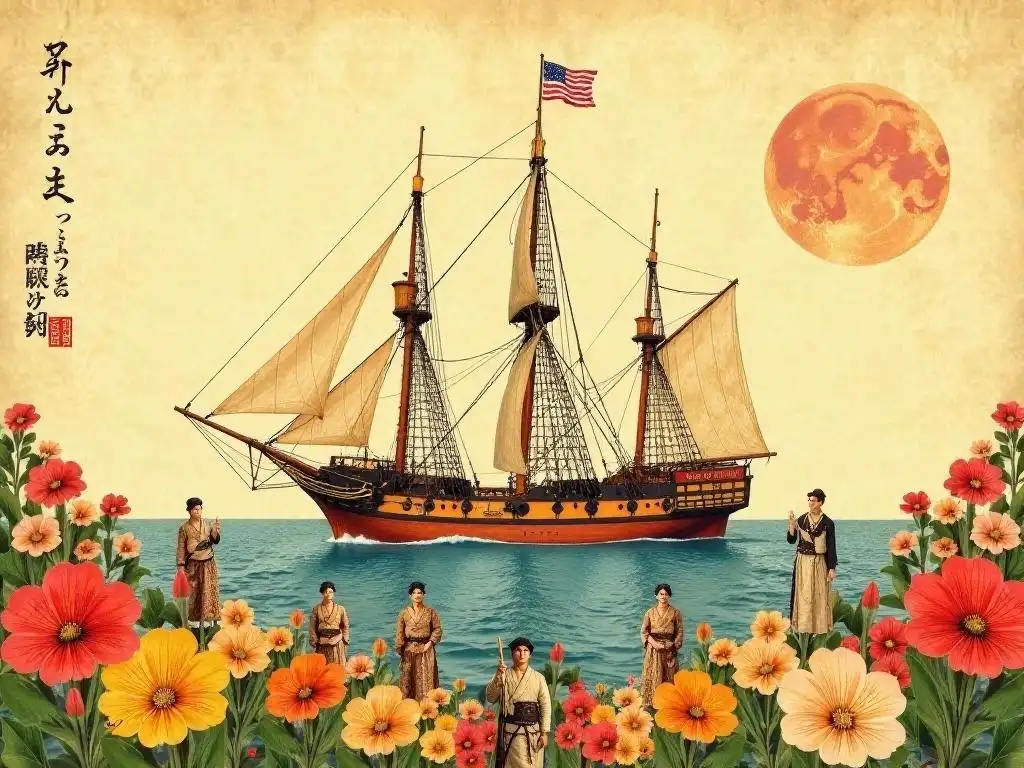
Welcome to Feudal Japan History, where we unveil the intricate tapestry of Japan's feudal era and its profound influences on modern foreign relations. Dive into our latest article, "Japan and the United States: A Complex Relationship from the Start," and discover how historical ties have shaped the interactions between these two nations. As you journey through the fascinating dynamics of Japan-US historical relations, prepare to uncover the layers of cultural exchange and political intrigue that have defined their connection. Are you ready to explore the past that still resonates today? Your adventure begins here!
- Introduction to Japan US Historical Relations
- Early Encounters: Initial Contact Between Japan and the United States
- Cultural Exchange: Influences on Japanese Society
- Political Relations: From Allies to Adversaries
- Post-War Era: Rebuilding and Cooperation
- Economic Ties: Trade and Investment
- Modern Relations: Challenges and Opportunities
- Conclusion: The Complexity of Japan US Historical Relations
- Frequently Asked Questions
- Final Reflection: Understanding the Depth of Japan-US Historical Relations
- Unveil the Depths of Japan and America's Ties!
Introduction to Japan US Historical Relations
The relationship between Japan and the United States has evolved dramatically over the centuries, marked by a complex interplay of cultural, political, and economic factors. From initial encounters that laid the groundwork for diplomacy to modern-day alliances, Japan and the US have navigated a path filled with both cooperation and conflict. This article delves into the intricacies of Japan US historical relations, exploring the various phases of interaction that have shaped the two nations. Understanding this historical context is crucial for appreciating the nuances of their current relationship and the implications it holds for future diplomatic efforts.
Overview of Japan and the United States Interaction
Japan's interactions with the United States began in the mid-19th century, a time when Japan was emerging from centuries of isolation under the Tokugawa shogunate. The arrival of Commodore Matthew Perry in 1853 marked a pivotal moment, as it forced Japan to open its ports to American ships. This encounter not only initiated trade relations but also set the stage for a series of treaties that would shape Japan's modernization and its place in the world. Key developments in the relationship include:
- Treaty of Kanagawa (1854): This treaty established the first formal agreement between the two nations, allowing for limited trade and the opening of Japanese ports to American vessels.
- Meiji Restoration (1868): Following the opening of Japan, the Meiji Restoration led to significant reforms aimed at modernization, influenced in part by Western powers, including the US.
- Cultural Exchange: The late 19th and early 20th centuries saw an increase in cultural exchanges, with American literature, education, and technology influencing Japanese society.
As the 20th century unfolded, the relationship would experience significant tensions, particularly during World War II. The aftermath of the war and subsequent occupation laid the foundation for a new era of cooperation, which continues to evolve today.
Importance of Understanding the Historical Context
Understanding the historical context of Japan US relations is vital for several reasons:
- Influence on Modern Diplomacy: Historical events have shaped the diplomatic strategies and policies of both nations, influencing their current interactions on global issues such as trade, security, and environmental concerns.
- Cultural Awareness: A deep understanding of the past fosters greater cultural awareness and appreciation between the two nations, essential for building stronger ties in an increasingly interconnected world.
- Lessons from History: Analyzing past conflicts and collaborations can provide valuable lessons for addressing contemporary challenges, ensuring that both nations act in ways that promote peace and mutual respect.
Through this exploration of Japan US historical relations, we aim to provide a comprehensive understanding of how these interactions have developed and their significance in today’s geopolitical landscape.
Early Encounters: Initial Contact Between Japan and the United States
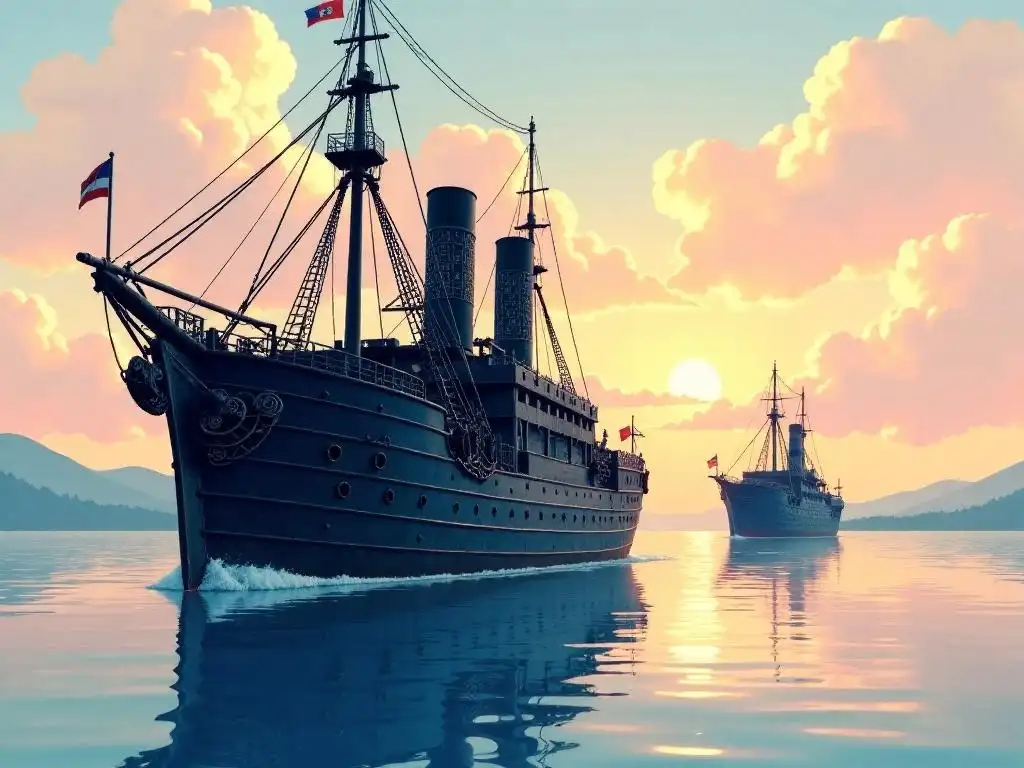
The Arrival of Commodore Perry in 1853
In July 1853, Commodore Matthew Perry of the United States Navy made a historic voyage to Japan, marking the beginning of significant diplomatic interactions between the two nations. Perry arrived in Tokyo Bay with a fleet of four warships, a display of maritime power that underscored the U.S.'s intent to engage with Japan. His mission was to establish trade relations and to secure the safety of American whalers in the Pacific, who had often found themselves in perilous situations due to Japan's isolationist policies.
Perry's arrival was met with a mixture of curiosity and apprehension by the Japanese. At that time, Japan had been under the Tokugawa shogunate, which had maintained a policy of sakoku (closed country) for over two centuries, restricting foreign influence and trade. The presence of Perry and his "black ships," as they came to be known, challenged this isolationist stance.
The Japanese leadership, particularly the shogunate, faced a dilemma: to adhere to their isolationist policy or to recognize the reality of Western expansion and technology. Perry's show of force was instrumental in persuading Japan to reconsider its foreign relations, culminating in a pivotal turning point in Japan's history.
The Treaty of Kanagawa: Opening Japan to the West
Following Perry's initial visit, the Treaty of Kanagawa was signed on March 31, 1854, marking a crucial moment in Japan-US historical relations. This treaty opened two ports—Shimoda and Hakodate—for American trade, allowing for the resupply of American ships and the establishment of a consulate in Japan. The treaty was significant not only for its immediate economic implications but also for its symbolic representation of Japan's shift from isolation to engagement with the global community.
The Treaty of Kanagawa was a complex agreement that reflected Japan's precarious position. It was negotiated under considerable pressure from Perry, who had returned to Japan with a larger fleet, demonstrating the United States' determination to open Japan to trade. The terms of the treaty were seen by many Japanese as a capitulation to foreign demands, igniting debates within Japan about the need for modernization and reform.
Key Provisions of the Treaty of Kanagawa:
- Opening of Ports: Shimoda and Hakodate were opened for American ships, allowing them to trade and resupply.
- Establishment of a Consulate: The U.S. was granted the right to establish a consulate in Shimoda, enhancing diplomatic relations.
- Protection for Shipwrecked Sailors: The treaty included provisions for the humane treatment of shipwrecked American sailors, reflecting a concern for humanitarian considerations.
The implications of the Treaty of Kanagawa were profound, as it set a precedent for subsequent treaties with other Western powers. This opened the floodgates for foreign influence, which would ultimately lead to significant political, social, and cultural transformations within Japan. As Japan began to interact more with the West, it laid the groundwork for its rapid modernization in the late 19th century, fundamentally altering its trajectory in the global arena.
The engagement with the United States and other Western nations during this period marked the end of Japan's feudal isolation and initiated a complex relationship that would evolve dramatically over the ensuing decades.
Cultural Exchange: Influences on Japanese Society
Western Influence on Japanese Art and Culture
The relationship between Japan and the United States during the feudal era was marked by a gradual yet significant cultural exchange that laid the groundwork for modern Japan. While direct contact was limited in the early years, various Western influences began to seep into Japanese art and culture, particularly in the 19th century.
Key Aspects of Western Influence:
- Art Movements: The introduction of Western painting techniques, particularly during the Meiji Restoration, had a profound impact on Japanese artists. The Nihonga style, which sought to synthesize Western and traditional Japanese methods, emerged as a result. Artists like Yōshuke Sōfū and Kuroda Seiki became prominent figures in this movement, integrating oil painting and perspective techniques from the West into their works.
- Literature: The influx of Western literature introduced new genres and themes to Japanese writers. The translation of works from authors such as Charles Dickens and Victor Hugo inspired Japanese authors to explore realism and modern narratives, leading to a flourishing of Japanese literature in the late 19th and early 20th centuries. Notable literary figures like Natsume Sōseki and Mori Ōgai were influenced by these Western literary traditions.
- Performing Arts: Traditional Japanese theater, such as Kabuki, began to incorporate Western elements. The introduction of Western musical instruments and styles led to the formation of new genres of Japanese music, blending traditional melodies with Western harmonies.
The Western influence on Japanese art and culture during this period was not merely an assimilation of foreign ideas but rather a dynamic interaction that resulted in a unique fusion of artistic expression.
Adoption of Western Technology and Practices
The technological advancements brought by Western nations significantly transformed Japanese society, particularly during the Meiji era. This period marked a pivotal shift in Japan's approach to modernization, as the nation sought to strengthen its position on the global stage.
Significant Areas of Technological Adoption:
- Industrialization: Japan rapidly industrialized, adopting Western manufacturing techniques and establishing factories. The introduction of machinery for textile production and ironworks facilitated Japan's transition from a predominantly agrarian society to an industrial power. By the late 19th century, cities like Osaka and Tokyo became bustling industrial hubs.
- Transportation and Infrastructure: The construction of railroads, inspired by American and European models, revolutionized transportation within Japan. The first railway line, connecting Tokyo and Yokohama, was inaugurated in 1872, symbolizing Japan's commitment to modern infrastructure. This network not only facilitated trade but also enhanced communication across the islands.
- Education System: The Japanese government implemented a Western-style education system, emphasizing science, mathematics, and technology. This shift was crucial for fostering a skilled workforce that could support the burgeoning industrial sector. The establishment of universities and technical schools attracted scholars from the West, further enriching Japan's academic landscape.
- Military Modernization: Japan recognized the importance of military strength in securing its sovereignty. The adoption of Western military practices and technologies led to the establishment of a modern army and navy. Japan's victory in the Russo-Japanese War (1904-1905) was a testament to the effectiveness of these reforms and marked Japan's emergence as a formidable power in Asia.
The adoption of Western technology and practices played a crucial role in transforming Japan during the feudal and subsequent eras. This blend of tradition and modernity not only shaped Japan's identity but also laid the foundation for its future as a global leader.
Political Relations: From Allies to Adversaries
The Meiji Restoration and Diplomatic Changes
The Meiji Restoration of 1868 marked a significant turning point in Japan’s political landscape and its relations with the United States. This period saw the end of the Tokugawa shogunate and the restoration of imperial rule, leading to profound changes in Japan's domestic and foreign policies. One of the key objectives of the Meiji leaders was to prevent colonization by Western powers, which necessitated the establishment of robust diplomatic ties with nations such as the United States.
In 1853, Commodore Matthew Perry's arrival in Japan initiated contact between the two nations. Perry's display of naval power forced Japan to open its ports to American trade, culminating in the Treaty of Kanagawa in 1854. This treaty was Japan's first step into the international community, marking a shift from isolationism to a more open diplomatic approach. The subsequent Harris Treaty of 1858 further solidified US-Japan relations by allowing American merchants to trade freely in Japan and granting extraterritorial rights to US citizens.
As Japan modernized during the Meiji era, it adopted Western technologies and governmental structures while seeking to redefine its national identity. The United States, viewing Japan as a potential ally in the Asia-Pacific region, supported Japan's modernization efforts. This collaboration laid the groundwork for economic and military partnerships, evidenced by Japan's participation in the First Sino-Japanese War (1894-1895), where it emerged victorious, gaining recognition as a formidable power.
However, the burgeoning relationship began to show signs of strain towards the end of the Meiji period. Japan's expansionist policies and ambitions in Korea and China raised concerns in the United States, leading to a reevaluation of their diplomatic ties. The 1905 Treaty of Portsmouth, which ended the Russo-Japanese War, further complicated matters. While the US acted as a mediator, the treaty's outcomes fueled resentment among other Western powers, setting the stage for future tensions.
The Impact of World War II on Japan US Relations
The relationship between Japan and the United States took a dramatic turn with the outbreak of World War II. Tensions escalated in the years leading up to the war, primarily due to Japan's imperial ambitions in Asia and its military aggression in China. The US, concerned about Japanese expansionism, implemented economic sanctions and trade embargoes, notably cutting off oil supplies, which were critical for Japan’s military operations.
The culmination of these tensions occurred on December 7, 1941, when Japan launched a surprise attack on Pearl Harbor. This event marked the United States' entry into World War II and transformed the nature of Japan-US relations from diplomatic collaboration to outright hostility. The attack galvanized American public opinion and led to a declaration of war against Japan on December 8, 1941.
Throughout the war, the United States employed a strategy of island-hopping across the Pacific, aiming to weaken Japan’s military presence. Major battles, such as those at Midway and Guadalcanal, significantly diminished Japan's naval capabilities. The conflict culminated in the dropping of atomic bombs on Hiroshima and Nagasaki in August 1945, leading to Japan's unconditional surrender on September 2, 1945.
The aftermath of World War II necessitated a reevaluation of Japan-US relations. The United States occupied Japan and implemented democratic reforms, helping to rebuild the nation and transform it into a stable ally in the region. The signing of the Treaty of Mutual Cooperation and Security in 1960 established a formal alliance, marking a significant shift from adversaries to partners in a new geopolitical landscape.
The impact of World War II was profound, reshaping not only Japan’s political structure but also its relationship with the United States. The complex interplay of conflict and cooperation during this period laid the foundation for the modern alliance between the two nations, highlighting the dynamic nature of Japan-US historical relations.
Post-War Era: Rebuilding and Cooperation
The Allied Occupation of Japan
The Allied Occupation of Japan, which lasted from 1945 to 1952, marked a significant turning point in Japan-US historical relations. Following Japan's surrender in World War II, the United States, under the leadership of General Douglas MacArthur, led the occupation with the primary goal of demilitarizing and democratizing the nation. This period was characterized by profound changes in Japanese society, governance, and economy.
During the occupation, the U.S. implemented extensive reforms aimed at rebuilding Japan. Key initiatives included:
- Political Reforms: The introduction of a new constitution in 1947, which emphasized democracy, civil rights, and the renunciation of war. Article 9 of the constitution famously declared that Japan would forever forsake the use of military force.
- Economic Reforms: The U.S. facilitated land reforms that redistributed agricultural land from wealthy landlords to tenant farmers, effectively democratizing land ownership and enhancing agricultural productivity.
- Educational Reforms: The U.S. overhauled the educational system, promoting a more progressive curriculum that encouraged critical thinking and individual rights.
The occupation period also saw the establishment of a strong U.S.-Japanese alliance, with the United States providing economic aid through programs like the Dodge Plan, which aimed to stabilize the Japanese economy. The U.S. sought to prevent the spread of communism in Asia, viewing a stable and prosperous Japan as a bulwark against potential threats.
This era of cooperation laid the groundwork for a long-lasting partnership between Japan and the United States, significantly shaping Japan's post-war identity and its role in international politics.
The San Francisco Peace Treaty: Redefining Relations
The San Francisco Peace Treaty, signed on September 8, 1951, was a pivotal document in Japan-US historical relations, formally ending the state of war between Japan and the Allied Powers. It came into effect on April 28, 1952, and played a crucial role in redefining Japan's position in the international community following World War II.
Key aspects of the treaty included:
- Sovereignty Restoration: The treaty restored Japan's sovereignty, allowing it to re-enter the global community as an independent nation. Japan renounced all claims to territories lost during the war, including Korea and parts of China.
- Security Arrangements: While the treaty did not include a mutual defense clause, it laid the foundation for the U.S.-Japan Security Treaty, which was signed concurrently. This agreement allowed the U.S. to maintain military bases in Japan, ensuring continued American presence in the region.
- Economic Relations: The treaty fostered economic cooperation between Japan and the United States, leading to significant American investment in Japan and the eventual emergence of Japan as an economic powerhouse in the 1960s and 1970s.
The San Francisco Peace Treaty symbolized a new chapter in Japan-US relations, marking a shift from post-war hostility to mutual cooperation and partnership. This transformation was pivotal in shaping the geopolitical landscape of East Asia during the Cold War and beyond, as Japan emerged as a key ally of the United States in the region.
Economic Ties: Trade and Investment
The Growth of Economic Relations Between Japan and the United States
The economic relationship between Japan and the United States has evolved significantly since the early interactions during the feudal era. Initially, Japan's trade with foreign nations was limited, heavily influenced by the Tokugawa shogunate's policies of isolation (sakoku). However, the arrival of Commodore Matthew Perry in 1853 marked a turning point, leading to the signing of the Treaty of Kanagawa in 1854, which opened Japanese ports to American ships. This event catalyzed the growth of economic relations, as Japan began to modernize its economy and engage more with the international community.
By the late 19th and early 20th centuries, Japan had undergone significant industrialization, spurred by Western technologies and practices. The Meiji Restoration (1868) was pivotal, as it transformed Japan into a competitive economic power. During this period, trade between the United States and Japan expanded, with American imports including silk, tea, and other goods. Conversely, Japan began importing machinery, steel, and other industrial products from the U.S. This exchange laid the groundwork for a complex economic relationship that would continue to develop throughout the 20th century.
The interwar years saw fluctuations in trade due to global economic conditions and political tensions. However, the post-World War II era heralded a new phase in U.S.-Japan economic relations. The U.S. played a crucial role in Japan’s reconstruction, providing financial aid and facilitating trade agreements that would enable Japan to emerge as an economic powerhouse in Asia.
Major Trade Agreements and Their Impact
Several key trade agreements have shaped the economic ties between Japan and the United States, each influencing various sectors of both economies.
-
The Treaty of Mutual Cooperation and Security (1960)
This treaty not only solidified military alliances but also laid the groundwork for extensive economic cooperation. The U.S. provided Japan with security guarantees, allowing Japan to focus on economic growth without the burden of extensive military expenditures.
-
The U.S.-Japan Trade Agreement (1967)
This agreement aimed to reduce trade barriers and promote bilateral trade. It facilitated a significant increase in exports from the U.S. to Japan, especially in the agricultural sector, while Japan exported manufactured goods to the U.S., establishing a balance that benefitted both nations.
-
The Plaza Accord (1985)
A pivotal moment in economic relations, the Plaza Accord sought to rectify trade imbalances by devaluing the U.S. dollar against the yen. This agreement led to an influx of Japanese investment in the U.S., particularly in the automotive and technology sectors, significantly impacting local economies.
-
The U.S.-Japan Economic Framework (2021)
In recent years, the U.S. and Japan have sought to strengthen their economic ties through this framework, focusing on trade, technology, and supply chain resilience. This agreement emphasizes the importance of cooperation in facing global challenges like climate change and digital trade.
| Agreement | Year | Key Focus |
|---|---|---|
| Treaty of Mutual Cooperation and Security | 1960 | Military alliance and economic cooperation |
| U.S.-Japan Trade Agreement | 1967 | Reduction of trade barriers and promotion of exports |
| Plaza Accord | 1985 | Addressing trade imbalances and currency valuation |
| U.S.-Japan Economic Framework | 2021 | Strengthening economic ties in technology and trade |
The impact of these agreements has been profound, fostering a relationship that has not only benefited both economies but has also influenced global trade dynamics. The continuous evolution of Japan-US historical relations reflects a partnership that adapts to changing economic landscapes, ensuring mutual growth and stability.
Modern Relations: Challenges and Opportunities

Current Issues in Japan US Relations
Japan and the United States share a complex relationship characterized by both cooperation and contention. As of 2023, several key issues have emerged that significantly affect Japan-US historical relations:
- Trade Imbalances
- The trade relationship between Japan and the US has been a topic of contention, with complaints about trade deficits. In recent years, the US has pressured Japan to open its markets further to American goods, especially in the agricultural sector.
- The Bilateral Trade Agreement, signed in 2019, aimed to enhance trade relations but has not fully resolved concerns regarding tariffs and market access.
- Security Alliances
- The US-Japan Security Alliance remains a cornerstone of Japan's defense strategy. However, regional tensions, particularly with North Korea and China, have raised questions about the effectiveness and commitment of this alliance.
- Japan has been increasing its defense budget and capabilities, which signals a shift towards a more proactive military stance in collaboration with the US.
- Cultural and Social Differences
- Cultural misunderstandings can arise from differing social norms and practices between the two nations. Issues such as work-life balance and corporate governance often lead to friction in mutual business dealings.
- These cultural differences can impact the general public's perception of each country, complicating diplomatic efforts.
- Environmental Policies
- Climate change initiatives present both challenges and opportunities for cooperation. Japan has committed to reducing greenhouse gas emissions and is looking to collaborate with the US on clean energy technologies.
- However, disagreements over nuclear energy policies, particularly in the wake of the Fukushima disaster, pose hurdles in aligning environmental strategies.
Collaborative Efforts in Addressing Global Challenges
Despite the challenges, Japan and the US have also found numerous opportunities for collaboration, particularly in addressing global issues that transcend national borders:
- Climate Change Initiatives
- Both countries have recognized the urgency of climate change and have committed to working together on innovative solutions. The US-Japan Climate Partnership seeks to enhance cooperative efforts in reducing emissions through technology sharing and joint research initiatives.
- Health Security
- The COVID-19 pandemic underscored the importance of global health security. Japan and the US have collaborated on vaccine development and distribution, emphasizing the need for a coordinated response to future health crises.
- Regional Stability
- In response to increasing tensions in the Indo-Pacific region, Japan and the US have engaged in joint military exercises and partnerships with other nations, such as Australia and India, to promote a free and open Indo-Pacific.
- Trade Cooperation
- Both nations are looking to enhance economic ties through various frameworks, aiming for a more balanced trade relationship that benefits both economies. The Japan-US Economic Dialogue focuses on digital trade, investment, and innovation, addressing key areas of mutual interest.
While Japan-US historical relations are marked by challenges, there are significant opportunities for collaboration in addressing pressing global issues. Through continued dialogue and cooperation, both nations can strengthen their partnership and contribute to international stability and prosperity.
Conclusion: The Complexity of Japan US Historical Relations
The historical relationship between Japan and the United States is a tapestry woven with threads of conflict, cooperation, and cultural exchange. From the initial contact in the mid-19th century to the present day, this relationship has evolved through significant events that have shaped both nations. Understanding this complexity is vital for appreciating how past interactions continue to influence contemporary dynamics.
Reflection on the Historical Journey
The journey of Japan US historical relations began in earnest with the arrival of Commodore Matthew Perry in 1853, an event that marked the end of Japan's isolationist policy known as Sakoku. Perry's expedition forced Japan to open its borders to Western trade, leading to the signing of the Treaty of Kanagawa in 1854. This pivotal moment not only initiated diplomatic relations but also sparked a profound transformation in Japanese society.
During the late 19th and early 20th centuries, Japan rapidly modernized, adopting Western technologies and military practices. The victory over Russia in 1905 established Japan as a formidable power, further complicating its relationship with the United States. The two nations found themselves on opposing sides during World War II, culminating in the attack on Pearl Harbor in 1941. This event catalyzed a profound shift in their relationship, leading to years of conflict and suffering.
Post-war, the United States played a crucial role in Japan's reconstruction, leading to the establishment of a strong economic partnership. The signing of the Treaty of Mutual Cooperation and Security in 1960 solidified military ties, and by the late 20th century, Japan had emerged as a major economic player on the global stage.
The historical journey of Japan and the United States illustrates a complex narrative of shifting alliances and mutual influence, characterized by the interplay of cultural, political, and economic factors.
Future Prospects for Japan US Relations
Looking ahead, the future of Japan US historical relations appears to be shaped by a range of challenges and opportunities. As both nations navigate a rapidly changing geopolitical landscape, several key factors will influence their interactions:
- Economic Collaboration: With ongoing global economic uncertainties, Japan and the United States are likely to strengthen their economic ties through trade agreements and collaborative initiatives in technology and innovation.
- Security Alliances: The rise of regional threats, particularly from North Korea and China, necessitates continued military cooperation. Joint exercises and strategic dialogues will remain crucial for maintaining regional stability.
- Cultural Exchange: The influence of Japanese culture in the U.S. and vice versa continues to grow, fostering understanding and goodwill between the two nations. Initiatives promoting educational exchanges and cultural programs can enhance mutual appreciation.
- Global Challenges: Issues such as climate change and pandemics require collaborative approaches. Japan and the United States can lead global efforts by sharing resources and expertise.
While the historical relationship between Japan and the United States has been marked by complexity, it also holds promise for a future grounded in cooperation and mutual respect. As both nations learn from their past, they have the potential to forge a stronger partnership that addresses the challenges of the 21st century effectively.
Frequently Asked Questions
What were the origins of Japan-US relations?
The origins of Japan-US relations date back to the mid-19th century when Commodore Perry's fleet arrived in Tokyo Bay in 1853, leading to the Convention of Kanagawa in 1854, which opened Japanese ports to American trade.
How did the Meiji Restoration influence Japan-US relations?
The Meiji Restoration (1868) marked Japan's rapid industrialization and modernization, fostering improved diplomatic and trade relations with the United States, as Japan sought to learn from Western powers.
What role did World War II play in shaping Japan-US relations?
World War II significantly altered Japan-US relations, transitioning from adversaries to allies. Post-war, the U.S. implemented policies that facilitated Japan's reconstruction and economic growth, leading to a strong partnership.
How do cultural exchanges impact Japan-US relations today?
Cultural exchanges, such as art, cuisine, and technology, have strengthened people-to-people connections between Japan and the United States, fostering mutual understanding and collaboration in various fields.
What are the current key issues in Japan-US relations?
Current issues in Japan-US relations include trade agreements, security cooperation in the Asia-Pacific region, and joint responses to regional challenges, such as North Korea's nuclear program.
Final Reflection: Understanding the Depth of Japan-US Historical Relations
The intricate tapestry of Japan-US historical relations continues to shape our world today, revealing the profound impact of diplomacy, conflict, and cooperation. As we navigate the complexities of international relations in an increasingly interconnected global landscape, it becomes evident that the lessons learned from the past are more relevant than ever. The evolution of these two nations, from adversaries to allies, underscores the importance of understanding history to foster mutual respect and collaboration in the present.
The ongoing dialogue between Japan and the United States serves as a testament to the resilience of their partnership, influencing not only political dynamics but also cultural exchanges that enrich both societies. The historical context of this relationship reminds us that even the most challenging beginnings can lead to fruitful outcomes. As former President Barack Obama once remarked, "The United States and Japan are more than allies; we are friends." This sentiment encapsulates the spirit of camaraderie that has blossomed over decades, illustrating how shared experiences can create lasting bonds.
As we reflect on the lessons of Japan-US historical relations, let us consider how we can apply these insights in our own lives. Take a moment to think about the relationships you hold dear and the potential for growth that lies within them. Embrace the complexities, learn from the past, and strive to build bridges of understanding and cooperation in your own communities. The future is shaped by the connections we nurture today, and by fostering a spirit of collaboration, we can create a world that honors the lessons of history while looking forward to a brighter tomorrow.
Unveil the Depths of Japan and America's Ties!
Thank you for diving into the fascinating complexities of Japan and the United States’ relationship! You’ve explored the rich history and cultural intricacies that have shaped these two nations. Now, it’s time to take those insights further and engage more deeply.
Here are a few steps you can take to broaden your understanding and contribute to the conversation:
- Join a discussion forum or community focused on international relations—share your thoughts and learn from others’ perspectives!
- Consider exploring pivotal historical events through our blog—discover how various nations have influenced the dynamics between Japan and the U.S.!
- Share this article with friends or on social media to spark meaningful conversations about cultural understanding and global relationships!
What aspect of Japan and the United States’ relationship intrigues you the most, and how do you see it influencing modern interactions?