
The Art of Diplomacy: How Trade Negotiations Influenced Japan’s Foreign Relations

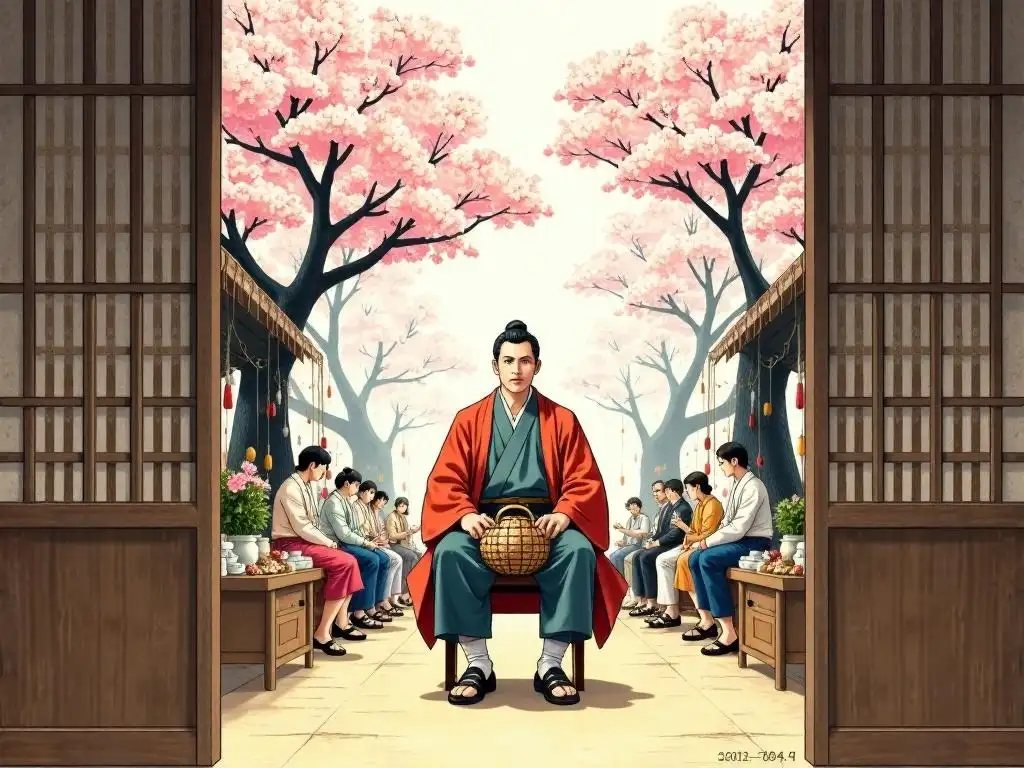
Welcome to Feudal Japan History! Immerse yourself in the captivating world of the Japan feudal era, where intricate trade networks and skilled diplomacy shaped not only local economies but also international relations. In our featured article, "The Art of Diplomacy: How Trade Negotiations Influenced Japan’s Foreign Relations," we unravel the complex tapestry of alliances and rivalries that defined this remarkable period.
Join us as we delve into the strategies that transformed Japan's interactions with the world, sparking your curiosity and inviting you to explore how these historical dynamics continue to resonate today. Your journey into the depths of feudal Japan begins here!
Introduction to Japan's Feudal Era Trade Diplomacy
The feudal era of Japan, spanning from the late 12th century to the mid-19th century, was a period marked not only by internal power struggles and the rise of samurai culture but also by significant developments in trade diplomacy. During this time, Japan established and nurtured intricate trade relationships, particularly with neighboring countries such as Korea and China.
These interactions were not merely commercial exchanges; they were crucial diplomatic efforts that shaped Japan's foreign relations and laid the groundwork for its interactions with the wider world. Understanding the art of diplomacy in this context reveals how trade negotiations influenced political alliances, cultural exchanges, and economic strategies, ultimately contributing to the shaping of Japan's national identity.
Historical Context of Japan’s Trade Diplomacy
The historical context of Japan's trade diplomacy is essential to grasp the complexities and motivations behind its interactions with foreign powers. Throughout the feudal era, Japan was largely characterized by a decentralized political structure, where powerful regional lords, known as daimyo, held significant influence over their territories. This decentralized power structure created a unique environment for trade negotiations, as each daimyo had the autonomy to engage in foreign commerce, leading to a patchwork of trade agreements and diplomatic relations.
The Emergence of Trade Relations with Korea and China
Japan's trade relations with Korea and China began to take shape during the Kamakura period (1185–1333) and continued to evolve during the Muromachi period (1336–1573). Initially, Japan's engagement with these countries was driven by the need for resources, particularly in the wake of resource scarcity within Japan. As trade routes were established, the exchange of goods such as silk, ceramics, and agricultural products flourished.
- Korea's Influence: The relationship with Korea was pivotal, as it served as a bridge between Japan and the Chinese mainland. Korean scholars, artisans, and traders played a critical role in introducing Chinese culture, technology, and governance models to Japan.
- China's Dominance: As a dominant power in East Asia, China's influence on Japan's trade diplomacy cannot be overstated. The tributary system established by Chinese dynasties created a framework within which Japan could negotiate its position. Diplomatic missions were often sent to China to reaffirm Japan’s status and secure favorable trade terms.
Key Historical Events in Trade Diplomacy
Several key historical events significantly impacted Japan's trade diplomacy during the feudal era:
- The Ashikaga Shogunate (1336–1573): Under this regime, Japan saw increased trade with China, especially through the port city of Ningbo. The shogunate sought to enhance Japan's economic standing and political clout through robust trade policies.
- The Nanban Trade (1543–1614): The arrival of Portuguese traders marked a transformative period in Japan's trade diplomacy. This era, known as the Nanban trade, introduced new goods, technologies, and ideas, leading to the establishment of direct trade relations with European powers.
- The Sakoku Edict (1635): The Tokugawa shogunate's isolationist policies drastically altered Japan's trade dynamics. While it limited foreign interactions, it also solidified the existing trade relationships with Korea and China, as these nations were viewed as essential partners within Japan's restricted foreign policy framework.
Understanding these historical contexts and key events provides a clearer picture of how trade negotiations not only influenced Japan's foreign relations but also shaped its cultural and societal development during the feudal era.
The Mechanisms of Trade Negotiations
Trade negotiations during the Japan feudal era were complex and multifaceted processes that involved various stakeholders, including daimyo, merchants, and foreign envoys. The primary mechanism of trade negotiations was the establishment of formal agreements, often referred to as treaties, which outlined the terms and conditions for conducting trade. These treaties were crucial in defining trade routes, tariffs, and the types of goods exchanged.
Negotiations typically took place through a series of face-to-face meetings, where representatives from both sides would articulate their interests and demands. Diplomats, skilled in rhetoric and persuasion, played a pivotal role in these discussions. The use of written documents, often in the form of scrolls or formal letters, was also common to ensure that agreements were clear and binding.
In addition, the influence of the shogunate and local power dynamics significantly impacted negotiations. The ruling shogun often had the final say in any trade agreement, and their interests could shift based on political alliances or military considerations. This hierarchical structure necessitated a deep understanding of the political landscape, as trade agreements could serve as tools for consolidating power or fostering alliances.
Strategies Employed in Diplomacy
Diplomatic strategies during trade negotiations in the Japan feudal era varied widely, reflecting the unique contexts of each interaction. One common strategy was the use of gift-giving as a means to establish goodwill and foster relationships. By presenting valuable gifts, diplomats could create a favorable atmosphere, making the opposing party more amenable to negotiations.
Bargaining tactics were also prevalent, where negotiators would often start with demands that exceeded their actual needs, allowing for concessions that would ultimately lead to a mutually beneficial agreement. This strategy not only demonstrated strength but also conveyed the negotiator's commitment to achieving a favorable outcome.
Furthermore, cultural understanding played a crucial role in these strategies. Diplomats who were well-versed in the customs and traditions of their counterparts could navigate negotiations more effectively. For instance, acknowledging and respecting the importance of rituals or ceremonies could facilitate smoother discussions and build trust.
Cultural Exchanges through Trade
Trade during the Japan feudal era was not merely a means of economic exchange but also a significant conduit for cultural diplomacy. The interactions between Japan, Korea, and China led to a rich tapestry of cultural influences and exchanges that shaped Japanese society.
The Role of Trade in Cultural Diplomacy
Trade served as a critical platform for cultural diplomacy, allowing for the exchange of artistic styles, religious beliefs, and philosophical ideas. For example, the importation of Chinese Confucian texts profoundly influenced Japanese governance and social structures, leading to a greater emphasis on hierarchical relationships and moral duties.
Moreover, trade routes facilitated the introduction of various art forms, such as Chinese painting and calligraphy, which were adapted and integrated into Japanese culture. This cultural exchange was further enhanced by the establishment of trading ports, where merchants and artisans from different regions could interact and share knowledge.
The role of trade in cultural diplomacy was also evident in the culinary exchanges that occurred, introducing new ingredients and cooking techniques that enriched Japanese cuisine. The fusion of flavors and practices contributed to the development of a unique culinary identity that reflected both local traditions and foreign influences.
The Exchange of Goods and Ideas
The exchange of goods and ideas during the feudal era had profound implications for Japanese society. Commodities such as silk, porcelain, and spices were not only valuable for their economic worth but also served as symbols of prestige and sophistication. The influx of these goods from China and Korea influenced local tastes and preferences, leading to shifts in consumer behavior.
Additionally, the circulation of ideas through trade enriched Japan's intellectual landscape. Philosophers and scholars often traveled along trade routes, sharing their insights on governance, ethics, and social organization. This exchange of ideas contributed to the evolution of Japanese thought and its eventual embrace of various ideologies, including Buddhism and Confucianism.
The intricate web of trade negotiations during the Japan feudal era not only shaped foreign relations but also facilitated a rich exchange of culture, art, and ideas, leaving a lasting impact on Japanese society.
The Consequences of Trade Diplomacy on Foreign Relations
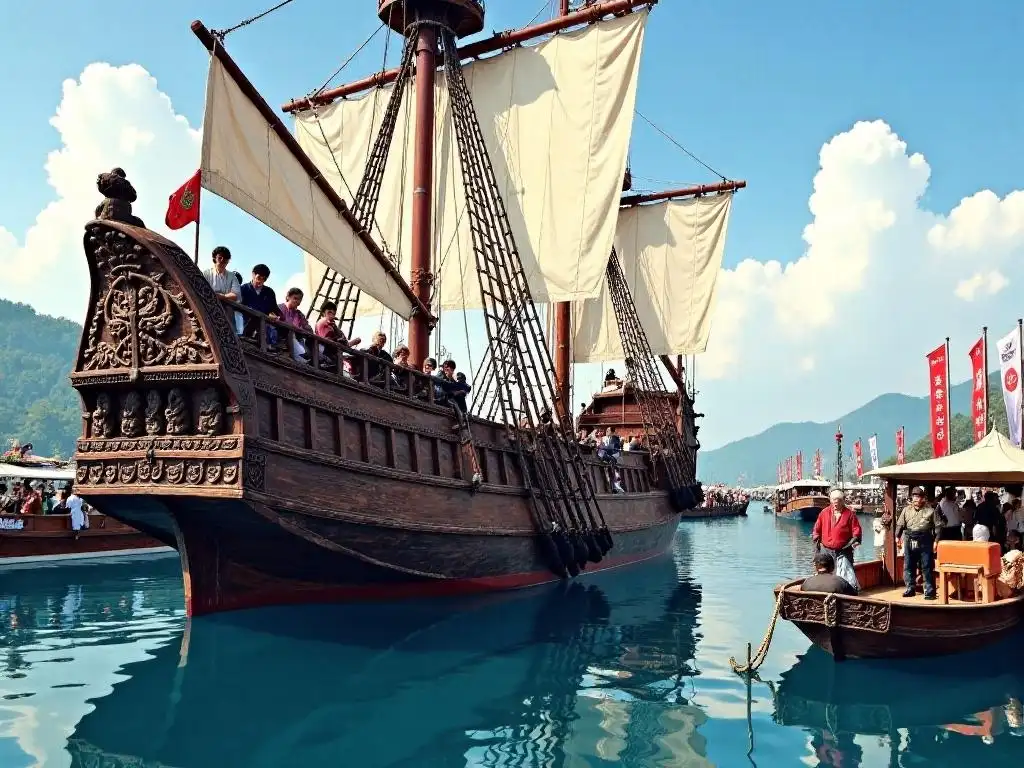
Trade diplomacy during the Japan feudal era played a critical role in shaping the nation's foreign relations. By engaging in trade negotiations with neighboring countries, Japan not only bolstered its economy but also established a network of alliances and influence that would reverberate throughout its history. The consequences of these diplomatic efforts were profound, impacting Japan's cultural exchanges, military alliances, and its overall standing in the international arena.
The establishment of trade routes facilitated the exchange of goods, ideas, and technologies, which enriched Japan's own cultural heritage. However, it was not merely about economic gain; these trade negotiations often paved the way for diplomatic relationships that would endure over centuries. As Japan forged alliances and strengthened ties with neighboring countries, it positioned itself as a significant player in East Asian politics.
Strengthening Alliances with Neighboring Countries
One of the most significant outcomes of trade diplomacy was the strengthening of alliances with neighboring countries such as Korea and China. Through the exchange of goods, Japan was able to foster goodwill and mutual dependencies, which were crucial in times of conflict. For instance, during the Kamakura period, Japan's trade with the Goryeo dynasty in Korea not only provided essential resources but also established a diplomatic conduit that would facilitate cooperation against external threats.
The diplomatic relationships nurtured through trade were often formalized through treaties and agreements, which outlined trade terms and mutual defense pacts. Such alliances were essential in countering the influence of larger powers in the region and helped Japan assert its sovereignty. Additionally, the cultural exchanges that accompanied trade—such as the introduction of Buddhism, Confucianism, and various art forms—further solidified these alliances and created a shared cultural understanding that transcended mere economic interests.
Trade Diplomacy and Japan’s Global Positioning
Japan's approach to trade diplomacy significantly influenced its global positioning during the feudal era. Engaging in trade with China, in particular, allowed Japan to tap into the cultural and economic wealth of the Ming and Qing dynasties. This relationship not only enriched Japan's economy through the import of silk, ceramics, and other luxury goods but also positioned Japan as a vital trading partner in East Asia.
Moreover, Japan’s trade diplomacy allowed it to navigate complex international waters amid competing regional powers. The strategic alliances formed through trade negotiations enabled Japan to maintain a degree of autonomy while benefiting from the economic advantages of trade. The rise of the merchant class during this period also transformed Japan's economic landscape, further emphasizing the importance of trade diplomacy in shaping the nation’s identity on the global stage.
Challenges and Conflicts in Trade Diplomacy
Despite the benefits, trade diplomacy in the Japan feudal era was fraught with challenges and conflicts that often complicated negotiations. Various internal and external factors influenced the effectiveness of these diplomatic efforts, leading to tensions that could undermine the progress made through trade.
Internal Conflicts Affecting Trade Negotiations
Internal conflicts, such as power struggles among feudal lords (daimyō) and the central government, significantly impacted Japan's trade diplomacy. These conflicts often manifested in differing priorities among regions, with some daimyō prioritizing local interests over national diplomatic strategies. This fragmentation made it difficult to present a unified front in negotiations with foreign powers.
Additionally, the rise of the samurai class and their increasing influence on political matters created a scenario where military considerations often overshadowed diplomatic ones. The constant threat of civil war or rebellion meant that resources could be diverted from trade negotiations to military endeavors, disrupting established trade routes and leading to the deterioration of relationships with trading partners.
External Pressures and Trade Diplomacy
External pressures, including the ambitions of neighboring powers, further complicated Japan's trade diplomacy. Countries such as China and Korea were not only potential allies but also rivals, leading to a delicate balancing act for Japanese diplomats. The need to maintain favorable trade conditions while managing relationships with powerful neighbors often resulted in tense negotiations.
Moreover, the emergence of European powers in the region during the late feudal era introduced new dynamics into Japan’s trade diplomacy. These Western nations sought to establish trade relations, sometimes using coercive tactics that threatened Japan’s sovereignty and traditional trade practices. The need to navigate these external pressures while maintaining internal stability added layers of complexity to Japan's diplomatic efforts, ultimately shaping the trajectory of its foreign relations during the feudal era.
Conclusion: The Legacy of Japan's Feudal Era Trade Diplomacy
The trade diplomacy of Japan during the feudal era has left an indelible mark on the nation's historical trajectory and international relations. The intricate web of negotiations and exchanges with neighboring countries, particularly Korea and China, not only facilitated the flow of goods but also the transfer of cultural and intellectual ideas. This exchange was foundational in shaping Japan's identity, influencing everything from art and religion to governance and technology.
As Japan navigated its diplomatic landscape, it employed a mix of strategies, including the establishment of trade treaties and the use of cultural emissaries. These approaches paved the way for a nuanced understanding of international relations that extended beyond mere economic transactions. The legacy of these diplomatic efforts can still be seen today in Japan's modern trade practices and its approach to international diplomacy, emphasizing mutual benefit and respect.
Additionally, the historical context of trade diplomacy during the feudal era has provided essential lessons for contemporary global interactions. The emphasis on diplomacy as a means of conflict resolution, the recognition of cultural exchanges as a form of soft power, and the importance of negotiation in international relations remain relevant in today's interconnected world. The echoes of feudal Japan’s trade negotiations resonate in current diplomatic efforts, reinforcing the notion that trade diplomacy is not merely about commerce but also about fostering relationships and understanding among nations.
Further Reading on Japan's Feudal Era Trade Diplomacy
For those interested in delving deeper into the complexities of Japan's feudal era trade diplomacy, several resources provide comprehensive insights and analyses:
- Books:
- The Making of Modern Japan by Kenichi Ohno: This book offers a detailed examination of Japan's historical development, including its trade relations during the feudal period.
- Japan's Foreign Relations in Asia by David C. Kang: An exploration of Japan's diplomatic history, with a focus on its interactions with neighboring countries.
- Articles and Journals:
- "The Role of Trade in Japan's Foreign Policy" - An academic article analyzing the economic and diplomatic strategies employed by Japan during its feudal era.
- "Cultural Exchanges and Diplomacy: The Case of Japan and Korea" - A journal entry focusing on the cultural implications of trade negotiations between Japan and Korea.
- Online Resources:
- The National Diet Library of Japan: Offers a wealth of digital resources and historical documents related to Japan’s diplomatic history.
- Japan Society: Provides educational materials and articles exploring various aspects of Japanese culture, history, and diplomacy.
These resources can enhance your understanding of how trade negotiations shaped Japan's foreign relations during the feudal era and continue to influence its diplomatic strategies today.
- Introduction to Japan's Feudal Era Trade Diplomacy
- Historical Context of Japan’s Trade Diplomacy
- The Mechanisms of Trade Negotiations
- Cultural Exchanges through Trade
- The Consequences of Trade Diplomacy on Foreign Relations
- Challenges and Conflicts in Trade Diplomacy
- Conclusion: The Legacy of Japan's Feudal Era Trade Diplomacy
- Further Reading on Japan's Feudal Era Trade Diplomacy
- What was the significance of trade during the Japan feudal era?
- How did trade negotiations influence Japan's foreign relations?
- What role did the samurai play in trade diplomacy during this period?
- Which countries were Japan's primary trading partners during the feudal era?
- How did cultural exchanges during trade impact Japanese society?
Frequently Asked Questions
What was the significance of trade during the Japan feudal era?
Trade during the Japan feudal era was crucial for economic growth, fostering cultural exchanges, and enhancing diplomatic relations with neighboring countries.
How did trade negotiations influence Japan's foreign relations?
Trade negotiations helped establish and strengthen diplomatic ties, leading to alliances and ensuring peaceful interactions with other nations throughout the Japan feudal era.
What role did the samurai play in trade diplomacy during this period?
The samurai often acted as intermediaries in trade negotiations, leveraging their political influence and military power to secure advantageous trade agreements.
Which countries were Japan's primary trading partners during the feudal era?
During the feudal era, Japan primarily engaged in trade with China, Korea, and later European nations, which significantly impacted its foreign relations.
How did cultural exchanges during trade impact Japanese society?
Cultural exchanges facilitated by trade introduced new ideas, technologies, and art forms, shaping Japanese society and enriching its cultural landscape during the feudal era.
Final Reflection: The Enduring Legacy of Japan's Feudal Era Trade Diplomacy
The intricate dance of diplomacy during Japan's feudal era remains profoundly relevant today, as it laid the groundwork for modern international relations. The lessons learned from trade negotiations of the past continue to shape how nations interact, fostering a deeper understanding of cultural exchange and economic interdependence. In an increasingly globalized world, the art of diplomacy is not merely a relic of history but a vital tool for navigating contemporary challenges.
The influence of Japan's feudal era trade diplomacy can be seen in the cultural and social landscapes of today. The delicate balance of power and mutual respect established through these early negotiations has paved the way for Japan's current status as a global leader in diplomacy and trade. As we reflect on this historical context, we are reminded of the words of former Prime Minister Shinzo Abe: Japan must be a nation that is loved by the world, and that means we must engage with others through dialogue and understanding.
This sentiment underscores the importance of diplomacy in fostering peace and cooperation among nations.
As we look to the future, I invite you to consider how the principles of diplomacy and negotiation can be applied in your own life. Reflect on the importance of understanding diverse perspectives and finding common ground in your interactions. Whether in personal relationships, community engagement, or professional endeavors, the art of diplomacy can transform conflicts into opportunities for collaboration. Embrace the lessons of Japan's feudal era trade diplomacy, and let them inspire you to cultivate a spirit of openness and dialogue in all your endeavors.
Unveil the Secrets of Successful Diplomacy!
Thank you for diving into the intricate world of trade negotiations and their profound impact on Japan’s foreign relations! Your curiosity about this pivotal era not only enriches your understanding but also empowers you to appreciate the subtle art of diplomacy. Now, it's time to take that knowledge a step further!
Here are some engaging next steps you can take:
- Explore further: Dive deeper into the history of various nations' diplomatic strategies by reading related articles on our website. Each country has a unique narrative shaped by its diplomatic efforts.
- Share your insights: Join our community on social media and express your thoughts on how trade negotiations have transformed the landscape of international relations today. Your voice is important!
- Start a conversation: Initiate discussions with friends or participate in online forums about what contemporary nations can learn from Japan's historical strategies.
As you reflect on the art of negotiation, consider this: How can the lessons learned from Japan's past trade diplomacy be applied to our modern global interactions? We would love to hear your thoughts!