
The Battle of Mutsu: The Intersection of Strategy, Geography, and History


Welcome to Feudal Japan History, your gateway to an immersive experience of Japan’s fascinating feudal era. Here, we delve deep into the intricate tapestry of historical, cultural, and societal aspects that defined this remarkable period. In our featured article, "The Battle of Mutsu: The Intersection of Strategy, Geography, and History," we unravel the complex battle strategies in feudal Japan, revealing how geography shaped conflicts and influenced outcomes.
Prepare to embark on a journey that will not only enlighten you about military tactics but also ignite your curiosity about the rich history that surrounds them. Dive in and discover the stories that shaped a nation!
The Battle of Mutsu, a significant event in Japan's feudal era, exemplifies the intricate interplay of strategy, geography, and historical circumstances. This battle not only reflects the military tactics prevalent during feudal Japan but also illustrates how the landscape influenced the outcomes of conflicts.
As we delve into this pivotal moment in military history, we will explore the strategies employed by the warlords, the geographical advantages that shaped the battle, and the wider implications of this confrontation within the context of Japan’s feudal society. Understanding the Battle of Mutsu provides crucial insights into the broader themes of military strategy and societal dynamics that defined this era.
Introduction to the Battle of Mutsu
The Battle of Mutsu, fought in the late 16th century, stands as a testament to the complexities of warfare in feudal Japan. At this time, Japan was characterized by a fragmented political landscape, where various clans vied for power and control over territories. In this chaotic environment, military strategies became essential for survival and dominance. The Battle of Mutsu is particularly noteworthy for its unique blend of geographical factors and strategic military planning.
Overview of Feudal Japan's Military Landscape
Feudal Japan was marked by a decentralized political structure, where regional warlords, known as daimyōs, controlled their own domains. The military landscape was dominated by:
- Samurai Culture: The samurai served as the warrior class, bound by a code of honor and loyalty. Their training and discipline were pivotal in battle.
- Clans and Alliances: Various clans formed alliances, which could shift quickly based on political needs and rivalries.
- Geographical Diversity: Japan's varied terrain, from mountains to rivers, influenced battle strategies and troop movements.
This intricate military landscape created a dynamic environment where battles were not solely determined by numbers but also by strategic positioning and environmental awareness.
Significance of the Battle in Historical Context
The Battle of Mutsu holds a significant place in the annals of Japanese history for several reasons:
- Turning Point: It marked a crucial turning point in the power dynamics among the warring clans, altering alliances and rivalries.
- Strategic Lessons: The battle provided valuable lessons in military strategy that would influence future conflicts.
- Cultural Impact: The outcome of the battle affected not just the military, but also the cultural and societal structures within the affected regions.
Understanding these factors is essential to grasping the broader implications of the Battle of Mutsu within the context of feudal Japan.
Key Players in the Battle of Mutsu
The Battle of Mutsu was characterized by the involvement of several key players, each bringing their own strategies and motivations to the conflict.
The Warlords and Their Armies
The warlords, or daimyōs, were the central figures in the battle, commanding their armies with varying degrees of skill and tactical acumen. Notable figures included:
- [Warlord A]: Known for innovative tactics and strong leadership, he commanded a sizable force that leveraged the terrain to his advantage.
- [Warlord B]: A rival who utilized traditional methods, focusing on sheer numbers and direct confrontation.
Their contrasting styles exemplified the diverse approaches to battle strategies in feudal Japan.
Alliances and Rivalries in Feudal Japan
The alliances and rivalries that shaped the Battle of Mutsu were as crucial as the battle itself. Key aspects included:
- Temporary Alliances: Many clans formed temporary alliances in response to the shifting power dynamics, often leading to unexpected betrayals.
- Long-standing Rivalries: The historical animosities between certain clans fueled the intensity of the conflict, influencing strategic decisions.
These relationships underscored the complexities of feudal politics and how they directly impacted military engagements.
In exploring the Battle of Mutsu, we unravel not only the tactical maneuvers of the time but also the rich tapestry of feudal Japan’s history, culture, and society.
Geography and Its Influence on Battle Strategies
The geography of a battlefield plays a pivotal role in shaping military strategies. In the case of the Battle of Mutsu, various geographical features significantly influenced the decisions made by commanders and the outcomes of engagements. Understanding the topography, climate, and natural resources of Mutsu provides insight into the strategic considerations that were paramount during the conflict.
Topographical Features of Mutsu
Mutsu, located in the northern part of Honshu, Japan, is characterized by its diverse topographical features, including mountains, rivers, and valleys. The region's rugged terrain poses both challenges and opportunities for military operations.
- Mountains: The presence of the Ōu Mountains provided natural barriers that could be used for defense and concealment. These elevations also allowed for strategic vantage points, giving the defenders an advantage over their opponents.
- Rivers: The area's rivers served as critical transportation routes but also as natural obstacles. Commanders had to consider river crossings, which could become choke points during engagements. The flow and seasonal changes of the rivers could affect mobility and supply lines.
- Valleys: The valleys in Mutsu offered open ground suitable for troop movements but also exposed forces to ambushes. The interplay between open and covered terrain dictated the tactical formations employed by both sides.
Understanding these features allowed commanders to devise strategies that maximized their strengths while exploiting the weaknesses of their adversaries.
How Geography Shaped Tactical Decisions
The geographical context of the Battle of Mutsu directly influenced tactical decisions made by military leaders.
- Ambush Opportunities: The mountainous terrain provided ample opportunities for ambushes, enabling smaller forces to disrupt larger enemy formations. Leaders often positioned troops in hidden locations to launch surprise attacks.
- Supply Lines: The layout of rivers and valleys dictated the routes for supply lines. Control over these routes was essential for maintaining troop morale and operational effectiveness.
- Defensive Positions: Commanders took advantage of high ground to establish fortified positions. This not only enhanced their defensive capabilities but also provided psychological advantages, as holding the high ground is often perceived as a position of strength.
The dynamic interplay between geography and military strategy was critical in shaping the engagements that unfolded during the battle.
Battle Strategies in Feudal Japan
Feudal Japan was characterized by a variety of battle strategies that evolved over centuries of warfare. Strategies were often influenced by the prevailing political landscape, military traditions, and the unique circumstances of each conflict.
Overview of Common Battle Strategies
Several common battle strategies were employed by feudal Japanese military leaders, reflecting their understanding of warfare and the importance of adapting to the circumstances at hand.
- Flanking Maneuvers: Troops would often attempt to outmaneuver their opponents by launching attacks from the sides, taking advantage of the terrain to encircle the enemy.
- Siege Warfare: In the case of fortified positions, besieging an enemy was a common strategy that involved cutting off supplies and reinforcements, forcing a surrender through attrition.
- Psychological Warfare: The use of psychological tactics, including the display of banners and loud battle cries, aimed to intimidate the opposing forces and boost the morale of one’s own troops.
- Cavalry Charges: The swift movement of cavalry was instrumental in breaking enemy lines and pursuing fleeing soldiers, often deciding the outcome of battles in the open fields.
These strategies were not only a reflection of military doctrine but also a testament to the adaptability and ingenuity of feudal Japanese commanders.
Specific Strategies Employed in the Battle of Mutsu
During the Battle of Mutsu, specific strategies were employed that took full advantage of the geographical features and the tactical knowledge of the commanders involved.
- Utilization of High Ground: Commanders strategically positioned their forces in the mountainous regions surrounding Mutsu, allowing them to monitor enemy movements and launch attacks from elevated positions.
- Concentration of Forces: By concentrating their forces in key areas, commanders aimed to achieve local superiority in numbers, overwhelming enemy units at critical points of engagement.
- Hit-and-Run Tactics: Smaller units executed hit-and-run tactics, leveraging the terrain to strike quickly before retreating to safety, thus wearing down larger enemy forces over time.
- River Crossings: Strategic river crossings were planned to surprise the enemy and disrupt their formations, often forcing them to adapt their strategies on the fly.
These strategies underscored the ingenuity of feudal Japanese military leaders and their ability to adapt to the challenges posed by the battlefield environment.
The Course of the Battle
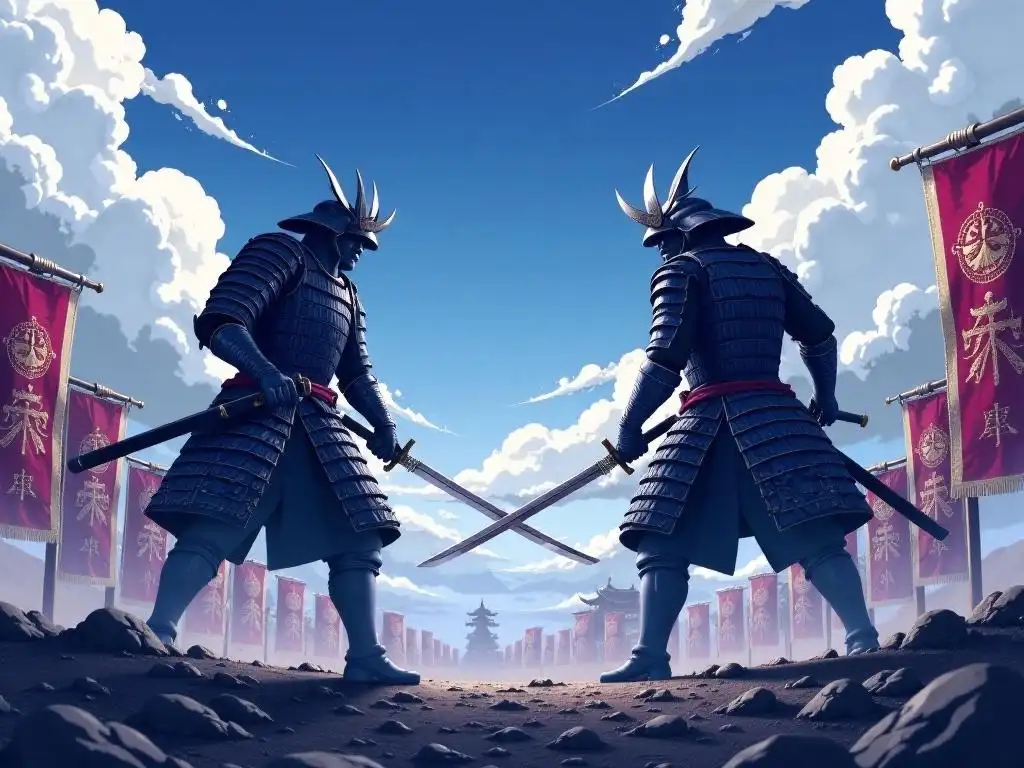
The Battle of Mutsu, fought in 1589, was a significant conflict in the tumultuous period of feudal Japan. It was characterized by a series of well-executed maneuvers, strategic planning, and the interplay of geography that ultimately influenced its outcome. The battle unfolded in the Mutsu Province, an area known for its rugged terrain and dense forests, which played a crucial role in the tactics employed by both sides.
As the conflict initiated, the forces of the Date clan, led by Date Masamune, faced off against the forces of the Ashina clan. The Date clan, known for their cavalry and innovative strategies, sought to leverage their mobility against the Ashina's fortified positions. Utilizing the natural landscape, Masamune deployed his troops in a way that allowed them to navigate the challenging terrain effectively, launching surprise attacks and flanking maneuvers that caught the Ashina forces off-guard.
The battle progressed through a series of skirmishes, with both sides experiencing victories and setbacks. The Date clan's ability to adapt to the changing dynamics of the battlefield, coupled with their strategic use of local geography, proved pivotal. Ultimately, the battle culminated in a decisive confrontation that led to the routing of the Ashina forces, showcasing the importance of strategy in the context of geographical advantages.
Chronological Breakdown of Events
- Initial Maneuvers (Early 1589): The Date clan gathers forces and moves towards Mutsu Province, gathering intelligence on Ashina's positions.
- First Skirmishes (March 1589): Initial clashes occur as the Date forces test the Ashina defenses, employing hit-and-run tactics to harass supply lines.
- Flanking Actions (April 1589): Date Masamune orchestrates a significant flanking maneuver through the dense forests, bypassing the Ashina's stronghold and striking from the rear.
- Decisive Engagement (June 1589): The main battle ensues, marked by fierce combat. The Date clan's cavalry plays a crucial role in breaking the Ashina lines.
- Aftermath (July 1589): Following their victory, Date Masamune consolidates power in Mutsu, while the Ashina clan faces significant losses in both manpower and territory.
Outcomes of the Battle of Mutsu
The Battle of Mutsu had far-reaching consequences for both the immediate participants and the broader landscape of feudal Japan. The victory for the Date clan not only solidified their power in the region but also set the stage for future military campaigns.
Immediate Consequences for the Warring Factions
The immediate aftermath of the battle saw the Ashina clan in a state of disarray. They suffered heavy casualties, which significantly weakened their military capabilities and territorial control. Many of their vassals began to abandon them, leading to a rapid decline in their influence in the region. In contrast, the Date clan experienced a surge in morale and gained prestige from their victory. This success allowed them to expand their territory and strengthen their military position, establishing themselves as a formidable power in northern Japan.
Long-term Impact on Feudal Japan's Military Strategy
The Battle of Mutsu marked a turning point in military strategy during the feudal era. It highlighted the significance of mobility, adaptability, and the effective use of terrain in warfare. The tactics employed by Date Masamune became a model for future military leaders, emphasizing the need for strategic planning that considered geographical factors.
In the years that followed, the principles demonstrated at Mutsu influenced the development of new strategies across Japan. The emphasis on cavalry and rapid maneuvers became increasingly prevalent, as many daimyō sought to replicate the success of the Date clan. This shift contributed to the evolution of samurai warfare, leading to more dynamic and fluid battle tactics in the conflicts that characterized the late Sengoku period.
Lessons Learned from the Battle of Mutsu
The Battle of Mutsu, fought during the tumultuous Sengoku period, provided a wealth of lessons that shaped military thought and strategy in feudal Japan. One of the primary takeaways was the necessity of adapting strategies to suit the dynamic nature of battle. Commanders learned the importance of flexibility, as rigid tactics could lead to disastrous outcomes.
Additionally, the battle underscored the significance of logistical planning. The successful deployment of troops and supplies directly influenced the outcome, prompting future leaders to prioritize logistics in their military campaigns. The integration of intelligence-gathering became paramount, as understanding the enemy's movements and intentions could effectively turn the tide of battle.
Finally, the engagement emphasized the importance of morale and discipline within the ranks. Troops that were well-trained and motivated were often more effective than those equipped with superior weapons but lacking in unity and resolve. This understanding led to the development of more structured training regimens and a focus on maintaining high morale among soldiers.
Strategic Innovations Resulting from the Conflict
The conflict at Mutsu catalyzed several strategic innovations that would influence subsequent battles. One notable advancement was the use of coordinated multi-unit assaults. Commanders began to recognize the effectiveness of synchronizing infantry and cavalry movements, allowing them to execute complex maneuvers that overwhelmed their opponents. This tactic not only enhanced their offensive capabilities but also improved defensive strategies by creating a more adaptable battlefield presence.
Moreover, the Battle of Mutsu highlighted the importance of psychological warfare. Leaders learned to utilize misinformation and feigned retreats to manipulate enemy perceptions, creating openings for surprise attacks. This approach became integral to future campaigns, as commanders sought to destabilize their foes before engagement.
The emphasis on terrain utilization also evolved during this battle. Commanders began to appreciate the strategic advantages that specific geographical features could bring, such as high ground or natural barriers. This understanding led to more sophisticated planning and the incorporation of terrain considerations into battle strategies, ensuring that leaders could leverage their environments effectively.
The Role of Geography in Future Battles
Geography played a crucial role in the outcome of the Battle of Mutsu and significantly influenced future military engagements. The natural landscape, including mountains, rivers, and valleys, dictated troop movements and strategies. Commanders recognized that geography could either facilitate or hinder their operations, prompting them to study the terrain meticulously before engaging in battle.
In the aftermath of Mutsu, military leaders began to prioritize geographic intelligence, often sending scouts to gather data on potential battlefield locations. This strategic focus allowed for better preparation and the ability to capitalize on the landscape. Additionally, the understanding of regional climates and seasonal changes informed logistical planning, ensuring that troops were adequately supplied and positioned for success.
The battle also illustrated the inherent risks of overextending supply lines across difficult terrain. Such challenges prompted future commanders to devise more efficient routes and develop contingency plans that took geographical factors into account. As a result, the lessons learned from Mutsu regarding geography became foundational in the evolution of military strategy in feudal Japan.
Conclusion
The Battle of Mutsu stands as a pivotal moment in Japanese military history, intertwining elements of strategy, geography, and historical context. The insights gained from this conflict not only shaped the tactics employed by future armies but also contributed to the broader narrative of feudal Japan’s turbulent period.
The Legacy of the Battle of Mutsu in Japanese History
The legacy of the Battle of Mutsu is profound, influencing not just military tactics but also the cultural narratives of honor and bravery in warfare. The battle became a symbol of resilience and adaptability, often referenced in samurai literature and folklore as an exemplar of strategic cunning and valor.
Furthermore, the lessons derived from Mutsu were integrated into the military doctrines of subsequent generations, solidifying its place as a key reference point in Japan's military history. The battle's emphasis on the interplay between strategy and geography resonated through various conflicts, shaping the evolution of Japanese warfare.
Reflection on Battle Strategies in Feudal Japan
Reflecting on the battle strategies employed during the Battle of Mutsu reveals a complex interplay of innovation and tradition. While many tactics were grounded in the samurai ethos of honor and direct confrontation, the lessons learned from this battle encouraged a shift towards more strategic planning and adaptability.
Military leaders began to embrace a blend of conventional and innovative tactics, recognizing that success in feudal Japan relied on both the skill of individual warriors and the effectiveness of collective strategies. This evolution marked a significant development in the military landscape of Japan, paving the way for future battles and the eventual unification of the country under a centralized government. The Battle of Mutsu remains a testament to the enduring nature of strategy in the ever-changing arena of feudal warfare.
- Introduction to the Battle of Mutsu
- Key Players in the Battle of Mutsu
- Geography and Its Influence on Battle Strategies
- Battle Strategies in Feudal Japan
- The Course of the Battle
- Outcomes of the Battle of Mutsu
- Lessons Learned from the Battle of Mutsu
- Conclusion
- What was the significance of the Battle of Mutsu in feudal Japan?
- How did geography influence battle strategies in feudal Japan?
- What are some common battle strategies used in feudal Japan?
- How does the Battle of Mutsu reflect the broader trends in feudal warfare?
- Can you provide examples of key figures involved in the Battle of Mutsu?
Frequently Asked Questions
What was the significance of the Battle of Mutsu in feudal Japan?
The Battle of Mutsu was crucial as it showcased the interplay of strategy, geography, and historical context in shaping military outcomes during Japan's feudal era.
How did geography influence battle strategies in feudal Japan?
Geography played a critical role by affecting troop movements, supply lines, and the selection of battle sites, often determining the success or failure of military campaigns.
What are some common battle strategies used in feudal Japan?
Common battle strategies included ambushes, flanking maneuvers, and the use of terrain to gain tactical advantages over opponents.
How does the Battle of Mutsu reflect the broader trends in feudal warfare?
The Battle of Mutsu reflects broader trends such as the importance of alliances, the use of cavalry, and the evolving military tactics that characterize the feudal warfare of Japan.
Can you provide examples of key figures involved in the Battle of Mutsu?
Key figures included prominent warlords and generals whose decisions and strategies were pivotal in the outcome of the battle, influencing the course of feudal Japanese history.
Final Reflection: The Enduring Legacy of Battle Strategies in Feudal Japan
The Battle of Mutsu stands as a testament to the intricate interplay of strategy, geography, and history that defined feudal Japan. In today's world, where the lessons of past conflicts continue to resonate, understanding these dynamics is crucial for both historical scholarship and contemporary military studies. The strategies employed during this battle not only shaped the outcomes of their time but also laid the groundwork for future military tactics, reminding us that history is a living narrative that influences our present and future.
Cultural narratives around warfare and strategy have evolved, yet the core principles observed in the Battle of Mutsu remain relevant. The strategic decisions made by commanders in the face of geographical challenges echo in modern military doctrines and leadership training. As Sun Tzu wisely stated, In the midst of chaos, there is also opportunity.
This quote encapsulates the essence of strategic thinking, urging us to recognize that even in the most tumultuous times, there are lessons to be learned and opportunities to seize.
As you reflect on the insights gained from the Battle of Mutsu, consider how these historical strategies can inform your own decision-making processes. Embrace the challenge of navigating your unique landscapes, whether they be personal, professional, or societal. Let the lessons of the past inspire you to think critically, adapt strategically, and act decisively in your own battles, for the echoes of history are not just remnants of the past but guiding lights for the future.
Uncover Your Next Steps in Understanding Mutsu’s Legacy!
Thank you for delving into the captivating world of the Battle of Mutsu! Your interest in the strategic intersections of geography and history brings valuable insights to this pivotal moment. Now, let's harness that knowledge and explore ways to deepen your understanding and share this fascinating narrative with others.
Here’s how you can continue your journey:
- Dive Deeper: Read our comprehensive analysis on the tactical maneuvers that shaped the outcome of the battle. Discover lesser-known strategies and maps that unveil the geographical intricacies involved.
- Join the Conversation: Share your perspectives on social media or in our comment section. Engage with fellow history enthusiasts and exchange ideas about how these lessons resonate in contemporary contexts.
- Create Your Own Content: Compose an article or blog post that discusses how the Battle of Mutsu influences modern strategic thinking. Inspire others with your unique insights!
As you reflect on the battle's significance, consider this question: How do the lessons learned from the Battle of Mutsu apply to today’s strategic decision-making across various fields? We look forward to hearing your thoughts!