
Urban Legends of Edo: Folklore in a City of Millions

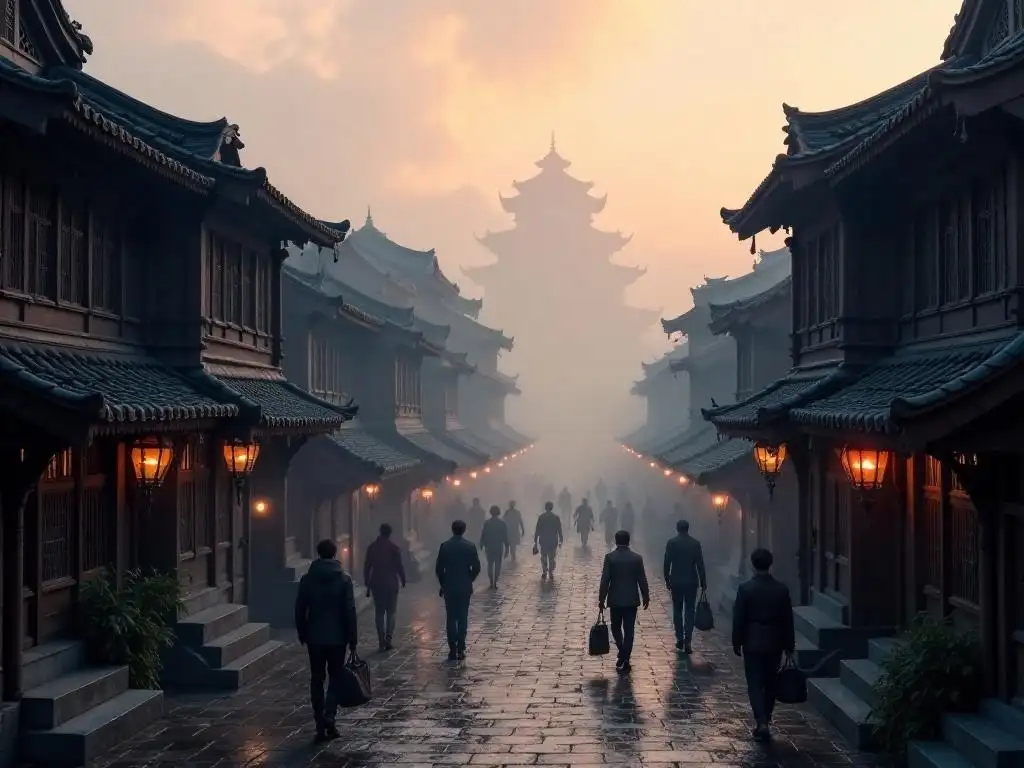
Welcome to Feudal Japan History, where we invite you to journey through the captivating tapestry of Japan's feudal era. Discover the mysteries and folklore that shaped the lives of millions during the Edo period, an era rich with urban legends and stories waiting to be uncovered. Our latest article, "Urban Legends of Edo: Folklore in a City of Millions," dives deep into the enchanting tales that reflect the societal nuances of this remarkable time.
Are you ready to unravel the secrets that linger in the shadows of history? Join us as we explore the intriguing intersections of culture, economy, and myth that defined an era!
- Introduction to Edo Period Urban Legends
- The Origins of Urban Legends in Edo
- Popular Edo Period Urban Legends
- Themes and Motifs in Edo Urban Legends
- The Impact of Edo Urban Legends on Society
- Conclusion: The Enduring Fascination with Edo Period Urban Legends
- Recommended Resources for Further Exploration of Edo Legends
- Frequently Asked Questions
- Final Reflection: The Enduring Allure of Edo Period Urban Legends
- Unearth the Mysteries of Edo Legends!
Introduction to Edo Period Urban Legends
The Edo period, spanning from 1603 to 1868, marks a transformative era in Japanese history characterized by urbanization, cultural flourishing, and a unique social structure. As the population of Edo (modern-day Tokyo) swelled to over a million inhabitants, the city became a vibrant hub of commerce, politics, and culture. Within this bustling metropolis, a rich tapestry of urban legends and folklore emerged, reflecting the fears, dreams, and daily lives of its citizens.
This article delves into the fascinating world of Edo period urban legends, exploring the narratives that shaped the cultural landscape of Japan's capital during this remarkable time. We will examine how these stories not only entertained but also served as a lens through which the complexities of Edo society can be understood.
Overview of the Edo Period in Japan
The Edo period represents a significant chapter in Japanese history, initiated by the Tokugawa shogunate's rise to power. This era is notable for its marked stability after centuries of civil war, allowing for the flourishing of a merchant economy and the proliferation of cultural pursuits. Key characteristics of the Edo period include:
- Political Structure: The Tokugawa shogunate established a feudal system where power was centralized under the shogun, while daimyō (feudal lords) controlled their respective domains.
- Urbanization: Edo became one of the largest cities in the world, attracting people from various regions seeking opportunities and a better life.
- Cultural Developments: The period saw the emergence of distinct art forms, including ukiyo-e (woodblock prints), kabuki (theater), and literature, fostering a unique urban culture.
The unique blend of stability and cultural richness during the Edo period laid the groundwork for an environment where folklore and urban legends could thrive, offering insights into the societal values and anxieties of the time.
Significance of Folklore in Urban Settings
Folklore plays a crucial role in urban settings, serving various functions that resonate with the lives of city dwellers. In the context of Edo, urban legends were more than mere stories; they fulfilled several important roles:
- Cultural Identity: Folklore helped to forge a collective identity among the diverse inhabitants of Edo, providing shared narratives that transcended social classes and backgrounds.
- Moral Lessons: Many urban legends contained moral undertones, offering lessons about behavior and societal norms. These tales often illustrated the consequences of greed, dishonesty, or disrespect, reinforcing cultural values.
- Coping Mechanism: In a rapidly changing urban environment filled with uncertainties, folklore provided a means for people to make sense of their experiences, fears, and the supernatural elements of their lives.
The enduring legacy of these urban legends continues to captivate audiences today, as they reveal the intricate relationship between society, culture, and the urban experience of the Edo period. By examining these tales, we gain insight into the beliefs and values that shaped historical Japan, making the study of Edo period urban legends both intriguing and essential.
The Origins of Urban Legends in Edo
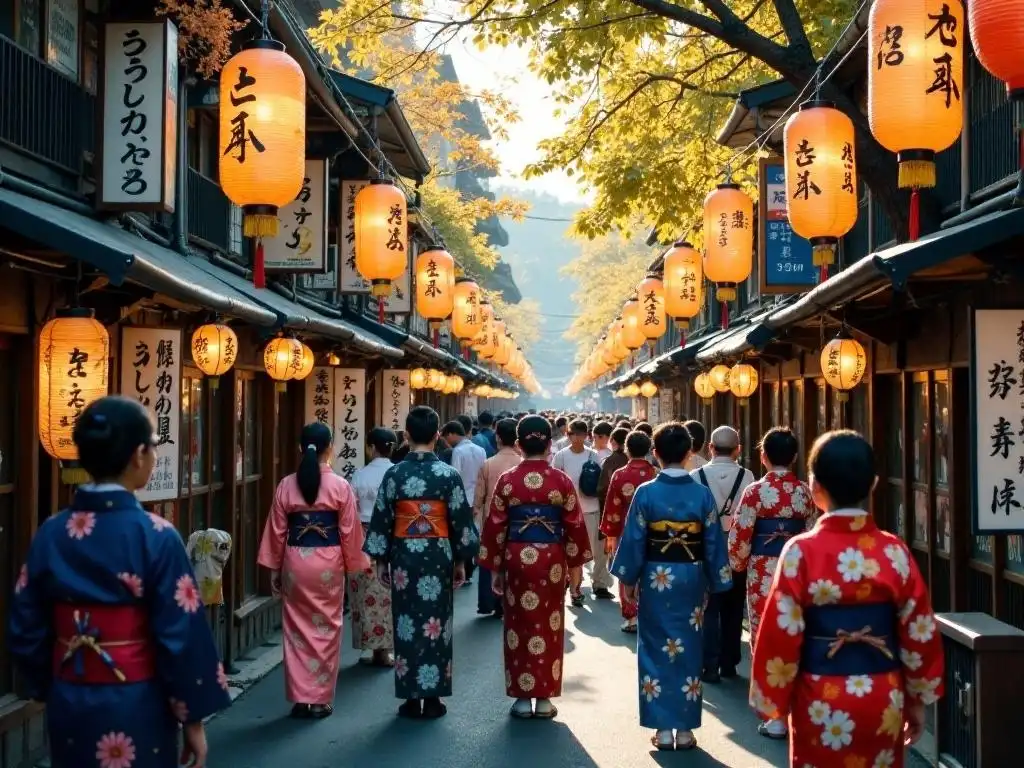
The Edo period (1603-1868) marked a transformative era in Japan, characterized by significant urbanization and cultural evolution. As Edo (present-day Tokyo) grew into one of the largest cities in the world, its population surged, fostering a vibrant tapestry of life that gave rise to numerous urban legends. These legends not only reflect the societal beliefs and fears of the time but also serve as a fascinating lens through which we can explore the intricacies of life in Edo.
Historical Context of Edo's Urbanization
Edo's transformation from a small fishing village to the bustling capital of Japan was catalyzed by the Tokugawa shogunate's establishment. By the early 18th century, the population of Edo had skyrocketed to over one million, making it a melting pot of diverse cultures, trades, and ideas. This urbanization was fueled by:
- Economic Prosperity: The peace established by the Tokugawa shogunate led to economic stability, resulting in increased trade and commerce. Edo became a hub for merchants, craftsmen, and samurai, all contributing to the city's rapid growth.
- Migration: People flocked to the city from rural areas seeking better opportunities. This influx of individuals brought various regional beliefs and practices, which intermixed and formed new urban legends.
- Public Spaces: The creation of theaters, markets, and festivals provided fertile ground for storytelling. Public gatherings became venues where tales of the supernatural thrived, allowing urban legends to be shared and spread.
As the city expanded, so did the complexities of daily life, leading to a rich tapestry of folklore that mirrored the experiences and anxieties of its inhabitants.
The dynamic social changes during the Edo period significantly influenced the themes and narratives of urban legends. Several factors contributed to the evolution of folklore, including:
- Class Structure: The rigid social hierarchy of the Edo period, which categorized individuals as samurai, farmers, artisans, and merchants, shaped the stories told within each class. Legends often reflected the class struggles or the aspirations of the lower classes, serving as both entertainment and social commentary.
- Cultural Exchange: The growing interaction among different social groups facilitated the blending of legends. For example, the tales of yōkai (supernatural beings) became localized, with stories adapting to urban settings and the experiences of city dwellers.
- Fear and Morality: Many urban legends served as cautionary tales, reflecting societal fears and moral lessons. Stories about spirits of the dead, vengeful ghosts, or supernatural creatures often warned against misconduct, reinforcing social norms and expectations.
- Crisis and Change: Periods of crisis, such as natural disasters or famines, often spurred the creation of new legends. For instance, stories of protection from malevolent spirits emerged during times of societal distress, providing comfort and a sense of agency to the populace.
These social changes not only influenced the content of urban legends but also their transmission. As Edo grew, the methods of storytelling evolved, with new media such as ukiyo-e (woodblock prints) and kabuki theater helping to popularize these tales.
Edo period urban legends thus encapsulate the cultural, social, and historical dynamics of a city in transformation, revealing the complex interplay between urban life and folklore during one of Japan's most significant eras.
Popular Edo Period Urban Legends

The Edo period (1603-1868) was a time of significant urbanization in Japan, leading to a rich tapestry of folklore and urban legends that reflected the society's fears, morals, and cultural identity. These legends not only entertained but also served as cautionary tales, providing insights into the beliefs and practices of the time. Here, we delve into some of the most popular urban legends that flourished during this vibrant period.
The Tale of the Yurei (Ghosts)
The Yurei, or restless spirits, are a central element of Japanese folklore, particularly during the Edo period. These apparitions are often depicted as figures dressed in white funeral garments, with unkempt hair and a sorrowful demeanor. The origins of the Yurei legend can be traced back to the belief that souls of the deceased who did not receive proper funerary rites would linger in the physical world, unable to find peace.
Characteristics of Yurei
- Appearance: Yurei are typically described as ethereal and often appear as translucent figures. Their haunting presence is characterized by a lack of feet, symbolizing their detachment from the earthly realm.
- Behavior: These spirits are believed to roam at night, often seeking revenge or expressing sorrow over unresolved issues from their lives.
- Cultural Significance: The fear of Yurei reflects societal concerns about death and the afterlife, emphasizing the importance of proper burial practices and rituals during the Edo period.
Notable Yurei Legends
One of the most famous Yurei stories involves Okiku, a servant girl who was wrongfully accused of losing a valuable plate. After being killed by her master, her spirit haunted his home, counting to nine before wailing in grief. This tale highlights themes of injustice and the consequences of betrayal, resonating deeply with Edo's urban populace.
The Legend of the Kappa (River Creature)
The Kappa is a mythical creature resembling a turtle or amphibious being, notorious in Japanese folklore, particularly in rural areas but also prevalent in urban legends during the Edo period. These creatures are believed to inhabit rivers and ponds, often portrayed as mischievous or malevolent beings.
Characteristics of Kappa
- Appearance: Typically described as green-skinned with a beak-like mouth, Kappa are often depicted with a water-filled dish on their heads, which is the source of their power.
- Behavior: Kappa are known for their playful yet dangerous nature; they are said to challenge humans to wrestling matches or attempt to drown unsuspecting victims.
- Cultural Significance: Kappa legends served as cautionary tales to warn children about the dangers of playing near water, emphasizing the need for vigilance in urban landscapes where waterways were common.
Notable Kappa Legends
One popular tale involves a Kappa who attempted to drown a young boy. However, the boy outsmarted the creature by bowing deeply, causing the Kappa to bow in return and spill the water from its head, rendering it powerless. This legend illustrates the themes of cleverness and resourcefulness, often celebrated in Edo period folklore.
The Story of Tengu (Mountain Goblins)
Tengu are legendary creatures often depicted as part-human, part-bird beings, commonly associated with mountains and forests. However, their influence extended to urban legend during the Edo period, where they were seen as both protectors and troublemakers.
Characteristics of Tengu
- Appearance: Tengu are typically portrayed with red faces, long noses, and the ability to fly. They often wear traditional Japanese clothing, adding to their mystique.
- Behavior: These creatures are known for their powerful abilities and martial prowess, often teaching skills to humans or leading them astray.
- Cultural Significance: Tengu legends reflect the tension between nature and civilization, illustrating the Edo period's struggles with urban expansion encroaching on natural landscapes.
Notable Tengu Legends
A famous tale tells of a Tengu who took a skilled samurai under his wing, teaching him the art of war. However, the samurai became overconfident and took his newfound skills to the city, where he was ultimately defeated. This story serves as a moral lesson about humility and respect for one's environment, resonating with the urban dwellers of Edo.
The urban legends of the Edo period, including tales of Yurei, Kappa, and Tengu, not only provided entertainment but also reflected the cultural and societal values of the time. These legends continue to captivate audiences today, illustrating the enduring power of folklore in shaping cultural identity.
Themes and Motifs in Edo Urban Legends
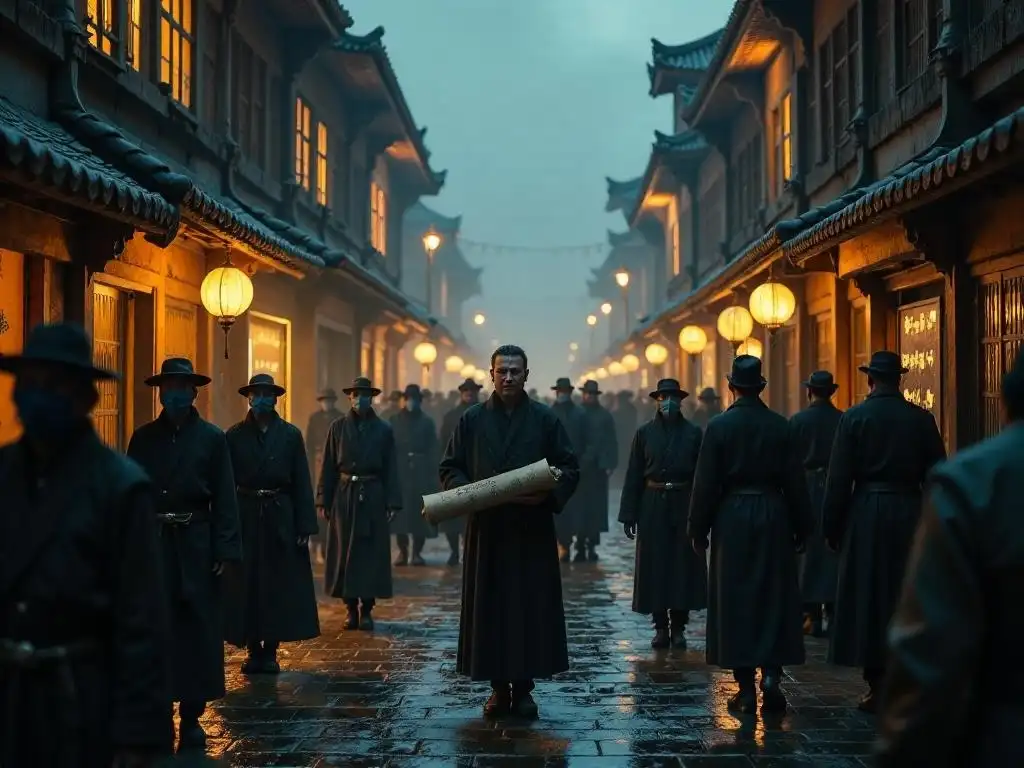
The urban legends of the Edo period are rich tapestries woven from cultural, societal, and psychological threads that reveal much about the life and beliefs of the people living in this dynamic era. These legends, often steeped in the supernatural and moral lessons, serve as reflections of the values, fears, and aspirations of Edo society. Understanding the themes and motifs present within these legends allows for a deeper appreciation of the cultural landscape of Edo Japan.
The Role of Supernatural Beings
Supernatural beings are central figures in many Edo period urban legends. From yōkai (monsters or spirits) to kami (deities), these entities embody the fears and mysteries of the natural world. They often serve as both protectors and harbingers of doom, illustrating the duality of human existence.
- Yōkai: These creatures can range from mischievous spirits like the kappa—a water-dwelling creature known for luring people into rivers—to the terrifying rokurokubi, who can elongate their necks to frighten unsuspecting victims. Such legends reflect the Edoites' relationship with nature, emphasizing both reverence and caution.
- Kami: Local deities often appear in urban legends to signify the importance of spiritual oversight in daily life. Tales involving kami frequently highlight the necessity of rituals and offerings, emphasizing the belief that the divine influences human affairs.
These supernatural narratives not only entertain but also serve as cautionary tales about moral behavior and respect for the unseen forces that govern human existence.
The Intersection of Morality and Folklore
Edo period urban legends frequently intertwine with moral lessons, illustrating the values of the time. Through these stories, individuals are urged to reflect on their actions and the consequences that may follow.
- Justice and Retribution: Many legends focus on themes of justice, where wrongdoers face supernatural retribution. For instance, the tale of Kintaro, a child raised by a mountain witch, often showcases the triumph of good over evil, reinforcing the idea that virtuous actions will ultimately be rewarded.
- Consequences of Greed: Legends like that of the Grateful Crane illustrate the dangers of greed and ingratitude. In this story, a man who saves a crane is repaid with a beautiful fabric that he later sells for profit. However, his greed leads to dire consequences, demonstrating the moral that one must be grateful and humble.
Through such narratives, Edo urban legends became a way to impart important life lessons, ensuring that societal values were upheld across generations.
Edo urban legends serve as powerful social commentaries, reflecting the complexities of urbanization and the societal changes occurring during the period. As millions flocked to the growing cities, legends emerged that critiqued various aspects of urban life.
- Class Struggles: Many urban legends highlight the disparities between the samurai class and commoners. Stories of the ghost of a disgraced samurai seeking vengeance on the wealthy illustrate the tensions and frustrations of the lower classes, serving as a critique of the rigid social hierarchies of the time.
- Urban Life and Isolation: The rapid urbanization of Edo led to feelings of alienation among its inhabitants. Legends about phantoms of the lonely or spirits haunting crowded streets reveal the psychological impact of city life, as people grappled with anonymity and isolation in a bustling metropolis.
By examining these legends, we gain insight into the fears and aspirations of Edo's residents, as well as their attempts to navigate the complexities of a rapidly changing society. Urban legends thus become a mirror, reflecting the cultural and social fabric of the Edo period, and offering a fascinating glimpse into the lives of those who lived through it.
The Impact of Edo Urban Legends on Society

The Edo period (1603-1868) was a time of significant urbanization and cultural development in Japan, with Edo (now Tokyo) becoming the largest city in the world by the 18th century. Amidst this rapid growth and social transformation, urban legends emerged as a vital aspect of the city's folklore, influencing societal norms, cultural practices, and communal identity. These legends served not only as entertainment but also as moral lessons, reflections of societal fears, and a means to reinforce community ties.
Influencing Cultural Practices and Beliefs
Edo period urban legends played a crucial role in shaping cultural practices and beliefs among the populace. Many legends were rooted in the daily lives of Edo's citizens, often reflecting contemporary social issues, fears, and aspirations. For instance, legends about yōkai (supernatural creatures) and other folkloric figures were used to explain natural phenomena or societal ills.
- Moral Lessons: Legends often carried moral undertones, teaching lessons about virtue, caution, and the consequences of one's actions. For instance, stories of greedy merchants punished by spirits served as warnings against avarice, while tales of brave samurai inspired loyalty and honor.
- Festivals and Rituals: Urban legends informed various festivals and rituals, with many celebrations incorporating elements from popular folklore. These events fostered community cohesion and provided a space for collective storytelling, reinforcing cultural identity.
- Art and Literature: The influence of urban legends extended into art and literature, inspiring kabuki theater and ukiyo-e (woodblock prints). Renowned artists like Utagawa Kuniyoshi depicted legendary figures and stories, ensuring their legacy continued through visual culture.
Urban Legends and Their Role in Community Identity
Urban legends served as a vital mechanism for building and maintaining community identity in Edo. As the city expanded and became increasingly diverse, these stories helped to create a shared sense of belonging among its inhabitants.
- Shared Narratives: The proliferation of urban legends allowed different social classes and groups within Edo to bond over shared narratives. These tales often transcended social boundaries, uniting merchants, artisans, and samurai in a collective cultural experience.
- Local Variations: Each neighborhood in Edo often had its unique legends, which emphasized local characteristics and histories. This localization of folklore helped communities forge their identities while fostering a sense of pride in their heritage.
- Crisis and Resilience: During times of crisis, such as famines, fires, or epidemics, urban legends often depicted the resilience of the community. Tales of survival and supernatural intervention served to inspire hope and solidarity among the people of Edo.
The Legacy of Edo Period Folklore in Modern Japan
The impact of Edo period urban legends extends far beyond their time, leaving an indelible mark on modern Japanese culture. Today, these legends continue to resonate within contemporary society, influencing various aspects of life.
- Cultural Revival: There has been a resurgence of interest in Edo period folklore, with many modern artists, writers, and filmmakers drawing inspiration from these legends. This revival emphasizes the relevance of these stories in addressing contemporary issues, such as environmental concerns and social justice.
- Tourism and Heritage: Urban legends have become an integral part of Japan's cultural tourism, with tours and events dedicated to exploring these tales. This has encouraged a deeper appreciation of Edo's history and its folklore, drawing both domestic and international visitors.
- Media and Popular Culture: The influence of Edo period urban legends is evident in manga, anime, and video games, where traditional stories are reimagined for new audiences. Characters and narratives inspired by yōkai and other folkloric figures continue to captivate, ensuring that the legacy of Edo folklore remains vibrant in modern storytelling.
The urban legends of the Edo period not only shaped the cultural practices and beliefs of the time but also laid the groundwork for community identity and modern cultural expressions in Japan. Their enduring legacy highlights the importance of folklore in understanding the social fabric of both historical and contemporary Japan.
Conclusion: The Enduring Fascination with Edo Period Urban Legends
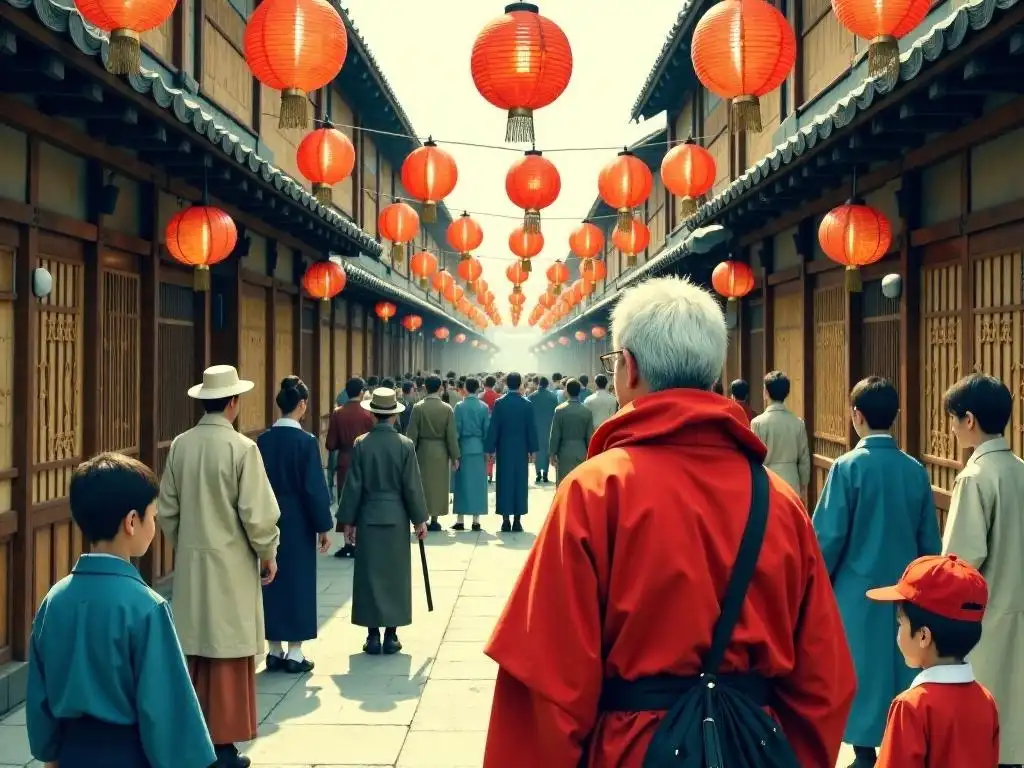
The Edo period, spanning from 1603 to 1868, was not just a time of political stability and economic growth, but also an era rich with folklore that continues to capture the imagination of historians and cultural enthusiasts alike. The urban legends that emerged during this period serve not only as entertainment but also as a reflection of the societal values, fears, and aspirations of the people living in Edo, now known as Tokyo. These legends, often steeped in supernatural elements and moral lessons, provide a fascinating insight into the psyche of a bustling city that was home to millions.
The enduring fascination with Edo period urban legends can be attributed to their ability to blend historical context with cultural storytelling. Legends like the tale of the Yuki-onna, or Snow Woman, and Kappa, a water-dwelling creature, encapsulate the rich tapestry of Edo's urban life, illustrating the interplay between nature, spirituality, and the human condition. As we explore these narratives, we uncover layers of meaning that reveal how folklore served as a means of coping with the uncertainties of urban existence.
Reflection on the Cultural Significance of Folklore
Edo period urban legends are significant not merely as tales of the supernatural but as cultural artifacts that reflect the values and social structures of the time. They often embody moral lessons, serving as cautionary tales that warned citizens about the consequences of greed, dishonesty, and social transgressions. For instance, the legend of Shōjō, known for its alluring singing, highlights themes of desire and the potential dangers that come with temptation.
Moreover, these legends acted as a social glue, fostering community identity among Edo's diverse population. They provided a shared cultural language that transcended social classes, offering entertainment and moral guidance to commoners and samurai alike. In a rapidly urbanizing environment, where traditional rural lifestyles were being challenged, folklore became a means of retaining cultural continuity and navigating the complexities of city life.
Future of Folklore Studies in the Context of Urbanization
As urbanization continues to shape contemporary society, the study of Edo period urban legends offers valuable insights into how folklore evolves in response to changing social landscapes. Researchers are increasingly interested in the parallels between historical urban legends and modern urban myths, particularly in how they address contemporary fears, technological advancements, and societal changes.
Interdisciplinary approaches that combine cultural studies, history, and urban studies are essential for understanding the dynamics of urban legends in both past and present contexts. As cities around the world grapple with the pressures of modernization and globalization, the exploration of folklore's role in urban identity and community cohesion will remain a critical area of inquiry. By studying Edo period urban legends, scholars can uncover the enduring human desire for storytelling as a way to make sense of the world, reflecting the complexities of urban life in both historical and modern settings.
Edo period urban legends are more than mere stories; they are a testament to the resilience of culture in the face of urbanization. As we look to the future, the study of these legends will undoubtedly continue to evolve, providing rich material for understanding the intricate relationship between folklore and the urban experience.
Recommended Resources for Further Exploration of Edo Legends
Exploring the urban legends of the Edo period requires delving into a variety of resources that provide deeper insights into the folklore, culture, and societal context of this fascinating era. Below are some recommended resources that can enhance your understanding of Edo period urban legends.
Books and Literature on Edo Period Folklore
When it comes to literature, several key texts delve into the rich tapestry of Edo period folklore. Here are some notable recommendations:
-
"Japanese Ghost Stories" by Lafcadio Hearn
This collection includes a variety of traditional ghost stories that illuminate the supernatural beliefs of the time. Hearn’s interpretations offer a unique perspective on the cultural significance behind these tales.
-
"The World of the Shining Prince: Court Life in Ancient Japan" by Ivan Morris
Although primarily focused on the Heian period, this book provides context for the evolution of Japanese folklore, including the legends that would continue into the Edo period.
-
"Edo: The City That Became Tokyo" by Edward Seidensticker
This text offers a comprehensive view of Edo’s transformation and the legends that arose during its urbanization, providing a broader context for understanding the socio-economic factors influencing folklore.
-
"Yokai Attack!: The Japanese Monster Survival Guide" by Hiroko Yoda and Matt Alt
This engaging guide introduces readers to various yokai (supernatural creatures) that were prominent during the Edo period, featuring illustrations and stories that reflect the fears and beliefs of the time.
Documentaries and Films Featuring Urban Legends of Edo
Visual media provides an engaging way to experience the folklore of the Edo period. Here are some documentaries and films that highlight the urban legends of Edo:
-
"Shadows of the Past: The Ghosts of Edo" (Documentary)
This documentary explores the haunting tales of Edo, featuring interviews with historians and reenactments of famous legends, bringing to life the eerie atmosphere of the city.
-
"Spirited Away" (Film by Hayao Miyazaki)
While not strictly a documentary, this animated film incorporates themes and creatures from Japanese folklore that resonate with Edo period legends, making it a culturally rich viewing experience.
-
"Tales from the Darkside: The Movie" (Segment featuring Japanese folklore)
This anthology film includes stories inspired by urban legends, offering a modern take on the themes of fear and morality present in Edo period narratives.
Online Archives and Museums Focused on Edo History
Digital resources and museums provide accessible means to explore the legends of Edo. Here are some valuable online archives and museums:
-
The National Archives of Japan
This archive houses a wealth of documents from the Edo period, including scrolls, illustrated books, and official records that can shed light on the societal context of urban legends.
-
Edo-Tokyo Museum
An online resource that features exhibitions and articles related to the history of Edo, including sections dedicated to urban legends and folklore. Their virtual tours offer an immersive experience.
-
The Japanese Folklore Society
This organization provides access to a variety of research papers, articles, and collections focusing on Japanese folklore, enabling researchers and enthusiasts to explore Edo period legends in depth.
-
The Tokyo National Museum
Their online collections include artifacts from the Edo period that can provide insight into the cultural influences that shaped urban legends.
By utilizing these resources, readers can gain a comprehensive understanding of Edo period urban legends and their significance within the broader scope of Japanese history and culture.
Frequently Asked Questions
What are some common urban legends from the Edo period?
The Edo period is rich with urban legends such as the tale of Tōno Monogatari and the Yamamba witch. These stories often reflect societal fears and cultural beliefs of the time.
How did urban legends influence Edo period society?
Urban legends served as a way for Edo period citizens to understand and cope with their urban environment, often providing moral lessons or warnings about social behavior.
What role did folklore play in Edo period culture?
Folklore was essential in preserving cultural identity during the Edo period, with stories passed down through generations, offering insights into daily life and belief systems.
Are there any notable urban legends that still exist today?
Yes, many urban legends from the Edo period have evolved and continue to be told in modern Japan, showcasing the enduring nature of these tales in contemporary culture.
Where can I find more information about Edo period urban legends?
For an in-depth exploration of Edo period urban legends, visit the Feudal Japan History website, which offers comprehensive articles on historical, cultural, and societal aspects of the era.
Final Reflection: The Enduring Allure of Edo Period Urban Legends
The tales of the Edo period urban legends resonate deeply in today's society, reminding us that folklore is not merely a relic of the past but a living tapestry that weaves through our modern lives. In an age dominated by technology and rapid change, these stories serve as a bridge connecting us to our cultural heritage, illuminating the fears, hopes, and values of a society that once thrived in the bustling streets of Edo. The power of these legends lies in their ability to evoke emotions and provoke thought, making them as relevant today as they were centuries ago.
The influence of Edo period urban legends extends beyond mere entertainment; they shape our understanding of community, morality, and the human experience. These narratives reflect the complexities of urban life, illustrating how fear and fascination coexist in the hearts of city dwellers. As we navigate our own urban landscapes, we can draw parallels to the stories of yore, recognizing that the essence of these legends continues to inform our cultural identity. Folklore is the heart of a community, a mirror reflecting its soul.
As we conclude our exploration of Edo period urban legends, I invite you to reflect on the stories that shape your own life and community. Consider how these narratives influence your perceptions and interactions in the modern world. Embrace the lessons embedded within these tales, and let them inspire you to create your own stories that resonate with the spirit of your surroundings. In doing so, you contribute to the rich tapestry of folklore that connects us all, transcending time and place.
Unearth the Mysteries of Edo Legends!
Thank you for diving into the captivating world of Edo's urban legends with us! By exploring these tales, you’ve connected with the rich tapestry of folklore that shaped Japan's cultural landscape. Now, let’s take your fascination a step further!
Here are some exciting actions you can take:
- Delve deeper: Explore literature or documentaries about Edo’s folklore to uncover more hidden stories.
- Share the tales: Start conversations about your favorite Edo legend with friends or on social media to keep these stories alive.
- Join the community: Engage in online forums or local groups dedicated to Japanese history and folklore to exchange insights and connect with like-minded enthusiasts.
Which Edo legend resonates with you the most, and how would you share its story with others?