
Festivals of the Samurai: Celebrations that Honored Warriors and Their Feats

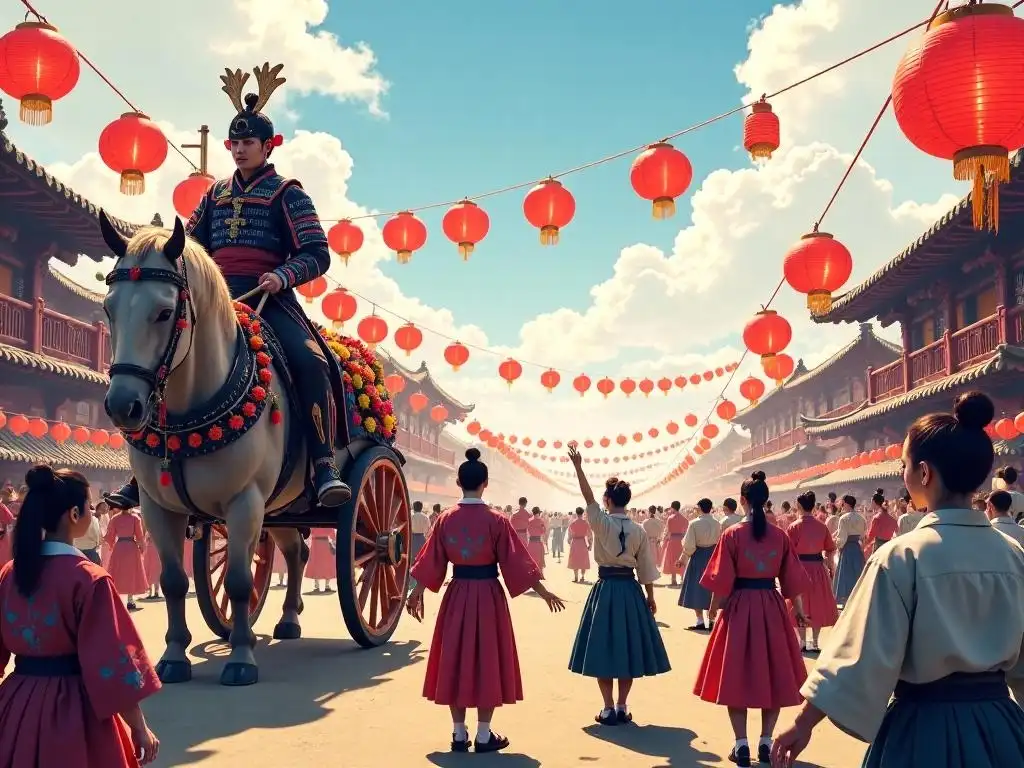
Welcome to Feudal Japan History, where we invite you to embark on a captivating journey through the rich tapestry of Japan’s feudal era. Here, you’ll uncover the profound significance of Samurai festivals and traditions, celebrating the valor and artistry of these legendary warriors. Delve into the vibrant customs and rituals that not only honored their feats but also shaped the cultural landscape of a nation. Are you ready to explore the fascinating connections between history and heritage? Join us as we unveil the stories behind the celebrations that immortalized the spirit of the samurai!
Introduction to Samurai Festivals and Traditions
The Samurai festivals and traditions are a vibrant tapestry woven into the rich cultural fabric of feudal Japan. These festivals were not merely celebrations; they served as a profound homage to the valor, discipline, and contributions of the samurai class. Through various ceremonies, parades, and rituals, the samurai's legacy was honored, and the values they embodied—such as loyalty, bravery, and honor—were passed down through generations.
These events played a crucial role in the societal structure of feudal Japan, highlighting the intricate relationship between the warrior class and the communities they protected. As we delve deeper into the world of these festivals, we will uncover the historical significance, cultural practices, and the evolution of these celebrations that have stood the test of time.
Overview of Samurai Culture in Feudal Japan
The samurai were the ruling class and military elite of feudal Japan, renowned for their martial prowess and adherence to the bushido code—a set of ethical principles that emphasized honor, loyalty, and personal courage. This warrior class emerged during the late Heian period (794-1185) and flourished throughout the Kamakura (1185-1333) and Muromachi (1336-1573) periods, shaping Japan's history and culture.
- Key Characteristics of Samurai Culture:
- Bushido Code: The ethical framework that guided samurai behavior.
- Martial Arts: Mastery of various combat techniques, including swordsmanship and archery.
- Cultural Patronage: Many samurai were also patrons of the arts, supporting poetry, painting, and tea ceremonies.
The samurai's influence extended beyond the battlefield, impacting politics, arts, and social hierarchies, making them central figures in the narrative of Japan's cultural history.
Importance of Festivals in Samurai Society
Festivals held immense significance in samurai society, serving multiple purposes ranging from spiritual to social. They were occasions to reinforce community bonds, celebrate victories, and honor fallen comrades. Such events provided an opportunity for the samurai to showcase their skills and demonstrate their loyalty to their lords and the community.
- Functions of Samurai Festivals:
- Commemoration of Battles: Many festivals celebrated significant military victories and the bravery of warriors.
- Rituals of Remembrance: These gatherings often included ceremonies to honor deceased samurai, ensuring their legacy lived on.
- Display of Martial Skills: Festivals often featured demonstrations of combat techniques, fostering a sense of pride and camaraderie among samurai.
Through these festivities, the samurai not only celebrated their heritage but also reinforced the values that defined their existence, creating a lasting impact on Japanese culture.
Historical Background of Samurai Festivals
To fully appreciate the significance of samurai festivals, it is essential to explore their historical roots and how they evolved over time. Understanding the origins and transformations of these celebrations reveals the intricate relationship between the samurai class and the broader society.
Origins of Samurai Festivals in Japan
The origins of samurai festivals can be traced back to ancient Japan, where Shinto rituals and agricultural celebrations laid the groundwork for later events. The samurai, as custodians of the land and protectors of their lords, adapted these traditions to reflect their unique cultural identity.
- Early Influences:
- Shinto Beliefs: Festivals often incorporated Shinto elements, celebrating the gods and seeking their favor for victories in battle.
- Seasonal Celebrations: Many festivals were linked to agricultural cycles, marking planting and harvest times, which were critical for sustaining samurai and their retainers.
As the samurai class solidified its power, these early celebrations evolved into more structured festivals that highlighted their military prowess and societal roles.
Evolution of Celebrations Through the Feudal Era
Throughout the feudal era, samurai festivals underwent significant changes, adapting to the shifting political landscapes and cultural influences. The rise and fall of different shogunates, as well as the introduction of foreign ideas, shaped the nature of these celebrations.
- Key Developments:
- Incorporation of Zen Buddhism: As Buddhism gained prominence, many festivals integrated Buddhist elements, emphasizing spiritual harmony alongside martial valor.
- Regional Variations: Different regions developed unique festivals, reflecting local customs and historical events tied to specific samurai clans.
- Post-Edo Period Changes: With the decline of the samurai class during the Meiji Restoration, many traditional festivals transformed, often merging with modern cultural practices.
The evolution of samurai festivals illustrates not only the changing nature of Japanese society but also the enduring legacy of the samurai ethos that continues to influence contemporary Japanese culture.
Key Samurai Festivals and Their Significance
Samurai festivals are an integral part of Japan's cultural heritage, reflecting the values, beliefs, and traditions of the samurai class. These celebrations not only honored the warriors and their feats but also served to reinforce the social hierarchies and cultural narratives of the time. Each festival is steeped in history and unique customs that illustrate the deep respect for nature, the divine, and the martial spirit. Through vibrant processions, ceremonial displays, and communal activities, these festivals provided a means for communities to come together and reinforce their collective identity while paying homage to the samurai's legacy.
The Aoi Matsuri: A Celebration of Nature and Nobility
The Aoi Matsuri, celebrated annually in Kyoto, is one of the oldest festivals in Japan, tracing its origins back to the 7th century. Traditionally held on May 15th, it features a grand procession that showcases the elegance of Heian-period court life and samurai culture. The festival's name derives from the use of hollyhock leaves (aoi), which are used as offerings and decorations.
During the Aoi Matsuri, participants don elaborate costumes reminiscent of the Heian period, including garments worn by samurai. The procession winds its way from the Imperial Palace to the Kamo Shrines, where rituals are performed to appease the gods and ensure a bountiful harvest. The festival symbolizes the close relationship between nature and nobility, reflecting the samurai's duty to protect and honor the land and its resources. The Aoi Matsuri remains a vivid reminder of the values upheld by the samurai and their connection to the natural world.
The Gion Matsuri: Honoring the Spirit of the Samurai
The Gion Matsuri, held in July in Kyoto, is another significant festival rooted in the samurai tradition. Originally a purification ritual to appease the gods during an epidemic in the 9th century, it has evolved into a month-long celebration featuring stunning floats and traditional performances. The highlight occurs on July 17th with the Yamaboko Junko, a grand procession of elaborately decorated floats that reflect the artistry and craftsmanship of the time.
The Gion Matsuri emphasizes the samurai's resilience and honor, as the floats are often adorned with symbols representing strength and bravery. During the festival, prayers are offered for the well-being of the community, and the spirits of the samurai are invoked to protect the people. The festival showcases not only the artistic heritage of Japan but also serves as a reminder of the samurai's role in maintaining social order and harmony.
The Jidai Matsuri: A Festival of Historical Reflection
The Jidai Matsuri, or Festival of Ages, takes place on October 22nd in Kyoto and celebrates the historical legacy of the samurai and the various periods of Japanese history. Originating in 1895, the festival features a grand procession that showcases costumes from different eras, highlighting the evolution of samurai culture throughout Japan's history.
Participants dress in attire that represents various periods, from the Heian to the Edo, with samurai warriors prominently featured in the procession. This celebration serves as a historical reflection on the samurai's contributions to Japan’s development, emphasizing the values of loyalty, honor, and courage. The Jidai Matsuri reinforces the connection between the past and present, allowing communities to celebrate their shared heritage while honoring the warriors who shaped their history.
Rituals and Customs Associated with Samurai Festivals
Rituals and customs associated with samurai festivals are crucial for understanding how these celebrations reinforced the cultural and spiritual values of the samurai class. These activities often included symbolic acts that conveyed respect for the warriors, nature, and the divine. Central to these festivals were the ceremonial practices, traditional clothing, and various forms of artistic expression that highlighted the samurai's martial ethos and honor.
Traditional Clothing and Armor: Symbolism and Significance
Traditional clothing and armor play a pivotal role in samurai festivals, not only as a means of display but also as a reflection of the samurai's identity and values. During these festivals, participants often wear ornate kimonos and armor that signify their status and lineage. The colors, patterns, and materials used in these garments are carefully chosen, with each element holding specific meanings—such as strength, loyalty, and valor.
The display of armor, in particular, serves to honor the martial heritage of the samurai. It embodies the spirit of the warrior class and acts as a reminder of their responsibilities to protect and serve their communities. The meticulous craftsmanship of these garments also showcases the artistic skills that were highly valued among samurai, further intertwining art and martial tradition.
Ceremonial Practices: Offerings and Prayers for Warriors
Ceremonial practices during samurai festivals often include offerings and prayers dedicated to the spirits of fallen warriors. These rituals serve as a way to honor the sacrifices made by samurai in defense of their clans and communities. Offerings typically consist of food, sake, and symbolic items, presented at shrines or altars set up for the occasion.
Participants engage in prayers and chants, invoking the spirits of their ancestors to bless the festivities and protect the living. These practices reinforce the connection between the past and present, ensuring that the legacy of the samurai is remembered and revered. Such rituals also foster a sense of community, as individuals come together to express gratitude and seek guidance from the spirits of their forebearers.
Dance and Music: Expressing Valor and Honor
Dance and music are vital components of samurai festivals, often used to express themes of valor, honor, and the martial spirit. Traditional performances, such as bugaku (court dance) and noh (theater), are commonly featured, providing a dynamic way to celebrate the samurai's contributions to culture and society.
These artistic expressions often narrate tales of heroic deeds, battles, and the virtues of the samurai. The rhythms and melodies evoke emotions tied to the samurai ethos, allowing participants and spectators to connect with the historical significance of the festivities. Through dance and music, the samurai's legacy is celebrated and kept alive, fostering appreciation for their role in shaping Japan's cultural landscape.
Regional Variations of Samurai Festivals Across Japan
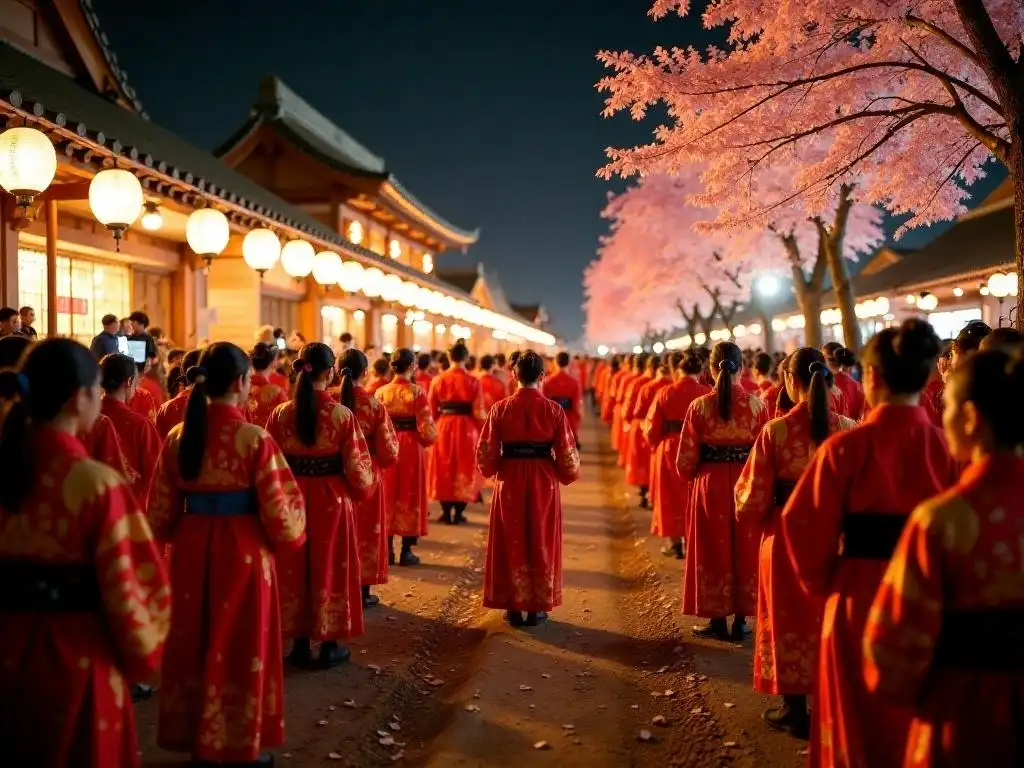
The Samurai festivals in Japan are as diverse as the regions they inhabit. Each area has developed its own unique traditions, reflecting local histories, legends, and cultural practices. From the Kanto region, with its bustling cities, to the serene landscapes of Tohoku, the regional variations of Samurai festivals offer a rich tapestry of celebrations that honor the warrior class's legacy.
These festivals not only serve as a reminder of the samurai's revered status in Japanese history but also highlight how local customs and historical narratives shape the way communities engage with their past. In exploring these festivals, one can see how deeply intertwined the samurai ethos is with the identity of different regions, making each celebration a unique experience that showcases the richness of Japan's feudal history.
Festivals in the Kanto Region: Unique Traditions and Practices
In the Kanto region, which includes the capital Tokyo, several Samurai festivals are celebrated with distinctive practices. One of the most notable is the Kanda Matsuri, held in odd-numbered years in May. This festival honors the Kanda Myojin Shrine and features a grand parade showcasing ornate floats, traditional music, and the vibrant attire of samurai descendants. The procession includes participants dressed as samurai, representing historical figures who protected the city during feudal times.
Another significant festival is the Sanja Matsuri, celebrated in Asakusa. This festival, though primarily a Shinto event, honors the spirits of the warriors who defended the city. The highlight is the carrying of portable shrines (mikoshi) through the streets, accompanied by energetic music and dance. These events reflect the Kanto region's unique blend of samurai traditions with local Shinto practices, creating a lively atmosphere filled with cultural significance.
Festivals in the Kansai Region: Celebrating Historical Events
The Kansai region, home to Kyoto and Osaka, is rich in historical significance and plays host to several Samurai festivals that commemorate crucial events from Japan's past. The Aoi Matsuri, held annually in Kyoto, dates back to the Heian period and features a procession of participants dressed in traditional Heian-era clothing, including samurai armor. This festival commemorates the imperial court's connection to the samurai and is steeped in historical importance.
Another prominent festival is the Gion Matsuri, which takes place in July. Although it primarily celebrates the local deities, it also honors the samurai who played vital roles in the defense of Kyoto. The festival features magnificent floats adorned with intricate designs and is accompanied by traditional music and dance, bringing the historical narratives of the samurai to life in a vibrant celebration.
Festivals in the Tohoku Region: Local Legends and Samurai Heritage
The Tohoku region is renowned for its rich folklore and connection to samurai history. Festivals such as the Sendai Tanabata Matsuri celebrate local legends, including those involving samurai figures. This festival, celebrated in August, features beautiful, colorful decorations and traditional performances that recount stories of legendary samurai and their exploits.
Another significant event is the Aomori Nebuta Matsuri, celebrated in August as well. This festival includes large, illuminated floats depicting samurai warriors and mythical figures. The energetic parade involves dancing and drumming, creating a lively atmosphere that connects contemporary participants with the region's samurai heritage. These festivals serve as a reminder of the local legends and the enduring influence of samurai culture in shaping the identity of Tohoku.
The Role of Samurai Festivals in Modern Japan
Samurai festivals play a crucial role in modern Japan, serving not only as a means to celebrate the past but also as a way to preserve and promote cultural heritage. These festivals foster a sense of community identity and pride, allowing both locals and visitors to engage deeply with Japan's samurai history.
In addition, the festivals contribute to cultural education, providing opportunities for younger generations to learn about their heritage through participation in traditional events. By incorporating historical narratives into contemporary celebrations, these festivals ensure that the legacy of the samurai endures.
Preservation of Samurai Traditions in Contemporary Celebrations
Many contemporary celebrations have adapted traditional samurai practices to ensure their relevance in today's society. For example, various festivals now include workshops and demonstrations that allow participants to engage with samurai arts, such as martial arts (kendo, iaido) and traditional crafts (armor making).
Moreover, the costumes worn during these festivals often reflect historical accuracy, allowing participants to connect with the samurai ethos. Events like reenactments of famous battles or the presence of samurai-themed floats help preserve these traditions, making them accessible to new generations and fostering appreciation for Japan’s rich cultural history.
Impact of Samurai Festivals on Japanese Culture Today
The impact of samurai festivals on contemporary Japanese culture is significant. These events serve as a reminder of the values associated with the samurai, such as honor, loyalty, and bravery. As communities come together to celebrate their samurai heritage, these festivals reinforce social bonds and cultural pride.
Further, they play a vital role in the revival of interest in traditional arts and crafts associated with the samurai, influencing various artistic expressions in modern media, from literature to film. The samurai's image continues to shape cultural narratives, making these festivals an essential part of Japan's identity.
Tourism and Economic Benefits of Samurai Festivals
Samurai festivals have become an essential draw for tourism in Japan, attracting visitors both domestically and internationally. These celebrations showcase the country’s rich historical heritage and provide visitors with immersive experiences that promote cultural understanding.
Economically, the influx of tourists during these events benefits local businesses, from hotels and restaurants to artisans selling traditional crafts. The festivals often include food stalls and marketplaces that highlight regional specialties, further stimulating the local economy. As such, samurai festivals serve as both cultural touchstones and economic engines, highlighting the importance of preserving these traditions for future generations.
Conclusion: The Enduring Legacy of Samurai Festivals and Traditions
The legacy of samurai festivals and traditions is not just a remnant of Japan's feudal past; it serves as a vibrant reminder of the values, culture, and history that shaped the nation. These festivals, rich in pageantry and ritual, encapsulate the spirit of the samurai—honor, loyalty, and courage.
They allow modern society to connect with historical narratives that have influenced Japanese identity and cultural expressions over centuries. As we delve into the significance of these festivals, we uncover a tapestry woven from the threads of history, art, and community, celebrating not only the warriors themselves but also the societal values they embodied.
The continuous observance of samurai festivals signifies a collective effort to preserve cultural heritage. Events such as the Aoi Matsuri and the Jidai Matsuri not only attract tourists but also instill a sense of pride among locals. These celebrations serve as a platform for storytelling, where the tales of heroic deeds and historical battles are shared, ensuring that the legacy of the samurai remains alive for future generations. The blend of traditional practices with contemporary elements creates a dynamic cultural landscape, allowing these festivals to adapt while retaining their core essence.
Reflection on the Importance of Celebrating Samurai Heritage
Celebrating samurai heritage through festivals is crucial for several reasons. Firstly, it fosters a deeper understanding of Japan's history and cultural evolution. Festivals provide an immersive experience that allows participants and spectators alike to appreciate the intricacies of samurai life, including their code of conduct and societal roles. This understanding promotes respect for the past and highlights the contributions of the samurai to Japan's national identity.
Secondly, these celebrations serve as a means of community bonding. Festivals often involve local participants who take part in traditional performances, reenactments, and rituals, creating a sense of belonging and shared identity. This communal effort strengthens ties among residents and helps cultivate a culture of remembrance, where stories and traditions are passed down through generations.
Moreover, samurai festivals encourage artistic expression, with performances, crafts, and culinary traditions that are often showcased alongside the historical narratives. This contributes to the preservation and evolution of traditional arts, ensuring that the skills associated with samurai culture, such as martial arts and calligraphy, continue to thrive in a modern context.
The Future of Samurai Festivals in a Modern Context
As Japan continues to modernize, the future of samurai festivals presents both challenges and opportunities. On one hand, the risk of cultural dilution is ever-present as globalization influences local customs and traditions. However, on the other hand, there is a growing interest in cultural heritage, especially among younger generations who seek to explore their roots and understand their history.
In a modern context, samurai festivals can evolve by incorporating contemporary themes while remaining true to their historical foundations. Utilizing technology, such as virtual reality experiences or interactive exhibits, can attract a broader audience and enhance the educational aspects of these celebrations. Additionally, collaborations with international cultural organizations can foster global interest and appreciation for samurai heritage, promoting cultural exchange.
Furthermore, environmental sustainability is becoming increasingly important in festival planning. By adopting eco-friendly practices and emphasizing local resources, samurai festivals can align with modern values of sustainability while celebrating their historical significance.
The future of samurai festivals lies in their ability to adapt and resonate with contemporary society. By honoring their rich heritage while embracing innovation, these festivals can continue to celebrate the indomitable spirit of the samurai and ensure their legacy endures for generations to come.
- Introduction to Samurai Festivals and Traditions
- Historical Background of Samurai Festivals
- Key Samurai Festivals and Their Significance
- Rituals and Customs Associated with Samurai Festivals
- Regional Variations of Samurai Festivals Across Japan
- The Role of Samurai Festivals in Modern Japan
- Conclusion: The Enduring Legacy of Samurai Festivals and Traditions
Frequently Asked Questions
What are Samurai festivals?
Samurai festivals are cultural celebrations that honor the traditions and feats of warriors in Japan. These events often include parades, performances, and rituals reflecting the samurai ethos.
How do Samurai festivals differ from other Japanese festivals?
Samurai festivals are distinct because they specifically focus on military history, valor, and warrior culture. They often incorporate historical reenactments and emphasize the pride and honor of the samurai class.
What activities typically take place during Samurai festivals?
Activities at Samurai festivals may include martial arts demonstrations, traditional music, dance performances, and processions featuring participants dressed as samurai, showcasing their armor and weapons.
Are there specific Samurai festivals that are particularly famous?
Yes, notable Samurai festivals include the Kanto Matsuri in Akita and the Oni Matsuri in Kumamoto. These festivals are renowned for their spectacular parades and historical reenactments that celebrate samurai heritage.
How do Samurai festivals contribute to Japanese culture today?
Samurai festivals play a crucial role in preserving cultural heritage and promoting national identity. They engage communities, educate the public about samurai history, and foster appreciation for traditional Japanese values.
Final Reflection: Celebrating the Legacy of Samurai Festivals
The vibrant traditions of samurai festivals are not just remnants of the past; they are living celebrations that continue to resonate in today's society. As we explore the intricate rituals and events that honor the valor and artistry of these legendary warriors, we uncover a profound connection to cultural identity and historical pride. The essence of these festivals serves as a reminder of the values of honor, loyalty, and community that the samurai embodied, making their relevance timeless in our modern world.
Celebrating samurai festivals allows us to engage with our heritage and reflect on the values that shaped our societies. These events are not merely historical reenactments; they are dynamic expressions of cultural continuity that inspire a sense of belonging and collective memory. As one observer noted, Tradition is not the worship of ashes, but the preservation of fire.
This sentiment encapsulates the spirit of samurai festivals, as they ignite a passion for history and foster a deeper understanding of our roots, bridging the gap between the past and the present.
As you reflect on the rich tapestry of samurai festivals and their enduring significance, consider how these traditions can inspire your own life. Embrace the lessons of courage, resilience, and community that these celebrations embody.
Whether through participating in local cultural events or exploring your own heritage, let the spirit of the samurai guide you in honoring your own journey and the stories that shape who you are. The legacy of the samurai is not just a tale of warriors; it is an invitation for all of us to celebrate our own feats and the vibrant traditions that connect us to our past.
Celebrate the Spirit of the Samurai Today!
Thank you for exploring the rich traditions of Samurai festivals with us! Your passion for history and cultural celebration shines through in your interest. Now, it’s time to harness that enthusiasm and take action to honor the legacy of these remarkable warriors.
Here are a few ways you can connect to this exciting theme:
- Participate in a local cultural festival or event that celebrates Japanese history. Look for workshops, exhibitions, or reenactments in your area!
- Share your newfound knowledge with friends and family by discussing the significance of Samurai festivals or even organizing a themed gathering at your home.
- Explore unique aspects of Samurai culture further by diving into literature, documentaries, or online courses that focus on the history of feudal Japan.
What aspect of Samurai culture inspires you the most, and how will you take steps to honor that legacy? Your insights could spark an engaging conversation!