
Tea Ceremony as a Form of Protest: Political Underpinnings in Ritual

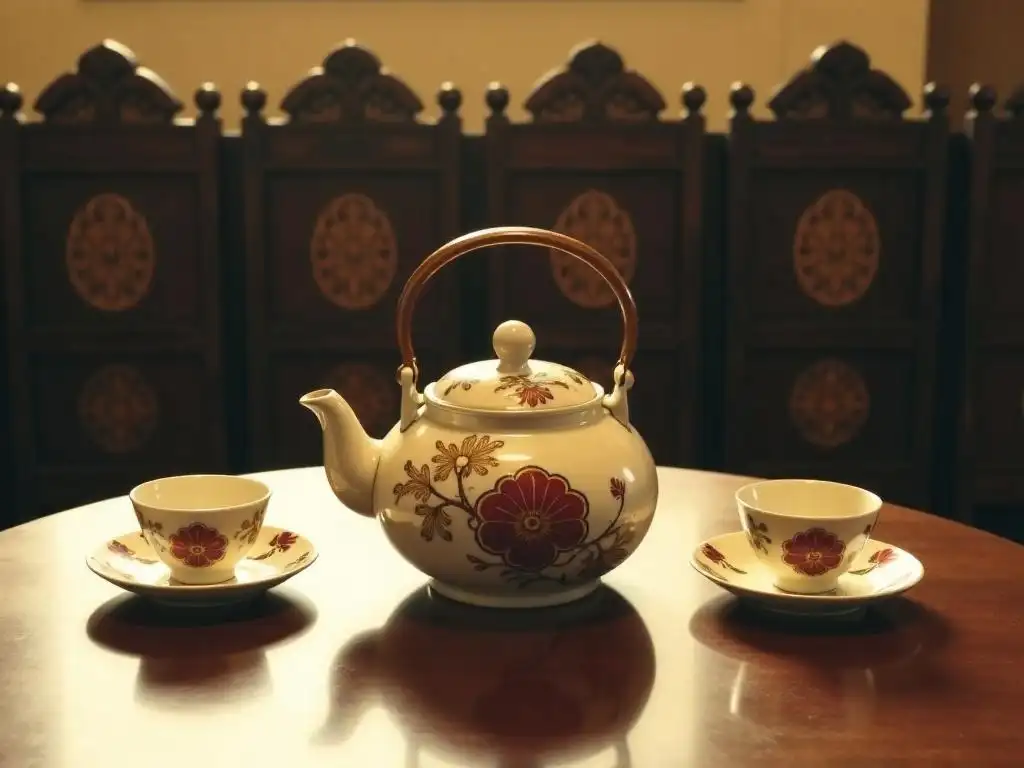
Welcome to Feudal Japan History, where we invite you to embark on a captivating journey through the intricate tapestry of Japan's feudal era. Today, we delve into the rich and nuanced history of the Japanese tea ceremony, an art form that transcended mere tradition to become a powerful tool of political expression.
Discover how this serene ritual served as a subtle form of protest, reflecting deeper societal tensions and cultural shifts. Prepare to uncover the layers of meaning woven into each cup of tea, and let your curiosity guide you through our expert-driven insights into this fascinating aspect of cultural history.
- Introduction to Japanese Tea Ceremony History
- Historical Context of Tea Ceremonies
- Political Underpinnings of the Japanese Tea Ceremony
- The Ritual of Tea as a Form of Protest
- The Impact of Social Hierarchies on Tea Ceremonies
- Modern Interpretations of Tea Ceremonies in Protest
- Conclusion
-
Frequently Asked Questions
- What is the significance of the Japanese tea ceremony history in relation to feudal Japan?
- How did the tea ceremony serve as a form of protest during feudal Japan?
- What are the key elements of the tea ceremony that convey its political significance?
- How did the philosophies behind the tea ceremony influence social interactions during feudal Japan?
- What role did artisanship play in the evolution of the tea ceremony within feudal society?
- Final Reflection: The Tea Ceremony as a Symbol of Resistance
- Embrace the Power of Ritual: Take Action Today!
Introduction to Japanese Tea Ceremony History
The Japanese tea ceremony, known as chanoyu or sado, is a highly ritualized practice that transcends mere beverage consumption, embodying a rich tapestry of history, culture, and philosophical thought. Emerging during the feudal era, this intricate ritual has evolved over centuries, reflecting the socio-political dynamics of its time.
As we delve into the Japanese tea ceremony history, we uncover not only its aesthetic and spiritual dimensions but also its role as a subtle form of protest against the prevailing political structures. This exploration sheds light on how the tea ceremony has served as both a cultural cornerstone and a means of expressing dissent, making it an essential topic within the broader narrative of Japan’s feudal past.
Overview of the Japanese Tea Ceremony
The tea ceremony is characterized by its meticulous preparation and presentation of matcha, or powdered green tea, in a tranquil setting that emphasizes simplicity and harmony. Rooted in Zen Buddhism, the practice fosters mindfulness and a deep appreciation for nature, encapsulated in the concept of wabi-sabi—the beauty of imperfection and transience.
Key elements of the tea ceremony include:
- Utensils: Specially crafted tools such as the tea bowl (chawan), tea whisk (chasen), and tea scoop (chashaku) play crucial roles.
- Setting: The ceremony often takes place in a tea room (chashitsu) designed for tranquility, surrounded by nature.
- Rituals: Each movement is choreographed with precision, symbolizing respect for the tea, the guest, and the moment.
The ceremony's evolution can be traced back to the 12th century when tea was introduced to Japan from China, but it reached its zenith during the 15th and 16th centuries, influenced by tea masters like Sen no Rikyū. His teachings emphasized the spiritual aspects of the ceremony, laying a foundation that intertwines aesthetics with philosophy.
Significance in Japanese Culture and Society
The significance of the Japanese tea ceremony extends beyond its ritualistic elements; it embodies the values and social hierarchies of feudal Japan. During a time when samurai culture dominated, the tea ceremony served as a means of fostering connections among the elite and reinforcing their status.
However, it also functioned as a subtle form of protest against the rigid class structures of the time. The act of sharing tea became a space for dialogue and a reflection of egalitarian ideals, where even the lowest class could participate in the ritual, albeit in a limited capacity.
Key aspects of its cultural significance include:
- Social Cohesion: The ceremony promotes unity and understanding among participants, transcending social barriers.
- Political Commentary: The careful execution of rituals subtly critiques the prevailing norms and power dynamics, allowing individuals to voice dissent in a culturally acceptable manner.
- Cultural Identity: As a quintessential Japanese practice, the tea ceremony reinforces national identity, showcasing the aesthetics and philosophies unique to Japan.
The Japanese tea ceremony is not merely a reflection of cultural practices; it is a profound expression of political sentiment and societal values, making its history a vital area of study in understanding Japan's feudal era.
Historical Context of Tea Ceremonies

The Japanese tea ceremony, known as "chanoyu" or "sado," is a ritualized form of serving and drinking tea that embodies a rich tapestry of historical, cultural, and political significance. To fully appreciate its depth, it is essential to explore its origins, evolution, and the key figures who shaped its trajectory during the feudal era of Japan.
Origins of the Japanese Tea Ceremony
The roots of the Japanese tea ceremony can be traced back to the Tang dynasty in China (618–907 AD), where tea drinking was first introduced to Japan through Buddhist monks. The early consumption of tea was primarily for medicinal purposes and spiritual practices. In the late 12th century, during the Kamakura period, the practice of powdered tea, or "matcha," gained popularity, especially among the samurai class.
- Key Contributions:
- Buddhism: Monks played a critical role in the introduction and promotion of tea as a means of enhancing meditation and mindfulness.
- Cultural Exchange: Trade routes facilitated the exchange of tea culture between China and Japan, laying the groundwork for the unique Japanese adaptations that would follow.
By the 15th century, the practice of drinking tea had evolved into a more structured ritual, influenced significantly by the aesthetics of the wabi-sabi philosophy, which embraces imperfection and transience. This philosophical underpinning would become central to the tea ceremony's spiritual essence.
Evolution of Tea Practices in Feudal Japan
As Japan transitioned through various feudal periods, the tea ceremony underwent significant transformations that mirrored the changing political landscape. During the Muromachi period (1336–1573), the tea ceremony became a symbol of social status among the samurai elite.
- Notable Developments:
- Tea Houses: The establishment of tea houses, or "chashitsu," became commonplace, providing dedicated spaces for the ritual.
- The Role of Zen Buddhism: Zen monks refined tea practices, emphasizing simplicity and mindfulness, which became hallmarks of the ceremony.
The Azuchi-Momoyama period (1573–1603) marked a pivotal moment when the tea ceremony began to be used as a tool for political expression. Oda Nobunaga and Toyotomi Hideyoshi, prominent figures of this era, used tea gatherings to display their power and cultivate alliances. The tea ceremony became a means of fostering political connections, with subtle nuances in the rituals reflecting the status and relationships of participants.
Key Historical Figures Influencing Tea Ceremony
Several influential figures have shaped the evolution of the Japanese tea ceremony, each contributing unique philosophies and practices.
- Sen no Rikyū (1522–1591): Perhaps the most iconic figure in tea history, Rikyū formalized the tea ceremony into an art form. His principles of simplicity, humility, and respect became foundational to the ritual, and he emphasized the importance of the host's role in creating a harmonious atmosphere.
- Kōdō (香道): Often translated as "the way of fragrance," Kōdō emerged as a parallel aesthetic tradition that further influenced the sensory experience of tea ceremonies, integrating incense and aroma into the rituals.
- Miyamoto Musashi (1584–1645): While primarily known as a swordsman, Musashi's writings on strategy and philosophy also touched upon the significance of tea as a moment of reflection and focus, showcasing how the tea ceremony intersected with martial and philosophical disciplines.
The historical context of the Japanese tea ceremony reveals a complex interplay of culture, politics, and art that transcended mere tea drinking. As a form of protest and a means of political expression, the tea ceremony's evolution reflects the broader societal changes of feudal Japan, making it a rich subject of study for those interested in the depths of Japanese cultural history.
Political Underpinnings of the Japanese Tea Ceremony
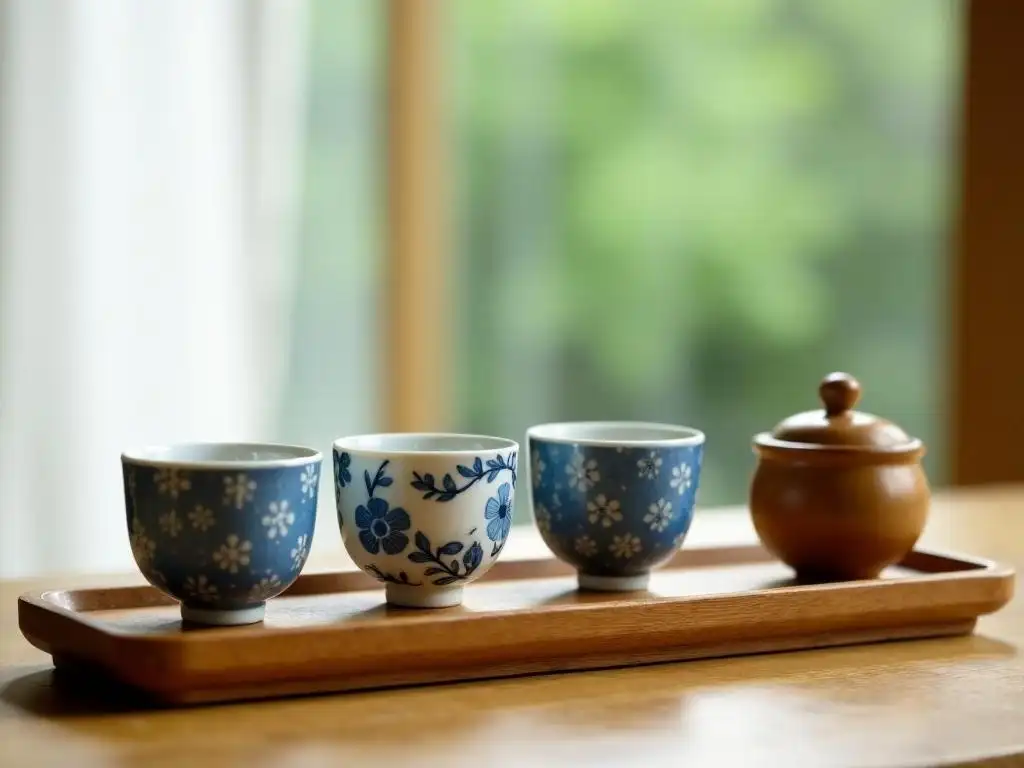
The Japanese tea ceremony, or chanoyu, transcends mere aesthetics and tradition, serving as a powerful medium through which political sentiments can be expressed. While often perceived as a tranquil and meditative practice, its intricacies reveal a layered narrative steeped in political symbolism and protest throughout history. This section will dissect the political dimensions of the Japanese tea ceremony, illustrating how it has been employed as a tool for resistance and commentary against prevailing social structures.
Symbolism of Tea in Political Protest
At its core, the tea ceremony embodies a rich tapestry of symbolism that extends beyond the act of preparing and consuming tea. The tea leaf, in its simplicity, represents purity and tranquility; however, it also serves as a vehicle for deeper political discourse.
- Ritual and Resistance: The meticulous preparation of tea can be seen as a form of resistance against the chaos of the outside world. Participants often engage in mindful practices that encourage reflection on personal and societal issues.
- Gathering Spaces: Tea houses have historically functioned as informal gathering places where individuals could discuss political ideas and dissent. This informal setting allowed for the exchange of ideas outside the scrutiny of formal political institutions.
- Symbol of Unity: Sharing tea can symbolize unity among disparate groups, fostering a sense of solidarity in the face of oppression. The act of serving tea to others can be seen as an invitation to dialogue, promoting cooperative resistance.
In this context, the tea ceremony emerges as a subtle yet profound act of protest, allowing individuals to challenge authority and societal norms through the lens of a cherished cultural tradition.
Historical Examples of Tea Ceremonies as Protest
Throughout Japanese history, there have been notable instances where the tea ceremony has served as a platform for political protest. These examples highlight the intersection of culture and political expression:
- The Edo Period and the Rise of the Merchant Class:
- During the Edo period (1603-1868), the merchant class began to gain prominence, challenging the samurai-dominated social hierarchy. Tea ceremonies became a way for merchants to assert their status and express dissatisfaction with the rigid class system.
- Example: The tea gatherings led by Sen no Rikyū, a prominent tea master, emphasized simplicity and humility, which resonated with merchants seeking to elevate their cultural status.
- The Meiji Restoration and Modernization:
- The Meiji Restoration (1868) marked a significant turning point in Japan's history, as the nation transitioned from feudalism to a more modern state. Traditional practices, including the tea ceremony, became infused with nationalistic sentiments.
- Example: Tea ceremonies were used in political gatherings to promote unity and loyalty to the emperor, subtly resisting foreign influences while reinforcing Japanese identity.
- Post-War Japan and the Rejection of Militarism:
- In the aftermath of World War II, the tea ceremony regained prominence as a means of cultural expression that rejected militarism and embraced peace.
- Example: Tea masters organized ceremonies that emphasized themes of healing and reconciliation, allowing participants to reflect on the war's devastation and advocate for a peaceful future.
Through these examples, it becomes evident that the Japanese tea ceremony has not only shaped cultural practices but has also served as a lens through which political sentiments have been expressed and shaped over time.
The Influence of Zen Buddhism on Political Expression
Zen Buddhism has profoundly influenced the aesthetics and philosophy of the Japanese tea ceremony. Its principles of mindfulness, simplicity, and the pursuit of enlightenment resonate deeply within the ritual, intertwining with political expression in several ways:
- Mindfulness as Resistance: The meditative aspects of Zen practice encourage participants to confront their thoughts and feelings, which can lead to a critical examination of societal norms and injustices. This reflective practice can foster a mindset conducive to political activism.
- Simplicity and Truth: Zen emphasizes simplicity, which can serve as a critique of the complex social hierarchies that often govern political landscapes. The stripped-down nature of the tea ceremony stands in stark contrast to the ostentation of power, positioning the ceremony as a form of protest against excess and corruption.
- Cultural Preservation: During periods of political upheaval, Zen monks often utilized the tea ceremony as a way to preserve cultural identity and resist external influences. This preservation mirrored the broader societal desire to maintain traditional values in the face of modernization and globalization.
The Japanese tea ceremony is a multifaceted practice rich in political underpinnings, where the act of brewing and sharing tea transcends its surface simplicity to reveal layers of resistance and critique. Through its historical evolution, the tea ceremony has served as a poignant vehicle for political expression, shaped profoundly by the influence of Zen Buddhism and the socio-political landscape of Japan.
The Ritual of Tea as a Form of Protest
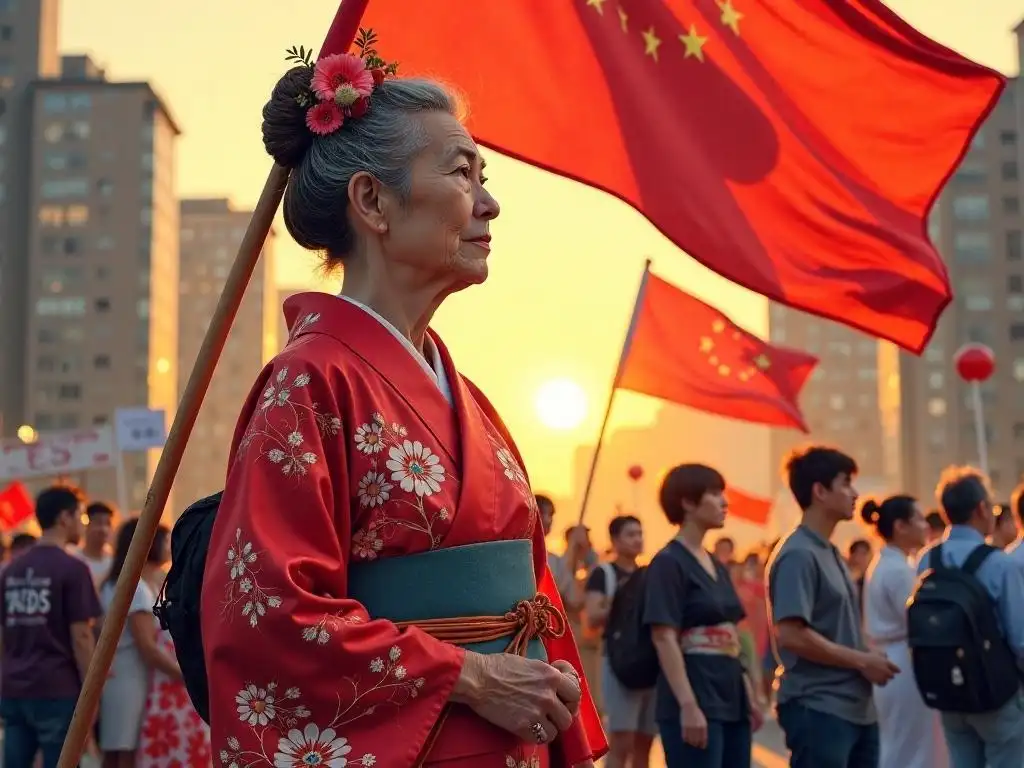
The Japanese tea ceremony, or chanoyu, transcends mere social interaction; it has historically served as a canvas for political expression and protest. This ritual, steeped in tradition and meticulous practice, can convey subtle yet powerful messages against prevailing social norms or political regimes. By examining the nuanced layers of the tea ceremony, we can uncover how this seemingly serene practice has functioned as a medium for dissent.
The tea ceremony is not just about the preparation and consumption of tea; it embodies a philosophy of simplicity, harmony, and respect. These principles can be weaponized in moments of political upheaval, allowing participants to subtly challenge authority while adhering to the formality of the ritual. The careful selection of utensils, the choice of tea, and the overall environment can all contribute to a larger narrative of resistance.
Elements of the Japanese Tea Ceremony as Political Statements
The Japanese tea ceremony comprises various elements that can serve as political statements. Each component, from the tea itself to the surroundings, can carry profound meanings that challenge the status quo.
- Utensils and Their Symbolism
- Chawan (Tea Bowl): The tea bowl is often handcrafted and unique, symbolizing individuality and resistance against mass production and conformism. A cracked or imperfect bowl can signify humility and the acceptance of flaws, echoing the sentiments of those marginalized by society.
- Chasen (Bamboo Whisk): The whisk, essential for preparing matcha, can symbolize the blending of disparate ideas or cultures, highlighting the importance of unity in diversity, especially during tumultuous times.
- Choice of Tea
- Matcha vs. Sencha: The choice between matcha and sencha can represent different social classes. Matcha, often associated with the elite, can be used by those in power to reinforce their status, while sencha, more accessible, can signify the voice of the common people.
- Setting and Environment
- Tea Room Design: The design of the tea room can reflect social hierarchies. A more austere setting might indicate a rejection of luxury and excess, aligning with anti-establishment sentiments. Conversely, an opulent room may serve as a critique of extravagance in political leadership.
The Role of Aesthetics in Political Messaging
Aesthetics play a significant role in how the tea ceremony conveys political messages. The careful attention to beauty and detail in every aspect of the ceremony can serve to elevate the act of protest into an art form.
- Wabi-Sabi Philosophy: This aesthetic principle of appreciating imperfection and transience can resonate deeply within a political context. By embracing the imperfect, participants in the tea ceremony can express dissatisfaction with societal norms and the pursuit of unattainable perfection in governance.
- Color Symbolism: The colors present in the tea utensils and the setting can evoke specific emotions and associations. For instance, muted colors may suggest a somber critique of current events, while brighter shades could inspire hope for change.
- Ritualistic Movements: The choreography of the tea ceremony is deliberate and fluid. Each movement can symbolize a broader social commentary. For example, a hesitant or slow gesture may reflect the uncertainty of the times, while a confident motion could be interpreted as a bold statement of defiance.
Case Studies of Notable Tea Ceremonies in History
Throughout history, several tea ceremonies have stood out as notable instances of political protest, reflecting the complex interplay between culture and dissent.
-
The Tea Ceremony of the 1960s Anti-Establishment Movement
During the 1960s, Japan experienced significant political unrest, particularly against U.S. military presence in the country. Tea ceremonies held during protests became a means to express solidarity among demonstrators, merging traditional practices with contemporary political issues.
-
The Feminist Tea Gatherings
In the late 20th century, feminist groups began to use tea ceremonies as a platform to discuss gender equality. By transforming the traditionally male-dominated space into one of inclusivity and empowerment, these gatherings became a form of protest against patriarchal structures.
-
The Rebellion Against Consumerism
In recent years, some tea practitioners have embraced the tea ceremony to critique consumer culture. By focusing on the simplicity of the ritual and the ethical sourcing of tea, these ceremonies serve as protests against the fast-paced, materialistic nature of modern society.
The Japanese tea ceremony is far more than a cultural ritual; it is a powerful vehicle for political expression and protest. By analyzing its elements, aesthetics, and historical instances, we gain insights into how this art form has facilitated dialogue and dissent throughout Japan's rich history.
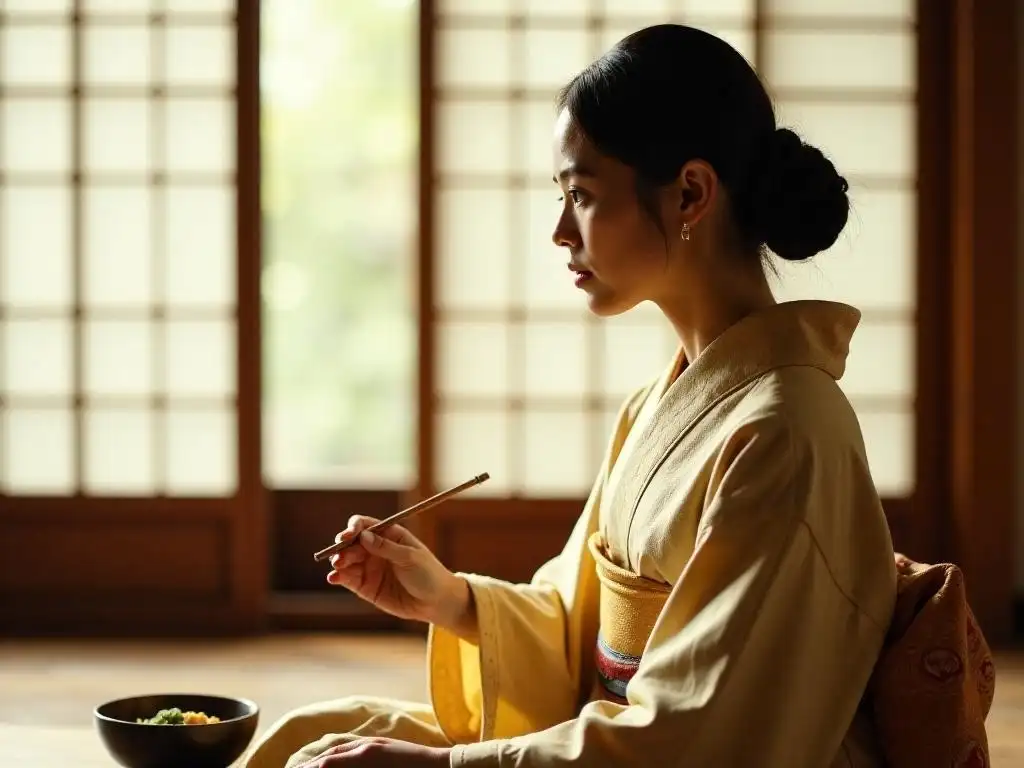
The Japanese tea ceremony, or chanoyu, is not merely a practice of preparing and consuming tea; it is a profound cultural ritual steeped in history, spirituality, and social dynamics. The significance of social hierarchies during Japan's feudal era played a crucial role in shaping the tea ceremony, influencing who participated, how it was conducted, and the meanings imbued within the ritual. Understanding these social structures provides a unique lens through which to explore the political underpinnings of the tea ceremony.
Class Distinctions and Tea Ceremony Participation
Participation in the tea ceremony during the feudal period was largely dictated by social class. The ceremony was not accessible to all; instead, it was a privilege reserved for the elite, particularly the samurai and wealthy merchant classes. This exclusivity was rooted in the belief that refined taste and knowledge of the tea ceremony were indicators of social status and cultural sophistication.
- Elite Participation: The ruling classes, especially the samurai, were expected to partake in tea ceremonies to demonstrate their adherence to cultural aesthetics and social etiquette. These gatherings were venues for the display of wealth and power.
- Commoners' Exclusion: Commoners and lower classes were generally excluded from participating in formal tea ceremonies. However, simpler versions of tea drinking did exist among the common people, indicating a dichotomy between elevated cultural practices and everyday life.
This stratification reinforced the existing social hierarchies and, in many ways, was a reflection of the political landscape, where power dynamics were deeply entrenched in class distinctions.
Social stratification deeply influenced the political implications of the tea ceremony. The ritual became a means of expressing loyalty, allegiance, and even dissent within the feudal system. The following aspects demonstrate how these social distinctions shaped the political meanings associated with the tea ceremony:
- Symbol of Loyalty: For samurai, participating in tea ceremonies often symbolized loyalty to their lords. The act of serving tea was a way to reinforce bonds of fealty and demonstrate allegiance to the ruling class.
- Cultural Diplomacy: Tea ceremonies served as a platform for political negotiation and diplomacy among the elite. Through these gatherings, alliances could be formed, and political discussions could occur under the guise of cultural practice.
- Subversive Acts: In some instances, the tea ceremony was used as a subtle form of protest against oppressive rule. The act of choosing to serve specific teas or employing particular ceremonial styles could convey political messages or dissent against the prevailing authority.
This interplay between social stratification and political implications highlights how the tea ceremony transcended its role as a mere cultural ritual, becoming a critical tool for negotiating power and influence within the feudal system.
The Role of the Samurai and Warrior Class in Tea Rituals
The samurai class played a pivotal role in the development and evolution of the tea ceremony, intertwining martial culture with artistic expression. Their influence can be categorized into several key areas:
- Cultural Custodianship: Samurai were not only warriors but also patrons of the arts. They embraced the tea ceremony as a refined cultural practice that complemented their martial ethos, integrating aesthetics into their disciplined lives.
- Ritualized Warfare: The structured nature of the tea ceremony mirrored the samurai's disciplined lifestyle, where every action had significance. This connection between ritual and warfare created a framework for samurai to reflect on their values, ethics, and societal roles.
- Political Power Dynamics: The samurai's involvement in tea ceremonies often positioned them as intermediaries between the ruling class and the broader society. Their role allowed them to negotiate power dynamics and assert influence, thereby affecting the political landscape.
The samurai's integral role in shaping the tea ceremony reflects a complex interaction between cultural practices and political authority. The interplay of social hierarchies, class distinctions, and the warrior ethos contributed significantly to the historical narrative of the Japanese tea ceremony, making it a rich subject for study in the context of Japan’s feudal past.
Modern Interpretations of Tea Ceremonies in Protest
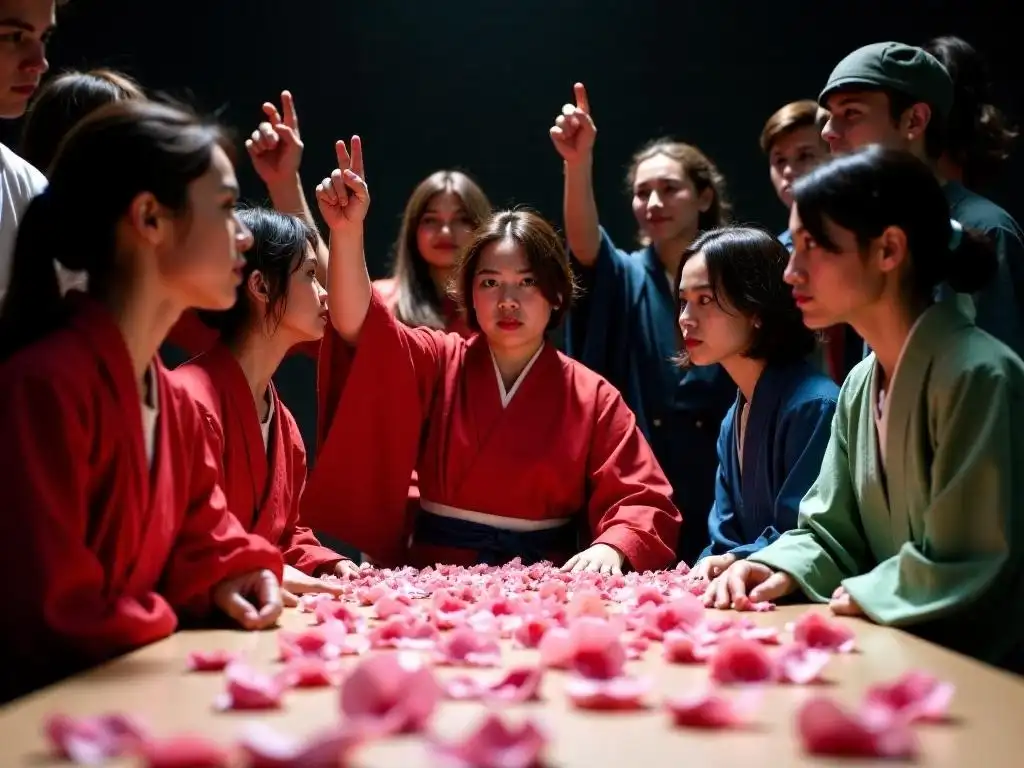
The Japanese tea ceremony, with its rich history and cultural significance, has evolved beyond its traditional roots to become a platform for political expression and activism. In contemporary society, the ritualistic aspects of the tea ceremony are being reinterpreted to address social issues, advocate for human rights, and foster community solidarity.
Contemporary Examples of Tea Ceremonies as Political Activism
In recent years, tea ceremonies have emerged as a form of protest in various contexts. For instance, during the 2011 Fukushima nuclear disaster, activists organized tea gatherings to discuss the implications of nuclear energy and the government's response to the crisis. These events served not only as a means of community bonding but also as a space for critical dialogue, highlighting the intersection of environmental issues and public safety.
Another notable example can be found in the Black Lives Matter movement, where Japanese tea ceremonies have been integrated into protests. Participants utilize the meditative aspects of the ceremony to promote mindfulness and unity among activists. This blending of traditional practices with contemporary issues illustrates the adaptability of the tea ceremony as a medium for protest.
- Key Characteristics of Modern Tea Protest Ceremonies:
- Inclusivity: Welcoming individuals from diverse backgrounds to participate.
- Dialogue Facilitation: Creating a space for open discussions about pressing issues.
- Cultural Preservation: Upholding the traditions of the tea ceremony while adapting its purpose.
The Global Influence of Japanese Tea Ceremony on Political Movements
The Japanese tea ceremony's influence extends far beyond Japan, impacting political movements worldwide. Its principles of harmony, respect, purity, and tranquility resonate with various activist groups seeking peaceful means of protest.
Across the globe, activists have adopted the tea ceremony to foster a sense of community and collective action. For example, in Hong Kong, pro-democracy activists have organized tea ceremonies to maintain cultural identity amidst political turmoil. These gatherings provide a calming counter-narrative to the chaos of protests, reinforcing the idea that change can be pursued through peaceful means.
| Country | Movement | Significance |
|---|---|---|
| Japan | Anti-Nuclear Protests | Fostering community discussions on safety and energy policy |
| Hong Kong | Pro-Democracy Movement | Preserving cultural practices in the face of repression |
| United States | Black Lives Matter | Promoting mindfulness and solidarity in activism |
Reflections on Historical Context in Modern Practices
To fully appreciate the role of tea ceremonies in modern protests, it is vital to reflect on their historical context. Originating during the 12th century, the tea ceremony has always been more than just a social ritual; it has served as a means of cultivating relationships and expressing cultural values.
Historically, the tea ceremony was closely tied to the samurai class, who used it as a tool for diplomacy and conflict resolution. This lineage of using tea as a medium for dialogue has been revitalized in contemporary practices. Today's activists build upon this legacy, utilizing the ceremony as a peaceful platform for raising awareness and advocating for societal change.
- Historical Foundations:
- Samurai Diplomacy: Tea as a tool for negotiation and alliance-building.
- Zen Influence: Emphasizing mindfulness and tranquility in turbulent times.
- Cultural Significance: Maintaining traditions while fostering social progress.
The modern interpretations of tea ceremonies as forms of protest highlight their versatility and enduring relevance. By bridging historical context with contemporary issues, these rituals continue to serve as vital instruments for social change and political expression in Japan and around the world.
Conclusion
Summary of Key Points on Japanese Tea Ceremony History
The Japanese tea ceremony, known as chanoyu, transcends mere beverage preparation; it is a profound ritual that has evolved significantly throughout Japan's feudal era. This section encapsulates the pivotal elements of its history:
- Origins: The tea ceremony traces its roots to the introduction of tea from China during the Tang dynasty. By the 12th century, it became embedded in Japanese culture, particularly among Zen Buddhists who valued its meditative qualities.
- Ritualization: The ceremony took on a structured form in the 15th century, influenced by prominent figures like Sen no Rikyū, who emphasized simplicity, naturalness, and the spiritual connection between host and guests.
- Social Hierarchies: The practice became a reflection of social status and power dynamics within feudal Japan. The ability to host a chanoyu was often a privilege of the samurai class, reinforcing their elite status.
- Political Protest: In times of political unrest, the tea ceremony morphed into an avenue for subtle protest against oppressive regimes. It provided a space for dissenters to gather and express their views while adhering to the ceremonial decorum that masked their true intentions.
- Cultural Significance: Beyond its political implications, the ceremony has been a medium for artistic expression, influencing the aesthetics of pottery, architecture, and flower arrangement, thus embedding itself deeply in Japanese cultural identity.
The Lasting Legacy of Tea as a Political Tool in Japan
The legacy of the Japanese tea ceremony as a political tool resonates through history, shaping both cultural practices and political dialogues in Japan. Its multifaceted nature can be distilled into several key aspects:
- Symbol of Resistance: The tea ceremony became a quiet yet powerful form of resistance during the Edo period, particularly among those marginalized by the ruling elite. By hosting chanoyu, participants could subtly critique the status quo while fostering community ties.
- Cultural Diplomacy: The practice also served as a diplomatic tool, where hosting a tea ceremony could symbolize goodwill and respect in inter-clan relations. This cultural exchange often masked deeper negotiations and political machinations.
- Ritual and Reflection: The meditative aspects of the tea ceremony encourage introspection, allowing participants to contemplate societal issues while engaged in the ritual. This reflective quality has made it an enduring practice for social movements and activism.
- Modern Relevance: Today, the tea ceremony continues to inspire political discourse in contemporary Japan. Activists utilize its framework to challenge modern societal issues, linking past struggles with current movements for change.
- Cultural Heritage: Recognized globally, the Japanese tea ceremony encapsulates a unique blend of art, philosophy, and politics. Its enduring nature highlights the intricate relationship between cultural practices and societal frameworks, ensuring that its lessons continue to inform future generations.
The Japanese tea ceremony history is not merely a record of a cultural practice but a testament to the resilience and adaptability of a society that uses tradition as a means of political expression. As we reflect on its historical significance, we recognize the importance of preserving such rituals that allow for dialogue, reflection, and resistance.
Frequently Asked Questions
What is the significance of the Japanese tea ceremony history in relation to feudal Japan?
The Japanese tea ceremony reflects the cultural and social values of feudal Japan, symbolizing harmony, respect, purity, and tranquility that were essential in the hierarchical society of the time.
How did the tea ceremony serve as a form of protest during feudal Japan?
The tea ceremony became a subtle means of protest against political oppression, allowing participants to express discontent through the ritual's structure and symbolism, challenging the existing social order.
What are the key elements of the tea ceremony that convey its political significance?
Key elements include the utensils used, the preparation process, and the environment, all of which can be interpreted as reflections of individual autonomy and resistance to authority.
The philosophies of Zen Buddhism and wabi-sabi promoted ideals of simplicity and mindfulness, fostering a sense of community and shared values that could quietly oppose feudal hierarchies.
What role did artisanship play in the evolution of the tea ceremony within feudal society?
Artisanship was vital in developing the aesthetic and functional aspects of tea ceremony utensils, which not only showcased craftsmanship but also allowed for expressions of individual identity within a collective tradition.
Final Reflection: The Tea Ceremony as a Symbol of Resistance
The Japanese tea ceremony, steeped in history and tradition, serves as a profound reminder of how ritual can transcend mere aesthetics to become a powerful form of protest. In today's world, where political tensions often overshadow cultural practices, the tea ceremony stands as a testament to resilience and the enduring spirit of communities that use their heritage as a form of resistance. The intricate movements and mindful preparation of tea are not just about creating a beverage; they encapsulate a rich narrative of defiance against oppression and a celebration of identity.
The influence of the tea ceremony extends far beyond its historical roots, shaping contemporary dialogues around cultural preservation and social justice. As we witness movements around the globe that seek to reclaim cultural practices in the face of adversity, the tea ceremony emerges as a poignant example of how traditions can be repurposed to assert identity and challenge the status quo. In times of crisis, art and culture become the lifelines that connect us to our history and to each other.
This quote resonates deeply as we reflect on how the tea ceremony has inspired individuals and communities to find strength in their heritage while advocating for change.
As you ponder the themes explored in this article, I invite you to consider how you might incorporate the lessons of the tea ceremony into your own life. Reflect on the rituals that hold meaning for you and how they can serve as a platform for expressing your values and beliefs.
Whether through art, conversation, or community engagement, let the essence of the tea ceremony inspire you to embrace your cultural practices as a form of protest and empowerment. In doing so, you not only honor your history but also contribute to a future where tradition and resistance coalesce into a powerful force for change.
Embrace the Power of Ritual: Take Action Today!
Thank you for diving into the remarkable world of the tea ceremony and its profound political significance! Your interest in this unique blend of tradition and protest opens doors to a deeper understanding and appreciation of Japan’s rich heritage.
Now, it’s time to transform your insights into meaningful action. Here are some practical steps you can take:
- Join a local tea ceremony class: Experience firsthand the art and philosophy behind this beautiful ritual, which will enhance your appreciation of its historical context.
- Share your newfound knowledge: Discuss the tea ceremony’s role in protest with friends and on social media—ignite conversations that inspire awareness around political dissent embedded in traditional practices.
- Explore related cultural traditions: Discover how various cultures utilize rituals to express resistance and solidarity, broadening your perspective on the significance of ritual in social movements.
What impact do you believe understanding these rituals can have on today’s political landscape? Share your thoughts in the comments below!