
An InDepth Look at the Iconic Kabuki Theatre Architecture

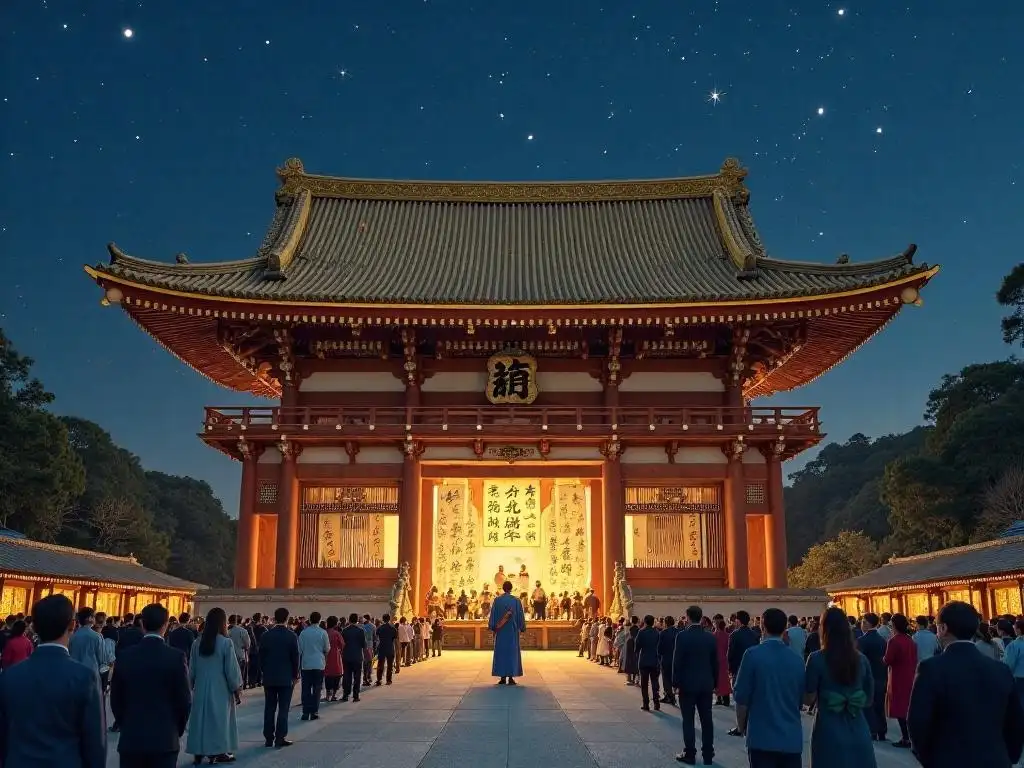
Welcome to Feudal Japan History, where we invite you to journey through the captivating tapestry of Japan’s feudal era. In our latest article, “An In-Depth Look at the Iconic Kabuki Theatre Architecture,” we delve into the intricate designs and unique features that make Kabuki theatre a cornerstone of Japanese cultural history. What secrets lie behind the wooden facades and vibrant stages? Join us as we uncover the artistry and significance of this theatrical marvel, and let your curiosity guide you through the rich heritage of feudal Japan. Explore, discover, and be inspired!
Introduction to Japanese Kabuki Theatre Architecture
Kabuki theatre, a vibrant and dynamic form of traditional Japanese performance art, is not only renowned for its elaborate storytelling and skilled actors but also for its distinctive architecture. The Japanese Kabuki theatre architecture serves as a significant aspect of this cultural phenomenon, reflecting the historical, social, and artistic currents of its time.
This article delves into the intricate designs, structural elements, and the evolution of Kabuki theatre buildings, showcasing how architecture plays a pivotal role in enhancing the theatrical experience. By examining the unique characteristics and historical context of Kabuki theatres, we gain deeper insight into their importance in Japan's rich cultural heritage.
Overview of Kabuki Theatre in Japan
Kabuki originated in the early 17th century and has captivated audiences with its striking performances, characterized by stylized movements, elaborate costumes, and the use of makeup known as kumadori. It developed from a variety of influences, including folk traditions and other forms of Japanese theatre, such as Noh and Bunraku. Kabuki was initially performed by women but later transformed into an art form predominantly featuring male actors.
The architecture of Kabuki theatres is designed to accommodate the unique demands of this performance style. The stage layout, for example, incorporates various elements, such as the hanamichi (a runway extending into the audience), which allows actors to engage directly with spectators, creating an immersive experience that has become synonymous with Kabuki performances.
Importance of Architecture in Kabuki Performances
The architecture of Kabuki theatres is not merely functional; it is an integral part of the theatrical experience. The design elements enhance both the visual and auditory aspects of performances. Key architectural features, such as:
- Stage configurations: Different levels and moving parts that allow for dynamic scene changes.
- Traditional materials: Use of wood, paper, and textiles that create an authentic aesthetic.
- Audience layout: The arrangement of seating that fosters an intimate connection between performers and viewers.
These elements contribute to the overall atmosphere of the performance, elevating the art of storytelling through a harmonious blend of architecture and drama.
Historical Context of Kabuki Theatre Architecture
Understanding the architectural evolution of Kabuki theatres requires a look back at their origins and the societal influences that shaped them.
Origins of Kabuki Theatre Architecture
The roots of Kabuki theatre architecture can be traced to the early performances held in makeshift venues, which evolved into more permanent structures as the popularity of Kabuki grew. The first Kabuki theatre was established in 1624 in Kyoto, and it featured basic wooden structures that allowed for simple staging. Over the years, these theatres began to incorporate more sophisticated architectural designs, reflecting the tastes and cultural values of the era.
Evolution Through the Edo Period
During the Edo period (1603-1868), Kabuki theatre architecture underwent significant transformations. The rise of merchant class patronage led to the construction of larger and more elaborate theatres. Key developments included:
- Increased capacity: Theatres expanded to accommodate larger audiences, often featuring multiple tiers of seating.
- Architectural innovation: Introduction of advanced construction techniques, such as using sliding doors and sophisticated stage machinery, enabled more complex performances.
- Decorative elements: The use of intricate carvings and paintings infused theatres with an artistic flair that matched the performances themselves.
Influence of Feudal Society on Architectural Styles
The architecture of Kabuki theatres was deeply influenced by the feudal society of Japan. Class distinctions and social hierarchies played a critical role in shaping the design and function of these spaces. For instance, the layout often catered to the elite, providing them with the best views and amenities, while commoners occupied more basic seating areas. This hierarchical arrangement mirrored the broader societal structures of feudal Japan, making Kabuki theatres not just a space for entertainment, but also a reflection of the cultural and social dynamics of the time.
Through this exploration, we can appreciate how Japanese Kabuki theatre architecture has evolved to become a vital component of Japan's cultural heritage, enriching the art of performance and reflecting the society from which it emerged.
Key Architectural Features of Kabuki Theatres
Kabuki theatre, a vibrant form of traditional Japanese performance art, is renowned for its distinctive architectural features that enhance the overall theatrical experience. The design of Kabuki theatres reflects a deep connection with Japanese culture, emphasizing both aesthetics and functionality.
One of the most prominent architectural elements is the hanamichi, a raised walkway that extends into the audience, allowing actors to make dramatic entrances and exits. This feature not only facilitates dynamic storytelling but also engages the audience more intimately.
Another key aspect is the stage, which is often designed with multiple levels and intricate mechanisms, enabling swift scene changes and elaborate set designs. The stage is typically framed with a curtain, known as a shōji, which can be drawn open or closed to reveal or conceal scenes, adding to the theatricality of the performance.
Unique Elements of Kabuki Theatre Design
The design of Kabuki theatres incorporates several unique elements that contribute to its distinctiveness. One such feature is the yagura, or elevated platform, used for musicians and special effects, ensuring that music and sound are an integral part of the performance.
Additionally, the decorative motifs found in Kabuki theatre architecture often reflect traditional Japanese aesthetics, employing bold colors and intricate patterns that draw inspiration from nature and historical events. Ornate carvings and painted backdrops further enhance the visual impact, creating a rich tapestry that captivates the audience's imagination.
The auditorium layout is also noteworthy; it traditionally features a fan-shaped seating arrangement, allowing for unobstructed views of the stage from all angles. This design fosters a communal atmosphere, inviting audiences to share in the emotional journey of the performance.
The Role of Stagecraft in Kabuki Architecture
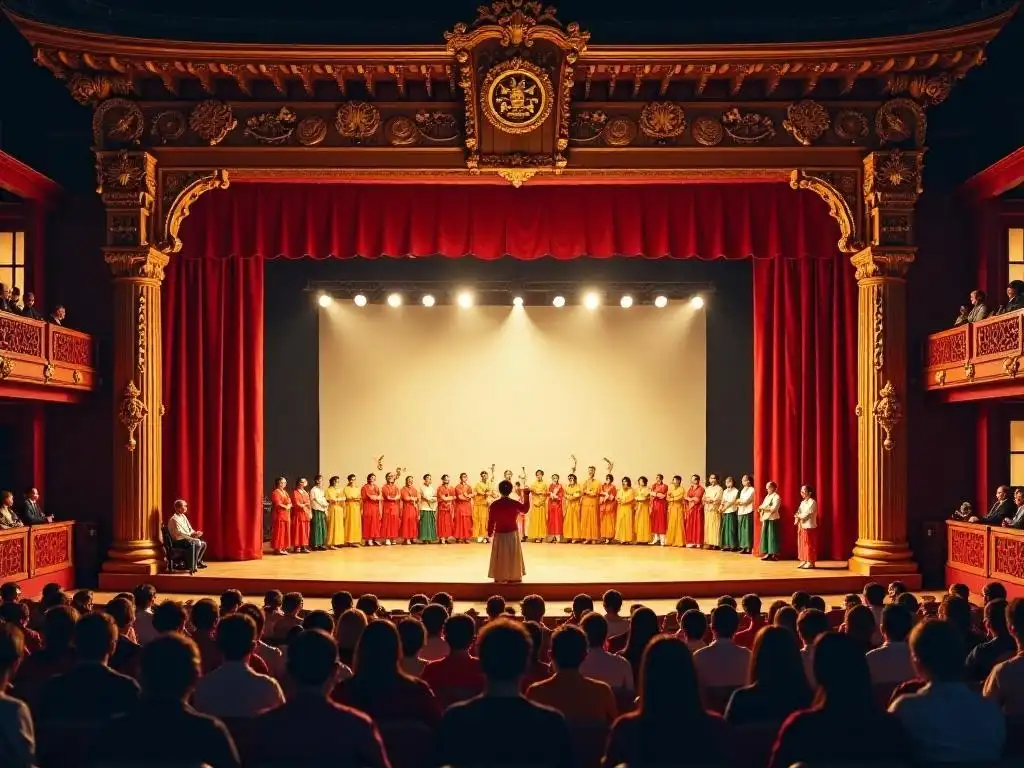
Stagecraft plays a pivotal role in the architecture of Kabuki theatres, as it is intricately linked to the visual and auditory elements of the performances. The innovative use of mechanical devices within the stage allows for seamless transitions, including the kakejiku, a rotating stage that can switch scenes with remarkable speed.
Moreover, lighting techniques are employed to enhance the mood and atmosphere, with strategic placement of lamps and lanterns that highlight key moments. The architecture must accommodate these elements, often resulting in extensive backstage areas filled with rigging and equipment.
The collaboration between architecture and stagecraft elevates Kabuki theatre, making it a multi-sensory experience. The careful planning of both structural and performance elements ensures that each production not only tells a story but does so with flair and creativity.
Distinctive Structural Components in Kabuki Buildings
Kabuki theatres are characterized by several distinctive structural components that set them apart from other performance venues. The roof structure, often featuring a traditional gabled design, adds to the aesthetic appeal while providing practical benefits such as rainwater runoff.
Engawa, or wooden verandas, are commonly found in Kabuki buildings, allowing for social interactions among patrons before performances. These verandas also contribute to the overall flow of the theatre, creating a seamless transition between indoor and outdoor spaces.
Moreover, the use of tatami mats in the audience seating area reflects traditional Japanese culture, enhancing the audience's comfort while maintaining authenticity. The combination of these structural components creates a unique environment that is integral to the Kabuki experience.
Iconic Kabuki Theatre Structures
Kabuki theatre boasts several iconic structures that have become synonymous with this traditional art form. These theatres not only serve as performance spaces but also as cultural landmarks that embody the history and evolution of Kabuki theatre.
The Famous Nakamura-za Theatre
Nakamura-za, established in the 17th century, is one of the oldest Kabuki theatres in Japan. Renowned for its historical significance, it has undergone multiple reconstructions, preserving its architectural essence while adapting to modern needs. The theatre features a classic curtain stage and a beautifully designed hanamichi that has become a signature of Kabuki performances.
The Significance of Minami-za Theatre
Minami-za, located in Kyoto, holds a prestigious place in Kabuki history as the site of many legendary performances. Its architecture combines traditional design with modern enhancements, including a spacious auditorium and advanced stagecraft features. Minami-za is celebrated not only for its artistic contributions but also for its architectural beauty, making it a must-visit destination for Kabuki enthusiasts.
Notable Features of the Kabukiza Theatre
Kabukiza Theatre, perhaps the most famous Kabuki theatre, is located in Tokyo and is renowned for its striking architecture. The theatre features a unique three-story structure, complete with a stunning roof adorned with ornate decorations. Kabukiza is also equipped with state-of-the-art facilities, allowing for high-quality productions while maintaining its historical charm. The theatre's design includes a prominent box seat section, offering an exclusive viewing experience, and showcases the evolution of Kabuki theatre architecture through the ages.
Cultural Significance of Kabuki Theatre Architecture
Kabuki theatre architecture is more than just a physical structure; it embodies the rich cultural heritage of Japan. Originating in the early 17th century, Kabuki has evolved into a significant cultural expression that reflects societal values, historical narratives, and artistic innovation. The design of Kabuki theatres, known as "shibai," is meticulously crafted to enhance the storytelling aspect of performances.
The architecture of these theatres often incorporates traditional elements such as intricate wooden frameworks and elaborate stage designs, which are not only functional but also serve as a visual representation of the themes and emotions conveyed in the performances. The use of vibrant colors and ornate decorations in the theatre’s facade signifies the drama and intensity of the Kabuki art form, attracting audiences and setting the stage for an immersive experience.
Furthermore, the layout of Kabuki theatres fosters a communal atmosphere where audiences can share in the excitement of live performances. This sense of community is a vital aspect of Japanese culture, making Kabuki theatres essential venues for social gatherings and cultural celebrations.
How Architecture Enhances the Kabuki Experience
The architecture of Kabuki theatres is designed to enhance the overall experience for both performers and audiences. One of the most notable features is the hanamichi, a prominent runway extending into the audience, allowing actors to make dramatic entrances and exits. This design element not only captivates the audience but also creates a sense of intimacy and immediacy, drawing spectators into the narrative.
Additionally, the stage's intricate trapdoors and rotating sections facilitate quick scene changes, allowing for a dynamic storytelling experience. The use of specialized lighting and sound systems, integrated into the architecture, further amplifies the emotional impact of performances. These elements work in harmony to immerse the audience in the world of Kabuki, making each performance a unique and engaging spectacle.
Moreover, the arrangement of seating in Kabuki theatres is intentional, with a focus on ensuring optimal views for all attendees. The tiered seating allows for unobstructed sightlines, enhancing the visual experience and fostering a deeper connection to the performance.
Symbolism in Kabuki Theatre Design
Kabuki theatre architecture is rich with symbolism, reflecting various aspects of Japanese culture and aesthetics. The elaborate designs often incorporate motifs from nature, such as cherry blossoms and waves, symbolizing beauty, transience, and the ebb and flow of life. These natural elements serve as a backdrop for the storytelling, reinforcing the connection between human experiences and the environment.
The use of colors in the architecture also carries symbolic meanings. For instance, red often represents bravery, while black is associated with evil or villainy. These color codes extend to the costumes and makeup of the actors, creating a cohesive visual language that communicates character traits and emotional states to the audience.
Furthermore, the architectural layout, with its open spaces and intricate details, symbolizes the harmony between the physical and spiritual realms. This balance reflects the broader principles of Japanese aesthetics, where beauty is found in simplicity and natural forms.
The Impact of Architecture on Audience Engagement
The architectural design of Kabuki theatres plays a crucial role in audience engagement. By creating an immersive environment, the theatre architecture encourages viewers to become active participants in the storytelling. The design elements, such as the hanamichi and elaborate stage setups, facilitate emotional connections between the performers and the audience, making each performance a shared experience.
Moreover, the unique architectural features contribute to the theatricality of Kabuki. For example, the use of dramatic lighting enhances the mood and atmosphere, while the detailed ornamentation draws attention to key moments in the performance. This careful orchestration of architectural elements helps to sustain audience interest and heightens their emotional responses throughout the show.
The intimate design of Kabuki theatres also fosters a sense of community among spectators. The shared experience of witnessing a performance in such a carefully crafted environment reinforces social bonds and cultivates a deeper appreciation for the art form.
Comparison of Kabuki Theatre Architecture with Other Traditional Japanese Theatres
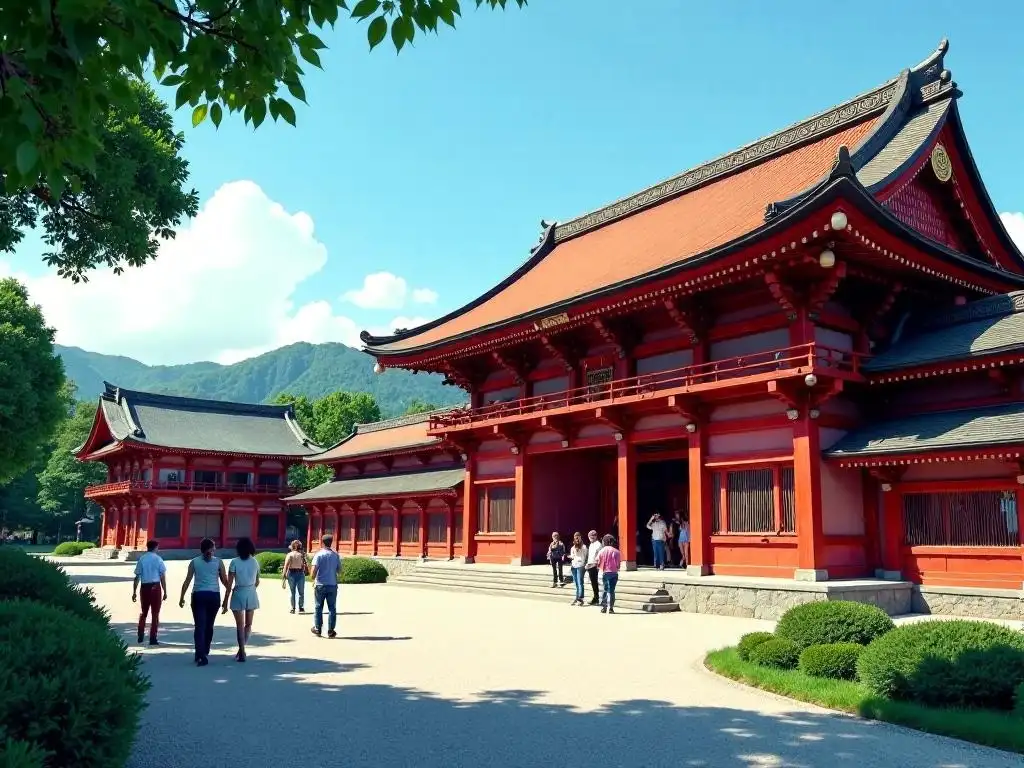
Kabuki theatre architecture stands out when compared to other traditional Japanese theatres, such as Noh and Bunraku, each reflecting different artistic intentions and cultural contexts.
Differences Between Kabuki and Noh Theatre Architecture
Noh theatre architecture is characterized by its simplicity and minimalism, which contrasts sharply with the elaborate designs of Kabuki theatres. Noh stages are typically constructed with a wooden framework and feature a flat roof, creating a serene and understated aesthetic. The focus in Noh is on the performance itself, with minimal distractions from the elaborate costumes and subtle movements of the actors.
In contrast, Kabuki theatre architecture emphasizes spectacle and vibrancy. The ornate facades, intricate decorations, and innovative stage mechanisms are designed to enthrall the audience and enhance the dramatic impact of the performances. This distinction in architectural style reflects the differing philosophies behind each art form, with Noh prioritizing subtlety and Kabuki celebrating exuberance.
Architectural Similarities with Bunraku Theatre
While Kabuki and Bunraku theatre have distinct architectural styles, they share similarities in their emphasis on storytelling and audience engagement. Both types of theatres utilize a rectangular stage that allows for dynamic performances, and both feature elaborate backdrops that enhance the visual narrative.
However, Bunraku theatre architecture is more focused on the puppetry aspect, with stages designed to accommodate the intricate movements of puppeteers. The audience observes the performance from a distance, allowing for a more observational experience compared to the immersive proximity of Kabuki theatres. This difference highlights the unique approaches each form takes in engaging the audience.
How Cultural Influences Shape Each Style
Cultural influences play a significant role in shaping the architectural styles of Kabuki, Noh, and Bunraku theatres. Kabuki emerged during the Edo period, a time marked by urbanization and the rise of a merchant class. The architecture reflects this cultural shift, showcasing extravagant designs that cater to an audience eager for entertainment and spectacle.
Conversely, Noh theatre maintains ties to the aristocracy and samurai culture, emphasizing refinement and subtlety in its architecture. This alignment with cultural values of restraint and elegance is evident in the simplicity of Noh theatre design.
Bunraku, with its roots in folk traditions, embodies a blend of both influences, adopting elements from regional styles while focusing on the narrative potential of puppetry. The architecture of Bunraku theatres is thus shaped by its cultural context, reflecting the stories and values of the communities it serves.
The architecture of Kabuki theatre is a vital component of Japan's cultural landscape, reflecting the artistic, social, and historical influences that have shaped this unique form of performance art. Understanding its significance enriches our appreciation of the Kabuki experience and its place within the broader context of Japanese cultural history.
Contemporary Influence on Kabuki Theatre Architecture
The architecture of Kabuki theatres has evolved significantly, reflecting both cultural changes and modern influences while retaining the essence of traditional designs. Contemporary Kabuki theatre architecture showcases a unique blend of historical aesthetics and innovative design concepts, ensuring that the art form remains relevant in today's fast-paced world. This evolution can be seen in urban areas where new theatres are constructed, often integrating elements that cater to modern audiences while respecting the rich heritage of Kabuki.
Architects today are inspired by the intricate details and symbolic meanings found in traditional Kabuki theatre structures. Elements such as the hanamichi (a walkway extending into the audience) and mawari-butai (revolving stage) continue to serve as fundamental components in modern designs, establishing a connection with the original theatrical experiences. Additionally, there is a growing emphasis on creating spaces that enhance audience engagement and accessibility, ensuring that Kabuki remains a vibrant part of Japan's cultural landscape.
Modern Adaptations of Traditional Designs
Modern adaptations of traditional Kabuki theatre designs are evident in various new theatre constructions. While many contemporary theatres pay homage to the classic styles, they also embrace innovative materials and construction techniques. For instance, the use of glass and steel can create a juxtaposition between the ornate woodwork typical of traditional Kabuki theatres and modern architectural trends, allowing for natural light and an open atmosphere.
Moreover, seating arrangements have been rethought to improve sightlines and comfort for audiences. The traditional configurations are often adjusted to enhance the experience of watching live performances while keeping the intimate essence of Kabuki intact. This blending of old and new not only preserves the historical significance of Kabuki theatre architecture but also invites a broader audience to appreciate its depth and complexity.
Integration of Technology in Kabuki Theatre Architecture
As technology continues to advance, its integration into Kabuki theatre architecture has become increasingly prominent. Modern theatres are equipped with advanced sound systems, lighting technology, and multimedia capabilities that enhance the overall production quality without overshadowing the traditional elements of Kabuki. These technological upgrades allow for more dynamic performances, expanding the narrative possibilities within the historical framework of Kabuki theatre.
Furthermore, digital elements can also be incorporated into the architecture itself. For example, projection mapping can transform stage settings and create immersive experiences for the audience, blending the lines between traditional performance and modern artistic expressions. This integration of technology not only enriches the viewing experience but also attracts younger generations to participate in and appreciate the art of Kabuki.
Preservation Efforts for Historic Kabuki Theatres
Preserving historic Kabuki theatres is crucial for maintaining the cultural heritage and architectural significance of these iconic structures. Various organizations and local governments are actively engaged in restoration efforts, ensuring that theatres like the Minami-za in Kyoto and the Ichimura-za in Tokyo retain their original charm and functionality. These preservation initiatives often involve meticulous research and craftsmanship to restore traditional materials and techniques, safeguarding the authenticity of the Kabuki experience.
In addition to physical restoration, there are educational programs aimed at raising awareness about the historical importance of these theatres. Workshops, guided tours, and performances are organized to educate the public and foster appreciation for Kabuki theatre, ensuring that the legacy of these architectural marvels continues for future generations.
Conclusion
The architecture of Japanese Kabuki theatre is a testament to the rich cultural history of Japan and the art form's ability to adapt and thrive through time. The interplay of tradition and modernity in contemporary theatre design highlights the enduring relevance of Kabuki, illustrating that its architectural heritage is not just a relic of the past but a living part of Japan's cultural narrative.
The Enduring Legacy of Japanese Kabuki Theatre Architecture
The legacy of Japanese Kabuki theatre architecture is characterized by its unique ability to reflect the society and culture of its time. The intricate designs and symbolic elements of these theatres have influenced not only the field of performing arts but also architecture as a whole. This legacy is preserved through ongoing performances and the adaptation of traditional styles in modern contexts, ensuring that Kabuki remains a vital component of Japan's cultural identity.
Future Perspectives on Kabuki Theatre Design and Architecture
Looking forward, the future of Kabuki theatre design and architecture holds exciting possibilities. As architects continue to experiment with sustainable materials and eco-friendly design principles, Kabuki theatres may evolve to reflect a greater commitment to environmental responsibility. Moreover, the ongoing dialogue between tradition and innovation will likely produce new architectural expressions that honor the past while embracing the future.
With the integration of global influences and contemporary artistic trends, the next generation of Kabuki theatres may redefine the experience of this historic art form, ensuring that it continues to captivate audiences for years to come. The architectural evolution of Kabuki theatre promises to enrich its storytelling, making it not only a visual feast but also a dynamic interaction between history and innovation.
- Introduction to Japanese Kabuki Theatre Architecture
- Historical Context of Kabuki Theatre Architecture
- Key Architectural Features of Kabuki Theatres
- Unique Elements of Kabuki Theatre Design
- The Role of Stagecraft in Kabuki Architecture
- Distinctive Structural Components in Kabuki Buildings
- Iconic Kabuki Theatre Structures
- Cultural Significance of Kabuki Theatre Architecture
- Comparison of Kabuki Theatre Architecture with Other Traditional Japanese Theatres
- Contemporary Influence on Kabuki Theatre Architecture
- Conclusion
Frequently Asked Questions
What is Kabuki theatre?
Kabuki theatre is a traditional form of Japanese drama known for its stylized performances, elaborate costumes, and unique storytelling techniques. It originated in the early 17th century and continues to be a significant part of Japanese culture.
How does Kabuki theatre architecture differ from other theatre styles?
The architecture of Kabuki theatres is distinct due to its asymmetrical design, rotating stages, and trapdoors. These features enhance the dramatic experience and allow for dynamic scene changes, making it unique compared to Western theatres.
What are the key features of Kabuki theatre architecture?
Key features include a raised stage, audience seating arrangements that promote interaction, and decorative elements that reflect Japanese aesthetics. The design often incorporates natural materials and intricate woodwork, showcasing craftsmanship.
Why is the architecture of Kabuki theatres significant in Japanese culture?
The architecture of Kabuki theatres embodies the rich artistic heritage of Japan, reflecting its historical and cultural values. It serves not only as a performance space but also as a cultural landmark that preserves traditions for future generations.
How can one experience Kabuki theatre today?
Today, visitors can experience Kabuki theatre in major cities like Tokyo and Kyoto, where performances are held regularly. Many theatres offer guided tours to explore the stunning architecture and learn about its historical significance.
Final Reflection: The Enduring Legacy of Japanese Kabuki Theatre Architecture
Japanese Kabuki theatre architecture is not just a relic of the past; it is a vibrant testament to the cultural richness and artistic innovation that continues to resonate in contemporary society. The intricate designs and unique structural elements of Kabuki theatres reflect a deep connection to Japan's history, aesthetics, and social values.
As we explore this architectural marvel, we recognize its relevance in today's world, where the preservation of cultural heritage is more crucial than ever. The beauty and complexity of Kabuki theatre architecture remind us that art has the power to transcend time and space, inviting us to engage with our shared human experience.
Cultural landscapes are shaped by the stories we tell and the spaces we inhabit, and Kabuki theatre architecture plays a pivotal role in this narrative. The theatres serve not only as performance venues but also as cultural landmarks that embody the spirit of Japanese tradition. They inspire a sense of community and belonging, drawing audiences into a world where history and artistry converge. As noted by renowned architect Tadao Ando, Architecture is not about space but about time.
This sentiment encapsulates the essence of Kabuki theatre architecture, which invites us to reflect on the past while inspiring future generations to appreciate and preserve their cultural legacies.
As you consider the themes explored in this article, I invite you to reflect on your own relationship with cultural heritage and the importance of preserving artistic traditions. How can you engage with and support the arts in your community? Whether through attending performances, advocating for preservation efforts, or simply sharing your newfound knowledge, each action contributes to the ongoing narrative of cultural appreciation. Let the legacy of Japanese Kabuki theatre architecture inspire you to cherish and celebrate the art forms that shape our identities and connect us to one another across time and space.
Unveil the Splendor of Kabuki: Take Your Next Step!
Thank you for diving into the captivating world of Kabuki theatre architecture! We hope you’ve gained a deeper appreciation for its intricate designs and cultural significance. Now, it’s time to bring that knowledge to life with some exciting next steps.
- Explore local theatre performances – Look for Kabuki shows in your area or even virtual performances to experience this remarkable art form firsthand.
- Share your newfound knowledge with friends and family – Host a discussion or share this article to spark curiosity about the rich tapestry of Japanese culture!
- Join an online community – Connect with fellow Kabuki enthusiasts or individuals passionate about cultural history to exchange insights and deepen your understanding.
What aspect of Kabuki theatre are you most eager to explore further?