
The Significance of the Genpei War: From Feudal Strife to Shogunate Rule

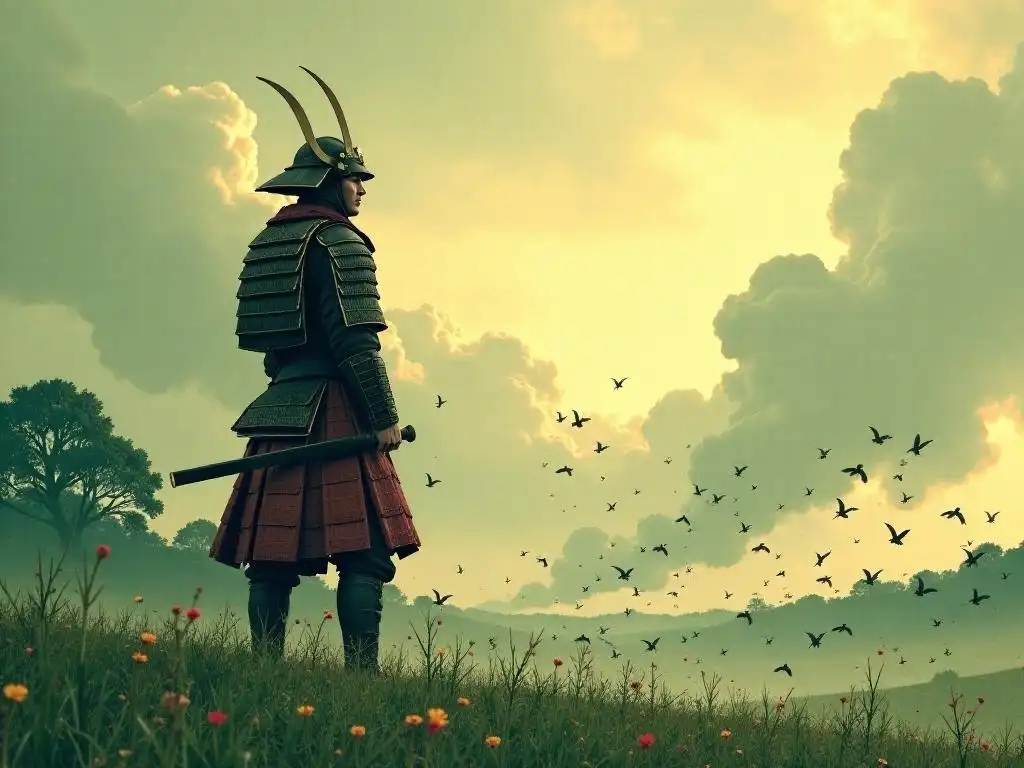
Welcome to Feudal Japan History, where we embark on a captivating journey through the intricate tapestry of Japan's feudal era. Here, we delve into the historical, cultural, and societal aspects that shaped a nation. In this article, we explore the Genpei War, a pivotal conflict that marked the transition from chaos to the establishment of shogunate rule.
What drove this legendary struggle, and why does its significance resonate through the ages? Join us as we uncover the layers of history that define this transformative period, inviting you to discover the profound impact of the Genpei War on Japan’s political landscape.
Introduction to the Genpei War
The Genpei War (1180–1185) stands as a pivotal conflict in Japanese history, marking a dramatic turning point that reshaped the political landscape of the nation. This war between the Taira and Minamoto clans was not just a struggle for power; it was a culmination of deep-rooted political, economic, and social tensions that had been brewing within the feudal structure of Japan.
Understanding the historical significance of the Genpei War is crucial, as it laid the foundation for the emergence of the shogunate rule, which would dominate Japan for centuries to come. This article delves into the multifaceted aspects of this conflict, exploring its causes, its impact on Japanese society, and its lasting legacy in shaping the course of history.
Overview of the Genpei War
The Genpei War was characterized by a series of battles and political maneuvers that ultimately led to the downfall of the Taira clan and the rise of the Minamoto clan. Key battles such as the Battle of Dan-no-ura were not merely military confrontations; they were emblematic of the feudal strife that was rampant in Japan at the time. The conflict involved not only military might but also intricate alliances and betrayals among the samurai class, which played a crucial role in determining the war's outcome.
The war concluded with the decisive victory of the Minamoto, culminating in the establishment of the first shogunate under Minamoto no Yoritomo, fundamentally altering the sociopolitical hierarchy of Japan. This transition from clan warfare to centralized military governance marks the Genpei War's historical significance as a transformative moment in Japan's political history.
Historical Context of the Feudal Era in Japan
To fully grasp the significance of the Genpei War, one must consider the backdrop of the feudal era in Japan. During this period, the political landscape was characterized by decentralized power, where local lords (daimyō) wielded significant authority over their territories.
- Key features of the feudal era included:
- Land Ownership: Power was closely tied to land control, leading to competing interests among clans.
- Samurai Culture: The samurai class emerged as powerful military leaders, adhering to a code of honor and loyalty.
- Political Fragmentation: The imperial court's influence weakened, as regional clans began to assert their power autonomously.
This feudal structure created an environment ripe for conflict, as clans vied for dominance, setting the stage for the Genpei War.
The Causes of the Genpei War
Political Tensions Leading to Conflict
The Genpei War did not arise in a vacuum; it was precipitated by escalating political tensions between the Taira and Minamoto clans. The Taira had previously enjoyed favor with the imperial court and held significant power, while the Minamoto sought to reclaim their status and authority.
- Factors contributing to these tensions included:
- Disagreements over succession: Disputes regarding the rightful heir to the imperial throne led to factionalism.
- Power Struggles: The Taira's overreach in political matters alienated other clans, particularly the Minamoto.
These political rivalries fostered an atmosphere of mistrust and hostility, ultimately igniting the flames of war.
Economic Factors Influencing the War
Economic stability played a crucial role in the lead-up to the Genpei War. The feudal system relied heavily on agricultural production, and control over resources became a significant point of contention.
- Economic influences included:
- Taxation Disputes: Clans often clashed over taxation rights and land management, leading to resentment.
- Resource Scarcity: As resources became scarce, competition intensified, further straining relationships between the clans.
These economic pressures were instrumental in escalating the conflict, as both clans sought to secure their livelihoods and assert their dominance.
Social Dynamics Between the Taira and Minamoto Clans
The social dynamics between the Taira and Minamoto clans were complex and multifaceted. Personal relationships, historical grievances, and cultural differences all contributed to the animosity that fueled the war.
- Key social factors included:
- Historical Rivalry: Long-standing enmities and past conflicts shaped the interactions between the clans.
- Cultural Distinctions: Differences in clan culture and values often translated into deeper social divisions.
These social dynamics not only influenced the motivations behind the conflict but also shaped the allegiances and strategies employed by both sides during the Genpei War.
The Genpei War remains a significant historical event, illuminating the intricate interplay of political, economic, and social factors that defined this tumultuous period in Japan's feudal history. Understanding its causes and consequences provides invaluable insights into the evolution of Japanese governance and society.
Key Events of the Genpei War
The Genpei War (1180-1185) marked a pivotal moment in Japanese history, characterized by a series of conflicts between the Minamoto and Taira clans. This war was not just a struggle for power but also a clash of cultures, ideologies, and military strategies that would ultimately lead to the establishment of the Kamakura shogunate.
Several key events defined this tumultuous period, including:
- The Start of Hostilities (1180): The war ignited when the Taira clan executed the Minamoto leader, Minamoto no Yorimasa, and his supporters. This act instigated a rebellion led by the Minamoto, who sought to avenge their fallen kin and reclaim their position of power.
- The Siege of Nara (1180): In a significant early skirmish, the Taira forces attacked Nara, a cultural and religious center, showcasing their military might and strategic prowess. This event highlighted the Taira's intentions to suppress opposition and solidify their dominance.
- The Battle of Uji (1180): This battle was one of the earliest confrontations in the war, where Minamoto forces attempted to cross the Uji River. Their valiant stand against the Taira forces became a symbol of resistance and honor, setting the tone for future engagements.
- The Fall of the Taira at Dan-no-ura (1185): The final battle of the Genpei War took place in the straits of Dan-no-ura. The Minamoto, employing superior naval strategies, decisively defeated the Taira, leading to the end of their reign and the rise of the Minamoto clan as the dominant force in Japan.
Major Battles and Their Outcomes
The Genpei War featured several major battles, each with significant outcomes that influenced the course of Japanese history. Among these battles, the following stand out:
- Battle of Uji (1180)
- Outcome: Taira victory
- Significance: Although the Taira emerged victorious, the Minamoto's fierce resistance inspired further uprisings against Taira rule.
- Battle of Ikusukuri (1183)
- Outcome: Minamoto victory
- Significance: This battle showcased the Minamoto's growing military strength and marked the beginning of a series of victories that would shift the war's momentum.
- Battle of Yashima (1185)
- Outcome: Decisive Minamoto victory
- Significance: The Minamoto's naval prowess became evident, as they outmaneuvered the Taira, leading to a significant weakening of Taira forces.
- Battle of Dan-no-ura (1185)
- Outcome: Final Minamoto victory
- Significance: This battle concluded the Genpei War, resulting in the Taira's defeat and the establishment of the Minamoto shogunate, changing the political landscape of Japan forever.
Turning Points in the Genpei War
Several turning points during the Genpei War significantly altered the dynamics between the rival clans and set the stage for Minamoto dominance:
- The Defection of Key Allies: As the war progressed, several influential clans shifted their allegiances from the Taira to the Minamoto. This defection weakened Taira support and bolstered the Minamoto's forces, tipping the scales in their favor.
- The Death of Taira no Kiyomori (1181): The death of the Taira leader marked a critical turning point. His absence created disarray within the Taira ranks, leading to a lack of cohesive leadership and strategy, which the Minamoto capitalized on.
- Minamoto no Yoritomo's Strategic Leadership: Yoritomo's ability to unify disparate clans under the Minamoto banner, coupled with his strategic acumen, played a crucial role in redirecting the war's momentum. His effective use of resources and alliances led to a series of successful campaigns against the Taira.
The Role of Key Figures in the Genpei War
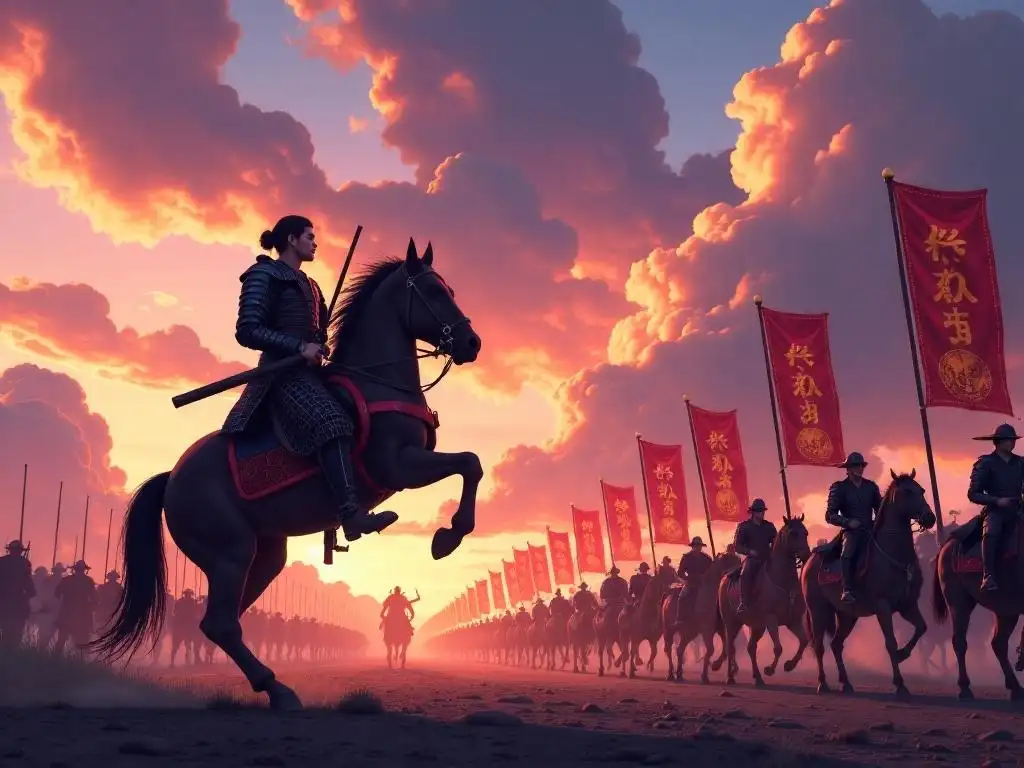
The Genpei War was not merely a clash of armies; it was also defined by the influential figures whose actions and decisions shaped its course.
Minamoto no Yoritomo: The Rise of a Leader
Minamoto no Yoritomo emerged as the central figure of the Genpei War. Initially exiled by the Taira, he strategically returned to lead the Minamoto clan in its fight for power. His leadership qualities and military strategies were pivotal to the Minamoto's success. By forging alliances with other samurai clans and employing effective guerrilla tactics, he turned the tide of the war in favor of the Minamoto. Ultimately, his victory at Dan-no-ura led to his appointment as the first shogun, establishing the Kamakura shogunate and transforming the political landscape of Japan.
Taira no Kiyomori: The Opposition to Minamoto
Taira no Kiyomori played a crucial role as the leading figure of the Taira clan during the Genpei War. His ambition and ruthlessness initially solidified Taira dominance over the imperial court and the provinces. However, his aggressive tactics and the brutal suppression of opposition alienated potential allies. Kiyomori's downfall was marked by his inability to adapt to the shifting political landscape and his eventual death, which left the Taira leadership fragmented and vulnerable to Minamoto advances.
Influence of Other Clans and Warriors
In addition to the Minamoto and Taira clans, several other clans and key warriors influenced the Genpei War's outcome. The Fujiwara clan, for instance, played a significant role in the political intrigues of the time, often shifting allegiances to maintain their power. Warriors like Kusunoki Masashige and Taira no Tomomori also made significant contributions to the battles fought during this period. Their actions not only affected the immediate outcomes of various confrontations but also shaped the broader socio-political dynamics of feudal Japan, illustrating the interconnectedness of military and political power during the Genpei War.
Consequences of the Genpei War
The Genpei War, fought between 1180 and 1185, marked a pivotal turning point in Japanese history, leading to far-reaching consequences that shaped the nation’s political and cultural landscape. One of the most significant outcomes was the establishment of the Kamakura shogunate, which transitioned Japan from a system of imperial rule to one dominated by military governance. This shift not only altered the power dynamics within the country but also set a precedent for future shogunates, solidifying the role of the samurai class in Japanese society.
Additionally, the war catalyzed widespread social changes. The previous feudal lords were either displaced or reduced in power, leading to a restructuring of land ownership and feudal obligations. As a result, new alliances formed, and the samurai class emerged as the primary power holders, further entrenching the warrior elite's status in Japanese culture. This also paved the way for the rise of a more localized governance structure, where provincial lords, or daimyo, gained significant authority over their territories.
Transition from Feudal Strife to Shogunate Rule
The transition from feudal strife to shogunate rule during and after the Genpei War illustrated a significant evolution in Japan's governance. The war was essentially a struggle for power between the Taira and Minamoto clans, which highlighted the fragility of the imperial court's control over the provinces. With the Minamoto clan's victory, Minamoto no Yoritomo established the Kamakura shogunate, effectively sidelining the emperor and the traditional aristocracy.
This new governance model marked the beginning of a military regime where the shogun held real power, while the emperor became more of a symbolic figure. The shift also initiated a feudal structure that emphasized loyalty and service among the samurai, changing the social fabric of Japan. The samurai class was not only tasked with military responsibilities but also began to wield political power, creating a new societal hierarchy that would dominate Japan for centuries.
Impact on Japanese Political Structure
The Genpei War fundamentally altered the Japanese political structure by ending the dominance of the imperial court and ushering in an era of shogunal rule. The establishment of the Kamakura shogunate represented a significant redistribution of power, as local warlords, or daimyo, gained authority over their regions. This decentralized governance allowed for greater autonomy and self-regulation among the samurai and their vassals.
Furthermore, the war initiated a period of political fragmentation, as various clans vied for power in the ensuing years. This fragmentation was characterized by the rise of regional powers, leading to constant conflict and competition. The political landscape of Japan became increasingly complex, with shifting allegiances and the establishment of various shogunates that followed, each leaving its mark on the nation’s governance.
Cultural Implications of the Genpei War
The cultural implications of the Genpei War were profound, influencing various aspects of Japanese life, from literature to religious practices. The conflict was immortalized in numerous works, such as “The Tale of the Heike,” which recounts the rise and fall of the Taira clan. This epic narrative not only serves as a historical account but also reflects the values, struggles, and aspirations of the samurai ethos, emphasizing themes of loyalty, honor, and the impermanence of life.
Moreover, the war fostered a distinct cultural identity among the samurai class. The valor and tragedy associated with the conflict contributed to the romanticization of the samurai warrior, which pervaded Japanese culture and arts. The aesthetics of the period, including the development of Noh theater and the evolution of traditional Japanese painting, were significantly influenced by the events and sentiments stemming from the Genpei War.
The Legacy of the Genpei War
The legacy of the Genpei War endures in various forms, shaping not only Japan’s political landscape but also its cultural identity. The consequences of the war established a framework for governance that persisted throughout the feudal era and influenced subsequent historical developments. The rise of the shogunate system created a model for military-led governance that would last until the Meiji Restoration in the 19th century.
Furthermore, the Genpei War set the stage for the samurai's integral role in Japanese society, as their values and codes of conduct became enshrined in national consciousness. This legacy continues to resonate in modern Japan, where the samurai ethos is celebrated in literature, film, and popular culture.
Historical Significance of the Genpei War in Japan
The historical significance of the Genpei War lies in its role as a catalyst for change within Japan. It not only ended the dominance of the imperial court but also initiated a new era of military governance that redefined power structures and societal roles. The establishment of the Kamakura shogunate marked the beginning of a prolonged period of samurai rule, which influenced Japan's political, social, and cultural development for centuries to come.
In the broader context of Japanese history, the Genpei War serves as a critical example of how internal conflict can lead to significant political transformation. The war's aftermath laid the groundwork for a feudal system that shaped Japan's identity and governance, illustrating the deep connections between conflict and cultural evolution.
Influence on Japanese Literature and Arts
The Genpei War has had a lasting influence on Japanese literature and the arts, inspiring countless works that explore its themes and narratives. The aforementioned “The Tale of the Heike” stands out as a seminal piece that captures the essence of the war, reflecting the values of the samurai and the tragedy of defeat. This literary work not only serves as a historical account but also embodies the aesthetic ideals of the time, influencing subsequent generations of writers and artists.
Moreover, the war's themes of loyalty, honor, and the ephemeral nature of life resonate throughout various artistic expressions, including theater, poetry, and visual arts. The depiction of samurai valor and the moral complexities of warfare have become central motifs in Japanese storytelling, contributing to a rich cultural heritage that continues to be celebrated today.
Modern Perspectives on the Genpei War
Modern perspectives on the Genpei War highlight its significance in understanding Japan's historical trajectory and cultural identity. Scholars and historians analyze the war not merely as a conflict between two clans but as a transformative event that reshaped the nation. Contemporary interpretations often explore the themes of power, loyalty, and the human condition, drawing parallels with modern society's challenges.
Additionally, the Genpei War has become a subject of interest in popular culture, inspiring films, anime, and video games that reinterpret its narratives for new audiences. This ongoing fascination reflects the war's enduring relevance, as it continues to serve as a lens through which to examine Japan's past and its implications for the present and future.
Conclusion: The Lasting Impact of the Genpei War

The Genpei War, fought from 1180 to 1185, stands as a pivotal moment in Japanese history, marking the transition from imperial authority to military governance. This conflict between the Taira and Minamoto clans not only altered the power dynamics of the era but also set the stage for the establishment of the Kamakura Shogunate. The war’s legacy is felt through its influence on culture, governance, and societal structures that shaped Japan during the feudal period and beyond.
The aftermath of the Genpei War led to significant shifts in the political landscape, where the samurai class rose to prominence. With the Minamoto victory, military leaders began to assume roles traditionally held by aristocrats, leading to a new governance model based on feudal loyalty rather than imperial decree. This transformation laid the groundwork for the samurai code of conduct and the feudal system that would dominate Japanese society for centuries.
Summary of the Genpei War's Historical Significance
The historical significance of the Genpei War can be summarized through several key points:
- Transition to Military Rule: The war marked the decline of the Heian aristocracy and the rise of the samurai as the dominant military and political force in Japan. This shift ushered in a new era of governance characterized by the shogunate system, which prioritized military prowess over noble lineage.
- Cultural Shifts: The Genpei War inspired a wealth of cultural productions, including literature, theater, and art. Works such as "The Tale of the Heike" encapsulate the values and tragedies of the era, reflecting the changing identities and struggles of the samurai class.
- Land and Power Redistribution: The conflict resulted in significant territorial changes as the victors redistributed land to loyal followers. This practice established a new feudal hierarchy and intensified the importance of land ownership in Japan, which became central to the samurai's status and obligations.
- Legal and Governance Foundations: The establishment of the Kamakura Shogunate introduced new legal frameworks and governance strategies that emphasized military authority and local governance, shaping future administrations in Japan.
Reflections on Feudal Japan's Political Evolution
The Genpei War serves as a critical lens through which to understand the political evolution of feudal Japan. The conflict's resolution not only changed the ruling class but also redefined the relationship between the emperor and the samurai. The emperor's role became more symbolic, while real power was exercised by military leaders, creating a duality that characterized Japanese governance for centuries.
The war prompted an increase in militarization of society, where loyalty between lord and vassal became fundamental to political stability. This feudal bond established a network of allegiances that would influence Japanese politics well into the Sengoku period and beyond. Additionally, the socio-political changes initiated by the Genpei War fostered regional autonomy, as local leaders gained power and influence, often challenging the central authority.
The Genpei War was not merely a conflict between two clans; it was a transformative event that reshaped the course of Japanese history. Its implications on governance, culture, and societal structures resonate through the ages, offering invaluable insights into the complexities of feudal Japan's political landscape.
- Introduction to the Genpei War
- The Causes of the Genpei War
- Key Events of the Genpei War
- The Role of Key Figures in the Genpei War
- Consequences of the Genpei War
- The Legacy of the Genpei War
- Conclusion: The Lasting Impact of the Genpei War
- Summary of the Genpei War's Historical Significance
- Reflections on Feudal Japan's Political Evolution
Frequently Asked Questions
What was the Genpei War?
The Genpei War was a civil conflict in Japan (1180-1185) between the Taira and Minamoto clans, leading to significant changes in the political landscape of feudal Japan.
How did the Genpei War influence the rise of the samurai?
The war marked the ascendance of the samurai class, as it established their role as powerful military leaders and laid the groundwork for the shogunate system that followed.
What were the main causes of the Genpei War?
The primary causes included power struggles between the Taira and Minamoto clans, along with discontent among the samurai and the imperial court's weakening authority.
What was the outcome of the Genpei War?
The war ended with the defeat of the Taira clan and the establishment of the Minamoto shogunate, significantly altering the trajectory of Japanese governance and society.
Why is the Genpei War historically significant?
The Genpei War is significant for its role in transitioning Japan from imperial rule to military governance, ultimately shaping the feudal system that defined Japan for centuries.
Final Reflection: The Enduring Legacy of the Genpei War
The Genpei War stands as a pivotal chapter in Japanese history, illustrating the profound impact of feudal strife on the formation of political power. Today, as we navigate complex social and political landscapes, the lessons from this historical conflict resonate more than ever. The struggle for dominance between the Taira and Minamoto clans not only shaped the course of Japan's governance but also laid the groundwork for the samurai ethos that continues to influence Japanese culture and identity.
Culturally, the Genpei War has left an indelible mark on the Japanese psyche, inspiring countless works of literature, art, and performance. The themes of loyalty, honor, and the tragic consequences of war echo through time, reminding us of the human experiences that transcend generations. As the renowned historian John W. Hall once said, “The past is never dead. It’s not even past.” > This quote encapsulates the ongoing relevance of the Genpei War, urging us to reflect on how historical narratives shape our present and future.
As we contemplate the significance of the Genpei War, I invite you to consider how the lessons of this tumultuous period can inform your own life. What can we learn about conflict resolution, leadership, and the importance of unity in diversity?
Embrace the opportunity to reflect on your personal experiences and the broader societal implications, allowing the echoes of history to guide your actions today. Let the legacy of the Genpei War inspire you to foster understanding and collaboration in your own community, ensuring that the lessons of the past are not forgotten but rather serve as a beacon for a more harmonious future.
Uncover the Lessons of the Genpei War!
Thank you for exploring the significance of the Genpei War! Your curiosity about this pivotal moment in Japanese history not only enriches your knowledge but also helps us all understand the roots of modern governance. Now, let’s take that understanding a step further.
Here’s what you can do next:
- Explore deeper by reading our detailed articles on the key figures of the Genpei War and their impact on Japan’s future.
- Share your insights with friends or on social media—start a conversation about how the lessons from this era can apply to today's world.
- Engage fully by joining our community forum on Feudal Japan History, where you can discuss and debate the implications of feudal disputes and their resolutions.
What do you believe is the most important lesson from the Genpei War that could help us navigate conflicts in modern times? We’d love to hear your thoughts!