
The Fall of the Tokugawa Shogunate: Causes and Consequences


Welcome to Feudal Japan History, where we invite you to embark on a captivating journey through the depths of Japan’s feudal era. In our featured article, “ The Fall of the Tokugawa Shogunate: Causes and Consequences,” we delve into the pivotal reasons behind the decline of one of Japan's most influential regimes. What were the forces that led to the shogunate's unraveling, and how did they shape the future of the nation? Prepare to uncover the intricate tapestry of political intrigue and societal change that defined this transformative period. Your exploration begins now—dive in and awaken your curiosity!
The Tokugawa Shogunate, which ruled Japan from 1603 to 1868, represents a significant chapter in the country's political history, characterized by a unique blend of feudal governance and cultural flourishing. However, the eventual fall of this powerful shogunate marked a pivotal turning point that reshaped Japan's trajectory.
Understanding the reasons behind the fall of the Tokugawa Shogunate is crucial for comprehending the broader historical context of Japan's transition from isolation to modernization. This article delves into the multifaceted causes that led to its decline, including internal strife, economic challenges, and external pressures, while also examining the profound consequences that followed this significant political shift.
Internal Strife and Political Inefficiencies
The Tokugawa Shogunate faced increasing internal strife that weakened its authority over time. The rigid class structure, which divided society into samurai, farmers, artisans, and merchants, began to show cracks as social mobility became more pronounced.
- Discontent Among the Samurai: The samurai class, once the backbone of the shogunate, found themselves increasingly marginalized as the economy shifted. Many samurai struggled financially, leading to discontent and calls for reform.
- Rise of the Merchant Class: As commerce flourished, merchants gained wealth and influence, challenging the traditional hierarchy. This shift created tensions between the classes, undermining the shogunate's control.
Economic Hardships
The economic landscape during the late Tokugawa period presented significant challenges that contributed to the shogunate's fall.
- Agricultural Decline: Frequent natural disasters, such as famines and floods, led to reduced agricultural output. The resulting food shortages sparked unrest among the peasantry, who began to revolt against their feudal lords.
- Increasing Debt: The shogunate's inability to manage its finances effectively resulted in mounting debts. The reliance on loans from merchants exacerbated the situation, leading to a financial crisis that weakened the shogunate's power.
External Pressures and Foreign Influence
The arrival of Western powers in the mid-19th century marked a significant turning point for Japan and the Tokugawa Shogunate.
- Commodore Perry's Expedition: In 1853, Commodore Matthew Perry of the United States arrived in Japan, demanding the opening of trade. This event exposed the shogunate's vulnerability and inability to defend national sovereignty, leading to a loss of prestige.
- Unequal Treaties: The treaties that followed Perry's arrival forced Japan into unfavorable trade agreements, further fueling dissatisfaction among the populace and eroding support for the shogunate.
Consequences of the Tokugawa Shogunate's Fall
The fall of the Tokugawa Shogunate heralded a new era in Japan's history, one characterized by significant political and social transformations.
- Meiji Restoration: The dissolution of the shogunate in 1868 paved the way for the Meiji Restoration, a period of rapid modernization and westernization that fundamentally changed Japan's political landscape.
- End of Feudalism: The fall marked the end of the feudal system, leading to the establishment of a centralized government and the eventual emergence of Japan as a modern nation-state.
The exploration of these Tokugawa Shogunate fall reasons reveals the complex interplay of internal and external factors that culminated in the downfall of one of Japan's most influential political institutions. Understanding this historical context is essential for appreciating the profound transformations that followed in Japan's journey towards modernization.
- Internal Strife and Political Inefficiencies
- Economic Hardships
- External Pressures and Foreign Influence
- Consequences of the Tokugawa Shogunate's Fall
- What were the primary causes of the fall of the Tokugawa Shogunate?
- How did external influences affect the Tokugawa Shogunate?
- What role did social unrest play in the decline of the Tokugawa Shogunate?
- How did the Meiji Restoration relate to the fall of the Tokugawa Shogunate?
- What were the consequences of the Tokugawa Shogunate's fall?
Understanding the Tokugawa Shogunate
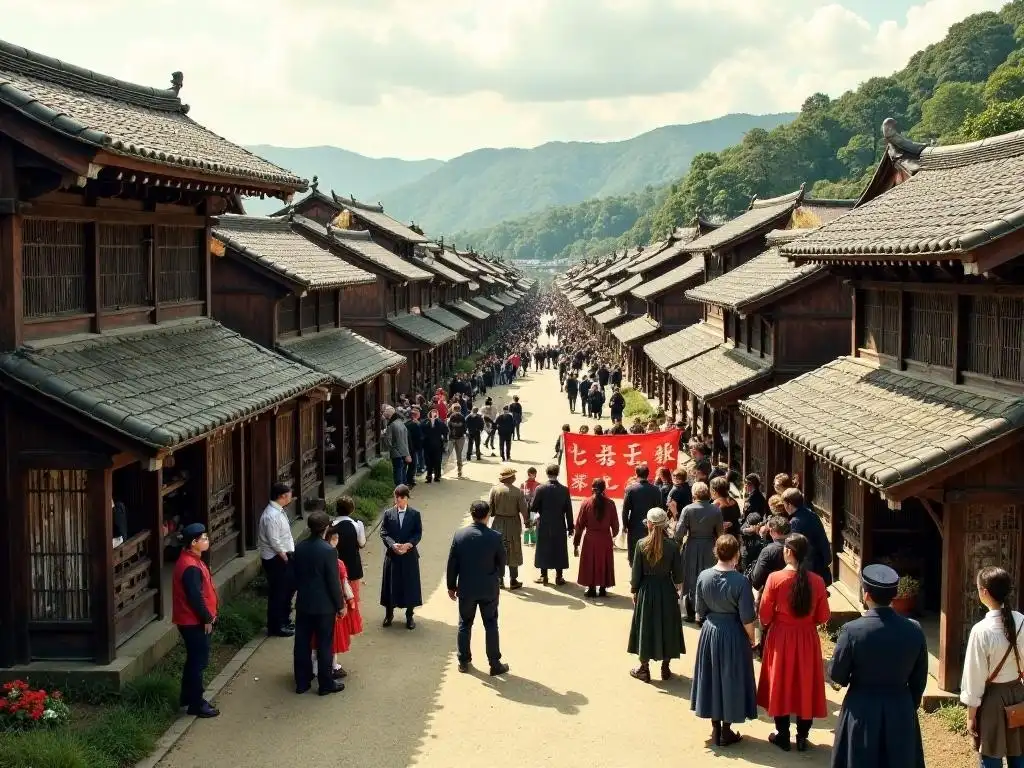
Overview of the Tokugawa Shogunate Era
The Tokugawa Shogunate, also known as the Edo period, lasted from 1603 to 1868 and is often regarded as one of the most significant eras in Japanese history. This period marked a time of relative peace and stability following centuries of civil war. Established by Tokugawa Ieyasu after his victory at the Battle of Sekigahara, the shogunate centralized feudal power under a military government, effectively unifying Japan and ending the Warring States period.
During this era, Japan experienced significant cultural developments, including the flourishing of arts, literature, and philosophy. The sankin-kōtai system required daimyo (feudal lords) to spend alternate years in Edo (modern-day Tokyo), which helped to solidify the power of the shogunate and fostered a sense of national unity.
Economically, the Tokugawa period saw the growth of commerce and urbanization. The merchant class began to rise in prominence, leading to a shift from a purely agrarian economy to one that incorporated trade and industry. Despite this growth, the rigid class structure—comprising the samurai, farmers, artisans, and merchants—remained largely intact, contributing to social tensions that would later influence the shogunate's downfall.
Key Figures in the Tokugawa Shogunate
Several key figures played pivotal roles in shaping the Tokugawa Shogunate and its policies:
- Tokugawa Ieyasu: The founder of the shogunate, Ieyasu's strategic brilliance and political acumen allowed him to consolidate power and establish control over Japan. His policies laid the groundwork for a stable administration.
- Tokugawa Yoshimune: The eighth shogun, known for his reforms aimed at improving the economy and governance. He implemented tax reforms and promoted agricultural productivity, which helped to rejuvenate the economy during a period of stagnation.
- Tokugawa Ienari: The eleventh shogun, whose long reign was marked by increasing corruption and the decline of shogunal authority. His inability to manage the growing socio-economic issues contributed to the weakening of the shogunate.
- Mizuno Tadakuni: An influential reformer during the late Tokugawa period, he attempted to implement economic policies to stabilize the country but faced significant opposition, illustrating the challenges of governance in the declining years of the shogunate.
Political Structure of the Tokugawa Era
The political structure of the Tokugawa Shogunate was characterized by a complex hierarchy that maintained control over Japan through a blend of military and bureaucratic governance.
- Shogun: At the top of the hierarchy, the shogun wielded supreme military authority and governed Japan on behalf of the emperor, who held a largely ceremonial role. The shogunate's power was derived from its ability to maintain order and manage the daimyo.
- Daimyo: Below the shogun were the daimyo, who ruled over various provinces. They were given autonomy in local governance but were required to pledge loyalty to the shogun. Their power was balanced through the sankin-kōtai system, which limited their ability to rebel by requiring them to maintain residences in both their domains and Edo.
- Samurai: The samurai served as the military class, responsible for upholding the shogunate's authority. They were granted stipends by their daimyo and were expected to serve in times of war and maintain order in their domains.
- Bureaucracy: The shogunate developed an intricate bureaucracy composed of various officials and advisors who managed administrative functions, tax collection, and legal matters. This system helped to maintain centralized control and implement shogunal policies effectively.
This political structure, while initially effective in maintaining peace and order, eventually faced challenges due to economic difficulties, social unrest, and external pressures, leading to the eventual fall of the Tokugawa Shogunate.
Causes of the Tokugawa Shogunate Fall

The fall of the Tokugawa Shogunate was not a singular event but rather a culmination of various internal and external factors that weakened its grip on power. Understanding these causes provides insight into how the Tokugawa era transitioned into a new phase of Japanese history.
Internal Factors Leading to Decline
Economic Strain and Financial Mismanagement
The economic foundations of the Tokugawa Shogunate began to crumble due to a combination of mismanagement and systemic issues. The shogunate's reliance on a rigid class structure and agricultural economy gradually became unsustainable.
- Heavy Taxation: The samurai class, which relied on stipends from the shogunate, faced increasing financial burdens. The government imposed heavy taxes on farmers to sustain its military and administrative expenses, leading to widespread discontent.
- Market Restrictions: The Tokugawa regime enforced strict regulations on trade, which hindered economic growth. These restrictions limited the development of a dynamic merchant class, stifling innovation and entrepreneurship.
- Natural Disasters: Numerous famines and natural disasters, such as earthquakes and tsunamis, exacerbated economic difficulties. The shogunate's inability to respond effectively to these crises further eroded public confidence.
Social Unrest and Class Discontent
The societal structure of feudal Japan became increasingly strained as different classes faced their own challenges.
- Samurai Discontent: As the samurai class found their stipends insufficient, many began to feel disenfranchised. The once-respected warriors were increasingly viewed as obsolete in a society that was evolving.
- Peasant Revolts: Growing resentment among the peasantry due to excessive taxation and poor living conditions led to uprisings, such as the famous Tenpo Reforms. These revolts highlighted the deep-seated dissatisfaction with the ruling class and the government.
- Emergence of a Middle Class: The rise of a wealthy merchant class challenged the traditional social hierarchy. This new class sought greater political influence, advocating for reforms that the rigid Tokugawa structure could not accommodate.
Political Corruption and Inefficiency
Political corruption and inefficiency within the Tokugawa administration contributed significantly to its decline.
- Decentralization of Power: The shogunate's reliance on daimyos (feudal lords) led to a fragmented political landscape. Many daimyos acted independently, undermining the central authority of the shogunate.
- Bureaucratic Corruption: Corruption within the shogunate's bureaucracy became rampant, leading to misallocation of resources and loss of public trust. Officials often prioritized personal gain over the welfare of the state.
- Failure to Adapt: The Tokugawa leadership's inability to adapt to changing circumstances, both economically and politically, rendered them ineffective in addressing the challenges that arose during the late Edo period.
External Pressures Contributing to the Shogunate's Downfall
The Impact of Western Imperialism
The encroachment of Western powers in Asia posed significant threats to the Tokugawa Shogunate's sovereignty.
- Colonial Aspirations: Western nations, driven by imperial ambitions, sought new markets and resources in Asia. This external pressure forced Japan to confront the reality of international politics, which it had largely avoided for over two centuries.
- Cultural Exchange: The influx of Western ideas and technologies challenged traditional Japanese beliefs and institutions, leading to a cultural clash that further destabilized the Tokugawa order.
The Arrival of Commodore Perry and the Black Ships
The arrival of Commodore Matthew Perry in 1853 marked a pivotal moment in Japan's history.
- Forced Opening of Japan: Perry's expedition, often referred to as the "Black Ships," resulted in the signing of the Treaty of Kanagawa in 1854, which forced Japan to open its ports to American trade. This event symbolized the end of Japan's isolationist policies and initiated a series of unequal treaties with Western powers.
- National Crisis: The sudden exposure to foreign influence and military power created a national crisis within Japan. The inability of the shogunate to effectively respond to this challenge further weakened its legitimacy.
Influence of Foreign Trade and Cultural Exchange
The advent of foreign trade not only introduced new goods but also new ideas that permeated Japanese society.
- Economic Transformation: Increased trade expanded the merchant economy, leading to the growth of cities and the middle class. The shogunate’s failure to manage this transformation contributed to its downfall.
- Cultural Shifts: The exchange of ideas led to a renaissance of thought in Japan, with many intellectuals advocating for modernization and the adoption of Western practices. This shift in ideology created a desire for reform that the Tokugawa leadership struggled to accommodate.
The fall of the Tokugawa Shogunate can be attributed to a complex interplay of internal pressures, such as economic mismanagement, social unrest, and political corruption, alongside external pressures from Western imperialism and foreign trade. Understanding these causes reveals the intricate dynamics that ultimately led to the end of this significant era in Japanese history.
Ideological Shifts and Their Role
The fall of the Tokugawa Shogunate was significantly influenced by various ideological shifts that permeated Japanese society in the 19th century. These shifts not only undermined the legitimacy of the shogunate but also fostered a climate ripe for revolutionary change. At the heart of these ideological transformations was a growing sense of nationalism, fueled by a desire for sovereignty and self-determination. As the Japanese populace began to challenge the established order, the very foundations of Tokugawa governance began to erode.
Rise of Nationalism and Anti-Shogunate Sentiments
The rise of nationalism during the late Edo period marked a pivotal change in the political landscape of Japan. Discontent with the shogunate's inability to effectively respond to foreign threats, particularly after the arrival of Commodore Matthew Perry in 1853, led to a surge in anti-shogunate sentiments. Many samurai and intellectuals began to view the shogunate as incompetent and corrupt, believing it had betrayed the nation's interests by capitulating to foreign powers.
This burgeoning nationalism gave rise to movements advocating for the restoration of imperial rule, as many believed that re-establishing the emperor's authority would unify Japan and strengthen its position against foreign encroachment. The slogan "Sonnō jōi," meaning "Revere the Emperor, Expel the Barbarians," became a rallying cry for those who sought to overthrow the Tokugawa regime. The ideological shift towards nationalism was crucial in mobilizing various factions against the shogunate, ultimately leading to the successful overthrow of Tokugawa rule in 1868.
The Influence of Enlightenment Ideas on Japanese Society
The late Edo period also witnessed the infiltration of Enlightenment ideas into Japanese intellectual circles. These ideas, which emphasized reason, individual rights, and democratic governance, began to resonate with Japanese thinkers and activists. The exposure to Western philosophies through translated texts and interactions with foreign traders encouraged a critical reassessment of Japan's feudal system and governance structures.
Prominent figures such as Fukuzawa Yukichi, who advocated for modernization and Westernization, played a crucial role in spreading these ideas. Fukuzawa's writings urged the Japanese people to adopt Western technologies and political systems, promoting the notion that Japan could strengthen itself by learning from foreign nations. This embrace of Enlightenment thought contributed to the growing discontent with the shogunate, as many began to envision a more progressive and egalitarian society that was at odds with the rigid hierarchies of Tokugawa rule.
The ideological shifts during this period, characterized by rising nationalism and the influence of Enlightenment principles, were instrumental in catalyzing the forces that ultimately led to the fall of the Tokugawa Shogunate. These changes not only challenged the existing political structure but also laid the groundwork for the emergence of a modern Japanese state.
Consequences of the Fall of the Tokugawa Shogunate

The fall of the Tokugawa Shogunate in the mid-19th century marked a significant turning point in Japanese history. This transition from feudal rule to a centralized government not only reshaped the political landscape but also brought about profound economic and social changes. Understanding these consequences is essential to grasp the full impact of this historical shift.
Political Repercussions
The political landscape of Japan underwent radical transformation following the collapse of the Tokugawa Shogunate. This period set the stage for the emergence of a new governance structure that would redefine Japan's identity.
The Restoration of Imperial Rule
The Restoration of Imperial Rule in 1868, known as the Meiji Restoration, was a direct consequence of the Tokugawa fall. The movement aimed to restore power to the emperor and dismantle the feudal system that had long governed Japan. This shift was fueled by growing discontent among samurai and other classes who sought to end the shogunate's grip on power.
- Key Events:
- The Boshin War (1868-1869): A civil war between the Tokugawa loyalists and imperial forces, ultimately leading to the defeat of the shogunate.
- The Charter Oath of 1868: Issued by Emperor Meiji, this document outlined the new government's commitment to modernizing Japan and promoting democracy.
The restoration not only reinstated the emperor as the sovereign leader but also initiated a series of reforms aiming at modernization and Westernization, profoundly altering Japan's political trajectory.
Establishment of the Meiji Government
Following the Restoration, the Meiji government was established, marking the transition from feudalism to a centralized bureaucratic state. This new government sought to consolidate power and eliminate the privileges of the samurai class.
- Major Reforms:
- Abolition of the Han System: The feudal domains were replaced with prefectures, centralizing governance.
- Introduction of a Constitution: In 1889, Japan adopted the Meiji Constitution, which established a parliamentary system and limited the emperor’s powers.
The Meiji government succeeded in creating a strong national identity and laying the groundwork for Japan's emergence as a modern state, fundamentally altering its political structure and relationships both domestically and internationally.
Economic Impact Post-Shogunate
The economic implications of the fall of the Tokugawa Shogunate were equally significant, as Japan transitioned from a feudal economy to a more modern capitalist system.
Transition from Feudal Economy to Modern Capitalism
The Tokugawa period was characterized by a largely agrarian economy, where land and production were controlled by the samurai class. The fall of the shogunate catalyzed a shift towards industrialization and capitalist practices.
- Key Developments:
- The adoption of Western industrial techniques: The new government encouraged the establishment of factories and the use of modern machinery.
- Investment in infrastructure: Railroads, telegraph lines, and shipping routes were developed to facilitate trade and movement.
This transition accelerated Japan’s integration into the global economy, leading to increased production capacity and economic growth.
Changes in Land Ownership and Agricultural Practices
One of the most significant changes following the fall of the Tokugawa Shogunate was in land ownership and agricultural practices. The new government implemented land reforms that fundamentally altered the rural landscape.
- Land Reforms:
- The Land Tax Reform of 1873: This reform aimed to create a tax system based on land value rather than production, incentivizing land ownership among commoners.
- The introduction of cash crops: Farmers began to shift from subsistence farming to cash crops, thereby changing traditional agricultural practices.
These changes not only empowered a new class of landowners but also contributed to economic diversification and increased agricultural productivity, laying the groundwork for Japan's rapid modernization.
The consequences of the fall of the Tokugawa Shogunate were multifaceted, affecting Japan politically, economically, and socially. The transition set in motion a series of events that would lead to Japan's emergence as a modern nation-state, forever altering its course in history.
The fall of the Tokugawa Shogunate in the mid-19th century marked a significant turning point in Japanese society. With the end of over two centuries of feudal rule, Japan underwent profound social changes that redefined the relationships between classes, power structures, and cultural norms. The consequences of the Shogunate's collapse reshaped the social landscape, paving the way for modernization and the rise of new social classes.
Transformation of Social Hierarchies
The rigid social hierarchies that characterized the Tokugawa period began to dissolve following the Shogunate's fall. Under the Tokugawa regime, society was stratified into distinct classes: the samurai, farmers, artisans, and merchants. This system maintained a clear hierarchy, with samurai at the top and merchants, despite their wealth, often looked down upon.
With the Meiji Restoration in 1868, the government sought to dismantle these traditional hierarchies to foster a new sense of national unity and modernization. The abolition of the feudal class system led to the formal recognition of all citizens as equal under the law. This shift allowed previously marginalized groups, such as merchants and artisans, to gain power and influence. As a result, a burgeoning middle class emerged, contributing to the economic and cultural dynamism of the new Japan.
The transformation also led to the decline of the samurai class, which had been stripped of its privileges and stipends. Many samurai found themselves in difficult economic situations, forcing them to adapt to new roles within society. Some transitioned into bureaucratic positions, while others became involved in business, leading to a redefinition of what it meant to be a warrior in the rapidly changing landscape.
Impact on Samurai and Peasant Classes
The impact of the Shogunate's fall on the samurai and peasant classes was profound and multifaceted. For the samurai, the loss of their feudal privileges resulted in a significant identity crisis. Once the ruling elite, many samurai faced financial hardship as their stipends were eliminated. This led to a widespread decline in their economic status and social standing.
In response to these changes, some samurai attempted to adapt by pursuing education and new careers. Others, however, resisted the loss of their traditional roles, leading to uprisings such as the Satsuma Rebellion in 1877. This rebellion was a last-ditch effort to restore the samurai's status and resist the rapid modernization that threatened their way of life. Ultimately, such movements were quelled, further solidifying the marginalization of the samurai class.
On the other hand, the peasant class experienced a more complex evolution. Initially, the fall of the Tokugawa Shogunate brought some relief from oppressive taxation and burdensome obligations tied to the feudal system. As the new government sought to modernize agriculture and boost productivity, peasants found opportunities to improve their livelihoods. The introduction of land reforms, such as the Land Tax Reform of 1873, allowed peasants to own land, fostering economic independence and self-sufficiency.
However, the transition was not without challenges. The rapid industrialization and urbanization of Japan led many peasants to migrate to cities in search of better opportunities, resulting in a shift in population dynamics. The rise of factory jobs often subjected these former peasants to harsh working conditions, reflecting a new form of exploitation that echoed the struggles of their past.
The fall of the Tokugawa Shogunate spurred significant social changes that transformed Japan's social fabric. The decline of the samurai class and the evolution of the peasant class were central to this transformation, ultimately contributing to the emergence of modern Japan.
Legacy of the Tokugawa Shogunate's Fall

Historical Significance in Japanese History
The fall of the Tokugawa Shogunate in 1868 marked a pivotal transition in Japanese history, signifying the end of over two centuries of feudal rule. This period, known as the Edo period, was characterized by political stability, economic growth, and cultural flourishing. However, its collapse ushered in the Meiji Restoration, radically transforming Japan into a modern state.
Key Historical Impacts:
- Political Transformation: The dismantling of the shogunate led to the restoration of imperial rule under Emperor Meiji. This shift not only altered the political landscape but also aimed to centralize power and modernize the governance structure.
- Social Reorganization: With the fall of the Tokugawa, the rigid class system of samurai, farmers, artisans, and merchants began to dissolve. The new government promoted the idea of meritocracy, allowing for social mobility based on skills and education rather than birthright.
- Economic Reforms: As a response to internal and external pressures, the Meiji government implemented sweeping economic reforms. The introduction of new industries, railroads, and communication systems transformed Japan into a burgeoning industrial power.
- Cultural Evolution: The end of the Tokugawa era also heralded significant cultural shifts. Western influences permeated Japanese society, leading to the adoption of new ideologies, educational systems, and even fashion. This cultural blending laid the groundwork for Japan's unique modern identity.
The fall of the Tokugawa Shogunate was not merely a political event; it catalyzed sweeping changes that shaped the trajectory of Japanese history. The implications of this transformation are still felt today, as Japan continues to navigate its identity as a modern nation-state.
Lessons Learned from the Tokugawa Era
The Tokugawa Shogunate’s fall provides valuable lessons that resonate beyond the confines of Japanese history. Analyzing the causes and consequences of this period offers insights into governance, societal structure, and the importance of adaptability in the face of change.
Key Lessons:
- Adaptability is Crucial: The inability of the Tokugawa Shogunate to adapt to the rapidly changing political and economic landscape ultimately contributed to its downfall. As external pressures mounted, the shogunate's rigid policies failed to accommodate the emerging needs of a modernizing society.
- Balance of Power: The Tokugawa era exemplifies the delicate balance of power between different societal factions. The shogunate's reliance on a rigid class hierarchy alienated the merchant class, which became economically powerful but politically marginalized. Acknowledging and integrating diverse interests can strengthen governance.
- Importance of Innovation: The late Tokugawa period saw the rise of new ideas and technologies, yet the shogunate's reluctance to embrace these innovations resulted in stagnation. This highlights the necessity for leaders to foster an environment conducive to creativity and progress.
- Global Awareness: The arrival of Commodore Perry in 1853 illustrated the need for nations to remain aware of global dynamics. The Tokugawa Shogunate's isolationist policies left it ill-prepared for international engagement, a cautionary tale for contemporary governance in an interconnected world.
- Cultural Exchange: The integration of foreign ideas and practices during the Meiji Restoration was instrumental in Japan's modernization. Embracing cultural exchange can enrich societies and propel them toward growth and innovation.
The legacy of the Tokugawa Shogunate's fall serves as an enduring reminder of the complexities of governance and societal evolution. The lessons gleaned from this transformative period continue to inform contemporary discussions on political strategy, cultural identity, and economic development.
Conclusion
Summary of Key Points on the Causes and Consequences
The fall of the Tokugawa Shogunate marks a significant turning point in Japanese history, characterized by a complex interplay of various factors. Here are the key points regarding the reasons for the Tokugawa Shogunate's fall:
- Economic Strain:
- The agricultural economy suffered due to poor harvests and rising taxes, leading to widespread discontent among the peasantry.
- The urban merchant class began to gain wealth, challenging the traditional power dynamics and exacerbating social tensions.
- Political Discontent:
- The isolationist policies of the Tokugawa regime led to a stagnation in political thought and governance.
- The rise of discontent among the samurai class, many of whom faced economic hardships, fueled movements advocating for political reform.
- Cultural Shifts:
- The influence of Western ideas, spurred by increased foreign contact, began to permeate Japanese society, prompting calls for modernization and reform.
- The intellectual awakening among the populace led to the emergence of new political ideologies, undermining the legitimacy of the Tokugawa rule.
- External Pressures:
- The arrival of Commodore Matthew Perry in 1853 and the subsequent Treaty of Kanagawa in 1854 opened Japan to foreign influence and trade, which the Tokugawa leaders were unprepared to handle.
- The unequal treaties that followed further weakened the Shogunate's authority and control over Japan's sovereignty.
The consequences of the Tokugawa Shogunate's fall were profound and far-reaching. The transition to the Meiji Restoration initiated a period of rapid modernization and westernization, fundamentally altering Japan's social, political, and cultural landscape. The collapse of the Shogunate set the stage for Japan to emerge as a formidable power on the global stage.
Reflection on the Tokugawa Shogunate and Its Impact on Modern Japan
The legacy of the Tokugawa Shogunate is pivotal in understanding modern Japan. While the Shogunate is often criticized for its isolationist policies, it also laid the groundwork for national identity and cultural cohesion that persists today.
- Cultural Heritage:
- The arts and literature that flourished during the Tokugawa period continue to influence Japanese culture, as seen in practices such as tea ceremonies, traditional theater, and literature.
- The samurai ethos, characterized by loyalty, honor, and discipline, remains a revered aspect of Japanese identity.
- Political Evolution:
- The fall of the Tokugawa Shogunate catalyzed the shift from feudalism to a modern nation-state, emphasizing the importance of centralized governance and national unity.
- The Meiji Constitution, influenced by Western political thought, established the foundations of modern Japanese democracy and governance.
- Economic Transformation:
- The economic policies initiated post-Tokugawa led to industrialization, transforming Japan into one of the world's leading economies by the early 20th century.
- The infrastructure established during the late Tokugawa period paved the way for modern transportation and communication networks.
While the Tokugawa Shogunate ultimately fell due to a myriad of internal and external pressures, its impact on Japan's historical trajectory is undeniable. Understanding the Tokugawa Shogunate fall reasons provides crucial insights into the foundation of modern Japan and its ongoing evolution in the global arena.
Frequently Asked Questions
What were the primary causes of the fall of the Tokugawa Shogunate?
The fall of the Tokugawa Shogunate was primarily due to internal strife, economic troubles, and the pressure from external forces, particularly Western nations seeking trade.
How did external influences affect the Tokugawa Shogunate?
External influences, particularly from the United States and European powers, pressured Japan to open its ports, revealing the Shogunate's vulnerability and leading to a loss of political control.
Social unrest, driven by economic hardship and the growing dissatisfaction among the samurai and peasant classes, weakened the Shogunate's authority and contributed to its eventual collapse.
How did the Meiji Restoration relate to the fall of the Tokugawa Shogunate?
The Meiji Restoration was a direct response to the weaknesses of the Tokugawa Shogunate, aiming to modernize Japan and consolidate power under the Emperor, ultimately leading to the Shogunate's end.
What were the consequences of the Tokugawa Shogunate's fall?
The fall of the Tokugawa Shogunate resulted in the end of feudalism, the establishment of a modern government, and significant social and economic changes that transformed Japan into a global power.
Final Reflection: Understanding the Fall of the Tokugawa Shogunate and Its Lasting Legacy
The fall of the Tokugawa Shogunate was not merely a historical event but a pivotal moment that reshaped Japan's trajectory into modernity. Today, as we navigate a world marked by rapid change and upheaval, the reasons behind this monumental shift resonate deeply with contemporary society.
The interplay of internal strife, external pressures, and the quest for modernization during the late Edo period serves as a powerful reminder of how societies must adapt or risk obsolescence. The lessons learned from this era are as relevant now as they were then, urging us to reflect on our own societal structures and the forces that challenge them.
The influence of the Tokugawa Shogunate's fall extends beyond mere historical significance; it has profoundly shaped Japan's cultural and social landscape. The struggle between tradition and progress during this period mirrors the ongoing tensions we face today in various forms. As we witness the clash of old values with new realities, we can draw parallels to the sentiments expressed by historian John W. Hall: The end of the Tokugawa period was not just a political revolution; it was a cultural awakening that paved the way for modern Japan.
This awakening continues to inspire movements for change and reform, reminding us that the past is not merely a series of events but a living narrative that informs our present.
As we conclude this exploration of the Tokugawa Shogunate's fall, I invite you to reflect on the lessons it offers. Consider how the themes of resilience, adaptation, and the pursuit of progress can be applied to your own life and community. What traditions do you hold dear, and how might they evolve in the face of change?
Embrace the opportunity to learn from history, allowing it to guide you as you navigate your own path in a world that is ever-evolving. Let the story of the Tokugawa Shogunate inspire you to be an agent of change, fostering a balance between honoring the past and embracing the future.
Uncover Your Journey Through History!
Thank you for immersing yourself in the captivating story behind the fall of the Tokugawa Shogunate! We hope you gained valuable insights into this transformative period in Japanese history. Now, it's time to take the next steps on your journey!
Here’s how you can continue exploring and engaging with this rich history:
- Dive deeper: Explore additional significant events that shaped feudal Japan to broaden your knowledge.
- Share your thoughts: Engage in discussions about this article with friends or family and reflect on how historical events resonate with today's world.
- Join the conversation: Participate in our community discussions on feudal Japan in our forum to connect with fellow history enthusiasts.
What specific event from the fall of the Tokugawa Shogunate resonates most with you, and what do you believe contributed to its profound impact on Japan's future?