
The Role of Peasants: Unsung Heroes of Feudal Japanese Agriculture

Welcome to Feudal Japan History, where we embark on a captivating journey through the intricate tapestry of Japan's feudal era. Here, we delve deep into the unsung heroes of feudal Japanese agriculture—the peasants. Discover how these resilient individuals shaped the landscape of economic history, cultivating not just rice, but a rich cultural legacy that endures to this day.
As you explore the depths of our expert-driven articles, prepare to uncover the vital role that peasant agriculture played in sustaining the feudal system. What secrets lay hidden within their fields? Join us as we unveil the compelling stories that connect the past to the present.
Introduction to Feudal Japan Peasant Agriculture
The feudal era of Japan, spanning from the 12th to the 19th century, was a period characterized by a complex socio-economic structure that significantly influenced the nation’s agricultural practices. At the heart of this system were the peasants, often overlooked in historical narratives yet crucial in sustaining the agrarian economy.
This article delves into the multifaceted role of peasants in feudal Japan, highlighting how their hard work and innovations shaped agricultural practices and, by extension, the broader socio-economic landscape. By examining their contributions, we gain a deeper understanding of the intricacies of feudal Japan peasant agriculture and the vital position these unsung heroes held.
Overview of Feudal Japan's Agricultural System
The agricultural system in feudal Japan was predominantly based on rice cultivation, which served as the staple food and a measure of wealth. The following key components defined this system:
- Rice Cultivation: The cultivation of rice was central, with farmers employing various techniques to optimize yield.
- Land Ownership: Land was typically owned by the samurai class, who would lease it to peasants in exchange for a portion of the harvest.
- Crop Rotation and Techniques: Peasants practiced crop rotation and utilized other techniques to maintain soil fertility and maximize production.
The agricultural calendar was meticulously planned, dictating the rhythm of rural life, with sowing, harvesting, and festivals closely linked to the lunar calendar. This structured approach not only ensured food security but also fostered community cohesion among the peasants.
Importance of Peasants in the Socio-Economic Structure
Peasants occupied a pivotal role in the socio-economic hierarchy of feudal Japan. Their contributions can be summarized in several key areas:
- Food Production: Peasants were responsible for the bulk of food production, which sustained the entire population, including the ruling samurai.
- Economic Stability: The agricultural output of peasants directly influenced economic stability, affecting trade and taxation practices.
- Cultural Practices: Agricultural festivals and rituals underscored the cultural significance of farming, emphasizing the relationship between the land and the people.
In essence, while the samurai and elite classes often received the spotlight, it was the peasants who formed the backbone of feudal society, ensuring its survival through their relentless labor and ingenuity.
Historical Context of Peasant Agriculture in Feudal Japan
The Emergence of Feudalism and Its Impact on Agriculture
The emergence of feudalism in Japan during the late 12th century marked a significant turning point for agriculture. As power shifted from the imperial court to regional warlords, the structure of land ownership transformed dramatically. This led to:
- Increased Land Control: Warlords began consolidating land, often forcing peasants into a system of sharecropping.
- Innovation in Techniques: The necessity to produce more food led to innovations in agricultural techniques, including improved irrigation systems and the introduction of new crops.
The feudal system fundamentally altered the relationship between the land and its cultivators, establishing a framework that prioritized production for the benefit of the ruling class.
Timeline of Agricultural Developments in Feudal Japan
To better understand the evolution of peasant agriculture throughout the feudal period, it is essential to examine key developments:
| Year | Development |
|---|---|
| 1185 | Rise of the Kamakura Shogunate, marking the start of feudal Japan. |
| 1300s | Introduction of new rice varieties and farming techniques. |
| 1600s | The Tokugawa Shogunate implements policies to stabilize rice prices and promote agricultural productivity. |
| 1700s | Significant population growth leads to intensified agricultural practices and land reclamation efforts. |
This timeline illustrates the dynamic nature of agriculture in feudal Japan, showcasing how internal and external factors continuously shaped the practices and livelihoods of peasants. Understanding these developments provides crucial insights into the broader economic history of feudal Japan and the indispensable role of its peasant class.
The Daily Life of Peasants in Feudal Japan
The daily life of peasants in feudal Japan was marked by hard work, community bonds, and a deep connection to the land. Most peasants, known as hyakusho, lived in small villages and spent long hours cultivating rice, which was the staple of their diet and the backbone of the feudal economy. Their mornings typically began at dawn, with farmers tending to their fields, planting or harvesting crops depending on the season.
Apart from rice, peasants also grew a variety of vegetables, millet, and legumes, which supplemented their diet. The agricultural calendar dictated their activities, with planting in spring, maintenance during summer, and harvesting in autumn. Winter was a time for preparation and repair, as families utilized the colder months to mend tools and plan for the upcoming planting season.
Family units were integral to the peasant lifestyle, with children contributing to farming activities from a young age. Community cooperation was essential; villagers worked together during peak seasons, sharing labor and knowledge to ensure a successful harvest. Festivals and religious ceremonies often punctuated the agricultural calendar, reinforcing social ties and cultural traditions.
Agricultural Practices and Techniques Used by Peasant Farmers
Peasant farmers in feudal Japan employed a variety of agricultural practices and techniques that were essential for maximizing productivity in their limited plots of land. One of the most important methods was taue, or transplanting rice seedlings, which allowed for a more controlled growing environment and increased yields compared to direct seeding.
Crop rotation was another critical technique utilized to maintain soil fertility and prevent pest infestations. Farmers would alternate between rice and various legumes, which helped replenish nitrogen in the soil.
The use of irrigation systems was also common, with peasant farmers constructing canals and dikes to manage water supply during the growing seasons. This careful attention to water management was crucial in regions prone to drought or flooding.
Furthermore, peasants often practiced mixed farming, integrating livestock such as pigs and chickens into their agricultural systems. This not only provided additional food resources but also enriched the soil with manure, contributing to sustainable farming practices.
The Role of Seasonal Cycles in Farming Activities
Seasonal cycles were fundamental to the rhythm of peasant life and agriculture in feudal Japan. The agricultural calendar was closely tied to the changing seasons, dictating when to plant, cultivate, and harvest crops.
Spring was a time of planting, where farmers prepared the fields, sowed seeds, and transplanted rice seedlings. The arrival of the sakura (cherry blossom) signaled the beginning of this crucial period.
During summer, peasants focused on maintaining their crops, which involved weeding, watering, and protecting plants from pests. This season required intensive labor, as the hot and humid conditions were ideal for plant growth but also for the proliferation of weeds and insects.
Autumn brought the harvest, a joyous yet labor-intensive period where families worked together to gather crops. The success of the harvest determined the village's food supply for the coming winter, making this season critically important.
Finally, in winter, farmers engaged in preparations for the next planting cycle. This time was also used for repairing tools and taking part in community activities, ensuring that they were ready for the challenges of the upcoming agricultural year.
Tools and Technology in Feudal Japanese Agriculture
The tools and technology used by peasant farmers in feudal Japan were essential for efficient agricultural practices and reflected the ingenuity of rural communities. The primary tool for rice cultivation was the yoke, which helped in plowing the fields.
Farmers also utilized a variety of hand tools, such as the aji, a type of sickle for harvesting, and the katana, which was adapted for use in fields. These simple yet effective tools were made from locally sourced materials, demonstrating the resourcefulness of peasant communities.
Irrigation technology, including waterwheels and canals, allowed for improved water management, which was crucial for rice farming. The construction of these systems required collective effort and knowledge-sharing among villagers, fostering a strong sense of community.
In addition to tools, farmers relied on traditional knowledge passed down through generations, including methods for soil management and pest control. This blend of practical tools and inherited wisdom enabled peasants to adapt to their environment and optimize their agricultural productivity.
Economic Contributions of Peasants to Feudal Japan
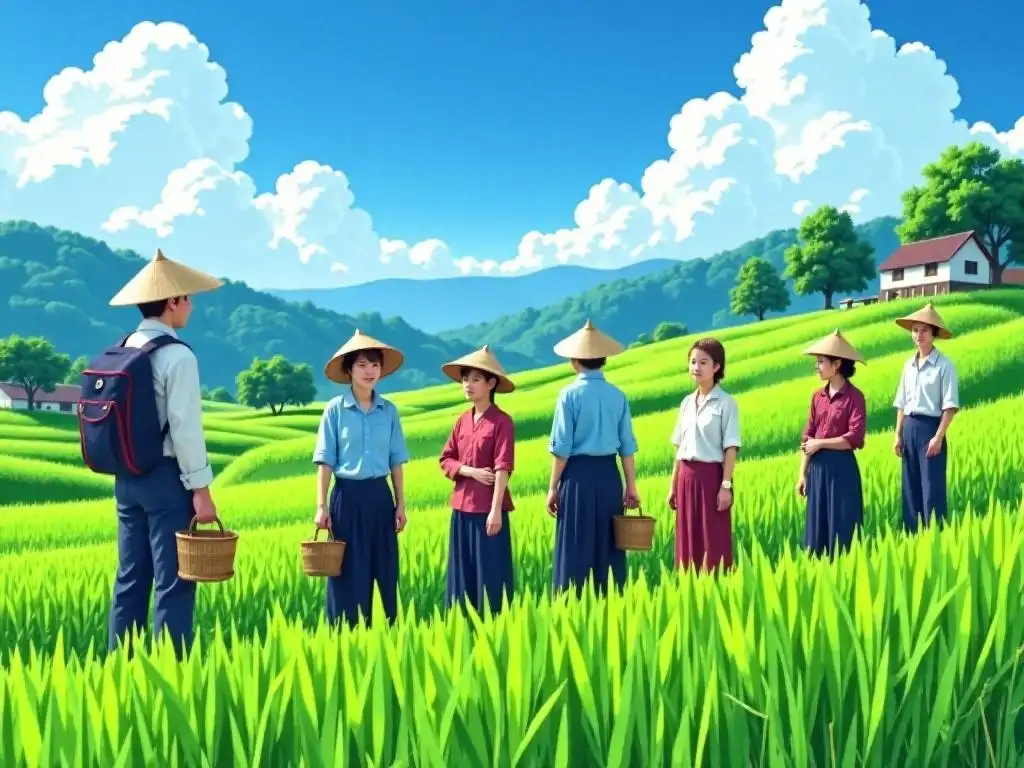
Peasants were the backbone of feudal Japan's agrarian economy, contributing significantly to the sustenance and wealth of the nation. Their labor ensured the production of rice, which was not only a staple food but also a form of currency and a measure of wealth in Japanese society.
Peasant Labor and Its Role in the Agrarian Economy
The labor of peasants was fundamental to the agrarian economy, as they provided the workforce necessary for the cultivation of rice and other crops. The majority of the population during feudal Japan consisted of peasants, and their contributions were vital for maintaining the social structure and economic stability of the time.
Peasants were often tied to the land they farmed, working under the feudal system that required them to pay taxes in the form of rice or labor to local lords. This relationship created a cycle where the productivity of peasant labor directly influenced the wealth of their lords and, by extension, the entire region.
The agricultural output produced by peasants not only supported local communities but also contributed to trade networks, allowing for the exchange of goods with urban centers. This interaction between rural producers and urban markets helped to stimulate economic growth during the feudal era.
Trade and Barter Systems Within Peasant Communities
Within peasant communities, trade and barter systems played a crucial role in daily life. Since cash was often scarce, peasants relied on exchanging goods and services to meet their needs. For instance, a farmer might trade rice for cloth or tools produced by a neighboring craftsman.
Markets were often established on festival days, where peasants would gather to buy and sell goods. These markets facilitated not only the exchange of agricultural products but also cultural interactions among different villages, enriching the social fabric of rural life.
Additionally, community cooperation extended beyond simple barter; peasants often pooled resources for collective tasks, such as building irrigation systems or hosting festivals. This communal approach reinforced social bonds and ensured that the collective needs of the village were met through mutual support.
Taxation and Land Ownership: The Peasant's Burden
Taxation was one of the most significant burdens faced by peasants in feudal Japan. They were often required to pay a substantial portion of their harvest to local lords, which could range from 30% to 50% of their rice yield. This heavy taxation left little for the peasants themselves and created a cycle of poverty that was difficult to escape.
Land ownership was typically concentrated in the hands of the samurai class and wealthy landowners, while peasants had limited rights to the land they cultivated. Most peasants were tenant farmers, bound to the land they worked and subject to the whims of their lords. This lack of autonomy contributed to feelings of disenfranchisement and resentment among the peasant class.
Despite these challenges, peasants demonstrated resilience and ingenuity. Many developed strategies to cope with the demands of landowners, including finding ways to increase their yields or supplementing their income through side trades or crafts. The economic contributions of peasants, albeit often overlooked, were essential in sustaining feudal Japan's agricultural system and overall economy.
In feudal Japan, the social structure was rigidly hierarchical, with clearly defined roles and responsibilities for each class. At the base of this structure were the peasants, whose labor and agricultural practices were vital to the sustenance of the entire society. Despite their lowly position, peasants played a crucial role in the economy, producing the food that sustained not only themselves but also the samurai and the ruling classes. Understanding the social dynamics of feudal Japan reveals the indispensable contributions of these unsung heroes.
Peasants generally comprised the largest segment of the population, and their existence was deeply intertwined with the land they tilled. They were primarily engaged in rice cultivation, which was not only a staple food but also a symbol of wealth and status. The productivity of the land and the skill of the peasants directly influenced the prosperity of their local regions and, consequently, the entire nation.
Hierarchical Relationships: Peasants, Samurai, and Landlords
The relationship between peasants, samurai, and landlords was characterized by mutual dependence, despite the evident power imbalances. Landlords, or daimyo, owned vast tracts of land and relied on peasant labor to cultivate it. In exchange for their work, peasants were provided with protection and the right to work the land. This relationship was formalized through a system of taxation, where peasants were required to give a portion of their harvest to their landlords.
The samurai class, as the military nobility, played a dual role in this hierarchy. They enforced the laws and maintained order within the villages, but they were also dependent on the agricultural productivity of the peasants. Samurai received stipends from the daimyo, which were often derived from the agricultural output of the peasants. Thus, the success of the samurai was inextricably linked to the labor of the peasant class.
This hierarchical dynamic fostered a sense of obligation and loyalty. Peasants were expected to show deference to their samurai lords, while samurai were obliged to protect the peasants, maintaining a balance that was essential for the stability of feudal society.
Community Life: Cooperation and Mutual Aid Among Peasants
Peasant communities in feudal Japan were characterized by strong bonds of cooperation and mutual aid, which were critical for survival in the agrarian economy. These communities often organized themselves into groups that worked together during planting and harvest seasons. This cooperation not only maximized efficiency but also fostered a sense of solidarity among villagers.
One of the most significant aspects of community life was the concept of mura, or village, which served as the social and economic unit for the peasants. Within these mura, collective efforts were common, including shared labor for communal fields and the pooling of resources for irrigation and pest control. Such collaboration was essential, especially in times of hardship, as it allowed villagers to support one another during crop failures or natural disasters.
Additionally, festivals and communal events played a vital role in reinforcing these relationships. These gatherings provided opportunities for peasants to celebrate their harvests, share knowledge, and strengthen their communal ties, creating a resilient social fabric that was crucial for their day-to-day life.
Cultural Significance of Peasant Agriculture
The agricultural practices of peasants in feudal Japan were not only essential for economic survival but also enriched the cultural landscape of the nation. The rhythms of agricultural life influenced various aspects of Japanese culture, from festivals to artistic expressions, underscoring the integral role of peasants in shaping the national identity.
Festivals and Traditions Celebrating Agricultural Life
Agricultural life in feudal Japan was marked by numerous festivals and traditions that celebrated the changing seasons and the agricultural calendar. These festivals often centered around significant agricultural milestones, such as planting and harvest times, and were characterized by rituals that sought to ensure bountiful yields.
One prominent example is the Inaho Matsuri, or Rice Ear Festival, which honors the rice harvest and expresses gratitude to the deities for their blessings. During such festivals, villagers would participate in dances, music, and offerings to the gods, showcasing their connection to the land and their reliance on agricultural abundance.
These celebrations also served to reinforce community bonds, as they brought together villagers in shared joy and purpose. The communal nature of these festivals highlighted the importance of cooperation and mutual support among peasants, further embedding agricultural practices into the cultural fabric of the society.
The Influence of Peasant Agriculture on Japanese Art and Literature
Peasant agriculture has had a profound influence on Japanese art and literature, providing a rich source of inspiration for artists and writers throughout history. The imagery of lush rice fields, seasonal changes, and rural life has been a recurring theme in traditional Japanese paintings, woodblock prints, and poetry.
For instance, the famous ukiyo-e woodblock prints often depicted scenes of rural life, celebrating the beauty of nature and the labor of peasants. Artists like Hiroshige and Hokusai captured the essence of landscapes shaped by agriculture, reflecting a deep appreciation for the peasant way of life.
In literature, the works of poets such as Matsuo Bashō often drew from the agricultural calendar to evoke emotions and convey the connection between humans and nature. Bashō’s haikus frequently reflect the simplicity and beauty of peasant life, highlighting the harmony found in agricultural practices.
Overall, the cultural significance of peasant agriculture in feudal Japan is a testament to its lasting impact on the nation’s artistic and literary heritage, illustrating the vital role that peasants played not only in sustaining the economy but also in enriching the cultural identity of Japan.
Challenges Faced by Peasants in Feudal Japan
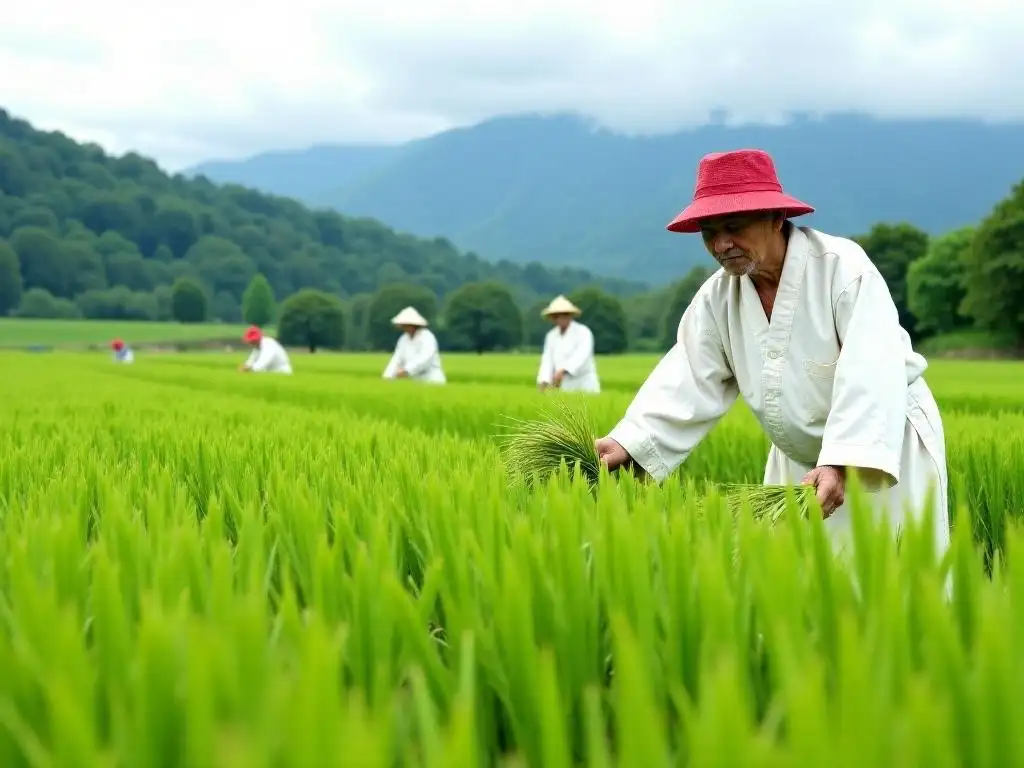
Peasants in feudal Japan played a crucial role in sustaining the agricultural economy, yet their lives were fraught with numerous challenges. These challenges stemmed from a combination of natural, political, and social factors that significantly impacted their daily existence and agricultural practices. Understanding these challenges is essential to appreciate the resilience and adaptability of the peasant class during this tumultuous period.
Natural Disasters and Their Impact on Agriculture
Natural disasters posed a significant threat to peasant agriculture in feudal Japan. The country is prone to earthquakes, typhoons, and droughts, all of which could devastate crops and disrupt food production. For instance, the 1707 Hoei earthquake and subsequent tsunamis severely impacted the agricultural infrastructure in several regions, leading to food shortages and famine.
These disasters not only destroyed crops but also disrupted the irrigation systems that were vital for rice cultivation, the staple of the Japanese diet. The resulting famines often forced peasants to rely on government assistance, which was inconsistent and often inadequate. The lack of a stable food supply led to increased poverty, social unrest, and even revolts, such as the famous 1837 Denshō Rebellion, where peasants rose against the oppressive feudal system amidst widespread hardship.
Moreover, the agricultural calendar was heavily reliant on seasonal weather patterns. Unpredictable changes could result in either crop failures or an overabundance leading to inflation. This volatility made it extremely challenging for peasants to plan their agricultural practices effectively, contributing to their ongoing struggles for survival.
Political Turmoil and Its Consequences for Peasant Life
Political instability was another formidable challenge for peasants during feudal Japan. The constant power struggles among samurai clans, particularly during the Sengoku period (1467-1603), created a chaotic environment where peasants often found themselves caught in the crossfire.
In times of war, fields were often left untended, and many peasants were forced to abandon their homes, leading to temporary or permanent displacement. The shifting allegiances and territorial disputes meant that peasants had to navigate a complex web of loyalties, often suffering from taxation and conscription into military service, which pulled them away from their agricultural duties.
Additionally, the feudal system imposed heavy taxes on peasant farmers, which were often collected in rice or other produce. This left little for family sustenance, leading to cycles of debt and dependency. The burden of these taxes, combined with political oppression, often resulted in uprisings, such as the 1787 Nakano Uprising, where peasants protested against their harsh realities.
The Legacy of Feudal Japan Peasant Agriculture
The legacy of peasant agriculture in feudal Japan is multifaceted, influencing modern agricultural practices, cultural traditions, and societal structures. Despite the hardships they faced, the innovations and resilience of peasants contributed significantly to Japan's agricultural heritage.
The Transition from Feudalism to Modern Agricultural Practices
As Japan began to transition from feudalism to modernization during the Meiji Restoration in the late 19th century, the agricultural landscape underwent radical changes. The abolition of the feudal system meant that peasants gained rights over their land, leading to increased productivity and the adoption of new agricultural techniques.
This period saw the introduction of Western farming methods, crop rotation, and the use of machinery, which transformed traditional practices. The emphasis on land ownership allowed former peasants to cultivate their land more effectively without the fear of oppressive taxation. Consequently, this transition laid the groundwork for a more structured and efficient agricultural economy, ultimately contributing to Japan's rapid industrialization.
Lessons Learned from Peasant Agriculture in Feudal Japan
The experiences of peasants during the feudal era offer valuable lessons for contemporary agricultural practices. Their ability to adapt to environmental challenges, innovate under duress, and maintain community solidarity highlights the importance of resilience in agriculture.
Moreover, the emphasis on sustainable practices, such as rice cultivation and the use of organic fertilizers, reflects an understanding of ecological balance, which is increasingly relevant in today's discussions on sustainable agriculture.
Peasant agriculture in feudal Japan also underscores the significance of community and cooperative farming. The shared labor and mutual support among peasants provided a buffer against the adversities they faced, a concept that modern agriculture can benefit from in fostering cooperative models.
The legacy of feudal Japan's peasant agriculture is not only a testament to the hard work and determination of this class but also a source of inspiration for future agricultural practices that value sustainability, resilience, and community.
Conclusion: Recognizing the Heroes of Feudal Japan's Agriculture
The history of feudal Japan is often dominated by the tales of samurai, shoguns, and noble families, but the essential role of peasants in agricultural production cannot be overstated. These unsung heroes were the backbone of the economy, cultivating the land and ensuring that society was fed. Their hard work and resilience laid the foundation for the prosperity that allowed the samurai class to exist and flourish. Acknowledging the contributions of peasants is vital for a holistic understanding of feudal Japan's social structure and economic dynamics.
As we reflect on the significance of peasants during this era, it's important to recognize that their labor was not just about farming but also about maintaining traditions, managing resources, and adapting to environmental challenges. Their agricultural practices, which included rice cultivation and the use of irrigation systems, were innovative and sustainable, showcasing their deep connection to the land. This conclusion serves as a reminder that the narrative of feudal Japan is incomplete without honoring the pivotal role played by peasants.
The Lasting Impact of Peasants on Japanese Society and Culture
Peasants in feudal Japan were more than mere laborers; they were custodians of culture and tradition. Their agricultural practices were interwoven with spiritual beliefs and rituals, as farming was often accompanied by festivals that celebrated the harvest and honored deities. This cultural aspect of agriculture fostered a sense of community and continuity, as generations of families worked the same fields, passing down knowledge and traditions.
Moreover, the social structure that emerged during this period was heavily influenced by the peasant class. The concept of self-sufficiency in villages led to the development of unique local identities and customs. The craftsmanship of peasant artisans also contributed to Japanese culture, as they produced goods that reflected their environment and traditions. The legacy of these practices can still be seen in modern Japanese society, where respect for agricultural heritage remains strong.
A Call to Acknowledge Peasant Contributions in Historical Narratives
The historical narratives surrounding feudal Japan often overlook the contributions of peasants, focusing instead on the elite classes. This exclusion diminishes the complexity of Japan's past and fails to recognize the interdependence between different social strata. It is crucial to revise these narratives to include the voices and experiences of peasants, who played an indispensable role in shaping the nation.
Historians, educators, and enthusiasts of Japanese history should strive to present a more balanced view that honors the contributions of all social classes. By incorporating the stories of peasants into historical discourse, we can foster a deeper understanding of feudal Japan’s agricultural practices and their impact on society. This acknowledgment not only enriches our comprehension of history but also honors the legacy of those who worked tirelessly to sustain their communities. Recognizing the peasants as integral to Japan's agricultural success is essential for a complete and nuanced history.
- Introduction to Feudal Japan Peasant Agriculture
- Historical Context of Peasant Agriculture in Feudal Japan
- The Daily Life of Peasants in Feudal Japan
- Economic Contributions of Peasants to Feudal Japan
- Social Structure and the Role of Peasants
- Cultural Significance of Peasant Agriculture
- Challenges Faced by Peasants in Feudal Japan
- The Legacy of Feudal Japan Peasant Agriculture
- Conclusion: Recognizing the Heroes of Feudal Japan's Agriculture
- What was the primary role of peasants in feudal Japan?
- How did peasant agriculture impact society during feudal Japan?
- What challenges did peasants face in feudal Japan?
- Were peasants involved in any social movements during feudal Japan?
- How did the status of peasants change over time in feudal Japan?
Frequently Asked Questions
What was the primary role of peasants in feudal Japan?
Peasants were the backbone of the agricultural system in feudal Japan, responsible for cultivating rice and other crops that sustained the population and supported the economy.
How did peasant agriculture impact society during feudal Japan?
The productivity of peasant agriculture directly influenced social hierarchies and power dynamics, as landowners and samurai relied on peasants for food and economic stability.
What challenges did peasants face in feudal Japan?
Peasants encountered numerous challenges, including heavy taxation, natural disasters, and the threat of military conflict, which often jeopardized their livelihoods and security.
Yes, peasants sometimes participated in revolts and uprisings against oppressive taxation and feudal lords, which highlighted their desire for better living conditions and rights.
How did the status of peasants change over time in feudal Japan?
The status of peasants fluctuated, with periods of relative autonomy and prosperity, followed by oppression and hardship, particularly during times of war or economic strife, affecting their role in society.
Final Reflection: The Silent Strength of Feudal Japan's Peasants
The role of peasants in feudal Japan is not merely a historical footnote; it is a testament to the resilience and ingenuity of those who sustained an entire society. Today, as we navigate complex global challenges, the lessons from the past remind us of the vital contributions of often-overlooked communities. The sacrifices and labor of feudal Japan's peasants laid the groundwork for a thriving agricultural system, demonstrating that the strength of a nation lies in its ability to nurture and support its foundational elements.
Cultural narratives continue to evolve, yet the legacy of the peasant class remains a poignant reminder of the interconnectedness of society. Their hard work and dedication not only fed the populace but also shaped the social and economic structures of their time. As we reflect on their contributions, we can draw parallels to contemporary movements advocating for the rights and recognition of marginalized communities. The true measure of any society can be found in how it treats its most vulnerable members.
This quote resonates deeply, urging us to recognize the value of every individual's labor and the importance of equitable treatment in our modern world.
As we conclude this exploration of feudal Japan's peasant agriculture, I invite you to reflect on the unsung heroes in your own life and community. Consider how you can honor their legacy by advocating for those who work tirelessly behind the scenes, ensuring that their contributions are acknowledged and valued. Let us carry forward the lessons of resilience and solidarity, fostering a future where every voice is heard, and every effort is celebrated.
Celebrate the Legacy of Peasants: Take Action Today!
Thank you for diving into the fascinating world of feudal Japanese agriculture and the vital role of peasants as its unsung heroes. You’ve uncovered incredible insights about their sacrifices and contributions. Now, let’s transform that knowledge into action!
- Join a local community garden to experience firsthand the dedication of those who cultivate the land.
- Share this article on social media to help spread awareness about the invaluable contributions of peasants throughout history.
- Explore additional reading materials to gain a deeper understanding of agricultural practices and the lives of peasants across various cultures and time periods.
What actions will you take to honor the dedication of those who shaped our agricultural roots? We’d love to hear your thoughts!