
The Power of the Empress: Female Influence in Japan’s Feudal Hierarchy

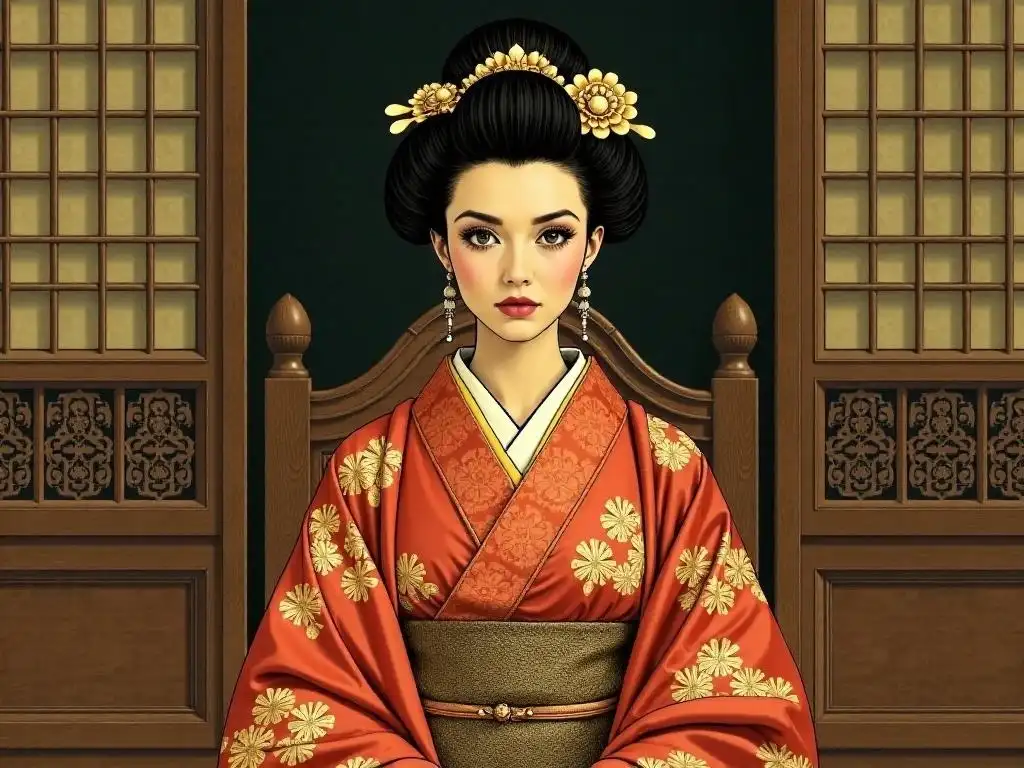
Welcome to Feudal Japan History, where we embark on a captivating journey through Japan’s feudal era! In this intricate tapestry of historical, cultural, and societal narratives, we shine a light on the often-overlooked yet profound female influence in Japan's feudal era. Explore with us as we delve into our featured article, "The Power of the Empress: Female Influence in Japan’s Feudal Hierarchy," and uncover how women shaped the dynamics of power and society during this transformative period. Prepare to be intrigued as we unravel the stories of these remarkable figures—your adventure into the depths of feudal Japan awaits!
Introduction to Female Influence in Japan's Feudal Era
The feudal era of Japan, spanning from the late 12th century to the mid-19th century, is often characterized by the dominance of samurai warriors and the rigid class structure that defined society. However, beneath this male-dominated narrative lies a rich tapestry of female influence that shaped the political, cultural, and social landscape of the time.
Women, particularly those in the imperial family and noble classes, wielded significant power and played crucial roles in maintaining family alliances, influencing decisions, and even managing estates. This article delves into the pivotal contributions of women, especially empresses and noblewomen, and highlights how their influence permeated the feudal hierarchy, challenging the conventional perceptions of gender roles during this period.
Overview of Japan's Feudal Hierarchy
Japan's feudal hierarchy was a complex system characterized by a strict social order that dictated the roles and responsibilities of its members. At the apex of this structure were the emperor and the imperial family, followed by the shogun, the daimyo (feudal lords), samurai (warrior class), and the peasantry. Each layer of this hierarchy had defined roles, yet the interactions between these classes created a dynamic social fabric that allowed women to exercise influence in various capacities.
Key Elements of Feudal Society
- Emperor and Imperial Family: The emperor was considered the divine ruler, with the imperial family playing a central role in legitimizing power. Women in the imperial family, especially empresses, had the ability to shape political alliances through marriage and influence succession.
- Shogunate and Daimyo: The shogun held military and political power, while daimyo governed their domains. Women married into these families often acted as political pawns but also held significant sway in household matters and lineage continuity.
- Samurai Class: As the warrior elite, samurai were the backbone of feudal Japan. However, their wives and daughters managed the household and were responsible for the family’s honor, making them key players in the social structure.
- Peasantry: While peasants occupied the lowest tier, women contributed to agricultural production and community welfare, often leading local initiatives and managing family affairs.
The Role of the Samurai Class
The samurai class was not only a military force but also a cultural and social entity that upheld the values of bushido, the way of the warrior. Within this class, women played multifaceted roles that extended beyond traditional expectations. Samurai women were often tasked with managing estates in the absence of their husbands who were away at war, thereby ensuring the continuity of their families’ status and wealth. They were educated in the arts, literature, and even martial skills, which equipped them to engage in political discourse and societal leadership.
The female influence in Japan’s feudal era, particularly through the empress and noblewomen, was a powerful force that shaped the dynamics of power, culture, and society. Understanding this influence allows for a more nuanced appreciation of the historical narrative, revealing the essential contributions of women in a time often overshadowed by male dominance.
Historical Context of Female Influence
The historical context of female influence in Japan's feudal era is crucial to understanding the intricate dynamics of power and gender roles that characterized this period. During the Heian period (794-1185), women held a significant position within the court, where they were often educated and engaged in cultural pursuits such as poetry and literature. The emergence of the samurai class in the subsequent Kamakura period (1185-1333) marked a shift in societal structures, yet women continued to exert influence, albeit through different means.
In early Japanese society, women were typically seen as bearers of lineage and caretakers of the home. However, their roles were not strictly confined to domestic spaces. Women from noble families often participated in political negotiations and were influential in the selection of heirs. The social fabric of feudal Japan allowed for significant female agency, especially among the aristocracy, where alliances through marriage were vital for maintaining power.
Women's Roles in Early Japanese Society
In the early stages of Japanese history, women played multifaceted roles that extended beyond mere domestic responsibilities. They were involved in agriculture, textile production, and even trade, contributing to their families’ economic standing. Additionally, women held considerable sway within their households, managing finances and making crucial decisions regarding family affairs.
Within the aristocratic class, women were often educated in the arts and literature, allowing them to participate in the vibrant cultural life of the Heian period. This education empowered women to express their thoughts and emotions through poetry and prose, further enhancing their societal standing. The famous "Tale of Genji," written by Murasaki Shikibu, is a prime example of women's literary contributions during this era, showcasing their intellectual prowess and creative abilities.
The Evolution of Female Influence in Feudal Japan
As Japan transitioned through various historical periods, the nature of female influence evolved significantly. The rise of the samurai class brought about a more militarized society, which shifted the focus from courtly pursuits to the practicalities of warfare and governance. Despite this shift, women maintained a degree of influence, particularly through their roles as wives and mothers of samurai warriors.
During the Sengoku period (1467-1603), a time of constant warfare, women took on more active roles in managing estates and even leading troops in battle. Notably, figures like Tomoe Gozen emerged, illustrating that women could wield power and command respect on the battlefield. This period marked a significant transformation in how female influence was perceived, as women began to be recognized not only for their familial roles but also for their capabilities as leaders and strategists.
Prominent Figures of Female Influence in the Feudal Era
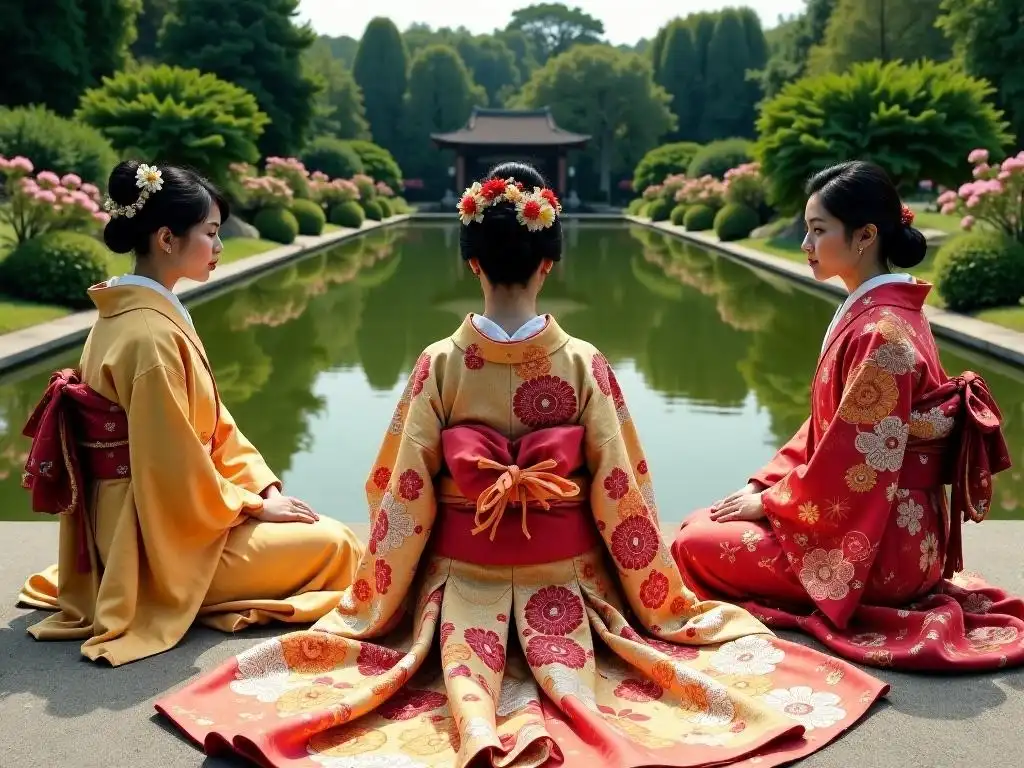
The feudal era of Japan saw several prominent female figures who left indelible marks on history through their influence and power. These women were not merely passive participants in a male-dominated society; instead, they actively shaped political landscapes and cultural narratives.
The Empress and Her Power
The role of the Empress in feudal Japan was pivotal, as she often held substantial political influence despite the constraints of male-dominated society. Empress Jingu, for instance, is a legendary figure who is said to have led military campaigns and expanded territories. Her story highlights the potential for women to ascend to positions of power and authority.
In the Heian period, Empresses often acted as regents for their sons, wielding considerable power in court politics. They engaged in the appointment of officials and negotiating alliances, demonstrating that female influence could extend into the highest echelons of power. The presence of a strong empress could stabilize a regime and foster political alliances, showcasing the strategic importance of female leadership.
Influential Women in the Samurai Class
Within the samurai class, women played crucial roles in supporting their husbands and families while also managing household affairs and estate matters. Women like Hojo Masako, who was the wife of the first shogun, Minamoto no Yoritomo, not only managed their households but also participated in political decision-making.
Samurai women were trained in various skills, including martial arts, enabling them to defend their homes in times of conflict. This capability to engage in warfare further solidified their status and influence within their families and communities. The loyalty and bravery of samurai women were often celebrated in tales and literature, reflecting their integral role in the feudal hierarchy.
The Role of Court Ladies and Nobles
Court ladies and noblewomen held unique positions within the social hierarchy of feudal Japan. Their roles often included serving the empress, engaging in courtly rituals, and participating in cultural activities. These women played a significant part in shaping the aesthetic and cultural norms of the time, contributing to the development of Japanese art and literature.
Women in noble families were also key players in political alliances through marriage arrangements. They were often used as pawns in strategic marriages that would strengthen family ties and political power. By navigating these complex social structures, women exerted influence, albeit often indirectly, through their connections and relationships.
The female influence in Japan's feudal era was characterized by a blend of power, resilience, and cultural contribution. Women were not only confined to domestic roles but actively shaped the political and cultural landscape, making their mark in history as influential figures in their own right.
Mechanisms of Female Influence in the Feudal System
The feudal era in Japan was characterized by a rigid hierarchy where power dynamics were predominantly male-oriented. However, women, particularly those of noble birth, managed to exert considerable influence through various mechanisms. Their influence was often linked to strategic marriage alliances, control over economic resources, and cultural contributions. These mechanisms, while sometimes overshadowed by the male-centric narratives of history, played critical roles in shaping the political and social landscape of the time.
Marriage Alliances and Political Power
Marriage in feudal Japan was not merely a personal union but a strategic political tool. Families often arranged marriages to secure alliances, enhance status, and consolidate power. Women from influential clans were married off to powerful warlords or other noble families to create bonds that would ensure military support and political stability.
For instance, the marriage of the daughter of a powerful daimyo to a shogun could significantly elevate her family's standing and influence. Empresses and noblewomen often acted as intermediaries in these arrangements, negotiating terms and ensuring their families' interests were well-represented. This practice not only allowed women to play a pivotal role in the political arena but also brought them temporary power through their husbands' positions.
Moreover, women who married into powerful families could wield informal influence, advising their husbands and participating in decision-making processes, albeit often behind the scenes.
Economic Control and Land Ownership
Women in feudal Japan had varying degrees of economic power, particularly when it came to land ownership. Noble women could inherit property, manage estates, and control agricultural production. This economic authority provided them with a degree of independence and influence that was crucial in a society where wealth equated to power.
For example, the widow of a daimyo would often retain control over her late husband’s estate, managing resources and overseeing tenants. This not only ensured the family's financial stability but allowed her to maintain influence in political matters. In some cases, women could even act as regents or advisors, especially during their sons' minority.
Additionally, women contributed to the economy through their roles in production and trade, participating in textile production and managing household economies. Their involvement in commerce and agriculture further solidified their status within the feudal hierarchy.
Cultural Influence through Arts and Literature
Cultural contributions were another vital avenue through which women influenced the feudal system. Noblewomen were often educated and encouraged to engage in the arts, literature, and poetry, leading to the production of significant cultural works that reflected and shaped societal norms and values.
For instance, the Heian period saw the emergence of renowned female authors like Murasaki Shikibu, who wrote "The Tale of Genji," often regarded as the world's first novel. Such works not only provided insight into the lives and emotions of women but also influenced the cultural expectations of gender roles within society.
Moreover, women played vital roles in the transmission of cultural practices, including tea ceremonies and traditional arts. Their influence in the cultural realm allowed them to shape the societal narrative and assert their presence in a predominantly male-dominated arena.
Challenges and Limitations of Female Influence
Despite the mechanisms that allowed for female influence in Japan's feudal hierarchy, significant challenges and limitations persisted. These impediments were often rooted in deeply entrenched social norms and political restrictions that sought to confine women's roles to the domestic sphere.
Social Norms and Gender Roles
Social norms in feudal Japan were heavily influenced by Confucian ideals, which emphasized male authority and female submissiveness. Women were often expected to fulfill roles as dutiful wives and mothers, prioritizing the needs and ambitions of their families over personal aspirations.
These gender roles restricted women's participation in public life and decision-making processes. Although some women wielded influence through family connections, the overarching societal expectations often diminished their power. The concept of "onna no koto wa" (women's matters) confined their influence to home and hearth, limiting their ability to engage in broader political discourse.
Political Restrictions on Women
While women could sometimes hold power through marriage or inheritance, formal political roles were largely inaccessible. The feudal system's structure favored male leadership, and women were often excluded from political offices and decision-making bodies.
In many cases, even powerful noblewomen faced restrictions that curtailed their ability to act independently. For example, regency was typically reserved for male heirs, which meant that even if a woman held significant influence, it was often through a male figure. This limitation exemplified the paradox of female power in feudal Japan—where influence existed, it was often undermined by the patriarchal structure.
The Impact of Confucian Ideals
Confucianism played a significant role in shaping the social fabric of feudal Japan, reinforcing the subordination of women and promoting male dominance. The teachings emphasized loyalty, filial piety, and the hierarchical nature of relationships, which positioned women as subservient to male authority figures.
As a result, even women who achieved a degree of influence through marriage or economic control had to navigate a complex landscape of expectations and limitations. The adherence to Confucian ideals meant that women's contributions were often undervalued or overlooked, with their influence deemed secondary to that of men. This ideological backdrop created a challenging environment for women seeking to assert their power and influence within the feudal hierarchy.
Case Studies of Female Influence in Japan’s Feudal Hierarchy

Throughout Japan's feudal era, several prominent women individuals played crucial roles within the hierarchical structure of society. Their influence ranged from political power to cultural contributions, significantly shaping the course of Japan's history. By examining specific case studies, we can better understand how these women exercised power and authority during a period typically dominated by male figures.
The Life of Empress Jingu
Empress Jingu is one of the most celebrated female figures in Japanese mythology and history. She is often credited with leading Japan during a time of conflict, particularly against the Korean kingdom of Silla. According to legends, after the death of her husband, Emperor Chuai, Jingu took on the role of a regent and led a military campaign that resulted in significant territorial gains for Japan.
Her reign is often viewed as a symbol of female strength and leadership in a male-dominated society. Interestingly, Jingu's legacy extends beyond military exploits; she is also associated with the Shinto religion, where she is revered as a deity. This dual role as both a leader and a spiritual figure highlights the multifaceted nature of female power in the feudal era.
Moreover, Empress Jingu's story has been influential in shaping cultural narratives surrounding female leadership, inspiring later generations of women in Japan to assert their influence in various spheres of life.
The Heian Period and Its Impact on Female Authority
The Heian Period (794-1185) marked a significant era for women in Japan, particularly in terms of cultural influence and authority. During this time, the imperial court became a center of artistic and literary achievement, with women often playing a central role. The famous work "The Tale of Genji," authored by Murasaki Shikibu, is a prime example of women's contributions to literature, showcasing not only their creativity but also their deep understanding of the complexities of court life.
Women of the Heian court were often involved in political machinations, wielding influence through familial ties and marriages. Noblewomen were critical in securing alliances, and their roles as mothers and caregivers positioned them as key figures in maintaining lineage and power. This period saw the establishment of the concept of 'onnagata' (female roles), which allowed women to express their authority through the arts and literature, further solidifying their status within society.
The Heian Period demonstrated that women's influence, while often indirect, was nonetheless profound. Their contributions shaped cultural norms and expectations, laying the groundwork for future generations of women in Japan.
The Legacy of Female Influence in Feudal Japan
The impact of women in Japan's feudal society extends far beyond their immediate actions. The legacy of female influence is evident in various aspects of Japanese culture, politics, and social structures, contributing to a nuanced understanding of women's roles throughout history.
How Women Shaped Cultural Norms
Women in feudal Japan significantly shaped cultural norms, particularly through their contributions to literature, art, and religion. The development of poetic forms, such as "waka," was greatly influenced by women poets of the Heian era, who created works reflecting their personal experiences and societal observations. This literary tradition not only enriched Japanese culture but also established women as key contributors to cultural discourse.
In addition, women's roles in religious practices, especially within Shinto and Buddhism, allowed them to maintain a degree of influence. Female shamans and temple priestesses played essential roles in religious ceremonies, fostering community ties and spiritual practices. Their involvement helped to shape the spiritual landscape of Japan, promoting the idea that women could hold power and authority in realms traditionally reserved for men.
The Long-Term Effects on Japanese Society
The long-term effects of female influence in feudal Japan are still evident today. The empowerment of women during the feudal era paved the way for subsequent generations to challenge social norms and assert their rights.
In modern Japan, the legacy of historical female figures has inspired movements for gender equality and women's rights, leading to a gradual shift in societal attitudes towards women's roles. The historical narrative of powerful women has fostered a sense of identity and resilience among women, encouraging them to seek leadership positions in various fields.
Moreover, the recognition of women's contributions to Japan's cultural heritage has led to a broader understanding of gender dynamics in historical contexts. This acknowledgment is crucial for a comprehensive study of Japan's social history, as it highlights the importance of female influence in shaping the nation's past and present.
The stories of influential women in feudal Japan serve as a testament to the power and resilience of women in a patriarchal society. Their legacies continue to inspire and inform contemporary discussions surrounding gender and authority in modern Japan.
Conclusion: The Lasting Power of Women in Feudal Japan
The feudal era in Japan was marked by a complex interplay of power, culture, and societal norms, where women wielded significant influence despite the patriarchal structures that often defined their roles. Empresses and noblewomen were not mere figures in the background; they actively participated in political decisions, cultural patronage, and the management of households, thus shaping the course of history in profound ways. Their contributions ranged from diplomacy to the arts, showcasing that women's influence transcended the limitations imposed upon them by society.
Moreover, the legacy of these powerful women continues to resonate in contemporary discussions about gender roles and equality. By examining the lives and impacts of prominent figures such as Empress Jitō and the women of the Fujiwara clan, we can appreciate the multifaceted roles women played in governance and society. This historical perspective not only enriches our understanding of the feudal era but also serves as a reminder that female influence has always been an integral component of Japan's history.
Reflection on Female Influence in Japan's Feudal Era
Reflecting on female influence in Japan's feudal era reveals a narrative of resilience and adaptability. Women were often the architects of alliances through marriage, which were vital for maintaining peace and stability among powerful clans. These strategic unions not only enhanced political power but also allowed women to navigate and sometimes manipulate the rigid structures of feudal society to their advantage.
Additionally, women in the imperial court held considerable sway over cultural and artistic developments. They were patrons of literature, poetry, and the arts, fostering a rich cultural landscape that defined the era. The writings of women, such as those found in "The Tale of Genji," offer insights into their perspectives, experiences, and aspirations, further illustrating their significant roles in shaping Japan's cultural heritage.
The Importance of Recognizing Women's Contributions in History
Recognizing women's contributions in history, particularly during Japan's feudal era, is crucial for achieving a comprehensive understanding of the past. Historically, women's roles have often been marginalized or overlooked, leading to a skewed perception of their influence. By acknowledging the actions and achievements of women in feudal Japan, we enrich the historical narrative and provide a more balanced view of societal dynamics.
Furthermore, highlighting women's contributions encourages a re-evaluation of contemporary gender roles and inspires future generations to appreciate the importance of female voices in all spheres of life. This recognition not only honors the legacy of those who came before us but also fosters a culture of inclusivity and respect for diverse perspectives in history. As we delve into the complexities of the feudal era, it becomes increasingly clear that the story of Japan cannot be complete without acknowledging the power and influence of its women.
- Introduction to Female Influence in Japan's Feudal Era
- Overview of Japan's Feudal Hierarchy
- Historical Context of Female Influence
- Prominent Figures of Female Influence in the Feudal Era
- Mechanisms of Female Influence in the Feudal System
- Challenges and Limitations of Female Influence
- Case Studies of Female Influence in Japan’s Feudal Hierarchy
- The Legacy of Female Influence in Feudal Japan
- Conclusion: The Lasting Power of Women in Feudal Japan
- What was the role of women in Japan's feudal era?
- How did the Empress contribute to Japan's feudal hierarchy?
- Were there any notable female figures during the feudal period?
- How did societal views on women change throughout the feudal era?
- What lasting impacts did female influence have on Japanese culture?
Frequently Asked Questions
What was the role of women in Japan's feudal era?
Women in feudal Japan held varying roles, from noble wives influencing political alliances to warrior women managing estates in the absence of men, showcasing significant social influence.
How did the Empress contribute to Japan's feudal hierarchy?
The Empress played a crucial role in shaping political decisions and maintaining dynastic legitimacy, often wielding power behind the scenes despite the male-dominated society.
Were there any notable female figures during the feudal period?
Yes, figures like Tomoe Gozen, a female samurai, and Hojo Masako, a shrewd political leader, exemplify the impact of women in a predominantly patriarchal society.
How did societal views on women change throughout the feudal era?
Over time, societal views began to reflect a complex mix of respect for noble women and restrictive norms for lower-class women, illustrating the diverse experiences across different classes.
What lasting impacts did female influence have on Japanese culture?
The female influence during the feudal era laid the groundwork for future cultural developments, including literature and art, highlighting women's roles as patrons of culture.
Final Reflection: The Enduring Legacy of Female Influence in Japan's Feudal Era
The exploration of female influence in Japan's feudal era reveals a profound truth: women were not merely passive figures in history, but rather powerful agents of change and continuity. Today, as we navigate discussions around gender roles and equality, the stories of these remarkable women remind us that the past is not just a series of events but a tapestry woven with the threads of diverse experiences and contributions. The legacy of female influence in Japan's feudal hierarchy continues to resonate, challenging us to rethink the narratives we accept about power and agency.
Clearly, the impact of these historical figures extends far beyond their time, shaping cultural perceptions and societal structures that persist today. The stories of empresses and noblewomen serve as a testament to the resilience and strength of women, illuminating their crucial roles in politics, culture, and family life.
As noted by historian Joan R. Piggott, "> The influence of women in the feudal era was not just a footnote in history; it was a driving force that shaped the very fabric of society." This ongoing influence invites us to reflect on how the legacies of these women continue to inspire contemporary movements for gender equality and empowerment.
As we conclude this exploration of female influence in Japan's feudal era, I invite you to reflect on the lessons learned and consider how they apply to your own life. How can you honor the legacy of these powerful women in your actions today? Whether through advocacy, education, or simply sharing their stories, each of us has the opportunity to contribute to a more equitable future. Let us carry forward the spirit of these empresses, recognizing that the power of influence knows no gender and that our collective histories can guide us toward a brighter tomorrow.
Unleash the Legacy of Influential Women in Feudal Japan!
Thank you for diving into the captivating world of female influence within Japan’s feudal hierarchy! We hope you have gained a deeper understanding of the powerful roles women played in shaping this historical era. Now it’s time to take your newfound knowledge and explore further!
Here are a few actions you can take right now:
- Dive deeper into the stories of influential women by visiting your local library or exploring online archives— discover hidden narratives and enrich your perspective!
- Share this article with friends or family who are interested in history and spark a discussion about the roles of women across different cultures!
- Join our community on social media for engaging content and conversations about feudal Japan— let’s connect and learn together!
What newfound insight about the influence of women in feudal Japan surprises you the most? Share your thoughts in the comments below!