
The Shogunate and the Arts: How Political Power Influenced Cultural Expression

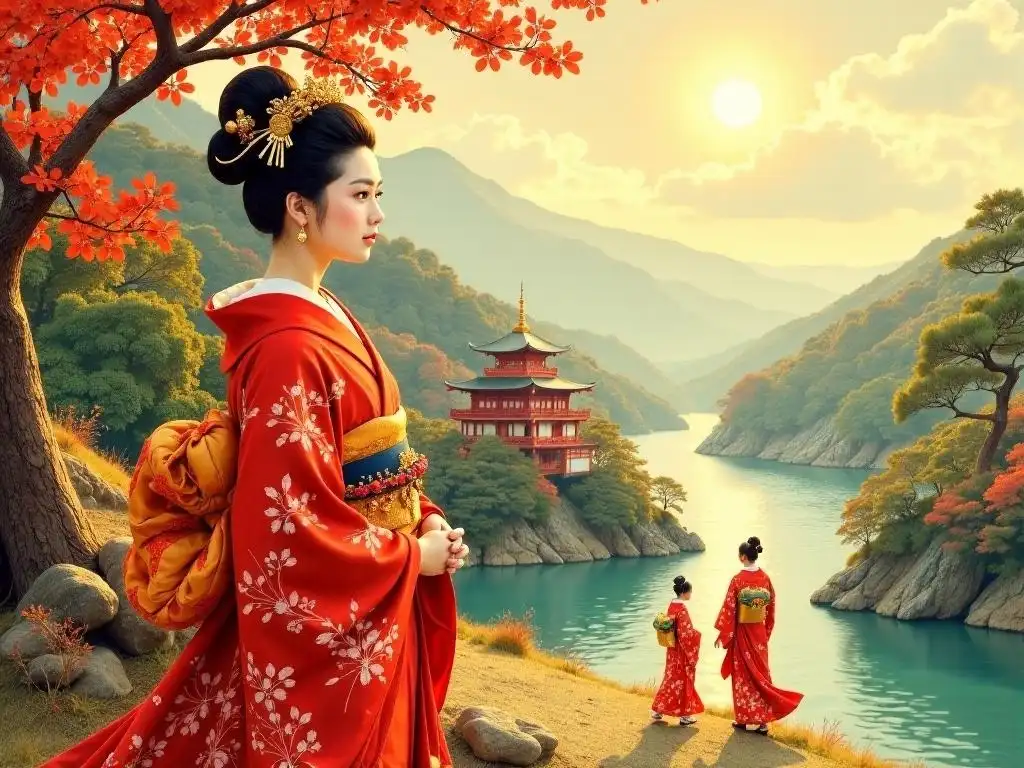
Welcome to Feudal Japan History, where we embark on a captivating journey through the intricate tapestry of Japan’s feudal era. Here, history is not just a series of events; it’s a vibrant narrative woven with threads of culture, society, and power. In our featured article, "The Shogunate and the Arts: How Political Power Influenced Cultural Expression," we delve into the profound shogunate influence on Japanese arts.
What role did political authority play in shaping the artistic landscape of the time? Prepare to uncover the secrets behind this fascinating intersection of power and creativity, and let your curiosity guide you deeper into the rich heritage of feudal Japan.
The Shogunate in Japan represents a pivotal era where political authority deeply intertwined with cultural expression, shaping the artistic landscape of the nation. Spanning several centuries, from the late 12th century until the mid-19th century, the Shogunate was characterized by military governance that not only influenced societal structures but also fostered a unique environment for the arts to flourish.
This comprehensive exploration focuses on the profound Shogunate influence on Japanese arts, examining how the political dynamics of the time affected artistic creation, patronage, and cultural identity. By delving into this intricate relationship, we can better understand the multifaceted role that political power played in shaping the cultural heritage of feudal Japan.
Introduction to the Shogunate and Its Cultural Impact
Overview of the Shogunate in Japanese History
The Shogunate system began with the Kamakura Shogunate (1185–1333), which marked the transition from imperial rule to military governance. The term "Shogun" refers to a military general who held significant power, often overshadowing the emperor's authority. This era saw the establishment of various Shogunates, including the Ashikaga and Tokugawa, each contributing uniquely to Japan's political and cultural narrative. The Shogunate's governance was characterized by a strict hierarchy and a feudal system that dictated social relations, land ownership, and military service.
As the Shogunate evolved, it implemented policies that encouraged certain artistic expressions while suppressing others. For example, the Tokugawa Shogunate (1603–1868) is particularly noted for its promotion of urban culture, leading to the rise of new art forms and cultural practices that reflected the tastes and interests of the merchant class.
Importance of Cultural Expression in Feudal Japan
Cultural expression during the feudal era played a critical role in shaping social identity and community cohesion. The arts were not merely a reflection of individual creativity; they were a means through which societal values, historical narratives, and political ideologies were communicated. Various art forms such as literature, theater, and visual arts flourished under the patronage of the Shogunate, often serving to legitimize their rule and reinforce the social order.
The importance of artistic endeavors can be seen in the development of unique styles, such as Ukiyo-e woodblock prints and Noh theater, which conveyed themes of nature, transient beauty, and the complexities of human emotion. These forms of expression provided a lens through which the populace could engage with their world, making them vital to the cultural fabric of feudal Japan.
The Shogunate Influence on Japanese Arts
Defining Shogunate Influence on Japanese Arts
The Shogunate's influence on Japanese arts can be defined by the ways in which political power shaped artistic production and cultural trends. This influence manifested through various channels, including:
- Patronage: The Shogunate and local daimyos (feudal lords) often sponsored artists and craftsmen, commissioning works that aligned with their political agendas.
- Censorship: The Shogunate imposed restrictions on certain themes and subjects, guiding artists toward works that promoted loyalty and conformity.
- Cultural Exchange: The stability provided by the Shogunate allowed for increased trade and cultural exchange with other nations, leading to the introduction of new artistic techniques and ideas.
The result was a rich tapestry of artistic expression that not only reflected the values of the ruling class but also resonated with the broader societal context.
Key Artistic Movements During the Shogunate Era
Throughout the Shogunate era, several key artistic movements emerged, each influenced by the political climate of the time:
- Ukiyo-e (Floating World Pictures): This genre of woodblock printing flourished during the Edo period, capturing the lives of the urban populace, landscapes, and beautiful women. It became a popular form of entertainment and a reflection of the Shogunate's urban culture.
- Noh and Kabuki Theater: These dramatic arts evolved with the Shogunate's support, providing both entertainment and moral lessons that reinforced societal norms. Noh was characterized by its austere and symbolic performances, while Kabuki became known for its vibrant and dynamic storytelling.
- Zen and Ink Painting: The influence of Zen Buddhism during the Muromachi period led to the development of Sumi-e (ink wash painting), emphasizing simplicity and natural beauty. This art form, often patronized by the Shogunate, reflected the philosophical ideals of the time.
- Ceramics and Craftsmanship: The period also saw advancements in pottery and craftsmanship, with the Shogunate encouraging the production of beautiful yet functional items that blended artistry with utility.
Through these movements, the Shogunate not only shaped the artistic landscape of Japan but also left a lasting legacy that continues to influence Japanese culture today.
Political Power and Patronage of the Arts
The relationship between political power and the arts during Japan's feudal era is a fascinating study of how governance influences cultural expression. The shogunates, as the ruling military governments, wielded significant power not only in military and political arenas but also in the cultural landscape. Their patronage of the arts was instrumental in shaping the artistic achievements of the time, creating a unique blend of power and creativity that reflected the values and ideologies of the period.
The shogunates recognized the value of the arts as a means to legitimize their rule, foster loyalty among the samurai class, and project an image of stability and cultural sophistication. This patronage led to the flourishing of various art forms, including literature, painting, theater, and the decorative arts, all of which became intertwined with the political narratives of the time. Consequently, the arts served not only as a means of personal expression but also as a tool for political communication and propaganda.
The Role of Shogunates in Promoting Cultural Endeavors
Throughout the different shogunates, from the Kamakura to the Tokugawa, rulers took an active role in promoting cultural endeavors. The Kamakura shogunate (1185–1333), for instance, saw the rise of Zen Buddhism, which heavily influenced the arts, particularly in the development of ink painting and the tea ceremony. The shogunate's support for Zen practitioners led to a new aesthetic that emphasized simplicity and natural beauty, reflecting the values of the ruling class.
The Tokugawa shogunate (1603–1868) further solidified the connection between political power and the arts. This period witnessed the establishment of a more organized approach to cultural patronage, with the shogunate sponsoring artists, poets, and playwrights. Notable figures such as the ukiyo-e artist Hokusai and playwright Chikamatsu Monzaemon flourished under this patronage. The shogunate's support of the arts was also linked to the establishment of cultural institutions, such as theaters and art schools, which provided a platform for artistic expression and innovation.
Patronage Systems: Supporting Artists and Artisans
The patronage systems established by the shogunates created a structured environment for artists and artisans to thrive. These systems were characterized by direct financial support, commissions for specific works, and the creation of guilds that organized artisans based on their crafts. For example, the textile industry flourished under the patronage of the shogunate as samurai families commissioned luxurious fabrics for their kimonos, leading to the advancement of techniques and styles.
Moreover, the relationship between the patron and artist was often symbiotic. Artists gained access to resources, training, and commissions, while patrons received works that enhanced their prestige and displayed their cultural sophistication. The impact of this patronage was profound, leading to the creation of iconic art forms such as kabuki theater and the development of specific schools of painting, each reflecting the tastes and preferences of the ruling class.
The Interplay Between Art and Politics
The arts during the feudal era were deeply influenced by the political climate of the time. As the shogunate navigated power struggles, wars, and social unrest, these dynamics invariably shaped artistic expression. Artists often found themselves reflecting on current events, using their work to comment on or critique the political landscape. This interplay between art and politics not only provided a commentary on societal issues but also served as a means of navigating the treacherous waters of political patronage.
How Political Climate Shaped Artistic Expression
Political climate played a significant role in determining the themes and styles prevalent in artistic expression. For instance, periods of relative peace, such as the long reign of the Tokugawa shogunate, allowed for the flourishing of cultural pursuits, including the development of new artistic genres and the establishment of vibrant urban centers. In contrast, times of conflict or instability often led to more somber themes in art, reflecting the struggles and hardships faced by society.
Artists frequently utilized their work to address the political realities of their time. For example, the woodblock prints of the Edo period often depicted scenes of social life, highlighting both the beauty and the challenges of daily existence under a rigid social hierarchy. These works served as subtle critiques of the status quo while simultaneously appealing to the tastes of the elite who commissioned them.
Symbolism in Art: Reflecting Power Dynamics
Symbolism in art during the shogunate era was a powerful means of reflecting the dynamics of power. Artists employed various motifs to convey messages about authority, loyalty, and social order. For instance, the use of certain colors, forms, and subjects in ukiyo-e prints often symbolized the ideals of the samurai and the shogunate's authority. The depiction of nature, especially in landscape painting, was sometimes imbued with layers of meaning related to the shogunate's connection to the divine and its role as a protector of the realm.
Moreover, art served as a political tool, with artists occasionally encoding messages that could be interpreted in multiple ways, thus allowing them to navigate the complexities of their patronage relationships. This rich tapestry of symbolism not only enriched the visual language of the time but also illustrated the deep intertwining of art and the political machinations of the shogunate.
The Impact of the Shogunate on Various Art Forms
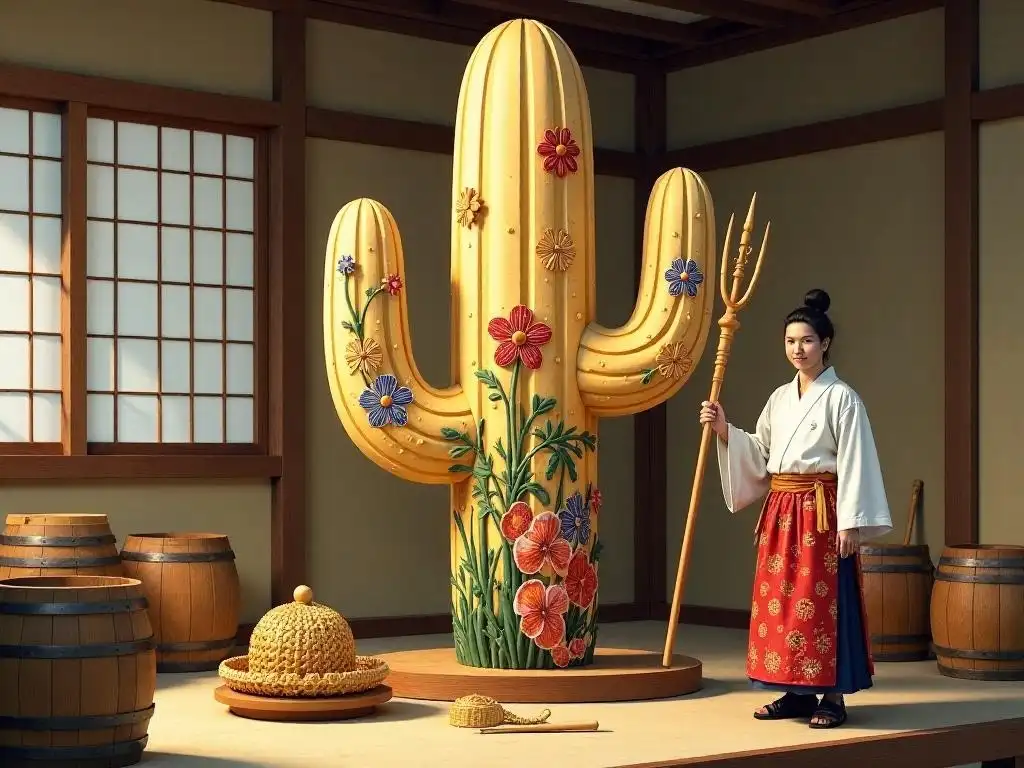
The Shogunate period in Japan marked a significant transformation in the country's artistic landscape, as political power and cultural expression became intertwined. The influence of the Shogunate extended across various art forms, shaping not only the aesthetics but also the themes and purposes of art during this era. Art became a means of conveying ideals, reinforcing social hierarchies, and expressing the values of the ruling class. As a result, we see a distinctive evolution in architecture, literature, ceramics, and crafts, each reflecting the complex relationship between power and creativity.
Architecture: Castles and Temples as Cultural Statements
During the Shogunate, architecture served as a powerful symbol of authority and cultural identity. Castles, such as Himeji Castle and Matsumoto Castle, were not merely military fortifications; they represented the might and sophistication of the ruling samurai class. These structures were designed with intricate details, showcasing advanced construction techniques and aesthetic sensibilities that emphasized both functionality and beauty.
Temples also flourished during this time, particularly Zen Buddhist temples, which became sites not only for worship but also for artistic expression. The design of temple gardens, for instance, reflected the Shogunate's appreciation for nature and tranquility, often incorporating elements like rocks, water, and carefully pruned trees to create serene landscapes. The architectural innovations of this period set a precedent for future generations, embedding the Shogunate's cultural values into Japan's historical fabric.
Literature: The Rise of Samurai Literature and Poetry
The Shogunate era witnessed a blossoming of literature that resonated with the experiences and ideals of the samurai class. Works such as "The Tale of the Heike" and "The Book of Five Rings" not only captured the essence of samurai culture but also provided insights into the political and social dynamics of the time. Epic narratives and didactic texts became vehicles for promoting values such as loyalty, honor, and strategic thinking.
Poetry also thrived, with forms like haiku and renga gaining popularity among samurai and the literate elite. These poetic forms often reflected the natural world, emotions, and philosophical musings, serving as a medium for personal expression and cultural commentary. The integration of samurai themes in literature reinforced the social structure of the time, highlighting the importance of warrior ethics in daily life.
Ceramics and Crafts: Traditional Artisanship Under the Shogunate
The Shogunate's influence extended to ceramics and crafts, which flourished under the patronage of the ruling class. Traditional artisanship saw a revival, with techniques and styles being refined and innovated. Notable examples include the tea ceremony, which emphasized aesthetics and ritual, leading to the creation of exquisite tea utensils crafted from ceramics.
The era also saw the rise of distinctive regional styles, such as Imari porcelain and Seto ware, each reflecting local resources and artistic traditions. These crafts not only served practical purposes but also became prized possessions that showcased the wealth and sophistication of the samurai elite. The emphasis on craftsmanship during the Shogunate reinforced the cultural identity of Japan, melding utility with artistic expression.
Case Studies of Prominent Artists and Works
The Shogunate's influence on the arts is vividly illustrated through the works of notable artists and their contributions to the cultural landscape of Japan. By examining specific case studies, we can better understand the interplay between political power and artistic expression during this period.
Case Study 1: Katsushika Hokusai and Their Influence on Shogunate Culture
Katsushika Hokusai, one of Japan's most renowned ukiyo-e artists, epitomized the Shogunate's artistic spirit. His works, which blended traditional themes with innovative techniques, gained immense popularity during the Edo period. Hokusai's series of woodblock prints, such as "Thirty-Six Views of Mount Fuji," not only showcased the beauty of Japan's landscapes but also reflected the social and cultural values of the time.
His art was deeply influenced by the Shogunate's patronage, appealing to both the elite and the burgeoning merchant class. Hokusai's ability to capture the essence of life in Japan, from serene nature scenes to bustling urban life, made his work a significant cultural commentary on the shifting dynamics of power and society in feudal Japan.
Case Study 2: "The Great Wave off Kanagawa" as a Reflection of Political Power
One of Hokusai's most famous prints, "The Great Wave off Kanagawa," serves as a powerful illustration of the Shogunate's influence on the arts. This iconic piece captures the formidable force of nature, symbolizing both the beauty and unpredictability of the world. The wave, towering over small boats, can be interpreted as a metaphor for the power struggles within Japanese society during the Shogunate.
The print's popularity transcended social classes, resonating with both the elite and common people, thus reflecting the broader cultural currents of the time. In this way, Hokusai's work not only showcases artistic innovation but also acts as a historical document, encapsulating the essence of the Shogunate's impact on Japanese arts and culture.
The Legacy of Shogunate Influence on Modern Japanese Arts
The legacy of the Shogunate era is deeply embedded in the fabric of modern Japanese arts. During the feudal period, the shoguns not only wielded military and political power but also acted as patrons of the arts, shaping artistic expression through their tastes and preferences. This patronage led to the flourishing of various art forms, including literature, painting, and theater, which have continued to influence contemporary artists.
One of the most significant contributions of the shogunate to modern Japanese arts is the establishment of unique art styles that reflect the cultural and societal values of the time. For instance, ukiyo-e, or "pictures of the floating world," flourished under the Tokugawa shogunate and remains a respected art form today. Modern interpretations of this style can be seen in various media, including graphic novels and digital art, showcasing the enduring impact of shogunate aesthetics.
Additionally, the emphasis on traditional crafts such as pottery, textiles, and woodworking during the shogunate has led to a renaissance of these crafts in contemporary Japan. Artisans today often draw upon centuries-old techniques while infusing modern sensibilities into their work, creating a beautiful blend of past and present that honors the shogunate's artistic heritage.
Continuation of Shogunate Artistic Traditions in Contemporary Japan
Contemporary Japan continues to celebrate and evolve the artistic traditions established during the shogunate period. Festivals and exhibitions often showcase historical art forms, providing a platform for artists to reinterpret classic styles for modern audiences. For example, the revival of Noh and Kabuki theater, which were heavily supported by shoguns, highlights the importance of these traditional performances in today’s cultural landscape.
Moreover, the fusion of traditional and contemporary art forms is evident in various artistic practices. Many modern Japanese artists experiment with multimedia installations that incorporate traditional motifs, bridging the gap between historical influences and contemporary expression. This blending of old and new not only preserves the legacy of the shogunate's artistic patronage but also resonates with younger generations who seek to connect with their cultural roots.
Educational institutions and art schools across Japan also emphasize the importance of traditional techniques, ensuring that the skills and knowledge from the shogunate period are passed down. Students learn not only the mechanics of various art forms but also their historical significance, fostering a deep appreciation for the interconnectedness of politics and art in Japanese history.
The Lasting Impact of Political Power on Cultural Expression
The political power exerted by the shogunate had a profound and lasting influence on cultural expression in Japan. Political leaders were acutely aware of the power of art as a tool for communication and propaganda. By supporting specific art forms and artists, they were able to project their ideals and consolidate their authority.
For instance, the shogunate's involvement in the arts often aimed to reinforce social hierarchies and the status quo. Artworks produced during this time frequently depicted themes of loyalty, honor, and the virtues of the samurai, reflecting the values that the shogunate wished to promote. This strategic use of art to shape public perception exemplifies how political power can dictate cultural expression.
Additionally, censorship played a role in the shaping of Japanese art during the shogunate. The government imposed restrictions on artistic subjects, encouraging artists to navigate these limitations creatively. This resulted in the development of subtlety and symbolism in art, as creators found ways to convey deeper meanings within the constraints imposed upon them. The creativity born from these restrictions has had a lasting impact on Japanese artistic expression, influencing how contemporary artists approach their work.
Conclusion
Recap of the Shogunate's Role in Shaping Japanese Arts
The shogunate played a pivotal role in shaping the artistic landscape of Japan, establishing a framework within which culture could flourish. Through patronage, censorship, and the promotion of specific art forms, the shogunate influenced not only the aesthetics of the time but also the cultural values that artists conveyed. This rich history has left an indelible mark on the arts, which continues to be felt in contemporary Japan.
Final Thoughts on the Connection Between Politics and Cultural Expression in Feudal Japan
The intricate relationship between politics and cultural expression during the feudal era highlights how power dynamics can shape artistic output. The shogunate's influence on the arts serves as a reminder of the importance of context in understanding cultural phenomena. As modern Japanese artists continue to engage with their historical legacy, they embody the ongoing dialogue between past and present, illustrating that the connection between politics and culture is as relevant today as it was in the age of the shogunate.
- Introduction to the Shogunate and Its Cultural Impact
- The Shogunate Influence on Japanese Arts
- Political Power and Patronage of the Arts
- The Interplay Between Art and Politics
- The Impact of the Shogunate on Various Art Forms
- Case Studies of Prominent Artists and Works
- The Legacy of Shogunate Influence on Modern Japanese Arts
- Conclusion
- What was the role of the Shogunate in Japanese arts?
- How did political power shape cultural expression in Japan?
- What impact did the Samurai class have on the arts during the Shogunate?
- Can you name some art forms that thrived under the Shogunate?
- How does the Shogunate's influence on arts affect modern Japanese culture?
Frequently Asked Questions
What was the role of the Shogunate in Japanese arts?
The Shogunate played a crucial role by providing patronage to artists, which allowed for the flourishing of various art forms during feudal Japan.
How did political power shape cultural expression in Japan?
Political power, particularly from the Shogunate, directly influenced which art forms were supported and promoted, leading to a unique blend of political and cultural narratives.
What impact did the Samurai class have on the arts during the Shogunate?
The Samurai class contributed to the arts by emphasizing themes of honor and bravery, which were reflected in literature, painting, and performing arts during the feudal era.
Can you name some art forms that thrived under the Shogunate?
Yes, notable art forms include Ukiyo-e woodblock prints, Noh and Kabuki theater, and traditional Japanese ink painting, all of which were significantly influenced by Shogunate patronage.
How does the Shogunate's influence on arts affect modern Japanese culture?
The Shogunate's influence laid the foundation for modern Japanese culture, as many artistic traditions and values from that era continue to resonate in contemporary Japanese arts and aesthetics.
Final Reflection: The Enduring Legacy of the Shogunate's Influence on Japanese Arts
The relationship between political power and cultural expression is as relevant today as it was during the Shogunate era. The intricate interplay between governance and the arts shaped a unique cultural landscape that continues to resonate in contemporary Japan. The Shogunate's influence on Japanese arts not only defined an era but also laid the groundwork for artistic movements that still inspire and inform today's creative expressions. Understanding this connection helps us appreciate the profound impact of leadership on cultural identity.
Cultural expression is a mirror reflecting the values and ideologies of its time. The Shogunate's patronage of the arts fostered a rich tapestry of creativity that influenced everything from literature to visual arts. This legacy is evident in modern Japanese culture, where traditional forms coexist with contemporary practices. As the renowned artist Katsushika Hokusai once said, The only thing I can do is to draw.
This sentiment echoes the enduring spirit of creativity that thrives even in the shadow of political power, reminding us that art is a vital means of expression and resistance.
As we reflect on the Shogunate's influence on Japanese arts, let us consider how we can harness the lessons of the past in our own lives. Art is not merely a reflection of society; it is a catalyst for change and a means of personal expression. I invite you to explore your own creative outlets, whether through writing, painting, or any form of artistic endeavor.
Embrace the power of cultural expression to connect with your identity and inspire those around you, just as the artists of the Shogunate era did. In doing so, we honor their legacy while paving the way for future generations to express themselves freely and authentically.
Embrace the Legacy of Feudal Japan!
Thank you for diving into the fascinating world of the Shogunate and its profound impact on the arts in feudal Japan. By exploring the relationship between political power and cultural expression, you've gained a deeper appreciation for this unique historical period. Now, it's time to channel that knowledge into action!
Here are some inspiring steps you can take to further your exploration of this captivating subject:
- Dive deeper into feudal Japanese art by visiting a local museum or exploring digital exhibits online to experience these cultural treasures firsthand.
- Engage with the community! Share your insights by posting a thoughtful comment about the Shogunate's influence on the arts in your favorite history forum or social media group.
- Connect with a book: Look for an engaging read on the art history of feudal Japan that can provide you with even more insights into this rich cultural tapestry.
What aspect of feudal Japan's artistic expression do you find most intriguing, and how can you incorporate that understanding into today’s cultural landscape?