
The Ultimate Collector's Choice: Rare Samurai Swords That Command Attention

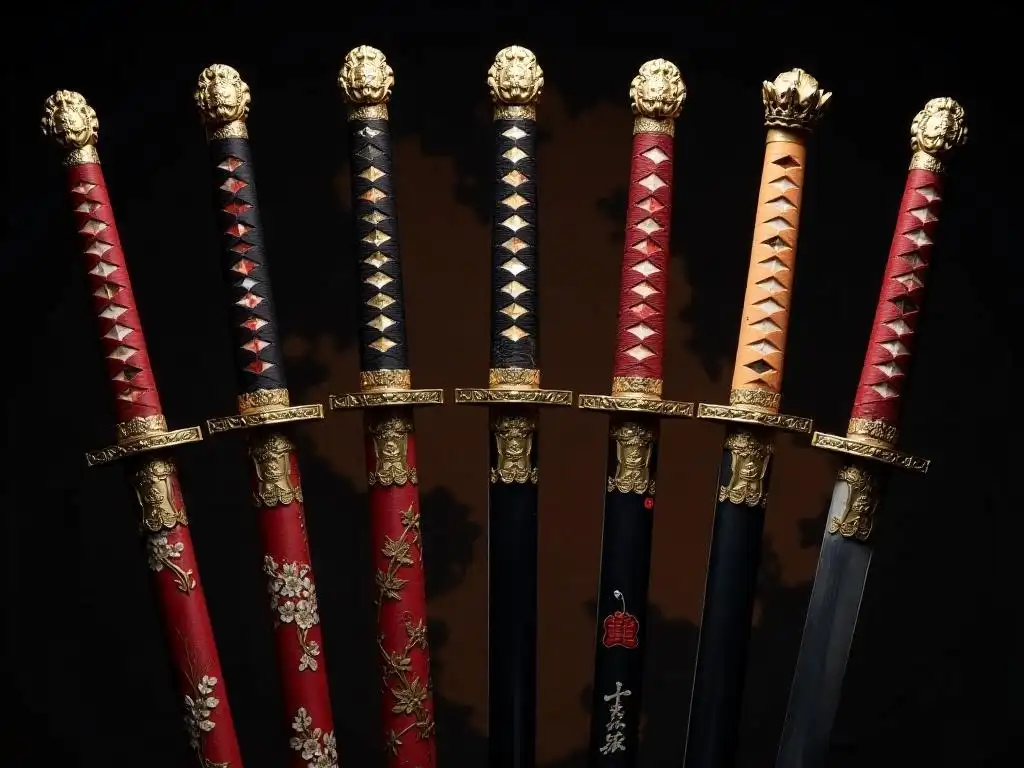
Welcome to Feudal Japan History, where we invite you to embark on a fascinating journey through the intricate tapestry of Japan’s feudal era. Here, you will discover an in-depth exploration of historical, cultural, and societal aspects that shaped this captivating period. Our featured article, “The Ultimate Collector's Choice: Rare Samurai Swords That Command Attention,” promises to unveil the secrets behind these exceptional artifacts.
What makes a samurai sword not just a weapon, but a symbol of honor and artistry? Join us as we delve into the world of rare samurai swords and uncover the stories that make them the ultimate collector's choice. Your adventure awaits!
- The Ultimate Collector's Choice: Rare Samurai Swords Collection
- What Makes a Samurai Sword Rare?
- The Best Rare Samurai Swords for Collectors
- Collecting Rare Samurai Swords: A Beginner's Guide
- The Investment Potential of Rare Samurai Swords
- Frequently Asked Questions
- Final Reflection: The Timeless Allure of Rare Samurai Swords
- Unveil the Art of Collecting Rare Samurai Swords!
The Ultimate Collector's Choice: Rare Samurai Swords Collection
The allure of rare samurai swords has captivated collectors and enthusiasts alike, drawing them into a world steeped in history, craftsmanship, and cultural significance. These remarkable weapons, known as nihonto, are not merely instruments of war; they embody the spirit and artistry of Japan's feudal era.
In this article, we will delve into the intricate details of what makes these swords such sought-after items in the realm of collectors. From the historical context that birthed these masterpieces to the unique characteristics that set them apart, this comprehensive exploration aims to provide an insightful guide for those looking to enhance their collections with these extraordinary artifacts.
Introduction to Rare Samurai Swords
Rare samurai swords are more than just weapons; they are a testament to the rich history and artistry of Japan. Each sword tells a story, reflecting the era it was forged in, the master smith who crafted it, and the samurai who wielded it. Collectors are often drawn to these items for various reasons, including their aesthetic beauty, historical significance, and the craftsmanship involved in their creation.
- Cultural Significance: In feudal Japan, samurai swords were symbols of power and honor. They were often passed down through generations and were considered an extension of the samurai's soul.
- Craftsmanship: The process of making a samurai sword is an art form in itself, involving meticulous techniques that have been refined over centuries. Each sword is uniquely crafted, resulting in variations that can significantly influence its value.
- Investment Potential: As the demand for rare samurai swords continues to grow, they have become valuable assets for collectors. The rarity and historical context can lead to significant appreciation in value over time.
In the following sections, we will explore the various types of rare samurai swords, the factors that affect their value, and essential tips for collectors looking to acquire these magnificent pieces of history. 🗡️
What Makes a Samurai Sword Rare?
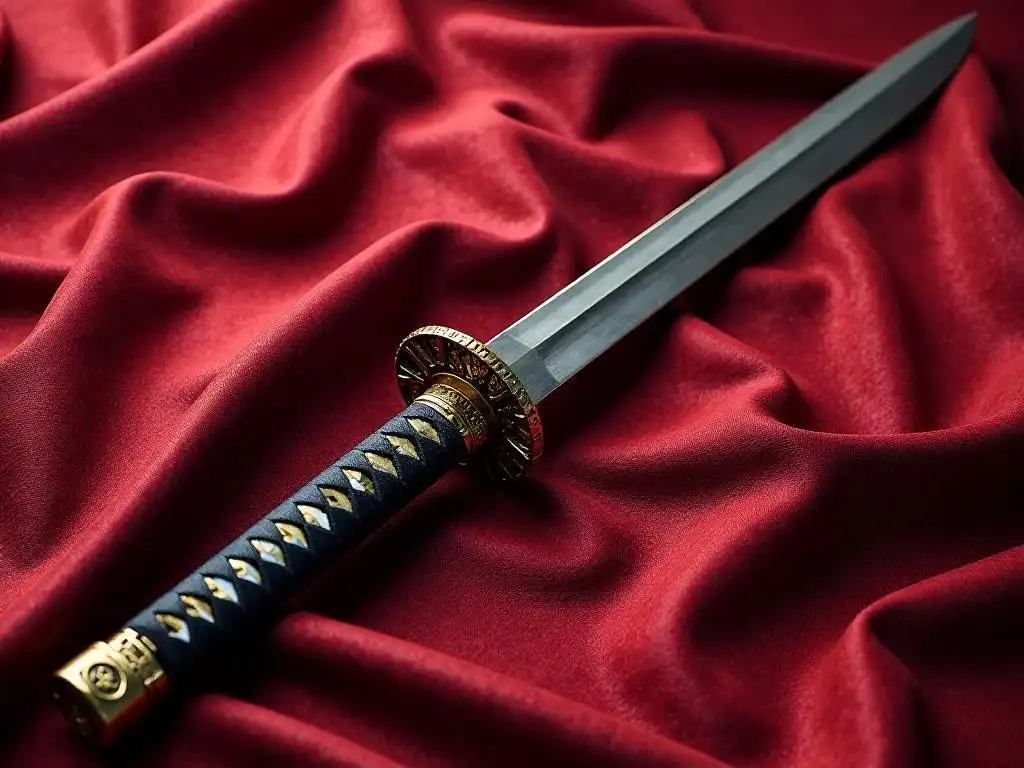
A samurai sword, or katana, is more than just a weapon; it is a symbol of artistry, craftsmanship, and the rich history of Japan. The rarity of a samurai sword is influenced by several key characteristics that set it apart from more common examples. Understanding these factors is essential for collectors seeking to build a rare samurai swords collection.
Characteristics of Rare Samurai Swords
Rare samurai swords often possess unique features that enhance their value and desirability among collectors. These characteristics include:
- Age and Historical Significance:
- Swords crafted during the feudal era, particularly from the Kamakura (1185-1333) to the Edo period (1603-1868), are often considered rare. The historical context of a sword can significantly increase its value, especially if it is linked to notable figures or events in Japanese history.
- Craftsmanship and Artistry:
- The skill of the swordsmith plays a crucial role in determining a sword's rarity. Swords made by renowned smiths, such as Masamune or Muramasa, are highly sought after. The quality of the steel, the intricacy of the hamon (the temper line), and the overall finish contribute to the sword's aesthetic appeal and rarity.
- Materials Used:
- Rare samurai swords often utilize high-quality materials. For instance, swords made from tamahagane, a traditional Japanese steel, are prized for their strength and ability to hold a sharp edge. Additionally, the use of unique or precious materials for fittings and decorations can elevate a sword's rarity.
- Provenance and Documentation:
- A sword's history, including its previous owners and any accompanying documentation (such as certificates of authenticity), can greatly influence its rarity. Provenance that links the sword to historical figures or events adds a layer of intrigue and value.
- Condition and Preservation:
- The condition of a sword is paramount. Rare samurai swords that have been well-preserved, showing minimal wear and retaining original features, are more valuable. Restoration work can sometimes detract from a sword's rarity, particularly if it alters original elements.
Factors Influencing the Rarity of Samurai Swords
Several external factors can affect the rarity of samurai swords, making certain pieces more desirable to collectors. Key factors include:
- Market Demand:
- The interest in collecting rare samurai swords fluctuates with trends in the market. Increased demand can drive up prices and make specific swords more sought after.
- Cultural Significance:
- As Japan's cultural heritage gains global recognition, the appreciation for samurai swords as art objects has grown. Cultural events, exhibitions, and educational programs can elevate a sword's profile and rarity.
- Legislation and Export Restrictions:
- Laws regarding the ownership and export of antique swords can influence their availability and rarity. Restrictions can limit the market, making certain swords harder to obtain.
- Condition of the Sword:
- The state of preservation plays a crucial role. Well-maintained swords are rarer and more valuable than those that have deteriorated over time. Collectors often seek swords in excellent condition, driving up demand for those that are well-preserved.
- Technological Advances:
- Advances in sword-making technology can impact the rarity of older, traditional swords. As modern production techniques improve, the allure of historical pieces may increase, leading to a greater appreciation for rare samurai swords.
The rarity of samurai swords is determined by a combination of their historical significance, craftsmanship, materials, provenance, and external market factors. For collectors, understanding these elements is crucial in curating a rare samurai swords collection that not only showcases exquisite craftsmanship but also tells a story of Japan’s feudal past.
The Best Rare Samurai Swords for Collectors
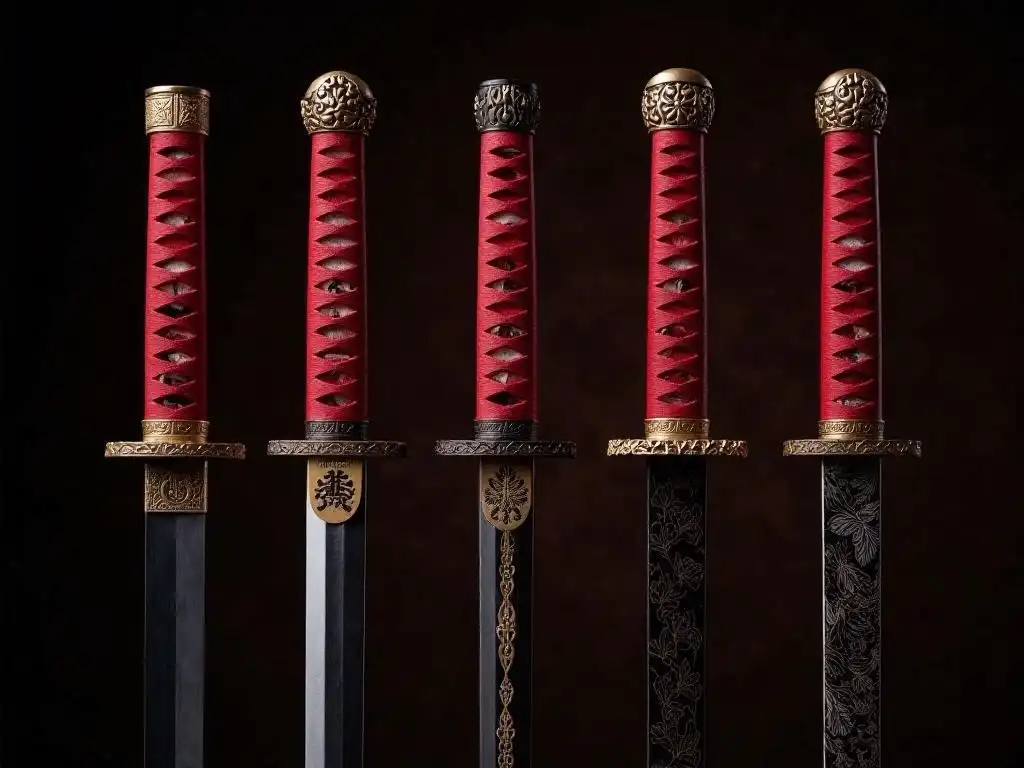
Top 5 Rare Samurai Swords to Consider
When it comes to rare samurai swords, collectors often seek pieces that not only represent exceptional craftsmanship but also embody significant historical value. Below are five remarkable swords that stand out in the world of rare samurai sword collections.
1. Katana by Masamune
The Katana by Masamune is one of the most revered swords in Japanese history. Masamune, a legendary swordsmith from the Kamakura period, is celebrated for his innovative techniques and the striking beauty of his blades.
- Characteristics:
- Length: Typically around 2 to 3 feet.
- Curvature: A gentle curve that offers both aesthetic appeal and functional advantages in combat.
- Signature: Masamune's swords often feature a distinctive hamon (temper line) that showcases his skill in differential hardening.
- Value: Authentic Masamune swords can command prices exceeding $1 million at auctions due to their rarity and historical significance.
2. Nodachi by Muramasa
The Nodachi by Muramasa is another prestigious piece, known for its length and formidable presence. Muramasa, a controversial figure in sword-making, produced blades that were often associated with bloodshed and violence.
- Characteristics:
- Length: Generally over 3 feet, making it one of the longest traditional samurai swords.
- Blade Profile: Typically features a more pronounced curve, allowing for powerful slashing attacks.
- Craftsmanship: Muramasa's swords are known for their superb temper and durability.
- Value: A Muramasa Nodachi can fetch prices between $500,000 and $2 million, depending on condition and provenance.
3. Tachi by Yoshimitsu
The Tachi by Yoshimitsu is a stunning example of early Japanese sword-making, crafted by the esteemed Yoshimitsu. This sword is characterized by its longer blade and unique mounting style.
- Characteristics:
- Length: Ranges from 2.5 to 3.5 feet, typically worn suspended edge-down.
- Profile: The tachi's deeper curvature allows for swift and powerful strikes.
- Historical Context: Often used by samurai during the feudal wars, making it a significant artifact.
- Value: Tachi swords by Yoshimitsu are extremely rare, with prices often exceeding $800,000.
4. Wakizashi by Hoshino
The Wakizashi by Hoshino serves as the companion sword to the katana, and it is prized for its versatility and craftsmanship. Hoshino, though lesser-known than other masters, created exceptional blades that have garnered respect among collectors.
- Characteristics:
- Length: Typically between 1.5 and 2 feet.
- Design: Features a striking balance between form and function, ideal for close combat.
- Utility: Often used for ritual suicide (seppuku) and in the practice of iaido.
- Value: A Hoshino wakizashi can be valued at around $100,000 to $300,000, depending on its condition and historical context.
5. Tanto by Kunitoshi
The Tanto by Kunitoshi is a traditional dagger that represents the craftsmanship of the late feudal era. Kunitoshi's work is known for its intricate designs and exceptional sharpness.
- Characteristics:
- Length: Generally less than 1 foot, making it a compact and easily concealed weapon.
- Blade Design: Features a tanto with a distinctive blade shape, often adorned with intricate carvings.
- Historical Use: Primarily used for self-defense and as a utility tool.
- Value: Kunitoshi tanto can range from $50,000 to $150,000, with exceptional pieces reaching even higher values.
Collectors of rare samurai swords can find immense value in these extraordinary pieces, each representing a unique aspect of Japan's rich martial heritage. Careful consideration of provenance, craftsmanship, and historical significance is crucial when adding these remarkable swords to a collection.
Collecting Rare Samurai Swords: A Beginner's Guide
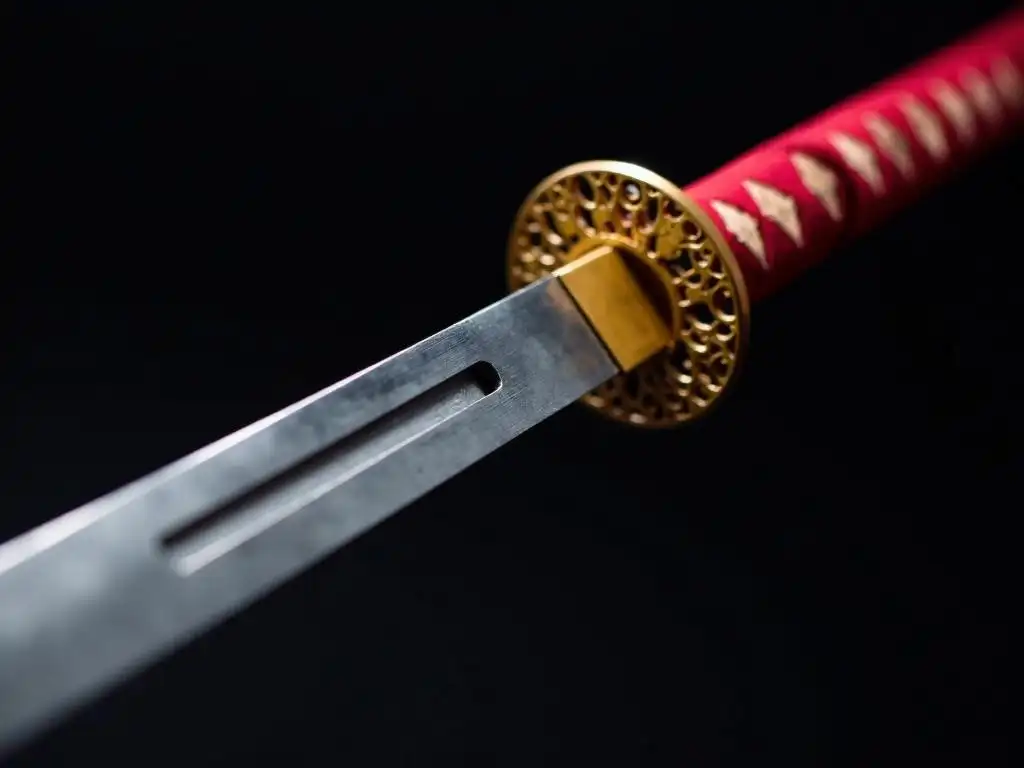
Collecting rare samurai swords can be a thrilling and rewarding endeavor for enthusiasts and historians alike. This journey into the world of antiquities not only allows collectors to appreciate the craftsmanship and artistry of these iconic weapons but also offers a glimpse into Japan's storied past. For beginners, understanding the nuances of this collection can greatly enhance the experience and ensure informed purchases.
Key Considerations for New Collectors
When starting a rare samurai swords collection, there are several critical factors to consider:
- Authenticity:
- Verify the sword’s provenance, ensuring it is a genuine samurai sword rather than a reproduction.
- Look for signatures (mei) on the tang (nakago) of the sword that can indicate the maker and the period.
- Consult with experts or reference guides to confirm authenticity.
- Condition:
- Examine the blade for any signs of rust, dents, or chips. A well-preserved sword can command a higher price.
- Consider the condition of the tsuka (handle), tsuba (guard), and other fittings, as these components contribute to the overall value.
- Type of Sword:
- Familiarize yourself with the different types of samurai swords, such as katana, wakizashi, and tanto. Each type has its unique characteristics and historical significance.
- Understand the differences between traditional swords and those produced during the Meiji Restoration, as these can affect value.
- Market Trends:
- Stay updated on the current market trends and auction results for rare samurai swords. Knowing what’s in demand can guide your purchasing decisions.
- Join collector forums or groups to exchange information and insights with other enthusiasts.
- Budget:
- Set a clear budget before diving into the collection. Rare samurai swords can range from affordable to extraordinarily expensive, depending on their rarity and condition.
- Consider starting with mid-range swords to build your collection before investing in high-value pieces.
Resources for Collectors
To enhance your rare samurai swords collection, consider utilizing the following resources:
- Books and Guides:
- Look for comprehensive literature on samurai swords, such as "The Samurai Sword: A Handbook" by John M. Yumoto, which provides a solid foundation on the subject.
- Research historical texts that delve into the significance of samurai swords within Japanese culture.
- Museums and Exhibitions:
- Visit museums that feature samurai swords, such as the Tokyo National Museum or the Samurai and Ninja Museum with Experience in Kyoto. These venues often provide valuable context and insights into the historical importance of these weapons.
- Online Forums and Communities:
- Engage with online platforms like Reddit's r/SwordCollecting or specialized samurai sword forums. These communities can offer advice, share experiences, and provide recommendations on reputable dealers.
- Collectors' Clubs:
- Join organizations like the Nihon Bijutsu Token Hozon Kyokai (NBTHK), which focuses on the preservation and appreciation of Japanese swords. Membership often provides access to exclusive resources, events, and exhibitions.
- Auction Houses and Dealers:
- Research reputable auction houses that specialize in Japanese antiques, such as Bonhams or Sotheby's. They often provide catalogs that list rare samurai swords for sale.
- Build relationships with specialized dealers who can offer guidance and access to high-quality pieces.
By considering these factors and utilizing available resources, new collectors can embark on a fulfilling journey into the world of rare samurai swords, cultivating a collection that honors the craftsmanship and history of these extraordinary artifacts.
The Investment Potential of Rare Samurai Swords
The world of rare samurai swords is not only steeped in rich history and craftsmanship but also presents a unique investment opportunity for collectors. These exquisite weapons, known as nihonto, have captured the fascination of enthusiasts and investors alike. Their potential as a valuable asset stems from various factors, including rarity, condition, and historical significance.
Analyzing the Market Trends for Samurai Swords
The market for rare samurai swords has shown remarkable resilience and growth over the years. A few key trends have emerged that collectors should consider:
- Rarity and Demand: The value of samurai swords is heavily influenced by their rarity. Limited production swords, especially those made by renowned smiths, command higher prices. For instance, a sword crafted by the legendary Yoshimitsu can fetch upwards of $300,000, depending on its condition and provenance.
- Historical Significance: Swords associated with notable historical figures or events tend to be more desirable. A blade belonging to a famous samurai or one that has a documented history can increase its market value significantly.
- Condition and Quality: The physical condition of the sword plays a crucial role in its value. Factors such as the blade's polish, absence of rust, and the quality of the tang (nakago) significantly impact pricing. Swords in excellent condition, with original fittings and mounts, can see price increases of 20-30% compared to those in average condition.
- Cultural Appreciation: As global interest in Japanese culture grows, so does the appeal for samurai swords. Collectors from various backgrounds are increasingly drawn to these artifacts, which can drive demand and raise prices in the market.
- Auction Trends: Observing auction results can provide insights into market dynamics. For example, major auction houses like Sotheby's and Bonhams have seen an increase in samurai sword sales, often achieving record prices. These auctions highlight the growing recognition of samurai swords as significant collectibles and investment pieces.
To summarize, the investment potential of rare samurai swords is bolstered by their unique characteristics and the evolving market landscape. As with any investment, thorough research and expert consultation are essential for making informed decisions.
Conclusion: Building Your Rare Samurai Swords Collection
Building a rare samurai swords collection requires careful consideration and strategic planning. Here are some essential steps to guide collectors:
- Set a Budget: Determine your financial limits before diving into the market. Rare samurai swords can range from a few thousand dollars to several hundred thousand, so having a clear budget helps narrow down choices.
- Research and Education: Familiarize yourself with the different types of samurai swords, their historical context, and the reputable smiths. Resources such as books, collector groups, and expert forums can provide invaluable information.
- Networking: Connect with other collectors, dealers, and experts in the field. Building relationships can lead to opportunities for acquiring rare pieces and gaining insights into market trends.
- Condition Assessment: Always assess the condition of a sword before purchasing. It's advisable to obtain certificates of authenticity and, if possible, have an expert appraise the piece.
- Diversify Your Collection: Consider acquiring swords from different eras or styles. This not only enhances the aesthetic appeal of your collection but also spreads out the investment risk.
- Preservation: Proper storage and maintenance are crucial for preserving the value of your collection. Ensure that swords are stored in a controlled environment, away from moisture and extremes of temperature.
By following these guidelines, collectors can not only build a captivating collection of rare samurai swords but also invest wisely in these remarkable pieces of history. With the right approach, the journey of collecting can be both rewarding and profitable.
Frequently Asked Questions
What are rare samurai swords?
Rare samurai swords are unique and valuable pieces of Japanese craftsmanship, often characterized by their intricate designs and historical significance. Collectors seek these swords for their cultural heritage and beauty.
How can I start a collection of rare samurai swords?
To start a collection, research reputable dealers and auction houses specializing in Japanese swords. It's important to understand authenticity, pricing, and the historical context of each piece before purchasing.
What factors determine the value of a samurai sword?
The value is influenced by several factors, including the sword's age, maker, condition, and provenance. Rare swords with a notable history or unique features can command significantly higher prices.
Are there legal considerations when collecting samurai swords?
Yes, collectors should be aware of local laws and regulations regarding the ownership and sale of antique weapons. Some regions may have specific laws governing the importation of such items.
How can I care for my rare samurai swords?
To maintain their condition, keep swords in a climate-controlled environment, regularly check for rust, and handle them with clean hands. Using appropriate storage methods, such as a display case, can also help preserve their quality.
Final Reflection: The Timeless Allure of Rare Samurai Swords
The fascination with rare samurai swords transcends mere aesthetics; it embodies a profound connection to history, culture, and craftsmanship. As we delve into the world of these exquisite weapons, we uncover not only their physical beauty but also the stories and traditions they represent. In today’s fast-paced society, where mass production often overshadows artistry, the allure of rare samurai swords serves as a reminder of the value of authenticity and heritage. These swords are not just collectibles; they are tangible links to a storied past that continues to captivate collectors and enthusiasts alike.
Culture is a living entity, constantly evolving yet deeply rooted in its origins. The ongoing interest in rare samurai swords reflects a broader appreciation for craftsmanship and the narratives behind each piece. Collectors and admirers find themselves drawn to the intricate details, the meticulous forging techniques, and the historical significance of these blades. As the renowned swordsmith Masamune once said, The sword is the soul of the warrior.
This sentiment resonates today, as we see a resurgence in the appreciation for artisanal skills and the stories woven into the fabric of our cultural artifacts.
As you reflect on the insights shared in this article, consider how the principles of dedication, artistry, and respect for history can enrich your own life. Embrace the idea that every collection tells a story, and every item has the potential to connect us to something greater than ourselves.
Whether you are a seasoned collector or simply an admirer of craftsmanship, let the world of rare samurai swords inspire you to seek out and cherish the unique narratives that surround the objects in your life. Take a moment to explore your own passions and consider how they contribute to your personal journey, for in every collection lies the heart of a story waiting to be told.
Unveil the Art of Collecting Rare Samurai Swords!
Thank you for taking the time to dive into the fascinating world of rare samurai swords. We hope you’ve discovered the artistry, history, and significance behind these remarkable collectibles. Now, let’s turn your newfound knowledge into action and take steps toward elevating your collection!
- Start your own collection: Visit local artisans or reputable dealers to find the perfect piece that resonates with you. Don’t hesitate to ask questions—each sword carries a unique story!
- Join a community: Connect with fellow enthusiasts through online forums or local groups to share insights, experiences, and even trade pieces.
- Explore the history: Deepen your understanding of samurai swords by reading literature, watching documentaries, or attending exhibitions that showcase their rich heritage.
What unique story do you envision your first samurai sword will tell?