
Tokugawa Economic Policies and Their Legacy in PostFeudal Japan


Welcome to Feudal Japan History, where we embark on a captivating journey through the intricate tapestry of Japan’s feudal era. Here, you will uncover the profound impact of Tokugawa economic policies, a cornerstone of our latest article, "Tokugawa Economic Policies and Their Legacy in Post-Feudal Japan." As we delve into the historical, cultural, and societal threads that shaped this fascinating period, prepare to be intrigued by the legacies that continue to influence modern Japan. Join us as we unravel the mysteries of the past and discover the vital connections that define our present. Your exploration begins now!
- Introduction to Tokugawa Economic Policies
- Key Aspects of Tokugawa Economic Policies
- The Legacy of Tokugawa Economic Policies
- Comparative Analysis: Tokugawa Economic Policies vs. Pre-Feudal Economic Systems
- Case Studies of Tokugawa Economic Policies in Action
- Challenges and Limitations of Tokugawa Economic Policies
- Conclusion: The Lasting Impact of Tokugawa Economic Policies Legacy
-
Frequently Asked Questions
- What were the main economic policies implemented during the Tokugawa era?
- How did the Tokugawa policies affect the social structure of Japan?
- What is the legacy of Tokugawa economic policies in modern Japan?
- How did Tokugawa policies influence trade during the feudal era?
- In what ways did the Tokugawa economic policies contribute to Japan's isolation?
- Final Reflection: The Enduring Legacy of Tokugawa Economic Policies
- Unlock the Legacy of Tokugawa Economic Policies Today!
Introduction to Tokugawa Economic Policies
The Tokugawa Shogunate, which ruled Japan from 1603 to 1868, was a pivotal period in the nation’s history. The economic policies established during this time not only shaped Japan's feudal economy but also laid the groundwork for its modernization in the Meiji era. Understanding the Tokugawa economic policies legacy is essential for grasping how these historical frameworks influenced social structures, trade practices, and agricultural systems in both feudal and post-feudal Japan. This article delves into the various economic strategies implemented by the Tokugawa regime, their immediate impacts, and how they resonate in modern Japanese society.
Overview of the Tokugawa Shogunate
The Tokugawa Shogunate, established by Tokugawa Ieyasu, marked the beginning of a long period of relative peace and stability known as the Edo period. This era was characterized by:
- Centralized Feudalism: The shogunate established a hierarchical structure that empowered local daimyos (feudal lords) while maintaining central control.
- Isolationist Policies: The Sakoku (closed country) policy limited foreign influence and trade, fostering a unique domestic economy.
- Cultural Flourishing: The stability of the era allowed for significant advancements in art, literature, and philosophy, contributing to a rich cultural tapestry.
The shogunate’s focus on stability and control directly influenced its economic policies, which were designed to sustain this newfound peace.
Importance of Economic Policies in Feudal Japan
Economic policies during the Tokugawa period were crucial for several reasons:
- Agricultural Reform: The Tokugawa regime emphasized agricultural productivity by introducing land surveys and tax reforms, which improved the overall food supply and supported population growth.
- Market Regulation: The shogunate implemented various regulations to stabilize prices and manage trade, ensuring that local economies thrived without excessive external influence.
- Infrastructure Development: The construction of roads and transportation systems facilitated trade and movement, connecting rural areas with urban centers and enhancing economic interactions.
- Social Stratification: Economic policies reinforced the class system of samurai, farmers, artisans, and merchants, dictating social mobility and economic opportunities.
These policies not only sustained the Tokugawa regime but also created a legacy that would impact Japan’s economic landscape long after the fall of the shogunate, influencing trade practices, governance, and social structures in the emerging modern state. Understanding this legacy is essential for comprehending Japan's transition from feudalism to a more contemporary economic framework.
Key Aspects of Tokugawa Economic Policies

Centralization of Economic Power
The Tokugawa shogunate, established in 1603, implemented a series of economic policies that centralized power and control over the Japanese economy. One of the hallmark features of these policies was the establishment of a rigid class system, which delineated the roles and privileges of the samurai, farmers, artisans, and merchants. This stratification was not merely social; it had profound economic implications.
- Shogunate Control: The Tokugawa government maintained strict oversight of the economy, particularly through the control of land and resources. The daimyō, or feudal lords, were required to reside in Edo (modern-day Tokyo) every other year, which allowed the shogunate to monitor their activities and limit their power.
- Land Surveys: Systematic land surveys were conducted to assess agricultural productivity. This data enabled the shogunate to levy taxes effectively and ensured that the land was utilized optimally. The resulting tax system was primarily rice-based, which reinforced rice's status as the currency of the realm.
- Economic Isolationism: The Tokugawa period is often characterized by its policy of sakoku (closed country), which limited foreign influence and trade. This isolationism allowed the shogunate to centralize economic power domestically, fostering a self-sufficient economy that reduced reliance on foreign goods and ideas.
Agricultural Reforms and Their Impact
Agricultural reforms during the Tokugawa period were pivotal in shaping Japan's economic landscape. The policies introduced not only enhanced agricultural productivity but also influenced the social structure and community dynamics.
- Irrigation and Techniques: The introduction of advanced irrigation techniques and crop rotation methods significantly boosted rice production. The Tokugawa government promoted the use of new agricultural practices, which allowed farmers to increase yields and improve food security.
- Land Ownership Reforms: The concept of shiki, or land rights, was redefined under Tokugawa rule. Landlords became more invested in their estates due to the tax system, leading to a more stable agricultural base. This stability contributed to population growth and urbanization as surplus production allowed for the development of towns.
- Impact on Social Structure: As agricultural productivity increased, the economic power of the peasantry began to rise. Farmers who were able to produce surplus rice often engaged in trade, which blurred the lines of the rigid class system. This shift began to challenge the traditional social hierarchies established by the Tokugawa shogunate.
Trade Regulations and Merchant Classes
The Tokugawa economic policies also significantly regulated trade, influencing the development of merchant classes and altering the dynamics of the Japanese economy.
- Regulated Trade Practices: The shogunate imposed strict regulations on trade, including prohibitions on inter-regional trade and the establishment of trade routes. The Tōkaidō and other routes became vital for transporting goods, but the shogunate controlled these pathways to ensure that commerce did not undermine its authority.
- Rise of the Merchant Class: Despite the restrictions, a burgeoning merchant class emerged, known as the chonin. These merchants facilitated trade and contributed to the economy's growth, particularly in urban areas like Edo, Osaka, and Kyoto. Their wealth began to rival that of the traditional samurai class, leading to a gradual shift in economic power.
- Cultural Exchanges: The regulated trade also allowed for cultural exchanges, as merchants brought goods from different regions and even from foreign lands like the Dutch and Chinese. This exchange fostered the development of a consumer culture in Japan, which would lay the groundwork for economic modernization in the Meiji era.
The Tokugawa economic policies legacy is characterized by centralized control, innovative agricultural practices, and complex trade regulations that collectively shaped Japan's economic landscape during and after the feudal era. The interplay between these elements did not just influence the economy but also set the stage for significant social changes that would reverberate throughout Japan's history.
Fiscal Policies and Taxation Systems
The Tokugawa shogunate, ruling Japan from 1603 to 1868, implemented a series of fiscal policies and taxation systems that fundamentally shaped the economic landscape of feudal Japan. These policies were designed to stabilize the economy, maintain social order, and generate revenue for the shogunate while managing the diverse needs of the samurai class, farmers, and merchants.
Taxation Structure
The taxation system during the Tokugawa period was primarily based on agricultural output, with the main tax being the rice tax (komeze). This tax was levied on farmers and calculated as a percentage of their rice harvest. The rice collected was not only a crucial staple for sustaining the population but also served as currency in trade and a measure of wealth.
- Key Features of the Taxation System:
- Land Surveys: Regular land surveys were conducted to assess agricultural productivity and determine tax obligations. These surveys helped maintain accurate records and ensure fair tax collection.
- Fixed Tax Rates: The shogunate established fixed tax rates for different regions, which were meant to prevent exploitation and provide predictability for farmers.
- Local Collectors: Tax collection was often the responsibility of local lords (daimyō) or appointed officials, creating a sense of accountability and local governance.
Economic Controls and Regulations
To further regulate the economy, the Tokugawa government established various controls that influenced trade, commerce, and industry. These regulations aimed to balance the interests of the different social classes while ensuring the shogunate's dominance.
- Market Regulations:
- The shogunate enforced market regulations that controlled prices and restricted monopolies. This included the establishment of official markets where prices were set by the government to prevent inflation and speculation.
- Merchant Guilds: The formation of merchant guilds was encouraged, allowing merchants to pool resources and collaborate on trade, which contributed to economic growth while maintaining governmental oversight.
- Currency and Trade:
- The Tokugawa period saw the introduction of a unified currency, which facilitated trade across regions. The shogunate periodically minted coins, ensuring a stable monetary system that supported commerce.
- International Trade Restrictions: The shogunate limited foreign trade primarily to the Dutch and Chinese, maintaining strict control over external influences and preserving domestic industries.
Legacy of Fiscal Policies
The fiscal policies and taxation systems established during the Tokugawa era had profound and lasting impacts on Japan's economy. While they succeeded in providing stability during a time of relative peace, they also laid the groundwork for future economic transformations.
- Impact on Social Classes: The emphasis on agricultural production reinforced the rigid social hierarchy, with the samurai class receiving stipends based on land revenue, while farmers remained largely bound to their land.
- Transition to Modern Economy: The fiscal policies inadvertently facilitated the rise of a merchant class (chōnin), which would play a pivotal role in Japan's eventual transition to a modern economy during the Meiji Restoration.
- Cultural Attitudes towards Wealth: The Tokugawa emphasis on frugality and efficiency influenced cultural perceptions of wealth and economic behavior, which persisted even into the post-feudal era.
The fiscal policies and taxation systems of the Tokugawa shogunate were instrumental in shaping Japan's economic framework. Their legacy continues to resonate in discussions about Japan's economic history and the evolution of its financial systems.
The Legacy of Tokugawa Economic Policies

The Tokugawa shogunate, which ruled Japan from 1603 to 1868, established a series of economic policies that not only structured the feudal economy of the time but also laid the groundwork for modern Japan's economic landscape. The legacy of these policies is profound, influencing both the immediate post-feudal era and contemporary economic practices.
Influence on Modern Japanese Economy
The Tokugawa economic policies contributed significantly to the development of a stable and integrated market system, which can be traced to modern Japan's economic framework. One of the most notable aspects was the promotion of agriculture through land reforms. The shogunate implemented measures that encouraged productivity, such as the land survey system, which ensured that land was being effectively utilized. This led to increased rice production, which became the foundation of the economy.
Moreover, the Tokugawa period saw the emergence of a merchant class, known as the chōnin, who played a crucial role in the trade and distribution of goods. They established a network of trade routes that facilitated the exchange of not only rice but also textiles, ceramics, and other commodities across regions. This laid the groundwork for Japan's modern capitalist economy.
In contemporary Japan, the legacy of these policies can be seen in the emphasis on agricultural efficiency and industrial innovation. The focus on high-quality export goods, which began in the Tokugawa era, continues to influence Japan's position in the global market today.
Continuity and Change in Economic Practices
The policies instituted during the Tokugawa shogunate created a unique blend of continuity and change that shaped Japan's economic practices in subsequent years. While many of the foundational economic structures established during this period persisted, they also adapted to the changing circumstances of society.
For instance, the seclusion policy (sakoku) limited foreign influence and trade, but it also fostered a sense of internal economic resilience. After the fall of the Tokugawa shogunate, Japan gradually opened its markets to the West, leading to the Meiji Restoration. This transition required the Japanese to innovate and modernize their economic practices while still relying on the organizational frameworks laid out during the Tokugawa period.
The zaibatsu—large conglomerates that dominated the industrial sector in the late 19th and early 20th centuries—can also be seen as a direct evolution of the merchant class that thrived during the Tokugawa era. The legacy of merchant practices, such as bulk purchasing and distribution, informed how these conglomerates operated and expanded.
Cultural Implications of Economic Structures
The economic policies of the Tokugawa period were deeply intertwined with the cultural fabric of Japanese society. The emphasis on agriculture and local trade not only influenced economic behavior but also shaped social values and cultural practices.
For example, the prosperity of the merchant class led to the growth of urban centers, where arts and culture flourished. The rise of Kabuki theater and Ukiyo-e prints during this time can be directly linked to the economic stability that allowed for leisure and consumption of the arts.
Furthermore, the Tokugawa policies nurtured a sense of cultural nationalism that would later play a crucial role in shaping Japan's identity as it transitioned into the modern era. The reverence for traditional crafts and local goods became a hallmark of Japanese culture, reflecting the Tokugawa emphasis on local production and consumption.
The Tokugawa economic policies legacy is evident not only in the structures of modern Japanese economy but also in the cultural attitudes that persist today. The interplay between economic practices and cultural developments continues to be a significant aspect of Japan's historical narrative.
Comparative Analysis: Tokugawa Economic Policies vs. Pre-Feudal Economic Systems

The Tokugawa shogunate (1603-1868) marked a significant transformation in Japan's economic landscape, fundamentally altering the pre-existing economic systems that characterized the Muromachi period (1336-1573) and earlier eras. This comparative analysis examines key aspects of economic strategies during these two periods, highlighting the contrast between the decentralized, chaotic economy of the pre-feudal era and the structured, controlled economic policies implemented by the Tokugawa government.
Economic Strategies of the Muromachi Period
During the Muromachi period, Japan's economy was predominantly characterized by:
- Decentralization: The power of the Ashikaga shogunate was significantly weaker than that of the Tokugawa, resulting in a fragmented political landscape. Regional warlords (daimyō) operated independently, leading to fierce competition and instability.
- Agrarian Economy: The economy relied heavily on agriculture, with rice as the primary staple. Local villages operated as self-sufficient units, and surplus production was often taxed by local lords.
- Emergence of Merchant Class: As trade routes began to develop, a burgeoning merchant class emerged. However, their influence was limited, and they faced significant restrictions imposed by the ruling samurai class.
- Trade Networks: Domestic trade flourished, especially in urban centers such as Kyoto and Sakai. International trade with China and Korea was also significant, but it remained largely unregulated and susceptible to the volatility of local power struggles.
In contrast, the Tokugawa period introduced a more centralized approach, with policies aimed at stabilizing and controlling the economy.
Shifts in Trade and Agriculture
The Tokugawa economic policies legacy can be seen most clearly in the dramatic shifts in trade and agriculture that took place during this period:
- Centralization of Trade: The Tokugawa shogunate established a network of regulations that standardized trade practices. This included:
- The Sakoku Policy: Enforced isolation, limiting foreign trade to specific ports such as Nagasaki. This aimed to control foreign influence and stabilize internal commerce.
- Regulated Marketplaces: Establishment of regulated marketplaces (shukuba) that facilitated trade, improved infrastructure, and encouraged the growth of a merchant economy.
- Agricultural Reforms: The Tokugawa era saw significant changes in agricultural practices that included:
- Land Reclamation and Irrigation: Investment in irrigation systems and techniques to increase rice production, which became a cornerstone of the economy.
- Taxation Reforms: A more systematic tax collection process was implemented. Taxes were based on rice yields, which created a stable revenue system for the shogunate.
- Rise of the Merchant Class: Unlike the Muromachi period, where merchants were marginalized, the Tokugawa era saw the rise of a powerful merchant class:
- Wealth Accumulation: Merchants gained considerable wealth and influence as trade flourished, leading to the growth of urban centers and a shift in economic power dynamics.
- Cultural Patronage: The merchant class became patrons of culture, contributing to the development of the arts, literature, and education during the Edo period.
The legacy of Tokugawa economic policies is evident in their ability to create a stable and prosperous society, setting the foundation for Japan's modern economic system. The shift from a fragmented economy to a regulated and centralized one facilitated not only internal cohesion but also laid the groundwork for Japan's subsequent industrialization in the late 19th century.
Case Studies of Tokugawa Economic Policies in Action

The Tokugawa shogunate, which ruled Japan from 1603 to 1868, implemented a series of economic policies that significantly shaped the nation's agricultural productivity and commercial landscape. This section delves into specific case studies that exemplify the effectiveness and implications of these policies, ultimately contributing to the economic legacy of Tokugawa Japan.
Success Stories of Agricultural Innovations
Under the Tokugawa regime, agricultural innovations played a pivotal role in transforming Japan's agrarian economy. The introduction of new farming techniques and crops significantly boosted productivity, which in turn supported the growing population and urban centers.
- Rice Cultivation Techniques: The Tokugawa period saw the adoption of improved rice cultivation methods, such as the Kanto Method, which involved the use of puddled fields. This technique enhanced water retention and reduced weeds, leading to more robust rice yields. By the mid-19th century, certain regions, like Echigo, reported an increase in rice production by approximately 30% compared to earlier periods.
- Diversification of Crops: Farmers began to diversify their crops beyond rice, incorporating vegetables and cash crops like cotton and sugarcane. This shift not only improved food security but also allowed farmers to participate in local and regional markets, fostering economic resilience.
- Irrigation and Land Management: The Tokugawa government invested in irrigation systems and land management practices. For example, in the Kinki region, the construction of canals and reservoirs facilitated year-round farming. Such infrastructure projects were crucial for sustaining agricultural productivity, especially during periods of drought.
These innovations not only increased agricultural output but also laid the groundwork for the economic transformations that would follow in post-feudal Japan, highlighting the lasting legacy of Tokugawa economic policies.
The Role of Merchant Guilds and Their Influence
Merchant guilds emerged as essential players in the Tokugawa economy, representing a shift towards a more organized and regulated trade system. Their influence can be observed through various mechanisms that facilitated commerce and shaped the economic landscape.
- Formation of Guilds: The Tokugawa shogunate recognized the importance of merchants in the economy and allowed the formation of guilds, such as the Osaka Merchants’ Guild. These organizations played a crucial role in standardizing practices, controlling prices, and regulating trade within their respective regions.
- Tax Collection and Regulation: Merchant guilds often took on the responsibility of tax collection on behalf of the shogunate, ensuring a steady revenue stream. They negotiated with local authorities to set fair prices and maintain market stability, which fostered trust between the government and merchants.
- Cultural and Economic Exchange: Guilds also facilitated cultural exchanges through trade fairs and festivals, promoting a shared identity among merchants across regions. This network not only enhanced economic collaboration but also contributed to the spread of ideas and innovations in commerce.
The rise of merchant guilds during the Tokugawa period exemplifies how economic policies fostered a new social class and transformed trade practices, leaving a profound impact on Japan's economic structure that would persist into the Meiji era and beyond.
Challenges and Limitations of Tokugawa Economic Policies
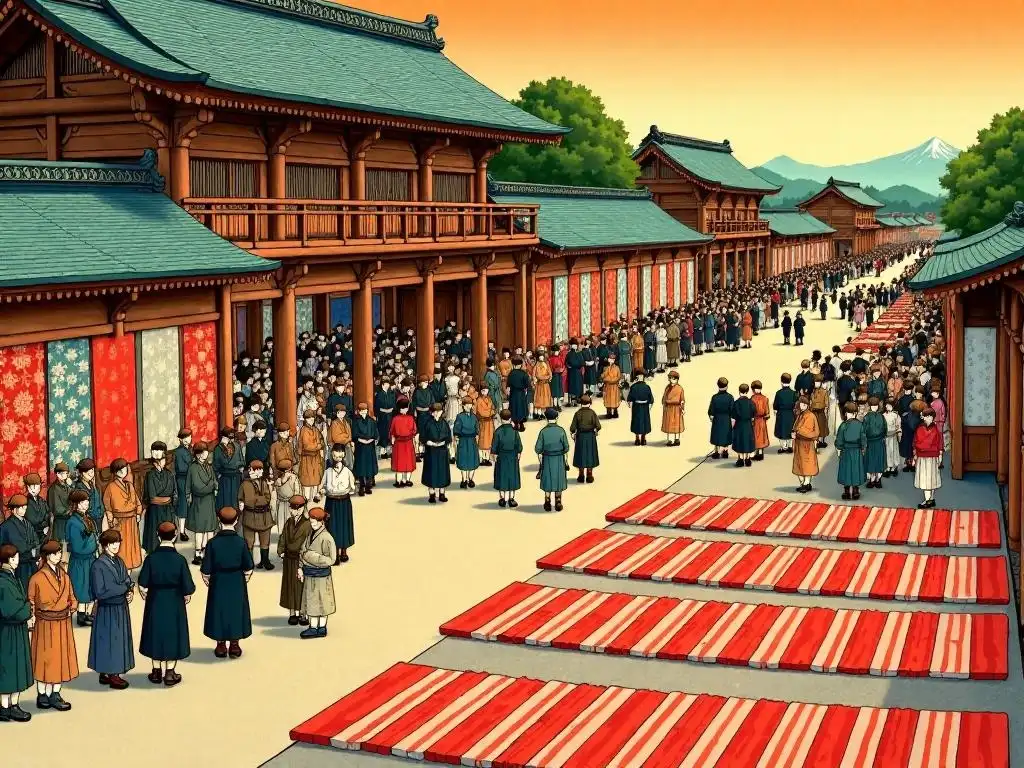
The Tokugawa shogunate, which ruled Japan from 1603 to 1868, implemented various economic policies that aimed to stabilize and strengthen the economy. However, these policies were not without their challenges and limitations, which had lasting impacts on Japanese society and the economy even after the feudal era. Understanding these challenges is essential to grasping the legacy of Tokugawa economic policies in post-feudal Japan.
One of the most significant challenges posed by Tokugawa economic policies was the deepening of economic disparities among social classes. The rigid caste system established during this period stratified society into four main classes: samurai, farmers, artisans, and merchants. While the samurai class received stipends from the government, farmers were often burdened with heavy taxes, leading to widespread poverty and discontent among the peasantry.
- Samurai Class: Although samurai were given stipends, many faced financial difficulties due to fixed incomes and rising living costs. Their status depended on land tax revenues, which fluctuated and often did not meet their needs.
- Farmers: Farmers were primarily responsible for agricultural production, yet they often faced extreme pressure from high taxation and natural disasters. The burdensome tax system not only stifled agricultural innovation but also led to frequent peasant uprisings throughout the shogunate.
- Merchants and Artisans: While merchants accumulated wealth, they were looked down upon by the samurai class, leading to social tension. The artisans, who provided essential goods, found themselves restricted by the policies that favored the samurai and farmers.
The economic policies aimed at maintaining stability inadvertently perpetuated class tensions. As wealth became concentrated among a few, the divide between the rich and poor widened, fostering resentment that would later contribute to social upheaval during the Meiji Restoration.
Responses to Economic Stagnation
As the Tokugawa period progressed, the economy began to stagnate, raising concerns among officials and the populace alike. The shogunate's inability to adapt its policies in response to changing economic conditions ultimately contributed to its downfall.
- Price Controls and Regulations: In an attempt to stabilize the economy, the Tokugawa government imposed price controls on essential goods. However, these measures often led to market distortions and black markets, further complicating economic transactions. The lack of a free-market mechanism hindered growth and innovation.
- Agricultural Decline: The overemphasis on rice production as a tax base contributed to ecological degradation and reduced agricultural output. Soil depletion and poor agricultural practices, exacerbated by environmental factors like droughts, led to food shortages and increased civil unrest.
- Urbanization and Trade: As towns grew and trade expanded, the Tokugawa policies struggled to regulate the burgeoning merchant class. The rise of regional markets and trade networks threatened the centralized economic control of the shogunate. This discord between rural agrarian interests and urban merchant capitalism highlighted the limitations of Tokugawa policies.
In response to these challenges, various factions within society began to advocate for reforms, leading to movements that sought to modernize Japan's economy. The failure to adequately address these economic stagnation issues ultimately facilitated the transition to the Meiji Restoration, which sought to overhaul the economic structures inherited from the Tokugawa era.
Through examining these challenges and limitations of Tokugawa economic policies, we can better understand their long-lasting impact on Japan's post-feudal development. The economic disparities and stagnation set in motion critical changes that would shape the nation's future as it transitioned into a more modern state.
Conclusion: The Lasting Impact of Tokugawa Economic Policies Legacy
The Tokugawa shogunate, which ruled Japan from 1603 to 1868, implemented a series of economic policies that established a foundation for Japan’s modern economy. These policies not only shaped the economic landscape of feudal Japan but also laid the groundwork for the nation’s transition into the modern era. Analyzing the Tokugawa economic policies legacy reveals a complex interplay of governance, trade, and social structure that continues to influence Japan today.
Summary of Key Findings
The Tokugawa economic policies were characterized by several pivotal elements:
- Centralized Control: The shogunate exercised strict control over land and resources, which helped to stabilize the economy. This included the regulation of rice production, an essential commodity, which served as a currency standard.
- Isolationist Trade Policies: By limiting foreign trade primarily to the Dutch and Chinese, the Tokugawa shogunate maintained a balance that protected domestic industries while still allowing for some international interaction. This isolationism preserved traditional Japanese culture and societal structures.
- Agricultural Innovations: The era witnessed advancements in agricultural techniques, including the introduction of new crop varieties and improved irrigation methods. These innovations led to increased productivity and contributed to population growth.
- Rise of the Merchant Class: The policies inadvertently fostered the growth of a merchant class, which began to challenge the traditional samurai hierarchy. This shift in social structure would have long-lasting implications for Japan’s economic and political landscape.
- Infrastructure Development: Key infrastructure projects, such as road construction and the establishment of postal routes, enhanced trade and communication across Japan, facilitating economic growth.
The legacy of these policies can be seen in Japan's later economic transformations, particularly during the Meiji Restoration, when the country rapidly industrialized.
Future Research Directions in Tokugawa Economic History
While significant progress has been made in understanding the Tokugawa economic policies, several areas warrant further exploration:
- Impact on Modern Economic Systems: Investigating how Tokugawa policies influenced contemporary Japanese economic practices could yield valuable insights into the evolution of Japan's economic framework.
- Regional Variations: More research is needed to understand how Tokugawa policies affected different regions of Japan, particularly in rural versus urban settings. This could provide a more nuanced view of the economic landscape during the period.
- Social Implications: Analyzing the social ramifications of economic policies on various demographics, including women and lower classes, can enhance our understanding of the societal changes that occurred during the Tokugawa era.
- Comparative Studies: Comparing Tokugawa economic policies with those of other feudal regimes globally could illuminate unique aspects of Japan's historical context and its economic strategies.
By expanding the scope of research in these areas, scholars can deepen our understanding of the Tokugawa economic policies legacy and its profound influence on both historical and modern Japan.
Frequently Asked Questions
What were the main economic policies implemented during the Tokugawa era?
The Tokugawa economic policies focused on agriculture, trade regulation, and the stability of the economy, promoting a self-sufficient agrarian society while controlling commerce through various measures.
These policies reinforced a rigid social hierarchy, where the samurai class held power over peasants and merchants, leading to a stability that characterized the feudal system and influenced Japan's societal dynamics.
What is the legacy of Tokugawa economic policies in modern Japan?
The legacy of Tokugawa economic policies can be seen in the foundational aspects of Japan's modern economy, including its agricultural practices, trade systems, and the enduring impact of social stratification.
How did Tokugawa policies influence trade during the feudal era?
Tokugawa policies established strict regulations on trade, limiting foreign interactions and promoting domestic products, which helped create a controlled economic environment that fostered internal commerce.
In what ways did the Tokugawa economic policies contribute to Japan's isolation?
The isolationist policies of the Tokugawa period, including the Sakoku policy, aimed to minimize foreign influence, leading to a period of economic self-sufficiency but also hindering global engagement until the mid-19th century.
Final Reflection: The Enduring Legacy of Tokugawa Economic Policies
The Tokugawa economic policies have left an indelible mark on Japan's socio-economic landscape, shaping the nation long after the feudal era came to a close. In today's rapidly globalizing world, understanding the intricacies of these policies is crucial as they laid the groundwork for modern economic practices and social structures. The lessons learned from Tokugawa's approach to governance and economic management resonate profoundly in contemporary discussions about sustainability, equity, and the balance of power.
The influence of Tokugawa economic policies extends beyond mere historical significance; they continue to inform our cultural and social dynamics. From the intricate trade networks established during the Edo period to the emphasis on agricultural productivity and urbanization, these policies fostered a unique societal framework that persists today. History is not a burden on the memory but an illumination of the soul.
This quote encapsulates the essence of how we can draw inspiration from the past to navigate our present and future challenges. The legacy of Tokugawa's policies reminds us that economic strategies are not just about numbers; they are about people, culture, and the interconnectedness of society.
As we reflect on the lessons of Tokugawa's era, I invite you to consider how these historical insights can inform your own life and decisions. What can we learn from the balance of stability and innovation that characterized Tokugawa Japan? By embracing the principles of thoughtful governance and community engagement, we can cultivate a more equitable and sustainable future. Let us carry forward the wisdom of the past, applying it to our present circumstances and shaping a legacy that future generations will admire and learn from.
Unlock the Legacy of Tokugawa Economic Policies Today!
Thank you for diving into the intricate world of Tokugawa economic policies and their lasting impact on post-feudal Japan. We hope you uncovered valuable insights into how these historical strategies shaped modern Japan's economic landscape.
Now, it's time to take that knowledge and put it into action! Here are a few steps you can take to further explore and engage with this fascinating topic:
- Delve Deeper: Read additional resources on Tokugawa-era economics, including books and documentaries that provide diverse perspectives.
- Join the Conversation: Share your thoughts on social media using the hashtag #TokugawaEconomics and connect with fellow history enthusiasts.
- Visit a Museum: If possible, explore exhibits on Japanese history or economics in your local area to see artifacts and deepen your understanding of this pivotal era.
Which aspect of Tokugawa economic policies do you find most intriguing, and how do you believe they continue to influence Japan today?