
Samurai and Nature: The Connection to the Natural World in Daily Activities


Welcome to Feudal Japan History, where we invite you to embark on an extraordinary journey through the captivating tapestry of Japan’s feudal era. Here, history comes alive as we delve into the intricate web of cultural and societal nuances that defined this remarkable time. In our featured article, “Samurai and Nature: The Connection to the Natural World in Daily Activities,” we unveil the profound relationship between the samurai and the environment, exploring how nature shaped their rituals and daily practices.
Are you ready to uncover the secrets behind these nature connection activities that not only grounded the samurai but also enriched their legendary way of life? Dive in and let your curiosity flourish!
Introduction to Samurai and Nature Connection
The relationship between samurai and nature is a profound aspect of Japan's feudal history, reflecting the deep-rooted cultural values and spiritual beliefs that shaped the lives of these warriors. This connection is not merely a background feature; it is intricately woven into the fabric of their daily activities, philosophies, and even their martial practices.
The samurai, as custodians of a rich tradition, found inspiration and meaning in the natural world surrounding them, which influenced their approach to life, combat, and the arts. In this article, we will delve into the various ways in which the samurai engaged with nature, exploring their daily routines and the significance of these practices in fostering a harmonious relationship with the environment.
Understanding the Historical Context of Samurai and Nature
To fully appreciate the samurai's connection to nature, it is essential to understand the historical context in which they lived. The samurai emerged during the Heian period (794-1185) and became prominent in the Kamakura period (1185-1333), a time characterized by political strife and military governance. As the feudal system took shape, samurai warriors were not only fighters but also landowners and administrators, deeply intertwined with the agricultural society of Japan.
The values of bushido—the way of the warrior—emphasized loyalty, honor, and respect for the natural world. This ethos was reflected in various aspects of samurai life, from their governance to their personal conduct. The samurai's duty to protect their domain extended beyond mere military engagement; it encompassed stewardship of the land and a duty to maintain the balance within nature.
Importance of Nature in Samurai Culture
Nature held a sacred place in samurai culture, often viewed as a source of inspiration and wisdom. Philosophical teachings, such as those derived from Zen Buddhism, underscored the importance of mindfulness and presence, particularly in natural settings. The contemplative practices of samurai often involved meditation in serene landscapes, fostering a deep connection to the environment.
Moreover, nature's changing seasons mirrored the samurai's own cycles of life, from the blooming of cherry blossoms signifying the beauty of transience to the starkness of winter representing resilience and endurance. This cyclical understanding of life was integral to their worldview and influenced their artistic expressions, including poetry and painting, which frequently depicted natural scenes.
Daily Activities of Samurai and Their Connection to Nature
Overview of Samurai Daily Life
The daily life of a samurai was structured and disciplined, integrating rigorous training, administrative duties, and personal pursuits. Their routines often began at dawn, with physical training and martial arts practice taking precedence. This training was not merely for combat readiness; it was a way to cultivate physical and mental discipline, fostering a harmonious relationship with one's surroundings.
Samurai often engaged in various activities that brought them closer to nature, such as horseback riding through forests, hunting, and tending to gardens. These practices were not just leisure activities; they reinforced their bond with the land and provided opportunities for reflection and mindfulness.
Nature-Inspired Practices in Samurai Routine
The connection between samurai and nature is further illustrated through specific practices that permeated their daily routines.
- Gardening and Landscape Appreciation: Many samurai cultivated gardens that were designed to reflect natural beauty, incorporating elements like rocks, water, and plants to create tranquil spaces for meditation and reflection.
- Martial Arts Training Outdoors: Samurai often practiced their skills in natural settings, allowing them to connect with the earth and environment as they honed their techniques.
- Seasonal Festivals and Ceremonies: Celebrations tied to the agricultural calendar were common, with samurai participating in rituals that honored the changing seasons and the bountiful gifts of nature.
- Art and Poetry: The samurai's love for nature was also expressed through haiku and sumi-e (ink wash painting), which often depicted the beauty of natural landscapes, capturing fleeting moments of inspiration.
Through these activities, the samurai forged a profound connection to the natural world, emphasizing the significance of balance, respect, and harmony, which continues to resonate in Japanese culture today. As we explore these themes further, we will uncover the depths of this fascinating relationship and its enduring legacy.
Traditional Samurai Activities Reflecting Nature Connection
The daily life of a samurai was intricately linked to the environment around them, manifesting in various activities that not only served practical purposes but also reflected a deep respect and connection to nature. Traditional practices, such as martial arts, gardening, and calligraphy, were infused with principles that emphasized harmony with the natural world. This connection was not just about physical engagement; it encompassed spiritual and philosophical dimensions that shaped the samurai's worldview. Understanding these activities provides insight into how samurai lived in accordance with nature, finding balance and inspiration in their surroundings.
Martial Arts and Natural Movements
Martial arts, a cornerstone of samurai training, showcase the profound connection between samurai and nature through their emphasis on natural movements and energy flow. Techniques in disciplines such as Kendo, Aikido, and Iaido often mimic the fluidity and efficiency found in nature.
- Flow and Adaptability: The principles of these martial arts emphasize adaptability akin to the movements of animals. For instance, Aikido practitioners learn to redirect an opponent’s energy, resembling how a river bends around obstacles.
- Mindfulness and Presence: Training in martial arts requires a deep awareness of one's surroundings and body, fostering a connection to the natural environment. This mindfulness echoes the samurai's respect for the seasons, weather, and terrain.
In essence, martial arts serve as a physical embodiment of the samurai's relationship with nature, promoting harmony, balance, and respect for life.
Gardening as a Form of Meditation and Connection to Nature
Gardening held a significant place in the lives of samurai, transcending mere aesthetics to become a practice of meditation and a means of connecting with the natural world. The careful tending of plants and gardens allowed samurai to cultivate both their surroundings and their inner selves.
- Zen Influence: Many samurai adopted Zen Buddhism, which encouraged the practice of gardening as a form of meditation. This involved mindful engagement with the earth, reflecting the principles of patience, harmony, and beauty.
- Symbolism of Plants: Different plants and landscapes were often imbued with symbolism, representing various virtues and ideals. The act of nurturing these plants connected samurai to their cultural heritage and the cycles of life.
Through gardening, samurai found solace and a deeper understanding of their place within the natural world, reinforcing the idea that nature was a source of strength and tranquility.
Calligraphy and the Influence of Nature on Art
The art of calligraphy was another expressive form through which samurai connected with nature. This traditional practice involved not only the physical act of writing but also an appreciation for the natural world that influenced the aesthetics of the art.
- Natural Elements in Style: Calligraphers often drew inspiration from the natural landscape, with brush strokes mimicking the fluidity of water or the grace of wind. The materials used, such as ink and paper, were chosen for their organic qualities, further linking the art to nature.
- Philosophical Reflection: Each stroke in calligraphy was imbued with intention and mindfulness, reflecting the samurai's inner state and their connection to the world around them. The act of writing became a meditative practice, allowing for personal expression that resonated with natural beauty.
In this way, calligraphy served as both an art form and a spiritual exercise, connecting samurai with nature through the beauty of their written words.
Spiritual Aspects of Samurai and Nature
The spiritual relationship between samurai and nature is deeply rooted in their beliefs and philosophies. This connection is reflected in their practices, worldviews, and the reverence they held for the natural elements surrounding them.
The Role of Shinto Beliefs in Nature Appreciation
Shinto, Japan's indigenous spirituality, plays a crucial role in shaping the samurai's appreciation of nature. Shinto beliefs emphasize the sacredness of natural elements, considering rivers, mountains, and trees as embodiments of kami (spirits).
- Nature as Sacred: Samurai viewed nature as a living entity deserving of respect and reverence. This belief system encouraged them to engage with the environment in a harmonious manner, fostering a sense of responsibility toward the land.
- Rituals and Offerings: Many samurai participated in rituals that honored nature, such as offering prayers at shrines situated in natural settings. These practices reinforced their connection to the environment and the spiritual significance of the natural world.
Through Shinto, samurai cultivated a profound respect for nature, recognizing it as an integral part of their identity and culture.
Nature as a Source of Inspiration for Samurai Philosophy
The philosophies that guided samurai life were often inspired by the natural world. This inspiration shaped their ethics, aesthetics, and approach to life and death.
- The Way of the Warrior (Bushido): Bushido, the samurai code of conduct, drew heavily from observations of nature. Concepts such as loyalty, honor, and courage were often illustrated through natural phenomena, emphasizing the importance of living in accordance with the cycles of life.
- Nature in Poetry and Literature: Samurai were also known for their literary contributions, with nature frequently serving as a muse in poetry and prose. Works that reflect the beauty and transience of the natural world resonate with the samurai ethos, illustrating their profound connection to nature.
Nature was not merely a backdrop for the samurai; it was a vital source of inspiration and a guiding force in their spiritual and philosophical beliefs, shaping their identities and ways of life.
Seasonal Activities of Samurai in Harmony with Nature
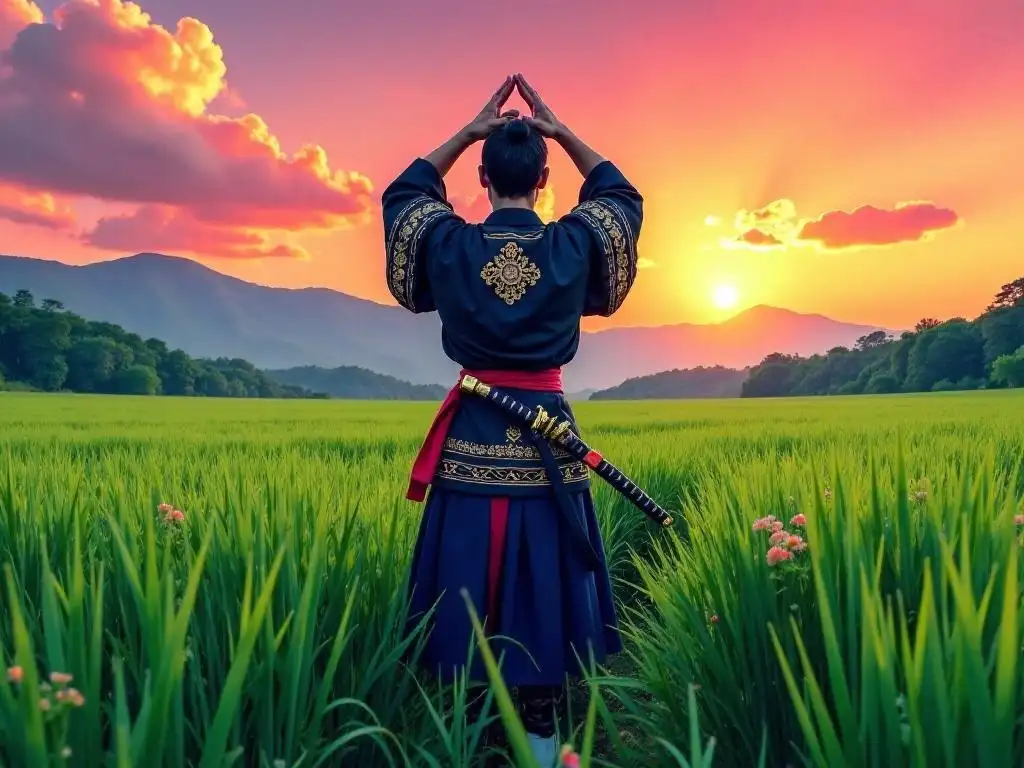
The samurai, revered as the warrior class of feudal Japan, maintained a profound connection with the natural world, which was intricately woven into their seasonal activities. This relationship was not merely symbolic; it influenced their daily routines, spiritual practices, and even their martial training. Seasonal changes dictated various rituals and activities that allowed samurai to align themselves with the rhythms of nature.
During spring, for example, samurai engaged in cherry blossom viewing, known as hanami. This practice encouraged appreciation of the fleeting beauty of the blossoms and served as a reminder of the transient nature of life—an important tenet of bushido, the samurai code. In summer, they often participated in fishing and gathering herbs, activities that provided sustenance while promoting mindfulness and respect for the environment.
Autumn was a time for harvesting crops, where samurai would assist local farmers, reinforcing their role as protectors of the land. Finally, winter activities included contemplation and meditation in serene natural settings, allowing samurai to reflect on their lives and prepare mentally for the challenges ahead.
Celebrating Seasonal Changes through Festivals
Festivals in feudal Japan were vital for samurai as they provided opportunities to celebrate the changing seasons while reinforcing their bond with nature. One of the most significant festivals was Matsuri, which marked various seasonal transitions. These festivals often included rituals honoring the gods of agriculture and nature, emphasizing gratitude for the bounties of the earth.
During these celebrations, samurai would don their finest armor and participate in processions, showcasing their martial prowess through traditional dances and performances. Such events not only highlighted their warrior spirit but also served to unite the community in appreciation of nature’s cycles. The Aoi Matsuri in Kyoto, for instance, celebrated the arrival of spring with parades adorned with greenery, symbolizing renewal and prosperity.
Moreover, these festivals were often accompanied by poetry recitals, where samurai would compose haikus reflecting the beauty of the season. This artistic expression further deepened their connection to the natural world, allowing them to capture the essence of fleeting moments through words.
Nature Walks and Their Significance in Samurai Life
Nature walks were a cherished practice among samurai, serving both practical and spiritual purposes. These excursions into the natural landscape provided a respite from the rigors of martial training and courtly duties. By immersing themselves in nature, samurai could clear their minds, reflect on their responsibilities, and find inner peace.
The act of walking through forests, mountains, and along rivers was not merely a leisurely activity; it was a form of meditation and a way to connect with the spiritual essence of the environment. Samurai believed that nature held wisdom, and by observing its cycles and phenomena, they could gain insights into their own lives and the universe.
Additionally, nature walks often included the practice of shinrin-yoku, or "forest bathing," which involves soaking in the atmosphere of the forest. This practice was believed to reduce stress and enhance mental clarity, attributes essential for a warrior. Such walks reinforced the importance of balance between physical strength and mental tranquility, embodying the samurai's holistic approach to life.
The Impact of Samurai Nature Connection on Japanese Society
The deep-rooted connection between samurai and nature significantly influenced Japanese society, shaping cultural attitudes and practices that continue to resonate today. Samurai not only lived in harmony with the natural world but also served as models for others, promoting respect and reverence for the environment.
How Samurai Influenced Cultural Attitudes towards Nature
The samurai's way of life fostered a cultural ethos that emphasized the importance of nature in daily existence. Their appreciation for the seasons, flora, and fauna was reflected in art, literature, and philosophy, influencing the broader societal views on nature.
Samurai often engaged in practices such as ikebana (flower arranging) and sado (tea ceremony), both of which showcased a deep respect for the beauty of natural elements. These practices encouraged the idea that harmony with nature was essential for personal growth and societal well-being.
Furthermore, the samurai's commitment to nature was mirrored in the gardens of feudal estates, which were designed to reflect natural landscapes. These gardens served as tranquil retreats, offering a space for contemplation and reinforcing the belief that beauty and order in nature were vital to a balanced life.
The Legacy of Samurai Nature Practices in Modern Japan
The legacy of the samurai's connection to nature remains evident in modern Japan, where traditional practices continue to thrive. The principles of mindfulness and appreciation for natural beauty, rooted in samurai culture, are celebrated through contemporary practices such as zen gardening, forest therapy, and seasonal festivals.
In urban settings, the integration of nature into daily life is seen through the design of public parks and green spaces, reflecting the samurai's belief in the necessity of harmony with the environment. Additionally, the reverence for cherry blossoms during hanami persists as a national tradition, symbolizing renewal and the fleeting nature of life.
Today, the samurai’s ethos serves as a reminder of the importance of sustainability and ecological responsibility. As Japan faces modern environmental challenges, the historical connection between samurai and nature may inspire contemporary efforts to foster a more sustainable relationship with the natural world, ensuring that the wisdom of the past continues to inform future generations.
Conclusion: The Enduring Legacy of Samurai and Nature Connection
The connection between samurai and nature has left an indelible mark on Japanese culture and society. This relationship is not simply a historical curiosity; it reflects a deep philosophical understanding of the world that resonates even today. The samurai's integration of natural elements into their daily lives and practices illustrates a profound respect for the environment, which is echoed in modern Japanese culture, where nature continues to play a vital role in spiritual and aesthetic experiences.
As we conclude our exploration of this connection, it is evident that the activities of samurai—whether in martial arts, poetry, or the simple appreciation of nature—have fostered a legacy that emphasizes harmony, balance, and reverence for the natural world. This enduring legacy invites contemporary society to reflect on its relationship with nature and consider how traditional practices can inform our modern lifestyles.
Reflection on the Importance of Nature in Samurai Culture
Nature was not merely a backdrop for the samurai; it was an integral part of their identity and philosophy. The samurai's life was governed by principles that emphasized simplicity, discipline, and an intrinsic connection to the natural world. Activities such as flower arranging (ikebana), tea ceremonies (chanoyu), and the practice of Zen Buddhism were deeply influenced by natural elements, fostering a sense of tranquility and mindfulness.
The samurai's engagement with nature also extended to their military strategy and training, where an understanding of the terrain and environmental conditions could mean the difference between victory and defeat. This holistic approach to life and warfare highlights the samurai's belief in the interconnectedness of all living things, a notion that continues to resonate in modern environmental movements and philosophies.
Modern Interpretations of Samurai Nature Connection Activities
In contemporary society, the samurai's connection to nature is reflected in various cultural practices and activities that seek to honor this legacy. Modern martial arts, such as kendo and aikido, often incorporate elements of nature into their training environments, emphasizing awareness of surroundings and respect for the elements.
Additionally, practices like forest bathing (shinrin-yoku) have gained popularity in Japan and beyond, echoing the samurai's appreciation for nature's healing properties. These activities promote mental well-being and physical health, drawing inspiration from the samurai's historical engagement with the natural world.
Artistic expressions, such as traditional Japanese gardens and bonsai cultivation, continue to showcase the aesthetic values derived from nature, mirroring the samurai's artistic pursuits. These modern interpretations serve not only to preserve the samurai's legacy but also to inspire a renewed appreciation for the natural world.
Further Reading and Resources on Samurai and Nature
Recommended Books and Articles
-
"Hagakure: The Book of the Samurai" by Yamamoto Tsunetomo
A classic text that explores the philosophy and ethics of the samurai, deeply intertwined with nature and the way of life.
-
"The Samurai: A New History of the Warrior Elite" by Jonathan Lopez-Vera
This book offers a comprehensive look at the samurai's life, including their connection to nature and its influence on their culture.
-
"Zen in the Art of Archery" by Eugen Herrigel
A fascinating exploration of the relationship between Zen Buddhism, nature, and the discipline of archery, reflecting the samurai's mindset.
Relevant Documentaries and Films on Samurai Life
-
"Samurai: The Last Warrior"
A documentary that delves into the lives of samurai, highlighting their connection to nature and the impact of environmental elements on their practices.
-
"The Last Samurai" (2003)
While a fictional portrayal, this film captures the spirit of the samurai and their relationship with nature, presenting themes of honor, tradition, and the beauty of the natural world.
-
"Kagemusha" (1980)
Akira Kurosawa's film not only showcases samurai culture but also emphasizes the natural landscapes integral to the samurai way of life, reflecting their connection to the environment.
These resources provide a deeper understanding of the samurai's relationship with nature, enriching our appreciation of their enduring legacy.
- Introduction to Samurai and Nature Connection
- Daily Activities of Samurai and Their Connection to Nature
- Traditional Samurai Activities Reflecting Nature Connection
- Spiritual Aspects of Samurai and Nature
- Seasonal Activities of Samurai in Harmony with Nature
- The Impact of Samurai Nature Connection on Japanese Society
- Conclusion: The Enduring Legacy of Samurai and Nature Connection
- Further Reading and Resources on Samurai and Nature
- What role did nature play in Samurai culture?
- How did Samurai express their connection to nature through activities?
- What are some examples of nature connection activities for Samurai?
- How did the Samurai's relationship with nature influence their spiritual beliefs?
- Are there modern interpretations of Samurai nature connection activities?
Frequently Asked Questions
What role did nature play in Samurai culture?
Nature was integral to Samurai culture, influencing their philosophy, art, and daily activities. They often sought harmony with the natural world, reflecting their values in martial practices and spiritual beliefs.
How did Samurai express their connection to nature through activities?
Samurai engaged in various nature connection activities, such as archery in serene landscapes, flower arranging, and tea ceremonies. These practices helped cultivate a sense of mindfulness and appreciation for the environment.
What are some examples of nature connection activities for Samurai?
Examples include zen gardening, where Samurai maintained gardens to reflect their inner peace, and hunting, which allowed them to develop skills while connecting with the natural world.
How did the Samurai's relationship with nature influence their spiritual beliefs?
The Samurai's relationship with nature fostered a deep sense of spirituality, often viewing the natural world as a source of wisdom and guidance. This connection was evident in their shrine visits and rituals honoring nature.
Are there modern interpretations of Samurai nature connection activities?
Yes, modern interpretations include outdoor meditation, martial arts training in natural settings, and environmental conservation efforts that honor the Samurai's legacy of being stewards of the earth.
Final Reflection: Embracing the Samurai's Connection to Nature in Our Daily Lives
The profound relationship between samurai and nature serves as a timeless reminder of the importance of harmony in our modern existence. As we navigate the complexities of contemporary life, the lessons drawn from the samurai's reverence for the natural world resonate more than ever. In a society increasingly detached from the environment, understanding how these warriors integrated nature into their daily activities can inspire us to cultivate a deeper appreciation for the world around us.
Cultural and social landscapes are continually shaped by our interactions with nature, and the samurai's practices exemplify this connection. By engaging in activities that honor the environment, we not only enrich our lives but also foster a sense of community and mindfulness. As the renowned philosopher Lao Tzu once said, Nature does not hurry, yet everything is accomplished.
This quote encapsulates the essence of the samurai's approach, reminding us that by slowing down and embracing the natural rhythms of life, we can find balance and fulfillment.
As you reflect on the insights shared in this article, I invite you to explore how you can incorporate the samurai's nature connection activities into your own life. Consider taking a moment each day to engage with the natural world—whether through mindful walking, gardening, or simply observing the beauty around you. By doing so, you not only honor the legacy of the samurai but also nurture your own well-being and foster a deeper connection to the environment. Let us embark on this journey together, embracing the wisdom of the past to create a more harmonious future.
Embrace the Harmony: Connect with Nature Like a Samurai
Thank you for taking the time to explore the profound connection between samurai and the natural world! You've discovered how these warriors integrated nature into their daily lives, finding wisdom and balance. Now, it's your turn to experience that harmony.
Here are some actionable suggestions to help you connect deeply with nature in your everyday activities:
- Start a daily mindfulness practice: Spend just 10 minutes in your garden, a park, or even on your balcony, observing the plants, animals, and weather around you.
- Incorporate natural elements into your routines: Whether it's writing in your journal outdoors or practicing martial arts in a scenic location, find ways to blend your daily tasks with the beauty of the environment.
- Share your newfound perspective: Discuss your experiences with friends and family or engage with the community by sharing your thoughts on social media.
What small steps will you take today to reconnect with nature and embody the spirit of the samurai in your daily life?