
Urban Health in Edo: The Challenges of a Growing Population

Welcome to Feudal Japan History! Dive into the intricate tapestry of Japan’s feudal era, where every alley and marketplace tells a story. In our featured article, "Urban Health in Edo: The Challenges of a Growing Population," we unravel the pressing health challenges faced during the bustling Edo period.
As cities expanded and populations swelled, what were the hidden struggles that lay beneath the surface? Join us on this captivating journey that blends expert insights with cultural depth, and discover how the past shapes our understanding of urban life today. Get ready to explore the fascinating intersection of health, society, and history—your adventure begins now!
- Introduction to Edo Period Urban Health Challenges
- The Growing Population of Edo
- Key Urban Health Challenges in Edo
- Socioeconomic Factors Influencing Urban Health
- Government Responses to Urban Health Challenges
- Cultural Perceptions of Health in Edo Society
- Comparative Analysis of Urban Health in Edo and Other Japanese Cities
- Conclusion: The Legacy of Edo Period Urban Health Challenges
-
Frequently Asked Questions
- What were the main urban health challenges during the Edo period?
- How did the growing population impact health in Edo?
- What measures were taken to address urban health issues in Edo?
- Were there any cultural factors influencing health in Edo?
- How does the study of Edo period health challenges inform modern urban health issues?
- Final Reflection: Navigating the Urban Health Challenges of Edo
- Ignite Change in Urban Health Today!
Introduction to Edo Period Urban Health Challenges
The Edo period (1603-1868) marked a transformative era in Japan's history, characterized by remarkable urban growth, cultural flourishing, and a complex societal structure. As the population in cities like Edo (modern-day Tokyo) surged, so too did the challenges associated with urban health. This article delves into the multifaceted health challenges that arose during this period, exploring how urbanization influenced public health, sanitation, and overall living conditions. By examining these aspects, we gain insight into the resilience and adaptability of Edo society as it navigated the complexities of a rapidly changing urban landscape.
Overview of Urbanization in the Edo Period
During the Edo period, Japan experienced unprecedented urbanization, with Edo evolving into one of the world's largest cities by the 18th century. The population of Edo alone reached over one million inhabitants, making it a bustling hub of commerce, culture, and politics. This rapid urban expansion was fueled by several factors, including:
- Centralized Governance: The Tokugawa shogunate established a stable government that encouraged trade and commerce.
- Economic Growth: The rise of merchant classes and increased agricultural productivity supported urban migration.
- Cultural Development: The flourishing of arts, crafts, and entertainment attracted people to urban centers.
However, this growth was not without its drawbacks. The influx of people brought about significant challenges in terms of urban health, leading to overcrowding, inadequate sanitation, and the spread of diseases.
Significance of Urban Health in Edo Society
The health of urban populations in Edo was of paramount importance, as it directly impacted social stability, economic productivity, and the overall quality of life. Key factors influencing urban health during this period included:
- Sanitation Issues: The rapid increase in population outpaced the existing infrastructure, leading to unsanitary living conditions.
- Epidemics: Frequent outbreaks of diseases such as smallpox and cholera tested the resilience of Edo's health systems.
- Public Health Policies: In response to these challenges, the shogunate implemented various public health measures, including the establishment of waste management systems and the promotion of hygiene practices.
Understanding the urban health challenges of the Edo period not only sheds light on the historical context of public health in Japan but also offers valuable lessons on urban management and societal responses to health crises in contemporary settings.
The Growing Population of Edo
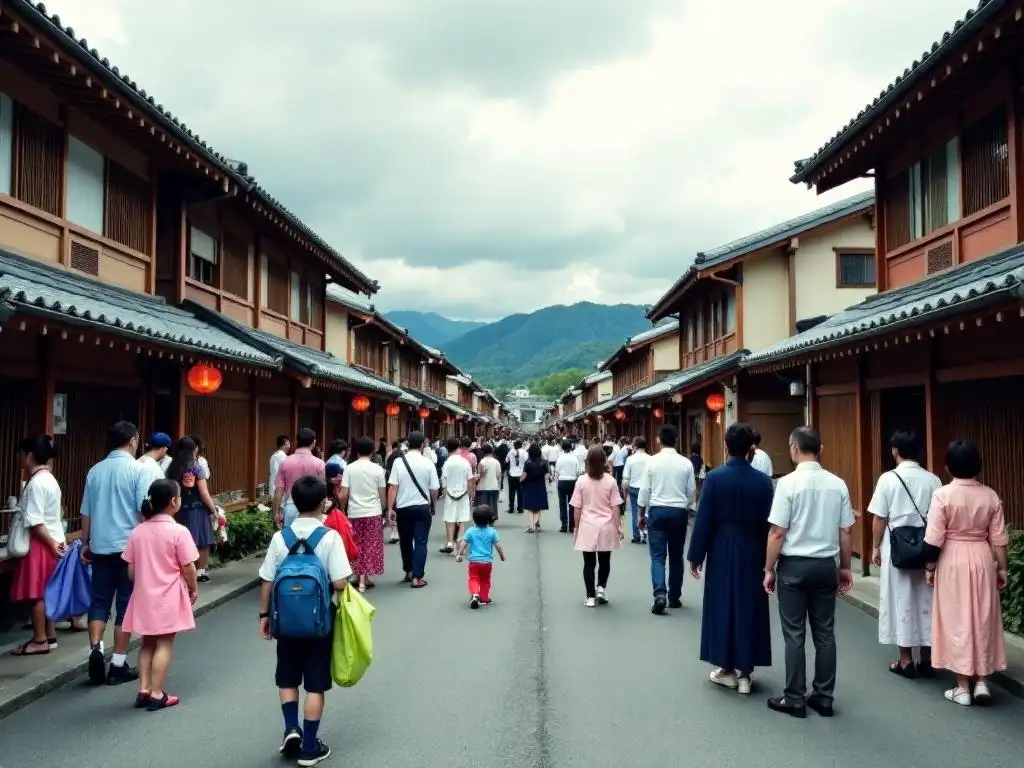
The Edo period, spanning from 1603 to 1868, marked a significant transformation in Japan's urban landscape, particularly in its capital, Edo (modern-day Tokyo). During this time, the population of Edo experienced remarkable growth, leading to various urban health challenges that would shape the societal dynamics of the era. By the late 18th century, Edo had become one of the largest cities in the world, with a population estimated at over one million inhabitants.
Demographic Trends in Edo During the Feudal Era
The demographic trends in Edo during the feudal era reveal a complex interplay of factors that contributed to its booming population. The city attracted a diverse range of inhabitants, including samurai, merchants, artisans, and laborers, all drawn by the opportunities presented by the centralized Tokugawa shogunate.
- Population Estimates: By the mid-1700s, Edo's population was approximately 1.2 million, making it a hub of commerce and culture.
- Migration Patterns: The influx of people from rural areas was significant, as many sought better economic prospects and a more vibrant lifestyle. This migration was fueled by the shogunate's policies that promoted trade and commerce.
- Life Expectancy and Health: Life expectancy in Edo was relatively low by modern standards, roughly 30-40 years, influenced by factors like disease, famine, and inadequate sanitation. However, the city's dynamic economy allowed for some advancements in public health measures, albeit limited.
Factors Contributing to Population Growth in Edo
Several key factors contributed to the rapid population growth in Edo, leading to distinct urban health challenges:
- Economic Opportunities: The establishment of Edo as the political center of Japan allowed for a flourishing economy. Merchants and artisans flocked to the city, contributing to its economic vitality.
- Infrastructure Development: Improvements in infrastructure, such as roads and waterways, facilitated trade and movement, making it easier for people to settle in Edo. Notable examples include the construction of the Nikko and Tokaido roads, which connected Edo to other significant regions.
- Cultural Appeal: Edo was not only a political center but also a cultural beacon, offering theaters, festivals, and social gatherings. The vibrant cultural scene attracted many, enhancing the city's allure.
- Population Policies: The Tokugawa shogunate implemented specific policies that encouraged settlement in Edo, including land grants and tax incentives for merchants and craftsmen. These policies contributed to the city’s rapid growth.
- Health and Disease: The growing population also faced challenges such as epidemics, particularly during the 18th century, with outbreaks of cholera and smallpox. While the shogunate introduced some public health measures, the sheer number of inhabitants often outstripped the available resources for managing health crises.
As a result of these factors, Edo's population continued to swell, leading to urban density that exacerbated health challenges. Understanding these demographic trends and their implications is crucial for comprehending the broader historical context of urban health during the Edo period.
Key Urban Health Challenges in Edo

The Edo period, spanning from 1603 to 1868, marked a significant transformation in Japan’s urban landscape, particularly in the bustling city of Edo (modern-day Tokyo). As the population surged, estimated to reach over one million by the mid-18th century, various urban health challenges emerged. These challenges were compounded by the rapid growth of the city and the complexities of managing public health in a densely populated area.
In this section, we will delve into the primary urban health challenges that plagued Edo during its rise as a major urban center, focusing on three critical areas: infectious diseases, sanitation issues, and access to clean water.
Infectious Diseases and Public Health Concerns
Infectious diseases were a significant threat to the health of Edo's residents, exacerbated by the city’s dense population and limited medical knowledge. Common ailments included:
- Smallpox: This highly contagious disease frequently swept through urban areas, causing high mortality rates. Vaccination efforts began in the 18th century, but access was limited.
- Cholera: Outbreaks of cholera were particularly devastating during the 19th century. The inability to control the spread of the disease was largely due to inadequate sanitation and waste disposal systems.
- Tuberculosis: As a respiratory disease, tuberculosis thrived in crowded living conditions, leading to a high prevalence among the urban poor.
Public health initiatives were minimal, and the government struggled to implement effective disease control measures. The lack of a coordinated approach meant that the population remained vulnerable to periodic outbreaks, which often resulted in high mortality rates and significant social disruption.
Sanitation Issues in Edo's Urban Environment
The rapid urbanization of Edo brought with it severe sanitation challenges. The burgeoning population strained existing infrastructure, resulting in several key issues:
- Waste Disposal: The management of human and household waste was primitive, with open cesspools and inadequate refuse collection leading to unsanitary conditions. This not only attracted vermin but also contributed to the spread of diseases.
- Public Toilets: The availability of public toilets was limited, and those that existed were often poorly maintained. This lack of sanitation facilities created health hazards and discomfort for residents.
- Living Conditions: Many inhabitants lived in cramped quarters with little ventilation, exacerbating the spread of airborne diseases and complicating efforts to maintain hygiene.
Efforts to improve sanitation were slow to develop; however, some reforms began to emerge toward the end of the Edo period, driven by a growing awareness of public health issues.
Access to Clean Water and Its Impact on Health
Access to clean water was another critical urban health challenge during the Edo period. The relationship between water quality and public health was increasingly recognized, yet many residents faced significant barriers:
- Sources of Water: Edo relied on rivers and wells for its water supply. However, pollution from industrial discharges and human waste often contaminated these sources, leading to waterborne diseases.
- Distribution: The distribution system was rudimentary, with many residents relying on vendors to supply water. This resulted in inequitable access, with the poorer populations suffering the most from inadequate supplies of clean water.
- Impact on Health: The lack of access to clean water not only contributed to diseases like cholera but also hindered proper hygiene practices, further exacerbating health issues in the community.
In response to these challenges, there were gradual improvements in water management and sanitation practices towards the late Edo period, signaling a growing recognition of the importance of urban health. However, it would take further modernization in the Meiji era to fully address these longstanding issues faced during the Edo period.
The urban health challenges of the Edo period reveal the complexities of managing a rapidly growing urban population. Understanding these challenges provides invaluable insights into the historical context of urban health and the evolution of public health practices in Japan.
Socioeconomic Factors Influencing Urban Health
During the Edo period, Japan saw significant urbanization, particularly in cities like Edo (modern-day Tokyo). This rapid growth brought about a myriad of socioeconomic factors that heavily influenced urban health. These factors shaped the living conditions of the population and determined access to resources necessary for maintaining public health.
The intersection of socioeconomic status, access to healthcare, and living conditions played a critical role in determining health outcomes in Edo. As the population swelled, the disparities between different social classes became increasingly pronounced, leading to a stark contrast in health and living conditions.
Class Disparities and Health Outcomes in Edo
The stratification of society during the Edo period, primarily into the samurai, farmer, artisan, and merchant classes, created significant differences in health outcomes. Each class experienced unique living conditions and access to healthcare, which influenced their overall well-being.
- Samurai Class:
- Enjoyed better access to healthcare and resources.
- Lived in spacious homes with better sanitation facilities.
- Had a diet rich in protein, contributing to better health.
- Farmers:
- Faced challenges due to poor living conditions and limited access to healthcare.
- Often suffered from malnutrition, especially during poor harvests.
- Lived in cramped quarters, which increased the risk of disease transmission.
- Artisans and Merchants:
- Health varied widely; wealthier merchants had better conditions than artisans.
- Exposure to industrial pollutants due to their trades adversely affected health.
- Urban artisans often lived in crowded neighborhoods, leading to higher disease rates.
The disparities resulted in a situation where infectious diseases thrived in the less affluent areas. Epidemics such as cholera and smallpox disproportionately affected the lower classes, exacerbating health inequalities.
The Role of Economic Conditions on Public Health
Economic conditions during the Edo period were pivotal in shaping public health policies and practices. The government implemented various measures to address the health challenges posed by urbanization, but the effectiveness of these measures varied based on economic stability.
Key Economic Influences on Urban Health:
- Trade and Commerce:
- The flourishing economy allowed for greater investment in public infrastructure.
- Markets and trade routes improved access to food and medical supplies.
- However, increased trade also led to the introduction of diseases as people traveled more frequently.
- Taxation and Resource Allocation:
- The Edo government prioritized tax revenue for military and administrative purposes over public health.
- Limited funds were diverted to sanitation and healthcare, creating gaps in services.
- Agricultural Productivity:
- Economic stability hinged on agricultural output, which directly affected food availability.
- Poor harvests led to food shortages, contributing to malnutrition and related health issues.
- Urban Planning and Sanitation:
- Economic pressures often resulted in inadequate urban planning.
- Overcrowded conditions and poor sanitation facilities became rampant in growing neighborhoods, facilitating the spread of diseases.
While there were efforts to improve urban health in Edo, the socioeconomic factors at play, including class disparities and economic conditions, significantly influenced the effectiveness of these initiatives. The resulting health challenges during the Edo period reflect a complex interplay of urbanization, social stratification, and economic realities. The historical context of these factors remains crucial in understanding the overarching theme of Edo period urban health challenges.
Government Responses to Urban Health Challenges
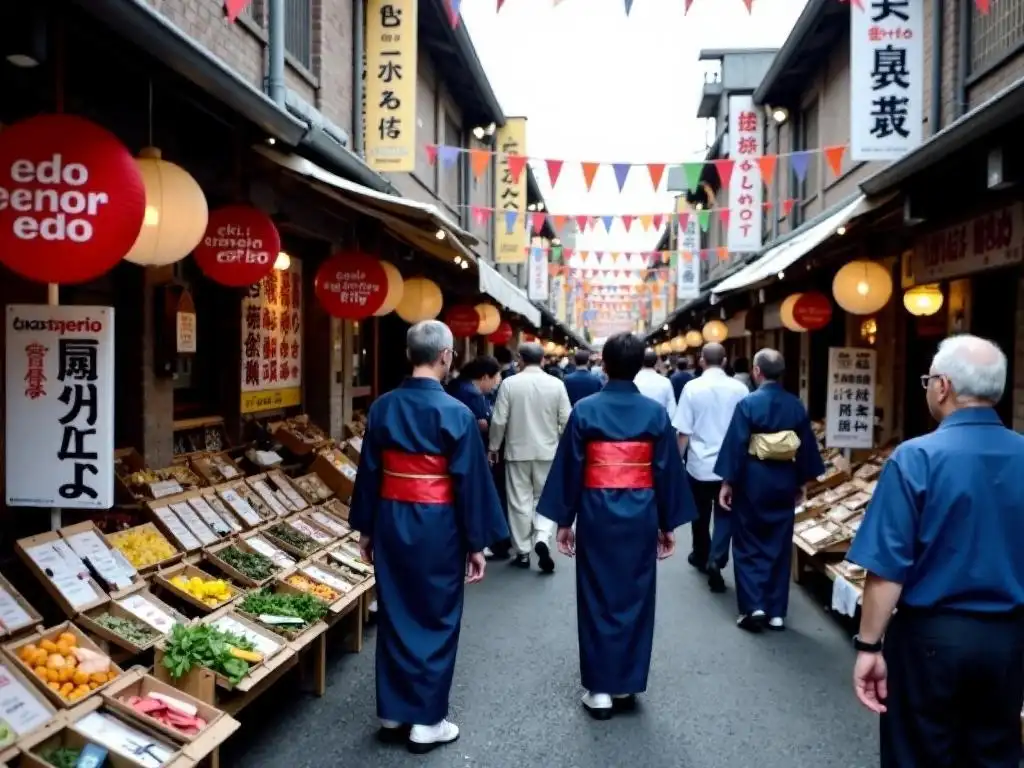
During the Edo period, particularly in the 17th to 19th centuries, the rapid urbanization of cities like Edo (modern-day Tokyo) brought about significant health challenges. The growing population faced issues such as overcrowding, sanitation problems, and the spread of infectious diseases. In response, the government implemented various public health policies and initiatives aimed at mitigating these urban health challenges.
Edo's Public Health Policies and Initiatives
The Tokugawa shogunate recognized the urgent need to address urban health issues to maintain order and stability. Several key policies were instituted:
- Sanitation Regulations:
- Waste Management: The shogunate enforced strict regulations regarding waste disposal. Local authorities were tasked with organizing waste collection and disposal, which included the use of designated areas for rubbish, ensuring that waste did not accumulate in public spaces.
- Water Quality Control: Efforts were made to ensure access to clean water. The government monitored water sources and implemented measures to prevent contamination from human waste and industrial activities.
- Health Education Campaigns:
- The government promoted public awareness about hygiene practices, including the importance of handwashing and proper food handling to prevent disease transmission.
- Educational pamphlets and community meetings were organized to disseminate information on health-related topics.
- Quarantine Measures:
- In response to outbreaks of infectious diseases such as smallpox and cholera, the Edo government established quarantine protocols. Infected individuals were isolated to prevent the spread of disease.
- Public health officials were appointed to oversee these measures and ensure compliance within the community.
- Establishment of Medical Institutions:
- The shogunate supported the establishment of hospitals and clinics, particularly for the poor who could not afford private medical care. This included the training of physicians and herbalists to provide care to the urban populace.
| Policy | Description |
|---|---|
| Sanitation Regulations | Waste management and water quality control |
| Health Education Campaigns | Public awareness on hygiene practices |
| Quarantine Measures | Isolation of infected individuals |
| Establishment of Medical Institutions | Support for hospitals and training of medical professionals |
Community Efforts to Address Health Issues
In addition to government initiatives, community efforts played a crucial role in tackling urban health challenges during the Edo period. Residents often banded together to create localized solutions:
- Neighborhood Associations:
- Communities formed associations to oversee sanitation efforts, including regular cleaning of streets and public spaces to reduce health hazards.
- These associations also organized mutual aid systems where neighbors supported each other during health crises.
- Cultural Practices and Traditional Medicine:
- Many residents relied on traditional medicine and local herbal remedies to treat common ailments. Knowledge of these practices was passed down through generations and became an integral part of community health.
- Festivals and communal gatherings were sometimes used to promote health awareness and encourage the sharing of health tips.
- Volunteer Health Workers:
- In several neighborhoods, volunteer health workers emerged, providing basic care and health education. These individuals often had some level of medical training and served as a bridge between formal healthcare and the community.
- Public Cleanliness Campaigns:
- Community-led campaigns were organized to promote cleanliness in public areas, with residents participating in regular clean-up days to maintain sanitary conditions.
Through a combination of government policies and grassroots community efforts, the people of Edo navigated the urban health challenges of their time. The collaborative approach not only helped mitigate health issues but also fostered a sense of community and resilience among the residents.
Cultural Perceptions of Health in Edo Society
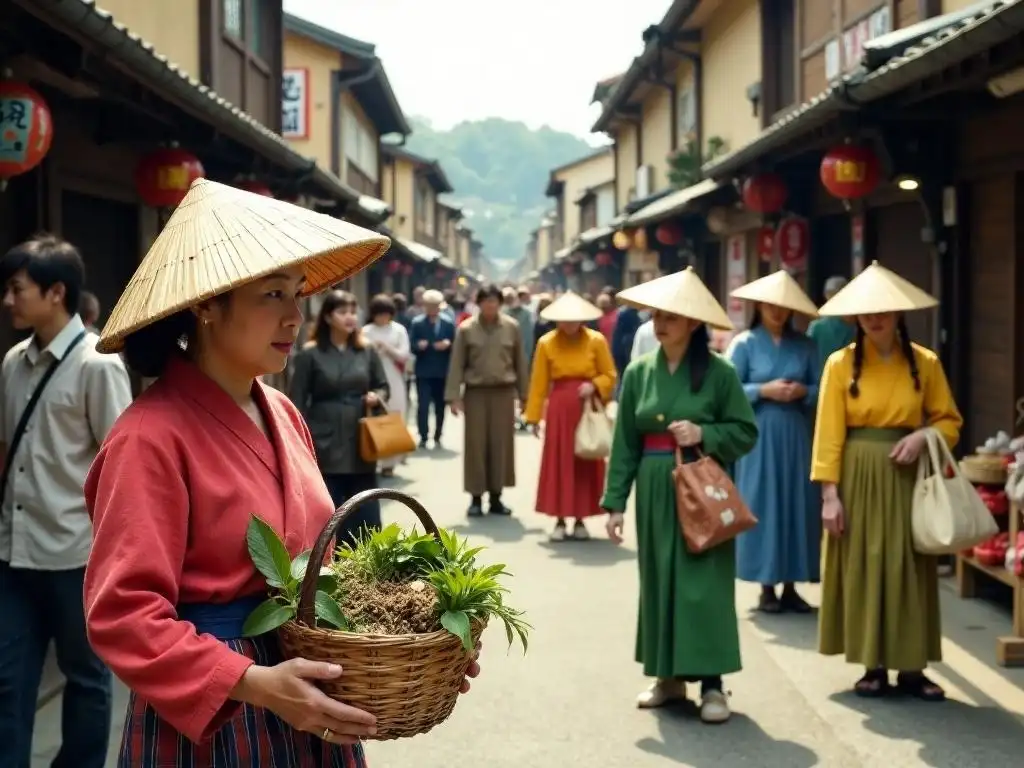
Traditional Medicine and Health Practices
During the Edo period (1603-1868), traditional medicine played a pivotal role in addressing the urban health challenges faced by the growing population of Edo (modern-day Tokyo). The medical practices of this era were deeply rooted in ancient philosophies and cultural beliefs, influencing how health and disease were perceived and treated.
Key Components of Traditional Medicine
- Kampo: This system of medicine, derived from traditional Chinese medicine, became widely practiced in Edo. Practitioners utilized herbal remedies, acupuncture, and moxibustion (the burning of mugwort on specific points of the body) to treat ailments. The formulation of herbal concoctions was based on the understanding of the body's balance between yin and yang.
- Shinto and Buddhist Influences: Spiritual beliefs significantly shaped health practices. Many Edo residents turned to Shinto rituals and Buddhist prayers for healing. Temples often provided sanctuary and healing services, where the sick could seek divine assistance alongside medical treatment.
- Preventive Measures: Edo's urban population emphasized preventive health measures. Regular baths, dietary restrictions, and lifestyle adjustments were common practices believed to promote good health. The concept of “kōrō” (longevity) was central, leading individuals to pursue habits that they believed would extend their lives.
Despite the efficacy of these practices, urban health challenges persisted, largely due to the high population density and unsanitary conditions prevalent in Edo.
The Influence of Cultural Beliefs on Health and Disease
Cultural beliefs in Edo society profoundly influenced perceptions of health and disease, often intertwining with social norms and practices. These beliefs shaped how individuals understood the causes of illness and the appropriate responses to health crises.
Superstitions and Disease Etiology
- Natural and Supernatural Causes: Illnesses were often attributed to both natural and supernatural causes. Many believed that diseases could be the result of malevolent spirits or ancestral displeasure. This led to rituals aimed at appeasing these spirits, in addition to seeking medical treatment.
- Seasonal Influences: Edo society recognized the impact of seasonal changes on health. For instance, during the hot and humid summer months, individuals adhered to specific dietary practices to prevent "summer heat syndrome," a concept that linked seasonal shifts with health outcomes.
Social Implications of Health Beliefs
- Stigmatization: Certain diseases, particularly those that were infectious, were stigmatized. Individuals suffering from conditions like leprosy faced social exclusion, which exacerbated their health challenges. This stigma was rooted in cultural beliefs about purity and social order.
- Community Responsibility: Health was often viewed as a collective responsibility. Communities would organize to address local health challenges, pooling resources for public health measures such as waste management and sanitation. This collective approach was crucial in mitigating some of the urban health challenges of the Edo period.
The interplay between cultural perceptions and health practices in Edo society created a complex landscape shaped by tradition, spirituality, and community values. These elements were essential in navigating the urban health challenges that arose as the population of Edo continued to grow.
Comparative Analysis of Urban Health in Edo and Other Japanese Cities
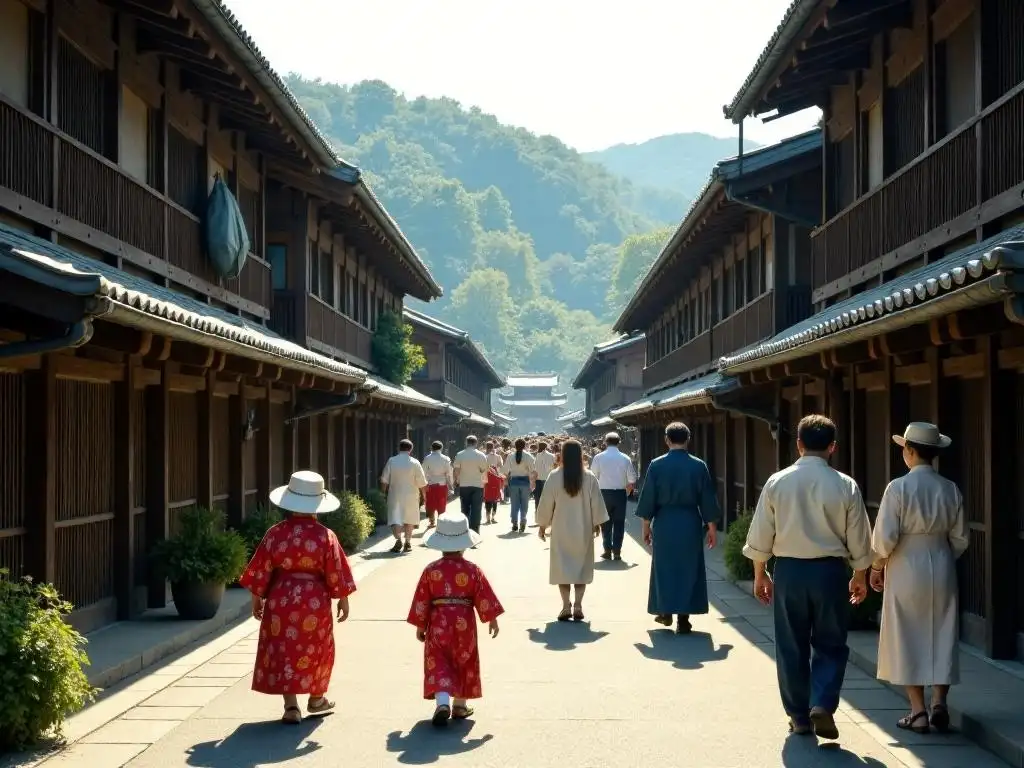
Comparing Edo's Health Challenges to Kyoto and Osaka
During the Edo period (1603-1868), Japan saw significant urbanization, with Edo emerging as the most populous city, rivaling the likes of Kyoto and Osaka. Each city faced unique urban health challenges influenced by their geographical, cultural, and socio-economic contexts.
- Population Density:
- Edo: By the mid-19th century, Edo's population soared to approximately 1 million residents. This high density exacerbated issues related to sanitation and the spread of infectious diseases.
- Kyoto: While historically significant, Kyoto's population remained around 400,000, leading to less crowded living conditions which somewhat mitigated health challenges.
- Osaka: With a population nearing 600,000, Osaka experienced its own health challenges, particularly related to its status as a commercial hub, where disease spread rapidly through trade routes.
- Sanitation and Infrastructure:
- Edo: The city struggled with inadequate waste management systems. Streets became littered with refuse, and open sewers were common, contributing to outbreaks of cholera and other illnesses.
- Kyoto: Known for its traditional streets and water systems, Kyoto had better sanitation practices; however, the older infrastructure was not sufficient to handle the growing population during peak periods.
- Osaka: The city implemented more advanced water supply systems than either Edo or Kyoto, which helped control some health issues, but the rapid influx of people still overwhelmed these systems.
- Healthcare Accessibility:
- Edo: Although Edo had a burgeoning medical community, access to healthcare was uneven, primarily benefiting the affluent. The poor often relied on traditional remedies and communal care.
- Kyoto: Medical practitioners included both traditional and Western medicine, but the city's reputation as a cultural center made it difficult for lower classes to access quality care.
- Osaka: Osaka's physicians were noted for their skills; however, the economic disparity led to significant gaps in health services for the working class.
Lessons Learned from Other Urban Centers During the Edo Period
The challenges faced by Edo during its rapid urban growth provided critical lessons that could be observed in other urban centers across the country.
- Adapting Sanitation Practices: Cities like Osaka demonstrated the importance of innovative waste management and clean water initiatives. Edo could have benefited from adopting similar strategies, such as improved drainage systems and regular waste collection, which were vital in preventing disease outbreaks.
- Public Health Awareness: The experiences of Kyoto highlighted the need for public health education. Awareness campaigns regarding hygiene practices could have decreased the incidence of diseases that spread rapidly in densely populated areas like Edo.
- Medical Infrastructure Development: Observing how Osaka managed to integrate Western medical practices into their healthcare system offers a blueprint for improving medical access. Edo could have expanded its healthcare infrastructure by incorporating a more systematic approach to medical education and public health services.
- Community Engagement: In other cities, community involvement played a crucial role in addressing health issues. Edo could have strengthened local initiatives that empowered residents to take charge of their own health and sanitation, fostering a sense of collective responsibility.
By analyzing the urban health challenges faced by Kyoto and Osaka, it becomes clear that Edo's struggle with urban health was not unique but rather a reflection of broader issues faced by rapidly growing cities during the Edo period. Implementing lessons learned from these urban centers could have significantly improved health outcomes in Edo and set a foundation for future urban planning in Japan.
Conclusion: The Legacy of Edo Period Urban Health Challenges
The Edo period (1603-1868) marked a significant era of urbanization in Japan, particularly in the burgeoning city of Edo (now Tokyo). The health challenges faced during this time have left a lasting legacy on modern urban health policies and practices. The rapid population growth in Edo led to unprecedented pressures on public health systems, sanitation, and housing. These challenges were compounded by the lack of modern medical knowledge, leading to frequent outbreaks of diseases such as cholera and smallpox.
Moreover, the government’s response to these health challenges, which included initiatives for waste management and water supply improvements, laid the groundwork for contemporary urban health strategies. The integration of traditional practices with emerging public health concepts is a testament to how historical responses can inform modern practices.
Reflections on the Impact of Urban Health Issues on Modern Japan
The urban health issues of the Edo period resonate powerfully in today's Japan. Urbanization has continued to accelerate, and with it, the challenges associated with population density, such as air pollution, access to healthcare, and the mental health impacts stemming from urban living.
- Public Health Infrastructure:
- The lessons learned during the Edo period have influenced the establishment of Japan’s modern public health infrastructure. For instance, the Edo government implemented regulations on waste disposal and water cleanliness, which paved the way for contemporary environmental health regulations.
- Cultural Attitudes towards Health:
- The cultural perceptions of health and disease stemming from the Edo period persist. Concepts such as kawaii (cuteness) and wabi-sabi (beauty in imperfection) reflect a unique approach to health and well-being that integrates both mental and physical health considerations.
- Preparedness for Epidemics:
- The historical context of disease outbreaks during the Edo period has equipped modern Japan with a framework for epidemic preparedness, evidenced during recent global health crises. This preparedness is rooted in historical experiences of managing urban health challenges.
Future Research Directions in Edo Urban Health Studies
Research on Edo period urban health challenges remains a fertile ground for academic exploration. Future studies could delve into several key areas:
- Comparative Studies: Analyzing Edo's urban health strategies in comparison to other contemporary cities worldwide could yield insights into effective public health practices.
- Cultural and Social Impact: Investigating how urban health challenges influenced social structures, class dynamics, and cultural practices in Edo society can provide a deeper understanding of the interplay between health and culture.
- Longitudinal Health Studies: Exploring the long-term health outcomes of Edo's urban population, particularly in relation to infectious diseases, can inform current public health strategies.
- Integration of Technology: Researching how historical data can be integrated with modern technology to address urban health issues, including the use of GIS mapping to track disease outbreaks in historical contexts.
By examining the legacy of Edo period urban health challenges, researchers can contribute valuable insights into both the historical context and contemporary implications of urban health in Japan today. The interconnectedness of past and present underscores the importance of historical awareness in shaping future public health initiatives.
Frequently Asked Questions
What were the main urban health challenges during the Edo period?
The Edo period faced significant health challenges due to rapid population growth, which led to overcrowding, poor sanitation, and increased disease transmission among residents.
How did the growing population impact health in Edo?
As the population in Edo expanded, it strained resources, leading to insufficient access to clean water, inadequate waste management, and heightened vulnerability to epidemics.
What measures were taken to address urban health issues in Edo?
Authorities implemented various public health measures, including improved sanitation practices, regulation of food markets, and the establishment of quarantine protocols during outbreaks.
Were there any cultural factors influencing health in Edo?
Yes, cultural beliefs often shaped health practices. Traditional medicine and spiritual approaches coexisted with emerging public health initiatives, creating a complex health landscape.
How does the study of Edo period health challenges inform modern urban health issues?
Examining Edo period urban health challenges provides valuable insights into managing contemporary urban environments, emphasizing the importance of infrastructure, public health policy, and community engagement in health promotion.
The urban health challenges faced during the Edo period resonate profoundly with our contemporary struggles in managing growing populations and their health needs. As cities expand and populations swell, the lessons learned from Edo's past become increasingly relevant. The intricate balance between urban development and public health is not merely a historical concern; it is a pressing issue that continues to shape our urban landscapes today.
Edo's experience with urban health challenges has left an indelible mark on our cultural and social fabric. The ways in which the Edo period navigated issues such as sanitation, disease control, and resource allocation serve as a blueprint for modern cities grappling with similar dilemmas. As we reflect on these historical lessons, we are reminded of the words of public health pioneer Sir William Osler: The good physician treats the disease; the great physician treats the patient who has the disease.
This highlights the importance of a holistic approach to health that considers the broader context of urban living.
As we look to the future, let us take a moment to reflect on how we can apply the insights from Edo's urban health challenges to our own lives and communities. Consider how your actions can contribute to a healthier urban environment—whether through advocacy, community engagement, or personal choices. Together, we can honor the lessons of the past while forging a path toward a healthier, more sustainable future for our cities.
Ignite Change in Urban Health Today!
Thank you for engaging with the critical issue of urban health in Edo and acknowledging the challenges brought on by a growing population. Your involvement is the first step toward making a meaningful impact! Now, let's turn that awareness into action.
Here are a few impactful ways you can contribute:
- Share Your Knowledge: Disseminate the insights from this article with your friends or on social media. Every conversation can help raise awareness!
- Get Involved Locally: Look for community projects or initiatives focused on health and urban development in your area. Your voice is important!
- Explore Further: Investigate and discuss the historical context of urban health in Edo and other cities — the lessons learned can inform contemporary solutions.
How can you utilize your unique skills or expertise to tackle urban health challenges in your community?