
Shogunate Governance: A Closer Look at the Political Mechanisms of Power

Welcome to Feudal Japan History, where we invite you to embark on a fascinating journey through the intricate tapestry of Japan's feudal era. In our featured article, "Shogunate Governance: A Closer Look at the Political Mechanisms of Power," we delve deep into the shogunate political power mechanisms that shaped an entire nation. What drove the shoguns to wield such formidable influence? How did their governance transform the societal landscape? Join us as we uncover the layers of political intrigue and cultural evolution that defined this remarkable period. Your exploration begins here—dare to discover what lies beneath the surface!
The era of the shogunate in Japan, spanning from the late 12th century until the mid-19th century, represents a pivotal chapter in the nation’s political history. Shogunate governance was characterized by a complex interplay of military rule and feudal hierarchy, which shaped not only the political landscape but also the cultural and societal fabric of Japan.
This article delves into the intricacies of shogunate political power mechanisms, exploring how authority was exercised, maintained, and challenged during this formative period. By examining the structures of power, the roles of key figures, and the underlying philosophies that influenced governance, we aim to provide a comprehensive overview that enhances our understanding of Japan's feudal era.
The Structure of Shogunate Power
The political framework of the shogunate was built upon a military aristocracy, led by the shogun, who wielded supreme authority over the land.
- Shogun: The military dictator who held the highest power, often overshadowing the emperor.
- Daimyo: Regional feudal lords who governed their own territories and pledged allegiance to the shogun.
- Samurai: The warrior class that served the daimyo and enforced the shogunate’s will.
This hierarchy created a system where loyalty and military strength were paramount, influencing governance at every level. The shogunate's ability to maintain order and enforce its rules relied heavily on this structured hierarchy.
Mechanisms of Control
Shogunate governance employed various mechanisms to maintain its grip on power, ensuring loyalty and suppressing dissent.
- Land Redistribution: The shogunate often redistributed land among the daimyo to ensure loyalty and prevent the rise of powerful regional leaders.
- Marriage Alliances: Strategic marriages between powerful families helped solidify alliances and foster political stability.
- Surveillance and Espionage: The use of spies and informants allowed the shogunate to keep tabs on potential threats.
These mechanisms not only reinforced the shogunate's authority but also created a climate of fear among dissenters.
Legal and Judicial Framework
The shogunate also established a robust legal framework to govern its subjects and maintain order.
- Buke Shohatto: These laws dictated the conduct of the samurai and regulated the relationships between the shogunate and its vassals.
- Local Governance: Each daimyo had the authority to enforce laws within their domains, creating a patchwork of legal systems across the country.
This dual system of governance allowed the shogunate to maintain control while also granting some autonomy to the regional lords.
Conclusion
Understanding the shogunate political power mechanisms provides valuable insights into how Japan navigated the complexities of governance during its feudal era. The interplay of military authority, legal frameworks, and strategic alliances not only shaped the political landscape but also laid the groundwork for the cultural developments that would follow. As we explore these facets in more detail, we will uncover the nuances of shogunate governance and its lasting impact on Japanese history.
Understanding the Shogunate System
Definition of the Shogunate in Japanese History
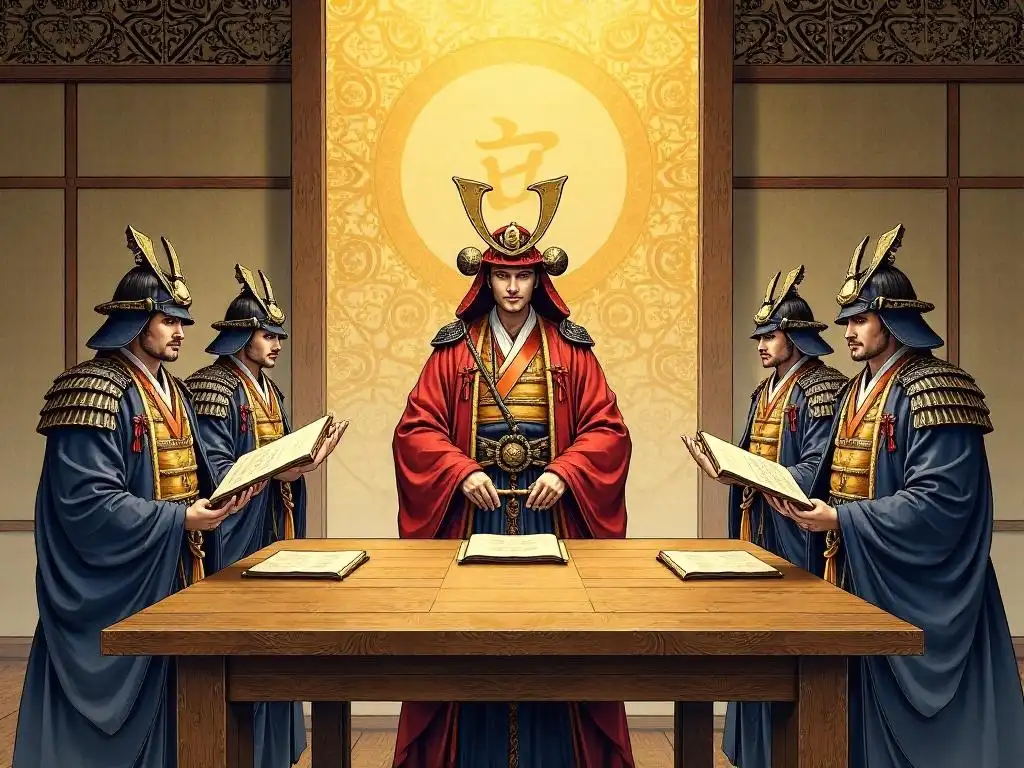
The Shogunate refers to a series of military governments that ruled Japan from the late 12th century until the mid-19th century. The term itself derives from "shōgun," a title meaning "general," which was originally used to denote a military leader appointed to govern on behalf of the emperor. Over time, the shōgun became the de facto ruler of Japan, establishing a hierarchical system of governance that overshadowed the imperial court.
At its core, the shogunate represented a unique blend of military authority and political administration. The shōgun held significant power, commanding the samurai class and overseeing the vast territories of Japan. This governance system was characterized by:
- Military Leadership: The shōgun was a military leader who commanded loyalty from samurai warriors.
- Feudal Structure: The shogunate operated within a feudal framework, where land was exchanged for military service, creating a network of allegiances and obligations.
- Centralized Control: While local daimyō (feudal lords) governed their own domains, the shōgun maintained overall authority through a complex bureaucracy and military might.
This structure allowed the shogunate to maintain stability and control during a period marked by civil strife and regional conflicts.
Historical Context of Shogunate Governance
The emergence of the shogunate system can be traced back to the Genpei War (1180-1185), a conflict between the Taira and Minamoto clans that culminated in the establishment of the Kamakura Shogunate under Minamoto no Yoritomo. This marked the transition from imperial rule to military governance, as the shōgun effectively assumed control over political affairs.
Throughout the subsequent Muromachi period (1336-1573), the Ashikaga shogunate further developed the political mechanisms of the shogunate, establishing a more sophisticated bureaucracy and enhancing the shōgun's authority. However, this era was also characterized by internal conflicts, leading to the Sengoku period (1467-1603), a time of constant warfare among rival daimyō.
The final and most influential shogunate, the Tokugawa shogunate (1603-1868), brought about a long period of peace and stability known as the Edo period. Under Tokugawa Ieyasu's rule, the shogunate implemented strict social hierarchies and centralized governance, which solidified its power and allowed for significant cultural and economic development.
Evolution of Political Power Mechanisms in the Shogunate
The political power mechanisms within the shogunate evolved significantly over its duration, adapting to changing circumstances and challenges. Key developments included:
- Bureaucratic Structures: The shogunate established a sophisticated bureaucracy, with officials tasked with various responsibilities, including tax collection, judicial matters, and military organization. This bureaucracy was essential for managing the extensive territories under shogunate control.
- Land Management and Taxation: The shogunate instituted a land management system that involved surveying and redistributing land. This allowed for more efficient tax collection, which was crucial for funding military campaigns and maintaining the shogunate’s authority.
- Control over Samurai: The shogunate implemented policies to regulate the samurai class, such as stipulating their roles and responsibilities. This control helped prevent the rise of rival power centers and maintained the loyalty of samurai to the shōgun.
- Diplomatic Relations: The shogunate also navigated complex diplomatic relations with foreign powers, particularly during the late Edo period. The arrival of Commodore Perry in 1853 highlighted the need for shogunate diplomacy, ultimately leading to the opening of Japan to international trade.
The evolution of these political power mechanisms not only facilitated the shogunate's governance but also played a crucial role in shaping Japan's societal structure, influencing its cultural developments, and setting the stage for the modernization that would follow the shogunate's dissolution in the late 19th century.
Core Political Mechanisms of Shogunate Power
The Role of the Shogun in Governance
The shogun was the de facto ruler of Japan during the feudal era, holding ultimate political and military authority. While the emperor remained the symbolic head of state, the shogun exercised real power, influencing governance through a complex network of political mechanisms. The shogunate's governance model was characterized by a centralized authority that delegated power among various layers of the feudal hierarchy.
- Centralized Authority: The shogun maintained control over the country through a system of appointed officials known as daimyō, who governed different regions. These regional lords pledged loyalty to the shogun, ensuring that local governance aligned with the shogunate's policies.
- Military Command: As the supreme military leader, the shogun directed the samurai class, who were both warriors and administrators. This militaristic approach allowed the shogunate to quell rebellions and maintain order, reinforcing the shogun’s power.
- Legal and Administrative Framework: The shogunate established a legal system that codified laws and ensured their enforcement through a network of local magistrates. This framework not only streamlined governance but also solidified the shogun's control over the bureaucracy.
- Diplomatic Relations: The shogun also engaged in diplomatic negotiations with foreign powers, managing trade and maintaining Japan's sovereignty. This role was crucial in balancing external influences while strengthening the shogunate's legitimacy domestically.
Samurai Influence on Shogunate Political Structures
The samurai class played a pivotal role in shaping the political structures of the shogunate. Their influence was not only military but also deeply ingrained in the social and cultural fabric of feudal Japan.
- Loyalty and Vassalage: The samurai were bound by a code of loyalty known as bushidō, which dictated their duty to serve their lord, the daimyō, and by extension, the shogun. This loyalty ensured a stable power base for the shogunate, as samurai loyalty was paramount in maintaining order.
- Political Participation: While the samurai were primarily warriors, many also held administrative positions within the shogunate. They were involved in governance, often taking on roles such as kanrei (shogunal deputies) and shugo (military governors), allowing them to exert influence over political decisions.
- Cultural Stewardship: The samurai contributed to the cultural identity of the shogunate through patronage of the arts and education. Their roles as educators and cultural leaders helped reinforce the ideological underpinnings of shogunate governance, reinforcing the values of loyalty, honor, and discipline.
- Rebellions and Power Shifts: Despite their loyalty, samurai could also become discontented, leading to uprisings against the shogunate. Such conflicts highlighted the delicate balance of power and underscored the significance of samurai influence on the political landscape.
The term bakufu refers to the military government established by the shogunate, which served as the central authority in feudal Japan. Understanding the bakufu is essential to grasping the mechanisms of shogunate political power.
| Feature | Description |
|---|---|
| Structure | The bakufu was a hierarchical structure, with the shogun at the top, followed by daimyō, samurai, and local officers. |
| Military Control | The bakufu maintained a standing army composed of samurai, ensuring military readiness while controlling regional conflicts. |
| Economic Authority | The bakufu administered land taxes and collected revenues, which funded military campaigns and administrative functions. |
| Judicial Power | The bakufu exercised judicial authority, settling disputes and administering justice, further consolidating its power. |
The bakufu system allowed the shogunate to centralize control while delegating authority to local lords, creating a balance between regional autonomy and centralized governance. This structure facilitated the shogunate's ability to respond to internal and external challenges, ensuring its longevity in the political landscape of feudal Japan.
The mechanisms of shogunate political power are deeply intertwined with the roles of the shogun, the samurai, and the bakufu. Each element contributed to a governance structure that not only maintained order but also shaped the historical trajectory of Japan during the feudal era.
Feudal Relationships and Loyalty Bonds
In the intricate tapestry of feudal Japan, the relationships between lords and vassals formed the backbone of the shogunate's political power mechanisms. These relationships were not merely formal agreements; they were deeply embedded in the culture and social structure of the time, characterized by a system of loyalty, obligation, and mutual benefit.
At the heart of these feudal relationships was the concept of "giri" (義理), which translates to the idea of obligation or duty. This principle dictated that vassals owed their loyalty and service to their lords, who, in turn, were expected to provide protection and land. This mutual dependence was crucial, as it reinforced the social hierarchy that the shogunate relied upon to maintain control over its territories.
The loyalty of vassals was not just a matter of social expectation; it was often enforced through formal ceremonies and oaths. For instance, the act of "kesho" (化粧), or the ritual of binding loyalty through shared sake, symbolized the commitment between a lord and his retainer, establishing a bond that was both personal and political.
The structure of feudal relationships also included a hierarchical system of ranks among samurai, known as "bushi" (武士). This hierarchy was pivotal in organizing military service and aligning the interests of vassals with those of their lords. Samurai were not only warriors but also landholders, and their loyalty was often tied to the land they governed. The shogunate employed this system to ensure that local lords (daimyos) could maintain order within their domains, while also being accountable to the shogun at the national level.
Moreover, the enforcement of loyalty bonds was supported by the "seishin" (精神) concept, which emphasized a warrior's spirit and honor. The samurai were expected to abide by a strict code of conduct, known as "bushido" (武士道), which reinforced their loyalty to their lord. This code not only dictated behavior in battle but also in everyday life, creating a sense of duty that transcended personal interests. The consequences of breaking these bonds could be severe, often resulting in dishonor, loss of status, or even death.
The feudal relationships and loyalty bonds in Japan's shogunate era were essential mechanisms that underpinned the political power of the ruling class. These relationships were built on a foundation of obligation, honor, and mutual benefit, which effectively ensured the shogunate's control over its vassals and the stability of its governance. Understanding these dynamics is crucial to grasping the complexities of shogunate political power mechanisms.
Administrative Structures Supporting Shogunate Power
The Role of Daimyo in Shogunate Governance
The daimyo were powerful feudal lords in Japan who played a critical role in the governance of the shogunate. They were granted land and authority by the shogun, making them essential to the maintenance of power and order within their domains. The daimyo managed large estates and were responsible for the economic productivity and military readiness of their territories. Their influence was structured as follows:
- Land Ownership: Daimyo controlled vast tracts of land known as han, which were subdivided into smaller units. This hierarchical structure allowed them to extract resources efficiently.
- Military Forces: Each daimyo maintained a private army of samurai, which provided the shogunate with a ready military force. This was crucial for quelling rebellions and maintaining stability.
- Tax Collection: The daimyo were responsible for collecting taxes from peasants and managing the agricultural output of their lands. This revenue was essential for funding their armies and supporting the shogunate's financial needs.
The relationship between the shogunate and the daimyo was characterized by a delicate balance of power. While the shogunate exercised ultimate authority, daimyo often enjoyed a significant degree of autonomy, leading to a complex interplay of loyalty and rivalry.
The Function of Samurai as Administrators
Samurai were not only warriors but also played vital roles as administrators within the shogunate system. Their responsibilities encompassed various aspects of governance, contributing to the effective implementation of shogunal policies. Key functions included:
- Enforcement of Law: Samurai served as enforcers of the law, maintaining order and ensuring that the daimyo's decrees were followed. Their status granted them the authority necessary to uphold justice.
- Tax Administration: Many samurai acted as tax collectors, overseeing the assessment and collection of taxes. They ensured that the daimyo received the necessary resources to maintain their power.
- Local Governance: Samurai often held positions in local government, such as magistrates or bureaucrats. They were instrumental in the administration of justice and the management of local affairs.
The dual role of samurai as both military leaders and civil administrators exemplified the shogunate's reliance on a disciplined and loyal class to govern effectively.
Local Governance and the Role of Village Leaders
At the local level, governance was further supported by village leaders, known as shōya or nakama. These individuals played pivotal roles in the daily administration and the welfare of their communities. Their responsibilities included:
- Community Organization: Village leaders were responsible for organizing local affairs, including agricultural production and communal labor. They acted as a bridge between the villagers and the daimyo.
- Conflict Resolution: Shōya often mediated disputes among villagers, maintaining social harmony and reducing the need for samurai intervention. Their authority was rooted in local customs and respect from the community.
- Tax Reporting: They were tasked with reporting the village's productivity and tax obligations to the daimyo, ensuring that the necessary resources were provided without excessive burden on the populace.
The administrative structures supporting shogunate power were multifaceted, involving the collaboration of daimyo, samurai, and local leaders. This network ensured that shogunate political power mechanisms operated efficiently, maintaining order and stability during Japan's feudal era.
Mechanisms of Control and Regulation
In the complex landscape of feudal Japan, the shogunate exercised a variety of mechanisms to maintain control and regulate society. These mechanisms were essential in establishing a stable governance structure that allowed the shogunate to wield considerable political power. Each mechanism worked in tandem to ensure that the shogunate could effectively manage not only the samurai class but also the peasantry and other societal elements.
Legal Frameworks Under Shogunate Rule
The legal frameworks established during the shogunate era were pivotal in maintaining order and authority. The shogunate implemented a series of laws known as the Buke Shohatto or "Laws for the Military Houses," which outlined the conduct expected from samurai and their lords. These laws served multiple purposes:
- Social Order: They defined the hierarchical structure of society, clarifying the roles and responsibilities of different classes, including samurai, farmers, artisans, and merchants.
- Conflict Resolution: Mechanisms for dispute resolution were embedded within these laws, allowing for the shogunate to mediate conflicts that might arise between feudal lords (daimyō) and their vassals.
- Regulatory Authority: The shogunate maintained a legal monopoly over capital punishment and other severe penalties, underscoring its ultimate authority in enforcing laws.
The legal system was not only a means of control but also a medium through which the shogunate could project its legitimacy. By establishing a clear and codified set of laws, the shogunate reinforced its role as the supreme ruler of Japan.
Taxation Systems and Economic Control
Economic control was another critical mechanism through which the shogunate exerted its power. The taxation systems implemented by the shogunate were designed to ensure a steady revenue stream while maintaining the loyalty of the samurai class. Key features of this system included:
- Land Taxation: The primary form of taxation was based on agricultural production. The shogunate assessed the productivity of land and collected a percentage of the harvest, typically around 40%. This not only provided necessary funds for the shogunate but also incentivized daimyō to manage their lands efficiently.
- Merchant Regulation: The shogunate imposed strict regulations on commerce, controlling trade routes and markets. This regulation was aimed at both maximizing tax revenue and minimizing the wealth accumulation of merchants, as the shogunate viewed a powerful merchant class as a potential threat to its authority.
- Public Works and Infrastructure: Revenue collected through taxation was often reinvested into public works, such as roads and irrigation, which facilitated trade and improved agricultural output. This cyclical relationship between taxation and economic development helped stabilize the shogunate's governance.
Through these economic mechanisms, the shogunate not only maintained its power but also fostered an environment conducive to growth and stability.
Military Conscription and Defense Structures
The military was the backbone of the shogunate's power, and its structures were meticulously organized to ensure both defense and control. The shogunate employed several methods of military conscription and defense that exemplified its authority:
- Samurai Service: The samurai class was not only a warrior elite but also served as the shogunate's primary enforcers. Each daimyō was required to maintain a standing army of samurai, who were obliged to serve the shogunate during times of war. This created a network of loyalty and obligation that bound the samurai to the shogunate.
- Kokudaka System: Under this system, the value of land was assessed in terms of its productivity, which in turn determined the number of troops a daimyō was expected to provide. This system ensured that military resources were proportional to the economic output of the region, thereby maintaining a balance of power.
- Fortifications and Defense: The shogunate invested heavily in fortifications and military infrastructure, including castles and strategic outposts, to deter invasions and maintain internal order. These structures not only served as military bases but also as symbols of shogunate authority.
The strategic military conscription and robust defense structures enabled the shogunate to maintain control over its territory while asserting its dominance over rival factions and external threats.
These mechanisms of control and regulation were essential in shaping the political landscape of feudal Japan, allowing the shogunate to govern effectively and maintain its power for centuries. Understanding these elements provides deeper insight into the complexities of shogunate political power mechanisms and their lasting impact on Japan's history.
Impact of Shogunate Political Mechanisms on Society
The governance of the shogunate established a rigid social hierarchy that significantly influenced Japanese society during the feudal era. At the top of this hierarchy were the daimyō, powerful feudal lords who governed large territories. Below them were the samurai, the warrior class sworn to serve the daimyō. This structure created a distinct separation between the ruling elite and the common people, which included farmers, artisans, and merchants.
The class system was defined as follows:
- Emperor: The nominal ruler with little real power.
- Shogun: The military dictator, wielding actual political power.
- Daimyō: Regional lords with their own armies of samurai.
- Samurai: The warrior class, bound by honor and loyalty.
- Peasants: The backbone of the economy, primarily engaged in agriculture.
- Artisans and Merchants: Lower in status, these classes were crucial for trade and craftsmanship.
This hierarchy not only dictated political power but also influenced social mobility, which was largely limited. The shogunate's mechanisms of power reinforced these divisions, allowing the ruling class to maintain control over the population. The samurai, for example, were given the right to bear arms, which was a privilege denied to the lower classes, establishing a clear demarcation in societal roles.
Cultural Developments Influenced by Shogunate Governance
The shogunate's political power mechanisms had a profound impact on cultural developments throughout Japan. Under the shogunate, especially during the Edo period, there was a significant push towards cultural cohesion and the promotion of arts and literature. The stability provided by the shogunate allowed for a flourishing of cultural expression.
Several key cultural developments emerged during this time:
- Literature: The rise of ukiyo-e (floating world) woodblock prints and haiku poetry reflected the lives and sentiments of the people, often critiquing the rigid social structures.
- Theatre: Forms like kabuki and noh flourished, serving as entertainment for both the samurai and the commoners, while also often carrying social commentary.
- Philosophy and Religion: Neo-Confucianism became the state ideology, influencing ethical standards and governance. Zen Buddhism also saw growth, particularly among the samurai, promoting values of discipline and simplicity.
The shogunate's governance promoted a unique cultural identity that blended traditional Japanese elements with influences from China and the West, particularly towards the end of the feudal era. This cultural richness is a testament to how shogunate political power mechanisms not only managed society but also shaped its cultural landscape.
The Impact of Shogunate Policies on Daily Life
The policies implemented by the shogunate had a direct and lasting impact on the daily lives of the Japanese people. From land management to taxation, the shogunate's governance mechanisms influenced every aspect of life.
Key aspects of daily life affected by shogunate policies include:
- Agricultural Production: The shogunate implemented land reforms that aimed at increasing agricultural productivity. Farmers were often required to pay a portion of their harvest as tax, which could be burdensome during poor harvest years. However, successful policies led to periods of prosperity for the peasant class.
- Urbanization: The growth of castle towns around daimyō estates led to increased urbanization. These towns became centers of commerce and culture, allowing merchants to thrive. The shogunate's policies facilitated trade, which improved the standard of living for some.
- Education and Literacy: The shogunate encouraged literacy among the samurai and, to a lesser extent, the common people. Temples and community schools provided education, leading to a rise in literacy rates and the dissemination of knowledge.
- Peace and Stability: The Pax Tokugawa, a period of relative peace, allowed society to focus on cultural pursuits and economic growth rather than warfare. This stability was pivotal in shaping the social fabric of Japan.
The mechanisms of shogunate political power thus not only structured the governance of Japan but also intricately shaped the daily lives of its people, creating a complex interplay between authority and societal norms that defined the feudal era.
Challenges to Shogunate Political Power
Internal Conflicts and Power Struggles
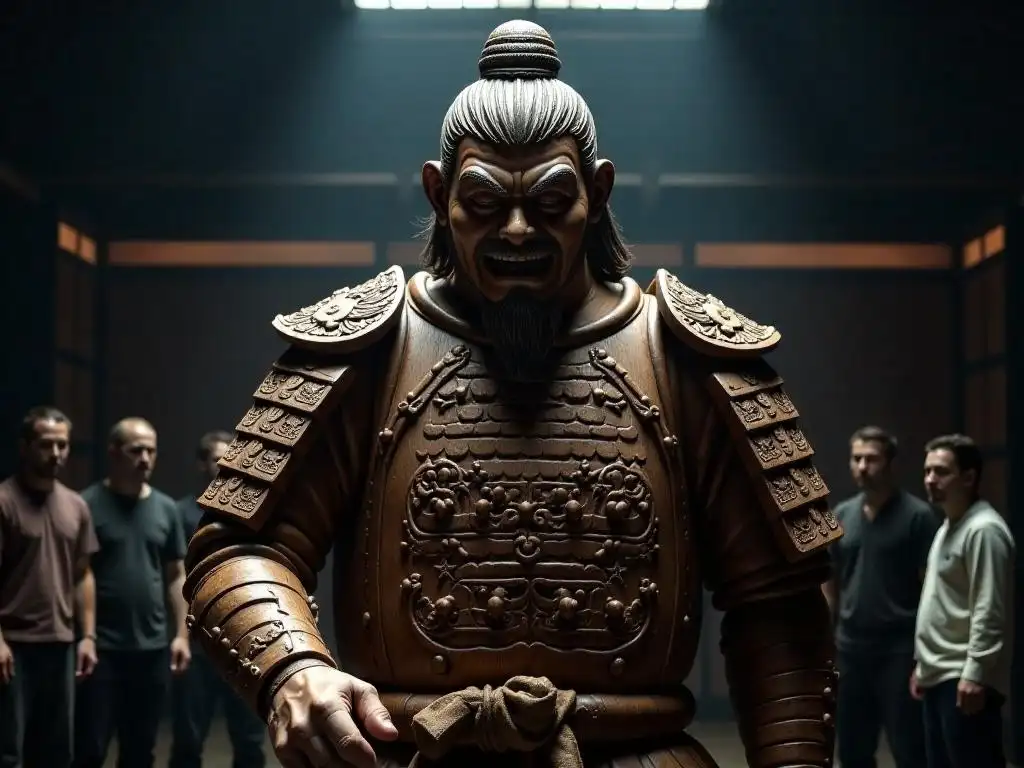
Throughout the history of the shogunate, internal conflicts and power struggles were significant challenges that undermined the stability and authority of shogunate political power mechanisms. The complex hierarchy of feudal Japan often led to rivalries among the samurai class, which were exacerbated by the shogun's attempts to consolidate power.
One prominent example is the Genpei War (1180-1185), a conflict between the Taira and Minamoto clans that resulted in the establishment of the Kamakura shogunate. This war set a precedent for future power struggles, as the victorious Minamoto clan faced ongoing challenges from other samurai factions who sought to assert their influence.
- Key Factors Influencing Internal Conflicts:
- Clan Rivalries: Different clans competed for territorial control and influence over the shogunate.
- Succession Disputes: Disagreements over the rightful heir to the shogunate often led to violent confrontations.
- Discontent Among the Samurai: As the socio-economic conditions fluctuated, many samurai felt disenfranchised, leading to uprisings like the Jōkyū War (1221).
These conflicts not only created instability within the shogunate but also drained resources, making it increasingly difficult for the ruling shogun to maintain control over the military and populace.
External Threats and Foreign Relations
While internal strife posed challenges to shogunate governance, external threats also played a critical role in shaping political power mechanisms. The shogunate was often forced to navigate complex foreign relations, particularly in the context of invasions and the presence of foreign powers.
- Mongol Invasions (1274 and 1281): These invasions were a defining moment for the Kamakura shogunate. The shogunate's ability to repel the Mongols, aided by kamikaze (divine winds), was a source of national pride but also revealed vulnerabilities in shogunate military preparedness and logistical capabilities. The aftermath of these invasions strained shogunate resources and led to increased taxation, which fostered discontent among the samurai and peasantry.
- Trade and Diplomacy: The shogunate's approach to foreign relations evolved over time. For instance, during the Edo period, the Tokugawa shogunate adopted a policy of sakoku (closed country), limiting foreign contact and trade to a few select nations. This isolationist stance was intended to prevent foreign influence and maintain political stability, yet it also hampered economic growth and technological advancement.
External threats complicated the shogunate's governance, necessitating a balance between military readiness and diplomatic engagement, while simultaneously highlighting the limitations of the shogunate's power structures.
The decline of shogunate authority in Japan is marked by several key events and transformations that ultimately led to the dissolution of feudal power structures. By the late 19th century, various factors contributed to the weakening of shogunate political power mechanisms.
- Rise of the Imperial Court: The Meiji Restoration of 1868 marked a significant turning point, as the imperial court sought to reclaim authority from the Tokugawa shogunate. This shift was fueled by growing discontent among samurai and other social classes, who were eager for political reform and modernization.
- Economic Challenges: Economic hardships, including natural disasters and famines, exacerbated the dissatisfaction with shogunate governance. The shogunate struggled to manage these crises effectively, leading to increased unrest among the peasant class and challenges to the established order.
- Western Influence: The arrival of Commodore Perry in 1853 forced Japan to confront the realities of Western imperialism. The unequal treaties that followed highlighted the shogunate's inability to protect Japan's sovereignty, leading to a loss of legitimacy and support among the populace.
The culmination of these factors led to the eventual fall of the Tokugawa shogunate and the restoration of power to the emperor, marking the end of feudal governance in Japan. The transition from shogunate rule to a centralized government set the stage for Japan's modernization and emergence as a global power in the 20th century.
Conclusion: Legacy of Shogunate Political Power Mechanisms
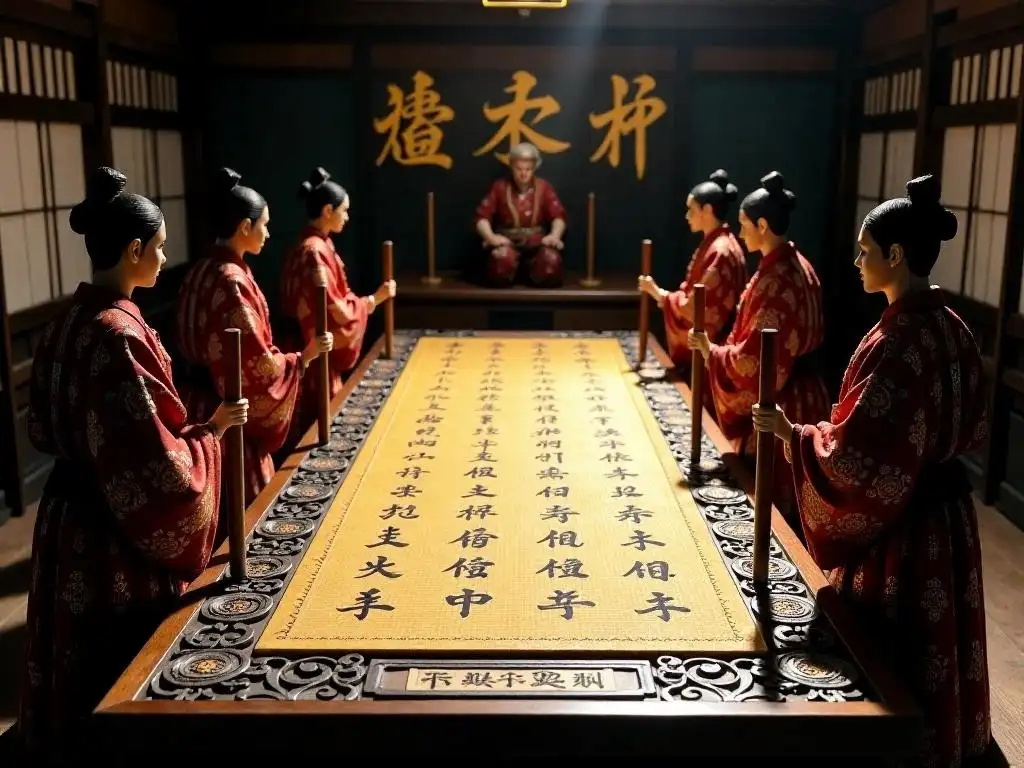
The legacy of shogunate political power mechanisms is profound, influencing various aspects of Japanese governance and society even beyond the feudal era. These mechanisms established a framework of authority that shaped the political landscape of Japan for centuries. The interplay of power among the shogunate, samurai, and the imperial court created a unique governance structure that balanced military might with bureaucratic administration.
Lasting Influence on Modern Japanese Governance
The shogunate's political structures laid the groundwork for contemporary Japanese governance. Key elements such as centralized authority, bureaucratic organization, and the role of advisors have persisted into modern political systems. For instance, the emphasis on meritocracy within bureaucratic ranks can be traced back to the practices of the shogunate, where skilled administrators played crucial roles in governance despite their social status.
Moreover, the concept of dual authority—where the emperor held a symbolic position while the shogunate wielded real power—echoes in modern Japan's political dynamics. Today, while Japan operates as a constitutional monarchy, the historical precedence of a powerful, centralized authority continues to inform the relationship between political entities and the imperial institution.
| Aspect | Shogunate Influence | Modern Reflection |
|---|---|---|
| Centralized Authority | Shogunate as the primary governing body | National Diet and Cabinet operate similarly |
| Bureaucratic Organization | Development of a skilled bureaucracy | Modern civil service and administrative roles |
| Dual Authority | Emperor as the figurehead | Emperor as the ceremonial leader |
Reflections on Shogunate Governance in Historical Context
Understanding the shogunate governance system requires a nuanced perspective on its historical context. The shogunate was not merely a military dictatorship; it was a complex political entity that adapted to the socio-political challenges of its time. The emergence of the shogunate was a response to the instability of the late Heian period, marking a significant shift in political power from the aristocracy to the military class.
The effectiveness of shogunate political power mechanisms can be seen in their ability to maintain order and stability during turbulent times. By establishing a hierarchical system that emphasized loyalty and service, the shogunate created a framework that endured through various crises, including civil wars and external threats. This stability allowed for cultural and economic developments that flourished under the peace of the Edo period.
In retrospect, shogunate governance offers valuable lessons in political strategy and the balance of power. Its legacy continues to provoke discussions about authority, governance, and the interplay between tradition and modernity in Japan. The enduring influence of these mechanisms reminds us that the past shapes the present, and understanding this historical context enriches our comprehension of contemporary political structures.
Further Reading and Resources on Shogunate Political Mechanisms
Recommended Books and Articles
For those interested in delving deeper into the shogunate political power mechanisms, the following resources provide a wealth of information, analysis, and historical context:
-
"The Cambridge History of Japan, Volume 3: Medieval Japan"
This comprehensive volume offers detailed insights into the political, social, and economic structures of medieval Japan, including a thorough examination of the shogunate's governance and power dynamics.
-
"Samurai, Warfare and the State in Early Medieval Japan" by Karl F. Friday
Friday’s work explores the relationship between samurai culture and political authority under the shogunate, highlighting the interplay of military and governance.
-
"The Origins of the Japanese Archipelago: From Prehistory to the Modern Era" by Takashi Yoshida
This book provides a broad overview of Japan’s history, including key events and shifts in power during the feudal era, elucidating the development of shogunate governance.
-
"Shogun: The Life of Tokugawa Ieyasu" by John Man
A biographical account that explores the life of Tokugawa Ieyasu, the founder of the Tokugawa shogunate, detailing how his political strategies shaped Japan's governance.
-
"War and State Formation in Ancient China and Early Modern Japan" by Geir Helgeson
This comparative study examines how warfare influenced state formation in both China and Japan, with significant focus on the shogunate's role in establishing political power.
-
"The Shogunate: A History of the Samurai and the Feudal System" by Michael T. Davis
Davis provides an accessible overview of the shogunate, focusing on the political mechanisms that enabled the samurai class to govern effectively.
Visiting historical sites can provide a tangible connection to the shogunate political power mechanisms and offer insights into the era's governance. Here are some key locations:
-
Nijo Castle, Kyoto
Built in 1603, Nijo Castle served as the residence of the Tokugawa shoguns. The castle's architecture and design reflect the power and authority of the shogunate, making it a critical site for understanding feudal governance.
-
Himeji Castle, Hyogo
A UNESCO World Heritage Site, Himeji Castle is one of Japan's most well-preserved feudal castles. Its strategic design showcases the military power of the samurai and the shogunate's defensive mechanisms.
-
Kamakura, Kanagawa
The first shogunate was established in Kamakura, which remains a significant historical site. Visitors can explore temples and structures that date back to the Kamakura period, gaining insights into the early governance systems.
-
Edo Castle, Tokyo
The center of the Tokugawa shogunate, Edo Castle symbolizes the political power of the time. The castle grounds are now part of the Imperial Palace, but the area is rich with history and offers a glimpse into shogunate political life.
-
The Great Buddha of Nara (Todai-ji Temple)
Although primarily a religious site, the Great Buddha reflects the Buddhist influence on shogunate politics and the intertwining of religion and governance during the feudal era.
These resources and sites provide a profound understanding of the shogunate political power mechanisms and the historical context of feudal Japan, enriching the exploration of this pivotal era.
Frequently Asked Questions
What was the role of the Shogunate in feudal Japan?
The Shogunate was the military government that held political power in feudal Japan, overseeing the samurai class and maintaining order through a system of feudal loyalty.
How did the Shogunate maintain its political power?
The Shogunate utilized a combination of military strength, strategic alliances, and the control of land and resources to reinforce its political mechanisms and authority over the daimyos.
What are some key features of Shogunate governance?
Shogunate governance was characterized by a centralized authority, a hierarchical structure, and the use of vassal relationships to ensure loyalty and support from local lords.
How did the Shogunate influence Japanese society and culture?
The Shogunate significantly impacted Japanese society by establishing a social hierarchy, promoting Confucian ideals, and fostering a unique cultural identity through arts and traditions during its rule.
What led to the decline of Shogunate power in Japan?
The decline of Shogunate power was influenced by internal strife, external pressures from Western powers, and the rise of imperial forces, ultimately leading to the Meiji Restoration in the late 19th century.
Final Reflection: Understanding Shogunate Political Power Mechanisms in Today's Context
The exploration of shogunate political power mechanisms reveals not only the intricacies of historical governance but also their enduring relevance in contemporary society. As we navigate the complexities of modern political systems, the lessons drawn from the shogunate era remind us that power dynamics are often rooted in strategic alliances, social hierarchies, and the delicate balance between authority and the governed. The mechanisms of power that once shaped Japan's feudal landscape continue to echo in today's political discourse, urging us to reflect on how governance is exercised and challenged in our own time.
The shogunate's intricate web of political power mechanisms has left an indelible mark on cultural and social structures, influencing everything from leadership styles to societal expectations. The legacy of this governance model can be seen in the way modern leaders navigate their roles, often drawing from historical precedents to justify their authority or to foster unity. As historian John W. Hall aptly stated, The past is not dead; it is not even past.
This sentiment underscores the importance of understanding historical governance as a lens through which we can better comprehend our current political landscape.
As we conclude this exploration, I invite you to reflect on the lessons of shogunate governance and consider how they apply to your own experiences with power and authority. What mechanisms of influence do you observe in your environment, and how can you engage with them thoughtfully?
By recognizing the historical roots of political power, we can become more informed participants in our own governance, advocating for transparency, accountability, and a deeper understanding of the forces that shape our lives. Let us carry these reflections forward, not just as students of history, but as active contributors to the ongoing narrative of governance in our world.
Unveil the Legacy of Shogunate Power!
Thank you for delving into the intricate world of shogunate governance! By exploring the political mechanisms of power, you've gained valuable insights into a pivotal chapter of Japan's history. Now, it's time to take those insights further and engage with this fascinating topic in actionable ways.
- Dive deeper: Investigate the key historical figures of the shogunate and create a timeline to visualize their impacts on Japanese society.
- Join the conversation: Share your thoughts and newfound knowledge with friends or in online forums. Consider how the governance methods of the shogunate resonate with contemporary leadership practices.
- Explore further: Discover related articles on our site to understand the broader context of feudal Japan and its relevance in today's world.
Which aspect of shogunate governance intrigues you the most, and in what ways do you see its influence in our modern society?