
The Role of the Shogun: Understanding the Military Dictatorship of Feudal Japan

Welcome to Feudal Japan History, where we embark on a fascinating journey through the intricate tapestry of Japan's feudal era. In our featured article, “The Role of the Shogun: Understanding the Military Dictatorship of Feudal Japan,” we delve into the enigmatic world of the shogun military dictatorship—a pivotal force that shaped the political landscape of historical Japan.
What drove these powerful leaders, and how did their reigns influence the society and culture of their time? Prepare to uncover the layers of history that define this remarkable period, as we invite you to explore, question, and discover more about the legacies of the shogunate.
- Introduction to the Shogun Military Dictatorship in Japan
- The Emergence of the Shogun: Historical Context
- Defining the Shogun: Roles and Responsibilities
- The Structure of the Shogunate
- The Impact of Shogun Military Dictatorship on Japanese Society
- Major Shogunates in Japanese History
- Challenges to Shogunal Authority
- The Decline of the Shogun Military Dictatorship
- Conclusion: The Lasting Legacy of the Shogun in Japanese History
- References and Suggested Further Reading
- Frequently Asked Questions
- Final Reflection: The Enduring Legacy of the Shogun Military Dictatorship in Japan
- Embrace the Legacy of the Shogun!
Introduction to the Shogun Military Dictatorship in Japan
The role of the shogun in feudal Japan is pivotal in understanding the intricate tapestry of the country's political history. As military dictators, shoguns held significant power, often overshadowing the emperor and shaping Japan's governance from the 12th to the 19th century.
This era, marked by social stratification and military conflict, saw the emergence of a unique form of governance that blended military authority with elements of traditional Japanese culture. By delving into the concept of the shogun military dictatorship in Japan, we can uncover the layers of influence exerted by these leaders, their military strategies, and the lasting implications of their rule on Japan's societal structure and political evolution.
Overview of Feudal Japan's Political Landscape
Feudal Japan was characterized by a decentralized political structure, where power was dispersed among various regional lords known as daimyōs. This fragmentation of authority arose in response to the chaotic conditions following the Heian period, leading to the rise of military governance. The shogunate system, established by figures like Minamoto no Yoritomo, introduced a hierarchical framework that positioned the shogun at the apex of military power.
Key Features of Feudal Japan's Political Structure:
- Shogun: The supreme military leader, wielding ultimate authority over the samurai class and the daimyōs.
- Daimyōs: Powerful landowners who governed specific territories and were loyal to the shogun.
- Samurai: The warrior class, serving as the military backbone of the shogunate, adhering to the code of bushidō.
- Emperor: Although regarded as a spiritual leader, the emperor's political power waned, becoming largely ceremonial.
This political landscape facilitated a complex system of loyalty and obligation, where the shogun maintained control through alliances and military might, ensuring stability amid the feudal conflicts that defined this era.
Importance of the Shogunate in Japanese History
The shogunate is not merely a chapter in Japan's history; it represents a transformative period that influenced the nation's culture, economy, and societal norms. The establishment of the shogunate marked the transition from imperial rule to a militarized government, fundamentally altering the trajectory of Japanese history.
Significant Contributions of the Shogunate:
- Military Organization: The shogunate developed a sophisticated military structure that emphasized discipline and strategy, laying the groundwork for Japan's future military endeavors.
- Cultural Flourishing: Despite its militaristic nature, the shogunate era witnessed a flourishing of arts and culture, including the emergence of Noh theater and the tea ceremony, which were deeply intertwined with samurai values.
- Economic Systems: The shogunate implemented land reforms and taxation systems that bolstered agricultural productivity, fostering economic growth and stability.
The legacy of the shogunate endures, as it set the stage for modern Japan's governance and cultural identity. Understanding the intricacies of the shogun military dictatorship in Japan provides valuable insights into the complexities of Japanese history and the enduring impact of its feudal past.
The Emergence of the Shogun: Historical Context
The emergence of the shogun marked a significant turning point in the political landscape of Japan, transforming the country from a fragmented collection of clans to a centralized military dictatorship. This transition was not abrupt; rather, it was the culmination of various social, political, and military developments that unfolded over centuries.
The Rise of Military Rule in Japan
The roots of military rule in Japan trace back to the Heian period (794-1185), a time characterized by the power of the imperial court and noble families. However, as the influence of the central government waned, regional military leaders, known as bushi or samurai, began to assert their dominance.
Factors Contributing to Military Ascendancy:
- Decline of Imperial Authority: As the imperial court focused on cultural pursuits, the necessary governance weakened, leading to power vacuums across the provinces.
- Rise of the Samurai Class: The samurai emerged as powerful warriors, skilled in combat and increasingly influential in local governance, serving as protectors of landowners and later asserting their authority.
- Civil Strife and Clan Warfare: The period was marked by continuous conflicts, such as the Genpei War (1180-1185), which ultimately led to the establishment of the Kamakura Shogunate, the first shogunate in Japanese history.
The culmination of these factors resulted in the shogunate system, where military leaders, or shoguns, held de facto power, while the emperor remained a figurehead.
Key Events Leading to the Establishment of the Shogunate
Several pivotal events played critical roles in the establishment of shogunate rule in Japan, leading to the formalization of the shogun military dictatorship.
- The Genpei War (1180-1185):
- This conflict between the Taira and Minamoto clans was essential in reshaping the power dynamics of Japan. The Minamoto clan's victory laid the groundwork for the shogunate system.
- The Establishment of the Kamakura Shogunate (1192):
- Following the Genpei War, Minamoto no Yoritomo was granted the title of shogun by the emperor, marking the official start of military governance in Japan. This event signified the shift of power from the court to military leaders.
- The Mongol Invasions (1274 and 1281):
- The failed Mongol invasions tested the shogunate's military capabilities and solidified the samurai's role as defenders of Japan. The invasions highlighted the necessity of a strong military leadership, reinforcing the shogun's authority.
- The Ashikaga Shogunate (1336-1573):
- Following the Kamakura period, the Ashikaga shogunate emerged, introducing a new phase in the shogunate system. This period was marked by internal conflict but also by cultural flourishing, demonstrating the adaptability and resilience of the shogun's governance.
These events collectively illustrate the evolution of the shogun military dictatorship in Japan, establishing a framework for subsequent governance and highlighting the complexities of power dynamics during the feudal era. The shogunate not only shaped military strategies but also influenced cultural and societal structures, making it a defining element of Japanese history.
Defining the Shogun: Roles and Responsibilities
The Shogun was the de facto ruler of Japan during the feudal period, wielding significant military and political power. The term "Shogun" translates to "general" (将軍), initially referring to a military commander. However, over time, it became synonymous with the military dictatorship that characterized Japan's governance from the late 12th century to the 19th century. The Shogun held the title "Seii Taishōgun," meaning "great general who subdues the barbarians," which reflected their role in defending the realm and maintaining order.
The Shogun's responsibilities extended far beyond mere military command. They were responsible for:
- Military Leadership: The Shogun commanded the samurai class and led military campaigns.
- Political Authority: They governed the land, enforced laws, and managed the administration.
- Diplomacy: The Shogun handled foreign relations, including trade agreements and treaties.
- Economic Control: They oversaw land taxation and distribution, ensuring the stability of the economy.
The authority of the Shogun was maintained through a system of feudal loyalty, where samurai pledged allegiance to their lord in exchange for land and protection. This hierarchical structure solidified the Shogun's power and influence throughout Japan.
The authority of the Shogun derived from a combination of military strength, political acumen, and the legitimacy granted by the imperial court. The Shogunate, or the government run by the Shogun, was characterized by a unique blend of military dictatorship and feudal loyalty. Below are key aspects of Shogunal authority:
- Centralized Power: While the Emperor was the nominal head of state, the Shogun held actual power, often making decisions without imperial approval. This duality created a complex political landscape.
- Feudal System: The Shogun granted land to vassals (daimyō), who in turn provided military service. This system reinforced the Shogun's power by creating a network of loyalty among the samurai class.
- Legal Authority: The Shogun established laws and regulations that governed society, including the administration of justice. Courts operated under the Shogun’s jurisdiction, further solidifying their control.
- Economic Management: The Shogun controlled the economy through taxation, ensuring that resources were allocated efficiently to maintain military strength and societal stability.
Comparison of the Shogun and the Emperor
The relationship between the Shogun and the Emperor was characterized by a delicate balance of power, often resulting in conflict and cooperation. Understanding this dynamic is essential to grasp the nuances of the Shogun military dictatorship in Japan. Here are the main points of comparison:
| Aspect | Shogun | Emperor |
|---|---|---|
| Power | De Facto ruler; held military and political control | Nominal head; symbolic authority |
| Role | Military leader and political administrator | Religious and cultural figure |
| Legitimacy | Gained through military success and feudal loyalty | Derived from tradition and divine descent |
| Decision-Making | Operated independently, often without imperial consent | Limited influence over governance |
| Public Perception | Viewed as protector and enforcer of law | Revered as a spiritual leader |
While the Emperor was a divine figure, the Shogun represented the military might that kept the nation secure. This relationship evolved over time, particularly during the Kamakura (1185–1333) and Tokugawa (1603–1868) periods, where the Shogun increasingly dominated political affairs.
The Shogun's Military Command and Governance
The Shogun's role as a military commander was pivotal in shaping Japan's feudal society. Their governance was marked by a series of strategic military campaigns and political maneuvers that established and maintained their authority. Key elements of the Shogun's military command include:
- Samurai Loyalty: The Shogun relied on a loyal samurai class, who were not only warriors but also served as local administrators. This loyalty was cultivated through land grants and the honor system inherent in the samurai code (Bushidō).
- Military Organization: The Shogun established a structured military hierarchy, often leading to the creation of distinct military factions (clans) that could be mobilized for campaigns. The effectiveness of this organization was crucial during periods of conflict, such as the Mongol invasions in the late 13th century.
- Strategic Alliances: The Shogun often formed alliances with various daimyō to consolidate power. These alliances could shift rapidly, resulting in both cooperation and conflict among the feudal lords.
- Governance through Military Might: The Shogun's military strength was not only used for external threats but also to suppress internal dissent. Enforcing order and loyalty among the samurai and daimyō was essential for maintaining the Shogunate's stability.
Through these mechanisms, the Shogun effectively governed Japan, intertwining military power with political authority to create a lasting legacy that shaped the nation’s history.
The Structure of the Shogunate
The shogunate system in feudal Japan was characterized by a complex and layered structure that facilitated the governance of the country under military rule. The shogun, as the supreme military leader, held significant power that often surpassed that of the emperor, though the latter remained a symbolic figurehead. This unique political arrangement allowed for a decentralized yet hierarchical system, where local lords (daimyōs) wielded considerable authority over their domains while remaining loyal to the shogun.
Hierarchical Organization of the Shogunate
At the apex of the shogunate was the shogun, the military dictator who commanded the samurai and had ultimate authority over the country's military and civil affairs. Below the shogun was a well-defined hierarchy that included various ranks and titles, creating a structured governance system:
- Daimyōs: Regional lords who ruled over large territories. Each daimyō managed their own samurai and had autonomy in local governance, but they were expected to support the shogun militarily.
- Samurai: The warrior class that served the daimyōs and, by extension, the shogun. Samurai were bound by a code of honor known as bushidō, which dictated their conduct and loyalty.
- Ronin: Samurai without a master, often wandering and seeking employment. Their status highlighted the importance of loyalty within the samurai culture.
- Peasants and Artisans: The backbone of the economy, these classes provided the necessary resources and labor to support the feudal system.
This hierarchical system allowed for a balance of power, where the shogun maintained control while the daimyōs managed their respective regions. The relationships among these classes were governed by strict codes of loyalty and duty, ensuring the shogunate's stability.
The Role of Samurai in Supporting the Shogun
The samurai played a crucial role in the enforcement and support of the shogunate's authority. As the military backbone of the feudal system, they were responsible for maintaining order, collecting taxes, and engaging in warfare when required.
- Military Service: Samurai were trained warriors who dedicated their lives to the art of combat. They were expected to respond to the shogun's call to arms and defend the realm against internal and external threats.
- Loyalty and Honor: The samurai adhered to the principles of bushidō, which emphasized loyalty to their lord (daimyō) and, by extension, to the shogun. This code not only dictated their behavior in battle but also their conduct in daily life.
- Administrative Roles: Many samurai took on roles in local governance, acting as officials or advisors to the daimyōs. Their education and training often equipped them with the necessary skills for administration and law enforcement.
Through these functions, the samurai were integral to the shogun's ability to maintain control over Japan, ensuring that the military dictatorship could effectively govern the nation.
Feudal Relationships: Lords and Vassals
The feudal relationships in Japan were built on a system of mutual obligations and loyalty. At the heart of the shogunate's structure were the relationships between lords (daimyōs) and their vassals (samurai).
- Vassalage: Samurai pledged their loyalty to a daimyō in exchange for land and protection. This relationship was formalized through ceremonies and oaths that reinforced the bond of loyalty.
- Land Ownership: The daimyōs were granted land by the shogun, which they would then divide among their samurai. This land was essential for the samurai’s income, as it provided resources and means to sustain their families.
- Reciprocal Obligations: While samurai were expected to serve their lords in times of war, daimyōs had a duty to protect their vassals and provide for their needs. This mutual dependence created a sense of loyalty that was essential for the functioning of the feudal system.
The interplay of these relationships not only solidified the shogun's power but also reinforced the social structure of feudal Japan, creating a society deeply rooted in loyalty and hierarchical authority.
The Impact of Shogun Military Dictatorship on Japanese Society
The shogun military dictatorship in Japan significantly shaped the social, cultural, and economic landscape of the country during its rule from the late 12th century until the mid-19th century. Understanding the multifaceted impact of the shogunate provides insight into the evolution of Japanese society and the enduring legacies that can still be observed today.
Societal Changes Under Shogunate Rule
The rise of the shogun marked a pivotal shift in Japan's social structure. The feudal system established by the shogunate created a hierarchy that defined relationships among various classes. Key societal changes included:
- Samurai Class Ascendancy: The samurai, as the military elite, became the ruling class under the shogunate. Their role was not only military; they also became administrators and enforcers of the shogunate's laws. This elevated status led to the emergence of a distinct samurai culture characterized by:
- Bushido: The code of conduct that governed samurai behavior, emphasizing loyalty, honor, and martial skill.
- Land Ownership: Samurai were granted land in exchange for military service, solidifying their economic power and social status.
- Peasant Class Subjugation: The majority of the population, primarily farmers, faced increased burdens under the shogunate. They were:
- Taxed Heavily: Peasants were required to pay significant taxes in rice and other goods, which often left them in poverty.
- Bound to Land: Many peasants became serfs, bound to the land they worked, limiting their social mobility.
- Emergence of a Merchant Class: Although initially looked down upon, the merchant class began to gain prominence in the later years of the shogunate, particularly during the Edo period (1603-1868). They played a crucial role in:
- Economic Growth: The flourishing of trade and commerce led to the rise of cities and urban culture.
- Cultural Influence: Wealthy merchants began to patronize the arts, leading to cultural developments during the shogunate.
Cultural Developments During the Shogunate Era
The shogun military dictatorship fostered a unique cultural environment in Japan that was characterized by a blend of traditional practices and influences from abroad. Notable cultural developments included:
- Art and Literature: The shogunate period saw the flourishing of various art forms, including:
- Ukiyo-e: Woodblock prints that captured the beauty of everyday life, landscapes, and kabuki theater.
- Haiku Poetry: This concise form of poetry gained popularity, with masters like Matsuo Bashō elevating it to high art.
- Theater and Performing Arts: The shogunate era was marked by the development of distinct theatrical forms, such as:
- Kabuki: A popular form of theater known for its stylized performances and elaborate costumes.
- Noh: A more austere and traditional form of theater that combined drama, music, and dance.
- Influence of Zen Buddhism: Zen philosophy permeated various aspects of Japanese culture, leading to:
- Tea Ceremonies: The ritual of tea preparation became a significant cultural practice, emphasizing aesthetics, simplicity, and mindfulness.
- Gardening: Zen gardens exemplified the aesthetic principles of harmony and tranquility, influencing landscape design across Japan.
Economic Implications of Military Governance
The shogun military dictatorship had profound economic implications that shaped the development of Japan's economy during the feudal era. Key aspects included:
- Agricultural Production: The focus on rice cultivation as a staple led to:
- Inefficient Taxation: Peasants were often forced to produce surplus rice to meet tax demands, resulting in agricultural stress and occasional famine.
- Trade and Commerce Expansion: The establishment of peace and stability by the shogunate allowed for:
- Domestic Trade Networks: Increased trade between regions fostered economic interdependence and the growth of merchant towns.
- International Trade: Limited trade with European countries, particularly the Dutch, introduced foreign goods and ideas, albeit under strict regulations.
- Urbanization: The growth of cities such as Edo (modern-day Tokyo) resulted in:
- Population Growth: Urban centers became hubs of commerce, culture, and governance, attracting people from rural areas.
- Social Stratification: The division between urban and rural lifestyles further entrenched class distinctions, impacting social mobility and dynamics.
The shogun military dictatorship in Japan left an indelible mark on the societal, cultural, and economic fabric of the nation. Understanding these impacts provides a comprehensive view of how feudal governance shaped modern Japan's identity and development.
Major Shogunates in Japanese History
The Kamakura Shogunate: Foundation and Legacy
The Kamakura Shogunate, established in 1185, marks the beginning of Japan's feudal era and the rise of the shogun as a political power. Founded by Minamoto no Yoritomo, this shogunate emerged after a protracted period of civil strife known as the Genpei War, which pitted the Minamoto against the Taira clan. The victory of the Minamoto led to the establishment of a military government (the bakufu) in Kamakura, thereby shifting the power dynamics from the imperial court in Kyoto to military leaders.
The Kamakura Shogunate is notable for its feudal structure, which decentralized power and established a system of vassalage. Samurai warriors were granted land in exchange for military service, creating a hierarchy that defined Japanese society for centuries. This period also saw the implementation of the Gokenin, or vassals, who were bound by loyalty to their lord, thus solidifying the military dictatorship's control over the region.
The legacy of the Kamakura Shogunate is profound, as it laid the groundwork for future shogunates. It introduced systems of governance that emphasized military authority and the significance of the samurai class. Moreover, the shogunate faced challenges such as the Mongol invasions in the late 13th century, which ultimately led to its decline. The Kamakura Shogunate was officially dissolved in 1333, but its influence on Japan's political landscape endured for centuries.
The Ashikaga Shogunate: A Period of Cultural Flourishing
The Ashikaga Shogunate, lasting from 1336 to 1573, is often characterized by its cultural and artistic advancements, which flourished alongside its political developments. Founded by Ashikaga Takauji, this shogunate rose to power after defeating the Kamakura Shogunate, marking a shift back to a more direct connection with the imperial court.
During this era, Japan experienced a blossoming of the arts, particularly in Noh theater, ink painting, and tea ceremonies. The Ashikaga Shogunate is credited with fostering an environment where cultural pursuits thrived, leading to what is known as the Muromachi Period. This period also saw the emergence of the Zen Buddhism movement, which greatly influenced the aesthetic sensibilities of the time.
Despite its cultural achievements, the Ashikaga Shogunate struggled with internal strife and regional conflicts, particularly during the Onin War (1467-1477), which led to a century of civil unrest known as the Sengoku Period. The shogunate's inability to maintain control over the country ultimately resulted in its downfall. However, its contributions to Japanese culture and art remain significant, shaping the ethos of subsequent generations.
The Tokugawa Shogunate: Stability and Isolation
The Tokugawa Shogunate, established in 1603 by Tokugawa Ieyasu, is often regarded as the most stable and enduring of Japan's shogunates, lasting until 1868. This period is marked by a strict class structure and the consolidation of power in the hands of the shogun, effectively centralizing authority in a way that differed from its predecessors.
One of the defining characteristics of the Tokugawa era was the policy of sakoku, or national isolation, which limited foreign influence and trade. This isolationist policy was a reaction to the perceived threats from European powers and Christianity, which had begun to permeate Japanese society. The shogunate implemented strict regulations on foreign interactions and travel, ensuring a period of relative peace and stability known as the Edo Period.
Economically, the Tokugawa Shogunate saw the rise of a merchant class, which began to challenge the traditional power held by the samurai. This dynamic led to the development of urban centers and a flourishing of cultural practices, including kabuki theater and ukiyo-e woodblock printing. Despite these advancements, the rigid social hierarchy would later contribute to tensions that culminated in the Meiji Restoration of 1868, leading to the end of the shogunate system.
The Tokugawa Shogunate's legacy is multifaceted, encompassing both the stability it provided during its rule and the socio-political changes that arose from its policies. The shogunate's era of peace allowed Japan to cultivate its unique culture, which continues to influence the nation today.
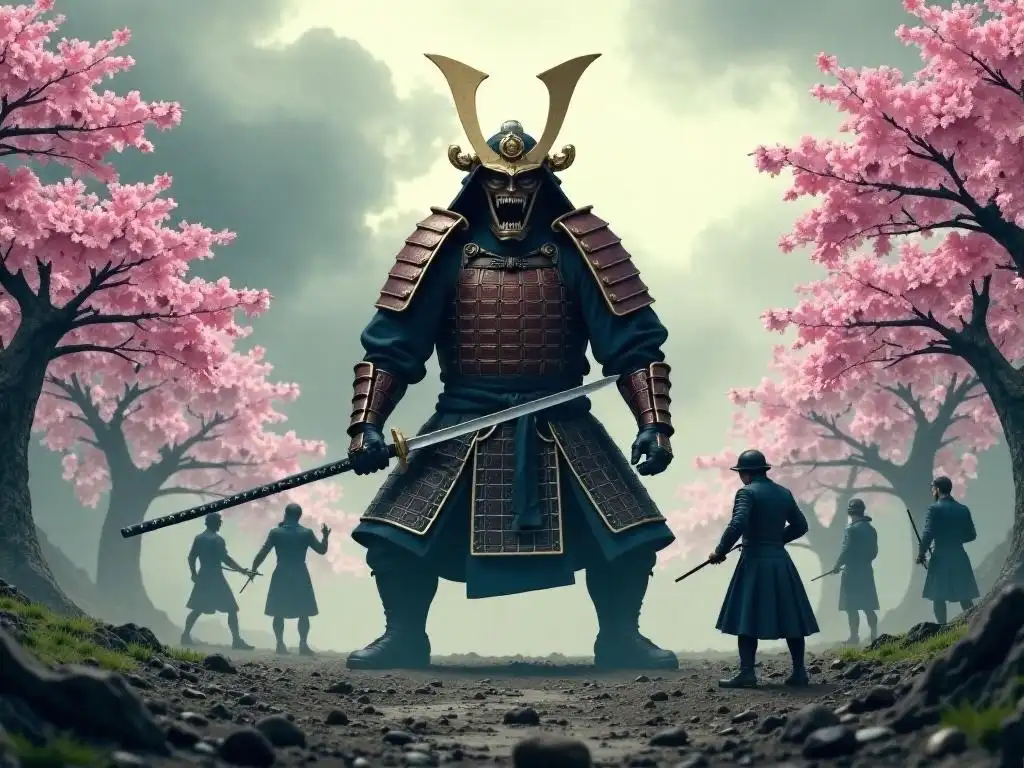
Internal Conflicts and Power Struggles
The authority of the shogun was frequently challenged by various internal conflicts and power struggles throughout Japan's feudal history. These conflicts often stemmed from the intricate relationships between the shogunate and the daimyōs (feudal lords), who wielded significant power and influence within their own domains. The following factors contributed to the internal instability faced by the shogunate:
- Rivalry Among Daimyōs: The daimyōs often engaged in territorial disputes and power plays, seeking to expand their influence at the expense of neighboring lords. This rivalry sometimes escalated into outright warfare, which undermined the shogunate's authority and created a fragmented political landscape.
- The Role of Samurai: The samurai class, who were expected to serve their lords loyally, sometimes found themselves torn between competing allegiances. A samurai's loyalty could easily shift depending on the prevailing power dynamics, leading to instances of betrayal that weakened the shogunate.
- Civil Wars: Notable civil wars, such as the Ōnin War (1467-1477), exemplified the intense internal conflict within Japan. This war, fought over succession disputes in the Ashikaga shogunate, led to widespread devastation and the disintegration of central authority, allowing local lords to assert greater autonomy.
- Political Intrigue: Within the shogunate itself, factions often emerged, each vying for power and influence. The shogun had to navigate these political waters carefully, balancing the interests of various factions while maintaining control over the military and administrative apparatus.
- Peasant Uprisings: Discontent among the peasantry, driven by heavy taxation and poor living conditions, led to uprisings that further challenged shogunal authority. These uprisings often had the support of disaffected samurai or daimyōs looking to destabilize the shogunate.
The culmination of these factors often resulted in periods of instability that threatened the very foundation of shogunal power. As a result, maintaining authority over a fractious and diverse landscape was a constant challenge for the shogunate.
External Threats: Mongolian Invasions and Western Encroachment
In addition to internal strife, external threats significantly challenged the shogunal authority during Japan's feudal era. Two notable external pressures were the Mongolian invasions in the late 13th century and the subsequent Western encroachment in the 19th century.
- Mongolian Invasions (1274 and 1281): The Mongol Empire, under Kublai Khan, attempted to invade Japan twice. The first invasion in 1274 was repelled after a short battle, but the second invasion in 1281 was more extensive. The shogunate's military organization was put to the test, and the eventual defeat of the Mongols is often attributed to a combination of fierce samurai resistance and fortuitous typhoons, known as “kamikaze” or divine winds. Nevertheless, these invasions exposed vulnerabilities in Japan's defense and strained the resources of the shogunate.
- Western Encroachment (19th Century): By the mid-19th century, Western powers began to exert pressure on Japan, demanding trade agreements and access to Japanese ports. The arrival of Commodore Matthew Perry in 1853 marked a significant turning point, as Japan was forced to confront its isolationist policies. The unequal treaties that followed destabilized the shogunate, leading to widespread dissatisfaction and a sense of urgency to modernize. The inability of the shogunate to effectively respond to these external pressures contributed to its eventual decline.
- Resistance to Change: The shogunate's resistance to adopting Western military and technological advancements further exacerbated its vulnerabilities. As neighboring countries modernized, Japan risked falling behind, prompting internal factions to question the legitimacy of the shogunate's rule.
These external threats not only tested the military capabilities of the shogunate but also highlighted the need for a cohesive national response. The inability to effectively address these challenges ultimately led to a loss of confidence in the shogunate, culminating in the Meiji Restoration of 1868 and the end of feudal rule in Japan.
The Decline of the Shogun Military Dictatorship
Factors Leading to the Fall of the Shogunate
The decline of the shogun military dictatorship in Japan was a complex process influenced by various internal and external factors. Understanding these factors is critical to grasping the eventual transition to imperial rule.
- Economic Strain: The shogunate faced significant financial difficulties throughout its later years. The rigid tax structures imposed on the peasantry led to widespread discontent. Farmers struggled under heavy taxation, which stifled agricultural productivity and led to famine in several regions.
- Social Unrest: The growing dissatisfaction among the lower classes created an environment ripe for rebellion. Discontent was further exacerbated by the rising power of the merchant class, which began to challenge the traditional hierarchies upheld by the samurai class. This shift in social dynamics contributed to the erosion of the shogunate's authority.
- Western Influence and Pressure: The arrival of Commodore Matthew Perry in 1853 marked a pivotal moment in Japanese history. The subsequent treaties forced upon Japan by Western powers highlighted the shogunate's inability to protect national sovereignty. This humiliation galvanized various factions within Japan to seek reform and modernization, questioning the legitimacy of the shogunate itself.
- Political Factionalism: The late Edo period saw the emergence of various political factions, such as the Sonno Joi movement, which advocated for the reverence of the emperor and the expulsion of foreign influence. These factions gained traction and began to organize against the shogunate, leading to increased political instability.
- Loss of Military Power: The shogunate's military might, once considered formidable, began to wane. The samurai class, traditionally loyal to the shogunate, became fragmented. As military defeats and internal strife weakened the shogun's forces, the loyalty of the samurai was increasingly called into question.
The Meiji Restoration: Transition from Military to Imperial Rule
The Meiji Restoration of 1868 marked a dramatic shift in Japan's political landscape, signaling the end of the shogun military dictatorship and the restoration of imperial rule. This transition was characterized by several key elements:
- The Restoration of Imperial Authority: The Meiji Restoration began with the rallying cry of "sonno Joi" (revere the emperor, expel the barbarians), which underscored the desire to restore the emperor to his rightful place as the sovereign ruler of Japan. The Tokugawa shogunate was officially abolished, and power was restored to Emperor Meiji.
- Rapid Modernization and Reform: The new Meiji government recognized the need for modernization to compete with Western powers. This led to a series of sweeping reforms in various sectors, including:
- Military Reforms: The establishment of a conscript army replaced the samurai-dominated military system, ensuring a more uniform and modern military force.
- Economic Reforms: The introduction of land tax reforms encouraged agricultural productivity and stimulated economic growth. The government also invested in infrastructure, including railways and telecommunication systems.
- Educational Reforms: The Meiji government implemented a nationwide education system aimed at fostering a literate population that could contribute to the newly modernized state.
- Constitutional Developments: To formalize the new political structure, the Meiji Constitution was promulgated in 1889. This document established a framework for governance, creating a bicameral legislature while maintaining the emperor’s ultimate authority. The constitution was seen as a means to legitimize the new government and placate both domestic and international audiences.
- Cultural Shifts: The cultural landscape of Japan also underwent significant changes during the Meiji era. The government promoted the adoption of Western ideas and practices, which led to a blending of traditional Japanese culture with Western influences. This cultural shift was reflected in art, literature, and social practices.
- Legacy of the Shogunate: While the shogunate's fall led to the establishment of a modern state, its legacy continued to influence Japan's political and social structures. The samurai class's ideals and code, known as bushido, persisted in various forms, shaping national identity and military ethos well into the 20th century.
The Meiji Restoration not only ended the shogun military dictatorship but also set the stage for Japan's emergence as a modern nation-state, fundamentally transforming its political, economic, and cultural fabric.
Conclusion: The Lasting Legacy of the Shogun in Japanese History
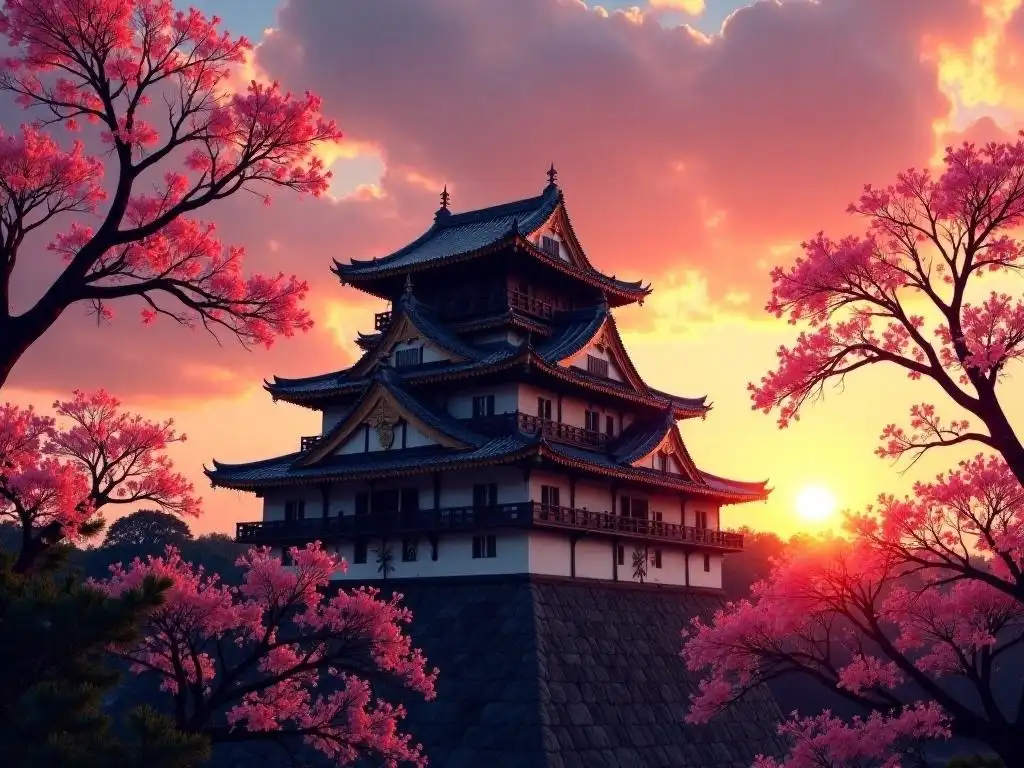
The legacy of the shogun as a military dictator in Japan has profoundly influenced the nation's historical trajectory and cultural identity. The shogunate system, which established a dual authority with the emperor and allowed military leaders to exert control over the country, created a unique political landscape that shaped the development of Japan for centuries. This historical period, characterized by samurai values, strict social hierarchies, and military governance, continues to resonate in contemporary Japan.
The intricate relationship between the shogunate and the emperor's court has left a lasting mark on Japan's governance structure. Even after the abolition of the shogunate in the 19th century, the reverberations of this military dictatorship can be seen in Japan's modern political institutions. The emphasis on loyalty, honor, and duty—hallmarks of the samurai ethos—remain integral to Japanese culture today, influencing everything from corporate culture to national identity.
Reflection on the Shogun's Influence on Modern Japan
The influence of the shogun's military dictatorship can be observed in various aspects of modern Japanese society. For instance, the concept of bushido, or the way of the warrior, continues to inform Japanese values and ethics. This code emphasizes virtues such as loyalty, courage, and self-discipline, which are still celebrated in contemporary Japanese culture.
Moreover, the historical context of the shogunate has shaped Japan's approach to governance and military affairs. The legacy of centralized military power can be seen in Japan's Self-Defense Forces, which, despite their pacifist constitution, hold significant influence in regional security matters. The historical significance of the shogunate also fuels a sense of nationalism and pride, as many Japanese view this era as a time of cultural flourishing and resistance to foreign influence.
Furthermore, the shogunate's role in the development of Japanese art, literature, and architecture has left an indelible mark on modern aesthetics. Traditional practices such as tea ceremonies and martial arts, rooted in the samurai culture, continue to thrive and attract global interest.
The Shogunate's Role in Shaping Japanese Identity
The shogunate played a crucial role in shaping the Japanese identity, intertwining notions of honor, duty, and social stratification with the collective consciousness of the nation. The feudal system established by the shoguns created a society rigidly defined by class, with the samurai occupying the highest echelons. This social structure fostered a sense of identity among the samurai class, promoting ideals of loyalty and service that have permeated Japanese culture.
The impact of the shogunate is also reflected in Japan's historical narratives and collective memory. The stories of legendary figures such as Minamoto no Yoritomo, the first shogun, and Oda Nobunaga, a unifier of Japan, continue to inspire a sense of national pride and identity. These historical figures are celebrated in literature, film, and popular culture, reinforcing the values associated with the shogunate era.
Additionally, the shogunate's policies on trade and foreign relations helped to cultivate a unique sense of cultural identity. The sakoku (closed country) policy, which limited foreign influence during the Edo period, allowed Japan to develop distinct customs and traditions that set it apart from the rest of the world. Even in today's globalized society, this cultural heritage is a point of pride for many Japanese, enabling a blend of tradition and modernity that characterizes contemporary Japan.
The shogun military dictatorship in Japan not only shaped the political landscape of its time but also laid the groundwork for the country's cultural identity and societal values. Its legacy continues to influence modern Japan, making the study of the shogunate essential for understanding the complexities of Japanese history and culture.
References and Suggested Further Reading
Key Texts on the Shogun Military Dictatorship in Japan
- "The Making of Modern Japan" by John D. Merriman
- This comprehensive text provides an extensive overview of Japan's historical trajectory, including the role of the shogunate within the broader context of political evolution. The author explores the socio-political landscape that facilitated the emergence of the shogun military dictatorship in Japan.
- "Shogun: The Life of Tokugawa Ieyasu" by John Man
- Focusing on one of the most prominent figures in Japanese history, this biography offers insights into Tokugawa Ieyasu's strategies and the establishment of the Tokugawa shogunate. It provides a detailed account of how his leadership shaped feudal Japan.
- "The Rise of the Shogunate" by John S. Brown
- This book examines the socio-economic factors that contributed to the rise of shogunal power. It analyzes the military and political strategies employed by shoguns to maintain control over Japan, highlighting the implications of their dictatorship on Japanese society.
- "Japan's Medieval Age: The Rise of the Samurai" by John W. Hall
- A critical exploration of the samurai's influence during the feudal period, this text contextualizes the shogun military dictatorship within the martial culture of Japan, detailing the samurai's role in supporting the shogunate.
Academic Journals and Articles on Feudal Japanese Politics
- "The Role of the Samurai in the Shogun Military Dictatorship" - Journal of Asian Studies
- This article delves into the relationship between the samurai class and the shogun military dictatorship, analyzing how samurai loyalty and military prowess contributed to the consolidation of power by shoguns.
- "Shogunate Governance and the Control of Japan’s Political Landscape" - Feudal Japan Review
- A scholarly investigation into the governance structures established by the shogunate, this paper discusses the mechanisms through which shoguns exerted authority and maintained control over the various provinces of Japan.
- "Feudal Japan: The Dynamics of Power and Authority" - The Historical Journal
- This journal article examines the intricate power dynamics between the shogunate, local lords (daimyō), and the emperor. It provides a detailed analysis of how these relationships shaped Japan's political landscape during the feudal era.
- "Crisis and Consolidation: The Shogun Military Dictatorship in the 16th Century" - Asian Historical Studies
- This research article focuses on a critical period within feudal Japan, detailing the crises that challenged the shogunate and the measures taken to consolidate military and political power during times of unrest.
By exploring these key texts and academic journals, readers can gain a deeper understanding of the shogun military dictatorship in Japan and its profound impact on the historical and cultural development of the nation.
Frequently Asked Questions
What was the role of the Shogun in Feudal Japan?
The Shogun served as the military dictator, holding the highest power in the feudal hierarchy. They commanded the samurai and governed the country, often overshadowing the emperor's authority.
How did the Shogun maintain control over Japan?
The Shogun maintained control through a network of loyal vassals and samurai, implementing a strict social structure that emphasized loyalty and military strength, ensuring stability and order.
What impact did the Shogun's rule have on Japanese society?
The Shogun's military dictatorship significantly influenced Japanese culture, promoting martial arts, Zen Buddhism, and artistic developments like ukiyo-e, while also establishing a rigid class system.
When did the Shogun's power begin to decline?
The power of the Shogun began to decline in the 19th century, particularly with the Meiji Restoration in 1868, which sought to modernize Japan and reduce the influence of feudal lords.
How is the Shogun's legacy viewed in modern Japan?
Today, the Shogun's legacy is viewed with a sense of historical significance, representing a complex period of military governance that shaped Japan's national identity and cultural evolution.
Final Reflection: The Enduring Legacy of the Shogun Military Dictatorship in Japan
The exploration of the Shogun military dictatorship in Japan reveals not only a pivotal chapter in history but also a framework that resonates with contemporary discussions about power and governance. As we navigate the complexities of modern leadership, understanding the Shogunate's influence on societal structure and authority remains crucial. The lessons from this era remind us that the dynamics of power can shape nations for generations, and the implications of military rule extend far beyond their immediate context.
Culturally and socially, the legacy of the Shogun continues to permeate Japanese identity and global perceptions of governance. The intricate balance of power between the Shogun and the emperor, along with the samurai's role in society, has left an indelible mark on Japan's cultural narrative. History is not a burden on the memory but an illumination of the soul.
This quote encapsulates how the Shogunate's history informs our understanding of authority and loyalty, echoing in the values and practices that persist in Japan today.
As we reflect on the lessons from the Shogun military dictatorship, I invite you to consider how these historical insights can inform your own understanding of leadership and responsibility. What can we learn from the past to navigate the complexities of our present and future? Embrace the opportunity to engage with history, allowing it to inspire your actions and decisions. By doing so, we honor the legacy of those who shaped our world while paving the way for a more thoughtful and informed future.
Embrace the Legacy of the Shogun!
Thank you for diving into the intriguing world of the Shogun and the military dictatorship that shaped Feudal Japan! We hope you found invaluable insights that deepen your understanding of this pivotal era. Now that you’re equipped with knowledge, it’s time to take the next steps toward preserving and sharing this fascinating history.
Here’s how you can engage further with the legacy of the Shogun:
- Explore additional resources on our site to uncover more about life in Feudal Japan, including the roles of samurai and the cultural impact of this period!
- Share this article with friends or family who are fascinated by history—spark discussions and uncover new perspectives together!
- Join our online community and participate in discussions with fellow history enthusiasts to delve deeper into the legacies that shaped our world.
What aspect of Shogun history intrigued you the most, and how do you think it’s relevant to modern leadership?