
The Samurai in Popular Culture: How Their Rise is Portrayed in Modern Media

Welcome to Feudal Japan History, where we embark on an intriguing journey through the captivating tapestry of Japan’s feudal era. Here, we delve into the rich historical, cultural, and societal aspects that define this remarkable period. In our featured article, "The Samurai in Popular Culture: How Their Rise is Portrayed in Modern Media," we explore the fascinating representation of the samurai in contemporary narratives.
What truths lie behind the romanticized images of these iconic warriors? Join us as we unravel the layers of myth and reality, igniting your curiosity to learn more about these legendary figures and their enduring legacy in our world today.
Introduction to Samurai Representation in Media
The portrayal of samurai in modern media is a fascinating lens through which we can explore not only the historical significance of this revered class in feudal Japan but also the evolving perceptions of honor, duty, and martial prowess that they embody. The samurai, often romanticized in films, literature, and art, serve as cultural icons that bridge the past with contemporary narratives. This article delves into the samurai representation in media, examining how their rise to prominence in Japanese history is depicted and reinterpreted through various forms of storytelling, ultimately influencing global perceptions of this legendary warrior class.
Overview of the Samurai Class in Feudal Japan
The samurai class emerged during the late 12th century and played a pivotal role in shaping Japan's political landscape. As skilled warriors and loyal retainers to powerful landowners, the samurai upheld a strict code of conduct known as Bushido, which emphasized virtues such as loyalty, honor, and bravery.
- Key Characteristics of the Samurai:
- Warrior Ethos: The samurai were not just fighters; they were also well-educated and cultivated individuals.
- Social Hierarchy: They occupied a distinct position in the social hierarchy, often serving as the ruling elite.
- Cultural Influence: Samurai contributed significantly to the arts, including poetry, calligraphy, and tea ceremonies.
Significance of Samurai in Japanese Culture
Samurai are more than just historical figures; they symbolize a unique cultural identity within Japan. Their influence permeates various aspects of Japanese life and philosophy, serving as a source of inspiration for:
- Literature: Classic and modern literature often features samurai as protagonists, exploring themes of conflict and redemption.
- Film and Television: From Akira Kurosawa's masterpieces to contemporary anime, samurai stories captivate audiences globally.
- Art and Aesthetics: The samurai's aesthetic, including their armor and weaponry, remains a popular subject in traditional and modern art forms.
Historical Context of the Samurai
Understanding the representation of samurai in modern media requires a deep dive into their historical context. The rise of the samurai class was a complex process influenced by various political, social, and economic factors.
The Rise of the Samurai Class in Feudal Japan
The samurai class emerged during a time of political upheaval in Japan. As centralized power weakened, local warlords began to establish their own armies, leading to the rise of regional leaders who relied on samurai for protection and governance.
- Key Factors Contributing to Their Rise:
- Military Innovation: Advances in warfare techniques and weaponry enabled samurai to dominate the battlefield.
- Feudal System: The establishment of a feudal system solidified the samurai's status as land-holding warriors, creating a bond of loyalty between lords and vassals.
- Political Turmoil: Periods of civil strife, such as the Genpei War (1180-1185), catalyzed the samurai's rise as influential power players.
Key Events Influencing Samurai Culture and Identity
Several pivotal events in Japanese history have shaped the samurai's identity and cultural legacy.
- The Mongol Invasions (1274 and 1281): These invasions showcased the samurai's valor and military prowess, solidifying their reputation as elite warriors.
- The Sengoku Period (1467-1603): A time of unrest and civil war, this era saw the samurai clan system flourish, with rival factions vying for power.
- The Meiji Restoration (1868): This pivotal moment marked the end of the samurai class as Japan modernized, leading to the dissolution of feudal privileges and the integration of samurai ideals into national identity.
By examining these aspects, we can better understand how the samurai's historical significance continues to resonate in modern media, impacting narratives and shaping cultural perceptions worldwide.
Evolution of Samurai Representation in Media
The representation of samurai in media has undergone significant transformation over the centuries, reflecting the changing perceptions of this iconic warrior class. Initially celebrated in traditional arts, samurai were depicted as noble warriors adhering to a strict code of honor. However, as Japan transitioned into the modern era, these portrayals evolved, influenced by both domestic and international perspectives.
The rise of film and literature in the 20th century, coupled with Japan's global cultural outreach, has led to a more nuanced and varied representation of samurai, often blending historical accuracy with imaginative storytelling. This evolution highlights not only the samurai's role in Japanese history but also their symbolic representation of broader themes such as loyalty, honor, and the complexities of human nature.
Early Depictions of Samurai in Traditional Arts
In traditional Japanese arts, such as ukiyo-e woodblock prints and Noh theater, samurai were often depicted as idealized figures embodying virtues like bravery and loyalty. These early representations emphasized their martial prowess and adherence to the bushido code, which dictated their moral conduct. Works by artists like Katsushika Hokusai and Utagawa Kuniyoshi illustrated samurai in dramatic battle scenes or serene moments of reflection, highlighting both their strength and honor.
Moreover, samurai were central figures in literature, particularly in historical novels and folklore. Stories such as "The Tale of the Heike" and "The Tale of the 47 Ronin" not only chronicled their exploits but also reinforced the cultural ideals surrounding loyalty and sacrifice. This foundational portrayal laid the groundwork for the samurai's lasting legacy in Japanese culture and established the archetype that would be revisited in modern media.
Transition to Modern Interpretations in Film and Literature
The transition to modern interpretations of samurai in film and literature began in the mid-20th century, particularly after World War II. With the rise of cinema, filmmakers such as Akira Kurosawa revolutionized the portrayal of samurai through films like "Seven Samurai" and "Yojimbo." These works introduced a more complex narrative, often exploring themes of existentialism, social justice, and the futility of war, while still paying homage to traditional samurai values.
The global popularity of these films paved the way for Western interpretations of samurai, leading to a fusion of Eastern and Western storytelling. In contemporary media, samurai have appeared in various genres, from action-packed blockbusters to animated series, often embodying a blend of historical fidelity and fantastical elements. This shift not only reflects the changing dynamics of Japanese society but also showcases the samurai's adaptability as a cultural symbol, resonating with diverse audiences around the world.
Key Themes in Samurai Representation
The representation of samurai in modern media often revolves around several key themes that resonate with audiences. These themes serve to bridge the historical context of the samurai with contemporary issues, making their stories relevant in today's cultural landscape.
Honor and Bushido: The Samurai Code in Modern Media
One of the most prominent themes in samurai representation is the concept of honor, deeply rooted in the bushido code. This ethical framework emphasizes virtues such as loyalty, courage, and self-discipline, and continues to be a central focus in modern narratives. Films like "The Last Samurai" and anime series such as "Samurai Champloo" explore the complexities of honor, often depicting characters grappling with their obligations to their lords, their comrades, and their own moral beliefs.
Modern interpretations often challenge traditional notions of bushido, showcasing characters who question or rebel against its strictures. This evolution reflects a broader societal dialogue about ethics, personal freedom, and the consequences of unwavering loyalty, allowing audiences to engage with the samurai code in a more critical light.
The Dichotomy of Warrior and Nobleman in Pop Culture
In contemporary media, the samurai are often depicted as embodying a dichotomy between the roles of warrior and nobleman. This duality is explored in various narratives where samurai are portrayed not only as formidable fighters but also as cultured individuals who appreciate art, philosophy, and politics.
This theme is evident in films such as "47 Ronin" and series like "Rurouni Kenshin," where samurai characters navigate their identities amid shifting societal expectations and moral dilemmas. The portrayal of samurai as both warriors and noblemen allows for rich character development, highlighting their struggles with identity and purpose in a rapidly changing world. This dichotomy resonates with audiences, reflecting the complexities of human nature and the challenges of balancing duty with personal desires.
Popular Films and Series Featuring Samurai
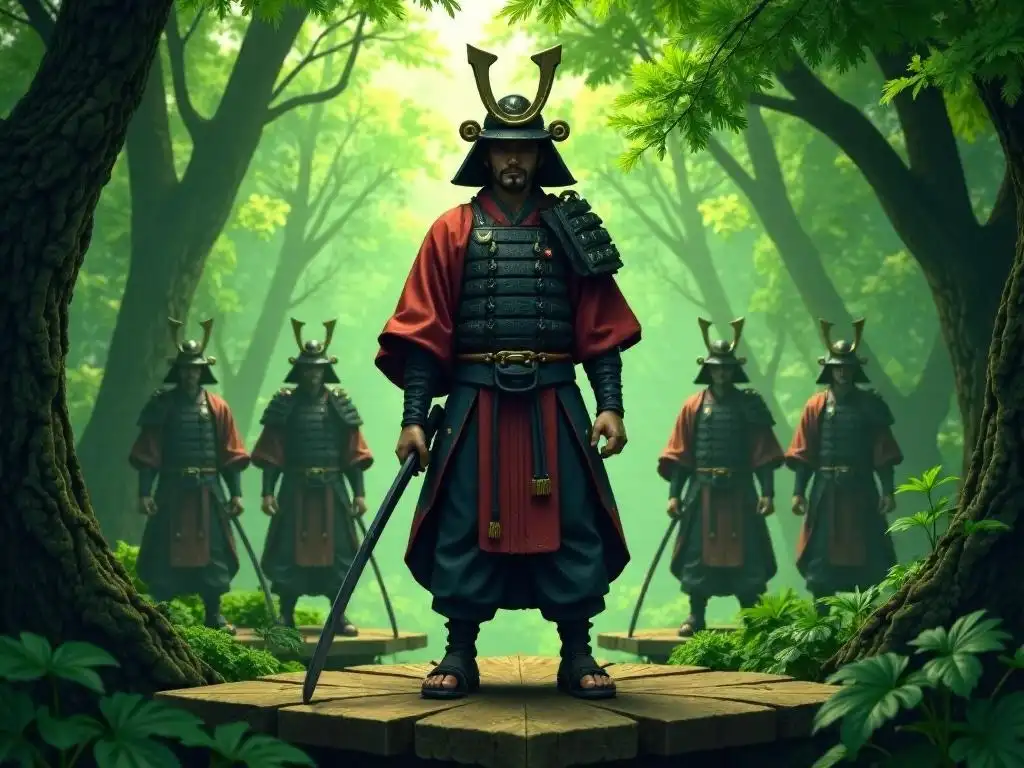
The portrayal of samurai in popular films and television series has significantly influenced the global perception of this iconic warrior class. These media forms often romanticize the samurai ethos, emphasizing their honor, loyalty, and combat skills. Through both historical dramas and fictional narratives, filmmakers and writers have crafted stories that capture the essence of samurai culture while introducing audiences to the complexities of their lives.
Notable films often include stylized action scenes, elaborate costumes, and a deep exploration of the samurai code, known as Bushido. As a result, these representations not only entertain but also educate audiences about the values and struggles of the samurai class.
Iconic Movies That Shaped Samurai Representation
Several films have played pivotal roles in shaping the portrayal of samurai in popular culture. Notable examples include:
- Seven Samurai (1954): Directed by Akira Kurosawa, this film is considered a masterpiece of world cinema. It tells the story of seven samurai who protect a village from bandits. The film's themes of sacrifice, honor, and camaraderie have resonated deeply with viewers and inspired countless adaptations.
- The Last Samurai (2003): Starring Tom Cruise, this film depicts the transition from traditional samurai culture to modernization in Japan during the Meiji Restoration. It highlights the conflict between old and new values, showcasing samurai ideals amidst changing times.
- Sword of the Beast (1965): This film provides a darker perspective on samurai life, focusing on a disgraced samurai who becomes a fugitive. It examines themes of betrayal and survival, offering a nuanced view of the samurai's moral dilemmas.
These films have not only entertained but have also sparked interest in samurai history and culture, leading to further exploration in various media.
Analysis of Samurai Characters in Contemporary TV Series
Contemporary television series continue to explore samurai representation, often depicting them in new and innovative ways. Characters are frequently portrayed as complex individuals grappling with their identities in a rapidly changing world.
For instance, in Westworld, samurai-inspired characters embody themes of freedom and control, reflecting modern societal issues. Similarly, Into the Badlands features a post-apocalyptic world where samurai aesthetics are merged with martial arts, showcasing a blend of cultures and philosophies.
These series often diverge from traditional depictions, emphasizing character development and moral ambiguity. The samurai are no longer merely warriors but are portrayed as flawed individuals facing personal challenges while adhering to their codes. This evolution in representation speaks to contemporary audiences' desire for deeper narratives that resonate with modern struggles.
Samurai in Video Games: A Cultural Phenomenon
The rise of samurai representation in video games has become a cultural phenomenon, allowing players to immerse themselves in the rich history and mythology of the samurai. Developers have leveraged the allure of samurai culture to create engaging narratives and gameplay experiences, often blending historical elements with fantasy.
Many games emphasize the samurai's skills in combat and their adherence to Bushido, allowing players to explore themes of honor, loyalty, and sacrifice. This interactive medium fosters a unique connection between the player and the samurai, enabling a deeper understanding of the cultural significance behind their actions.
Popular Video Games Featuring Samurai Characters
Several video games have prominently featured samurai characters, contributing to their representation in media. Notable titles include:
- Ghost of Tsushima (2020): This critically acclaimed game places players in the role of Jin Sakai, a samurai defending Tsushima Island during the Mongol invasion. The game beautifully captures the essence of samurai culture, offering a rich narrative alongside stunning visuals and immersive gameplay.
- Sekiro: Shadows Die Twice (2019): Set in a reimagined Sengoku period, this game follows a shinobi who embodies many samurai traits. Its challenging combat system and emphasis on precision reflect the samurai's discipline and skill.
- Nioh (2017): This action RPG draws heavily from Japanese history and folklore, allowing players to engage with samurai and yokai in a fantastical setting. The game explores themes of loyalty and sacrifice, central to samurai values.
These games not only entertain but also serve to educate players about the samurai's historical context, reinforcing their cultural significance.
The Impact of Interactive Media on Samurai Representation
The impact of interactive media on samurai representation is profound. Video games, as an interactive medium, offer unique opportunities to portray samurai ideals and history in ways that resonate with players. Unlike traditional forms of media, games invite players to make choices that reflect samurai values, fostering a sense of agency and connection to the narrative.
Moreover, the immersive nature of gaming allows for a deeper exploration of the samurai's world, encouraging players to engage with cultural elements such as swordsmanship, strategy, and ethics. This engagement can lead to a greater appreciation of the samurai's historical significance and the complexities of their lives.
As video games continue to evolve, the representation of samurai will likely expand, incorporating diverse perspectives and narratives that reflect both historical accuracy and contemporary relevance. This ongoing evolution highlights the samurai's enduring legacy in modern culture and their ability to inspire new generations.
Comparison of Samurai Portrayals Across Different Media
The representation of samurai in modern media is a multifaceted phenomenon that varies significantly across different platforms. Each medium—whether film, television, literature, or comics—offers unique opportunities and constraints that shape the portrayal of samurai figures. These variations can often lead to differing interpretations of samurai ideals, values, and historical accuracy. For instance, while films may emphasize action, heroism, and dramatic narratives, literature and comics can delve deeper into character development, philosophical themes, and the socio-political context of the samurai era.
Furthermore, the evolution of technology and storytelling techniques in each medium influences how audiences perceive samurai culture. The rise of digital animation and special effects in films has allowed for more visually stunning representations, while the episodic nature of television can provide a broader scope for character arcs and long-term narratives, presenting a more nuanced view of the samurai's complex societal roles.
Film vs. Television: A Comparative Analysis of Samurai Representation
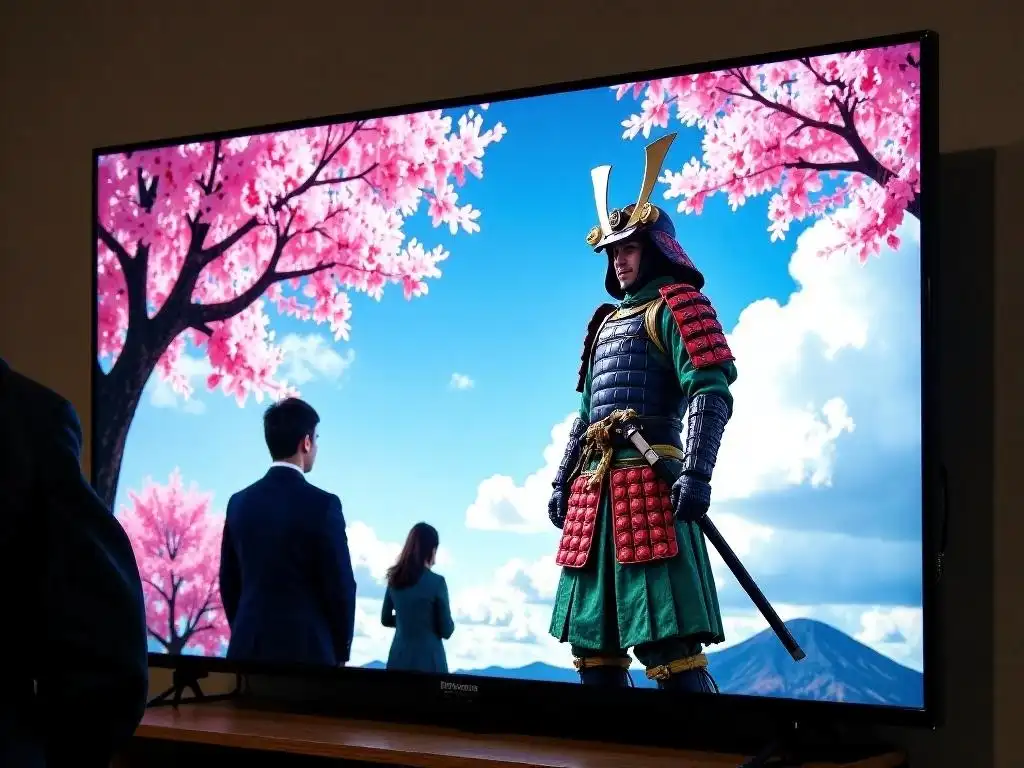
In film, samurai are often depicted through a lens of romanticism and idealism. Iconic works like Akira Kurosawa's "Seven Samurai" illustrate themes of honor, loyalty, and sacrifice, presenting samurai as noble warriors defending the oppressed. This cinematic approach tends to favor dramatic storytelling and visually striking action sequences, often at the expense of deeper historical context.
On the other hand, television offers a more serialized format that allows for in-depth exploration of samurai life and the intricacies of their code of conduct. Series like "Shogun" or "Samurai Jack" provide a broader narrative canvas, often intertwining personal stories with larger societal issues, such as class struggle and the impact of modernization. This longer format enables writers to delve into the moral dilemmas faced by samurai, showcasing their humanity beyond mere warriors.
While both mediums contribute significantly to the representation of samurai, they cater to different audience expectations—film often leans toward spectacle and emotional resonance, whereas television can engage viewers with slower, more reflective storytelling.
Literature and Comics: How Samurai Stories Differ in Narrative Style
Literature and comics present a diverse range of samurai narratives that often emphasize internal conflict and philosophical exploration. Literature, particularly historical fiction, tends to provide a more nuanced portrayal of samurai culture by incorporating detailed historical research and character-driven plots. Novels like "Musashi" by Eiji Yoshikawa delve into the life of a legendary swordsman, exploring themes of personal growth, the nature of mastery, and the philosophical underpinnings of the samurai code.
Comics, including manga, often blend visual storytelling with dynamic narratives. Works such as "Vagabond" by Takehiko Inoue offer a visceral depiction of samurai life, intertwining action with character introspection and historical context. The artistic elements of comics allow for expressive storytelling, showcasing the emotional and psychological complexities of samurai characters that may not be as easily conveyed in film or television.
Together, literature and comics contribute to a rich tapestry of samurai representation, emphasizing the depth of the samurai experience beyond their martial prowess.
Critiques of Samurai Representation in Modern Media
Despite the captivating portrayals of samurai in modern media, there are significant critiques regarding the accuracy and depth of these representations. Many portrayals tend to oversimplify or sensationalize samurai culture, leading to a series of stereotypes that overshadow the true historical complexities of the samurai class.
Stereotypes and Misrepresentations of Samurai Culture
One of the most prevalent issues in samurai representation is the perpetuation of stereotypes that reduce samurai to one-dimensional characters. Often depicted as mere warriors or swordsmen, these portrayals neglect the intricate social structures, diverse roles, and ethical dilemmas that samurai faced. The glorification of violence and the romanticized image of the stoic samurai hero can overshadow the realities of their lives, including the moral conflicts and political motivations that influenced their actions.
Additionally, many media portrayals tend to focus on the "noble" aspects of samurai culture while ignoring the darker elements, such as the samurai's role in feudal oppression or the impact of their actions on the common people. This oversimplification creates a skewed narrative that can misinform audiences about the true nature of samurai society.
The Impact of Western Perspectives on Samurai Portrayals
Western interpretations of samurai culture often draw from a limited understanding, resulting in portrayals that may not align with historical realities. Films and television shows produced outside of Japan frequently prioritize action and spectacle over authenticity, leading to a blend of cultural elements that can misrepresent the samurai's significance.
Moreover, the influence of Western genre conventions, such as the hero's journey or the concept of individualism, can distort the collective ethos of the samurai, which is deeply rooted in duty, loyalty, and honor. This cultural lens can lead to an oversimplified view of samurai as archetypal "good guys," neglecting their complex roles within a stratified society.
While samurai representation in modern media offers rich narratives and engaging characters, it is essential to critically assess these portrayals to appreciate the complexities of samurai culture and history fully.
The Future of Samurai Representation in Media
As we look ahead, the representation of samurai in media continues to evolve dramatically. With the resurgence of interest in Japanese culture globally, particularly in the realms of film, television, and video games, samurai narratives are gaining new life. This evolution is marked by a blend of traditional storytelling elements and contemporary themes, allowing for a richer exploration of the samurai ethos while appealing to modern audiences.
Creators are increasingly focusing on the complexity of the samurai experience, delving into the moral ambiguities and personal struggles that define these iconic warriors. This shift presents an opportunity to move beyond the archetypal portrayals seen in earlier media and to offer nuanced characters that reflect the intricate social hierarchies and conflicts of feudal Japan.
Trends in the Representation of Samurai in Upcoming Projects
Several key trends are shaping the representation of samurai in upcoming projects:
- Diverse Perspectives: There is a growing emphasis on including diverse voices in storytelling. This includes stories told from the perspective of women, lower-class individuals, or non-samurai characters, providing a more comprehensive view of the era. Projects like "The Last Samurai" and the anime "Samurai Champloo" have begun to explore these perspectives, and we can expect more to follow.
- Realism and Historical Accuracy: Modern creators are increasingly committed to authenticity. This trend involves extensive research into the historical context of samurai life, including their societal roles, code of conduct (Bushido), and the impact of their actions on Japanese history. Films such as "47 Ronin" and series like "Shogun" strive for a balance between engaging storytelling and historical fidelity.
- Blending Genres: The fusion of samurai stories with other genres, such as science fiction, fantasy, or horror, is becoming more prevalent. This allows for innovative storytelling techniques while retaining the core values and aesthetics associated with samurai culture. For instance, the video game series "Ghost of Tsushima" incorporates elements of open-world exploration and combat mechanics with traditional samurai narratives.
- Focus on Mental Health and Personal Struggles: Upcoming narratives are beginning to address themes of mental health, honor, and redemption, framing samurai characters as individuals grappling with their choices and societal expectations. This trend provides depth to samurai character arcs and resonates with contemporary audiences, who value character-driven stories.
Potential for Authentic Storytelling in Samurai Narratives
The potential for authentic storytelling in samurai narratives lies in the ability to weave intricate character development with rich historical contexts. This authenticity can be achieved through:
- Collaborative Work with Cultural Experts: Involving historians and cultural consultants in the creative process can ensure that narratives not only entertain but also educate audiences about the complexities of samurai life. This collaboration helps avoid stereotypes and promotes a deeper understanding of the samurai's role in society.
- Utilization of Modern Technology: Advances in technology, such as virtual reality and augmented reality, provide new platforms for immersive storytelling. By allowing audiences to experience the samurai world firsthand, creators can provide a unique lens through which to explore the values, struggles, and daily lives of these warriors.
- Focus on Ethical Dilemmas: Authentic storytelling can also involve grappling with the ethical dimensions of samurai life. Projects that highlight the conflicts between duty, honor, and personal desires can create compelling narratives that resonate with both historical and modern experiences.
Conclusion: The Lasting Legacy of Samurai in Popular Culture
The legacy of samurai in popular culture is one that continues to inspire and captivate audiences around the world. From films and television shows to literature and video games, samurai representations have become a powerful symbol of honor, discipline, and the struggle between tradition and modernity.
The Enduring Appeal of Samurai Representation in Modern Media
The enduring appeal of samurai representation in modern media can be attributed to several factors:
- Universal Themes of Honor and Sacrifice: The samurai code of honor, alongside the themes of sacrifice and loyalty, resonates widely across cultures. These universal values allow the samurai narrative to transcend geographical boundaries, appealing to diverse audiences.
- Visual Aesthetics: The iconic imagery associated with samurai culture—such as their armor, swords, and traditional garments—offers rich visual storytelling opportunities. This aesthetic appeal enhances the engagement and immersion of audiences in samurai narratives.
- Cultural Fascination: The intrigue surrounding feudal Japan and its unique societal structures continues to spark curiosity among global audiences. This fascination fuels ongoing interest in samurai stories, prompting creators to explore and reinterpret these narratives for new generations.
Closing Thoughts on Cultural Significance and Representation
As we move forward, the cultural significance of samurai representation in media remains profound. It serves not only as a reminder of Japan's rich history but also as a lens through which contemporary issues can be examined. With an increasing focus on authenticity, diversity, and the complexities of character, the portrayal of samurai in modern media has the potential to evolve in ways that honor their historical roots while resonating with today's audiences. As creators continue to push boundaries and challenge conventions, the representation of samurai will undoubtedly remain a vibrant and essential part of our cultural narrative.
References and Further Reading on Samurai Representation in Media
The portrayal of samurai in modern media is a complex intersection of historical fact and artistic interpretation. For those interested in delving deeper into how samurai culture has been represented across various forms of entertainment, a wealth of resources is available. Below are some recommended materials that provide valuable insights into the samurai's cultural significance and their evolution in media portrayals.
Suggested Books and Articles for In-Depth Understanding
-
"Samurai: The Story of a Warrior Tradition" by John M. Tully
This book offers a comprehensive overview of the samurai class, exploring their origins, cultural impact, and the evolution of their image in media. Tully's work is particularly notable for its engaging narrative style that combines academic rigor with accessibility.
-
"Hagakure: The Book of the Samurai" by Yamamoto Tsunetomo
A classic text written in the early 18th century, Hagakure provides philosophical insights into the samurai's way of life. Understanding this primary source can illuminate how samurai values have been interpreted and adapted in contemporary narratives.
-
"Samurai Cinema: The Ultimate Guide" by David Desser
This guide focuses specifically on the representation of samurai in film, offering critical analysis and historical context. Desser examines various genres and their portrayal of samurai characters, making it a must-read for film enthusiasts.
-
"The Samurai in Modern Popular Culture" by Stephen Turnbull
Turnbull's examination of samurai representations in modern media uncovers how these figures have been romanticized and mythologized in contemporary society. His analysis spans literature, film, and video games, providing a well-rounded perspective.
-
Articles in Academic Journals
Journals such as the Journal of Asian Studies and The Journal of Popular Culture often feature articles that analyze the representation of samurai in various media. Searching through their archives can yield scholarly discussions on specific films, shows, or trends.
Notable Documentaries and Resources on Samurai Culture
-
"The Samurai: Behind the Blade" (2009)
This documentary provides an in-depth look at the samurai's historical context and their lasting legacy in Japanese culture. It features interviews with historians and showcases artifacts, giving viewers a rich understanding of the samurai's impact on society.
-
"Samurai Warriors" (2005)
A part of the PBS Secrets of the Dead series, this documentary explores the life and battles of famous samurai figures. It combines historical reenactments with expert commentary to bring the samurai's world to life.
-
"Into the Samurai World" (2012)
This documentary focuses on the cultural and ritualistic aspects of samurai life, exploring their code of ethics and the significance of bushido. It features interviews with cultural historians and practitioners of martial arts.
-
Online Resources: The Samurai Museum
The Samurai Museum in Tokyo offers a wealth of information on samurai history and culture, including virtual exhibits and educational resources. Their website features articles, images, and links to further reading, making it a valuable online resource.
-
YouTube Channels
Channels like OverSimplified and The History Guy produce engaging content on samurai history. These short videos often summarize key events and figures, providing a quick yet informative overview that appeals to a broad audience.
These resources collectively offer a foundation for understanding the rich tapestry of samurai representation in media, guiding readers toward a more nuanced appreciation of this iconic warrior class.
- Introduction to Samurai Representation in Media
- Historical Context of the Samurai
- Evolution of Samurai Representation in Media
- Key Themes in Samurai Representation
- Popular Films and Series Featuring Samurai
- Samurai in Video Games: A Cultural Phenomenon
- Comparison of Samurai Portrayals Across Different Media
- Film vs. Television: A Comparative Analysis of Samurai Representation
- Literature and Comics: How Samurai Stories Differ in Narrative Style
- Critiques of Samurai Representation in Modern Media
- The Future of Samurai Representation in Media
- Conclusion: The Lasting Legacy of Samurai in Popular Culture
- References and Further Reading on Samurai Representation in Media
Frequently Asked Questions
What is the significance of Samurai representation in media?
The representation of samurai in media highlights their cultural impact and reflects how these historical figures are viewed in modern society. It showcases themes of honor, loyalty, and bravery.
How have samurai been portrayed in films and television?
In films and television, samurai are often depicted as noble warriors with a strong sense of duty. This portrayal emphasizes their skills in combat and their moral codes, influencing public perception.
What role do samurai play in video games?
In video games, samurai often serve as protagonists or antagonists, showcasing their combat skills and philosophical beliefs. This representation often combines historical accuracy with fantastical elements.
How does modern media influence the perception of samurai?
Modern media can reshape the perception of samurai by blending historical facts with fictional narratives. This can lead to a romanticized view that may overlook the complexities of the samurai's role in history.
Are there any notable literary works that explore samurai culture?
Yes, many literary works explore samurai culture, including novels and manga. These works often delve into the inner lives of samurai and their ethical dilemmas, contributing to a deeper understanding of their significance.
Final Reflection: The Enduring Legacy of Samurai Representation in Media
The portrayal of samurai in modern media resonates deeply with contemporary audiences, reflecting our ongoing fascination with honor, discipline, and the struggle between tradition and modernity. As we navigate an increasingly complex world, the samurai's journey serves as a powerful metaphor for our own quests for identity and purpose. The rise of samurai representation in media not only entertains but also invites us to explore the values that define us today.
Culturally, the samurai have transcended their historical roots to become symbols of resilience and integrity in various forms of storytelling. From films to video games, their influence is palpable, shaping narratives that challenge our perceptions of heroism and sacrifice. As one scholar aptly noted, The samurai embodies the ideals of loyalty and honor, serving as a mirror to our own societal values.
This ongoing representation prompts us to reflect on how we view courage and morality in our lives, encouraging a deeper understanding of the principles that guide us.
As we move forward, I invite you to consider how the lessons of the samurai can inspire your own journey. Reflect on the values of honor, discipline, and resilience in your life. How can you embody these principles in your daily actions? By embracing the wisdom of the samurai, we can cultivate a sense of purpose and integrity that not only enriches our lives but also positively impacts those around us. Let the stories of these legendary warriors guide you as you forge your own path in the modern world.
Unleash Your Inner Samurai: Explore and Engage!
Thank you for taking the time to dive into the fascinating world of samurai in modern media! You've gained insights into how their storied rise continues to captivate audiences today. Now, it's time to take those insights and transform them into action.
Here’s how you can deepen your exploration of samurai culture and its portrayal in popular media:
- Join discussions in online forums or social media groups focused on samurai history and culture. Share your thoughts on how these portrayals align with historical facts.
- Create your own content—consider writing a blog post or a film review that explains how a specific movie or series conveys samurai values.
- Visit your local library or museum to find resources or exhibitions on feudal Japan, allowing you to immerse yourself in this rich history firsthand!
What film or series has profoundly influenced your perception of the samurai? We invite you to share your thoughts below!