
Exploring the Aesthetics of Shoji Screens in Feudal Architecture

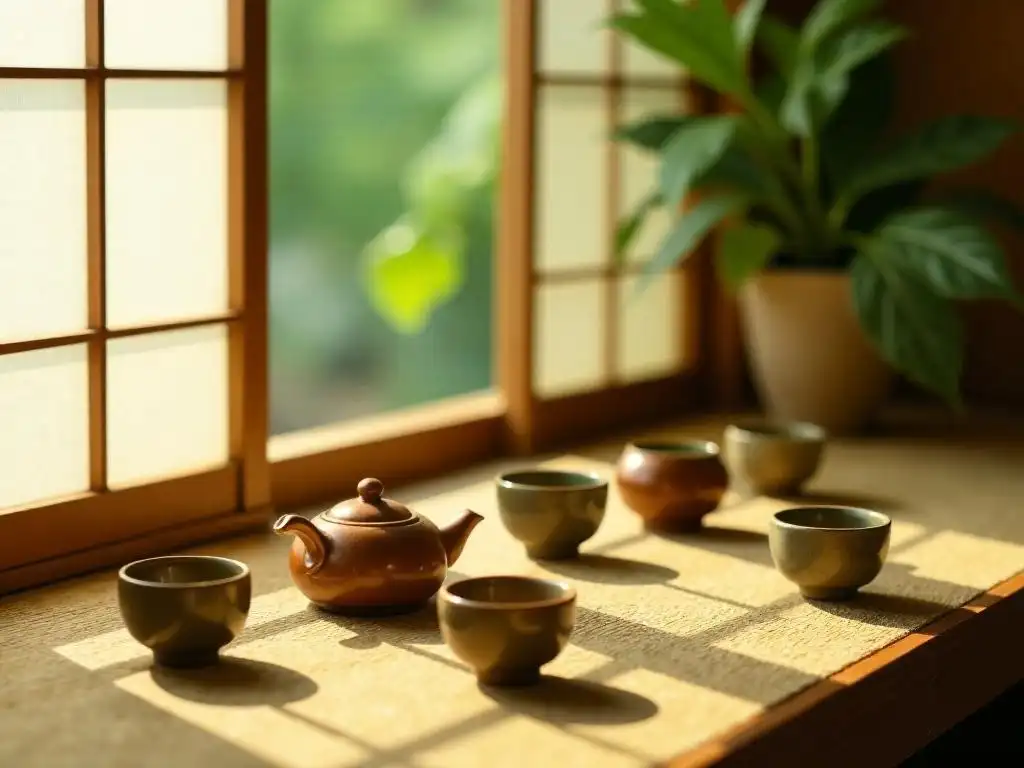
Welcome to Feudal Japan History, where we invite you to journey through the intricate tapestry of Japan’s feudal era. Here, history unfolds in rich detail, offering a comprehensive exploration of the cultural and societal nuances that defined a remarkable age. In our featured article, “Exploring the Aesthetics of Shoji Screens in Feudal Architecture,” we delve into the elegance and functionality of shoji screens—a fascinating element that not only shaped the physical spaces of the time but also reflected the artistic sensibilities of the era.
Curious to see how these beautiful architectural features influenced daily life? Dive in and discover the captivating stories behind the delicate panels that adorned the homes of feudal Japan.
- Introduction to Shoji Screens in Feudal Japan
- Historical Context of Shoji Screens
- Aesthetic Features of Shoji Screens
- Cultural Significance of Shoji Screens
- Architectural Integration of Shoji Screens
- Regional Variations of Shoji Screens
- The Legacy of Shoji Screens in Modern Architecture
- Conclusion
-
Frequently Asked Questions
- What are Shoji screens and their significance in feudal Japan?
- How did Shoji screens influence interior design during the feudal era?
- What materials were commonly used to create Shoji screens?
- How did Shoji screens reflect the cultural values of feudal Japan?
- Are Shoji screens still used in modern Japanese architecture?
- Final Reflection: The Timeless Beauty of Shoji Screens in Feudal Japan
- Unveil the Beauty of Shoji Screens in Your Space!
Introduction to Shoji Screens in Feudal Japan
The aesthetics and functionality of shoji screens are integral to understanding the architectural landscape of feudal Japan. These elegant sliding panels, typically made of a wooden frame and translucent paper, served not only as dividers of space but also as vital elements of design that reflected the cultural values and philosophies of the time.
In a society where harmony with nature and the concept of space were paramount, shoji screens played a significant role in shaping both the interiors and the overall atmosphere of feudal homes. This article delves into the rich history and significance of shoji screens, examining their role in feudal Japanese architecture and their enduring legacy in modern design.
Defining Shoji Screens and Their Significance
Shoji screens, known as 障子 (shōji) in Japanese, are lightweight sliding doors or partitions traditionally composed of a wooden lattice covered with rice paper. These screens were designed to allow light to filter through while providing privacy and delineating spaces within a home. The significance of shoji screens extends beyond their practical applications; they embody essential aspects of Japanese aesthetics, such as simplicity, natural materials, and the interplay between light and shadow.
- Cultural Symbolism: Shoji screens are symbolic of the Japanese philosophy of wabi-sabi, which embraces beauty in imperfection and transience. Their delicate nature and ability to transform spaces evoke a sense of serenity and mindfulness.
- Architectural Integration: In feudal Japan, shoji screens were masterfully integrated into homes, temples, and other structures, creating fluid transitions between indoor and outdoor environments. They allowed for flexible room configurations, adapting to the needs of daily life while maintaining a connection to nature.
Overview of Feudal Japanese Architecture
Feudal Japanese architecture is characterized by its unique styles and materials, reflecting the social hierarchy and cultural practices of the time. Key elements include:
- Natural Materials: Predominantly constructed from wood, bamboo, and paper, feudal architecture emphasized the use of locally sourced materials that complemented the natural surroundings.
- Spatial Organization: Traditional homes (known as minka) were designed with an open floor plan, promoting a sense of community and interaction among family members. Shoji screens played a crucial role in this design, allowing for versatile use of space.
- Influence of Zen Philosophy: The principles of Zen Buddhism greatly influenced the architectural style, promoting simplicity, tranquility, and a close relationship with nature.
In essence, shoji screens are not merely decorative elements but are deeply woven into the fabric of feudal Japanese architecture, embodying the era's cultural, societal, and aesthetic values. Their exploration reveals much about the daily life and philosophy of a time that continues to fascinate historians and design enthusiasts alike.
Historical Context of Shoji Screens
The Origins of Shoji Screens in Japan
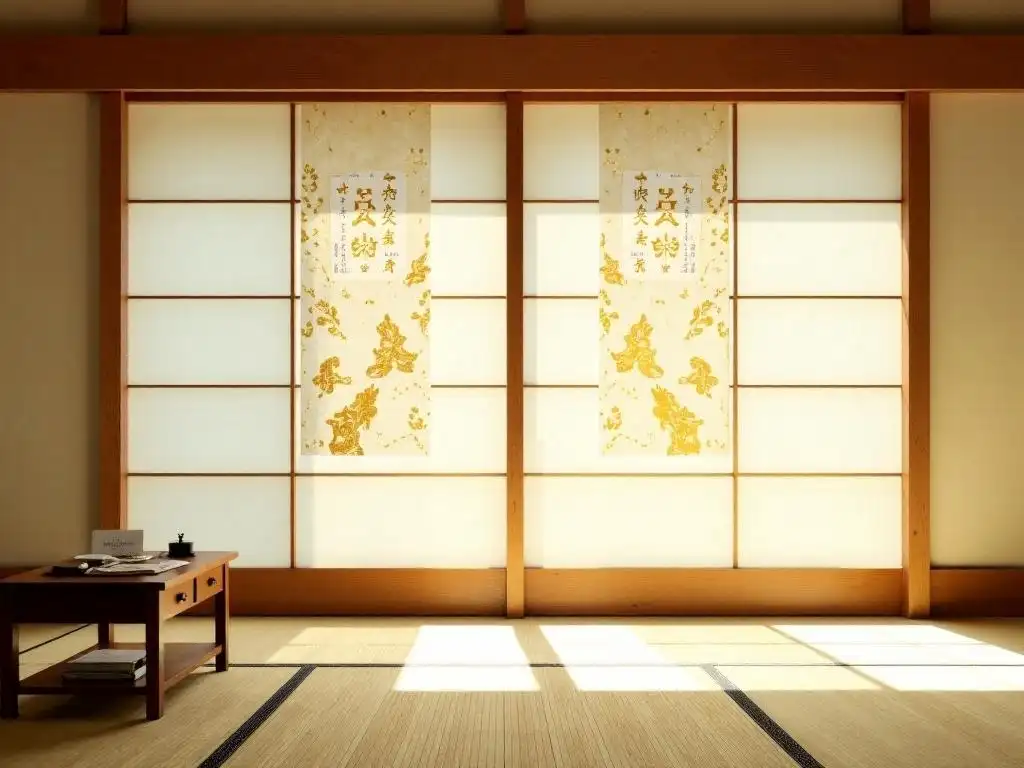
Shoji screens, characterized by their delicate wooden frames and translucent paper, have a rich history that dates back to the Heian period (794–1185). Initially inspired by Chinese sliding doors known as "panels," these screens evolved to suit the aesthetic and functional needs of Japanese architecture. The earliest examples were likely simple structures used to partition spaces within homes, providing both privacy and a sense of openness to the natural environment.
The term "shoji" itself is believed to derive from the Japanese words for "to show" (見せる, miseru) and "to pass through" (通す, toosu), reflecting their dual purpose of allowing light to filter into a space while maintaining a barrier between rooms. As homes transitioned from the grandeur of the Heian palaces to the more modest dwellings of the samurai class during the Kamakura period (1185–1333), shoji screens became increasingly popular due to their lightweight nature and ease of use.
Evolution of Shoji Screens Through the Feudal Era
Throughout Japan's feudal era, which spanned from the late 12th century to the 19th century, shoji screens underwent significant changes, both in design and function. During the Kamakura period, the rise of the samurai class and their emphasis on minimalism led to the refinement of shoji screens. Craftsmen began using thicker and sturdier frames, often crafted from local woods such as cedar or cypress, to enhance durability while maintaining elegance.
By the Muromachi period (1336–1573), shoji screens became integral to the aesthetics of tea houses and Zen temples. Their translucent nature allowed for the play of light and shadow, reinforcing the Zen belief in harmony with nature. This period saw the introduction of intricate designs, including painted or stenciled patterns on the washi paper, which added an artistic flair to the otherwise simple screens.
| Period | Key Characteristics | Aesthetic Influence |
|---|---|---|
| Kamakura (1185–1333) | Thicker frames, increased durability | Minimalism favored by the samurai class |
| Muromachi (1336–1573) | Intricate designs, artistic patterns | Zen Buddhism and nature integration |
| Edo (1603–1868) | Heightened craftsmanship, varied styles | Urbanization and the rise of the merchant class |
In the Edo period (1603–1868), shoji screens reached new heights of craftsmanship and variety. The growing merchant class sought to display wealth and sophistication through their homes, leading to elaborate designs and the use of colored paper. Shoji screens became not just functional elements but also vital components of home decor, showcasing artistic expressions reflective of the era's cultural shifts.
These transformations of shoji screens in feudal Japan highlight their significance in both architectural and societal contexts. They served as a bridge between the interior and exterior worlds, embodying the Japanese ideals of simplicity, elegance, and harmony with nature.
Aesthetic Features of Shoji Screens
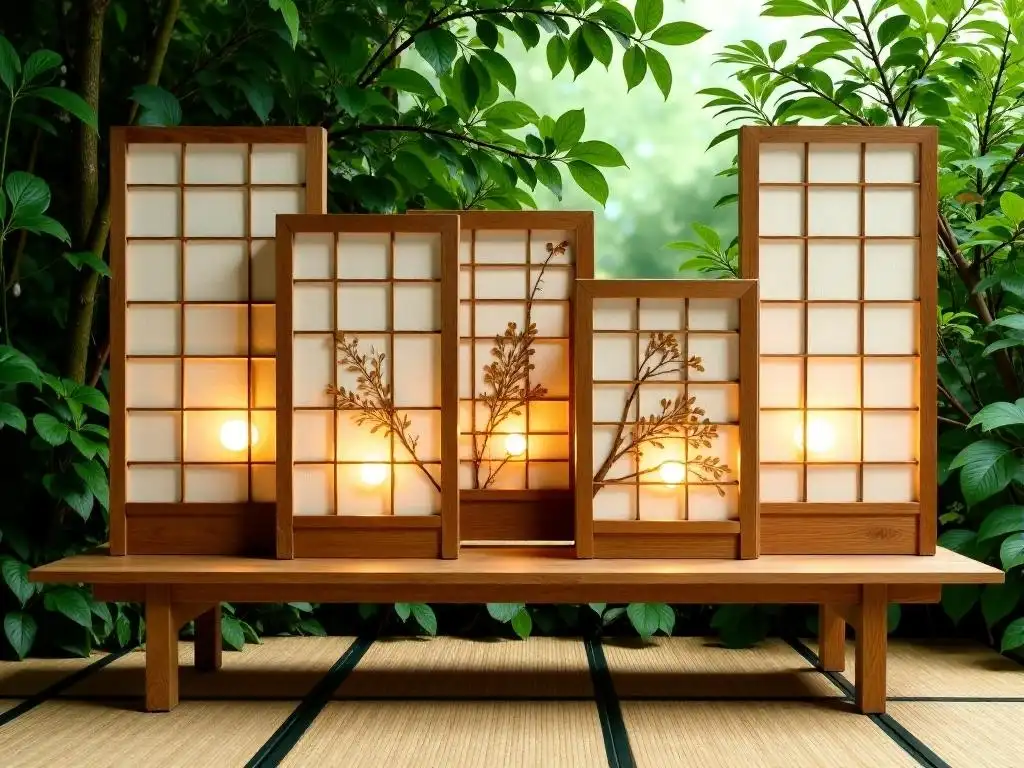
The aesthetics of shoji screens in feudal Japan are deeply intertwined with the philosophy and cultural values of the time. These translucent sliding doors and partitions not only served practical purposes but also embodied the principles of simplicity, harmony, and natural beauty. The visual appeal of shoji screens lies in their ability to blend functionality with artistry, creating serene and tranquil environments that reflect the essence of Japanese aesthetics.
Materials Used in Shoji Screens
Shoji screens are primarily made from a combination of wood and washi paper. The materials chosen for their construction significantly contribute to their aesthetic and functional qualities.
- Wood: The framework of shoji screens is typically constructed from lightweight wood, commonly Japanese cedar (sugi) or cypress (hinoki). These woods are chosen for their durability and resistance to warping, as well as their natural beauty. The warm tones of the wood enhance the overall aesthetic, providing a subtle contrast to the delicate paper.
- Washi Paper: The paper used in shoji screens, known as washi, is crafted from the fibers of the mulberry tree. This paper is prized for its strength and translucency. The use of washi allows light to filter through while providing some level of privacy. The texture of washi adds to the aesthetic appeal, creating a soft, diffused light that enhances the ambiance of a space.
- Finish and Treatment: The wood may be left natural, varnished, or painted, depending on the desired aesthetic. Some shoji screens feature intricate carvings or painted designs that reflect the artistic traditions of the period, further enhancing their visual impact.
Design Patterns and Artistic Elements
The design of shoji screens often incorporates a variety of patterns and artistic elements that reflect the cultural and artistic sensibilities of feudal Japan.
- Geometric Patterns: Many shoji screens feature geometric patterns that create a sense of order and balance. These patterns often serve as a visual metaphor for the harmony found in nature and society.
- Nature-Inspired Motifs: Floral and natural motifs are prevalent in the design of shoji screens, symbolizing the connection between humans and the natural world. Common themes include cherry blossoms, bamboo, and landscapes, which not only beautify the screens but also evoke seasonal changes.
- Asymmetry: In line with the Japanese aesthetic principle of wabi-sabi, which values imperfection and transience, many designs embrace asymmetry. This approach creates a dynamic visual interest, emphasizing the natural flow and rhythm of the composition.
- Calligraphy and Painting: Some shoji screens feature calligraphic or painted elements that convey poetry, proverbs, or spiritual themes. These artistic expressions not only enhance the visual appeal but also invite contemplation and reflection, further enriching the experience of the space.
The Role of Light and Space in Shoji Screen Aesthetics
The interplay of light and space is a fundamental aspect of the aesthetic experience provided by shoji screens.
- Light Filtering: The translucent nature of washi paper allows light to penetrate while softening its intensity. This filtration creates a warm and inviting glow, transforming the atmosphere within a room. The changing quality of light throughout the day adds a dynamic element to the space, enhancing the connection between the interior and the natural world outside.
- Spatial Division: Shoji screens are often used to delineate spaces within a home without completely closing them off. This approach promotes an open and fluid sense of space, allowing for adaptability in the arrangement of living areas. The screens can be slid open or closed, creating a versatile environment that caters to different activities and moods.
- Reflection of Nature: The use of natural materials and light in shoji screens encourages a seamless integration of the interior with the exterior environment. This aesthetic choice aligns with the Japanese concept of shakkei, or borrowed scenery, where the surrounding landscape is considered an extension of the living space.
The aesthetics of shoji screens in feudal Japan encapsulate a rich tapestry of materials, designs, and the interplay of light and space. These elements come together to create harmonious environments that reflect the cultural ethos of the era, inviting a deeper appreciation for the beauty found in simplicity and nature.
Cultural Significance of Shoji Screens
Shoji Screens in Daily Life and Domestic Spaces
Shoji screens played a pivotal role in the daily life of people during the feudal era in Japan. These traditional sliding doors or partitions were primarily constructed from a wooden frame covered with translucent paper, allowing natural light to filter into homes while providing privacy.
- Functional Aspects:
- Space Management: Shoji screens were often used to delineate spaces within a home, creating distinct areas for living, cooking, and sleeping without the need for permanent walls. This flexibility was essential in the often small and compact living quarters typical of the time.
- Seasonal Adaptability: The lightweight nature of shoji allowed for easy reconfiguration of spaces according to seasonal needs. During warmer months, screens could be removed to open up areas, while in colder months, they provided insulation against drafts.
- Aesthetic Contribution:
- Natural Light: The translucent paper allowed soft, diffused light to enter rooms, creating a serene and tranquil atmosphere that was highly valued in Japanese aesthetics.
- Connection to Nature: Shoji screens often framed views of gardens or natural landscapes, serving as a living artwork that connected indoor spaces with the beauty of the outside world.
- Cultural Practices:
- Ceremonial Uses: In various cultural rituals, such as tea ceremonies, shoji played a significant role in setting the mood and ambiance, emphasizing the importance of aesthetics and simplicity in these traditional practices.
- Social Interactions: The presence of shoji screens allowed for a level of privacy while facilitating social interactions, as they could be opened to host guests or closed for intimate family gatherings.
Symbolism and Spiritual Meaning of Shoji Screens
Shoji screens transcended their practical uses to embody deeper cultural and spiritual significances within feudal Japan.
- Symbol of Harmony:
- The design and functionality of shoji screens reflect the Japanese philosophy of harmony with nature. By allowing light and air to flow through while still providing shelter, they represent a balance between the natural and constructed environments.
- Spiritual Reflections:
- Transcendence: The translucent quality of the paper symbolizes the transition between the physical and spiritual realms. Shoji screens can be seen as a metaphorical barrier that separates the material world from the spiritual, inviting contemplation and introspection.
- Ephemeral Beauty: The fragility of shoji screens, particularly as the paper ages and wears, highlights the impermanence of beauty—a key tenet of Japanese aesthetics known as wabi-sabi. This appreciation of transience fosters a deeper connection to the present moment.
- Cultural Identity:
- Shoji screens have become an enduring symbol of Japanese cultural identity. Their presence in traditional homes and temples signifies a respect for craftsmanship and an appreciation for aesthetic simplicity that continues to influence modern design.
The Influence of Shoji Screens on Japanese Art and Culture
The impact of shoji screens extends beyond architecture and daily life, influencing various aspects of Japanese art and culture throughout the centuries.
- Artistic Inspirations:
- Artists and craftspeople have drawn inspiration from the forms and functions of shoji screens. Their designs have been incorporated into paintings, textiles, and ceramics, often emphasizing the interplay of light and shadow that screens create.
- Literary References:
- Shoji screens feature prominently in classical literature and poetry, often symbolizing themes of separation, longing, and connection. They serve as a backdrop for many traditional stories and folklore, highlighting their significance in the cultural narrative of Japan.
- Modern Adaptations:
- In contemporary design, shoji screens continue to inspire architects and interior designers, blending traditional aesthetics with modern functionalities. Their use in urban settings reflects a growing appreciation for minimalist design and the integration of nature within living spaces.
The aesthetics of shoji screens in feudal Japan are deeply intertwined with the cultural, spiritual, and artistic fabric of the society. Their influence is evident both in historical contexts and modern interpretations, making them a significant element of Japanese architectural heritage.
Architectural Integration of Shoji Screens
Shoji Screens in Traditional Japanese Homes
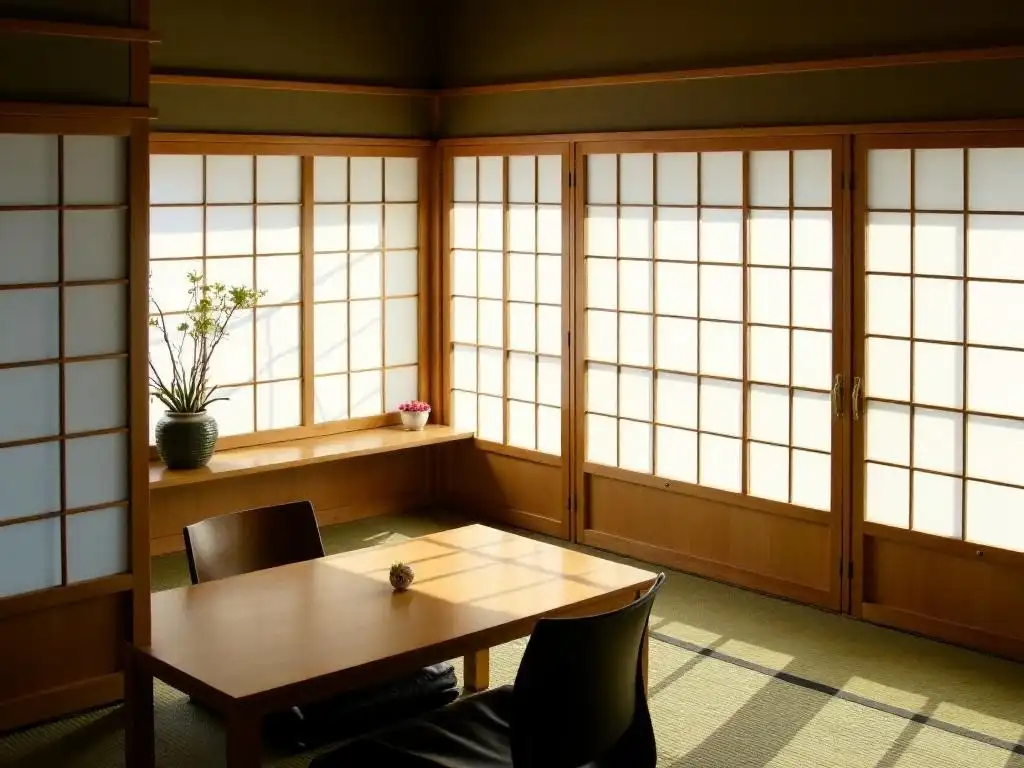
Shoji screens are a quintessential element of traditional Japanese homes, serving both aesthetic and functional purposes. These sliding panels, made from a wooden frame and covered in translucent rice paper, play a crucial role in defining the architectural style of feudal Japan. They allow natural light to filter into spaces while providing privacy, creating a serene atmosphere that embodies the principles of simplicity and harmony.
The architectural integration of shoji screens can be seen in various traditional homes, such as the minka. These farmhouses were designed with modular layouts that allowed for flexibility in living spaces. Shoji screens facilitated this adaptability, enabling rooms to be opened up for communal activities or closed off for privacy. Moreover, the lightweight nature of shoji screens meant that they could be easily moved, allowing residents to reconfigure their living environment according to their needs.
In addition to their practical uses, shoji screens also contribute to the aesthetic appeal of traditional Japanese interiors. The delicate patterns of the rice paper and the wooden frames create a soft diffusion of light, enhancing the beauty of the space. This interplay of light and shadow is a fundamental aspect of Japanese aesthetics, promoting a sense of tranquility that resonates with the principles of Zen philosophy.
Use of Shoji Screens in Temples and Other Structures
Shoji screens were not limited to residential architecture; they also found significant applications in religious and public structures. In temples, shoji screens were employed to create serene spaces for meditation and worship. The use of shoji in these settings allowed for a seamless connection between the interior and the natural world outside, aligning with the Japanese belief in the importance of nature in spiritual practice.
For instance, the renowned Ryoan-ji Temple in Kyoto employs shoji screens within its rock garden setting. The screens help to concentrate the viewer's attention on the garden while providing a tranquil environment for contemplation. This architectural choice reinforces the idea of simplicity and mindfulness that is central to Zen Buddhism.
Additionally, shoji screens were used in tea houses, where they played a vital role in the traditional tea ceremony. The ability to control light and visibility allowed for a controlled environment that enhanced the ritualistic nature of the ceremony. The shoji screens provided a sense of intimacy and seclusion, which was essential for the respectful and meditative atmosphere of the event.
Comparison of Shoji Screens with Western Architectural Elements
When comparing shoji screens to Western architectural elements, several key differences emerge. In Western architecture, large windows and solid walls dominate the design, focusing on creating expansive spaces filled with light. In contrast, shoji screens emphasize modularity and flexibility, allowing for the reconfiguration of spaces while maintaining privacy and subtlety.
One notable distinction lies in the materiality and craftsmanship. Shoji screens are typically constructed from natural materials, such as wood and rice paper, reflecting a deep respect for nature that is prevalent in Japanese culture. Western architectural elements, on the other hand, often utilize glass and metal, which can create a more industrial and stark aesthetic.
| Feature | Shoji Screens | Western Architectural Elements |
|---|---|---|
| Material | Wood and rice paper | Glass and metal |
| Functionality | Flexible room division and natural light diffusion | Fixed partitions and light penetration |
| Aesthetic Philosophy | Harmony with nature and simplicity | Emphasis on space and grandeur |
| Cultural Significance | Integral to Japanese daily life and spirituality | Reflects Western ideals of progress and innovation |
While shoji screens and Western architectural elements serve similar purposes in terms of light and space management, their design philosophies and cultural significances differ greatly. The shoji screen embodies the Japanese ethos of harmony with nature, while Western elements often emphasize human dominance over the environment. This fundamental divergence highlights the unique architectural identity of feudal Japan, which continues to influence modern design practices today.
Regional Variations of Shoji Screens
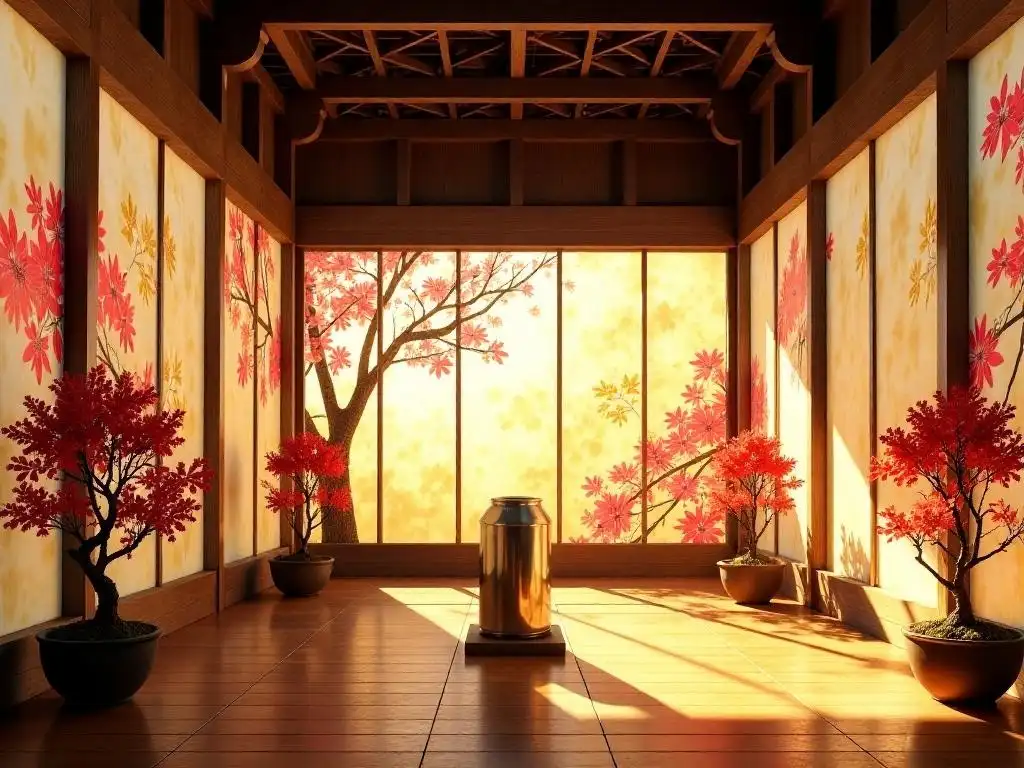
The aesthetic and functional characteristics of shoji screens in feudal Japan are not uniform; they exhibit significant regional variations. These differences stem from local customs, available materials, and environmental factors, leading to unique designs and applications of shoji throughout the various provinces of Japan. Understanding these regional distinctions offers insights into how local culture and geography shaped architectural elements during the feudal era.
Differences in Shoji Screen Designs Across Japan
Shoji screens, traditionally constructed as sliding doors or room dividers, vary dramatically based on regional styles. Below are key examples of these differences:
- Kanto Region (Tokyo Area):
- In the Kanto area, shoji screens often feature larger panels with minimalist designs. This reflects the urban development and the influence of the Edo period, emphasizing simplicity and functionality.
- The use of white paper (washi) is prevalent, allowing natural light to permeate spaces while maintaining privacy.
- Kansai Region (Kyoto and Osaka):
- The Kansai region showcases more elaborate designs, often incorporating intricate woodwork and decorative motifs. The influence of traditional arts, such as Noh and Ikebana, is evident in the craftsmanship.
- Shoji screens here might include painted scenes or carvings, adding a layer of artistic expression that reflects the area's rich cultural heritage.
- Hokkaido:
- In Hokkaido, shoji designs adapted to the colder climate often feature thicker frames and more robust materials to provide better insulation.
- Local artisans also utilized indigenous woods, presenting a unique aesthetic that harmonizes with the natural environment.
- Okinawa:
- The shoji screens in Okinawa are distinctively influenced by the subtropical climate, often utilizing bamboo and palm fronds.
- These screens typically have a more open design, promoting airflow and light, which is essential for the warmer temperatures prevalent in the region.
These regional variations highlight how shoji screens were not merely functional elements but also reflected the identity and culture of local communities in feudal Japan.
Influences of Local Materials and Climate on Shoji Screen Aesthetics
The materials available in different regions of Japan significantly influenced the aesthetics and functionality of shoji screens in feudal Japan. The choice of material was not only practical but also shaped the visual appeal of the screens.
- Wood Types:
- Different species of wood were preferred based on regional availability. For instance, cedar was commonly used in mountainous areas, while cypress was favored in coastal regions due to its resistance to moisture.
- The texture and grain of the wood contributed to the overall aesthetic, with artisans often highlighting these natural characteristics through careful finishing.
- Paper Quality:
- The quality of washi paper used in shoji screens varied, with high-grade paper often being more translucent, allowing for a softer diffusion of light. Regions renowned for their papermaking, such as Gifu, produced some of the finest washi that enhanced the visual elegance of shoji.
- Climate Adaptations:
- In colder regions, shoji screens were designed to minimize heat loss. This led to thicker frames and double-layered paper installations, while in warmer climates, screens were more open to facilitate ventilation and light.
- The local climate also influenced the decorative elements. For example, in areas with heavy snowfall, screens might depict winter scenes, reflecting the seasonal changes in the environment.
By examining the interplay between local materials, climate, and cultural influences, one gains a deeper appreciation for the artistry and practicality embedded in the design of shoji screens across feudal Japan. These elements together not only defined the aesthetics of the screens but also their role within the daily life and architectural landscape of the time.
The Legacy of Shoji Screens in Modern Architecture
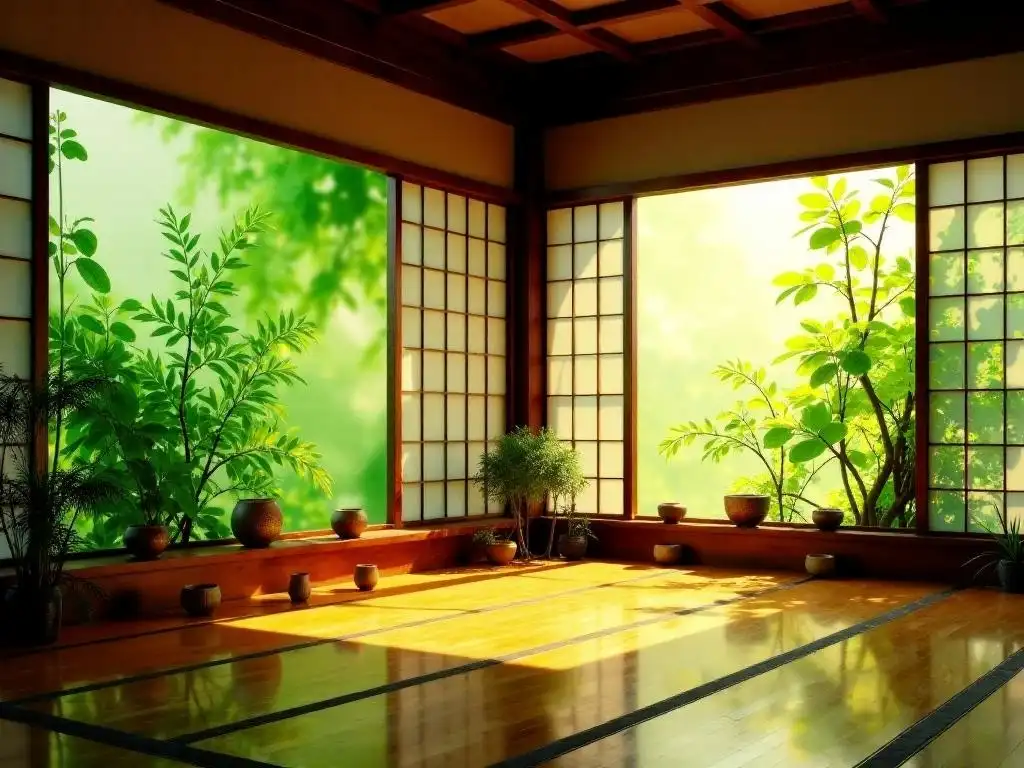
The influence of shoji screens in feudal Japan extends beyond their historical context, shaping the architectural landscape of contemporary design. These traditional sliding doors, made of a wooden frame and translucent paper, have become symbols of minimalist aesthetics and functionality in modern architecture. Their legacy lies in the principles of light, space, and natural materials that they embody, which resonate with current sustainable design practices.
Contemporary Interpretations of Shoji Screens
Today, architects and interior designers draw inspiration from the elegant simplicity of shoji screens, integrating their design elements into various modern structures. The following points illustrate how these interpretations manifest in contemporary architecture:
- Natural Light Utilization: Modern interpretations often mimic the ability of shoji screens to diffuse light, promoting a soft and inviting ambiance in interiors. For instance, large glass panels framed in wood can replicate the translucency of traditional shoji, allowing for natural light while ensuring privacy.
- Flexible Spaces: Shoji screens are celebrated for their capacity to create flexible living spaces. In contemporary homes, sliding panels that resemble shoji designs can be used to redefine rooms, offering adaptable environments for both social gatherings and quiet solitude.
- Cultural Fusion: Many architects incorporate shoji-inspired elements into structures that celebrate cultural diversity. For example, in urban areas, cafes and studios may feature shoji-inspired dividers to create intimate spaces within larger environments, reflecting a blend of Eastern aesthetics with Western functionality.
The essence of shoji screens is in their ability to maintain a connection with the natural world, which is increasingly relevant in today’s design ethos.
How Shoji Screens Inspire Modern Design Trends
The enduring appeal of shoji screens in feudal Japan has sparked various modern design trends that emphasize simplicity, functionality, and a connection to nature. Here are several notable trends influenced by shoji screens:
- Minimalism: The minimalist movement aligns closely with the aesthetic of shoji screens, focusing on clean lines and uncluttered spaces. This trend encourages the use of fewer materials and emphasizes the beauty of simplicity, echoing the traditional Japanese principle of wabi-sabi, which finds beauty in imperfection and transience.
- Biophilic Design: Inspired by shoji screens' relationship with the outdoors, biophilic design seeks to integrate natural elements into built environments. This includes large windows, indoor plants, and natural materials, creating spaces that promote well-being and tranquility.
- Sustainable Materials: As environmental consciousness grows, the use of sustainable materials in architecture has become paramount. Shoji screens, traditionally made from wood and paper, inspire the use of eco-friendly materials in modern designs, such as bamboo and recycled composites.
- Open Concept Layouts: The concept of using movable dividers in open spaces is reminiscent of how shoji screens functioned in traditional homes. This trend allows for a fluid transition between spaces, creating a harmonious flow that promotes social interaction while maintaining privacy when needed.
The legacy of shoji screens in feudal Japan continues to inspire modern architectural practices, emphasizing simplicity, adaptability, and a harmonious relationship with nature. As designers and architects explore these timeless principles, shoji screens remain an integral part of the dialogue surrounding contemporary design aesthetics.
Conclusion
Summary of the Aesthetic and Cultural Importance of Shoji Screens
Shoji screens in feudal Japan are not merely functional elements of architecture; they embody a rich tapestry of aesthetic and cultural significance. Traditionally made from a wooden frame and paper, shoji screens serve as sliding doors or room dividers, allowing for flexible spatial arrangements. Their semi-translucent nature diffuses light, creating a soft and inviting atmosphere within homes, which is a hallmark of Japanese architectural philosophy.
The aesthetic appeal of shoji screens lies in their simplicity and elegance. The minimalist design complements the broader principles of Zen aesthetics, emphasizing natural materials, harmony with nature, and the beauty of imperfection. The interplay of light and shadow created by shoji screens enhances the visual dynamics of interior spaces, encouraging a sense of tranquility and contemplation.
Culturally, shoji screens reflect the social norms and practices of feudal Japan. They were integral to the concept of privacy and social hierarchy, delineating spaces for different activities and social interactions. For instance, the positioning of shoji screens could signify the status of individuals within a household, separating the private quarters of the family from the more public areas of the home.
In addition, the craftsmanship involved in creating shoji screens represents a deep respect for artisanal skills and traditions that were highly valued during the feudal era. The intricate designs and the use of natural materials connect the inhabitants of these spaces to the environment, fostering an appreciation for nature that is a recurring theme in Japanese culture.
Final Thoughts on Shoji Screens in the Context of Feudal Japanese Architecture
In the context of feudal Japanese architecture, shoji screens are far more than mere decorative elements; they are pivotal to understanding the relationship between space, light, and the environment. Their role transcends functional boundaries, making them a symbol of the cultural identity of Japan during this era.
The enduring legacy of shoji screens can be observed in modern Japanese architecture, where they continue to influence design aesthetics and spatial philosophies. Their ability to create flexible, harmonious living spaces resonates with contemporary values of simplicity and mindfulness, maintaining their relevance through the ages.
Thus, exploring shoji screens in feudal Japan offers invaluable insights into the complexities of daily life, societal norms, and artistic expression at the time. As we reflect on their significance, we recognize that they not only shaped the physical spaces of feudal Japan but also contributed to the broader cultural narrative that defines Japanese history and identity today.
Frequently Asked Questions
What are Shoji screens and their significance in feudal Japan?
Shoji screens are traditional sliding doors made of wood and paper, serving both aesthetic and functional purposes in feudal Japanese architecture. They provided privacy while allowing natural light to filter through.
How did Shoji screens influence interior design during the feudal era?
Shoji screens played a crucial role in interior design by creating versatile spaces that could be easily reconfigured. Their use of minimalist aesthetics contributed to the harmony and balance in feudal-era homes.
What materials were commonly used to create Shoji screens?
Shoji screens were primarily crafted from lightweight wood for the frame and rice paper for the translucent panels. This combination ensured both durability and the soft diffusion of light.
How did Shoji screens reflect the cultural values of feudal Japan?
The design and use of Shoji screens reflected the simplicity, elegance, and naturalism valued in Japanese culture. They embodied the principles of wabi-sabi, celebrating imperfection and the beauty of the natural world.
Are Shoji screens still used in modern Japanese architecture?
Yes, Shoji screens continue to be popular in modern Japanese architecture and design, often incorporated into contemporary homes and spaces to maintain a connection to traditional aesthetics while adapting to modern needs.
Final Reflection: The Timeless Beauty of Shoji Screens in Feudal Japan
The aesthetics of shoji screens in feudal Japan continue to resonate in today's architectural and design landscapes. As we navigate a world increasingly focused on minimalism and natural harmony, the elegance and functionality of shoji screens remind us of the profound relationship between space and light. These traditional elements are not merely relics of the past; they embody principles that are increasingly relevant in our modern lives, inviting us to embrace simplicity and mindfulness in our environments.
Cultural appreciation for shoji screens extends beyond their visual appeal; they represent a philosophy of living that values balance and tranquility. The delicate interplay of light and shadow created by these screens fosters a sense of calm and connection to nature, which is especially significant in our fast-paced, technology-driven society. Architecture is the thoughtful making of space,
said Louis Kahn, and shoji screens exemplify this thoughtfulness, offering a seamless blend of beauty and utility that continues to inspire contemporary designers and architects.
As we reflect on the lessons embedded in the aesthetics of shoji screens, I encourage you to consider how these principles can be integrated into your own life. How can you create spaces that promote serenity and connection to nature? Whether through design choices in your home or by cultivating mindfulness in your daily routine, let the elegance of shoji screens guide you toward a more harmonious existence. Embrace the beauty of simplicity and allow it to transform your environment, fostering a deeper appreciation for the spaces you inhabit.
Unveil the Beauty of Shoji Screens in Your Space!
Thank you for diving into the fascinating world of Shoji screens and their integral role in traditional Japanese architecture. We hope you’ve discovered how these stunning elements blend aesthetics with functionality. Now, it’s time to bring that inspiration into your life!
Here are a few actions to consider that can help you further explore this beautiful aspect of Japanese culture:
- Incorporate Shoji-inspired designs into your home! Explore local shops or online platforms for furniture and decor that echo the elegance of these screens.
- Host a themed dinner featuring authentic Japanese cuisine and cultural elements. Utilize Shoji-inspired decor to create an atmosphere reminiscent of feudal Japan.
- Join online communities or forums dedicated to Japanese art and architecture. Share your insights and learn from others who are passionate about this captivating heritage.
What creative ways will you express the beauty of Shoji screens in your own space?