
How Feudal Architecture Influenced Modern Japanese Design


Welcome to Feudal Japan History, where we invite you to embark on a fascinating journey through the intricate tapestry of Japan's feudal era. Here, you’ll uncover how the enduring legacy of feudal architecture continues to shape modern Japanese design. Our featured article, "How Feudal Architecture Influenced Modern Japanese Design," delves into the remarkable connections between past and present, revealing insights that will pique your curiosity and deepen your understanding.
Prepare to explore the rich historical, cultural, and societal threads that bind these two worlds together, and discover how the echoes of feudal Japan resonate in today's architectural marvels. Dive in and satisfy your curiosity!
- Introduction to Feudal Architecture in Modern Japan
- Historical Context of Feudal Architecture
- Key Features of Feudal Architecture in Japan
- Major Architectural Styles During the Feudal Era
- Influence of Feudal Architecture on Modern Japanese Design
- Case Studies of Modern Japanese Buildings Inspired by Feudal Architecture
- The Role of Feudal Architecture in Contemporary Japanese Society
- Conclusion: The Lasting Legacy of Feudal Architecture in Modern Japan
- Frequently Asked Questions
- Final Reflection: The Enduring Legacy of Feudal Architecture in Modern Japan
- Unveil the Influence of Feudal Architecture on Your Design Journey
Introduction to Feudal Architecture in Modern Japan
Feudal architecture in Japan represents a pivotal chapter in the nation's history, characterized by its unique styles and construction techniques that emerged during the feudal era, roughly from the 12th to the 19th centuries. This period saw the rise of samurai culture, which significantly influenced not only military practices but also the domestic and communal spaces where these warriors lived and interacted. The structures of this time—ranging from imposing castles to humble farmhouses—embody the social hierarchy and cultural values prevalent in feudal Japan.
Understanding how these architectural forms have shaped modern Japanese design is essential for appreciating the continuity and evolution of Japanese aesthetics. In this article, we will delve into the influence of feudal architecture on contemporary designs, examining its characteristics, cultural significance, and lasting impact on Japan's architectural landscape.
Overview of Feudal Architecture
Feudal architecture in Japan is marked by several distinctive features that reflect the country's geographical, cultural, and social contexts. Key elements include:
- Castles: These were not merely military fortifications but also symbols of power and prestige. Iconic examples such as Himeji Castle showcase intricate wooden structures, moats, and defensive walls, embodying the strategic importance of location and design.
- Temples and Shrines: The spiritual architecture of the period, such as Shinto shrines and Buddhist temples, incorporated natural elements and harmony with the surrounding landscape, leading to the development of Shinto architecture characterized by simplicity and connection to nature.
- Farmhouses: Traditional thatched-roof houses, or minka, were designed for functionality and efficiency, utilizing locally sourced materials and adapted to the climate, demonstrating a profound understanding of the environment.
The materials used, such as wood, stone, and clay, were influenced by the availability of resources and the need for sustainability. Furthermore, the layout of feudal homes often reflected social status, with the most privileged classes enjoying spacious dwellings, while the lower classes constructed more modest accommodations.
Significance of Feudal Architecture in Japanese Culture
Feudal architecture plays a critical role in the cultural identity of Japan, embodying the values and philosophies of the time. Its significance can be observed through various lenses:
- Cultural Heritage: Many feudal structures are now designated as cultural treasures, showcasing Japan's rich history and craftsmanship. Preservation efforts ensure that these buildings remain a touchstone for future generations, reflecting the artistry and ingenuity of their creators.
- Social Hierarchy: The design and scale of feudal architecture often illustrated the rigid social structure of the time. For instance, the grandeur of a samurai's castle contrasted sharply with the simpler abodes of farmers and craftsmen, visually reinforcing the class distinctions of feudal society.
- Influence on Modern Design: Elements of feudal architecture continue to resonate in modern Japanese buildings, seen in the use of natural materials, minimalist aesthetics, and the integration of indoor and outdoor spaces. Contemporary architects often draw on traditional forms to create spaces that honor historical precedents while accommodating modern lifestyles.
The legacy of feudal architecture is deeply woven into the fabric of modern Japanese design, influencing not only the physical structures but also the cultural narratives that shape Japan today. Understanding this relationship enriches our appreciation of both historical and contemporary architectural expressions.
Historical Context of Feudal Architecture

Feudal architecture in Japan evolved significantly during the feudal era, which spanned from the late 12th century to the 19th century. This period was marked by the rise of powerful samurai clans, the establishment of shogunates, and the development of a unique societal structure that influenced not only politics but also cultural and architectural practices.
The origins of feudal architecture can be traced back to the late Heian period (794-1185) when the need for fortified structures to protect against rival clans became paramount. As the samurai class gained prominence, their residences transformed from simple, wooden homes into more complex structures, reflecting their status and power. The architectural styles that emerged were influenced by a mix of indigenous practices and external factors, including Buddhist, Chinese, and Korean architectural traditions.
During the Kamakura period (1185-1333), the establishment of military rule led to the construction of defensive castles, which became symbols of authority. These castles were not only functional but also served as expressions of power and prestige. The subsequent Muromachi period (1336-1573) saw the rise of the shoin-zukuri style, characterized by tatami mat flooring, sliding doors (fusuma), and an emphasis on natural materials that fostered harmony with the surrounding environment.
As Japan transitioned into the Edo period (1603-1868), architecture became increasingly refined. The establishment of urban centers brought about new architectural forms, including merchant houses and tea houses, which played crucial roles in the social fabric of the time. This era solidified many architectural principles that continue to influence modern Japanese design, showcasing a blend of functionality, aesthetic beauty, and a deep connection to nature.
Key Features of Feudal Architecture in Japan
Feudal architecture in Japan is marked by several distinctive features that reflect the cultural values and practical needs of the time. Here are some key characteristics:
- Natural Materials: Timber was the primary construction material, with the use of bamboo, clay, and straw for roofing. This choice not only provided durability but also allowed structures to blend seamlessly into the landscape.
- Simplicity and Modularity: Buildings were designed with modular components, often using a post-and-beam construction method. This modularity facilitated easy repairs and expansions, adapting to the evolving needs of the inhabitants.
- Connection to Nature: The integration of indoor and outdoor spaces was a fundamental aspect of feudal architecture. Sliding doors (fusuma) and shoji screens created flexible spaces that could be opened to the gardens, emphasizing the importance of nature in daily life.
- Tatami Mats: The use of tatami mats as flooring created a distinct spatial hierarchy and served as a symbol of status. The arrangement of mats defined the use of space within rooms, influencing social interactions.
- Defensive Features: Castles and fortifications were designed with strategic elements such as moats, high walls, and watchtowers, reflecting the militaristic nature of feudal society.
These features not only served practical purposes but also embodied the aesthetic sensibilities of the time, focusing on balance, harmony, and a deep respect for the environment.
Major Architectural Styles During the Feudal Era

Throughout the feudal era, several architectural styles emerged, each reflecting the socio-political context and cultural influences of the time. Here are some of the major styles:
1. Shinden-zukuri
- Period: Heian (794-1185)
- Characteristics: This style was characterized by raised wooden platforms, extensive gardens, and a layout that encouraged interaction with nature. Buildings were often symmetrically arranged around a central courtyard, promoting tranquility.
2. Shoin-zukuri
- Period: Muromachi (1336-1573)
- Characteristics: This style emphasized simplicity and elegance, with features such as tatami flooring, alcoves (tokonoma), and sliding doors. It was primarily used in elite residences and tea houses, showcasing intricate designs that celebrated natural beauty.
3. Castle Architecture
- Period: Sengoku (1467-1603)
- Characteristics: As feudal lords constructed castles for defense and display, this style included imposing stone walls, multiple tiers, and elaborate gatehouses. Castles like Himeji and Matsumoto exemplify this style, merging functionality with grandeur.
4. Sukiya-zukuri

- Period: Edo (1603-1868)
- Characteristics: This style is known for its tea houses, focusing on simplicity and natural materials. It features asymmetrical designs, an emphasis on rustic beauty, and a strong connection to the surrounding landscape, reflecting the Zen influence on architecture.
5. Daikan-zukuri
- Period: Edo (1603-1868)
- Characteristics: This style was prevalent in merchant houses and was characterized by larger, multi-story buildings designed for commercial use. The layout was functional, often including shops on the ground floor and living quarters above.
These architectural styles not only shaped the built environment of feudal Japan but also laid the foundation for many aspects of modern Japanese design, highlighting the enduring legacy of feudal architecture in contemporary society.
Influence of Feudal Architecture on Modern Japanese Design
Continuity of Architectural Elements
Feudal architecture in Japan laid the foundation for many enduring elements that can still be seen in modern Japanese design. The principles of harmony, simplicity, and functionality are deeply rooted in this historical context.
One of the most notable aspects of this continuity is the use of modular design, where spaces are created based on human scale and interaction with nature. For instance, traditional Mizubune-style houses, characterized by their thatched roofs and wooden structures, have influenced contemporary homes that prioritize sustainability and environmental integration.
Use of Natural Materials in Modern Design
The use of natural materials has always been a hallmark of Japanese architecture, originating from the feudal era when wood, clay, and stone were predominant. In modern design, this principle has been revitalized with an emphasis on sustainability.
- Wood: Modern architects often employ wood not only for its aesthetic appeal but also for its ecological benefits. The resurgence of wooden structures in urban settings reflects the feudal tradition of utilizing local resources.
- Stone: The incorporation of stone in landscaping and building facades echoes the fortress-like designs of feudal castles, creating a sense of permanence and stability.
- Bamboo: Increasingly popular in contemporary architecture, bamboo serves as a nod to traditional building methods while promoting eco-friendliness and rapid growth.
Open Spaces and Flow in Interior Design
Open spaces are a central theme in both feudal and modern Japanese architecture. The concept of “ma” (the space between) underscores the importance of flow and balance within living environments.
- Transitional Spaces: Modern homes often incorporate features like genkan (entryways) and engawa (verandas) that facilitate a seamless transition from indoor to outdoor environments, reminiscent of the traditional layouts of feudal-era homes.
- Flexibility: Modern designs prioritize adaptable living spaces. This flexibility is rooted in the feudal practice of using sliding doors (fusuma) that allow rooms to be reconfigured for various purposes, such as entertaining or family gatherings.
Adaptation of Traditional Structures
Modern Japanese architecture frequently adapts traditional structures, ensuring that the essence of feudal designs informs contemporary creativity. This adaptation not only preserves history but also revitalizes it through innovative applications.
Incorporation of Tatami and Shoji Screens
The tatami mat remains a symbol of traditional Japanese housing, and its influence is evident in modern design.
- Flooring: Contemporary homes often feature tatami rooms that serve multiple purposes, from meditation spaces to guest rooms, emphasizing simplicity and comfort.
- Shoji Screens: These rice paper sliding doors are integral to maintaining privacy while allowing natural light to filter through. Modern interpretations of shoji screens are used in various contexts, providing a delicate balance between openness and enclosure.
Influence of Castle and Temple Designs
The grandeur of feudal castles and temples has inspired modern architectural forms, particularly in public buildings and cultural spaces.
- Verticality: The emphasis on vertical lines and layered structures in castles can be seen in skyscrapers and large public institutions, where the design conveys strength and tradition.
- Gardens and Landscaping: The meticulous gardens that accompanied feudal architecture have influenced modern landscaping practices, integrating elements of nature into urban environments. This reflects a commitment to maintaining a connection to nature, a key principle in both historical and modern design.
The influence of feudal architecture in modern Japan is profound, as it shapes not only the aesthetic choices of contemporary architects but also the underlying philosophies that guide their work. By embracing these historical elements, modern Japanese design continues to honor its rich heritage while innovating for the future.
Case Studies of Modern Japanese Buildings Inspired by Feudal Architecture
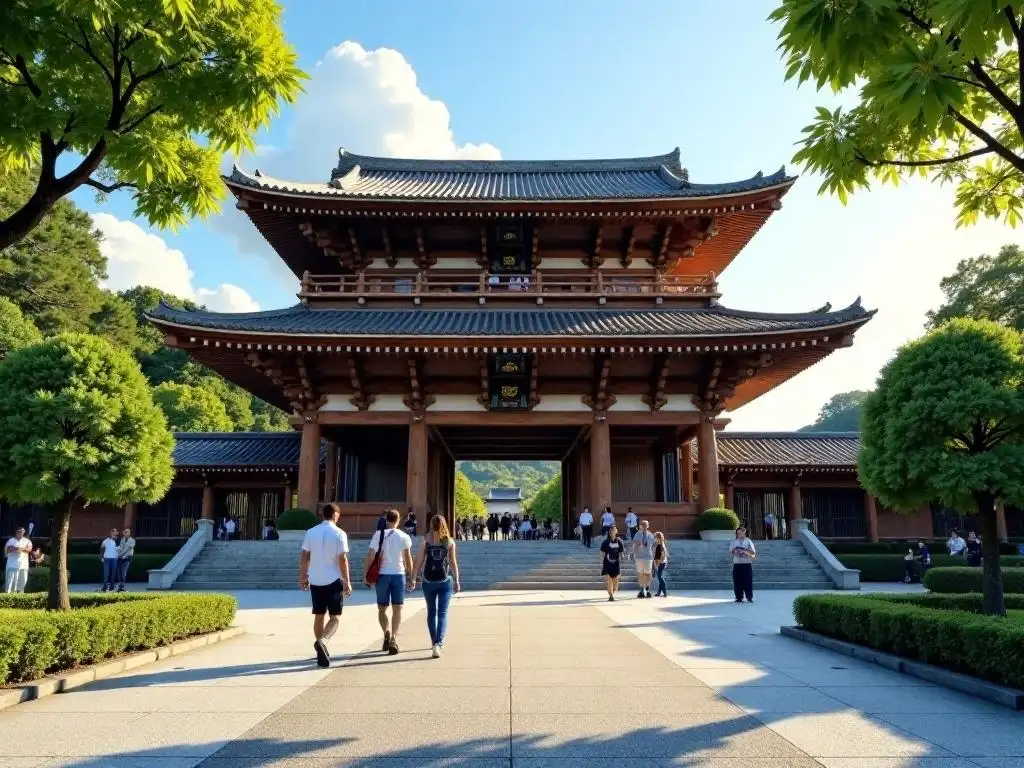
The National Art Center, Tokyo
The National Art Center in Tokyo is a prime example of modern architecture that draws inspiration from feudal Japanese design principles. Opened in 2007, this unique museum is notable for its distinctive architectural approach, which emphasizes the relationship between space, light, and nature—core tenets of feudal architecture.
Design Elements Derived from Feudal Architecture
The design of the National Art Center features several elements reminiscent of feudal architecture:
- Open Spaces: Much like the traditional shoin-zukuri style, the building incorporates open spaces that allow for fluid movement between exhibits, echoing the natural flow found in historic Japanese homes.
- Natural Materials: The extensive use of glass and concrete reflects the feudal era's emphasis on natural materials, albeit in a modern context. This choice not only provides durability but also creates transparency, allowing the surrounding environment to interact with the interior spaces.
- Curvilinear Forms: The undulating roof design mimics the organic shapes often seen in feudal structures, reinforcing the connection to nature and enhancing the aesthetic appeal.
Cultural Significance and Purpose
The National Art Center serves not only as a museum but also as a cultural hub that fosters public engagement with art. Its design reflects the feudal ethos of community and harmony with nature. By integrating feudal architectural principles into its layout, the center aims to create a space that encourages contemplation and appreciation of art, much like the serene gardens and temples of feudal Japan.
21_21 Design Sight
21_21 Design Sight, located in Tokyo's Midtown area, represents a contemporary exploration of design, merging the past with the present. Opened in 2007, the building was designed by renowned architect Tadao Ando, who is known for his ability to weave traditional Japanese aesthetics into modern architectural forms.
Architectural Techniques from the Feudal Era
Several architectural techniques from the feudal era can be observed in 21_21 Design Sight:
- Engawa Concept: The building incorporates an engawa-like transitional space that blurs the line between the indoors and outdoors, reminiscent of traditional Japanese homes where the engawa serves as a corridor connecting different rooms.
- Use of Light: Natural light plays a crucial role in the design, with large windows and strategic openings that echo the feudal practice of using light to define space and atmosphere.
- Simplicity and Minimalism: The minimalist approach reflects the Zen philosophies prevalent during the feudal era, focusing on simplicity and the beauty of unadorned spaces.
How It Reflects Modern Japanese Aesthetics
21_21 Design Sight embodies modern Japanese aesthetics by harmonizing traditional elements with contemporary design principles. The integration of feudal architectural techniques not only pays homage to Japan’s architectural heritage but also fosters a space that encourages innovation and creativity. The building's design invites visitors to engage with the exhibitions in a manner that is both enlightening and reflective, echoing the contemplative nature of feudal architecture.
Both the National Art Center and 21_21 Design Sight demonstrate how feudal architecture in modern Japan continues to influence contemporary design. By incorporating elements from the past, these structures not only preserve historical significance but also redefine Japan's architectural narrative for future generations.
The Role of Feudal Architecture in Contemporary Japanese Society
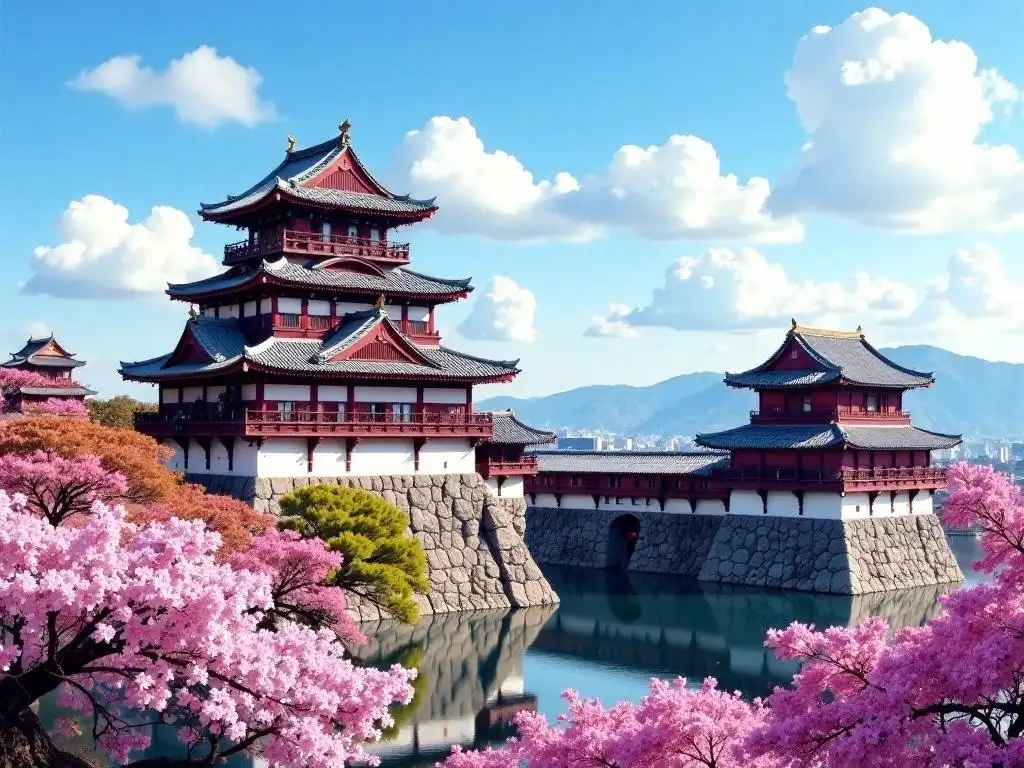
Preservation of Heritage in Modern Design
The influence of feudal architecture on modern Japanese design is profoundly evident in the preservation of cultural heritage. Many contemporary structures pay homage to traditional designs, incorporating elements that reflect Japan's rich architectural history. This preservation serves not only as a means of maintaining aesthetic appeal but also as a reminder of Japan’s historical identity.
- Material Use
- Traditional materials such as wood, bamboo, and clay are frequently utilized in modern buildings. This choice not only emphasizes sustainability but also connects new constructions to their historical roots.
- Examples include the use of cypress wood (hinoki) in homes, which harkens back to the elegant structures of the feudal period.
- Design Elements
- Modern architects often integrate features such as tatami mats, sliding doors (fusuma), and engawa (verandas) into their designs. These elements promote a harmonious relationship between indoor and outdoor spaces, a concept highly valued in feudal architecture.
- The concept of shakkei, or "borrowed scenery," remains prevalent, where buildings are designed to frame beautiful views of nature, reminiscent of traditional Japanese homes.
- Cultural Significance
- The integration of feudal architectural elements into modern design fosters a sense of pride among residents, reinforcing cultural identity and continuity.
- Public buildings, such as museums and cultural centers, often feature designs that echo feudal aesthetics, creating spaces that celebrate Japan’s historical narrative.
The preservation of heritage through modern design not only honors Japan's architectural past but also enriches contemporary society by fostering a connection to history and culture.
Impact on Urban Planning and Community Spaces
Feudal architecture has also significantly influenced urban planning and community spaces in Japan. The principles derived from this historical period can be observed in how cities are structured and how community interaction is facilitated.
- Community-Centric Layouts
- Feudal towns were often organized around communal spaces, such as marketplaces and temples, fostering social interaction. This layout is mirrored in modern urban designs that prioritize community engagement.
- New developments frequently include public parks and communal areas, reflecting the feudal emphasis on shared spaces where people can gather and interact.
- Integration of Nature
- The feudal era's deep respect for nature continues to influence urban design today. Many modern cities in Japan incorporate green spaces and gardens, integrating natural elements into the urban fabric.
- For instance, the concept of yuzen (a traditional dyeing technique) is now applied in landscape architecture, where colors and patterns in gardens evoke historical designs.
- Sustainable Practices
- The traditional feudal approach to land use emphasized sustainability, an ethos that is increasingly relevant in modern urban planning.
- Contemporary architects and urban planners often look to feudal practices for inspiration in creating eco-friendly designs that minimize environmental impact, such as using renewable resources and local materials.
The impact of feudal architecture on urban planning and community spaces reflects a commitment to preserving cultural heritage while addressing modern societal needs. This blend of history and contemporary design fosters vibrant and sustainable communities across Japan.
Conclusion: The Lasting Legacy of Feudal Architecture in Modern Japan
Feudal architecture in modern Japan serves as a testament to the enduring influence of historical designs on contemporary practices. As urban landscapes evolve, the principles and aesthetics derived from Japan's feudal era continue to resonate within modern architecture. The integration of traditional elements, such as wood construction, tatami mat layouts, and harmonious relationships with nature, showcases the adaptability of feudal influences in today's designs.
Summary of Key Influences
-
Materials and Techniques
Feudal architecture prominently utilized natural materials, particularly wood. This preference persists today, with many architects opting for sustainable wood to create warm, inviting spaces. The joinery techniques honed during the feudal period, such as kanawatsugi, remain influential, emphasizing craftsmanship and longevity.
-
Spatial Organization
The layout of traditional feudal homes, characterized by flexibility and a connection to the outdoors, continues to inspire modern Japanese architecture. Open floor plans, sliding doors ( fusuma), and the integration of gardens reflect a design ethos that prioritizes fluidity and interaction with nature.
-
Aesthetic Philosophies
Concepts such as wabi-sabi, which embraces imperfection and transience, have their roots in feudal aesthetics. This philosophy informs contemporary Japanese designs, encouraging minimalist approaches that value simplicity and the beauty of natural materials. Elements like asymmetrical balance and organic forms are prevalent in modern architecture, echoing the artistic sensibilities of the feudal era.
-
Cultural Symbolism
Feudal architecture often embodied deeper cultural meanings, such as status and community. Today, architects incorporate these symbolic elements, creating spaces that reflect cultural heritage while meeting modern needs. This blend fosters a sense of identity and continuity in a rapidly changing society.
Future Trends in Japanese Architecture Inspired by Feudal Designs
As Japan continues to navigate the challenges of urbanization and modernization, future architectural trends will likely draw inspiration from feudal architecture. Key trends to watch for include:
-
Sustainable Practices
The growing emphasis on sustainability will drive architects to revisit feudal methods of construction that prioritize ecological harmony. Innovative use of traditional materials and techniques will align with contemporary environmental goals.
-
Biophilic Design
The intrinsic connection between feudal architecture and nature will inspire a surge in biophilic design, where buildings seamlessly integrate with their natural surroundings. Expect to see an increase in green spaces, water features, and natural ventilation systems.
-
Adaptive Reuse
Transforming historical feudal structures into modern spaces will become more prevalent. This approach not only preserves architectural heritage but also meets the demand for contemporary functionality, creating unique environments that honor the past while serving present needs.
-
Technological Integration
The fusion of traditional aesthetics with modern technology will lead to innovative solutions in design. Smart homes that respect traditional layouts while enhancing functionality will become more common, bridging the gap between the old and the new.
The legacy of feudal architecture in modern Japan is undeniable, shaping not only the physical landscape but also the cultural and social fabric of contemporary society. As architects continue to explore these influences, they will undoubtedly contribute to a rich dialogue between the past and the future, ensuring that the essence of feudal design remains alive in modern architecture.
Frequently Asked Questions
What is feudal architecture in Japan?
Feudal architecture refers to the building styles and structures developed during Japan's feudal era, reflecting the social hierarchy and military needs of the time.
How has feudal architecture influenced modern Japanese design?
Modern Japanese design incorporates elements of feudal architecture, such as simplicity, natural materials, and aesthetic harmony, which resonate with contemporary values of minimalism.
What are some examples of feudal architecture in Japan?
Examples include castles, temples, and traditional houses (minka), which showcase the craftsmanship and functional designs that have inspired modern architectural approaches.
Why is it important to study feudal architecture?
Studying feudal architecture helps us understand the cultural and historical context of Japan, revealing how past practices continue to shape the present and influence modern aesthetics.
How can feudal architecture be seen in today's buildings?
Today, many architects draw inspiration from feudal principles, using open spaces, natural light, and connection to nature to create harmonious environments that echo Japan's architectural heritage.
Final Reflection: The Enduring Legacy of Feudal Architecture in Modern Japan
Feudal architecture in modern Japan serves as a profound testament to the resilience and adaptability of cultural heritage. Today, as we navigate an increasingly globalized world, the influence of these historical structures is more relevant than ever. The intricate designs and philosophies that characterized feudal architecture not only shaped the physical landscape of Japan but also continue to inspire contemporary architects and designers. The past is not merely a relic; it is a living influence that informs our present and shapes our future.
Cultural identity is often rooted in the physical spaces we inhabit, and the echoes of feudal architecture resonate deeply within the modern Japanese aesthetic. The principles of harmony with nature, balance, and functionality established centuries ago are still evident in today’s designs, reflecting a seamless blend of tradition and innovation. > “Architecture is the thoughtful making of space.” – Louis Kahn. This quote encapsulates the essence of how feudal architecture has laid the groundwork for modern practices, emphasizing that the spaces we create are not just structures but reflections of our values and histories.
As you reflect on the insights shared in this article, consider how the lessons from feudal architecture can inspire your own approach to design, whether in your home, workplace, or community. Embrace the idea that every structure tells a story, and let the wisdom of the past guide your creative endeavors. By honoring the legacy of feudal architecture, we can cultivate spaces that not only serve functional purposes but also foster a deeper connection to our cultural roots and aspirations for the future.
Unveil the Influence of Feudal Architecture on Your Design Journey
Thank you for exploring the fascinating world of feudal architecture and its impact on modern Japanese design! You've gained insights that blend history with contemporary aesthetics. Now, let’s take the next step to bring this inspiration to life.
- Embrace the Feudal Aesthetic: Incorporate elements of traditional Japanese design into your own living spaces by using natural materials and subtle color palettes that reflect the serene beauty of historical architecture.
- Join the Conversation: Share your thoughts or photos of your design inspirations in our community forum—let’s inspire each other!
- Dive Deeper: Explore the myriad of feudal structures through virtual tours or local exhibitions to enhance your understanding and appreciation of this rich heritage.
Which aspects of feudal architecture spark your curiosity the most, and how do you envision integrating them into your personal style?