
Samurai in the City: The Changing Role of the Warrior Class in Edo

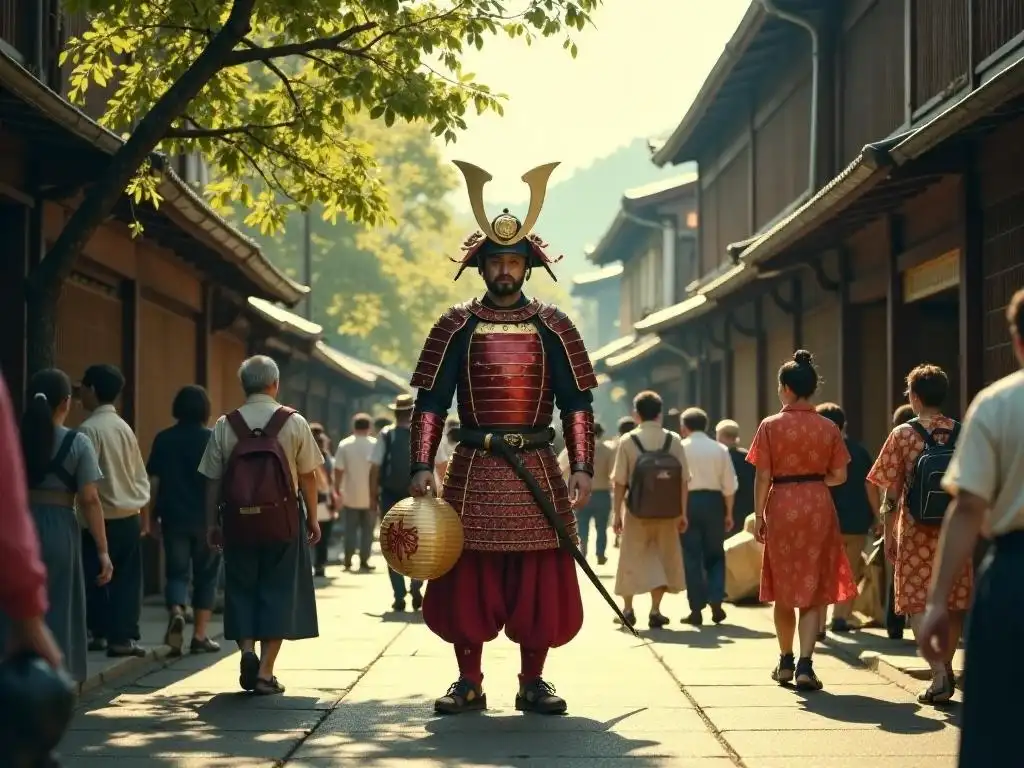
Welcome to Feudal Japan History, where we embark on an intriguing journey through the captivating tapestry of Japan’s feudal era. In our featured article, "Samurai in the City: The Changing Role of the Warrior Class in Edo," we delve into the fascinating evolution of the samurai during the Edo period, revealing how these iconic warriors transitioned amidst a landscape of peace and prosperity.
Prepare to uncover the complex interplay of cultural, societal, and economic factors that shaped their roles in this unique historical context. Join us as we explore the untold stories that lie within the heart of feudal Japan!
Introduction to the Samurai Role in Edo Period
The Edo period (1603-1868) marked a significant transformation in Japan’s historical landscape, particularly regarding the role and function of the samurai class. Once primarily recognized as fierce warriors serving feudal lords in the tumultuous years of constant warfare, samurai began to adapt to the peaceful and stable environment fostered by the Tokugawa Shogunate. This era not only witnessed the evolution of the samurai's social status but also their engagement in various aspects of urban life, which included administration, commerce, and cultural pursuits.
As cities flourished and urban centers like Edo (now Tokyo) grew, the samurai's role became increasingly multifaceted, reflecting broader societal changes. In this article, we will delve into the complexities of the samurai's position during the Edo period, exploring their transition from warriors to integral components of urban society.
Overview of the Samurai Class in Feudal Japan
The samurai class emerged as a dominant force in Japan during the late 12th century, primarily characterized by their martial prowess and strict adherence to the code of bushido, which emphasized loyalty, honor, and discipline. Throughout the centuries, samurai served as military retainers to powerful feudal lords, known as daimyōs, navigating a landscape marked by conflict and power struggles.
By the time the Tokugawa Shogunate established its rule in the early 17th century, the samurai had solidified their position within the social hierarchy. They were not only warriors but also landowners and bureaucrats, wielding considerable influence over political and economic matters. The samurai class became synonymous with the ideals of loyalty and valor, and their distinct cultural practices, such as swordsmanship and calligraphy, elevated their status in Japanese society.
Importance of the Edo Period in Samurai History
The Edo period is often regarded as a golden age for the samurai, as it signified a shift from constant warfare to a prolonged era of peace. The establishment of the Tokugawa Shogunate brought stability and order, allowing the samurai to transition from their traditional roles as warriors to more diverse positions within society. This period was crucial for the samurai as it enabled them to engage in various professions beyond the battlefield, including administration, education, and the arts.
During this time, the samurai's relationship with the common people evolved significantly. No longer solely feared warriors, they became part of the urban fabric, participating in the burgeoning economy and cultural life of cities like Edo. The Edo period thus represents a pivotal chapter in samurai history, one where their identity and purpose expanded in response to changing societal dynamics.
The Historical Context of the Samurai in Edo
Transition from Warlord to Peacekeeper
As Japan transitioned into the Edo period, the role of the samurai underwent a profound transformation. The end of the Sengoku period, a time of constant military conflict, led to the consolidation of power under the Tokugawa regime. Samurai who were once trained solely for combat found themselves in a society where peace reigned, and their skills were no longer in high demand for warfare.
In this new context, samurai became peacekeepers, tasked with maintaining order and enforcing the policies of the shogunate. This shift was not without challenges, as many samurai struggled to redefine their identities and adapt to a lifestyle that prioritized governance and civil responsibilities over martial prowess.
The Establishment of the Tokugawa Shogunate
The establishment of the Tokugawa Shogunate in 1603 was a watershed moment for the samurai class. Under Tokugawa Ieyasu, the shogunate implemented a strict social hierarchy and a centralized system of governance that reinforced the samurai's position as both local leaders and government officials. The samurai were given stipends and land, securing their livelihoods while also tying them to the shogunate's interests.
This period also saw the emergence of various factions within the samurai class, leading to the development of distinct roles. Some samurai became administrators, overseeing local governance and law enforcement, while others took on roles in education, culture, and even commerce, reflecting the increasingly complex urban landscape of Edo.
Urbanization and Its Impact on Samurai Life
The Edo period was characterized by significant urbanization, with cities growing rapidly as centers of commerce and culture. The capital, Edo, became one of the largest cities in the world, attracting merchants, artisans, and samurai alike. This urban environment drastically altered the samurai's way of life, as they began to live in the cities instead of rural domains.
As urbanization progressed, samurai adapted to their new surroundings, engaging in trade and cultural pursuits that were previously deemed beneath their status. They participated in the vibrant cultural life of Edo, attending kabuki theater, tea ceremonies, and poetry gatherings. This integration into urban society marked a significant departure from their traditional roles, showcasing the flexibility and resilience of the samurai class during the Edo period.
The Evolving Role of Samurai in Edo Society
During the Edo period (1603-1868), Japan experienced significant socio-political transformations that profoundly influenced the role of the samurai class. Originally established as warriors dedicated to the protection of their lords and territories, the samurai gradually evolved into a multifaceted class with diverse responsibilities. The prolonged peace under the Tokugawa shogunate diminished the need for military engagement, prompting samurai to adapt to new societal roles. This evolution marked a departure from their traditional warrior identity, leading them to embrace positions that emphasized governance, culture, and economic contributions.
As the samurai integrated more deeply into urban life, their responsibilities extended beyond mere combat. They became crucial players in the bureaucratic machinery of the Edo government, managing various aspects of administration and local governance. This shift facilitated the emergence of a more structured society, where the samurai's roles were increasingly defined by their intellectual and organizational skills.
Samurai as Bureaucrats and Administrators
The samurai's transition into bureaucrats and administrators was a significant development during the Edo period. Many samurai were appointed to critical administrative positions within the shogunate and local domains, where they managed tax collection, law enforcement, and public works. This new role required education and literacy, leading to the establishment of schools where samurai children were trained in Confucianism, ethics, and governance.
The samurai's involvement in administration not only provided them with a stable income but also solidified their status as an educated elite. They became instrumental in implementing the policies of the shogunate, contributing to the orderly functioning of society. This bureaucratic role allowed the samurai to exercise influence and authority, reinforcing their importance in the socio-political landscape of Edo.
The Shift from Military to Civic Duties
With the decline of military conflicts, the samurai’s role shifted from that of warriors to civic leaders and community figures. They became involved in local governance, often serving as judges, tax collectors, or village heads. This transition was not merely a change in job description; it represented a fundamental redefinition of what it meant to be a samurai.
Civic duties included mediating disputes, overseeing public infrastructure projects, and ensuring the welfare of the populace. This shift also aligned with the rising emphasis on peace and stability during the Edo period, allowing samurai to foster relationships within the community and cultivate a sense of social responsibility. The samurai, once feared as warriors, transformed into respected figures who contributed to the social fabric of urban Edo.
Cultural Contributions of Samurai in Urban Edo
The cultural contributions of samurai in urban Edo were substantial, as their newfound roles allowed them to influence various artistic and intellectual pursuits. Many samurai became patrons of the arts, supporting artists, poets, and writers, which led to a flourishing of cultural activities during this era.
The samurai's engagement with culture was not solely about patronage; they actively participated in artistic endeavors. Some took up writing, calligraphy, and the study of tea ceremonies, which were essential aspects of samurai culture. Moreover, the samurai's role in public life spurred the development of schools and educational institutions, fostering a culture of learning that benefited the broader population.
This cultural involvement not only enriched Edo society but also helped to create a distinct samurai identity that blended martial tradition with intellectual and artistic sophistication. As a result, the samurai became symbols of both military prowess and cultural refinement.
Economic Changes and the Samurai Class
The economic landscape of Edo underwent significant changes that impacted the samurai class profoundly. With the growth of commerce and urbanization, the samurai found themselves navigating a complex economic environment. The shift from a primarily agrarian economy to a more diversified urban economy presented both challenges and opportunities for the warrior class.
As the samurai adapted to their new economic reality, their traditional sources of income—stipends from their lords—became increasingly inadequate. This economic pressure forced many samurai to seek alternative means of sustenance, leading to a reevaluation of their roles in a changing society.
Samurai and the Rise of Commerce in Edo
As Edo transformed into a bustling metropolis, the samurai's relationship with commerce evolved. While initially hesitant to engage in trade due to the samurai code of honor, many samurai began to invest in businesses or engage in commercial activities to supplement their income. This shift marked a notable departure from their traditional disdain for merchant activities.
The samurai's involvement in commerce contributed to the growth of the urban economy, as they utilized their social connections and status to facilitate trade. They often invested in rice and silk trading, which were crucial commodities in Edo. This economic engagement helped to stabilize their financial standing while allowing them to maintain their social status.
The Samurai's Role in Urban Economic Development
The samurai played a pivotal role in urban economic development during the Edo period. As local leaders and administrators, they oversaw various public works projects, including road construction, irrigation systems, and marketplace regulations. These initiatives were vital for facilitating trade and improving the quality of life in Edo.
Moreover, samurai often collaborated with merchants and artisans to stimulate economic growth. By leveraging their positions and resources, they fostered an environment conducive to commerce, benefiting both the samurai and the broader community. This collaboration also paved the way for new social dynamics, as the rigid class distinctions began to blur in the face of economic pragmatism.
Impact of Wealth on Samurai Status and Identity
The accumulation of wealth through commerce and urban development had a profound impact on the samurai's status and identity. Traditionally viewed as a warrior class defined by martial prowess, many samurai began to redefine their identities based on their economic success. This shift led to a complex social hierarchy within the samurai class itself, as those who embraced commerce could achieve significant wealth and status.
However, this newfound wealth also generated tensions within the samurai community. Some samurai viewed the embrace of commerce as a betrayal of their warrior ethos, while others argued that adaptation was essential for survival in a changing world. This internal conflict reflected the broader societal changes taking place during the Edo period, as the samurai navigated the challenges of maintaining their identity in an increasingly commercialized society.
The role of the samurai in Edo society underwent a remarkable transformation from warriors to bureaucrats, cultural figures, and economic participants, highlighting the dynamic interplay between traditional values and evolving societal norms.
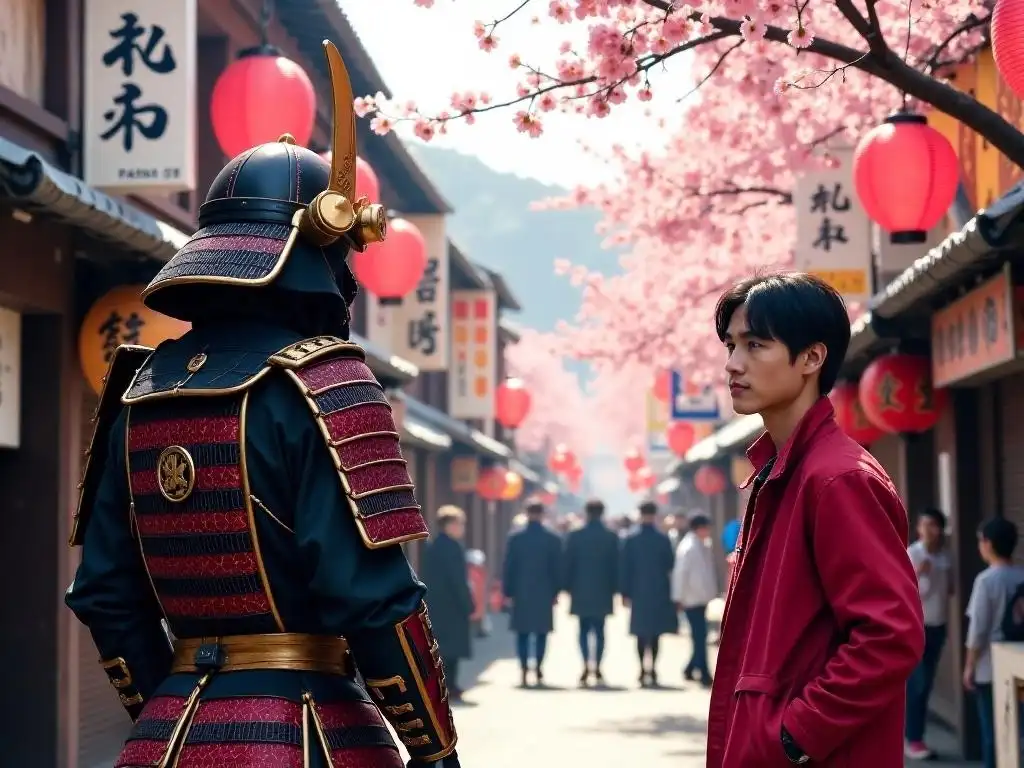
The Edo period (1603-1868) marked a significant transformation in the social structure of Japan, particularly in the urban context of Edo (modern-day Tokyo). At the heart of this transformation was the samurai class, which transitioned from a primarily military role to one that was increasingly bureaucratic and administrative in nature. This shift not only altered the samurai's functions but also their interactions with other social classes, further embedding them within the complex hierarchies of Edo society.
The Samurai’s Position Within the Edo Social Structure
During the Edo period, samurai occupied the second tier in the rigid social hierarchy established by the Tokugawa shogunate, just below the ruling class of the shogun and daimyōs. This social structure was often depicted as a pyramid:
- Shogun and Daimyōs: The highest authority, with considerable land and military power.
- Samurai: Serving as both warriors and administrators, samurai were tasked with maintaining order and governance within their domains.
- Commoners (Heimin): Comprising farmers, artisans, and merchants, this class was essential for the economic stability of the period.
- Outcasts (Burakumin): At the bottom of the hierarchy, this group faced social stigma and discrimination.
Samurai in Edo were no longer primarily engaged in warfare due to the long peace established by the Tokugawa regime. Instead, they became part of the bureaucracy, taking roles that involved governance, taxation, and law enforcement. This shift allowed many samurai to cultivate a lifestyle that emphasized education, culture, and social status over martial prowess.
Interactions Between Samurai and Commoners
Interactions between samurai and commoners were dictated by strict social norms and etiquette, yet they were more common in urban settings than in rural areas. Samurai, although higher in rank, often relied on commoners for their daily needs, including food, clothing, and services. This dependency fostered a complex relationship characterized by mutual respect and resentment.
- Trade and Commerce: Samurai often engaged in trade and owned businesses, blurring the lines between classes. While they were discouraged from direct involvement in commerce, many samurai families adapted to the realities of urban life.
- Cultural Exchanges: The samurai class contributed to and participated in cultural activities with commoners, including theater, poetry, and festivals. This cultural exchange played a vital role in shaping the unique urban culture of Edo.
Despite their elevated status, the interactions between samurai and commoners were multifaceted, reflecting both the rigid hierarchies of the time and the evolving urban landscape.
Samurai Families and Lineages in Urban Settings
The establishment of samurai residences in Edo led to the rise of prominent samurai families and their lineages within the urban environment. Many samurai families maintained their status through strategic marriages, alliances, and the careful management of their resources.
- Samurai Residences: The layout of Edo facilitated the organization of samurai quarters, where families lived in close proximity. These residences often reflected their status, with larger homes for higher-ranking samurai.
- Legacy and Heritage: Family lineage became a significant aspect of samurai identity, with many families tracing their ancestry to famous warriors of the past. This emphasis on heritage was crucial for maintaining social status and influence within Edo.
The urban setting of Edo provided a unique platform for samurai families to navigate the changing dynamics of power, economy, and culture, ensuring their relevance in an increasingly complex society.
The Cultural Legacy of Samurai in Edo
The cultural legacy of the samurai during the Edo period is profound and multifaceted. As urbanization progressed, samurai contributed significantly to the cultural landscape of Edo, leaving an indelible mark that continues to resonate in modern Japanese culture.
Artistic Contributions of Samurai in the City
Samurai were not only warriors but also patrons of the arts. Their contributions to cultural endeavors in Edo encompassed various forms of artistic expression:
- Literature: Many samurai engaged in poetry, particularly haiku and renga, reflecting their intellectual pursuits. Notable figures like Matsuo Bashō emerged during this time, blending samurai discipline with artistic creativity.
- Visual Arts: Some samurai became involved in the visual arts, commissioning works from ukiyo-e artists. These artworks often depicted samurai life, landscapes, and cultural scenes, helping to shape public perceptions of the samurai class.
- Theater: Samurai patronized traditional performing arts, including kabuki and Noh theater, which often featured samurai themes and stories, further enriching Edo's cultural fabric.
Through their artistic contributions, samurai played a significant role in the elevation of cultural practices in Edo, fostering a rich artistic environment.
The Role of Samurai in the Development of Edo Culture
The samurai class was instrumental in the development of Edo culture, promoting values such as loyalty, honor, and discipline, which became integral to the urban identity.
- Civic Responsibility: Samurai took on roles in local governance and community leadership, reinforcing their presence in everyday life. They organized festivals and events that strengthened community ties.
- Cultural Institutions: Many samurai supported the establishment of schools and cultural institutions, laying the groundwork for educational advancements that would impact future generations.
As agents of cultural development, samurai not only upheld traditional values but also adapted to the evolving urban context, facilitating a vibrant cultural exchange within Edo.
Preservation of Samurai Traditions Amid Urbanization
Even as the urban landscape of Edo transformed, samurai sought to preserve their traditions and values in the face of modernization.
- Rituals and Ceremonies: Samurai families continued to observe traditional rituals and ceremonies, which were crucial for maintaining their cultural identity. This included practices such as tea ceremonies and martial arts, which emphasized discipline and respect.
- Educating the Next Generation: Many samurai emphasized the importance of education within their families, instilling values of bushido (the way of the warrior) while encouraging engagement with contemporary cultural practices.
This commitment to tradition amidst urbanization ensured that the samurai legacy remained influential, shaping not only the culture of Edo but also the broader trajectory of Japanese society.
Conclusion: The Lasting Impact of the Samurai Role in Edo Period
The evolution of the samurai's role during the Edo period marks a significant chapter in Japan's history, showcasing how a warrior class adapted to a rapidly changing urban environment. As samurai transitioned from military leaders to bureaucratic officials and cultural patrons, their influence permeated various aspects of Edo society. This transformation not only altered the samurai's identity but also reshaped the socio-political landscape of Japan. The experiences of samurai in urban settings reflect a broader narrative of adaptation, resilience, and cultural exchange that is essential to understanding Japan's historical trajectory.
The impact of the samurai during the Edo period can still be felt today, as their values of honor, discipline, and loyalty have become ingrained in the cultural fabric of contemporary Japan. The samurai's role as custodians of culture and tradition has left a lasting imprint on modern Japanese identity, influencing everything from martial arts to literature and cinema.
Reflection on the Transformation of the Samurai Class
The samurai class underwent a remarkable transformation during the Edo period, shifting from a primarily martial role to one deeply entrenched in governance and cultural patronage. Originally defined by their military prowess, samurai found themselves increasingly integrated into the bureaucratic apparatus of the Tokugawa shogunate. This shift was not merely functional; it signified a profound change in the samurai's self-perception and societal role.
As urbanization took hold, samurai adapted to their new environments by embracing roles as educators, administrators, and artists. This adaptability allowed them to maintain social status while contributing to the cultural and intellectual life of Edo. The samurai's engagement with the burgeoning merchant class further blurred the lines between the traditional warrior ethos and the realities of urban life, reflecting a dynamic interplay of power, culture, and economics.
The Enduring Legacy of Samurai in Modern Japan
The legacy of the samurai extends far beyond the Edo period, influencing modern Japanese society in various ways. Their values of loyalty, honor, and discipline continue to resonate in contemporary Japanese culture, shaping national identity and personal conduct. The samurai ethos is often celebrated in literature, film, and popular culture, serving as a lens through which the Japanese view their history and heritage.
Moreover, the samurai's contributions to arts and education during the Edo period laid the groundwork for Japan's rich cultural landscape. Traditional arts such as calligraphy, tea ceremony, and martial arts trace their roots back to samurai practices, showcasing the lasting impact of this warrior class. Today, the samurai are not just historical figures; they are symbols of Japan's enduring spirit and resilience, inspiring generations to uphold the values they represented.
References
Key Sources on Samurai History and the Edo Period
-
"The Samurai: A Military History" by Stephen Turnbull
This comprehensive work details the military strategies and cultural significance of the samurai throughout Japanese history, with a significant focus on the Edo period.
-
"Edo: The City That Became Tokyo" by David H. Slater
An exploration of the urban development of Edo, including the social dynamics and roles of the samurai class within this evolving metropolis.
-
"Samurai and the Culture of Japan’s Edo Period" by John D. Young
This book examines the cultural contributions of the samurai, emphasizing their role in fostering arts, education, and governance.
Suggested Further Reading on Urbanization and Samurai Dynamics
-
"Urbanization in Japan: The Edo Period" by Michiko Aoyama
An insightful analysis of urban growth in Japan during the Edo period and its implications for the samurai class.
-
"The Changing World of the Samurai" by John A. McRae
This work provides a deep dive into the transformations experienced by the samurai, especially in response to urbanization and societal changes.
-
"The Samurai's Garden: A Novel" by Gail Tsukiyama
While fictional, this novel beautifully encapsulates the values and aesthetics associated with the samurai tradition, providing a narrative lens through which to understand their cultural legacy.
- Introduction to the Samurai Role in Edo Period
- The Historical Context of the Samurai in Edo
- The Evolving Role of Samurai in Edo Society
- Economic Changes and the Samurai Class
- Social Hierarchies and the Samurai in Edo
- The Cultural Legacy of Samurai in Edo
- Conclusion: The Lasting Impact of the Samurai Role in Edo Period
- References
- What was the Samurai role in the Edo period?
- How did the Edo period affect Samurai culture?
- What were the main responsibilities of Samurai in urban areas during the Edo period?
- Did the Samurai maintain their martial skills during the Edo period?
- How did the social status of the Samurai change in the Edo period?
Frequently Asked Questions
What was the Samurai role in the Edo period?
The Samurai role in the Edo period evolved from military leaders to administrators and cultural figures, reflecting a shift in societal needs during this time of peace.
How did the Edo period affect Samurai culture?
During the Edo period, Samurai culture became more focused on arts, education, and governance, as the need for military engagement decreased significantly.
What were the main responsibilities of Samurai in urban areas during the Edo period?
In urban areas, Samurai often took on roles such as police officers, tax collectors, and local leaders, contributing to the maintenance of public order and governance.
Did the Samurai maintain their martial skills during the Edo period?
Yes, despite the era's peace, Samurai continued to train in martial arts, emphasizing discipline and readiness, even as their roles shifted towards civil duties.
The social status of the Samurai became more entrenched, as they were seen as the ruling class, which led to both privilege and responsibility in a largely stable society.
Final Reflection: The Evolving Legacy of the Samurai in Edo
The role of the samurai in the Edo period is not merely a historical curiosity; it is a profound reflection of societal values that resonate even today. As we navigate a world that often grapples with the balance between tradition and modernity, the samurai's transformation from fierce warriors to cultured administrators serves as a reminder of the adaptability required in the face of change. This evolution underscores the importance of understanding our past to inform our present and future.
Culturally, the samurai's journey from the battlefield to the drawing room has left an indelible mark on Japanese society and beyond. The principles of honor, discipline, and service that defined the samurai ethos continue to influence contemporary values, shaping everything from business practices to personal conduct. As noted by historian John W. Hall, The samurai were not just warriors; they were the embodiment of a complex social order that prioritized loyalty and moral integrity.
This observation highlights how the samurai's legacy persists in our collective consciousness, urging us to reflect on the virtues we uphold in our own lives.
As we consider the lessons of the samurai, I invite you to reflect on your own role within your community. How can you embody the spirit of the samurai in your daily actions? Whether through acts of service, commitment to personal growth, or fostering a sense of honor in your relationships, the samurai's legacy offers a blueprint for living with purpose and integrity. Let us carry forward the wisdom of the past as we forge our paths in the modern world, ensuring that the essence of the samurai continues to inspire future generations.
Unveil the Legacy: Take Action Today!
Thank you for diving into the intriguing journey of the samurai and their evolving role in Edo society! Your exploration of their legacy sheds light on **resilience**, **honor**, and **adaptation** in changing times. Now, it’s time to harness that inspiration into action!
- Engage with history: Visit your local library or explore online archives to discover books and documentaries about the samurai. Immerse yourself in their stories and the values they embodied.
- Join a community: Connect with fellow history enthusiasts through forums or social media groups focused on Feudal Japan. Share insights and engage in discussions to deepen your understanding and appreciation of samurai culture.
- Experience the samurai life: Seek out workshops or events in your area that offer training in samurai sword techniques or traditional martial arts. Step into their world and experience their discipline firsthand!
As you reflect on the captivating role of the samurai in history, consider this: What lessons from the samurai mindset do you think can be applied to modern-day challenges?