
Edo's Culinary Scene: The Birth of Japanese Urban Cuisine

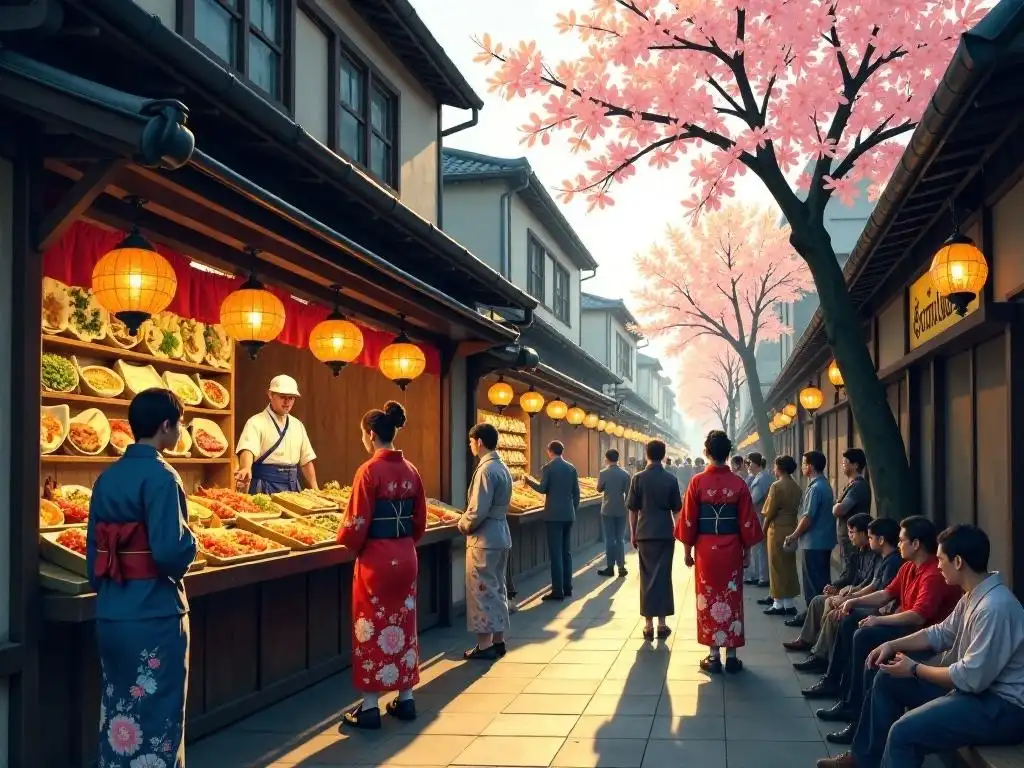
Welcome to Feudal Japan History, where we embark on a fascinating journey through the rich tapestry of Japan’s feudal era. Here, you’ll uncover the intricate layers of historical, cultural, and societal nuances that shaped this remarkable period. In our featured article, “Edo's Culinary Scene: The Birth of Japanese Urban Cuisine,” we delve into the delectable world of Edo period Japanese cuisine, revealing how this vibrant culinary landscape not only nourished the body but also influenced the economy and culture of its time. Prepare to tantalize your curiosity and explore the flavors that defined an era—dive in to discover more!
Introduction to Edo Period Japanese Cuisine
The Edo period, spanning from 1603 to 1868, marked a transformative era in Japan's history, characterized by significant social, political, and economic changes. This period not only saw the establishment of the Tokugawa shogunate but also the flourishing of urban centers, particularly Edo (modern-day Tokyo).
As cities expanded, so did the culinary landscape, leading to the development of what we now refer to as Edo period Japanese cuisine. This article delves deep into the intricate tapestry of food culture during this time, exploring how urbanization influenced culinary practices and created a distinct urban cuisine that reflected the tastes and lifestyles of Edo's inhabitants.
Historical Context of Edo Period Japanese Cuisine
Overview of the Edo Period (1603-1868)
The Edo period was a time of relative peace and stability in Japan, following centuries of civil strife. Under the Tokugawa shogunate, a strict social hierarchy was established, which profoundly influenced every aspect of life, including dietary habits. The population of Edo surged, with estimates suggesting that by the mid-19th century, the city boasted over a million residents. This urban growth catalyzed the demand for diverse food options and led to the emergence of a variety of dining establishments, from humble street stalls to lavish banquet halls.
- Population Growth: Edo's population increased dramatically, necessitating a robust food supply.
- Social Structure: The rigid class system influenced food availability and culinary practices across different social strata.
- Cultural Exchange: Edo became a melting pot of regional cuisines, integrating influences from across Japan.
Significance of Cuisine in Urban Life
Cuisine played a pivotal role in shaping the urban experience during the Edo period. Food was not merely sustenance; it was a vital aspect of social interaction and cultural identity. The bustling streets of Edo were filled with vendors selling an array of dishes, reflecting the city's vibrant atmosphere and the diverse tastes of its residents.
- Social Gatherings: Meals became central to social gatherings and celebrations, fostering community among Edo's citizens.
- Culinary Innovation: The need to cater to a large and varied population spurred culinary creativity, leading to the invention of iconic dishes.
- Culinary Arts: Chefs gained prominence, with their skills celebrated and refined, contributing to the artistic expression of Japanese cuisine.
Historical Context of Edo Period Japanese Cuisine
The Rise of Edo as a Cultural Center
Edo's transformation into a cultural hub was integral to the development of its culinary scene. As the political center of Japan, it attracted individuals from all walks of life, fostering an environment ripe for innovation. This cultural melting pot allowed for the cross-pollination of culinary ideas and practices.
- Art and Cuisine: The interrelation of visual arts and culinary presentation became a hallmark of Edo period dining.
- Literary Influences: The flourishing of literature and poetry during this time often referenced food, further embedding it into the cultural fabric.
Influences on Japanese Culinary Practices
The Edo period was marked by the integration of various regional flavors and techniques into the local cuisine. Influences from trade, travel, and even foreign contact began to shape what was considered traditional Japanese food.
- Regional Ingredients: The introduction of local ingredients from different parts of Japan enriched the culinary palette available in Edo.
- Culinary Techniques: Techniques such as grilling, steaming, and pickling became widely adopted, enhancing food preservation and flavor.
The Role of Trade in Shaping Cuisine
Trade, both domestic and international, played a crucial role in the evolution of Edo period Japanese cuisine. The establishment of trade routes facilitated the exchange of goods, ideas, and culinary practices, leading to a more diverse food culture.
- Domestic Trade: The movement of ingredients across provinces allowed for a variety of dishes that celebrated local specialties.
- International Influences: Although limited, foreign trade introduced new ingredients and cooking methods, subtly influencing Japanese culinary traditions.
The Edo period was a pivotal time for the evolution of Japanese cuisine, with urbanization dramatically reshaping culinary practices. The unique blend of cultural influences and innovative approaches to food set the stage for what we now recognize as Edo period Japanese cuisine, a rich and diverse element of Japan's culinary heritage.
Key Ingredients in Edo Period Japanese Cuisine
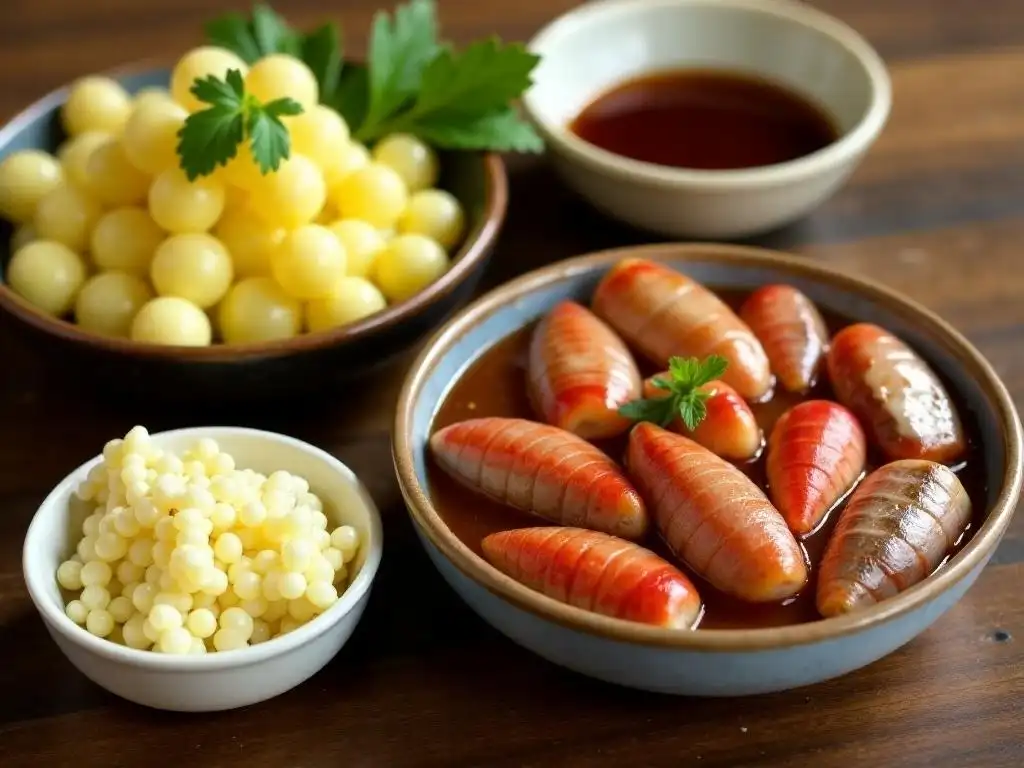
Edo period Japanese cuisine, which flourished from the early 17th to the mid-19th century, is characterized by a unique blend of ingredients that were influenced by the region's geography, climate, and urbanization. With the growth of Edo (modern-day Tokyo) as a major urban center, the culinary scene began to diversify, leading to the emergence of distinct flavors and cooking styles. The foundation of Edo cuisine lies in its staple ingredients, which formed the basis for a variety of dishes enjoyed by the vibrant population of this bustling city.
Staple Foods: Rice and Noodles
At the heart of Edo period cuisine was rice, regarded as the primary staple food. It was not only a dietary essential but also a symbol of wealth and status. The quality of rice varied, with koshihikari and yamadanishiki being particularly prized varieties. Rice was often served plain or shaped into balls known as onigiri, which could be filled with various ingredients.
Noodles also played a significant role in the diet of Edo's citizens. Soba (buckwheat noodles) and udon (thick wheat noodles) were commonly consumed. Soba was particularly favored for its health benefits, while udon was known for its satisfying texture. Both noodles were often served in simple broths or with dipping sauces, making them a quick and accessible meal for the urban populace.
Vegetables and Seasonings in Urban Cuisine
The Edo period saw a notable emphasis on seasonal vegetables and local produce. The introduction of agricultural advancements led to a greater variety of vegetables being cultivated, such as daikon radish, eggplant, and various leafy greens. These ingredients were often highlighted in dishes, showcasing their freshness and natural flavors.
Seasonings were crucial in enhancing the taste of Edo cuisine. Soy sauce ( shoyu), miso, and sake became staples in flavoring dishes. The combination of these seasonings created a umami-rich profile that defined many Edo dishes. Additionally, other condiments like wasabi and pickled vegetables provided a contrast to the savory elements, enriching the dining experience.
The Impact of Freshwater and Marine Resources
Edo's location near Tokyo Bay provided access to abundant freshwater and marine resources, profoundly influencing its culinary landscape. Fish became a central component of the diet, with a variety of seafood, including tuna, mackerel, and eel, served fresh or preserved. The practice of sukiyaki and nabe (hot pot) became popular, incorporating seasonal fish and vegetables.
Moreover, the development of preservation techniques, such as drying and fermenting, allowed for the transportation of seafood to inland areas, further diversifying the cuisine. The use of narezushi (fermented fish) and shirasu (whitebait) exemplifies the ingenuity of Edo cooks in maximizing the use of available resources while emphasizing flavor and nutrition.
Cooking Techniques and Styles in Edo Cuisine
Edo period Japanese cuisine is marked by a variety of cooking techniques and styles that reflect both traditional practices and innovative approaches. As urbanization progressed, the culinary methods evolved, giving rise to a vibrant food culture that catered to the tastes of the growing population.
Traditional Cooking Methods
Traditional cooking methods during the Edo period included boiling, grilling, steaming, and frying. Each technique played a crucial role in enhancing the flavors and textures of the ingredients. For example, grilling was commonly used for fish, allowing the natural oils to enhance the dish's flavor, while steaming preserved the freshness of vegetables.
Additionally, the use of earthenware pots and cast iron skillets became commonplace in kitchens, enabling cooks to create diverse dishes. The meticulous attention to detail in preparation and presentation became hallmark traits of Edo cuisine, with an emphasis on visual appeal as well as taste.
The Development of Street Food Culture
With the rise of urbanization, street food culture blossomed in Edo, providing convenience and variety to busy city dwellers. Stalls and vendors emerged, offering quick bites that catered to the fast-paced lifestyle of the population. Popular street foods included yakitori (grilled chicken skewers), takoyaki (octopus balls), and dango (rice dumplings), which were not only delicious but also affordable.
The street food scene contributed significantly to the culinary identity of Edo, allowing for experimentation with flavors and cooking techniques. These vendors often created a communal atmosphere, where people could gather, socialize, and enjoy a meal on the go.
Influence of Regional Cuisines on Edo's Culinary Scene
Edo was a melting pot of regional cuisines, with the influx of goods and ingredients from various provinces. This exchange allowed local specialties to be incorporated into the urban culinary framework. For instance, the kanto region's emphasis on fresh fish influenced the popularity of sashimi and sushi, while dishes from the kyoto area introduced refined techniques and aesthetic presentation.
As Edo became a cultural hub, the blending of regional flavors gave rise to unique culinary fusions, fostering a dynamic food scene that celebrated diversity. The result was a rich tapestry of flavors, techniques, and styles that established Edo cuisine as a cornerstone of Japanese culinary heritage.
The Edo period, spanning from 1603 to 1868, was a time of significant transformation in Japanese society, particularly in urban centers like Edo (now Tokyo). The culinary scene of this era reflected and influenced various social dynamics, including class distinctions, gender roles, and cultural celebrations. Food became more than sustenance; it represented social status, gender expectations, and community identity.
The Role of Food in Social Stratification
In Edo, food was closely tied to social stratification, with distinct culinary practices emerging among the different classes. The samurai class enjoyed elaborate meals featuring rare ingredients and intricate preparation methods, showcasing their status. Conversely, the merchant class, while wealthier than the samurai in some respects, often gravitated towards more accessible foods, such as street fare and simple rice dishes.
The common people, including laborers and artisans, primarily consumed rice and vegetables, with fish being a crucial protein source. Street vendors became prevalent, offering affordable options that catered to the tastes of the urban populace. This division not only manifested in the types of food consumed but also in dining etiquette, where higher classes displayed elaborate dining rituals, while commoners practiced more straightforward and communal eating styles.
Gender Roles in Culinary Practices
Gender roles were significantly defined in the kitchen during the Edo period. Men typically dominated the professional culinary scene, especially in larger establishments and restaurants, while women were often responsible for domestic cooking. This division of labor underscored societal expectations, with men viewed as providers and women as caretakers.
However, women did play a pivotal role in preserving and passing down culinary traditions within families. They were essential in the preparation of seasonal dishes and home-based meals, emphasizing the importance of nutrition and flavor. Despite their limited professional opportunities, many women contributed to the culinary landscape by operating small food stalls or shops, showcasing their culinary skills and ingenuity.
Festivals and Food: A Cultural Celebration
Festivals during the Edo period were vibrant events where food played a central role in cultural celebrations. Seasonal festivals, such as Hanami (flower viewing) and Tanabata (star festival), featured special dishes that symbolized the time of year. For example, sakura mochi (rice cakes wrapped in cherry leaves) became a popular treat during Hanami, reflecting the seasonal blooming of cherry blossoms.
These festivals fostered a sense of community, as families and friends gathered to share meals and participate in culinary traditions. Street foods, such as yakitori (grilled chicken skewers) and dango (sweet rice dumplings), became staples during these events, allowing communities to come together in a shared culinary experience that celebrated both culture and togetherness.
Notable Dishes of Edo Period Japanese Cuisine
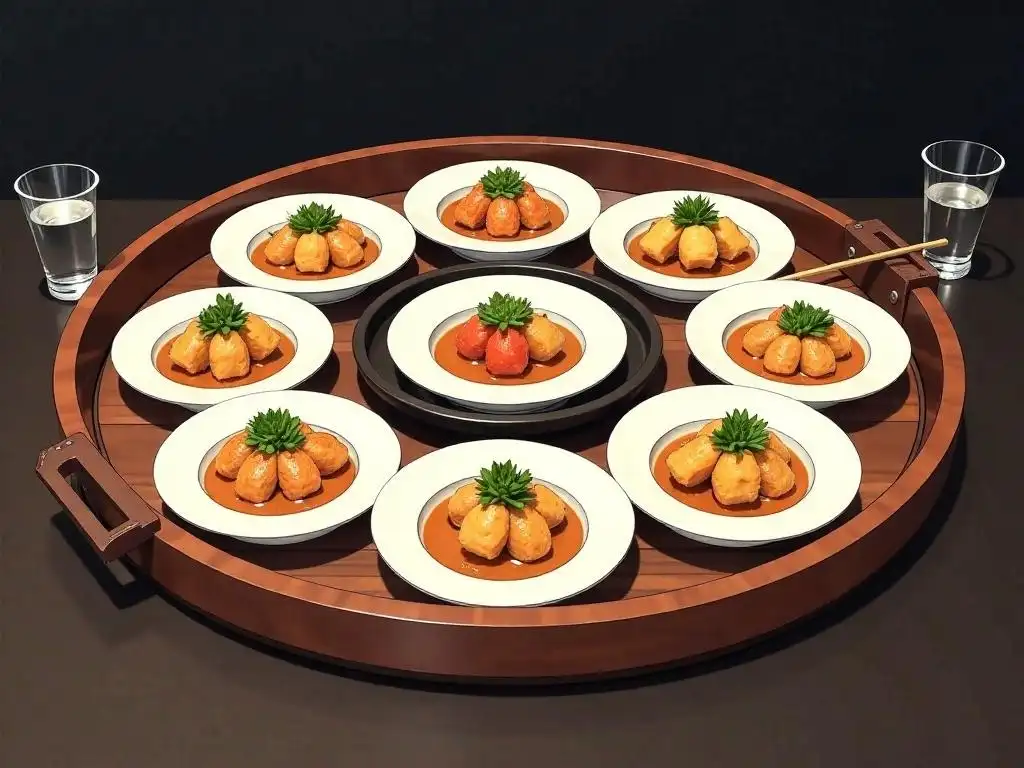
The Edo period was a golden age for Japanese cuisine, marked by the evolution of numerous dishes that have become staples in modern Japanese diet. This era witnessed the rise of unique culinary styles and the establishment of iconic dishes that reflect the region's rich cultural heritage.
Sushi: The Birth of a Culinary Icon
One of the most notable contributions of Edo period cuisine is sushi, particularly the nigiri sushi style that originated in Edo. Initially, sushi was a method of preserving fish in fermented rice, but during the Edo period, it transformed into a fast food option. Vendors began serving fresh fish atop small balls of vinegared rice, making it a popular street food among Edo's bustling urban population.
This era marked the beginning of sushi's evolution into a culinary icon, as sushi chefs developed techniques to enhance flavors and presentation. The accessibility of sushi contributed to its popularity, allowing even the common folk to enjoy this once-elite dish. Today, sushi remains synonymous with Japanese cuisine, showcasing its enduring legacy from the Edo period.
Unagi and Other Grilled Fish Dishes
Unagi, or grilled eel, emerged as another culinary hallmark of the Edo period. The preparation of unagi involved grilling the eel over charcoal and basting it with a sweet soy-based sauce, creating a savory dish that became a favorite among Edo residents. This method not only highlighted the freshness of the fish but also represented the emphasis on seasonal ingredients characteristic of Edo cuisine.
Grilled fish dishes gained popularity due to the abundance of fresh seafood available in Edo, thanks to its proximity to Tokyo Bay. Other grilled fish, such as sanma (Pacific saury) and saba (mackerel), also became staples, reflecting the culinary innovation and appreciation for local resources during this era.
Soba and Udon: Noodle Culture in Edo
Noodle culture flourished during the Edo period, with soba (buckwheat noodles) and udon (wheat noodles) emerging as beloved staples. Soba was often served cold with dipping sauce in the summer and hot in soups during colder months, showcasing its versatility. Udon, with its thick and chewy texture, became a comfort food, frequently enjoyed in hearty broth with various toppings.
Both noodles became ingrained in the culinary landscape of Edo, with numerous shops specializing in these dishes. The rise of noodle shops illustrated the shift towards a more casual dining experience, where patrons could enjoy a quick bowl of noodles in the bustling streets of Edo. This noodle culture remains a significant aspect of Japanese cuisine today, highlighting the lasting impact of the Edo period on culinary practices.
The Influence of Edo Culinary Scene on Modern Japanese Cuisine
The Edo period (1603-1868) was a transformative time in Japan, marked by urbanization and the rise of a vibrant culinary culture. The bustling city of Edo (modern-day Tokyo) became a melting pot of diverse food influences, leading to the establishment of what is now recognized as modern Japanese cuisine. The culinary practices that emerged during this era laid the groundwork for many contemporary dishes, techniques, and dining customs, making the influence of Edo cuisine profound and enduring.
Key Elements of Edo Cuisine:
- Seasonality: Edo cuisine emphasized using fresh, seasonal ingredients, a practice that remains a cornerstone of Japanese cooking today.
- Simplicity and Aesthetics: The focus on simplicity and visual presentation in Edo dishes has influenced modern plating and culinary aesthetics.
- Street Food Culture: The proliferation of food stalls and small eateries during the Edo period gave rise to popular street foods like sushi and tempura, which continue to be beloved staples in contemporary Japan.
The culinary innovations from Edo not only shaped regional Japanese cuisines but also contributed to the global appreciation of Japanese food, establishing a culinary identity that resonates around the world.
Transition from Edo to Meiji Era Cuisine
As Japan transitioned from the Edo period into the Meiji era (1868-1912), the culinary landscape evolved significantly due to both domestic and international influences. The Meiji Restoration initiated a wave of modernization, leading to the incorporation of Western ingredients and cooking techniques into traditional Japanese cuisine.
Key Changes During This Transition:
- Introduction of Western Ingredients: Foods such as bread, dairy, and various meats began to feature more prominently in Japanese diets.
- Fusion Dishes: The blending of Western and Japanese culinary traditions gave rise to new dishes, such as curry rice and tonkatsu (breaded pork cutlet).
- Culinary Education: The establishment of culinary schools and a growing interest in professional cooking led to a more structured approach to Japanese cuisine, building on the foundations laid during the Edo period.
Despite these changes, the essence of Edo cuisine remained embedded in the evolving culinary practices, ensuring that traditional flavors and techniques persisted.
Lasting Legacy of Edo Period Culinary Practices
The culinary practices established during the Edo period have left an indelible mark on Japan's food culture. Many fundamental aspects of Japanese cuisine, such as the emphasis on umami flavor, meticulous preparation methods, and presentation artistry, can be traced back to this era.
Notable Legacies Include:
- Sushi and Sashimi: Edo-style sushi, characterized by its use of fresh fish and vinegared rice, remains a staple in Japanese cuisine and has gained worldwide popularity.
- Noodle Dishes: Udon and soba noodles, which were widely consumed during the Edo period, continue to be integral to Japanese meals today.
- Tea Culture: The tea ceremony, refined during the Edo period, has evolved into a significant cultural practice that highlights the importance of tea in Japanese society.
These elements not only reflect the ingenuity of Edo cooks but also demonstrate the enduring appeal of their culinary innovations.
Modern Interpretations of Edo Cuisine
Today, chefs and food enthusiasts are increasingly revisiting Edo period culinary practices, often reinterpreting traditional dishes to suit modern palates. This revival is evident in various dining establishments, from high-end restaurants to casual eateries.
Contemporary Approaches:
- Kaiseki Ryori: The traditional multi-course meal has been adapted to incorporate seasonal ingredients while maintaining the aesthetic principles of Edo cuisine.
- Artisanal Techniques: Many chefs are rediscovering age-old cooking methods, such as fermentation and smoking, to enhance flavors and create unique dishes.
- Local Sourcing: There's a growing trend towards sourcing local ingredients, echoing the Edo period's focus on seasonality and freshness, which fosters sustainability.
These modern interpretations not only honor the legacy of Edo cuisine but also contribute to its ongoing evolution in a global culinary context.
Conclusion: The Enduring Impact of Edo's Culinary Scene
Edo's culinary scene has had a lasting impact on Japanese cuisine that continues to resonate today. The foundations laid during this vibrant period have paved the way for a rich culinary heritage that combines tradition with innovation.
Reflection on the Evolution of Japanese Urban Cuisine
Reflecting on the evolution of Japanese urban cuisine, it becomes clear that the Edo period played a crucial role in shaping the nation’s culinary identity. The blend of regional ingredients, diverse cooking techniques, and the rise of street food culture set the stage for an ongoing culinary journey that embraces both heritage and modernity.
Future Perspectives on Edo Period Influence in Cuisine
Looking ahead, the influence of Edo period cuisine is likely to continue evolving, adapting to contemporary tastes while maintaining its core principles. As global interest in Japanese food grows, chefs may further explore Edo culinary traditions, leading to new innovations and interpretations that honor the past while appealing to future generations. The enduring legacy of Edo cuisine assures its place at the heart of Japan's culinary landscape, inviting ongoing exploration and appreciation.
- Introduction to Edo Period Japanese Cuisine
- Historical Context of Edo Period Japanese Cuisine
- Historical Context of Edo Period Japanese Cuisine
- Key Ingredients in Edo Period Japanese Cuisine
- Cooking Techniques and Styles in Edo Cuisine
- Social Aspects of Edo Period Japanese Cuisine
- Notable Dishes of Edo Period Japanese Cuisine
- The Influence of Edo Culinary Scene on Modern Japanese Cuisine
- Conclusion: The Enduring Impact of Edo's Culinary Scene
- What is the Edo period in Japanese history?
- How did urbanization influence Japanese cuisine during the Edo period?
- What are some notable dishes from Edo period Japanese cuisine?
- How did Edo period cuisine differ from earlier Japanese food traditions?
- What role did culture play in shaping Edo period Japanese cuisine?
Frequently Asked Questions
What is the Edo period in Japanese history?
The Edo period (1603-1868) marks a time of peace and stability under the Tokugawa shogunate, leading to significant developments in culture, society, and economy, including cuisine.
How did urbanization influence Japanese cuisine during the Edo period?
The rise of urban centers like Edo (now Tokyo) fostered the growth of street food and local specialties, making cuisine more diverse and accessible to the masses.
What are some notable dishes from Edo period Japanese cuisine?
Popular dishes from this era include sushi, tempura, and ramen, which reflect the regional ingredients and cooking techniques that emerged during the period.
How did Edo period cuisine differ from earlier Japanese food traditions?
Edo period cuisine embraced urban influences and commercial trade, leading to innovative cooking methods and the use of new ingredients, moving away from the more traditional, rural fare.
What role did culture play in shaping Edo period Japanese cuisine?
The cultural exchange during the Edo period, including the influence of theater, art, and festivals, helped to elevate culinary practices and establish a rich culinary heritage that is still celebrated today.
Final Reflection: The Enduring Legacy of Edo Period Japanese Cuisine
Edo period Japanese cuisine not only shaped the culinary landscape of its time but continues to resonate profoundly in today's gastronomic practices. The intricate balance of flavors, seasonal ingredients, and meticulous presentation that characterized this era laid the groundwork for modern Japanese cuisine. As we explore the rich tapestry of Edo's culinary scene, we uncover a striking truth: the past is not merely a relic but a living influence that nourishes our present and future.
Edo's culinary innovations have left an indelible mark on our cultural identity, inspiring chefs and home cooks alike to honor tradition while embracing creativity. The emphasis on fresh, local ingredients and the art of kaiseki dining are just a few examples of how these historical practices have evolved into contemporary culinary expressions. As the renowned chef Masaharu Morimoto once said, Food is not just about sustenance; it’s about the experience and the stories behind it.
This sentiment encapsulates the essence of Edo period cuisine, reminding us that every dish carries a narrative that connects us to our heritage.
As you reflect on the lessons gleaned from Edo's culinary scene, consider how you can incorporate these principles into your own cooking and dining experiences. Embrace the beauty of seasonal ingredients, experiment with presentation, and honor the stories behind your meals. Let the legacy of Edo period Japanese cuisine inspire you to create not just food, but experiences that celebrate culture, history, and connection. In doing so, you contribute to a timeless tradition that continues to evolve and thrive in our modern world.
Savor the Flavors: Discover Your Next Culinary Adventure!
Thank you for exploring the rich tapestry of Edo's culinary scene with us! You've uncovered the vibrant history and evolution of Japanese urban cuisine, and now it's time to take those insights and transform them into action.
Here’s how you can dive deeper into this delicious culture:
- Try your hand at creating a classic Edo dish: Find a traditional recipe and bring a piece of history to your kitchen. Start with something simple, such as sushi or tempura, to delight your taste buds.
- Visit a local Japanese restaurant: Seek out eateries that focus on Edo-style dishes. Experience the culinary art firsthand while supporting local businesses.
- Share your journey: Document your cooking or dining experience on social media, and encourage friends to join you in exploring the flavors of Edo cuisine!
Now, we want to hear from you! What traditional Edo dish are you most excited to try or learn about?