
The Art of Serenity: Unraveling the Intricate Rituals of Japanese Tea Ceremonies

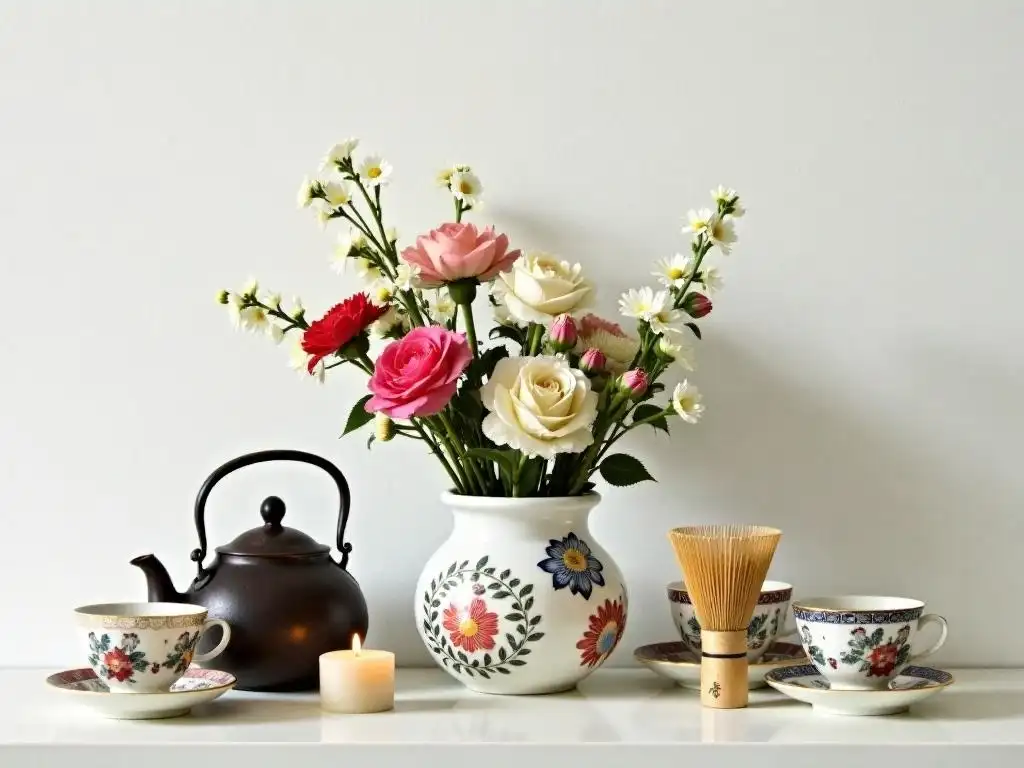
Welcome to Feudal Japan History, where we invite you to embark on a captivating journey through the intricate tapestry of Japan's feudal era. Here, you will discover the profound significance of Japanese tea ceremony rituals, a tradition steeped in history that reflects the elegance and serenity of a bygone age.
As you delve into our latest article, "The Art of Serenity: Unraveling the Intricate Rituals of Japanese Tea Ceremonies," prepare to uncover the layers of cultural heritage that shape this beautiful practice. Join us as we explore the delicate balance of artistry, philosophy, and social connection that these rituals embody, and let your curiosity guide you through the rich narrative of Japan’s past.
Introduction to Japanese Tea Ceremony Rituals
The Japanese tea ceremony, or chanoyu, is not merely a ritualistic preparation and serving of tea; it is a profound cultural practice that embodies the essence of Japanese aesthetics, philosophy, and social harmony. Rooted deeply in the principles of Zen Buddhism, these ceremonies are meticulously choreographed experiences that invite participants to appreciate the beauty in simplicity and the present moment.
The rituals surrounding the tea ceremony are steeped in historical significance, offering insights into the societal values and spiritual beliefs of feudal Japan. This article aims to explore the intricate rituals of Japanese tea ceremonies, unveiling their historical roots, cultural importance, and the philosophies that underpin them.
Overview of Japanese Tea Ceremonies
At its core, the Japanese tea ceremony is a spiritual and artistic expression that emphasizes harmony, respect, purity, and tranquility. The preparation and consumption of matcha (powdered green tea) serve as a medium for cultivating mindfulness and fostering a connection between host and guests. Each movement and gesture during the ceremony is deliberate and intentional, reflecting a deep respect for the tea, the utensils used, and the participants involved.
The ceremony typically unfolds within a purpose-built tea room, often surrounded by nature, which enhances the calming atmosphere. The aesthetic presentation of the tea utensils is equally significant; each piece is chosen not just for function but for its beauty and the emotions it evokes.
Significance of Tea in Japanese Culture
Tea has played a pivotal role in Japanese culture for centuries, evolving from a simple beverage to a symbol of hospitality and social engagement. The act of sharing tea fosters a sense of community and connection, transcending social hierarchies. In feudal Japan, where rigid class structures were prevalent, tea ceremonies provided a rare space for individuals from different backgrounds to engage respectfully and meaningfully.
Moreover, the ritual of tea drinking is imbued with philosophical depth, reflecting the Japanese ideals of simplicity and natural beauty. It embodies the notion that every encounter is unique and should be appreciated in its own right.
Historical Context of Tea Ceremonies in Feudal Japan
The origins of the Japanese tea ceremony can be traced back to the Tang dynasty in China, yet its unique evolution into a ceremonial practice occurred during the Kamakura period (1185–1333). The tea ceremony gained prominence in the Muromachi period (1336–1573), particularly through the influence of tea masters like Sen no Rikyū, who established the foundational principles of the ceremony that still resonate today.
During the feudal era, the tea ceremony became an essential aspect of the samurai culture, serving not only as a leisure activity but also as a means of diplomacy and conflict resolution. The rituals surrounding tea were often infused with elements of strategy and subtlety, reflecting the intricate social dynamics of the time.
The Philosophy Behind Japanese Tea Ceremony Rituals
The Japanese tea ceremony is steeped in philosophical principles that shape its practice and meaning. Understanding these philosophies can deepen one’s appreciation for the rituals involved and the serene beauty of the experience.
Zen Influence on Tea Ceremony Practices
Zen Buddhism profoundly influences the Japanese tea ceremony, particularly in its focus on mindfulness and the appreciation of the present moment. The preparation and serving of tea become a form of meditation, where practitioners immerse themselves fully in the experience, moment by moment. This Zen influence encourages participants to let go of distractions and immerse themselves in the tranquility of the ceremony.
The Concept of Wabi-Sabi in Tea Ceremonies
Central to the tea ceremony is the aesthetic of wabi-sabi, which finds beauty in imperfection and transience. This philosophy encourages participants to embrace simplicity and the natural cycle of life. The utensils used in the ceremony, often handmade and bearing the marks of time, exemplify this concept, inviting appreciation for their uniqueness and character.
The Role of Mindfulness in Japanese Tea Rituals
Mindfulness is a cornerstone of the Japanese tea ceremony, where every action—be it the whisking of matcha, the pouring of water, or the offering of tea—is performed with careful attention. This practice not only enhances the sensory experience but also cultivates a deeper connection between the host and guests. By focusing on the present, participants are encouraged to let go of their worries and fully engage in the moment, fostering a sense of peace and serenity.
Through this exploration of Japanese tea ceremony rituals, we will delve deeper into each of these aspects, unveiling the intricate layers that make this practice a profound reflection of Japan’s cultural heritage.
Essential Elements of Japanese Tea Ceremony Rituals
The Japanese tea ceremony, known as chanoyu or sado, is a profound cultural ritual that transcends the mere act of drinking tea. This ceremony embodies harmony, respect, purity, and tranquility—principles deeply rooted in Zen Buddhism. The essential elements that define these rituals include:
- Matcha: The powdered green tea used in the ceremony, which symbolizes the spiritual essence of the ceremony itself.
- Utensils: Various tools such as the tea bowl ( chawan), tea whisk ( chasen), and tea scoop ( chashaku) play pivotal roles and have their own significance and history.
- Setting: The tea room ( chashitsu) is meticulously designed to create a serene atmosphere, reflecting simplicity and beauty. The arrangement of flowers ( chabana) and the art displayed within the space also contribute to the overall experience.
- Participants: The roles of the host ( teishu) and guests ( kyaku) are clearly delineated, with each having specific responsibilities and etiquette to observe, fostering a sense of connection and respect.
These elements combine to create an immersive experience that invites participants to engage with themselves and their surroundings on a deeper level.
Types of Tea Used in Ceremonies
In Japanese tea ceremonies, the type of tea served is crucial, influencing both the flavor and the spiritual experience. The primary type of tea used is matcha, a finely ground powder made from specially grown green tea leaves. There are several variations of matcha, including:
- Usucha: A thin tea prepared with less matcha powder, resulting in a lighter flavor and frothier consistency.
- Koicha: A thick tea made with a greater amount of matcha, offering a richer flavor and a more textured experience.
Beyond matcha, other teas like gyokuro and sencha may occasionally be used in different styles of ceremonies, particularly when focusing on specific themes or seasons. Each type of tea carries its own unique flavor profile and cultural significance, enriching the overall ceremony.
Traditional Tea Utensils and Their Importance
The utensils used in a Japanese tea ceremony are not merely functional; they are imbued with meaning and artistry. Key utensils include:
- Chawan (Tea Bowl): Often handcrafted and unique, the tea bowl embodies aesthetic values and is chosen to complement the season and theme of the ceremony.
- Chasen (Tea Whisk): Made from bamboo, it is essential for whisking matcha into a frothy consistency. The craftsmanship of the chasen reflects the skill and dedication of its maker.
- Chashaku (Tea Scoop): Also made of bamboo, this scoop is used to measure the correct amount of matcha, emphasizing precision in preparation.
The careful selection and handling of these utensils demonstrate respect for the tea, the tradition, and the participants, reinforcing the ceremony's spiritual and cultural significance.
The Setting: Tea Room Design and Aesthetics
The tea room, or chashitsu, is an integral aspect of the Japanese tea ceremony, designed to create a tranquil and inviting atmosphere. Key features include:
- Simplicity and Natural Materials: Traditional tea rooms often use wood, paper, and clay, promoting an organic connection to nature.
- Zen Aesthetics: The design emphasizes asymmetry and simplicity, reflecting the principle of wabi-sabi, which finds beauty in imperfection.
- Tokonoma (Alcove): A dedicated space within the tea room for displaying art or floral arrangements, encouraging contemplation and appreciation of beauty.
The overall aesthetics of the tea room set the stage for the ceremony, fostering a serene environment that encourages mindfulness and reflection.
Stages of Japanese Tea Ceremony Rituals
The Japanese tea ceremony unfolds through a series of meticulously choreographed stages, each reflecting the values of respect and mindfulness inherent in the practice. Understanding these stages is crucial for appreciating the depth of the ritual.
Preparation Before the Ceremony
Preparation for the tea ceremony begins long before the guests arrive. The host engages in several essential tasks, including:
- Cleaning the Tea Room: Ensuring that the space is immaculate, which symbolizes respect for the guests.
- Selecting Utensils and Tea: Choosing the appropriate matcha and utensils based on the season and theme of the ceremony.
- Arranging the Space: Setting up the tea room to create an inviting and harmonious environment, often incorporating seasonal decorations.
This preparatory phase is not just about logistics; it is also a meditative practice that allows the host to center themselves in the spirit of the ceremony.
The Ritual of Serving Matcha
The serving of matcha is a central focus of the ceremony. The host follows a specific sequence of actions that emphasizes grace and intention:
- Whisking the Matcha: The host carefully adds matcha powder to the tea bowl and pours in hot water, using the chasen to whisk it into a frothy mixture.
- Serving the Tea: The host presents the tea bowl to the first guest, holding it with both hands, a gesture conveying respect and humility.
- Receiving the Tea: The guest acknowledges the offering with gratitude, taking the bowl with both hands and admiring the craftsmanship before taking a sip.
This exchange is rich in meaning, illustrating the interconnectedness between the host and guests and the importance of presence in the moment.
The Sequence of Actions: Step-by-Step Breakdown
The tea ceremony follows a well-defined sequence of actions, each imbued with significance. Here’s a step-by-step breakdown:
- Greet the Guests: The host welcomes guests into the tea room, setting a tone of warmth and hospitality.
- Purification Ritual: The host may perform a ritual cleansing of the utensils and the space, symbolizing purity and readiness.
- Preparation of Tea: The host prepares the matcha, demonstrating skill and mindfulness in each action.
- Serving the Tea: The host presents the tea bowl to each guest in turn, allowing for appreciation of both the tea and the bowl.
- Conversation and Reflection: Guests enjoy the tea while engaging in quiet conversation, reflecting on the experience and the beauty of the moment.
- Concluding the Ceremony: The host expresses gratitude, and the guests reciprocate, reinforcing the bonds formed during the ritual.
This sequence of actions emphasizes harmony and respect, capturing the essence of the Japanese tea ceremony as a profound cultural practice.
Cultural Variations in Japanese Tea Ceremony Rituals
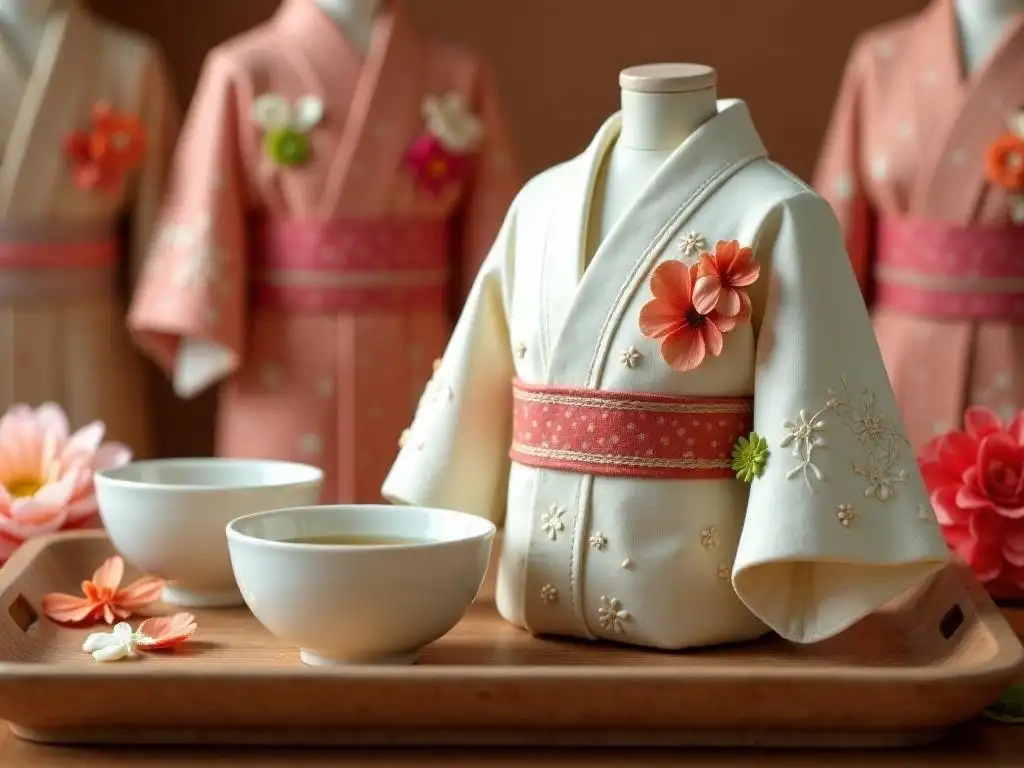
The Japanese tea ceremony, known as "chanoyu" or "sado," is a profound practice that encompasses much more than just the act of drinking tea. It is steeped in cultural significance and varies regionally, reflecting the unique traditions and philosophies of different areas in Japan. Each variation not only showcases the artistry involved in the ceremony but also emphasizes the values and social structures of the communities that practice them.
Regional Differences Across Japan
Japan's diverse geography has fostered distinct styles of tea ceremonies that reflect local customs, aesthetics, and tastes. For instance, the Urasenke style, originating from Kyoto, is known for its emphasis on simplicity and the intimate atmosphere created during the ceremony. In contrast, the Omotesenke school, also based in Kyoto, highlights the importance of hospitality and warmth in its rituals, often incorporating elaborate displays of seasonal elements.
In Hokkaido, the tea ceremony incorporates native ingredients, reflecting the region's local flora. Meanwhile, in Okinawa, the use of herbal teas instead of traditional matcha can be observed, demonstrating the cultural integration of various influences. These regional differences not only enrich the practice of tea ceremonies but also serve as a testament to Japan's cultural diversity.
Influences of Samurai Culture on Tea Practices
The samurai class played a pivotal role in shaping the rituals surrounding tea ceremonies. During the 15th and 16th centuries, tea drinking evolved from a simple beverage to a sophisticated art form, largely due to the samurai's appreciation for aesthetics, discipline, and mindfulness. Samurai, who were often engaged in warfare, found solace in the serene environment of tea ceremonies, where they could practice mindfulness and reflect on their experiences.
One notable figure, Sen no Rikyū, became an influential tea master whose philosophy emphasized simplicity, natural beauty, and the importance of the moment. His teachings integrated principles of Zen Buddhism, which further deepened the spiritual aspect of the tea ceremony, aligning it with the samurai's values of focus and tranquility. Thus, the samurai's influence is evident in the ritualistic nature of the ceremony, which emphasizes discipline, respect, and harmony.
Modern Adaptations of Traditional Tea Rituals
In contemporary Japan, while the traditional tea ceremony remains a revered practice, there are numerous modern adaptations that reflect the changing social landscape. Many tea houses now offer shorter, more accessible versions of the ceremony, catering to a younger audience that may not have the time or inclination for the full ritual. These adaptations often incorporate elements from global tea cultures, creating a fusion of tradition and modernity.
Additionally, the rise of wellness culture has brought renewed interest in tea ceremonies as a form of mindfulness practice. Workshops and classes are increasingly focusing on the meditative aspects of tea preparation and consumption, drawing participants from diverse backgrounds. This evolution not only preserves the essence of the Japanese tea ceremony but also makes it relevant to a broader audience, helping to ensure its survival in a rapidly changing world.
The Japanese tea ceremony is not merely a solitary ritual; it is a social event that fosters connections between individuals. The careful choreography of the ceremony, from the preparation of the tea to the sharing of cups, emphasizes the importance of relationships and the communal experience.
Building Relationships Through Tea Ceremonies
Tea ceremonies serve as a means to strengthen bonds among participants. The act of sharing tea creates an atmosphere of trust and openness, facilitating meaningful conversations and interactions. Whether among friends, family, or business associates, the tea ceremony offers a unique setting where formality is balanced with intimacy.
This ritual encourages participants to engage in mindful communication, promoting understanding and empathy. The structured nature of the ceremony, with its specific roles and protocols, allows individuals to step away from everyday pressures and enjoy the moment, reinforcing social ties and fostering connections that can last a lifetime.
The Role of Hospitality in Japanese Culture
Hospitality, or omotenashi, is a cornerstone of Japanese culture, and it is beautifully embodied in the tea ceremony. The host meticulously prepares for the event, considering every detail to ensure the comfort and enjoyment of the guests. This attention to detail reflects a deep respect for others and a commitment to providing a nurturing environment.
The host's actions—from the selection of utensils to the choice of tea—demonstrate thoughtfulness and care, elevating the ceremony to an art form. Guests, in turn, reciprocate this hospitality through their presence and appreciation, creating a cycle of respect and gratitude that enhances the overall experience.
Community and Connection in Tea Rituals
At its core, the tea ceremony is a celebration of community and shared experience. In many regions of Japan, tea ceremonies are organized as communal events, allowing individuals to come together, regardless of age or background. These gatherings reinforce social cohesion and create a sense of belonging among participants.
Furthermore, tea rituals often incorporate seasonal themes, fostering a connection with nature and the passage of time. This cyclical aspect of life is reflected in the choice of tea, the arrangement of flowers, and the overall ambiance of the ceremony. As communities come together to celebrate these moments, they not only honor tradition but also create lasting memories that strengthen their collective identity.
Conclusion: The Lasting Legacy of Japanese Tea Ceremony Rituals
The Japanese tea ceremony, or chanoyu, is more than just a ritualistic preparation of tea; it embodies a rich tapestry of cultural values, aesthetics, and philosophical principles. Rooted in Zen Buddhism, it emphasizes mindfulness, respect, and tranquility, qualities that resonate deeply within Japanese society. The intricate rituals associated with the tea ceremony reflect a meticulous attention to detail, from the selection of the tea utensils to the arrangement of the tea room, each element contributing to a serene and contemplative atmosphere.
As these ceremonies have evolved, they have maintained their relevance, adapting to modern contexts while preserving their traditional essence. The legacy of the Japanese tea ceremony is evident in various aspects of contemporary Japanese culture, influencing art, design, and social practices. It serves as a reminder of the beauty found in simplicity and the importance of taking a moment to appreciate the present.
Reflections on the Importance of Serenity in Tea Practices
Serenity is at the heart of the Japanese tea ceremony. The very act of preparing and serving tea provides a space for reflection and mindfulness. Participants engage in a meditative experience, where each movement is deliberate, and every sound contributes to a harmonious atmosphere. This focus on serenity fosters a deeper connection not only with oneself but also with others present, creating a communal experience that transcends everyday interactions.
In our fast-paced modern world, the significance of such moments of tranquility cannot be overstated. Embracing the principles of serenity found in tea practices can lead to improved mental health and well-being. By encouraging a slower pace and a mindful approach to life, Japanese tea ceremony rituals offer valuable lessons on the importance of pause and reflection.
The Relevance of Japanese Tea Ceremonies Today
Despite its historical roots, the Japanese tea ceremony remains relevant in contemporary society. Today, many people seek solace and meaning in their daily lives, often turning towards practices that promote mindfulness and well-being. The tea ceremony presents an accessible avenue for individuals to explore these themes, inviting them to engage in a practice that emphasizes community, respect, and harmony.
Moreover, as globalization fosters cultural exchanges, the appreciation of Japanese tea ceremonies has grown internationally. Many non-Japanese individuals and communities have embraced these rituals, recognizing their aesthetic and philosophical richness. This cross-cultural appreciation not only preserves the traditions of the tea ceremony but also allows for the evolution of new interpretations that resonate with diverse audiences.
Encouraging Participation in Tea Ceremony Rituals
Encouraging participation in Japanese tea ceremony rituals can be a rewarding endeavor. For those interested in experiencing this profound cultural practice, various avenues are available. Local tea houses, cultural centers, and even community events often host tea ceremonies, providing participants with the opportunity to learn from skilled practitioners.
Participating in a tea ceremony not only deepens one’s understanding of Japanese culture but also cultivates a sense of belonging and connection. By inviting friends or family to join in this experience, individuals can share the tranquility and beauty of the tea ceremony, fostering relationships and creating lasting memories.
Further Reading and Resources on Japanese Tea Ceremony Rituals
To delve deeper into the world of Japanese tea ceremony rituals, a wealth of resources is available for enthusiasts and scholars alike. These materials provide insights into the historical context, techniques, and philosophical underpinnings of the tea ceremony, enriching one’s understanding and appreciation of this art form.
Recommended Books on Japanese Tea Ceremonies
-
"The Book of Tea" by Okakura Kakuzō
This classic work explores the aesthetic and philosophical aspects of tea culture, emphasizing the importance of tea in Japanese life.
-
"The Tea Ceremony" by Sen Soshitsu XV
Written by a master of tea, this book offers an in-depth look at the practices, rituals, and teachings surrounding the Japanese tea ceremony.
-
"The Way of Tea: Reflections on a Japanese Tea Master" by Takashi Kato
This book provides a personal narrative and insights from a contemporary tea master, bridging traditional practices with modern interpretations.
Documentaries and Films on Tea Culture in Japan
-
"The Way of Tea"
A documentary that captures the essence of the Japanese tea ceremony, featuring interviews with masters and showcasing beautiful tea practices across Japan.
-
"Tea: A History"
This film traces the historical significance of tea in various cultures, including a segment dedicated to the tea ceremonies of Japan.
-
"Jiro Dreams of Sushi"
While primarily focused on sushi, this acclaimed documentary also touches on the importance of tea in Japanese dining culture.
Workshops and Classes for Learning Japanese Tea Rituals
For those eager to learn more about Japanese tea ceremony rituals, numerous workshops and classes are available:
-
Local Tea Houses
Many tea houses offer introductory classes where participants can learn about the history and practice of the tea ceremony in a welcoming environment.
-
Cultural Centers
Institutions focused on promoting Japanese culture often host workshops that delve into tea preparation and etiquette.
-
Online Courses
Various platforms provide online courses, allowing individuals to learn at their own pace and gain insights from experienced tea masters.
These resources not only enhance knowledge about Japanese tea ceremonies but also offer practical experiences that can deepen appreciation for this serene art form.
- Introduction to Japanese Tea Ceremony Rituals
- The Philosophy Behind Japanese Tea Ceremony Rituals
- Essential Elements of Japanese Tea Ceremony Rituals
- Stages of Japanese Tea Ceremony Rituals
- Cultural Variations in Japanese Tea Ceremony Rituals
- The Social Aspects of Japanese Tea Ceremony Rituals
- Conclusion: The Lasting Legacy of Japanese Tea Ceremony Rituals
- Further Reading and Resources on Japanese Tea Ceremony Rituals
Frequently Asked Questions
What is the significance of the Japanese tea ceremony rituals?
The Japanese tea ceremony rituals symbolize harmony, respect, purity, and tranquility. These ceremonies are a way to appreciate the moment and connect with nature and others.
How did the tea ceremony evolve during the feudal era of Japan?
During the feudal era, the tea ceremony evolved as a reflection of Zen Buddhism, emphasizing simplicity and mindfulness. It became a medium for the samurai class to demonstrate their cultured sophistication.
What are the main components of a tea ceremony?
A typical tea ceremony involves careful preparation of matcha tea, the arrangement of utensils, and deliberate rituals that promote serenity and aesthetic appreciation.
Who are the key figures in the history of Japanese tea ceremonies?
Notable figures include Sen no Rikyū, who is credited with refining the tea ceremony into its present form, emphasizing the importance of spirituality and artistry within the rituals.
Can anyone participate in a Japanese tea ceremony?
Yes, anyone can participate in a Japanese tea ceremony, as it serves as a welcoming experience. However, understanding the rituals and etiquette enhances the appreciation of this cultural practice.
Final Reflection: Embracing Tranquility Through Japanese Tea Ceremony Rituals
In a world that often feels chaotic and fast-paced, the Japanese tea ceremony rituals offer a profound reminder of the beauty found in simplicity and mindfulness. These intricate ceremonies are not merely about the act of drinking tea; they embody a philosophy that encourages us to pause, reflect, and appreciate the present moment. As we navigate our daily lives, the lessons embedded in these rituals resonate more than ever, urging us to cultivate serenity amidst the noise.
The influence of Japanese tea ceremony rituals extends far beyond their cultural origins, shaping our understanding of mindfulness and intentional living. In a society increasingly focused on productivity and efficiency, these ceremonies serve as a gentle nudge towards slowing down and savoring life's fleeting moments. As the renowned philosopher D.T. Suzuki once said, The tea ceremony is a way of life that teaches us to appreciate the beauty of simplicity.
This perspective invites us to explore how we can incorporate such mindfulness into our own lives, fostering a deeper connection with ourselves and the world around us.
As you reflect on the themes presented in this article, I encourage you to consider how you can integrate the principles of the Japanese tea ceremony into your daily routine. Take a moment to breathe, to be present, and to find joy in the small rituals of life.
Whether it's brewing a cup of tea or simply pausing to appreciate a sunset, let these practices remind you of the serenity that can be cultivated through intentionality. In doing so, you not only honor the rich tradition of the Japanese tea ceremony but also embark on a personal journey towards a more peaceful and fulfilling existence.
Embrace Tranquility: Experience the Essence of Japanese Tea Culture!
Thank you for diving into the beautiful world of Japanese tea ceremonies with us! You've taken a step towards understanding a profound tradition that celebrates mindfulness and artistry. Now, it’s time to bring a piece of this serenity into your life.
Here are some inspiring actions you can take to deepen your connection with this enchanting practice:
- Participate in a local tea ceremony: Seek out workshops in your area to experience the rituals firsthand and immerse yourself in the calming atmosphere.
- Create your own tea space at home: Designate a small corner in your home for tea preparation and practice, where you can reflect and unwind each day.
- Explore a variety of teas: Discover different types of Japanese tea—such as Matcha, Sencha, and Gyokuro—and try brewing them at home to uncover their unique flavors!
As you reflect on the rituals of the tea ceremony, consider which aspect resonates with you the most— the mindfulness, the artistry, or the tradition? We invite you to share your thoughts and join the conversation!