
The Transition from Samurai to Peasant: Economic Shifts in Japan's Feudal Era


Welcome to Feudal Japan History, where we invite you to journey through the captivating tapestry of Japan's feudal era. Here, we delve into the economic shifts in feudal Japan, unraveling the intricate dynamics that led to the dramatic transition from samurai to peasant. What forces shaped the lives of these warriors and the agrarian society they governed?
Join us as we explore the profound transformations that not only redefined social hierarchies but also laid the groundwork for modern Japan. Prepare to be intrigued, as each article opens a door to a past rich with lessons and legacies waiting to be discovered!
- Introduction to Economic Shifts in Feudal Japan
- The Role of the Samurai in Feudal Japan
- Factors Leading to Economic Shifts in Feudal Japan
- Transition from Samurai to Peasant: Causes and Consequences
- The Impact of Economic Shifts on Japanese Society
- Comparative Analysis: Samurai Economy vs. Peasant Economy
- Conclusion: Legacy of Economic Shifts in Feudal Japan
-
Frequently Asked Questions
- What were the main economic shifts in feudal Japan?
- How did the role of samurai change during these economic shifts?
- What impact did these economic changes have on Japanese society?
- How did trade contribute to the economic shifts in feudal Japan?
- What were some cultural effects of the economic transitions in feudal Japan?
- Final Reflection: Understanding Economic Shifts in Feudal Japan and Their Lasting Legacy
- Embrace the Journey of Japan's Transformation!
Introduction to Economic Shifts in Feudal Japan
The economic landscape of feudal Japan was intricate, marked by a complex web of social hierarchies, agricultural practices, and evolving trade networks. This article delves into the economic shifts in feudal Japan, focusing on the transition from a warrior-dominated society to one increasingly influenced by peasant labor and agricultural production. By examining the roles of samurai, farmers, and merchants, we can gain a better understanding of how economic factors shaped the social and political dynamics of the era. This exploration not only highlights the significance of these transitions but also contextualizes the broader historical implications for Japan's development.
Overview of Japan's Feudal Era
Japan's feudal era, spanning from the late 12th century to the mid-19th century, was characterized by a decentralized political structure where power was held by local lords (daimyō) and their samurai retainers. The society was stratified into distinct classes:
- Samurai: The warrior class, serving as both military leaders and local administrators.
- Peasants: The backbone of the economy, primarily engaged in agriculture and responsible for food production.
- Merchants: Often seen as lower in social status, they played a crucial role in trade and commerce.
Throughout this period, the economic focus shifted from a predominantly samurai-centric model to one that increasingly relied on the productivity and organization of peasant farmers. This transition was influenced by various factors, including changes in agricultural techniques, population growth, and the rise of market economies.
Importance of Understanding Economic Transitions
Understanding the economic transitions in feudal Japan is vital for several reasons:
- Historical Insight: Analyzing economic shifts helps us comprehend how Japan evolved from a feudal society to a more centralized state, ultimately leading to the modernization efforts of the Meiji Restoration.
- Cultural Context: The economic dynamics during this era influenced social structures, cultural practices, and the relationships between different classes, particularly between samurai and peasants.
- Lessons for Modern Economies: By studying these historical economic shifts, contemporary societies can glean valuable insights into the impacts of class structures, resource allocation, and agricultural productivity on national development.
In exploring the economic shifts from samurai to peasant, we uncover the intricate connections between economic practices and societal changes, shedding light on an essential chapter of Japan's rich history.
The Role of the Samurai in Feudal Japan
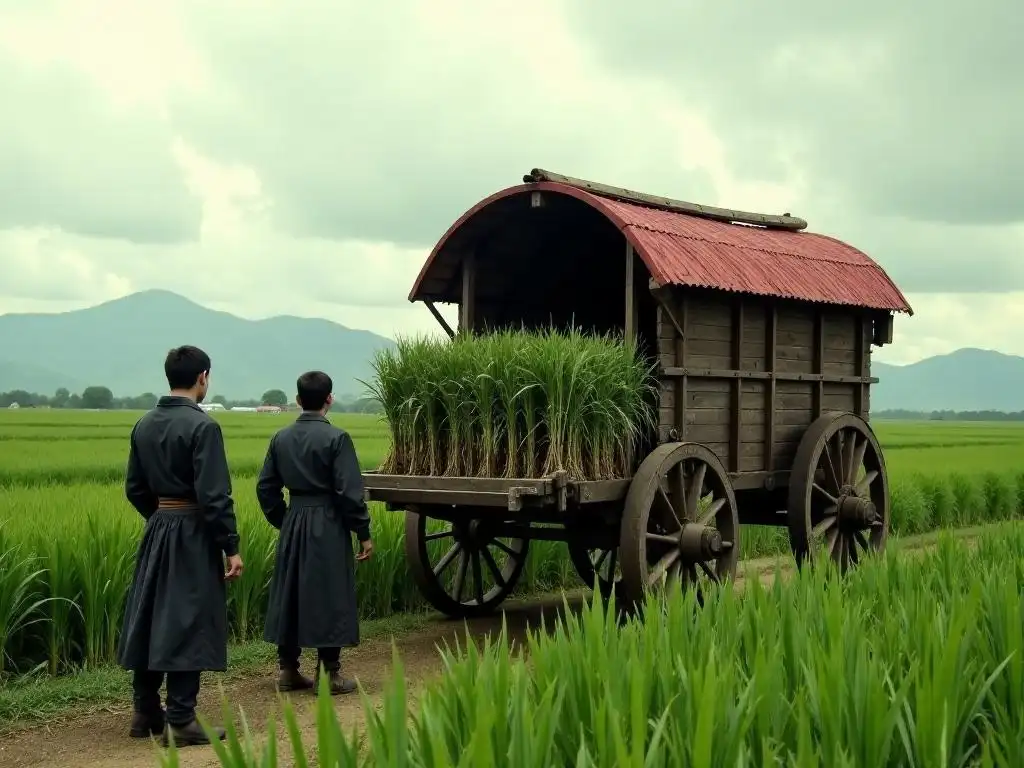
The samurai class played a pivotal role in the feudal structure of Japan, not only as warriors but also as key players in the economy. The evolution of their status and economic power significantly influenced the socio-economic landscape during this era.
The samurai were not merely warriors; they were the elite class within the feudal hierarchy. Their social status was both a privilege and a responsibility, deeply intertwined with the economic dynamics of feudal Japan.
- Feudal Hierarchy: At the top of the social structure, samurai held significant power and authority, often serving as vassals to powerful lords (daimyōs). This relationship was built on mutual obligations, where loyalty and military service were exchanged for land and sustenance.
- Economic Influence: The economic power of the samurai stemmed from their control over land and resources. They collected taxes from the peasants working on their estates, which provided not only their livelihood but also funds to maintain their military obligations.
- Cultural Capital: Samurai were also seen as cultural stewards, promoting art, literature, and education. Their patronage of culture often came from their economic wealth, establishing them as both economic and cultural leaders within society.
The samurai's economic influence waned towards the end of the feudal era, particularly during the Edo period, as a more commercial economy began to emerge. This shift altered their role and status, leading to a gradual transformation in their economic power.
Samurai as Landowners and Military Leaders
The dual role of samurai as landowners and military leaders was crucial in shaping Japan's feudal economy. This relationship was characterized by several key aspects:
- Land Ownership Structures: Samurai were granted land by their lords for their military service. This land was often worked by peasants, who provided the samurai with agricultural produce. The size and productivity of a samurai's land directly influenced their wealth and status, creating a strong connection between land and economic power.
- Military Service and Economic Obligations: As military leaders, samurai were expected to lead their troops in battle, which required significant resources. The economic stability provided by their land allowed them to equip and maintain their forces. Consequently, the economic shifts in feudal Japan often correlated with military campaigns and the need for resources to support them.
- Impact of Economic Changes: With the rise of commerce and the increasing importance of trade, the traditional land-based economy began to transition. Many samurai adapted by engaging in trade or investing in merchant activities, which further complicated their status as both warriors and landowners.
The intricate relationship between the samurai's economic power and their role as military leaders illustrates the dynamic nature of feudal Japan's economy. Understanding these connections provides insight into the broader economic shifts occurring during this transformative period in Japanese history.
By examining the role of the samurai and their economic influence, we gain a clearer picture of the underlying forces at play in feudal Japan, highlighting how shifts in economic power impacted not only the samurai class but the entire social structure of the era.
Factors Leading to Economic Shifts in Feudal Japan

Political Changes and Their Economic Implications
The political landscape of feudal Japan profoundly influenced its economy, particularly through shifts in power dynamics, land ownership, and governance structures. The transition from the Heian period to the Kamakura period marked a significant change, as the emergence of the samurai class began to reshape the economic framework.
- Rise of the Samurai Class: The samurai, originally warriors, transitioned into landholders and local rulers, impacting land distribution. As they gained control, the traditional aristocratic land ownership waned, leading to a redistribution of wealth. This shift not only altered who controlled resources but also how agriculture was managed.
- Shogunate Systems: The establishment of shogunates centralized power and introduced new tax systems, which affected the peasantry. The Kamakura shogunate, for instance, imposed taxes on rice and agricultural products, creating a direct link between agricultural output and political authority. This system incentivized increased agricultural production, as landowners sought to maximize yields to satisfy both local lords and central governance.
- Civil Wars and Economic Disruption: Internal conflicts, such as the Genpei War, disrupted agricultural production and shifted economic power. The devastation of farms led to a reliance on trade and the emergence of new markets, as communities sought alternative means of sustenance and income.
Agricultural Innovations and Productivity Increases
Agricultural advancements played a crucial role in the economic shifts of feudal Japan, enhancing productivity and altering societal structures. These innovations not only allowed for increased food production but also facilitated trade and the growth of urban centers.
- Introduction of New Crops: The introduction of new rice strains, such as Koshihikari, significantly improved yields. Rice became the cornerstone of the Japanese economy, serving both as a staple food and a form of currency in trade systems. This agricultural revolution allowed for population growth and urbanization.
- Irrigation Techniques: Enhanced irrigation methods, including the development of complex water management systems, allowed farmers to cultivate previously uncultivable lands. This innovation increased the total arable land and improved resilience against droughts, ensuring a more stable food supply.
- Feudal Land Management: The system of shiki, where land was divided among different lords and peasants, led to specialized farming practices. Peasants became more skilled in their local crops, which contributed to localized economies and trade networks.
The Rise of Trade and Merchant Class
As agricultural productivity surged, a corresponding rise in trade and the merchant class emerged, marking a significant economic shift in feudal Japan. The growing interdependence between agriculture and commerce transformed social structures and economic relationships.
- Expansion of Markets: With surplus production, local markets flourished. Farmers began selling excess rice and goods, leading to the establishment of regional trade networks. This growth laid the groundwork for the emergence of towns and cities as commercial hubs.
- Emergence of the Merchant Class: As trade expanded, a new social class of merchants emerged, challenging the traditional samurai-dominated hierarchy. This class played a vital role in the economy, facilitating the exchange of goods and services, and thus became integral to the economic fabric of feudal Japan.
- Influence of the Silk Road and International Trade: The connections to broader trade routes, including the Silk Road, introduced foreign goods and ideas, further stimulating local economies. The influx of luxury goods created a desire for trade, leading to a more sophisticated economy and challenging the self-sufficient nature of feudal estates.
The economic shifts in feudal Japan were driven by a complex interplay of political changes, agricultural innovations, and the rise of trade, leading to a transformative period that laid the foundation for Japan's future economic development.
Transition from Samurai to Peasant: Causes and Consequences

The transition from samurai to peasant during Japan's feudal era marks a significant shift in the socio-economic landscape. This transformation was not merely a consequence of military defeat or political upheaval; rather, it was shaped by a variety of interconnected causes, including economic pressures, changing societal roles, and the restructuring of land ownership. Understanding these dynamics is crucial for grasping the broader implications of economic shifts in feudal Japan.
Decline of Samurai Power and Influence
The samurai class, once the elite warriors of feudal Japan, began to experience a decline in power and influence during the late 16th and early 17th centuries. Several factors contributed to this decline:
- Centralization of Power: The unification of Japan under leaders like Tokugawa Ieyasu led to a centralized government that diminished the autonomy of regional samurai lords (daimyō). This shift reduced their political power and influence over local affairs.
- Economic Changes: As commerce flourished, the samurai's reliance on agricultural income became increasingly untenable. The emergence of a merchant class began to challenge the traditional economic foundations of samurai households.
- Cultural Shifts: The changing cultural landscape, marked by the rise of urban centers and the increasing importance of trade and commerce, further marginalized the samurai's role. The samurai's identity, once defined by martial prowess and noble lineage, began to evolve as they adapted to the new economic realities.
The decline of samurai power not only affected their status but also had profound implications for the economy of feudal Japan, as many samurai found themselves struggling to maintain their livelihoods.
Economic Pressures on Samurai Households
Economic pressures significantly impacted samurai households, leading to a transformation in their roles and responsibilities. Key factors include:
- Land Taxation: The imposition of heavy land taxes by the central government strained samurai finances. Many samurai found it increasingly difficult to sustain their lifestyle, which had been heavily reliant on agricultural production.
- Increased Debt: As samurai households struggled to meet their financial obligations, many resorted to borrowing from merchants and moneylenders. This created a cycle of debt that further diminished their economic stability and independence.
- Declining Agricultural Productivity: Natural disasters, such as famines and floods, combined with a lack of technological advancement in agriculture, led to declining yields. This decline severely impacted samurai who depended on their land for income.
The economic pressures forced many samurai to seek alternative sources of income, often leading them to abandon their warrior status and adopt roles more akin to those of peasants or merchants.
Restructuring of Land Ownership: From Samurai to Peasant
The shift in land ownership during the feudal era was a critical element in the transition from samurai to peasant. This restructuring involved several key developments:
- Redistribution of Land: As samurai lost their economic power, land that was once held by samurai families began to be redistributed among peasants. This redistribution allowed for a more dynamic agricultural economy, where peasants gained greater control over their land and production.
- Rise of Peasant Autonomy: With the decline of samurai authority, peasants began to assert greater control over agricultural practices. They formed cooperative farming systems and became increasingly self-sufficient, thus altering the traditional feudal hierarchy.
- Emergence of New Economic Models: The transition led to the emergence of new economic models that centered around peasant agriculture and local markets. These changes not only transformed land ownership but also fostered the growth of a merchant class that thrived on the increased trade and commerce.
The restructuring of land ownership not only marked a pivotal economic shift but also laid the groundwork for the social transformations that would define Japan in the centuries to come.
The transition from samurai to peasant during Japan's feudal era was driven by a complex interplay of declining power, economic pressures, and the restructuring of land ownership. These factors collectively contributed to significant economic shifts in feudal Japan, reshaping the societal landscape and the roles of its inhabitants.
The Impact of Economic Shifts on Japanese Society

The economic shifts in feudal Japan significantly altered the social hierarchy, reshaping the relationships between samurai, peasants, and emerging classes. Traditionally, the samurai occupied a privileged position within the hierarchy, enjoying land ownership and the benefits of military service. However, as economic conditions fluctuated, particularly during the late Muromachi period, many samurai faced financial difficulties due to the decline of their stipends and the increasing burden of taxation.
As economic shifts began to take root, the rigid class structure started to show signs of flexibility. Wealthy merchants, previously viewed with suspicion, began to amass considerable wealth through trade and the burgeoning market economy. This newfound economic power led to a gradual but noticeable shift in societal roles. Merchants started to gain influence, challenging the established dominance of the samurai class. By the Edo period, the merchant class, known as "chōnin," had emerged as a significant force within urban centers, actively participating in the economy and influencing cultural trends.
Key Factors Influencing the Hierarchical Changes:
- Decline of Samurai Wealth: Many samurai lost land and income, forcing them into new economic roles.
- Growth of Merchant Power: The expansion of trade networks allowed merchants to elevate their status.
- Urbanization: The rise of cities provided new opportunities for commerce, shifting power dynamics.
Effects on Rural Communities and Peasant Life
The economic shifts in feudal Japan also had profound effects on rural communities and the lives of peasants. As the samurai class struggled economically, they increasingly relied on the agricultural production of peasants. This led to a more exploitative system where peasants were subjected to higher taxes and labor demands, which in turn fueled discontent and resistance.
The introduction of new agricultural techniques and crops, such as rice and cotton, became pivotal for peasant life. Increased productivity allowed some rural communities to thrive, but the benefits were not evenly distributed. Wealthier landowners, often samurai, benefited disproportionately, while many peasants remained in precarious conditions.
Notable Changes in Rural Life:
- Agricultural Innovations: Introduction of new farming methods improved yields but often led to increased taxation.
- Peasant Revolts: Frustration with heavy taxation and exploitation led to uprisings, highlighting the tensions within rural society.
- Community Structures: Rural communities became more organized, with peasants forming alliances to resist oppressive practices.
The Emergence of a New Economic Class
As the economic landscape of feudal Japan transformed, a new economic class began to emerge, challenging the traditional dominance of the samurai. This class, primarily composed of wealthy merchants and skilled artisans, played a crucial role in the transition from a feudal economy to a more market-oriented system.
The rise of this new class was facilitated by several factors, including the growth of trade, the establishment of urban centers, and the increasing demand for goods and services. With the decline of the samurai's financial power, these merchants and artisans began to invest in land and production, effectively becoming the new economic backbone of Japanese society.
Characteristics of the Emerging Economic Class:
- Diversified Investments: Wealthy merchants began investing in various enterprises, including agriculture and manufacturing.
- Cultural Influence: This class not only affected the economy but also influenced culture, leading to advancements in arts and crafts.
- Political Engagement: As their economic power grew, so did their political influence, enabling them to challenge samurai authority.
The economic shifts in feudal Japan, therefore, not only redefined the social structure but also paved the way for a more dynamic and complex society, setting the stage for the eventual modernization of Japan in the subsequent centuries.
Comparative Analysis: Samurai Economy vs. Peasant Economy

Economic Structures and Livelihoods
The economic structures of feudal Japan were intrinsically linked to the roles of samurai and peasants. The samurai economy was primarily characterized by a feudal system where warriors served as both military leaders and landholders. They received stipends in the form of rice or other commodities, which were directly tied to the productivity of the land they governed. This hierarchical structure placed samurai at the top of the economic pyramid, where their wealth was often derived from the agricultural output of the peasantry.
In contrast, the peasant economy was predominantly agrarian and labor-intensive. The majority of peasants worked the land, producing rice, millet, and various vegetables. Their livelihoods were precarious, dependent on the fertility of the soil, weather conditions, and the demands of their samurai overlords. Peasants were often required to pay heavy taxes, which were taken from their harvests, leaving them with limited resources for sustenance. The economic relationship between samurai and peasants was symbiotic yet exploitative, with samurai relying on peasant labor for their wealth while peasants maintained a subsistence level of existence.
- Samurai Economy:
- Land ownership
- Stipends based on land productivity
- Military and political responsibilities
- Peasant Economy:
- Agrarian labor
- Tax obligations to samurai
- Limited economic mobility
Differences in Wealth Distribution
Wealth distribution in feudal Japan starkly reflected the social hierarchy, with samurai owning large estates and enjoying a significant portion of the nation’s resources. According to historical records, the samurai class held approximately 30% of the land, which produced the majority of agricultural output. This concentration of wealth allowed samurai to maintain their status and power, often leading to further economic disparity.
On the other hand, peasants, making up the bulk of the population, were trapped in a cycle of poverty. Despite their crucial role in food production, they received only a fraction of the wealth generated from their labor. The tax burdens imposed by the samurai class meant that any surplus from their harvests often went directly to their lords, perpetuating their economic struggles.
- Wealth Distribution:
- Samurai:
- Controlled 30% of land
- Access to resources and political power
- Peasants:
- Limited access to wealth
- Subject to taxation and obligations
- Samurai:
The disparities in wealth distribution not only affected the daily lives of individuals but also contributed to social unrest and dissatisfaction, leading to significant historical events such as the Peasant Revolts.
Long-term Effects on Japan's Economy
The economic shifts from a samurai-dominated economy to one that increasingly recognized the role of the peasantry had profound long-term effects on Japan's economic landscape. As the samurai class began to decline in the late Edo period, the significance of agricultural production and peasant labor became more apparent. This transition led to enhanced agricultural techniques and an emphasis on productivity, as the state sought to stabilize its economy.
Moreover, the gradual decline of the samurai class paved the way for the emergence of a more equitable economic system. The Meiji Restoration marked a critical transition where former samurai lands were redistributed, allowing for a burgeoning merchant class and the rise of industrialization. This reallocation of resources contributed to a more diversified economy, laying the groundwork for Japan's modernization in the late 19th and early 20th centuries.
- Long-term Economic Effects:
- Shift towards agricultural productivity
- Redistribution of land and resources
- Rise of the merchant class and industrialization
Ultimately, the economic shifts in feudal Japan reflect a complex interplay between social structures and economic practices, shaping the trajectory of Japan’s development and its eventual emergence as a modern economic power.
Conclusion: Legacy of Economic Shifts in Feudal Japan
Reflection on the Transition from Samurai to Peasant
The transition from samurai to peasant during Japan's feudal era represents a profound economic shift that reshaped the societal structure of the time. This transformation was catalyzed by several factors, including the decline of the samurai's military role and the increasing importance of agriculture as the backbone of the economy. As the samurai class began to lose its traditional power, many former warriors found themselves relegated to agricultural labor, leading to a significant reconfiguration of social hierarchies.
One notable aspect of this transition was the shift in land ownership. As the samurai lost their military significance, they often had to sell or lease their lands to wealthy merchants or landowners. This created a new class of wealthy peasants who were able to accumulate capital and invest in more efficient farming techniques. The introduction of rice as a standardized currency further facilitated this economic shift, as it became a means for peasants to trade and accumulate wealth, thereby altering the traditional power dynamics.
Furthermore, this shift catalyzed the emergence of a cash-based economy, which diminished the previously dominant bartering systems. With the rise of commerce, peasants began engaging in trade, which fostered a new economic landscape. This transition is crucial for understanding how the samurai's decline led to a more diversified economy that relied less on feudal obligations and more on market relationships.
Understanding the Lasting Impact of Economic Changes on Modern Japan
The economic shifts during feudal Japan laid the groundwork for many aspects of modern Japanese society. The decline of the samurai class and the rise of a more economically empowered peasantry contributed to the formation of a merit-based society. This development has had lasting implications for Japan's contemporary social dynamics, where economic success is often seen as a reflection of individual capability rather than hereditary privilege.
Additionally, the transformation from a feudal economy to one characterized by commerce and agriculture has influenced Japan's industrialization. The agricultural advancements and capital accumulation initiated during the feudal period set the stage for Japan's rapid industrial growth in the late 19th and early 20th centuries. The skills and innovations developed by peasants and landowners were instrumental in driving forward Japan's economic progress.
The economic shifts in feudal Japan, particularly the transition from samurai to peasant, not only shaped the historical context of the time but also left a lasting legacy that continues to inform Japan's economic and social structures today. Understanding these shifts provides invaluable insights into the evolution of Japan's economy and the enduring influence of its feudal past.
Frequently Asked Questions
What were the main economic shifts in feudal Japan?
The economic shifts in feudal Japan included a transition from a samurai-centric economy to one that prioritized agricultural production and the rising influence of peasant farmers.
How did the role of samurai change during these economic shifts?
As the economy shifted, the role of samurai evolved from primarily warriors to becoming more involved in administration and land management, reflecting changes in societal structure.
What impact did these economic changes have on Japanese society?
The changes led to a more diverse social structure, with increased power for peasant classes, which directly influenced political dynamics and the eventual rise of the merchant class.
How did trade contribute to the economic shifts in feudal Japan?
Trade expansion during the feudal era facilitated the growth of markets and commerce, allowing for greater economic interaction between regions, which significantly impacted local economies.
What were some cultural effects of the economic transitions in feudal Japan?
The economic transitions spurred cultural developments, including a rise in artistic expressions and a shift in values, emphasizing hard work and the importance of agriculture over martial prowess.
Final Reflection: Understanding Economic Shifts in Feudal Japan and Their Lasting Legacy
The exploration of economic shifts in feudal Japan reveals a profound transformation that not only reshaped the social fabric of the era but also laid the groundwork for modern Japan. Today, as we navigate our own economic challenges and societal changes, the lessons from this historical transition remind us of the resilience and adaptability required in the face of upheaval. The journey from samurai to peasant illustrates how economies evolve, often in response to broader societal needs and pressures, and underscores the importance of understanding our past to navigate our future.
The impact of these economic shifts extends far beyond the historical context; they resonate within our cultural and social landscapes today. The transition from a warrior class to agrarian society reflects the dynamic nature of economic systems and the human experience. As we witness similar shifts in our own economies, it is essential to recognize the interconnectedness of social roles and economic structures. History is not a burden on the memory but an illumination of the soul.
This quote encapsulates the idea that understanding our past can enlighten our present and guide our future.
As we reflect on the lessons learned from the economic shifts in feudal Japan, I invite you to consider your own role in the ongoing evolution of our society. How can you apply the insights gained from this historical transition to your life and community? Embrace the opportunity to adapt, innovate, and contribute positively to the economic and social landscapes around you. In doing so, you not only honor the legacy of those who came before us but also pave the way for a brighter future.
Embrace the Journey of Japan's Transformation!
Thank you for taking the time to explore the fascinating shifts in Japan's feudal economy. You've uncovered the intricate layers of history that shaped a nation, and now it's your turn to delve deeper and engage with this captivating topic!
Here’s how you can continue your journey of discovery:
- Explore Additional Resources: Visit our website for more in-depth articles and resources about feudal Japan and its societal changes.
- Engage with Our Community: Join our discussion forum to share your thoughts and ask questions about the transition from samurai to peasant life, connecting with fellow history enthusiasts.
- Spread the Knowledge: Share this article or your favorite insights on social media and invite others to explore the rich history of feudal Japan!
What aspect of Japan's transition from samurai to peasant life intrigues you the most, and why do you think these changes were significant for contemporary society?