
The Significance of Storytelling in Bunraku: The Puppet Theater of Japan

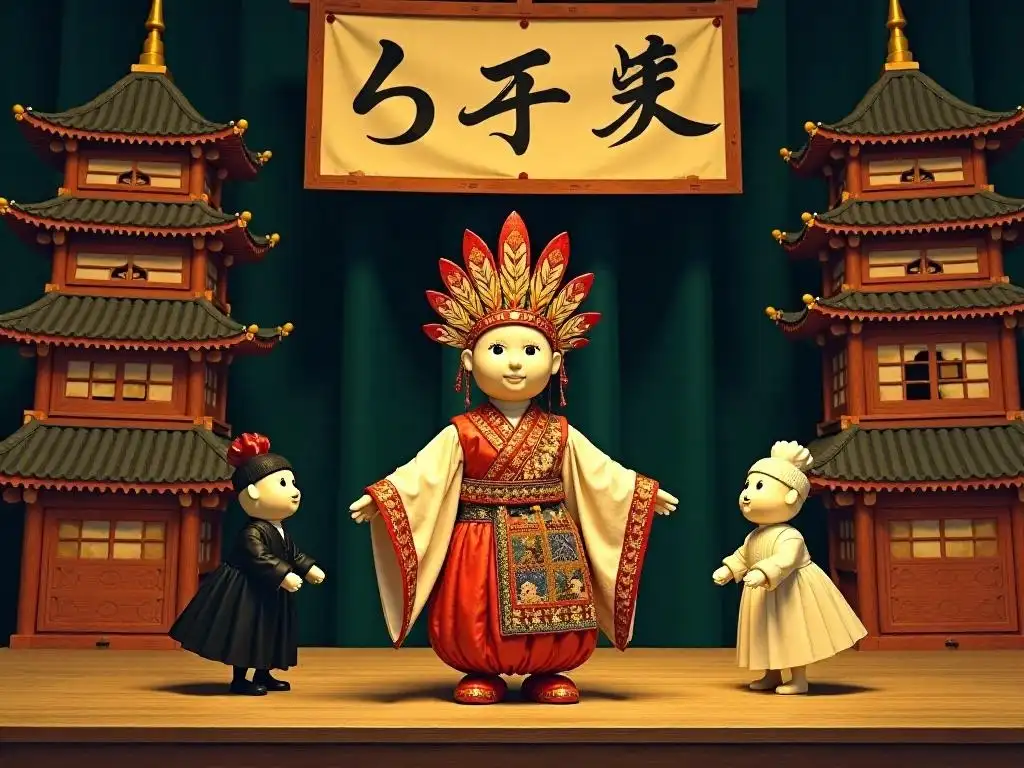
Welcome to Feudal Japan History, where we delve into the rich tapestry of Japan’s feudal era. Here, you’ll uncover the intricate layers of history, culture, and society that shaped this remarkable period. Today, we invite you to explore the captivating world of Bunraku puppet theater, a unique storytelling medium that weaves together artistry and narrative in profound ways.
What makes Bunraku a cornerstone of Japanese culture? Join us as we unravel its significance and discover how this mesmerizing form of entertainment continues to influence the cultural landscape of Japan. Prepare to be enchanted as we journey through the vibrant stories told through puppetry!
- Introduction to Bunraku Puppet Theater Significance
- Historical Context of Bunraku Puppet Theater
- The Art of Storytelling in Bunraku
- Significance of Bunraku Puppet Theater in Japanese Culture
- The Role of Puppeteers and Narrators
- Contemporary Relevance of Bunraku Storytelling
- Conclusion
- Frequently Asked Questions
- Final Reflection: The Enduring Significance of Bunraku Puppet Theater
- Unleash the Power of Storytelling in Bunraku!
Introduction to Bunraku Puppet Theater Significance
Bunraku, a traditional form of Japanese puppet theater, holds a revered place in the cultural tapestry of Japan, reflecting the intricate interplay between artistry, storytelling, and societal values. Originating in the 17th century, this unique theatrical genre combines the skill of puppeteers with the evocative narratives crafted by playwrights, creating a captivating experience that transcends mere entertainment.
The significance of Bunraku puppet theater lies not only in its artistic expression but also in its role as a medium for storytelling that communicates moral lessons, historical events, and human emotions. As we delve into the heart of Bunraku, we will explore its historical roots, the art of puppetry, and the profound impact of storytelling within this enchanting performance art.
Overview of Bunraku as a Traditional Japanese Art Form
Bunraku, known as "Ningyō Jōruri" in Japanese, is characterized by its life-sized puppets, which are intricately designed and manipulated by skilled puppeteers. Each puppet is controlled by three puppeteers, each playing a specific role: one for the head and right hand, another for the left hand, and the third for the feet. This collaborative effort creates a remarkable synergy that brings the puppets to life, showcasing a level of artistry that is both mesmerizing and technically impressive.
The narratives presented in Bunraku are typically drawn from classic literature and historical tales, often infused with themes of love, tragedy, and moral dilemmas. The accompanying narrative is delivered by a Tayu, a storyteller who recites the lines and provides vocal characterizations, weaving a rich auditory experience that complements the visual spectacle. This unique combination of puppetry and storytelling has cemented Bunraku's status as a UNESCO Intangible Cultural Heritage, ensuring its preservation and appreciation for future generations.
The Role of Storytelling in Bunraku
Storytelling is the heartbeat of Bunraku, serving as the vehicle through which complex human emotions and societal issues are explored. The narratives often delve deep into the human experience, addressing themes of loyalty, honor, and the struggles of everyday life. Through the art of storytelling, Bunraku offers audiences not only entertainment but also a mirror reflecting the cultural values and historical contexts of the time.
The significance of storytelling in Bunraku can be summarized as follows:
- Cultural Transmission: Bunraku serves as a means of passing down historical narratives and cultural values from one generation to the next.
- Emotional Engagement: The powerful storytelling evokes a range of emotions, allowing audiences to empathize with the characters and their predicaments.
- Moral Lessons: Many Bunraku stories convey moral teachings that resonate with the audience, encouraging reflection on ethical dilemmas and societal norms.
- Artistic Expression: The interplay of puppetry and narrative creates a unique form of artistic expression, showcasing the creativity and skill of the performers.
In essence, the storytelling aspect of Bunraku is not merely an accompaniment to the puppetry but is integral to the experience, enriching the performance and enhancing its significance within the realm of traditional Japanese theater.
Historical Context of Bunraku Puppet Theater
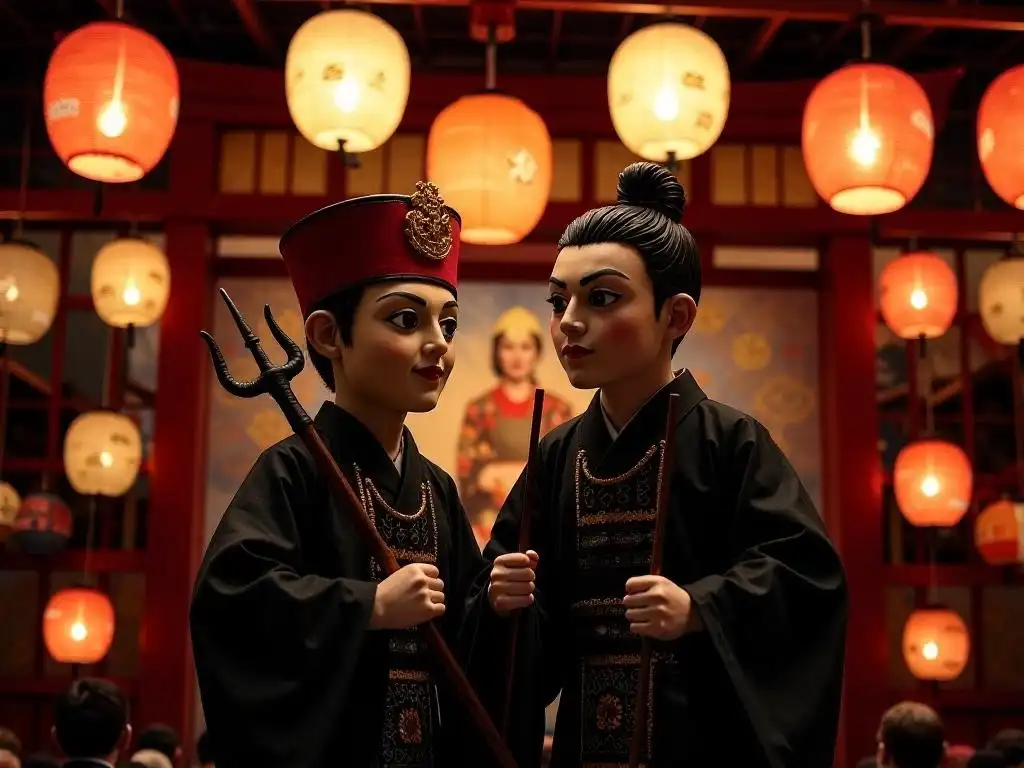
Understanding the historical context of Bunraku puppet theater is essential to appreciating its significance within Japanese culture. Emerging during a time of social and political transformation, Bunraku reflects the complexities of life in Japan's past and embodies the artistic innovations that arose during the period.
Origins of Bunraku in Japan
Bunraku, also known as Ningyō Jōruri, traces its origins back to the late 16th century, primarily in the Osaka region. The art form was initially influenced by various performing arts, including traditional storytelling (Jōruri) and earlier forms of puppet theater. The following elements contributed to its genesis:
- Early Influences:
- Jōruri: This form of narrative storytelling, often accompanied by the shamisen (a three-stringed instrument), set the foundation for Bunraku. The stories told were typically drawn from historical events, folklore, and moral lessons.
- Puppet Theater: Existing puppet performances, such as those found in the earlier forms of puppet theater, laid the groundwork for the intricate puppetry that would define Bunraku.
- Cultural Exchange: The late 16th century was a time of cultural exchange in Japan, as trade routes opened and interactions with foreign influences began to shape local practices. This environment allowed for the blending of different artistic styles.
- The Emergence of Professional Troupes: By the early 17th century, professional Bunraku troupes began to emerge, leading to the establishment of dedicated theaters. The first formal Bunraku theater was established in Osaka in 1684, marking a pivotal moment in the art form's history.
Bunraku's origins are marked by a desire to create a storytelling medium that combined visual artistry with narrative depth, setting the stage for its evolution into a significant cultural phenomenon.
Evolution of Bunraku During the Edo Period
The Edo period (1603-1868) was a crucial era for the development and refinement of Bunraku puppet theater. It witnessed significant transformations in its style, themes, and societal impact:
- Formalization of the Art:
- The Edo period saw the codification of performance techniques and storytelling methods. Artisans began to create puppets with intricate designs and mechanisms, allowing for more nuanced performances.
- The emergence of professional puppeteers, narrators, and musicians established a collaborative framework that elevated the quality of performances.
- Thematic Depth:
- Plays often depicted the struggles of common people and explored themes such as love, loyalty, and revenge. This focus on human emotion resonated with audiences, making Bunraku a powerful medium for social commentary.
- Notable playwrights, such as Chikamatsu Monzaemon, contributed to a rich repertoire of works that addressed contemporary issues while drawing on historical narratives.
- Popularity and Patronage:
- As Bunraku gained popularity, it attracted the attention of the samurai class and merchants, leading to increased financial support and patronage. This support allowed for elaborate productions that showcased the skill of puppeteers and musicians.
- The establishment of dedicated theaters in major cities helped solidify Bunraku's status as an essential form of entertainment, often parallel to Kabuki theater.
- Cultural Significance:
- Bunraku became more than just entertainment; it played a role in the preservation of cultural identity during a time of modernization in Japan. The art form provided a means to reflect on societal values and historical narratives, fostering a sense of community and shared heritage.
The evolution of Bunraku during the Edo period not only enhanced its artistic quality but also deepened its significance within Japanese culture, highlighting the interplay between storytelling, society, and tradition.
The Art of Storytelling in Bunraku
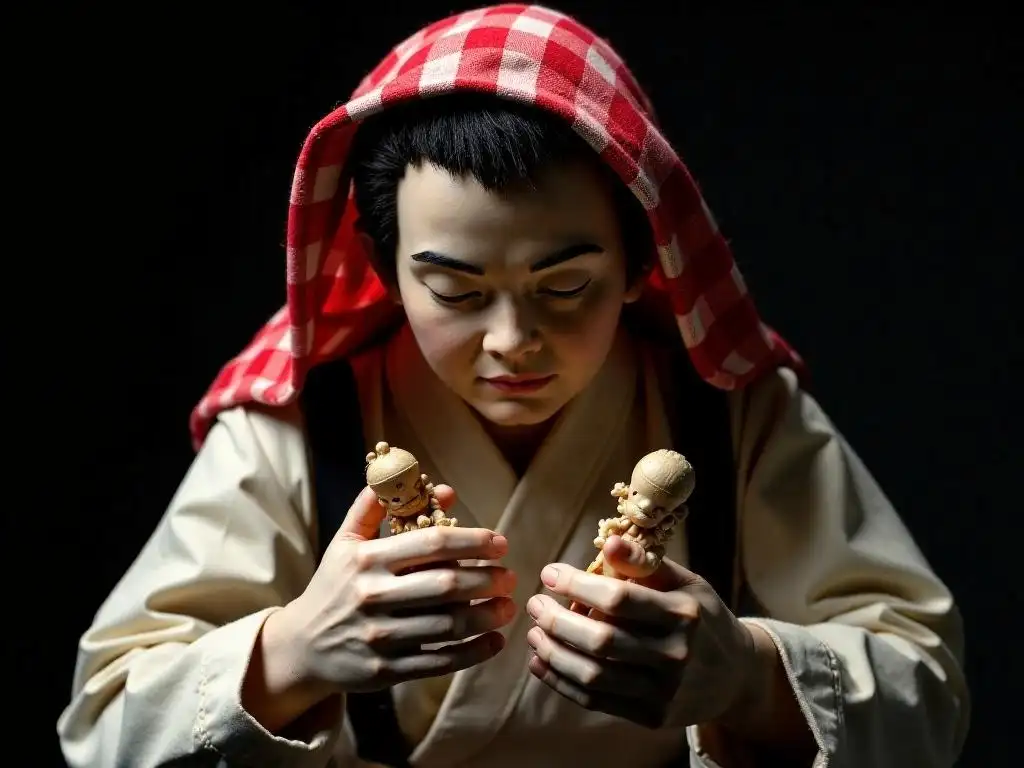
Bunraku puppet theater is a unique and intricate form of storytelling that combines puppetry, music, and narrative to create a captivating experience. Originating in the 17th century, this traditional Japanese art form utilizes life-sized puppets that are expertly manipulated by skilled puppeteers. The narrative structure of Bunraku is deeply rooted in the cultural and historical context of Japan, allowing for rich storytelling that resonates with audiences on multiple levels.
At its core, Bunraku is not merely a performance; it is a profound expression of human experience, weaving together themes of love, tragedy, and morality. The art of storytelling is essential, as it transforms the performance into a vehicle for cultural transmission and emotional engagement. The unique combination of visual artistry, spoken word, and musical accompaniment creates an immersive atmosphere that engages the audience's senses and emotions.
Key Elements of Storytelling in Bunraku
The storytelling in Bunraku is characterized by several key elements that collectively enhance its significance:
- Puppet Manipulation: The puppets in Bunraku are operated by three puppeteers, each specializing in different aspects of the puppet's movement and expression. This collaborative manipulation allows for nuanced performances that convey complex emotions and interactions.
- Narrative Structure: Bunraku plays are often based on historical events, folklore, or classic literature. The narrative is typically divided into acts and scenes, allowing for a structured progression of the story that maintains audience engagement.
- Chanting and Narration: A key feature of Bunraku is the use of a narrator, known as the tayu, who not only voices the characters but also provides commentary and context. This narration is crucial for guiding the audience through the emotional landscape of the story.
- Musical Accompaniment: Traditional instruments, such as the shamisen, play a vital role in setting the mood and enhancing the emotional impact of the storytelling. The music complements the narrative, often reflecting the character's feelings and the unfolding drama.
- Visual Aesthetics: The elaborate costumes and detailed puppets contribute to the storytelling by visually representing the characters and their emotions. This visual storytelling element engages the audience's imagination and enhances the overall experience.
The Importance of Narration in Puppet Theater
Narration in Bunraku serves as a bridge between the puppets and the audience, making it a fundamental aspect of the performance. The role of the tayu is not just to provide dialogue; it is to breathe life into the puppets and evoke empathy from the audience.
- Character Development: Through the narrator's voice, characters are fleshed out with distinct personalities, motivations, and backgrounds. This depth allows the audience to connect with the story on a more personal level.
- Emotional Resonance: The emotional weight of the narrative is heightened through the varying tones and rhythms employed by the tayu. A skilled narrator can shift from joy to sorrow, making the audience feel the full spectrum of emotions experienced by the characters.
- Cultural Context: The narration often includes cultural references and historical context, providing the audience with a deeper understanding of the narrative's significance. This educational aspect reinforces Bunraku's role in preserving and transmitting Japanese culture.
- Audience Engagement: By actively engaging the audience through direct address or commentary, the tayu creates a dynamic interaction that enhances the immersive experience of the performance.
The significance of storytelling in Bunraku puppet theater lies in its ability to convey complex human emotions and cultural narratives through a multi-faceted approach that combines visual artistry, music, and narration. This interplay creates a rich tapestry of storytelling that continues to resonate with audiences today.
Significance of Bunraku Puppet Theater in Japanese Culture
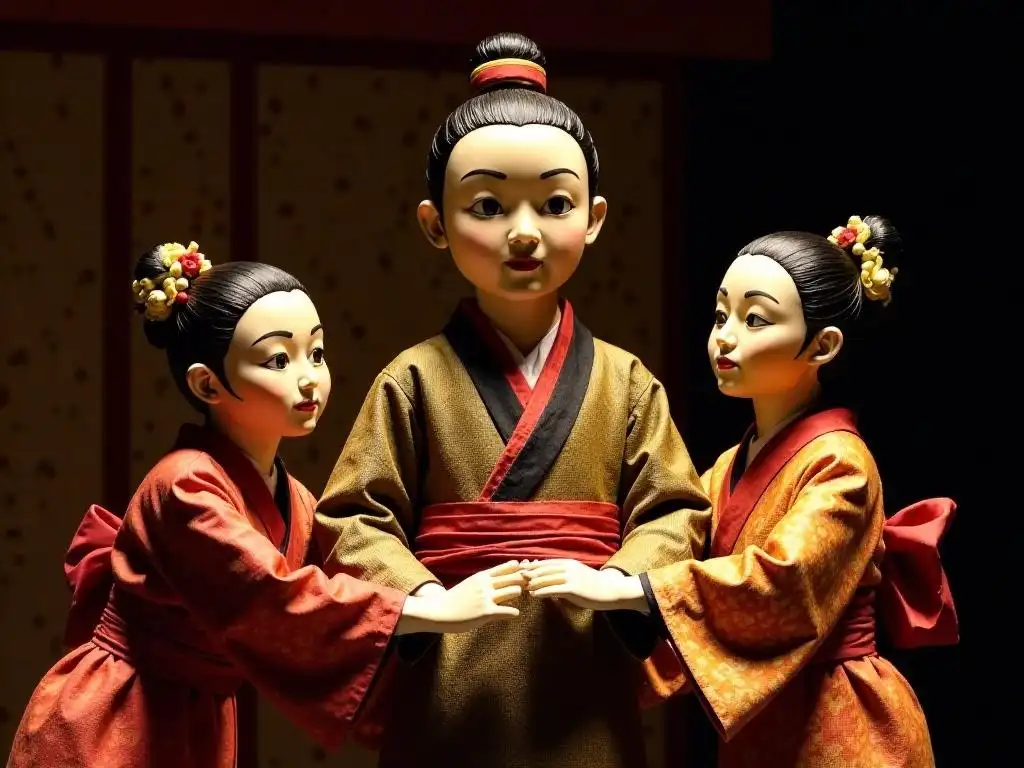
Bunraku, the traditional Japanese puppet theater, embodies a rich tapestry of cultural significance that extends beyond mere entertainment. Originating in the 17th century, Bunraku has evolved into a sophisticated art form that intricately weaves together storytelling, music, and puppetry. The significance of Bunraku lies not only in its artistic expression but also in its role as a mirror reflecting the societal norms, values, and historical contexts of Japan throughout the centuries.
Cultural Reflections Through Bunraku Narratives
Bunraku serves as a significant medium for cultural storytelling, encapsulating the essence of Japanese life and beliefs. The narratives often portray themes of love, betrayal, honor, and tragedy, which resonate deeply with the Japanese ethos. These stories are typically derived from historical events or classical literature, enabling audiences to connect with their cultural heritage.
- Historical Context: Many Bunraku plays are based on historical figures or events, offering insights into Japan's past. For instance, "The Battles of Coxing" dramatize the struggles of samurai and their loyalty, reflecting the values of bushido during the Edo period.
- Social Commentary: Bunraku also addresses contemporary social issues, allowing audiences to reflect on their own lives. Plays like "The Love Suicides at Sonezaki" highlight societal constraints and personal desires, prompting viewers to consider the impact of societal expectations.
Bunraku's use of intricate puppetry and expressive performances enhances the emotional impact of these narratives. The puppeteers, who are trained for years, bring the characters to life through subtle movements and gestures, creating a powerful connection with the audience.
Bunraku's Influence on Other Japanese Performing Arts
The significance of Bunraku extends beyond its own stage, influencing various other forms of Japanese performing arts. Its profound impact can be seen in several traditional art forms, including Kabuki and Noh theater.
- Kabuki: This popular form of theater emerged in the early 17th century, drawing heavily from Bunraku's storytelling techniques and dramatic narratives. The incorporation of Bunraku's narrative depth into Kabuki has led to the development of complex characters and intricate plots, creating a richer theatrical experience.
- Noh Theater: Although Noh is more austere and symbolic compared to Bunraku's vibrant puppetry, the themes and character archetypes in Noh have been influenced by Bunraku's narratives. The exploration of human emotion and existential themes in Noh can be traced back to the poignant storytelling found in Bunraku.
| Influence | Description |
|---|---|
| Kabuki | Utilizes Bunraku's narrative techniques to enhance character development and emotional depth. |
| Noh Theater | Adopts similar themes and character archetypes, reflecting emotional and existential struggles. |
Bunraku's significance in Japanese culture is not merely a historical artifact; it continues to inspire and influence contemporary art forms, ensuring its place in the cultural landscape of Japan. Through its narratives and artistic expressions, Bunraku remains a vital conduit for cultural reflection and continuity.
The Role of Puppeteers and Narrators
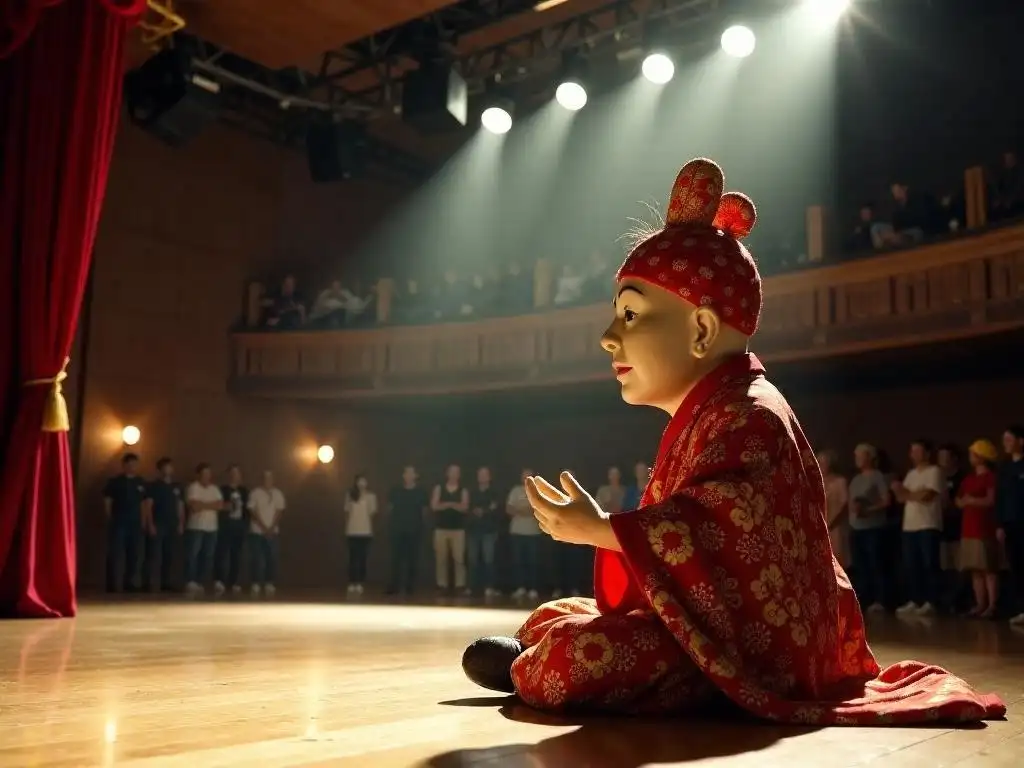
Bunraku, the traditional Japanese puppet theater, is distinguished not only by its intricate puppetry but also by the vital roles played by puppeteers and narrators. These two groups work in tandem to create a vivid storytelling experience that captivates audiences. The significance of this collaboration lies in its ability to convey deep emotional narratives, making Bunraku a unique art form within Japan's cultural history.
Training and Mastery in Bunraku Performance
The path to becoming a skilled puppeteer or narrator in Bunraku is rigorous and demanding, requiring years of dedicated training.
- Puppeteers:
- Apprenticeship: Aspiring puppeteers typically begin their journey as apprentices, often starting at a young age. They train under the guidance of seasoned masters, learning the art of manipulating the puppets.
- Techniques: Puppeteers must master intricate techniques, such as using their hands and feet to control the puppet's movements while simultaneously expressing the character's emotions. This requires not only physical skill but also an understanding of the character's portrayal.
- Hierarchy: The puppeteer community is structured hierarchically, with senior puppeteers commanding the most complex puppets, while junior apprentices handle smaller and simpler ones. This system ensures that mastery is achieved progressively.
- Narrators:
- Vocal Training: Narrators, known as "tayu," undergo extensive vocal training to develop their distinctive storytelling style. They must be adept at using their voice to convey emotions, character nuances, and dramatic tension.
- Script Interpretation: Each performance is based on a script, often derived from classic literature. Narrators must interpret these scripts with precision, ensuring that they resonate with the audience while retaining the essence of the original story.
- Dynamic Performance: Unlike puppetry, which relies on physical manipulation, narration in Bunraku is a dynamic performance that captures the audience's attention through vocal expression and timing.
Collaboration Between Puppeteers and Narrators
The collaboration between puppeteers and narrators is at the heart of Bunraku's significance in Japanese culture.
- Synchronization: Successful performances require perfect synchronization between the puppeteer and the narrator. This synchronicity not only enhances the storytelling but also creates a seamless experience for the audience.
- Shared Understanding: Both puppeteers and narrators must have a deep understanding of the story being told. This shared knowledge allows them to react to each other’s cues and to adapt their performances in real-time, enriching the narrative.
- Emotional Depth: The interplay between the physical movements of the puppets and the emotive narration creates a profound emotional depth that resonates with the audience. This duality is crucial for conveying the complexities of the narratives, often steeped in themes of love, loss, and conflict.
The significance of Bunraku puppet theater lies in this intricate dance of collaboration, where each role enhances the other, creating a powerful storytelling medium that has endured through generations. The expert-driven techniques and the dedication of both puppeteers and narrators ensure that Bunraku remains a cherished cultural treasure in Japan's historical tapestry.
Contemporary Relevance of Bunraku Storytelling
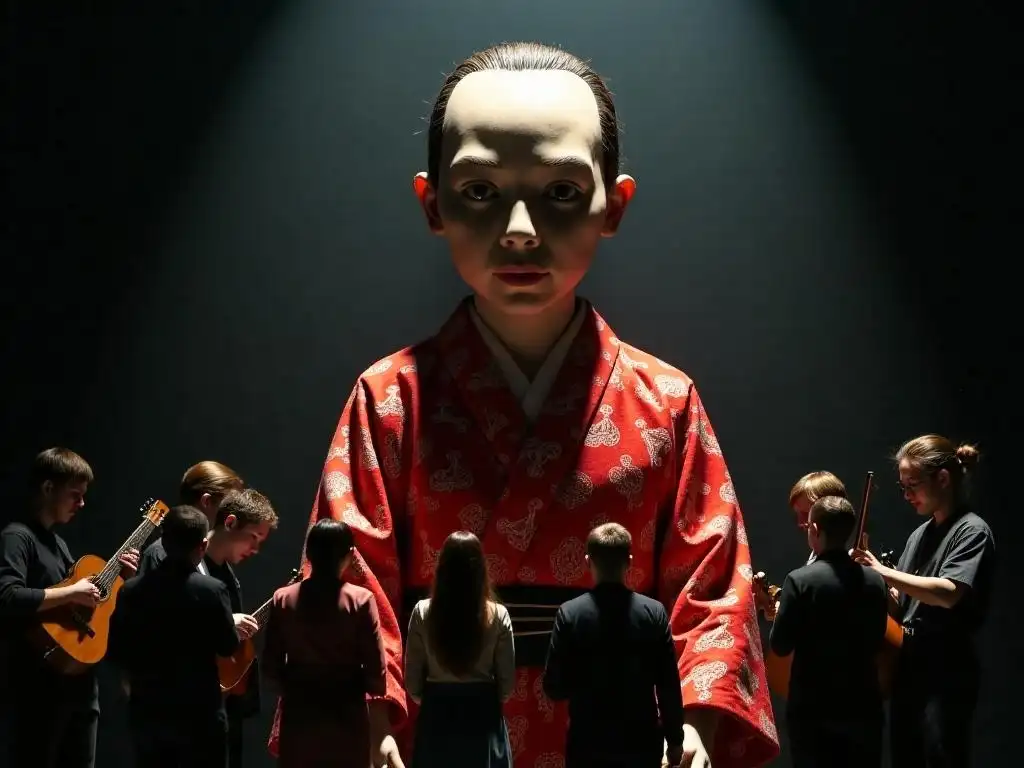
Bunraku, the traditional Japanese puppet theater, is not merely an art form rooted in the past; it continues to resonate deeply within contemporary Japanese society and beyond. The storytelling techniques employed within Bunraku—characterized by intricate puppetry, live narration, and a unique musical score—serve as a compelling medium for exploring complex human emotions and societal issues. The significance of Bunraku puppet theater lies in its ability to adapt and remain relevant, reflecting modern themes while preserving historical narratives.
Preservation Efforts of Bunraku in Modern Japan
In recent years, various initiatives have been established to preserve and promote Bunraku, recognizing its value as a cultural heritage. Here are some key efforts:
- Government Support: The Japanese government has designated Bunraku as an Important Intangible Cultural Asset, ensuring funding and support for its preservation.
- Educational Programs: Schools and cultural institutions are integrating Bunraku into their curricula, teaching students about its history, techniques, and cultural significance.
- Collaborative Performances: Contemporary artists and directors are collaborating with traditional Bunraku performers to create innovative productions that blend modern narratives with classic Bunraku styles.
- International Outreach: Organizations such as the Japan Foundation actively promote Bunraku through international tours and festivals, allowing global audiences to experience this unique art form.
Through these preservation efforts, Bunraku remains a vibrant part of Japan’s cultural landscape, ensuring that the nuances of its storytelling continue to captivate audiences.
The Future of Bunraku Puppet Theater Significance
As we look toward the future, the significance of Bunraku puppet theater is expected to evolve further. Several trends indicate its potential trajectory:
- Digital Integration: The rise of digital media offers new platforms for Bunraku storytelling. Virtual performances and online workshops can reach wider audiences, especially younger generations who are more inclined toward digital consumption.
- Fusion with Other Art Forms: Bunraku is beginning to see collaborations with other performing arts, such as contemporary dance and multimedia theater, which can breathe new life into traditional narratives and attract diverse audiences.
- Global Cultural Exchange: As global interest in Japanese culture grows, Bunraku may find itself at the forefront of international cultural exchanges, fostering greater appreciation and understanding of its significance.
- Continued Innovation: Artists are likely to continue experimenting with storytelling techniques, incorporating contemporary themes and social issues that resonate with today’s audiences, thus ensuring the art form’s relevance.
The Bunraku puppet theater holds a significant place in Japan’s cultural history, and its storytelling approaches will undoubtedly continue to evolve, reflecting the complexities of modern life while remaining rooted in tradition. The ongoing efforts to preserve and innovate within this art form highlight its enduring importance in both historical and contemporary contexts.
Conclusion
Summary of Bunraku's Impact on Japanese Culture
Bunraku, recognized as one of Japan's traditional performing arts, has played a pivotal role in shaping Japanese culture and societal values. This puppet theater, which dates back to the 17th century, combines intricate puppetry, live narration, and musical accompaniment, creating a multifaceted art form that resonates with audiences even today.
- Cultural Preservation: Bunraku has significantly contributed to the preservation of Japanese folklore and historical narratives. The stories told through Bunraku often explore themes of love, loyalty, and tragedy, reflecting the complexities of human emotion and moral dilemmas. These narratives serve as a window into the societal values and beliefs of the Edo period, providing insights into how people navigated their lives during that time.
- Artistic Collaboration: The synergy between the puppeteers, narrators, and musicians exemplifies a unique form of artistic collaboration that is essential to Bunraku. This collective effort not only enhances the dramatic experience but also fosters a sense of community among artists, further enriching Japan's cultural landscape.
- Educational Value: Bunraku serves as an educational tool, teaching audiences about historical events, ethical lessons, and cultural traditions. Schools and cultural institutions often incorporate Bunraku performances into their curricula, ensuring that younger generations appreciate and understand this significant aspect of their heritage.
Final Thoughts on the Importance of Storytelling in Bunraku
The essence of Bunraku lies in its storytelling, which transcends mere entertainment to become a powerful means of cultural expression. Through the art of puppetry, Bunraku captures the essence of human experience, conveying complex narratives that resonate deeply with audiences.
- Emotional Connection: The storytelling technique in Bunraku elicits strong emotional responses from viewers, drawing them into the narrative and allowing them to connect with the characters on a personal level. This emotional engagement is crucial in making the tales memorable and impactful, ensuring their transmission through generations.
- Cultural Identity: Storytelling in Bunraku plays a vital role in shaping and maintaining cultural identity. By portraying traditional stories, Bunraku reaffirms the values and beliefs that define Japanese society. It acts as a cultural anchor, reminding audiences of their roots and the shared experiences that bind them together.
- Modern Relevance: As Japan continues to evolve, the significance of Bunraku's storytelling remains relevant. Contemporary adaptations and performances are increasingly exploring modern themes while maintaining the traditional elements of the art form. This evolution demonstrates how storytelling can adapt to changing societal contexts while retaining its core significance.
The significance of Bunraku puppet theater extends beyond its artistic merit; it is a vital conduit for cultural transmission, emotional expression, and a deeper understanding of Japan's rich history. Through storytelling, Bunraku not only entertains but also educates and preserves the essence of Japanese culture for future generations.
Frequently Asked Questions
What is Bunraku puppet theater?
Bunraku is a traditional Japanese puppet theater that combines puppetry, music, and narrative to tell stories. It features intricate puppets operated by skilled puppeteers, creating a unique theatrical experience.
Why is storytelling important in Bunraku?
The significance of storytelling in Bunraku lies in its ability to convey deep emotions and societal themes. The narrative structure enhances the audience's connection to characters and their struggles, making the performances impactful.
How does Bunraku differ from other forms of theater?
Unlike other theaters, Bunraku emphasizes puppet manipulation and live narration. The puppeteers remain visible, adding a layer of artistry and complexity that distinguishes it from other forms of Japanese theater.
What themes are commonly explored in Bunraku performances?
Bunraku often delves into themes such as love, betrayal, and moral dilemmas, reflecting the societal values and struggles of the time. This makes Bunraku not just a form of entertainment, but also a historical commentary.
How has Bunraku influenced modern Japanese culture?
Bunraku has significantly impacted modern Japanese arts, inspiring various forms of performance and storytelling. Its techniques and themes continue to resonate, blending traditional and contemporary artistic expressions in Japan today.
Final Reflection: The Enduring Significance of Bunraku Puppet Theater
The art of storytelling through Bunraku puppet theater remains profoundly relevant in today’s fast-paced world. As we navigate a landscape dominated by digital distractions, the intricate narratives and emotional depth found in Bunraku serve as a reminder of the power of human connection and cultural heritage. The significance of Bunraku lies not only in its artistic expression but also in its ability to convey timeless themes that resonate across generations, urging us to pause and reflect on our shared human experiences.
The influence of Bunraku extends beyond the confines of the theater, shaping cultural dialogues and inspiring contemporary artists. Its rich storytelling tradition continues to impact various forms of art and performance, fostering a deeper appreciation for narrative techniques and emotional storytelling. As the playwright and director Yukio Mishima once said, “The theater is a place where we can discover the essence of our humanity.” > This quote encapsulates the ongoing relevance of Bunraku, as it invites us to explore our own identities and the stories that shape our lives.
As you reflect on the significance of Bunraku puppet theater, consider how storytelling permeates your own life. Embrace the lessons of empathy, connection, and cultural appreciation that this art form embodies. Whether through sharing your own stories or engaging with the narratives of others, let the spirit of Bunraku inspire you to cultivate deeper relationships and a richer understanding of the world around you. The power of storytelling is within us all—let it guide you on your journey forward.
Unleash the Power of Storytelling in Bunraku!
Thank you for diving into the captivating world of Bunraku, where storytelling breathes life into puppetry. You've explored the essence of this unique Japanese art form, and now it's time to take it a step further! Let’s discover how you can embrace storytelling in your own life, whether through art, writing, or personal connections.
Here’s how you can actively engage with the world of storytelling:
- Join a local theater group or start a storytelling night with friends to share the powerful narratives that resonate with you.
- Explore different storytelling styles—read a novel, watch a Bunraku performance, or try your hand at puppetry to connect with this art in a fresh way.
- Share your thoughts! Start a discussion on social media or comment below about what storytelling means to you and how it can enrich our lives.
What story are you eager to tell, and how do you plan to bring it to life?