
The Global Influence of Japanese Theater: A CrossCultural Perspective

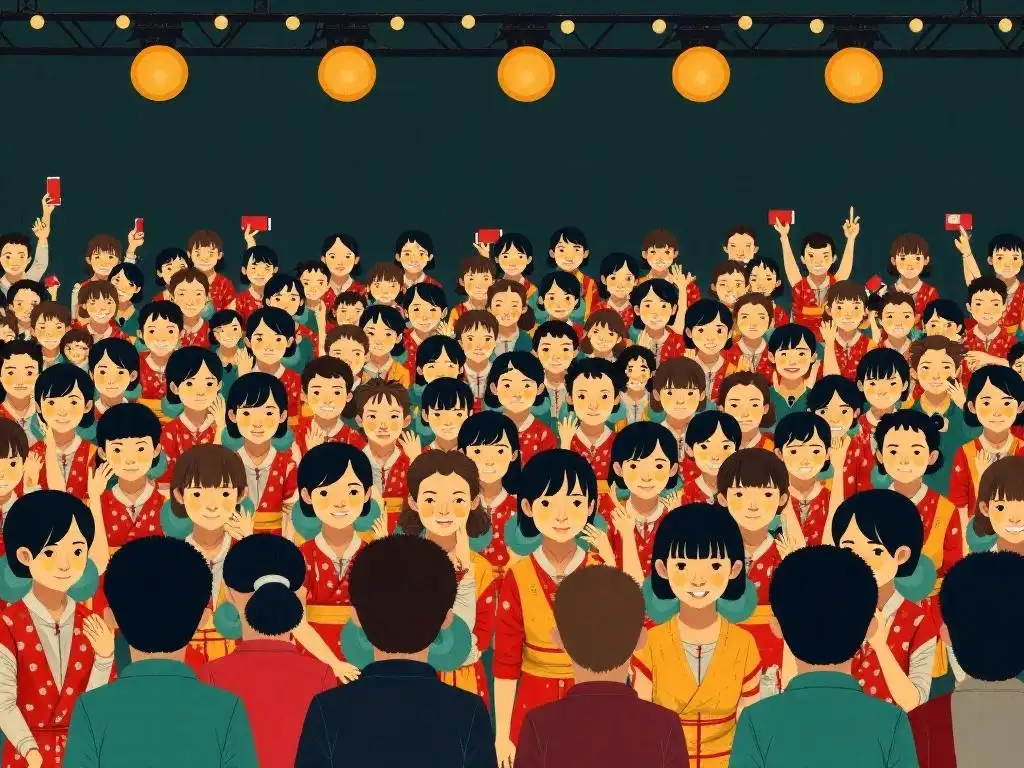
Welcome to Feudal Japan History, where we delve deep into the captivating world of Japan's feudal era. In this rich tapestry of historical, cultural, and societal exploration, we invite you to embark on a journey through time. Our featured article, "The Global Influence of Japanese Theater: A Cross-Cultural Perspective," unveils the profound impact that Japanese theater has had on cultures around the world.
Discover how the elegance of Noh and the vibrancy of Kabuki continue to resonate across borders, shaping artistic expressions globally. Are you ready to uncover the echoes of history that still influence our modern world? Dive in and let your curiosity guide you!
Introduction to Japanese Theater
The world of Japanese theater is a vibrant tapestry woven with rich history, artistic expression, and cultural significance. As a crucial aspect of Japan’s cultural heritage, it has not only shaped the nation's identity but has also made profound contributions to the global artistic landscape.
This article delves into the global impact of Japanese theater, exploring its historical roots, traditional forms, and modern adaptations, while examining how it has influenced and been influenced by various cultures across the globe. Understanding this dynamic interplay allows us to appreciate the depth and breadth of Japanese theater's reach, extending far beyond its origins in feudal Japan.
Overview of Japanese Theater's Historical Roots
Japanese theater can trace its origins back several centuries, evolving through various forms and styles that reflect the changing tides of society. The earliest forms, such as Noh and Kabuki, emerged during the feudal era, each embodying unique characteristics and themes.
- Noh: Developed in the 14th century, Noh is characterized by its slow, stylized movements and poetic language. This art form often draws on themes from Japanese mythology, history, and literature, making it a profound reflection of the era's values and beliefs.
- Kabuki: Emerging in the early 17th century, Kabuki is known for its vibrant costumes and dramatic performances that appeal to the masses. Unlike Noh, Kabuki is highly theatrical, incorporating music, dance, and elaborate stage mechanics.
Throughout its history, Japanese theater has served not only as entertainment but also as a medium for social commentary, allowing audiences to engage with pressing issues of their time.
Significance of Japanese Theater in Cultural History
The significance of Japanese theater extends beyond mere entertainment; it plays a vital role in cultural preservation and identity. Historically, these performance arts have been instrumental in conveying moral lessons, historical narratives, and cultural values.
- Cultural Transmission: Through theater, stories and traditions have been passed down through generations, ensuring the continuity of Japanese culture.
- Societal Reflection: Japanese theater often mirrors societal changes, enabling audiences to reflect on their reality. For instance, the rise of the merchant class during the Edo period significantly influenced Kabuki's themes and character portrayals.
Moreover, as Japan opened up to the West in the late 19th century, Japanese theater began to attract international attention, paving the way for cross-cultural exchanges that enriched both Japanese and global theatrical traditions.
The Evolution of Japanese Theater
As global dynamics shifted, so did Japanese theater. The evolution of this art form reflects not only the internal changes within Japan but also the external influences from other cultures.
Traditional Forms of Japanese Theater
The traditional forms of Japanese theater—Noh, Kabuki, and Bunraku (puppet theater)—continue to be celebrated today for their unique artistry and historical significance. Each form possesses distinct characteristics:
- Noh:
- Minimalistic staging
- Use of masks to convey emotion
- Focus on spiritual themes
- Kabuki:
- Exaggerated acting styles
- Vibrant costumes and makeup
- Engages a broader audience with lively narratives
- Bunraku:
- Puppetry combined with live narration and music
- Complex puppetry techniques requiring multiple puppeteers
These traditional forms remain a vital part of Japan's cultural landscape, often performed at festivals and special events, ensuring their continued relevance.
Modern Adaptations and Influences
In recent decades, Japanese theater has undergone significant transformations, incorporating modern influences while retaining its traditional roots.
- Fusion of Styles: Contemporary playwrights and directors often blend traditional Japanese elements with Western theatrical techniques, creating innovative productions that appeal to diverse audiences.
- Global Collaborations: International partnerships have emerged, allowing for cross-cultural projects that introduce Japanese theater to new audiences. For example, adaptations of classic Noh plays have been performed in theaters across Europe and North America, showcasing the versatility of these art forms.
As a result, Japanese theater continues to evolve, bridging the gap between tradition and modernity, and asserting its place on the global stage. The influence of Japanese theater can be seen in various art forms worldwide, from dance to film, highlighting its enduring legacy and global impact.
Japanese Theater's Global Impact
The global influence of Japanese theater extends far beyond its origins, shaping artistic expressions and cultural understandings around the world. From the minimalist aesthetics of Noh to the vibrant storytelling of Kabuki, Japanese theater has captivated audiences and performers alike. Its unique blend of visual artistry, compelling narratives, and profound philosophical underpinnings offers a rich tapestry that resonates with diverse cultures. As a result, Japanese theater has not only preserved its traditional forms but has also inspired contemporary theatrical movements globally, fostering a dialogue between East and West that continues to evolve.
Spread of Japanese Theater Beyond Borders
The journey of Japanese theater beyond its national borders began in the late 19th and early 20th centuries, coinciding with Japan's modernization and increased interaction with the West. Early performances of Kabuki and Noh in cities like Paris and New York introduced Western audiences to these unique art forms. The 1950s and 1960s saw a surge in interest, as Japanese theater companies toured internationally, showcasing the depth and richness of their performances.
Today, Japanese theater is featured in festivals and cultural exchanges around the world. For instance, the Japan Society in New York regularly hosts performances and workshops, while the Edinburgh Festival Fringe has become a platform for showcasing innovative adaptations of traditional Japanese theater. This global spread has not only increased appreciation for Japanese styles but has also led to a fusion of theatrical elements, influencing artists and theater practitioners worldwide.
Cross-Cultural Collaborations and Exchanges
Cross-cultural collaborations have played a pivotal role in amplifying the global impact of Japanese theater. These partnerships often blend traditional Japanese techniques with local performance styles, creating a hybrid form that resonates with diverse audiences. Notable collaborations include the merging of Kabuki with contemporary dance and theater, as seen in productions like "The Tale of the Heike," which has toured globally.
Furthermore, artists from various disciplines, including visual arts and music, frequently draw inspiration from Japanese theater. For example, the renowned American director Robert Wilson has incorporated elements of Noh theater in his productions, resulting in visually stunning performances that reflect the influence of Japanese aesthetics. Such exchanges not only enrich the creative landscape but also foster mutual understanding and respect among different cultures.
Key Elements of Japanese Theater That Resonate Globally
Japanese theater is characterized by several key elements that have universal appeal, making it a significant influence on global theatrical practices. These elements include aesthetic principles, thematic content, and performance techniques that resonate with audiences across cultural boundaries.
Aesthetic Principles and Their Appeal
The aesthetic principles of Japanese theater, particularly the concepts of wabi-sabi (the beauty of imperfection) and mono no aware (the beauty of transient things), have garnered interest worldwide. These philosophies emphasize simplicity, minimalism, and an appreciation for the ephemeral nature of life.
The visual elements of Japanese theater, such as intricate costumes, stylized makeup, and the use of space, also contribute to its global appeal. The striking use of color and form in Kabuki performances, for instance, has inspired designers and artists in various fields, including fashion and visual arts. The sensory experience offered by Japanese theater invites audiences to engage deeply, transcending cultural barriers.
Thematic Elements Common Across Cultures
Thematic elements found in Japanese theater often reflect universal human experiences, such as love, honor, betrayal, and the struggle against fate. These themes resonate with audiences globally, allowing for a deeper connection to the narratives presented. For example, the tragic love stories depicted in Noh and Kabuki are not only poignant within their cultural context but also evoke emotions that are universally understood.
Moreover, the exploration of social issues, such as class struggle and the tension between tradition and modernity, mirrors themes prevalent in many cultures. This thematic richness ensures that Japanese theater remains relevant and relatable to contemporary audiences around the world.
Performance Techniques and Their Global Reception
The performance techniques employed in Japanese theater—such as the use of exaggerated gestures, stylized movements, and a strong emphasis on timing—have significantly influenced global acting methods. The precision and discipline required in Noh performances have inspired actors and directors across various theatrical traditions to explore new ways of expressing emotion and narrative.
Additionally, the incorporation of traditional Japanese musical elements, including the use of instruments like the shamisen and taiko drums, has enriched the sonic landscape of global theater. As a result, many contemporary productions integrate these sounds, creating a fusion that celebrates both traditional and modern influences.
The global impact of Japanese theater is profound and multifaceted, with its rich traditions continuing to inspire and shape the artistic expressions of cultures around the world. Through ongoing collaborations and the universal themes and techniques it embodies, Japanese theater remains a vital force in the global cultural landscape.
Case Studies: Specific Examples of Japanese Theater’s Global Influence
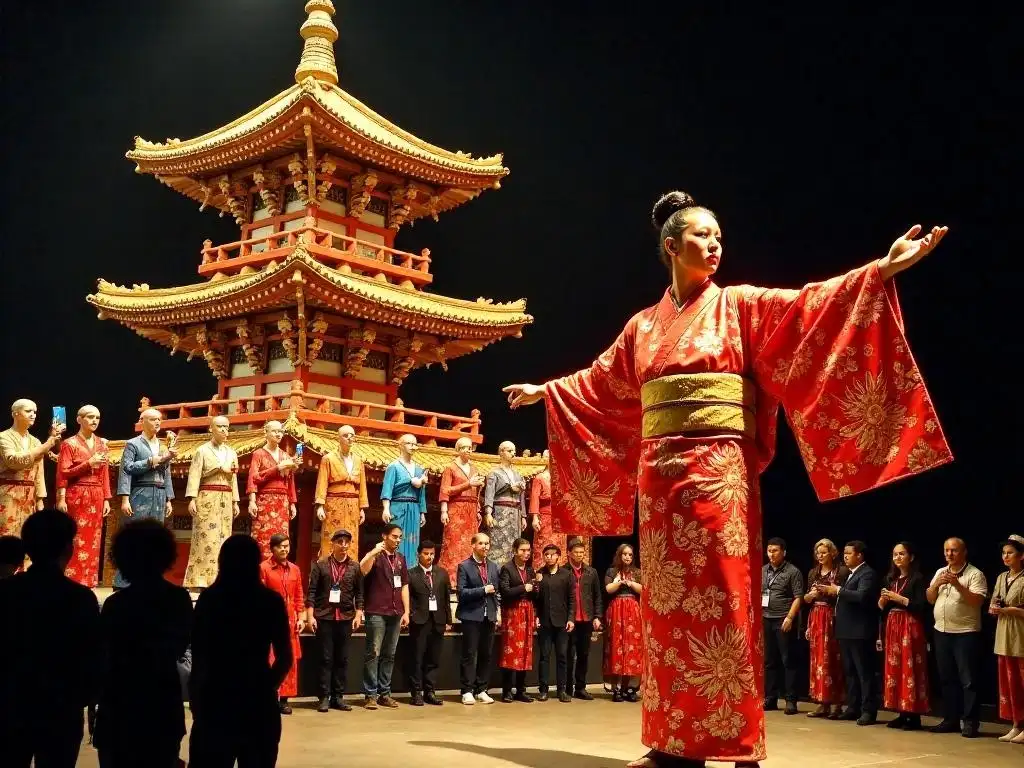
Japanese theater has left an indelible mark on global performing arts, with distinct styles such as Kabuki, Noh, and Bunraku influencing various genres and forms across the world. Each of these traditional forms has served as a bridge, connecting cultural narratives and artistic expressions between Japan and other countries. Here, we explore specific case studies that exemplify the global impact of Japanese theater.
The Impact of Kabuki on Broadway
Kabuki theater, known for its stylized performances and elaborate costumes, has made a significant impact on Broadway productions. One notable example is the musical "The King and I," which incorporates elements of Kabuki in its choreography and staging. The use of exaggerated movements and vibrant costumes reflects Kabuki's aesthetic, adding a unique layer to the narrative.
Moreover, the Broadway production "Pacific Overtures," composed by Stephen Sondheim, explicitly draws from Kabuki traditions. This musical adapts the story of American-Japanese relations through the lens of Kabuki, showcasing its theatrical conventions and music. The fusion of Kabuki with Western musical theater not only highlights the adaptability of this art form but also introduces audiences to its rich cultural heritage.
Noh Theater's Influence on Contemporary Dance
Noh theater, characterized by its slow movements, minimalistic staging, and profound symbolism, has inspired contemporary dance artists worldwide. Choreographers such as Martha Graham and Pina Bausch have incorporated Noh elements into their works, utilizing its themes of nature, spirituality, and the human condition to explore universal narratives.
For instance, the use of masks in Noh has influenced modern dance performances, where dancers adopt similar techniques to convey emotion and character without relying on dialogue. This integration of Noh aesthetics into contemporary dance serves as a testament to the timelessness of its themes and the way they resonate with modern audiences. The minimalist approach of Noh has also led to a renewed interest in simplicity and stillness within the fast-paced world of contemporary performance.
Global Productions Inspired by Bunraku Techniques
Bunraku, the traditional Japanese puppet theater, has inspired various international productions that seek to replicate its intricate puppet manipulation and storytelling techniques. One prominent example is the adaptation of "The Tale of the Heike," a classic Japanese epic, into a puppetry performance by the acclaimed theater company, War Horse, which combines Bunraku methods with Western puppetry styles.
Additionally, the renowned British theater company, Handspring Puppet Company, has drawn from Bunraku's artistry in their acclaimed production of "War Horse." The delicate manipulation of life-sized puppets reflects Bunraku's craftsmanship and storytelling prowess, merging Eastern and Western theatrical traditions.
Challenges and Opportunities for Japanese Theater in a Global Context
As Japanese theater continues to gain recognition worldwide, it also faces challenges and opportunities in navigating a global landscape. The balance between preserving traditional elements and adapting to contemporary tastes is crucial for its sustainability and growth.
Maintaining Authenticity in Global Adaptations
One of the primary challenges for Japanese theater in a global context is maintaining authenticity while adapting to diverse cultural environments. When traditional performances are reinterpreted for international audiences, there is often a tension between staying true to the original art form and appealing to contemporary sensibilities.
For example, adaptations of Kabuki for Western audiences sometimes simplify or alter cultural nuances, which can lead to a loss of authenticity and meaning. Striking a balance between these two aspects is essential for preserving the integrity of Japanese theater while ensuring it remains relevant and engaging for global viewers.
Opportunities for Cultural Exchange and Growth
Despite the challenges, the globalization of Japanese theater presents numerous opportunities for cultural exchange and growth. Collaborations between Japanese theater companies and international artists can foster innovative productions that blend different styles and perspectives. Such collaborations not only enrich the theatrical landscape but also promote a deeper understanding of Japanese culture.
Moreover, festivals and cultural events that highlight Japanese theater provide platforms for showcasing this art form to new audiences. These initiatives encourage dialogue and interaction, allowing for a mutual exchange of ideas and creative practices that can enhance the global appreciation of Japanese theater. Embracing these opportunities can lead to a thriving future for traditional Japanese theater on the world stage.
Conclusion
Japanese theater, with its rich history and cultural significance, has transcended its geographical boundaries to leave a profound impact on global performing arts. The intricate narratives, unique performance styles, and deep-rooted traditions of Japanese theater have not only inspired international artists but have also contributed to the evolution of various theatrical forms worldwide. This cross-cultural exchange highlights the universal themes present in Japanese theater, making it relatable and influential across diverse cultural contexts.
Summary of Japanese Theater's Global Impact
The global impact of Japanese theater can be summarized through its influential forms—Noh, Kabuki, and Bunraku—each offering distinct aesthetics and philosophies that resonate with audiences beyond Japan.
- Noh: Known for its minimalist approach and poetic language, Noh has influenced contemporary theater practices, emphasizing the importance of silence and subtlety in performance. Its incorporation of masks and elaborate costumes has inspired Western theater designers and directors.
- Kabuki: With its vibrant colors, dynamic movements, and elaborate staging, Kabuki has gained popularity around the world, leading to adaptations and performances in various cultures. The use of exaggerated gestures and vocal techniques has inspired modern dance and theater productions.
- Bunraku: This traditional puppet theater has garnered international acclaim for its intricate puppetry and storytelling. Artists in the West have drawn upon Bunraku techniques to explore new forms of visual storytelling, emphasizing the relationship between puppeteers and their puppets.
The fusion of these styles has resulted in innovative theatrical expressions that celebrate cultural diversity while paying homage to traditional Japanese art forms.
The Future of Japanese Theater in a Globalized World
As the world becomes increasingly interconnected, the future of Japanese theater appears promising. The globalization of culture offers new opportunities for collaboration and the exchange of ideas among artists from diverse backgrounds.
- Cross-Cultural Collaborations: Artists and theater companies are increasingly engaging in cross-cultural collaborations, blending Japanese theatrical traditions with contemporary global practices. This synergy not only revitalizes traditional forms but also attracts younger audiences who seek fresh interpretations.
- Digital Platforms: The rise of digital platforms and virtual performances has expanded the reach of Japanese theater. Online streaming allows international audiences to experience performances that were once confined to specific locations, fostering a broader appreciation for Japanese cultural heritage.
- Educational Initiatives: Institutions around the world are incorporating Japanese theater into their curricula, promoting cultural exchange and understanding. Workshops, seminars, and theater festivals focusing on Japanese theater are becoming more common, ensuring that future generations are aware of its significance.
The globalized landscape presents both challenges and opportunities for Japanese theater. As it continues to evolve and adapt, it holds the potential to enrich the global arts scene while preserving its unique cultural identity.
- Introduction to Japanese Theater
- The Evolution of Japanese Theater
- Japanese Theater's Global Impact
- Key Elements of Japanese Theater That Resonate Globally
- Case Studies: Specific Examples of Japanese Theater’s Global Influence
- Challenges and Opportunities for Japanese Theater in a Global Context
- Conclusion
- What is the significance of Japanese theater in global culture?
- How did Kabuki and Noh contribute to the global influence of Japanese theater?
- In what ways has Japanese theater shaped modern performing arts?
- How is the cultural heritage of Japanese theater preserved today?
- What role do modern adaptations of Japanese theater play in its global appeal?
Frequently Asked Questions
What is the significance of Japanese theater in global culture?
Japanese theater has had a profound global impact, influencing various art forms and performing styles worldwide, showcasing unique storytelling techniques and aesthetics.
How did Kabuki and Noh contribute to the global influence of Japanese theater?
Both Kabuki and Noh have introduced distinctive performance elements and themes to international audiences, promoting a cross-cultural appreciation of traditional Japanese art forms.
In what ways has Japanese theater shaped modern performing arts?
The stylistic elements and narrative structures of Japanese theater have inspired contemporary theater practitioners, leading to innovative fusion genres that blend Eastern and Western traditions.
How is the cultural heritage of Japanese theater preserved today?
Preservation efforts include traditional performances, educational programs, and international festivals that promote awareness and appreciation of this rich cultural legacy.
What role do modern adaptations of Japanese theater play in its global appeal?
Modern adaptations reinterpret Japanese theater for contemporary audiences, making it more accessible while still honoring traditional forms, thus enhancing its global reach and relevance.
Final Reflection: The Enduring Legacy of Japanese Theater's Global Impact
The global influence of Japanese theater is more relevant today than ever, as it transcends cultural boundaries and enriches the artistic landscape worldwide. The intricate storytelling, unique aesthetics, and profound themes found in traditional Japanese theater forms like Noh, Kabuki, and Bunraku resonate with audiences across the globe, demonstrating that art knows no borders. This enduring legacy serves as a reminder of the power of cultural exchange in fostering understanding and appreciation among diverse communities.
The impact of Japanese theater on the cultural and social landscape is profound, inspiring countless artists and performers around the world. From the vibrant colors of Kabuki to the subtle elegance of Noh, these art forms have influenced various genres, including contemporary theater, film, and even fashion. As the playwright and director Tadashi Suzuki once said, "> The theater is a place where we can share our humanity." This sentiment encapsulates the essence of Japanese theater's influence, as it continues to bridge gaps and foster connections among people from different backgrounds.
As we reflect on the lessons imparted by Japanese theater, let us embrace the call to explore and celebrate the rich tapestry of global cultures. I invite you to seek out and engage with diverse artistic expressions, allowing them to inspire your own creativity and understanding. By doing so, we not only honor the legacy of Japanese theater but also contribute to a more interconnected and empathetic world, where the arts serve as a powerful vehicle for dialogue and unity.
Unveil the Rich Tapestry of Japanese Theater!
Thank you for exploring the fascinating world of Japanese theater with us! We hope you gained new insights into how this art form transcends borders and impacts cultures globally. Now, it’s time to put that knowledge into action and deepen your connection with this vibrant tradition.
Here are a few ways you can embark on your journey:
- Dive deeper into Japanese theater by watching contemporary or classic performances—consider attending a local kabuki or Noh show if you have the opportunity!
- Share your newfound knowledge with friends or family by hosting a themed discussion about the influences of Japanese theater in your local community.
- Join online forums or social media groups dedicated to Japanese arts to engage with fellow enthusiasts, exchange ideas, and broaden your understanding.
What aspect of Japanese theater intrigues you the most, and how do you plan to explore it further? We would love to hear your thoughts in the comments!