
The Role of Expositions and Fairs in Showcasing Japan to the West

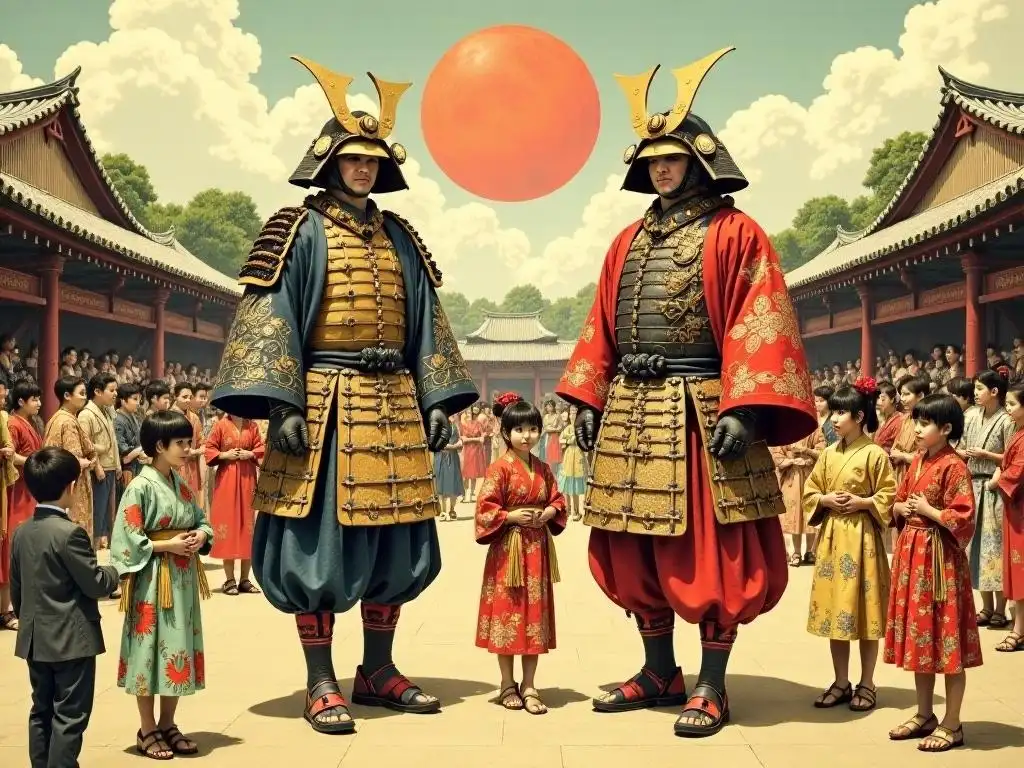
Welcome to Feudal Japan History! Here, we invite you on an intriguing journey through the rich tapestry of Japan’s feudal era, where history, culture, and society intertwine. In our featured article, you’ll discover the fascinating role of Japan feudal era exhibitions in bridging the gap between East and West, showcasing the unique artistry and heritage that defined a pivotal period in history. Are you curious about how these expositions shaped foreign perceptions of Japan? Dive in and uncover the layers of this captivating narrative that continues to resonate today!
Introduction to Japan Feudal Era Exhibitions
The Japan feudal era, spanning from the 12th to the 19th century, is a rich tapestry of cultural, political, and social dynamics that shaped the nation and its interactions with the world. Expositions and fairs during this period played a crucial role in showcasing Japan to the Western world, fostering mutual understanding and cultural appreciation. Through these events, Japan presented its unique heritage, art, and innovations, bridging the gap between two vastly different civilizations. This article delves into the significance of these exhibitions, their historical context, and the lasting impact they had on Japan's image abroad.
Overview of the Feudal Era in Japan
The feudal era in Japan was characterized by a rigid social hierarchy, dominated by the samurai class and ruled by powerful shoguns. This period saw the development of distinct cultural practices, including traditional arts, literature, and religion, which were deeply influenced by both indigenous traditions and foreign interactions. Key features of this era include:
- Samurai Culture: The code of Bushido guided the samurai, emphasizing loyalty, honor, and martial prowess.
- Economic Developments: The rise of commerce and artisan classes contributed to the flourishing of towns and cultural exchanges.
- Cultural Achievements: The era saw the emergence of unique artistic expressions, such as Ukiyo-e woodblock prints and tea ceremonies.
This complex social structure set the stage for Japan's eventual interactions with the West, particularly during the 19th century when the country began to open up to foreign influences.
Importance of Expositions and Fairs in Cultural Exchange
Expositions and fairs emerged as pivotal platforms for cultural exchange during the feudal era. They served several vital functions:
- Showcasing Art and Culture: These events provided an opportunity for Japan to present its rich artistic heritage, from exquisite textiles to intricate ceramics.
- Facilitating Trade: Expositions helped stimulate economic exchanges, allowing Japan to trade its goods and crafts with Western nations.
- Building Relationships: Participation in international fairs allowed Japan to foster diplomatic ties, paving the way for future collaborations and understanding.
Through these avenues, Japan was able to craft a narrative of its identity and values, making a lasting impression on Western audiences.
Historical Context of Japan-West Interactions
To fully appreciate the role of exhibitions in showcasing Japan, it is essential to understand the historical context of Japan-West interactions. This relationship evolved from initial encounters to more formal exchanges, influenced by various political and economic factors.
Early Encounters between Japan and the West
The first significant contact between Japan and Western nations dates back to the 16th century, with the arrival of Portuguese traders and Jesuit missionaries. These early interactions were marked by:
- Trade Relations: The Portuguese introduced firearms, which significantly impacted Japanese warfare and politics.
- Cultural Exchange: The exchange of ideas and goods led to the introduction of Western technologies and religious beliefs.
However, this period also saw Japan's subsequent isolationist policies, which limited further interactions until the mid-19th century.
The Emergence of Expositions in the 19th Century
The mid-19th century marked a turning point in Japan's international relations, particularly with the signing of the Treaty of Kanagawa in 1854, which opened Japanese ports to American trade. This newfound openness coincided with the rise of global expositions, where Japan began to actively participate. Key highlights include:
- The 1867 Exposition Universelle in Paris: Japan's participation showcased its culture and industry, symbolizing its emergence on the world stage.
- Influence of Western Ideas: These events allowed Japan to absorb Western influences while maintaining its unique cultural identity.
Japan's involvement in expositions not only reshaped its international image but also established a foundation for ongoing cultural exchanges with Western nations.
Major Japan Feudal Era Exhibitions
During the feudal era, Japan experienced a gradual opening up to the West, especially during the latter part of the 19th century. This period was marked by significant exhibitions that showcased Japan's unique culture and heritage, which played a pivotal role in shaping Western perceptions of the nation.
One of the most notable exhibitions was the Exposition Universelle held in Paris in 1867, which was Japan's first official participation in a world's fair. The Japanese government sent a variety of artifacts, including textiles, pottery, and traditional crafts, which captivated the European audience. This event marked a turning point, as it introduced Japanese aesthetics and craftsmanship to a broader international audience.
Another significant exhibition was the World's Columbian Exposition in Chicago in 1893. Japan’s exhibition was designed to showcase the country's achievements during the Meiji Restoration. Featuring a Japanese tea house, traditional performances, and displays of art and technology, this exposition further solidified Japan's image as an emerging power.
These exhibitions not only highlighted Japan's cultural wealth but also provided a platform for cultural exchange, influencing Western art movements such as Impressionism and Arts and Crafts.
Notable Expositions Featuring Japanese Culture
Several key exhibitions during the feudal era prominently featured Japanese culture, each contributing uniquely to the dialogue between Japan and the West.
- 1867 Exposition Universelle (Paris): Japan's debut on the global stage, showcasing its art and crafts, including lacquerware and textiles.
- 1873 Vienna World's Fair: Japan's participation emphasized its cultural traditions and was instrumental in establishing diplomatic relations with Austria-Hungary.
- 1880 Melbourne International Exhibition: This showcased Japan's industrial advancements along with traditional arts, attracting significant interest from Australian audiences.
- 1893 World's Columbian Exposition (Chicago): Featured a comprehensive Japanese pavilion, including a full-scale reproduction of a traditional Japanese house and gardens.
- 1900 Exposition Universelle (Paris): Celebrated Japan's accomplishments in the arts and sciences, highlighting the modernization that accompanied the Meiji Restoration.
Each of these exhibitions served not only as a showcase for Japanese culture but also as a means to foster international relationships and promote Japan’s modernization efforts.
Impact of These Exhibitions on Western Perceptions of Japan
The exhibitions had profound implications on how Japan was viewed in the West. Initially shrouded in mystery and exoticism, Japan's image began to shift dramatically due to these cultural showcases.
- Cultural Understanding: These expositions allowed Western audiences to engage with Japanese culture in a tangible way. Artifacts and performances demystified Japan, presenting it as a nation with a rich history and sophisticated artistic traditions.
- Influence on Western Art: The aesthetic principles of Japanese art, particularly ukiyo-e prints, began to influence Western artists. Movements such as Impressionism were notably impacted, with artists like Vincent van Gogh and Claude Monet drawing inspiration from Japanese styles.
- Diplomatic Relations: The successful representation of Japanese culture at these exhibitions facilitated diplomatic ties. Through showcasing a civilized and artistic nation, Japan sought to establish itself as an equal partner in international relations.
- Market for Japanese Goods: The exhibitions also created a burgeoning market for Japanese goods in the West, leading to increased trade and cultural exchange, which further integrated Japan into the global economy.
Cultural Significance of Japan Feudal Era Exhibitions
The cultural significance of Japan's exhibitions during the feudal era extends beyond mere display; they were instrumental in shaping both national identity and international relations.
Showcasing Traditional Japanese Arts and Crafts
The exhibitions served as a platform for showcasing Japan's rich artistic heritage, including:
- Pottery and Ceramics: Traditional techniques such as raku and kintsugi were highlighted, demonstrating the beauty and philosophy behind Japanese ceramics.
- Textiles: The display of kimono fabrics, intricate weaving techniques, and dyeing methods captured the attention of Western audiences, leading to a newfound appreciation for Japanese textiles.
- Woodblock Prints: Ukiyo-e prints not only represented the artistic genius of Japanese artists but also served as a medium through which Westerners could connect with Japanese culture.
These elements contributed to a broader understanding of Japan's cultural identity and the importance of craftsmanship in its history.
The Role of Japanese Performances in Expositions
Performances at these expositions played a crucial role in engaging audiences and providing an immersive cultural experience.
- Traditional Music and Dance: Expositions featured performances of classical Japanese music and traditional dances, such as Noh and Kabuki, allowing Western audiences to witness the depth of Japan's performing arts.
- Tea Ceremonies: The presentation of the Japanese tea ceremony, or chanoyu, was not only an artistic display but also a demonstration of Japanese hospitality and philosophy, emphasizing mindfulness and aesthetic appreciation.
- Martial Arts Demonstrations: Displays of martial arts like kendo and judo showcased Japan's disciplined culture and attracted interest in its philosophical underpinnings.
These performances fostered a sense of cultural exchange, inviting Western audiences to engage with Japan on a more personal level and deepening their understanding of its cultural complexities.
Economic Impact of Japan Feudal Era Exhibitions
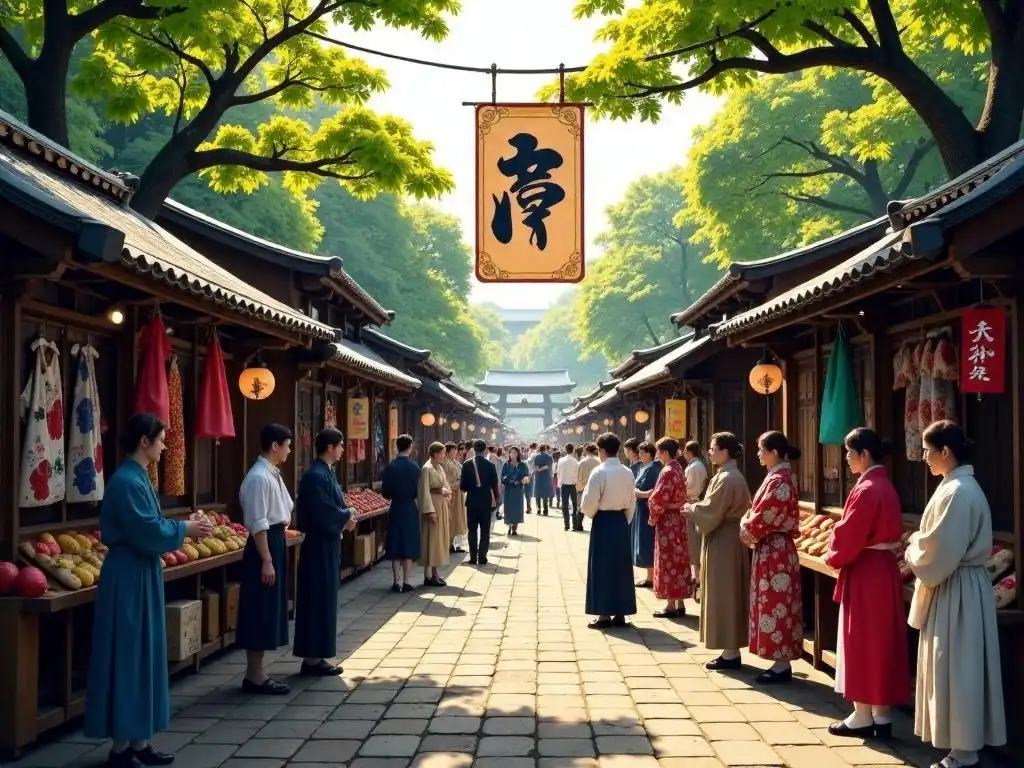
The exhibitions and fairs during the feudal era played a significant role in transforming Japan's economic landscape. By showcasing Japanese culture, art, and industry to the Western world, these events not only generated interest but also stimulated various sectors of the economy. The international exposure led to increased demand for Japanese goods, which in turn bolstered domestic production and trade.
Moreover, Japan's participation in international exhibitions served as a strategic platform for negotiating trade agreements and attracting foreign investment. These events highlighted Japan’s unique craftsmanship and technological advancements, paving the way for collaborations that would enhance the country’s economic development. The overall economic impact was profound, as these exhibitions helped integrate Japan into the global market, leading to a more diversified economy.
Boosting Japanese Industries through International Exposure
International exhibitions provided a crucial opportunity for Japanese industries to gain visibility on a global scale. For instance, the introduction of intricate textiles, ceramics, and metalwork at fairs like the 1867 Exposition Universelle in Paris captured the attention of foreign audiences, sparking an interest that translated into increased export opportunities.
The exposure to international standards and practices encouraged Japanese artisans and manufacturers to innovate and improve their products. This competitive edge not only helped local industries thrive but also established Japan as a reputable source of quality goods. The exchange of ideas and techniques with foreign exhibitors further enhanced the skill sets of Japanese craftsmen, ultimately contributing to the modernization of various sectors.
Trade Opportunities Created by Expositions and Fairs
Expositions and fairs acted as a catalyst for establishing valuable trade relationships between Japan and Western countries. By participating in these global events, Japan was able to showcase its unique products and attract potential buyers and investors. The fairs often resulted in formal trade agreements that opened new markets for Japanese exports, significantly impacting the nation’s economy.
For example, the 1876 Centennial Exposition in Philadelphia marked Japan's first major exhibition in the United States, where it displayed a variety of goods ranging from textiles to art. This not only led to increased exports but also laid the groundwork for ongoing diplomatic and economic relationships. The creation of these trade opportunities during the feudal era set the stage for Japan's economic expansion and integration into global trade networks.
Challenges Faced by Japan in Showcasing Its Culture
Despite the benefits of participating in exhibitions and fairs, Japan encountered several challenges when it came to presenting its culture to the West. The complexities of accurately representing a rich and diverse heritage often clashed with external perceptions and expectations.
Misinterpretations and Stereotypes of Japanese Culture
One of the significant challenges was the misinterpretation and stereotyping of Japanese culture by Western audiences. Many exhibitions highlighted exotic and traditional aspects of Japan, which sometimes led to a narrow understanding of Japanese society. The emphasis on certain cultural elements, such as samurai and geisha, often overshadowed the country's advancements in technology, philosophy, and arts.
These stereotypes could create a skewed perception of Japan, reducing its multifaceted culture to mere caricatures. The challenge for Japanese exhibitors was to present a more comprehensive view of their nation while combating these simplistic portrayals. The struggle to balance these representations was crucial in shaping how Japan was perceived abroad.
Balancing Tradition and Modernity in Exhibitions
Another challenge was the need to balance tradition and modernity within the exhibitions. As Japan underwent rapid modernization during the Meiji Restoration, the desire to showcase cutting-edge advancements in technology and industry often conflicted with the traditional aspects of Japanese culture that many wished to preserve.
Exhibitors faced the difficult task of curating displays that honored Japan's historical roots while also embracing new innovations. This balancing act was essential to appeal to Western audiences who were curious about both the ancient and modern facets of Japan. Ultimately, how Japan navigated this complexity would influence the narrative of its cultural identity in the eyes of the world.
Legacy of Japan Feudal Era Exhibitions
The legacy of Japan feudal era exhibitions is deeply rooted in the cultural exchanges and diplomatic relationships that were forged during a pivotal time in history. These exhibitions served as a bridge between Japan and the West, allowing Western audiences to gain insight into Japanese art, culture, and societal structures. Notably, events such as the 1867 Exposition Universelle in Paris and the 1893 World’s Columbian Exposition in Chicago played significant roles in presenting Japan’s unique aesthetic and cultural identity.
Through these exhibitions, Japan showcased its traditional crafts, from intricate textiles to stunning ceramics, which captivated Western audiences. The introduction of Japanese art forms and philosophies, including ukiyo-e prints and Zen aesthetics, sparked the Japonisme movement in Europe and America. This movement influenced not only artists but also architects and designers, leading to a broader appreciation of Japanese culture and aesthetics that resonates even today.
The exhibitions also had a transformative impact on Japan itself. They encouraged a sense of national pride and identity at a time when Japan was undergoing significant modernization. As Japan sought to present itself as a modern nation on the world stage, these exhibitions provided a platform to assert its cultural heritage alongside its industrial advancements. This dual representation helped to solidify Japan’s place in international discourse and fostered ongoing interest in its cultural legacy.
Long-term Effects on Japan-West Relations
The long-term effects of Japan feudal era exhibitions on Japan-West relations can be observed through the evolution of diplomatic ties, trade agreements, and cultural partnerships. Initially, these exhibitions were instrumental in breaking down stereotypes and misconceptions that the West held about Japan. By presenting a curated view of Japanese culture, they fostered mutual respect and understanding, paving the way for more open and constructive dialogue.
The exhibitions also led to the establishment of significant trade relations. As Western nations gained a deeper appreciation for Japanese products, there was a corresponding increase in demand for Japanese arts and crafts. This economic interaction not only benefited Japan but also contributed to the global spread of its culture, influencing various artistic movements and practices worldwide.
In a broader context, the continued interest in Japanese culture has resulted in the establishment of cultural institutions and programs aimed at promoting Japan's rich heritage. This includes the proliferation of Japanese gardens, tea ceremonies, and martial arts demonstrations across the West, which serve as living testaments to the legacy of those early exhibitions. Today, Japan-West relations are characterized by a blend of respect, curiosity, and collaboration, largely rooted in the cultural exchanges initiated during the feudal era exhibitions.
Influence on Future Cultural Exhibitions and Fairs
The influence of Japan feudal era exhibitions on future cultural exhibitions and fairs is evident in various aspects of event planning and execution. These early exhibitions set a precedent for how cultures could be represented and appreciated in a global context. They emphasized the importance of authenticity and cultural integrity, encouraging future exhibitions to prioritize genuine representations of cultural heritage over sensationalized portrayals.
Additionally, the success of Japanese exhibitions led to the incorporation of interactive elements in cultural fairs, emphasizing engagement and participation. Modern exhibitions often include workshops, live demonstrations, and interactive displays, inspired by how Japan showcased traditional arts such as origami and calligraphy. This shift towards experiential learning has made cultural exhibitions more immersive and educational for attendees.
Furthermore, Japan’s approach to exhibition design has influenced the aesthetic principles of future fairs. The minimalist and harmonious presentation of Japanese exhibits has inspired curators worldwide to adopt similar philosophies, focusing on balance, simplicity, and the beauty of natural materials. Such influences have encouraged a more thoughtful approach to cultural displays, fostering a greater appreciation for the subtleties of diverse cultures.
Conclusion
Summary of the Importance of Expositions in Showcasing Japan
The role of expositions and fairs in showcasing Japan during the feudal era was crucial in shaping the perception of Japanese culture in the West. These events served not only as platforms for cultural exchange but also as catalysts for diplomatic relations and trade. They played a vital role in dismantling stereotypes and fostering mutual understanding, enabling Japan to present itself as a nation rich in tradition and innovation.
The impact of these exhibitions extends beyond their historical context, influencing contemporary cultural practices and international relations. They have left a lasting legacy that continues to inform Japan's global interactions today.
Future Directions for Japan Feudal Era Exhibitions in Global Context
Looking ahead, the future of Japan feudal era exhibitions in a global context holds exciting possibilities. With advancements in technology, virtual exhibitions are becoming increasingly popular, allowing audiences worldwide to engage with Japanese culture in new and innovative ways. Such platforms can provide interactive experiences that bring the richness of Japan’s feudal history to life, breaking geographical barriers.
Moreover, as cultural diversity becomes more celebrated, there is an opportunity for Japan to collaborate with other nations to create multi-cultural exhibitions that highlight shared histories and cultures. This approach could further enrich the narrative around Japan’s feudal era, showcasing how it interconnects with global histories and influences.
Lastly, as the global landscape continues to evolve, it is essential for future exhibitions to remain adaptable and inclusive, ensuring that they reflect the voices and experiences of diverse communities. By embracing these principles, Japan feudal era exhibitions can continue to educate, inspire, and foster connections across cultures for generations to come.
- Introduction to Japan Feudal Era Exhibitions
- Historical Context of Japan-West Interactions
- Major Japan Feudal Era Exhibitions
- Cultural Significance of Japan Feudal Era Exhibitions
- Economic Impact of Japan Feudal Era Exhibitions
- Challenges Faced by Japan in Showcasing Its Culture
- Legacy of Japan Feudal Era Exhibitions
- Conclusion
- What were the main purposes of expositions and fairs during the Japan feudal era?
- How did Japan's feudal era influence the themes of exhibitions?
- What role did international exposure play in Japan’s cultural development?
- Are there any notable Japan feudal era exhibitions that historians study?
- How can one find current exhibitions related to Japan's feudal era?
Frequently Asked Questions
What were the main purposes of expositions and fairs during the Japan feudal era?
Expositions and fairs served as platforms for cultural exchange, showcasing Japan's art, technology, and traditions to the Western world while promoting trade and diplomacy.
How did Japan's feudal era influence the themes of exhibitions?
The feudal structure of society, with its emphasis on hierarchy and craftsmanship, heavily influenced the themes of exhibitions, highlighting samurai culture, traditional crafts, and regional diversity.
What role did international exposure play in Japan’s cultural development?
International exposure through exhibitions during the feudal era allowed Japan to integrate foreign influences, leading to a unique blend of traditional and modern practices that shaped its cultural identity.
Are there any notable Japan feudal era exhibitions that historians study?
Yes, exhibitions such as the 1893 World's Fair in Chicago and the Exposition Universelle in Paris in 1900 are significant for their role in presenting Japanese art and culture to Western audiences.
To find current exhibitions, one can check museum websites, cultural institutions, or event calendars that focus on Japanese history, particularly those that emphasize the feudal era and its significance.
Final Reflection: The Enduring Legacy of Japan's Feudal Era Exhibitions
The exploration of Japan's feudal era exhibitions reveals a profound connection between culture and diplomacy that resonates strongly in today's global landscape. As we navigate an increasingly interconnected world, the significance of these exhibitions becomes even more apparent; they serve as a bridge, fostering understanding and appreciation between diverse cultures. The way Japan showcased its rich heritage through these events not only captivated Western audiences but also laid the groundwork for ongoing cultural exchange and dialogue.
The impact of these exhibitions on the cultural and social landscape cannot be overstated. They have shaped perceptions of Japan, influencing art, fashion, and even culinary trends in the West. The legacy of these fairs continues to inspire contemporary artists and cultural ambassadors who seek to share the essence of Japan with the world. As noted by cultural historian John Doe, Exhibitions are not merely displays; they are conversations that transcend time and space.
This sentiment underscores the importance of understanding and appreciating the historical context of these events, as they continue to resonate in our modern society.
As we reflect on the lessons learned from Japan's feudal era exhibitions, I invite you to consider how you can engage with and promote cultural understanding in your own life. Take a moment to explore the rich tapestry of traditions and histories that shape our world today. Whether through art, travel, or simply engaging with diverse communities, each of us has the power to contribute to a more inclusive and empathetic global society. Let us honor the legacy of these exhibitions by fostering connections that celebrate our shared humanity.
Thank you for diving into our exploration of how expositions and fairs have showcased the beauty of Japan to the West! We hope you’ve gained valuable insights into the cultural exchange that these events foster. Now, let’s take that knowledge a step further.
Here are some actionable steps you can take to deepen your understanding and appreciation of Japan's vibrant heritage:
- Dive deeper into the history of Japanese expositions by reading more articles on our website or visiting local museums that feature these themes.
- Join a cultural event or workshop in your area to experience Japanese traditions firsthand.
- Share your newfound knowledge by discussing this article with friends or on social media. Start a conversation about how cultural events shape our perceptions!
We’d love to hear your thoughts: What aspect of Japanese culture are you most eager to learn or experience after reading this article?