
From Isolation to Engagement: Commodore Perry's Role in Japan's Foreign Relations

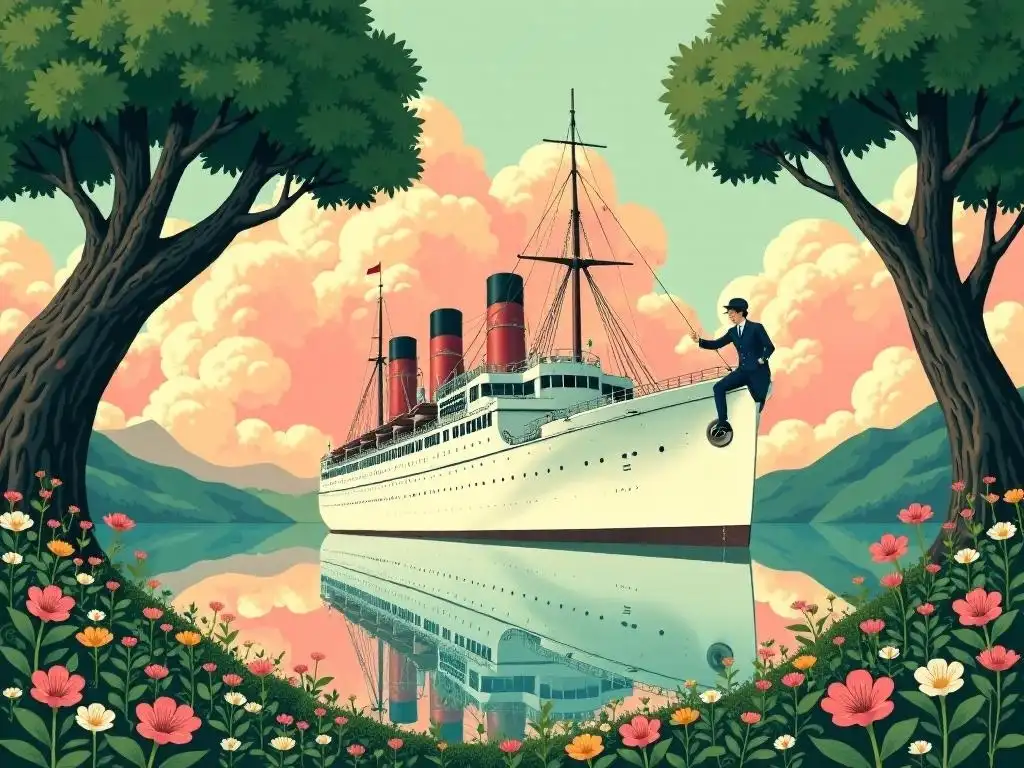
Welcome to Feudal Japan History, where we delve into the captivating tapestry of Japan’s feudal era, uncovering the intricate threads of its historical, cultural, and societal landscapes. In our featured article, “From Isolation to Engagement: Commodore Perry's Role in Japan's Foreign Relations,” we unravel the pivotal moments that shifted Japan from a state of seclusion to a new era of international engagement. What drove this transformation, and how did one man alter the course of a nation? Join us as we explore these compelling questions and more, inviting you to journey deeper into the fascinating world of feudal Japan.
Introduction to Commodore Perry and Japan's Isolation
The arrival of Commodore Matthew Perry in Japan during the mid-19th century marked a pivotal shift in the nation's foreign relations, transitioning from a long-standing policy of isolation to one of engagement with the outside world. For over two centuries, Japan had maintained a strict isolationist stance, limiting foreign interaction and trade primarily to the Dutch and Chinese. This era of seclusion not only shaped Japan's internal dynamics but also influenced its cultural and societal frameworks.
Commodore Perry's expedition, backed by the United States government, was instrumental in challenging these isolationist policies and opening Japan to international relations. This article delves into the complexities of Perry's role, the context of his arrival, and the consequential changes in Japan's foreign relations landscape.
Overview of Japan's Isolationist Policies
Japan's isolationist policies, known as Sakoku, were implemented during the Edo period (1603-1868). Under these policies, Japan effectively closed its borders to foreign influence, restricting trade to a few designated ports and banning Japanese citizens from traveling abroad. The Tokugawa shogunate, which ruled during this time, aimed to maintain stability and control over the population, fearing that foreign influences could disrupt the social order.
Key aspects of Japan's isolationist policies included:
- Limited Trade: Foreign trade was restricted primarily to the port of Nagasaki, where the Dutch were the only Europeans allowed to conduct business.
- Cultural Preservation: The isolationist stance enabled Japan to preserve its unique culture, traditions, and social structures, largely free from Western influences.
- National Security: The shogunate justified the isolation as a means of protecting Japan from potential colonial threats, particularly from Western powers.
These policies, although effective in maintaining Japan's sovereignty, ultimately set the stage for the dramatic changes that Perry's arrival would bring.
Significance of Commodore Perry in Japanese History
Commodore Perry's mission to Japan in 1853-1854 was not merely a military endeavor; it was a calculated diplomatic move aimed at opening Japan to the West. His arrival with a fleet of "black ships" symbolized the technological advancements of Western powers and the urgency for Japan to reconsider its isolationist policies.
The significance of Perry's role can be summarized as follows:
- Catalyst for Change: Perry's pressure to establish trade relations forced Japan to confront the realities of modernization and international diplomacy.
- Treaty of Kanagawa: The negotiations culminated in the Treaty of Kanagawa in 1854, which marked the end of Japan's isolationist policies by opening two ports to American ships and establishing a framework for future foreign relations.
- Cultural Exchange: Perry's visit initiated a period of cultural exchange, which would ultimately influence various aspects of Japanese society, including technology, education, and governance.
The Context of Perry's Arrival
Japan's Political Landscape in the 19th Century
In the early 19th century, Japan was experiencing significant internal strife. The Tokugawa shogunate was facing pressure from various factions, including discontented samurai and emerging merchant classes, which challenged the established order.
Factors influencing Japan's political landscape included:
- Economic Strain: The rigid class structure and declining agricultural productivity led to economic challenges, fueling unrest among the lower classes.
- Rise of Nationalism: The growing sense of nationalism among Japanese intellectuals and leaders pushed for a reevaluation of foreign policies and national identity.
- Western Encroachment: The presence of Western powers in Asia, particularly the colonization efforts in neighboring regions, heightened Japan's sense of vulnerability and the need for military and diplomatic modernization.
These dynamics created a ripe environment for the changes that Perry's arrival would precipitate.
The Role of Foreign Influences on Japan's Isolation
The foreign influences that eventually led to the end of Japan's isolationist policies were multifaceted. The increasing presence of Western powers in the region, combined with the technological and military advancements that accompanied them, posed significant challenges to Japan's traditional way of life.
Key foreign influences included:
- British and Russian Interests: The ambitions of other Western nations, including Britain and Russia, highlighted the need for Japan to engage with the world to safeguard its sovereignty.
- Opium Wars: The impact of the Opium Wars in China demonstrated the destructive potential of foreign military powers, prompting Japanese leaders to reassess their isolationist stance.
- Trade Imbalance: The desire for economic stability and trade opportunities further motivated Japan to open its doors to foreign relations, culminating in Perry's mission.
Through this exploration of Commodore Perry's role in Japan's foreign relations, we can better understand how his arrival not only altered the course of Japanese history but also set the stage for its transformation into a modern nation.
Commodore Perry's Mission
Commodore Matthew Perry's mission to Japan in the mid-19th century was a pivotal moment in Japanese history, marking the end of over two centuries of self-imposed isolation. His expedition was not merely a naval venture; it was a strategic move that sought to establish diplomatic and trade relations between Japan and the United States. This mission reflected broader U.S. foreign policy interests during a time when Western nations were expanding their influence in Asia. Perry's actions laid the groundwork for future interactions between Japan and the outside world, fundamentally altering the trajectory of Japanese society and governance.
Objectives of Perry's Expedition to Japan
The primary objectives of Perry's expedition were multifaceted. Firstly, he aimed to secure a formal treaty that would open Japanese ports to American ships, facilitating trade and ensuring the safety of American sailors. The United States was increasingly interested in expanding its economic reach in Asia, particularly with the growth of trade routes to China.
Secondly, Perry sought to establish Japan as a reliable partner in a region where Western powers were vying for dominance. He understood that Japan's geographic position could serve as a strategic refueling and supply station for American whaling ships and merchant vessels traveling across the Pacific.
Moreover, Perry's mission was also rooted in humanitarian concerns. The commodore hoped to advocate for the humane treatment of shipwrecked sailors, as many American sailors had suffered mistreatment in Japan due to the country's isolationist policies. This humanitarian angle provided a moral justification for his expedition and was a key talking point in negotiations with Japanese authorities.
The Impact of U.S. Foreign Policy on Japan's Relations
Perry's mission was significantly influenced by the broader context of U.S. foreign policy in the 19th century. During this era, the United States was emerging as a global power, and its leaders recognized the importance of establishing trade relations with Asian nations. This was exemplified by the "Open Door Policy" that sought to ensure equal trading rights in China and other parts of Asia.
The American government viewed Japan as an untapped market rich with potential for trade and commerce. By sending Perry to Japan, U.S. leaders aimed to project military strength and demonstrate their willingness to engage with non-Western nations. This approach was part of a larger strategy to counter European colonial ambitions in Asia and secure American interests.
Perry's successful expedition ultimately led to the signing of the Treaty of Kanagawa in 1854, which marked the beginning of formal diplomatic relations between Japan and the United States. This agreement not only opened two ports to American vessels but also set a precedent for future treaties with other Western powers, signaling a shift in Japan's foreign relations from isolation to engagement.
The First Encounter: Perry's Black Ships
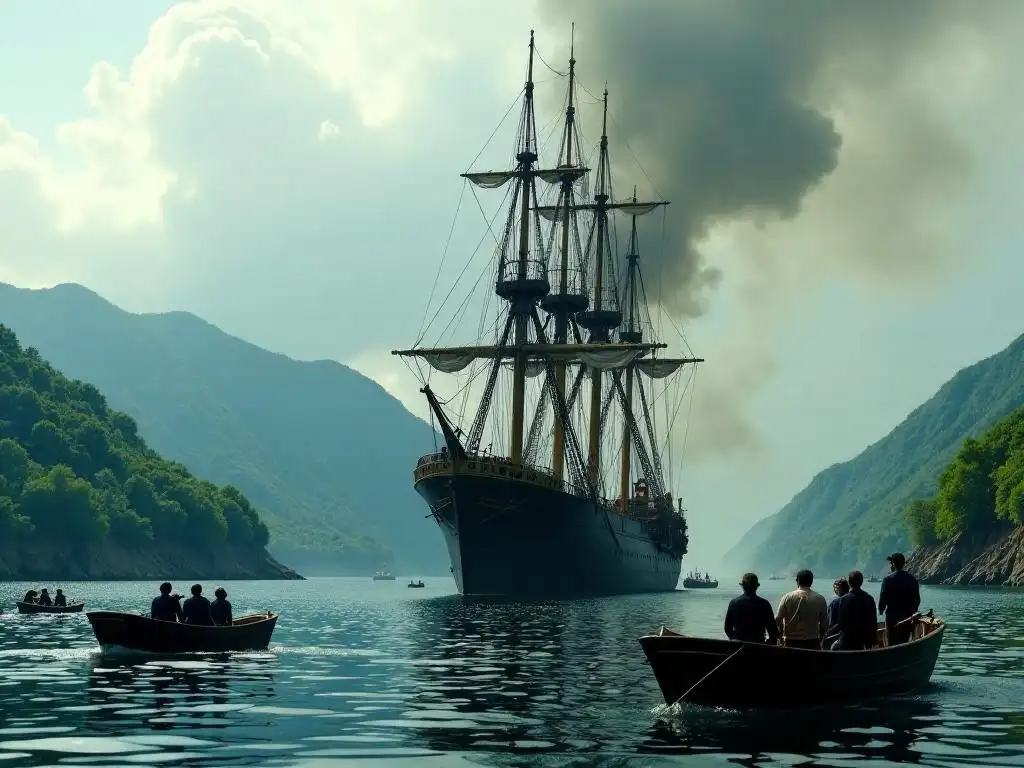
The arrival of Commodore Perry's "Black Ships" in Japan in 1853 is one of the most iconic moments in Japanese history. These vessels, known for their imposing size and advanced technology, were a stark contrast to the traditional Japanese ships of the time. Their arrival signified the beginning of a new era in Japan's interactions with the outside world.
Description of Perry's Ships and Technology
Perry's fleet consisted of four ships, the most notable being the USS Mississippi and the USS Plymouth. These ships were powered by steam engines, a technology that was still relatively new at the time and gave them a significant advantage over traditional sailing ships.
The Black Ships were heavily armed, equipped with cannons and advanced naval weaponry that showcased American military prowess. Their dark hulls and billowing white sails created a striking visual that left a lasting impression on the Japanese populace. The sheer size and sophistication of Perry's vessels represented a new kind of maritime power that Japan had never encountered before.
Furthermore, the ships were not just military vessels; they carried various scientific instruments and materials meant to demonstrate American technological advancements. This included telegraphs, which symbolized modern communication and the rapid technological progress occurring in the West.
Initial Reactions from Japanese Authorities
The initial reactions of Japanese authorities to Perry's arrival were a mixture of fear, curiosity, and confusion. The sight of the Black Ships was alarming to many, given Japan's longstanding isolationist policies and the perception of foreign powers as potential threats to national sovereignty.
Upon seeing the ships, local officials in Uraga, where Perry first anchored, expressed concern over the implications of foreign contact. The Tokugawa shogunate, which held power at the time, was caught off guard by the advanced technology and military capabilities displayed by Perry. This led to intense discussions among Japanese leaders about how to respond, weighing the need to maintain their isolation against the potential benefits of engaging with foreign nations.
Despite the initial apprehension, Perry's diplomatic efforts and the eventual realization that isolation was unsustainable prompted Japanese leaders to reconsider their stance. This encounter set the stage for the eventual signing of the Treaty of Kanagawa, which would open Japan to the world and mark the beginning of a new chapter in its history.
The Treaty of Kanagawa: A Turning Point
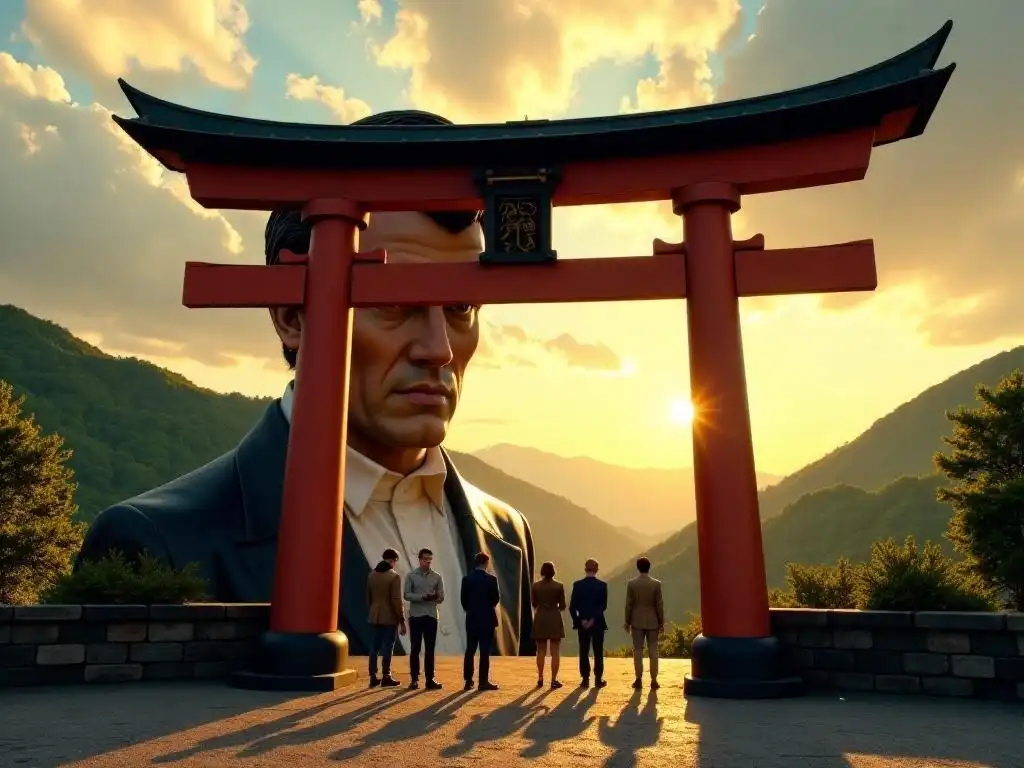
The Treaty of Kanagawa, signed on March 31, 1854, marked a significant turning point in Japan's foreign relations and ultimately its trajectory toward modernization. Prior to this treaty, Japan had maintained a policy of sakoku, or national isolation, for over two centuries, limiting foreign influence and trade primarily to the Dutch and Chinese. Commodore Matthew Perry's arrival with his "Black Ships" in 1853 forced Japan to confront the realities of global politics and the need for engagement with the outside world. The treaty effectively ended Japan's isolationist policies, opening up the nation to foreign trade and diplomatic relations.
The signing of the Treaty of Kanagawa was not merely a result of Perry's naval power but also reflected the changing dynamics of international relations during the mid-19th century. The treaty established a framework for diplomatic relations and trade between Japan and the United States, setting a precedent for other Western powers to follow. It symbolized a new era in Japanese history, where the nation transitioned from a secluded society to one that was engaged with global affairs.
Key Provisions of the Treaty and Its Implications
The Treaty of Kanagawa included several key provisions that had profound implications for Japan's foreign relations:
- Opening of Ports: The treaty stipulated that two ports, Shimoda and Hakodate, would be opened to American vessels for supplies and trade, allowing for increased commercial interaction.
- Establishment of a Consulate: The United States was granted the right to establish a consulate in Japan, which facilitated diplomatic communication and the protection of American citizens.
- Humanitarian Considerations: The treaty included provisions for the humane treatment of shipwrecked American sailors, reflecting evolving norms around human rights and international law.
These provisions signaled a significant shift in Japan’s approach to foreign relations, moving from a defensive posture to one that embraced engagement and cooperation. The treaty also set the stage for subsequent treaties with other Western nations, leading to a series of unequal treaties that would further erode Japan's sovereignty but also catalyze its modernization efforts.
How the Treaty Altered Japan's Foreign Relations
The Treaty of Kanagawa fundamentally altered Japan's foreign relations by opening the country to Western influence and trade. The immediate result was the influx of foreign ideas, technologies, and cultural practices that began to reshape Japanese society. Japan's leaders recognized the need to modernize in order to avoid the fate of other Asian nations that had succumbed to colonization.
In the years following the treaty, Japan signed additional treaties with other Western powers, notably the Harris Treaty with the United States in 1858, which expanded trade privileges and established more comprehensive diplomatic ties. This wave of engagement compelled Japan to reform its political and economic systems, leading to the Meiji Restoration in 1868. The restoration ultimately transformed Japan into a modern nation-state capable of competing on the world stage, highlighting the paradox of how initial capitulation to foreign powers led to a robust national resurgence.
Commodore Perry’s Legacy in Japan
Commodore Perry's impact on Japan extended far beyond the immediate consequences of the Treaty of Kanagawa. His role in opening Japan to the West is often cited as a catalyst for profound changes in Japanese society and governance. Perry's arrival is seen as a pivotal moment that initiated a complex interplay of cultural exchange, modernization, and national identity formation.
Lasting Effects on Japanese Society and Culture
The legacy of Commodore Perry in Japan is evident in several lasting effects on Japanese society and culture:
- Cultural Exchange: Perry's expedition introduced Western technologies, ideologies, and cultural practices, which began to permeate Japanese life. This influence can be seen in various aspects of Japanese culture, from architecture to fashion, and even cuisine.
- Modernization Efforts: The necessity to engage with Western powers prompted Japan to embark on a path of rapid modernization, leading to significant reforms in education, military, and governance. This transformation was crucial in establishing Japan as a major world power by the early 20th century.
- National Identity: The encounter with the West spurred a re-evaluation of Japanese identity, leading to a blend of traditional and modern elements in cultural expressions. This duality is still reflected in contemporary Japanese society.
Perry’s Influence on Subsequent Foreign Relations
Perry's role as a harbinger of change set the tone for Japan's subsequent foreign relations. His actions paved the way for a series of treaties that not only established diplomatic ties but also imposed unequal conditions that challenged Japan's sovereignty. This pattern of engagement forced Japan to navigate a complex relationship with Western powers, balancing the need for modernization with the desire to maintain national dignity.
The legacy of Perry is also apparent in Japan's strategic interactions with other nations in the late 19th and early 20th centuries. Japan sought to assert itself as an equal among Western powers, culminating in events such as the Sino-Japanese War (1894-1895) and the Russo-Japanese War (1904-1905), which further solidified its position on the global stage. Perry's initial push for engagement ultimately transformed Japan from a secluded feudal society into a formidable imperial power, reshaping its foreign relations for decades to come.
Comparative Analysis: Japan Before and After Perry
Before Commodore Perry's arrival in 1853, Japan was largely isolated from the rest of the world, adhering to a policy known as sakoku (鎖国), which severely restricted foreign influence and trade. This isolation lasted for over two centuries, during which time Japan developed a unique culture and societal structure, heavily influenced by Confucian ideals and a strict feudal system. The Tokugawa shogunate maintained control over foreign relations, allowing limited trade only with a few countries, such as the Dutch and the Chinese, through designated ports like Nagasaki.
In contrast, after Perry’s expedition, Japan experienced a seismic shift in its foreign relations. The signing of the Treaty of Kanagawa in 1854 marked the end of Japan’s isolationist policies and initiated diplomatic engagement with Western powers. This treaty not only opened two ports for American trade but also established a precedent for other foreign nations to demand similar concessions. Consequently, Japan transitioned from a closed society to one actively participating in international affairs, leading to significant political, economic, and social changes.
Changes in Japan's Foreign Relations Post-Treaty
The Treaty of Kanagawa served as a catalyst for Japan's transformation in foreign relations, leading to several notable changes:
- Opening of Additional Ports: Following the initial treaty with the United States, other nations, including Britain, France, and Russia, sought similar agreements, resulting in Japan opening multiple ports for international trade.
- Diplomatic Missions: Japan began sending diplomatic missions abroad to learn from Western practices. The Iwakura Mission (1871-1873) was a significant effort to study Western technology and governance, which subsequently influenced Japan's modernization.
- Commercial Treaties: Japan entered into a series of unequal treaties that favored foreign powers, leading to a period of significant internal strife as nationalists sought to renegotiate these agreements and restore Japan's sovereignty.
These changes marked the beginning of Japan's evolution into a modern nation-state, ultimately culminating in its emergence as a global power by the early 20th century.
Comparisons with Other Nations’ Engagements with Japan
Japan's engagement with Commodore Perry and subsequent foreign relations can be compared to the experiences of other nations that sought to establish ties with Japan during the same period:
- Dutch Engagement: The Dutch were the only Europeans allowed limited trade with Japan during the sakoku period, relying on their unique relationship to maintain a presence in the region. Their influence was largely intellectual and cultural, contrasting with the aggressive military stance adopted by Perry.
- British Influence: The British were involved in the Opium Wars with China and sought to leverage similar tactics with Japan. However, they recognized the unique cultural and political context of Japan, leading to more diplomatic approaches after Perry's arrival.
- Russian Interests: Russia had been attempting to establish trade relations with Japan for years. The arrival of Perry prompted a more aggressive Russian posture in the Far East, ultimately leading to territorial disputes in the following decades.
These comparisons illustrate that while Perry’s approach was characterized by the use of naval power to compel Japan to open up, other nations had different methods and levels of success in engaging with Japan.
Conclusion
Summary of Commodore Perry's Impact on Japan's Foreign Relations
Commodore Perry's expedition had a profound and lasting impact on Japan's foreign relations. His arrival marked the end of over 200 years of isolation and initiated a new era of engagement with foreign nations. The Treaty of Kanagawa set the stage for Japan to open up to the world, leading to a rapid transformation in its political, economic, and social landscapes. Perry's actions not only reshaped Japan's foreign policy but also influenced its eventual modernization and emergence as a global power.
Reflection on the Transformation from Isolation to Engagement
The transformation from isolation to engagement that Japan underwent due to Commodore Perry's influence is a compelling example of how external pressures can catalyze significant national change. This shift allowed Japan to modernize rapidly, absorbing Western technologies and ideas while maintaining its cultural identity. The legacy of Perry's visit serves as a reminder of the complexities involved in international relations, highlighting the balance between national sovereignty and global engagement. Japan's journey post-Perry illustrates the dynamic nature of diplomatic relations and the importance of adaptability in an ever-changing world.
Further Reading and Resources
To gain a deeper understanding of Commodore Perry's impact on Japan's foreign relations and the broader context of Japan's feudal era, a variety of resources are available. These include books, articles, and academic papers that explore the intricate dynamics of Japan's isolationist policies and their eventual shift towards engagement with the West.
Recommended Books on Commodore Perry and Japan
-
"Commodore Perry in the Land of the Shogun" by Rhoda Blumberg
This engaging book presents a narrative of Commodore Perry's journey to Japan, detailing both his mission and the cultural encounters that followed. Blumberg's work is accessible for both young readers and adults, making it an excellent introductory text.
-
"The Opening of Japan: A New History of the Perry Expedition" by John W. Dower
Dower, a Pulitzer Prize-winning historian, offers a comprehensive analysis of Perry's expedition and its implications for Japan's transformation from isolation to engagement. The book combines historical narrative with critical reflection on the cultural exchanges and conflicts that ensued.
-
"Perry's World: The First American Expedition to Japan" by Charles R. N. Smith
This book delves into the intricacies of Perry's expedition, providing insights into the geopolitical context of the 1850s and how it influenced Japan's foreign policy. Smith emphasizes the importance of Perry's mission in shaping modern Japan.
-
"The Last Samurai: The Life and Battles of Saigo Takamori" by Mark Halperin
Although focused on one of Japan's most famous samurai, this book provides valuable context regarding the changes in Japanese society and politics following Perry's arrival. It illustrates the resistance to Western influence and the eventual modernization of Japan.
Additional Articles on Japan's Foreign Relations During the Feudal Era
-
"Japan's Isolationist Policies: Historical Context and Consequences"
This article examines the reasons behind Japan's Sakoku (closed country) policy, analyzing its effects on foreign relations and internal development. It provides a backdrop for understanding the significance of Perry's arrival.
-
"Commodore Perry's Legacy: The Transformation of Japan's Diplomatic Relations"
This piece discusses the long-term effects of Perry's expeditions, particularly how they catalyzed Japan's opening to foreign nations and the eventual shift in its diplomatic strategies.
-
"The Treaty of Kanagawa: A Turning Point in Japan's Foreign Relations"
An exploration of the Treaty of Kanagawa, this article details the negotiations that led to its signing and the repercussions it had on Japan's interactions with other nations.
-
"Cultural Exchange Between Japan and the West: The Post-Perry Era"
This article focuses on the cultural exchanges and transformations that occurred after Perry's arrival, highlighting the influence of Western ideas on Japanese society during the Meiji Restoration.
These resources provide a multifaceted view of Commodore Perry's role in shaping Japan's foreign relations and the broader implications for Japanese history during the feudal era. Readers interested in this pivotal moment in Japan's history will find a wealth of information to enhance their understanding.
- Introduction to Commodore Perry and Japan's Isolation
- The Context of Perry's Arrival
- Commodore Perry's Mission
- The First Encounter: Perry's Black Ships
- The Treaty of Kanagawa: A Turning Point
- Commodore Perry’s Legacy in Japan
- Comparative Analysis: Japan Before and After Perry
- Changes in Japan's Foreign Relations Post-Treaty
- Comparisons with Other Nations’ Engagements with Japan
- Conclusion
- Further Reading and Resources
Frequently Asked Questions
What was Commodore Perry's mission in Japan?
Commodore Perry's mission was to open Japan to foreign trade by negotiating with the Japanese government, which had maintained a policy of isolation for over two centuries.
How did Japan respond to Commodore Perry's arrival?
Initially, Japan was resistant to foreign influence. However, Perry's show of military strength and diplomacy eventually led to the signing of the Kanagawa Treaty in 1854, marking the end of isolation.
What were the long-term effects of Perry's expedition on Japan?
Perry's expedition catalyzed Japan’s transformation from isolation to engagement with the world, leading to rapid industrialization and modernization in the late 19th century.
Did Commodore Perry have any significant impacts on Japan's foreign relations?
Yes, Perry's actions laid the groundwork for Japan's foreign relations, fostering diplomatic ties and trade with Western nations, which significantly influenced Japan's international standing.
How is Commodore Perry remembered in Japan today?
Commodore Perry is often viewed as a controversial figure; while his actions are credited with opening Japan to the world, they also symbolize the challenges of Western imperialism faced by the country.
Final Reflection: The Transformative Journey of Commodore Perry in Japan's Foreign Relations
The historical journey of Commodore Perry's role in Japan's foreign relations is not merely a tale of diplomacy but a profound narrative of transformation that resonates deeply in today's interconnected world. As we navigate an era marked by globalization and cultural exchange, the lessons from Perry's expeditions remind us of the importance of engagement over isolation. The striking reality is that the bridges built through diplomacy can lead to mutual understanding and cooperation, shaping the course of nations and their people.
The impact of Perry's mission extends far beyond the shores of Japan; it has woven itself into the very fabric of international relations and cultural exchange. The shift from isolation to engagement initiated by Perry's arrival has paved the way for a rich tapestry of interactions that continue to influence global diplomacy. As we reflect on this historical moment, we are reminded of the words of historian John W. Dower: The opening of Japan was not merely a matter of trade; it was a profound cultural exchange that reshaped both nations.
This ongoing influence underscores the importance of recognizing and valuing diverse perspectives in our global society.
As we conclude this exploration, I invite you to reflect on the lessons learned from Commodore Perry's journey. Consider how you can foster engagement in your own life, whether through cultural understanding, open dialogue, or collaborative efforts in your community. The spirit of Perry's mission teaches us that by embracing connection over division, we can contribute to a more harmonious world. Let us take these lessons to heart and strive to build bridges that promote understanding and cooperation in our own spheres of influence.
Embrace the Legacy: Connect with Japan’s Cultural Exchange!
Thank you for exploring Commodore Perry's pivotal role in Japan's foreign relations. Your journey through history illuminates the profound impact of cultural exchange on our world today. Now, it's time to take that knowledge and share it with others!
Here’s how you can continue engaging with this fascinating topic:
- Dive Deeper: Explore further by reading additional articles on feudal Japan and the influence of international relations on modern culture.
- Join the Conversation: Share your insights on Commodore Perry's legacy in our comments section—how do you believe his actions still resonate in contemporary society?
- Spread the Word: Share this article with friends or on social media to inspire others to delve into Japan’s rich history.
What aspect of cultural exchange piques your curiosity the most, and how do you envision its impact on our global society today?